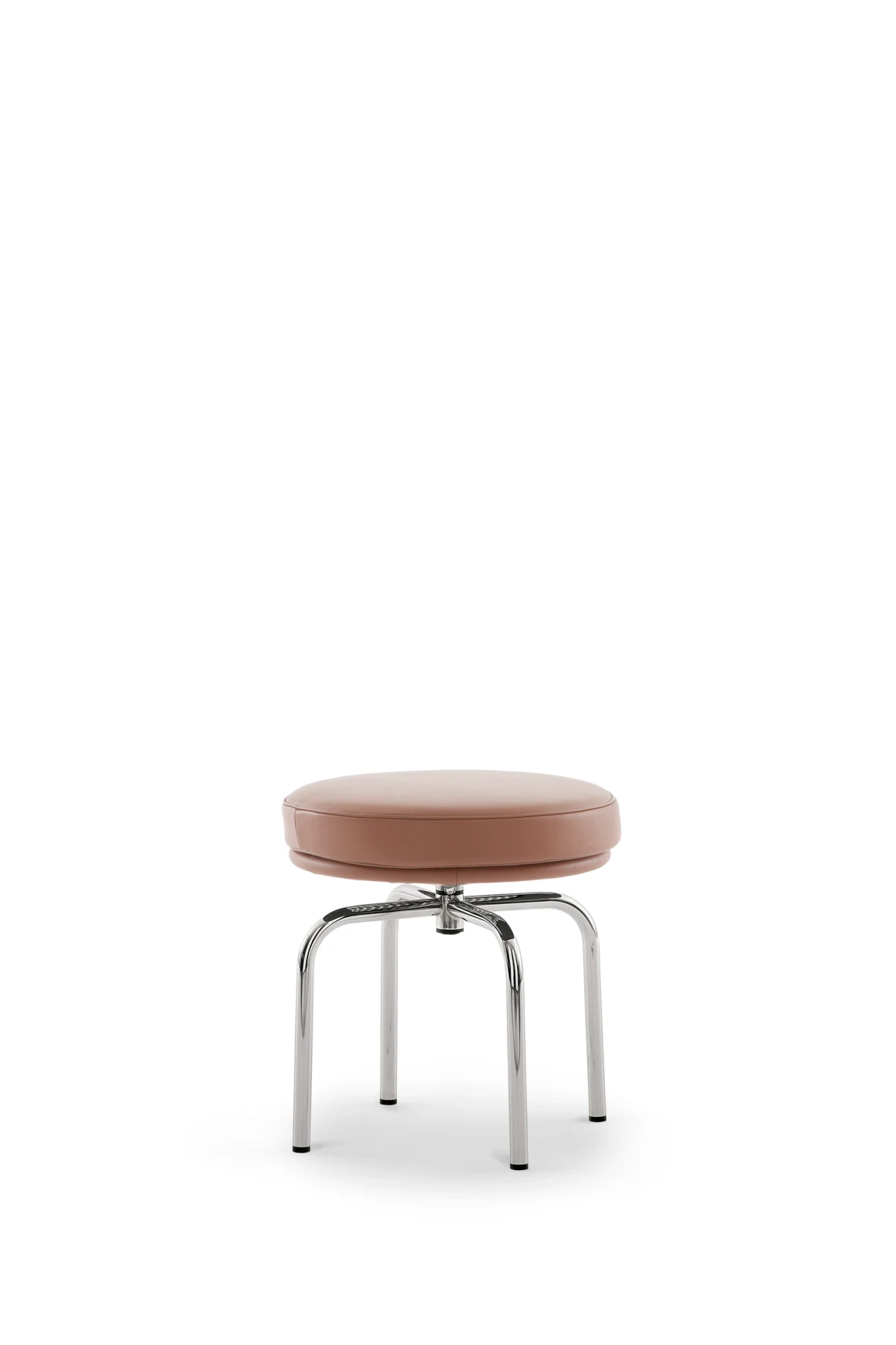
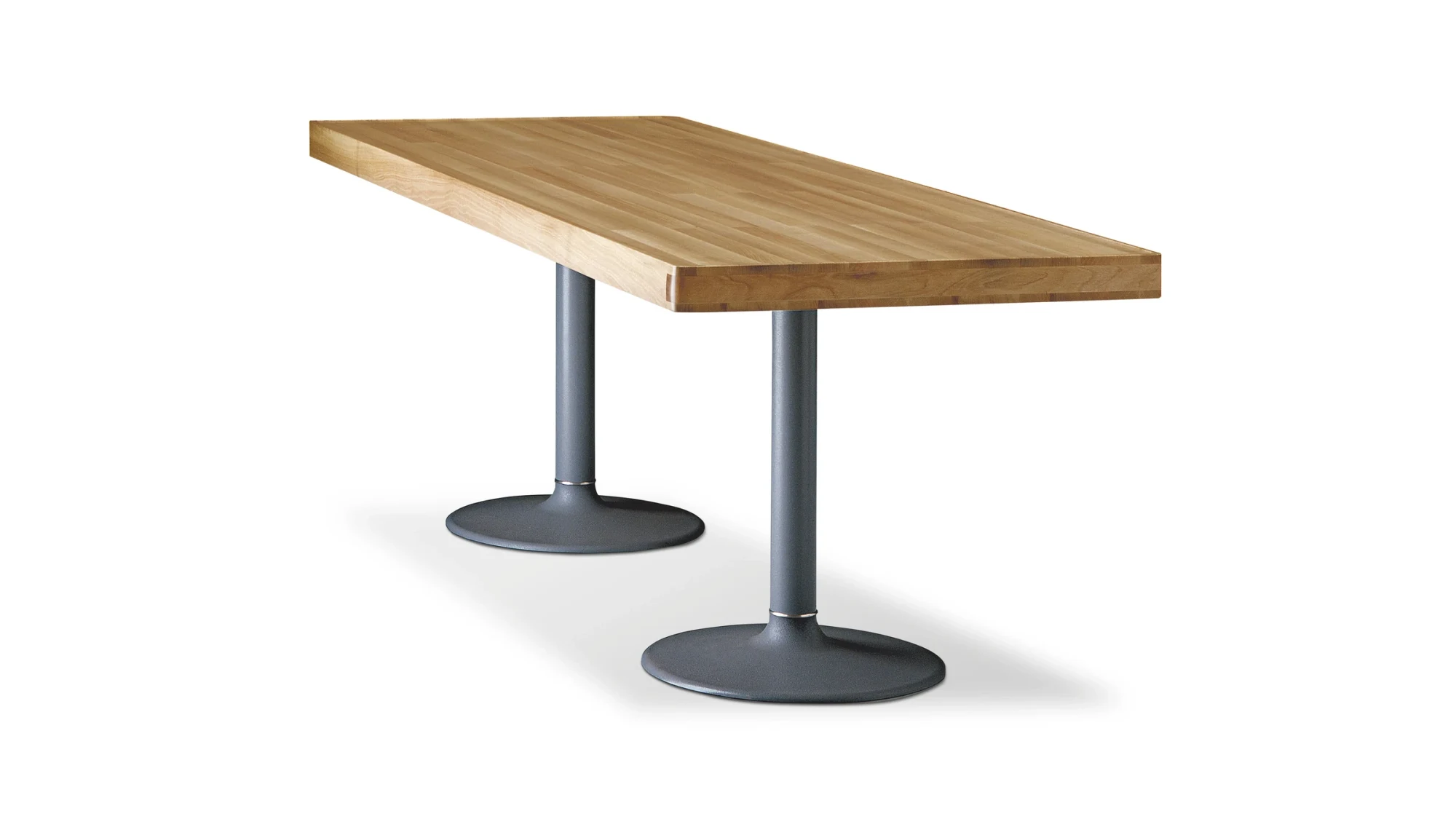
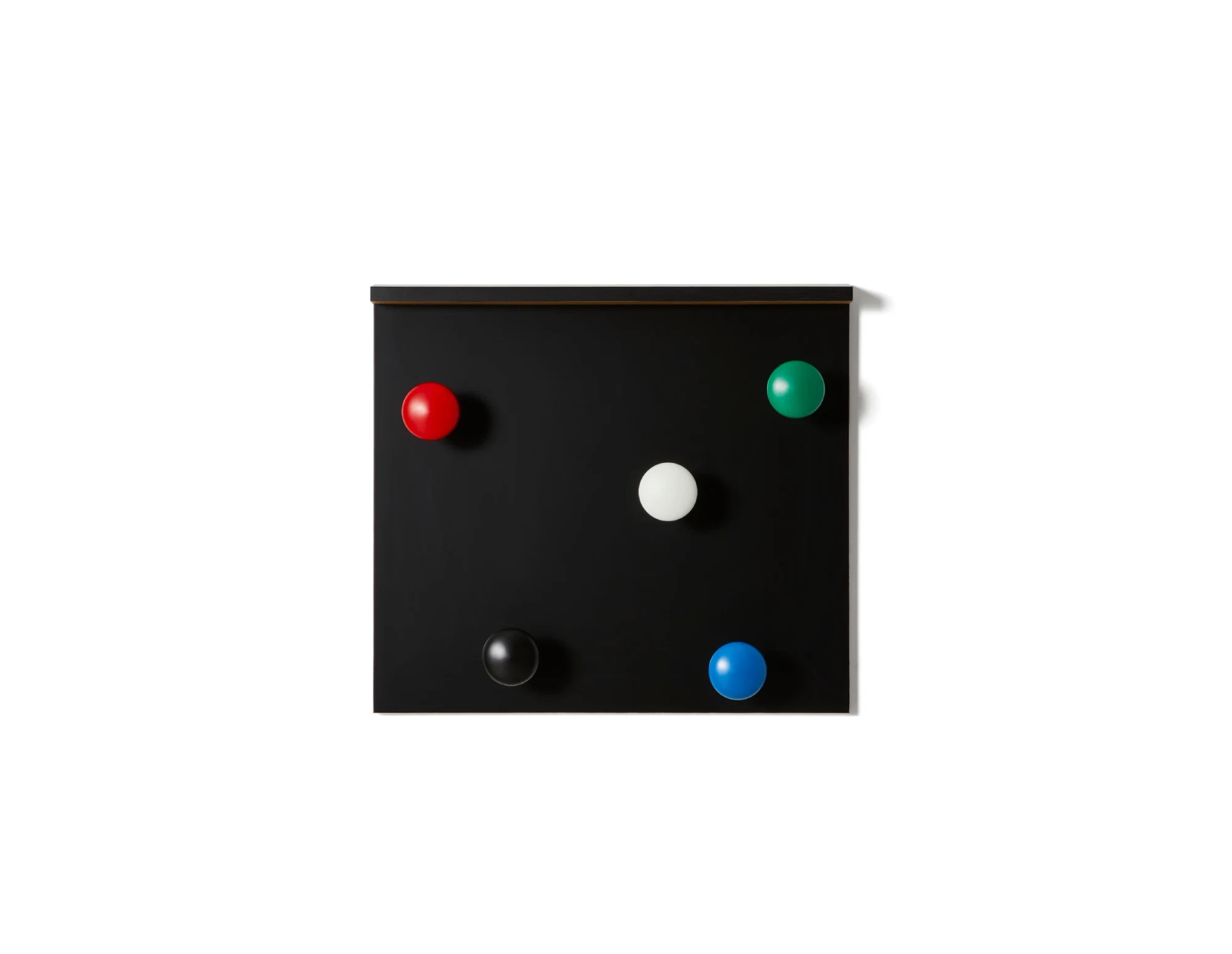
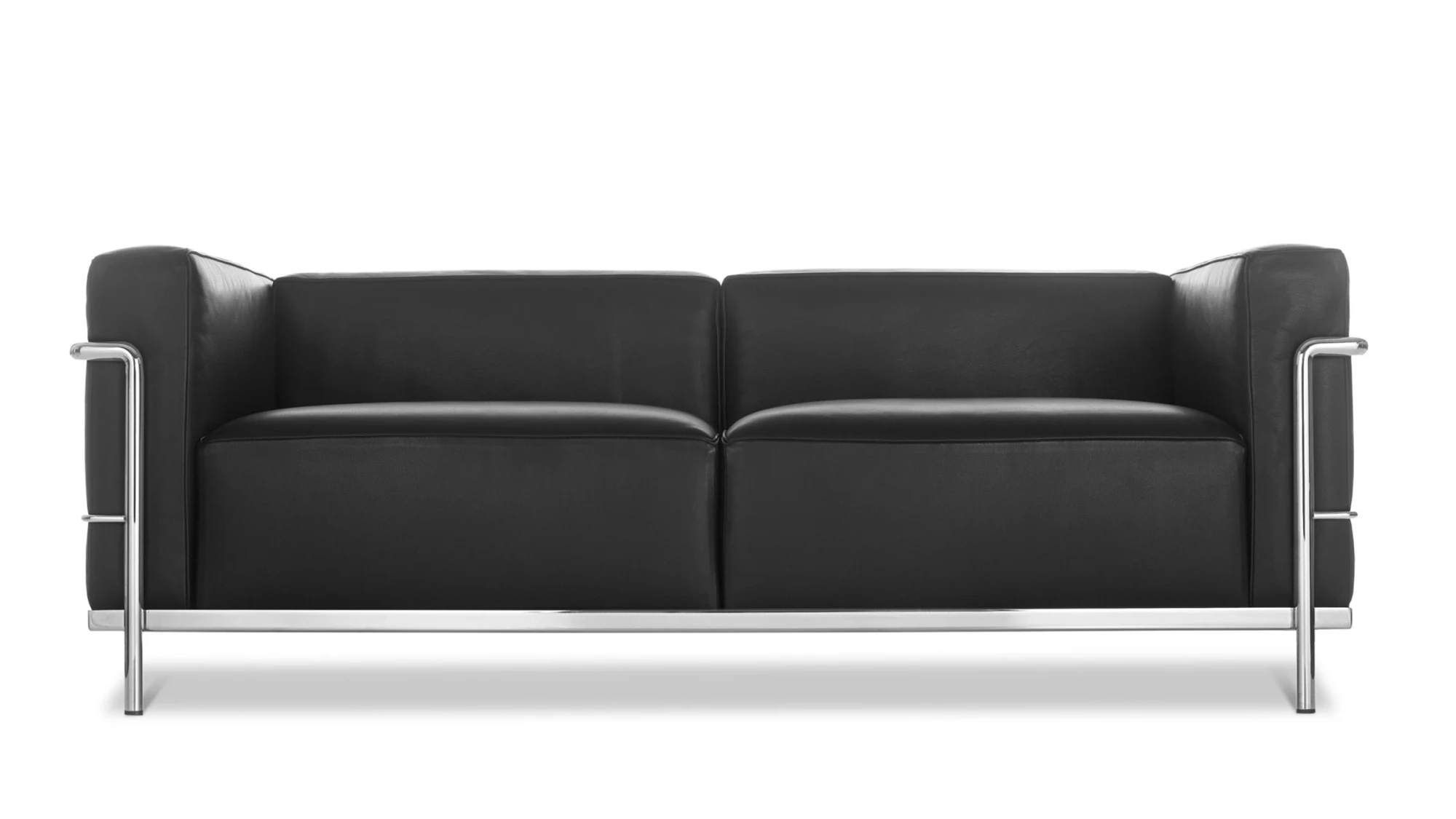
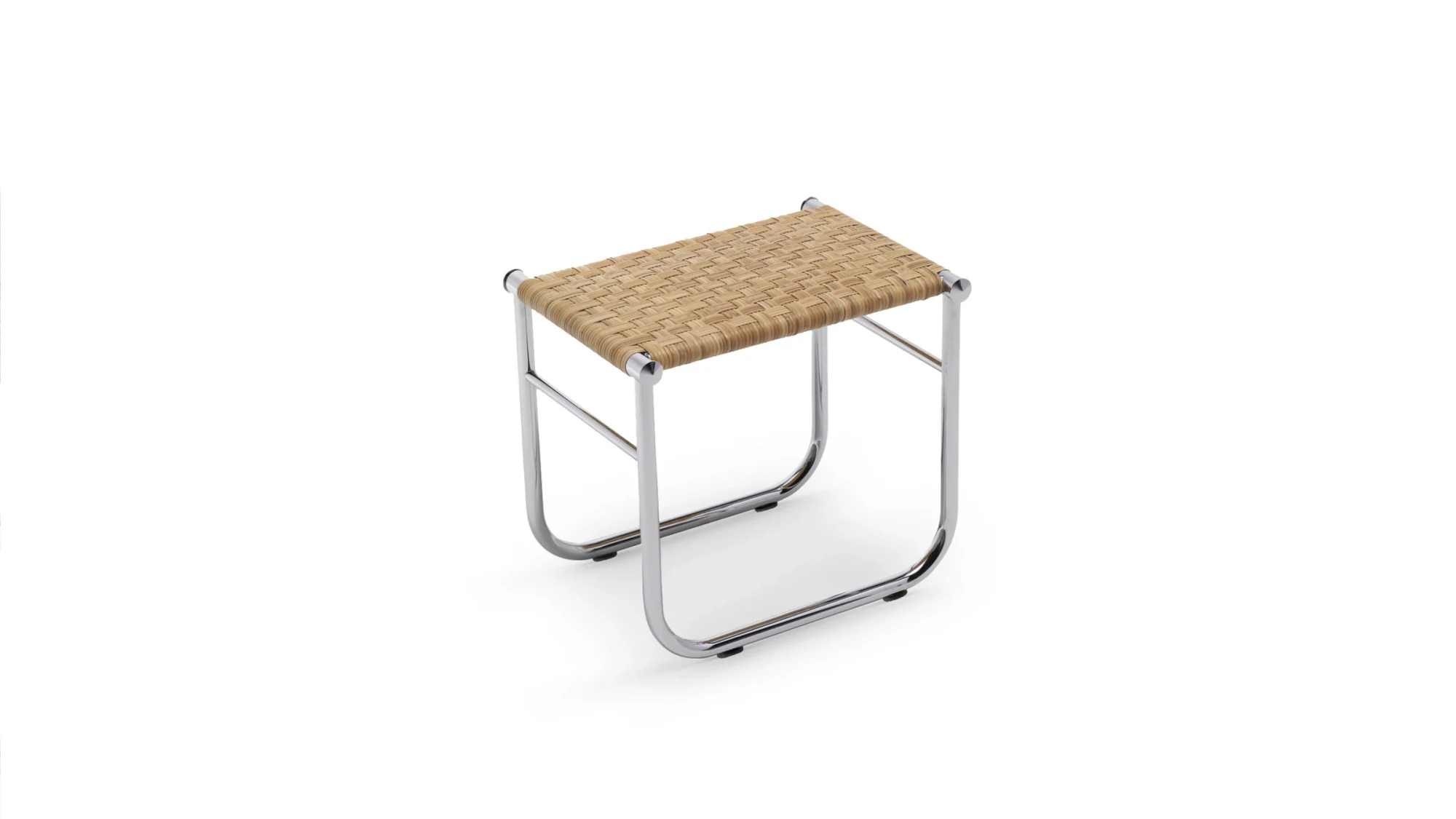
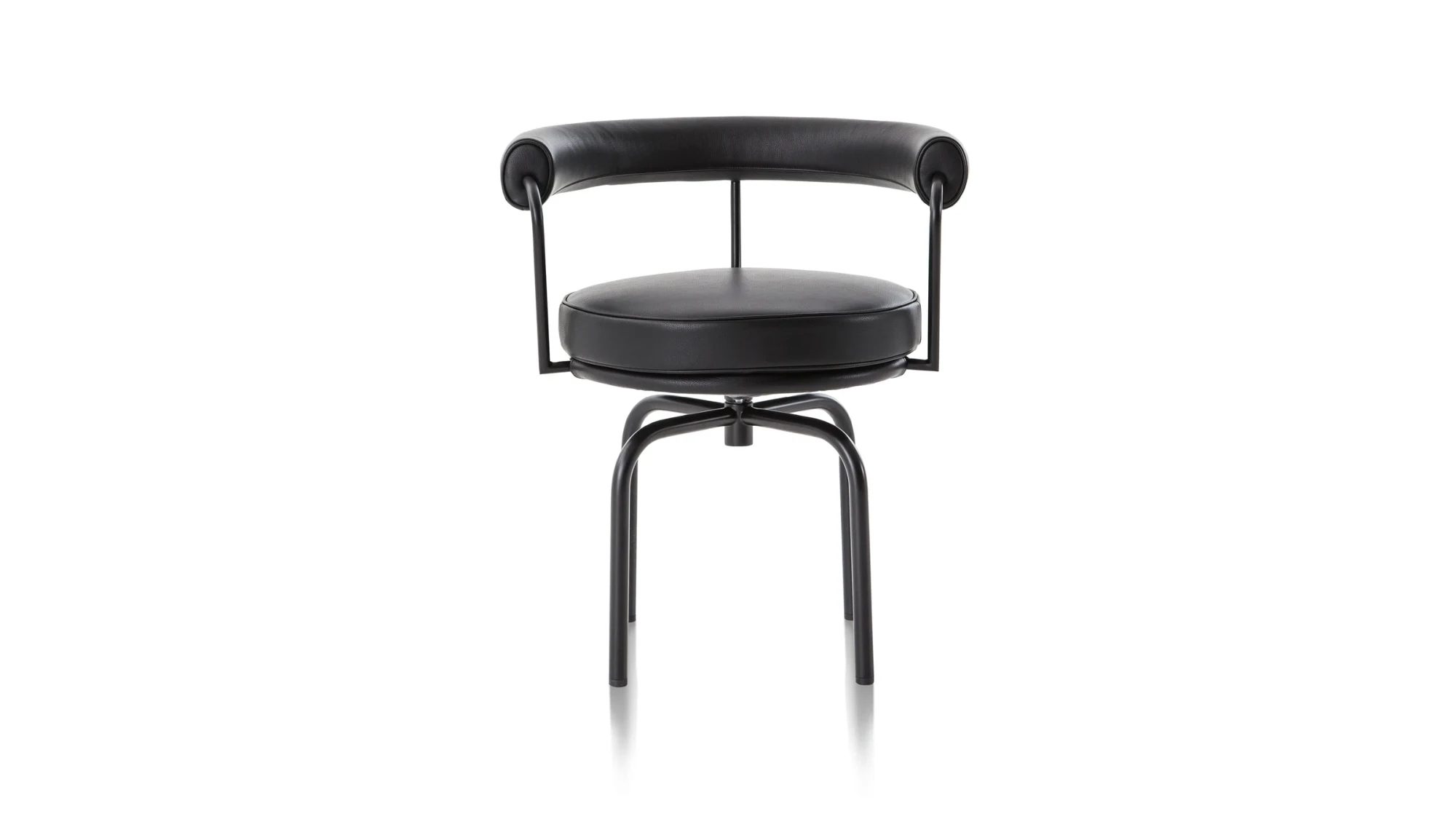
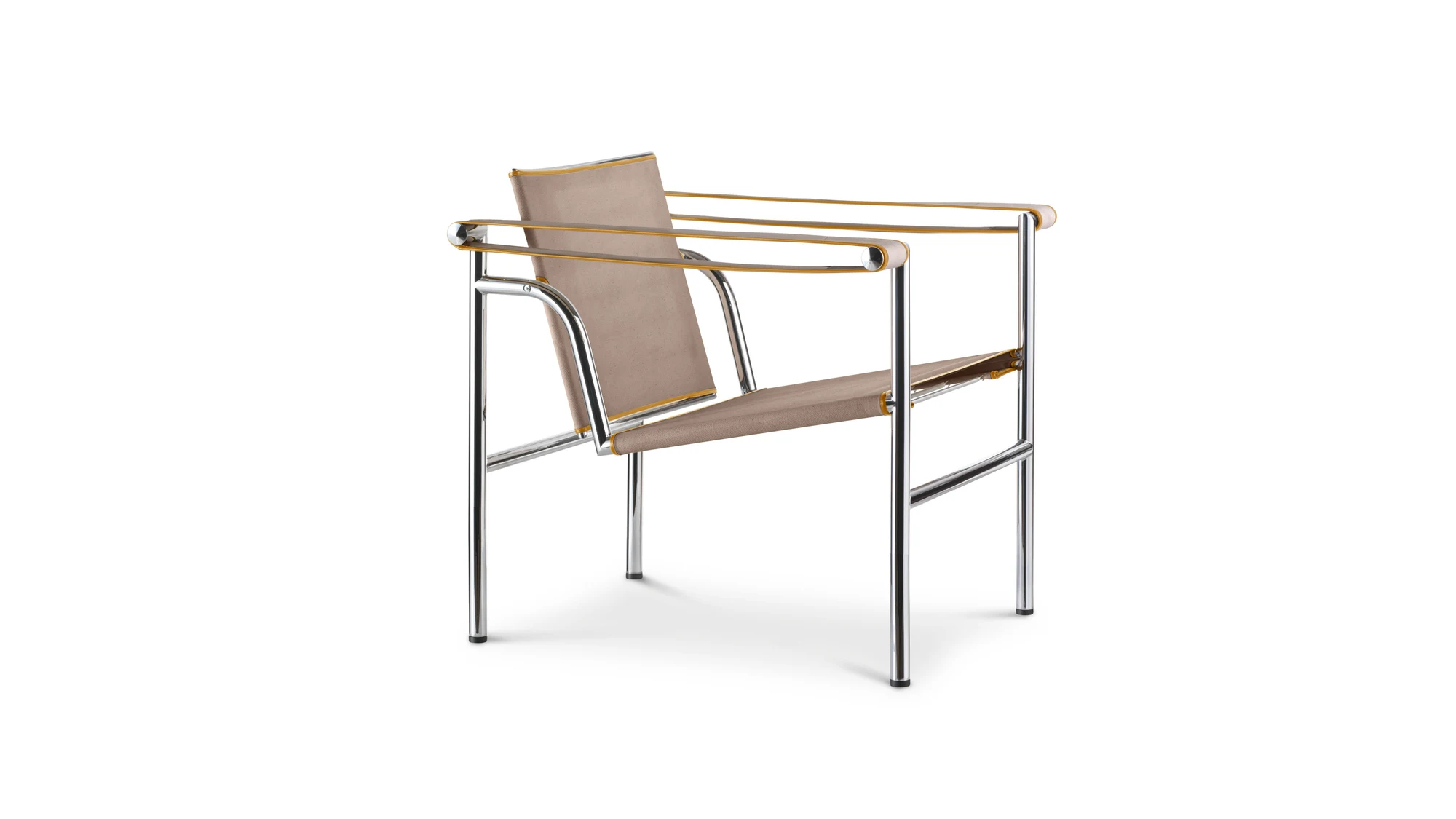
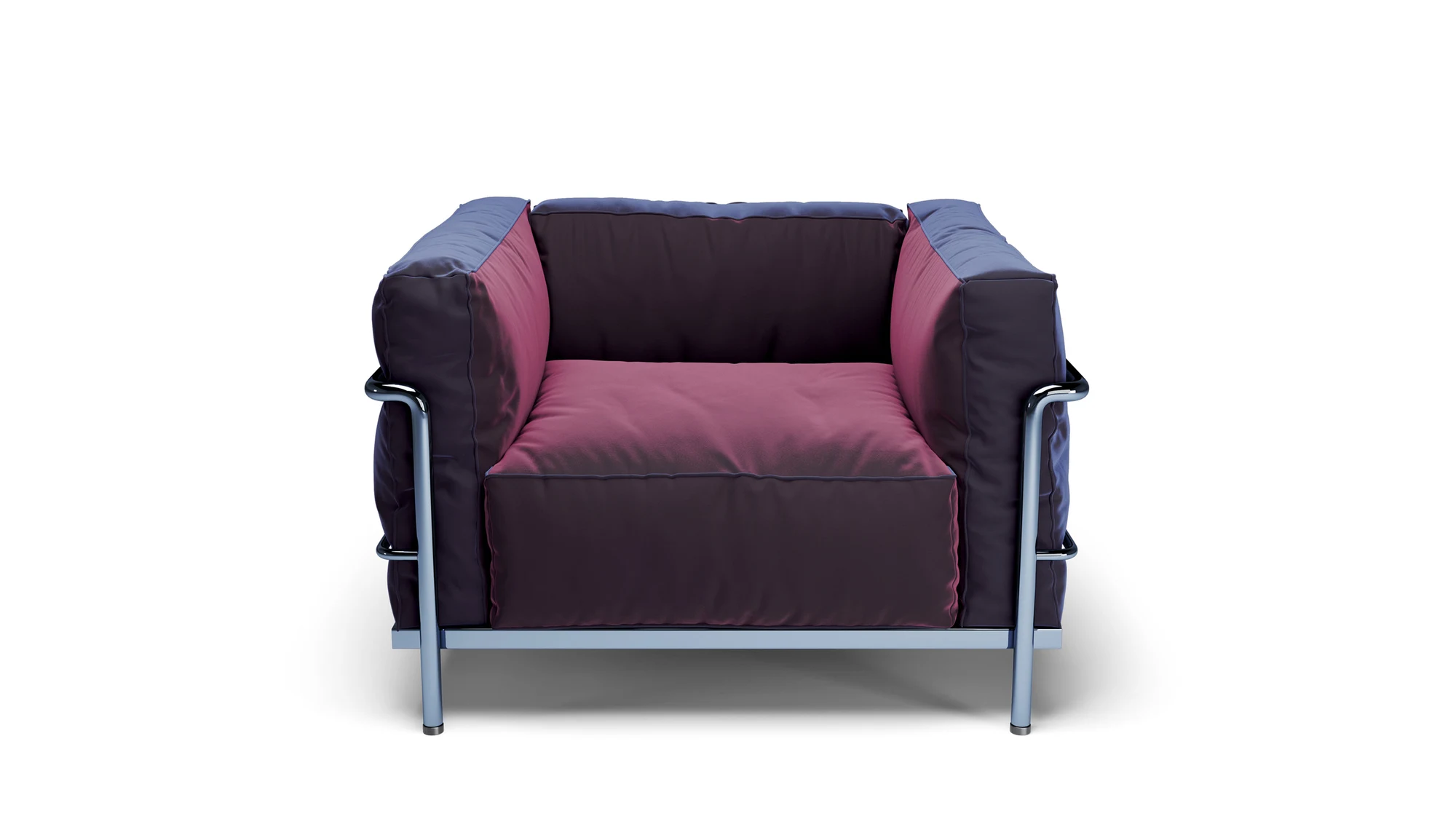
Image source: Cassina — LC14 Tabouret Cabanon
© Cassina and the respective rights holders. Quoted to accompany INTEBEE's independent design commentary and research.
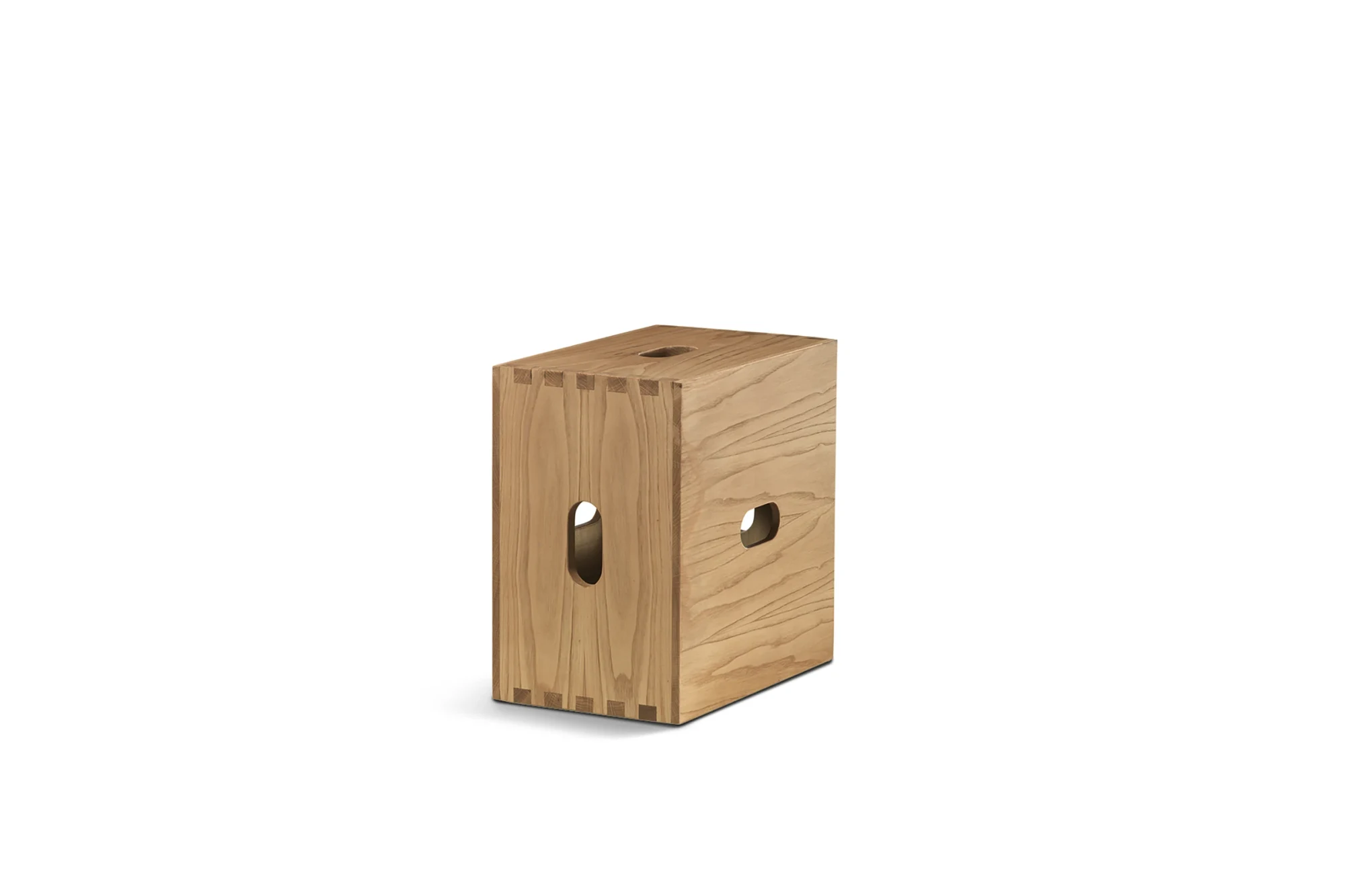
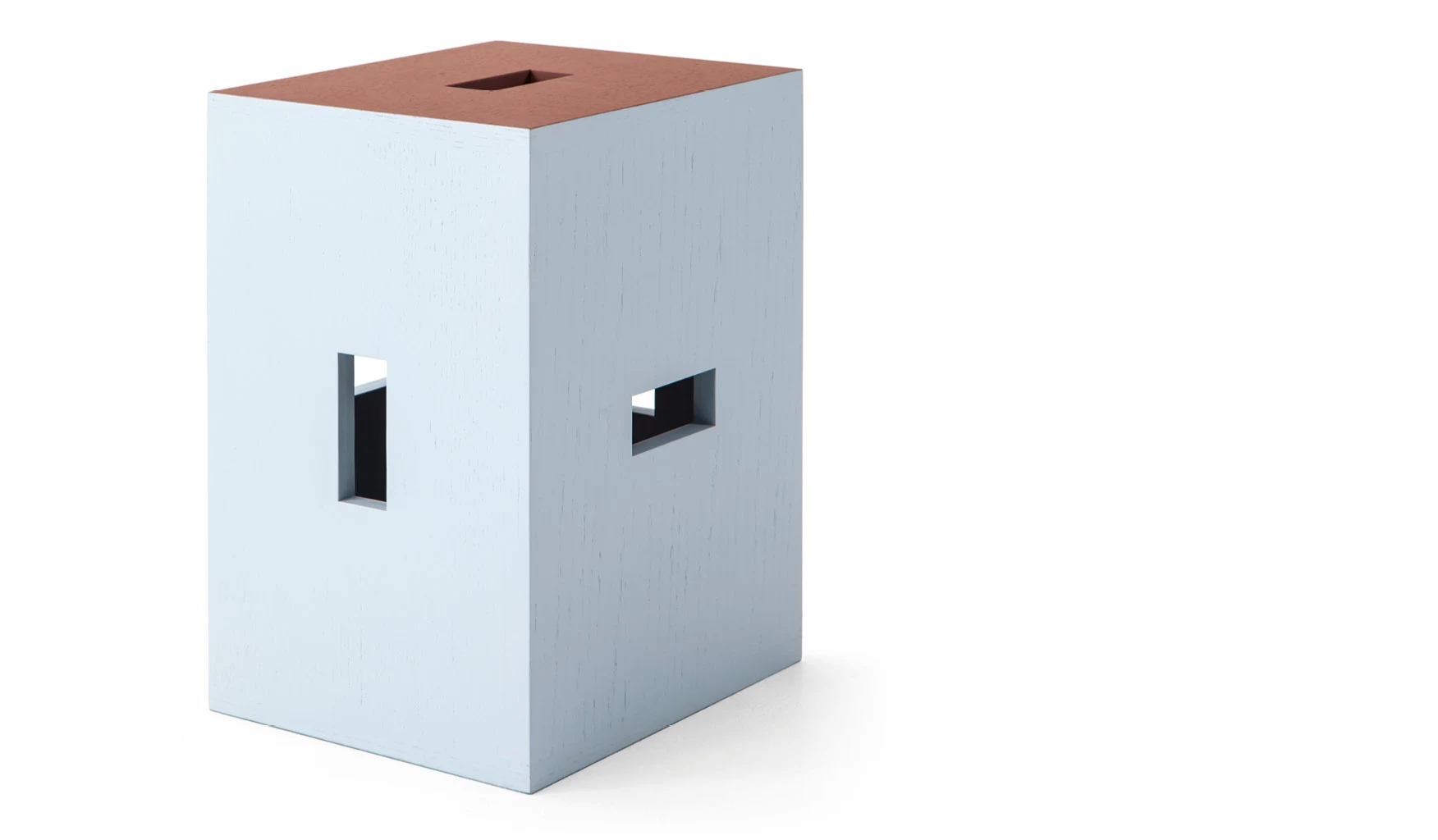
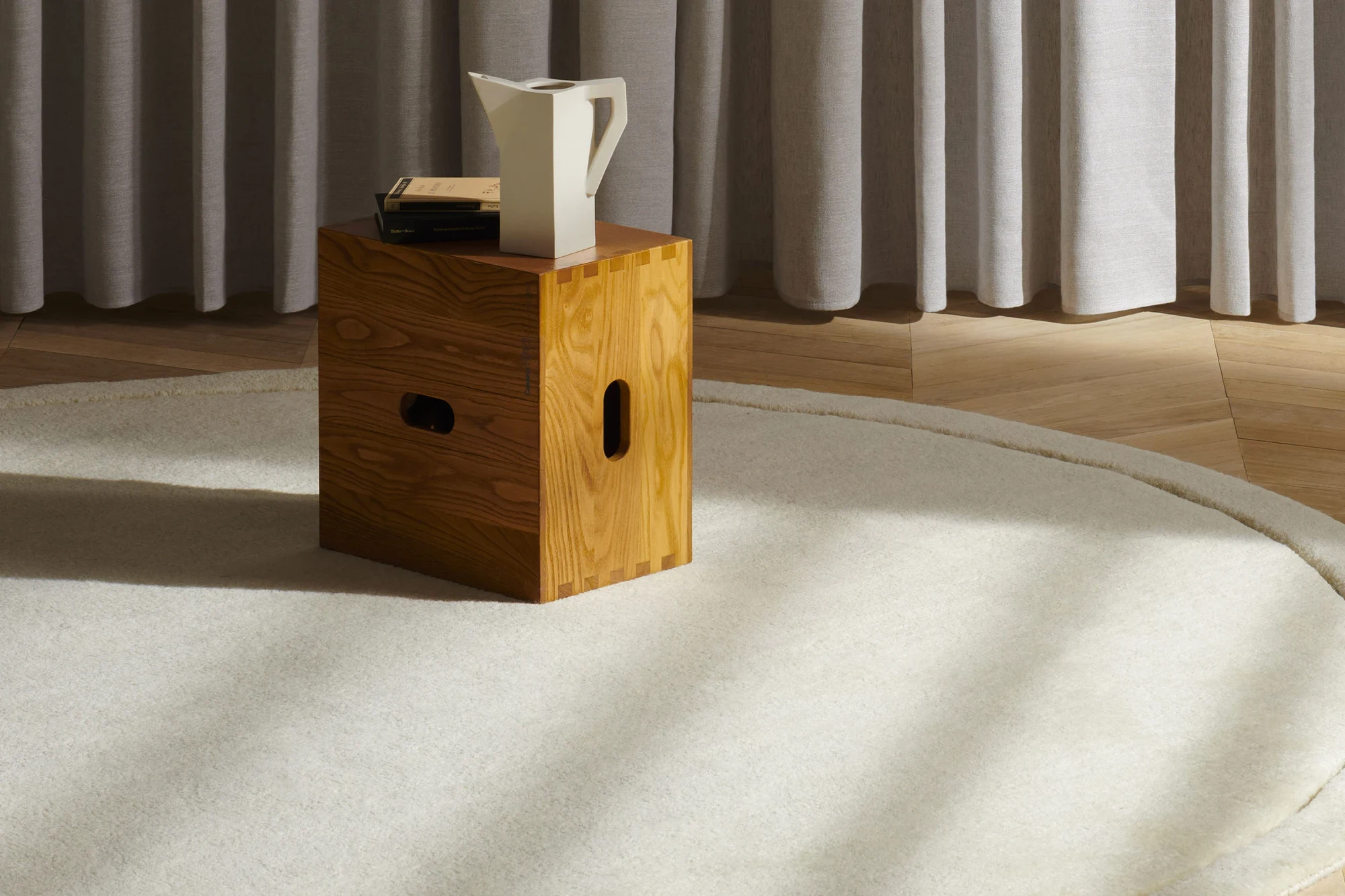
LC14 Tabouret Cabanon
Box-shaped wooden stool by Le Corbusier with dovetail joints, in three versions.


430 × 430 × 270 mm
1952
Official product information
INTEBEE AI PUBLIC LIBRARY is an independent furniture design research and discovery platform. Product specifications, finishes, availability and other details may change. For current and definitive information, please refer to the manufacturer's official website.
Go to the official product pageSpecifying LC14 Tabouret Cabanon for your design project?
INTEBEE is the FF&E specification platform for interior designers: spec sheets, finishes, floor plans and client-ready PDFs in one place.
Description
Overview
The LC14 Tabouret Cabanon is a box-shaped wooden stool credited to Le Corbusier. Cassina's page, titled LC14 Tabouret Cabanon, Tabouret Maison du Brésil, Tabouret Nantes Rezé, prints "DESIGN BY LE CORBUSIER, 1952" and groups three versions under one product: the Tabouret Cabanon in solid chestnut, the Maison du Brésil stool in solid oak and the Tabouret Nantes Rezé in lacquered oak. The drawing coded 014 01 on Cassina's sheet is 43 cm wide, 27 cm deep and 43 cm high.
Construction
The Tabouret Cabanon has a frame of glued solid chestnut slats with a clear matt open pore varnish and an oblong hole on each face; the dovetail joints highlight the connecting points between the solid wood pieces. The Maison du Brésil version has a frame of glued solid oak slats with a clear matt open pore varnish and dovetail joints on the corners. The Tabouret Nantes Rezé is birch plywood with an oak veneer in a matt open pore lacquer, its faces in two colours from the Le Corbusier palette.
Specifications
- Dimensions (drawing 014 01): 43 x 27 x 43 cm; the sheet's drawings carry codes, not version names
- Cabanon: solid chestnut, natural stain, clear matt open pore varnish
- Maison du Brésil: solid oak, natural stain, dovetail corners
- Nantes Rezé: oak, open pore lacquer in two colours of the Le Corbusier palette
Story
Designed in 1952 for the Cabanon
The page says the Tabouret Cabanon dates from 1952 and was made for Le Corbusier's Cabanon, a cabin on the Côte d'Azur where, besides much built-in furniture, he imagined loose pieces all designed as boxes. Cassina calls it a Spartan yet sophisticated seat, whose dovetail joints show where the solid wood pieces meet and whose oblong opening along each side makes the stool easy to carry.
Nantes Rezé and Maison du Brésil
The Tabouret Nantes Rezé, according to the page, comes earlier than the Brésil stool in its 3-D composition and has simpler joints. It follows the idea of the 'found object' that Le Corbusier liked late in life, and was made for the children's rooms of the Unité d'habitation at Nantes Rezé. The Maison du Brésil stool is dated 1959 and was designed for the Maison du Brésil in Paris; its oblong openings on the two main sides allow it to be set horizontally or vertically.
More by Le Corbusier
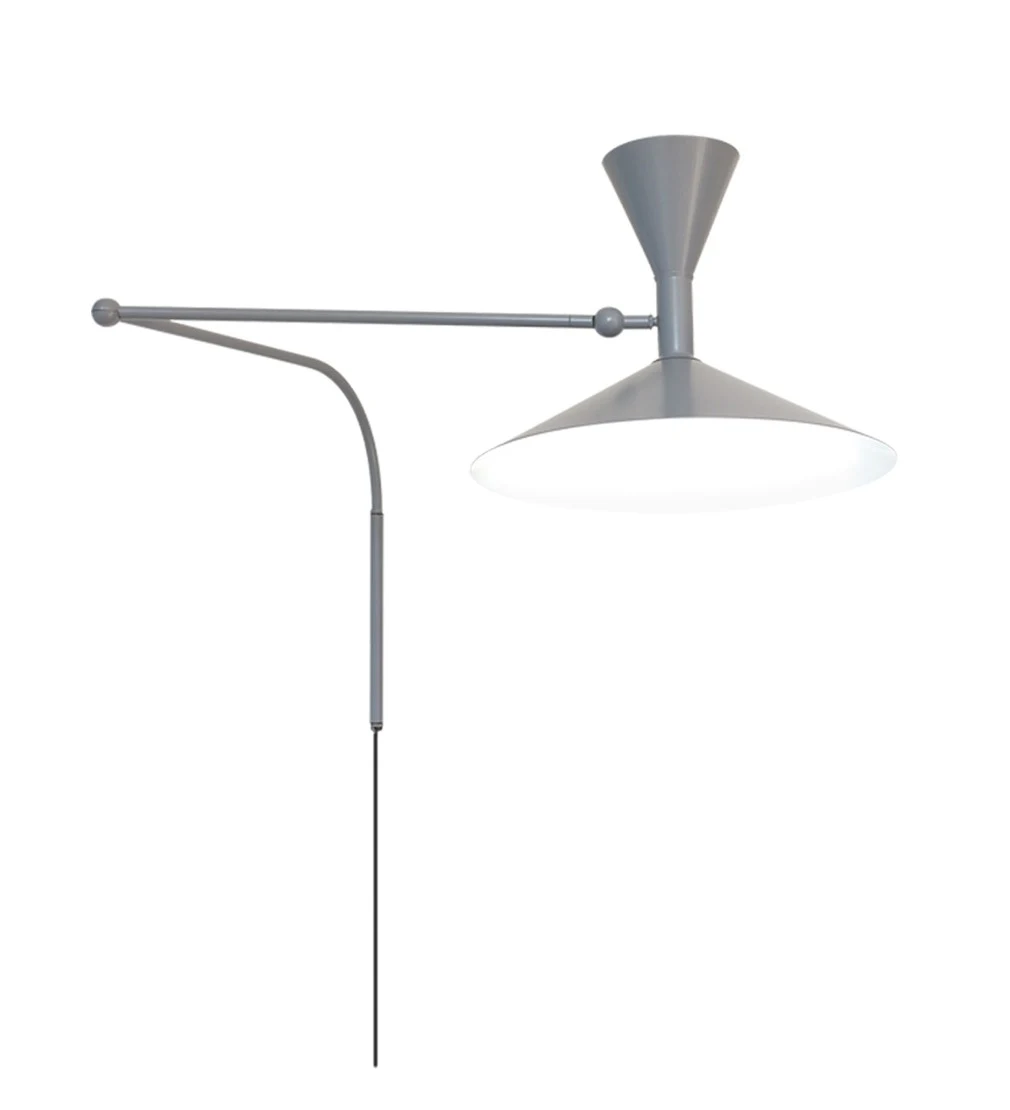
Lampe de Marseille
Le Corbusier's Lampe de Marseille for Nemo: wall lamp with direct and indirect light
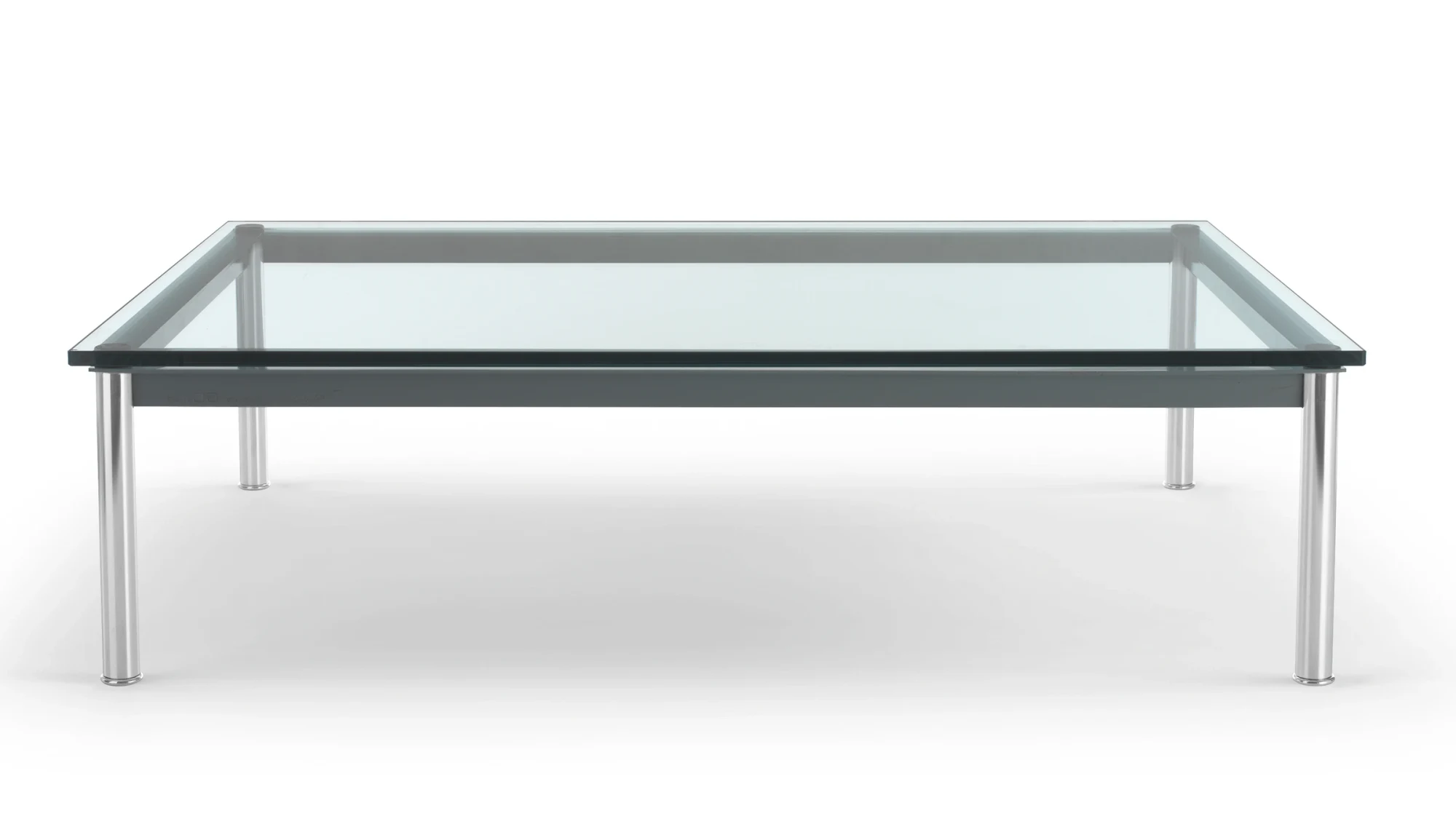
LC10-P Low Table en tube
Low glass-topped table on chromed tubular steel legs, in three sizes, relaunched by Cassina in 1985.
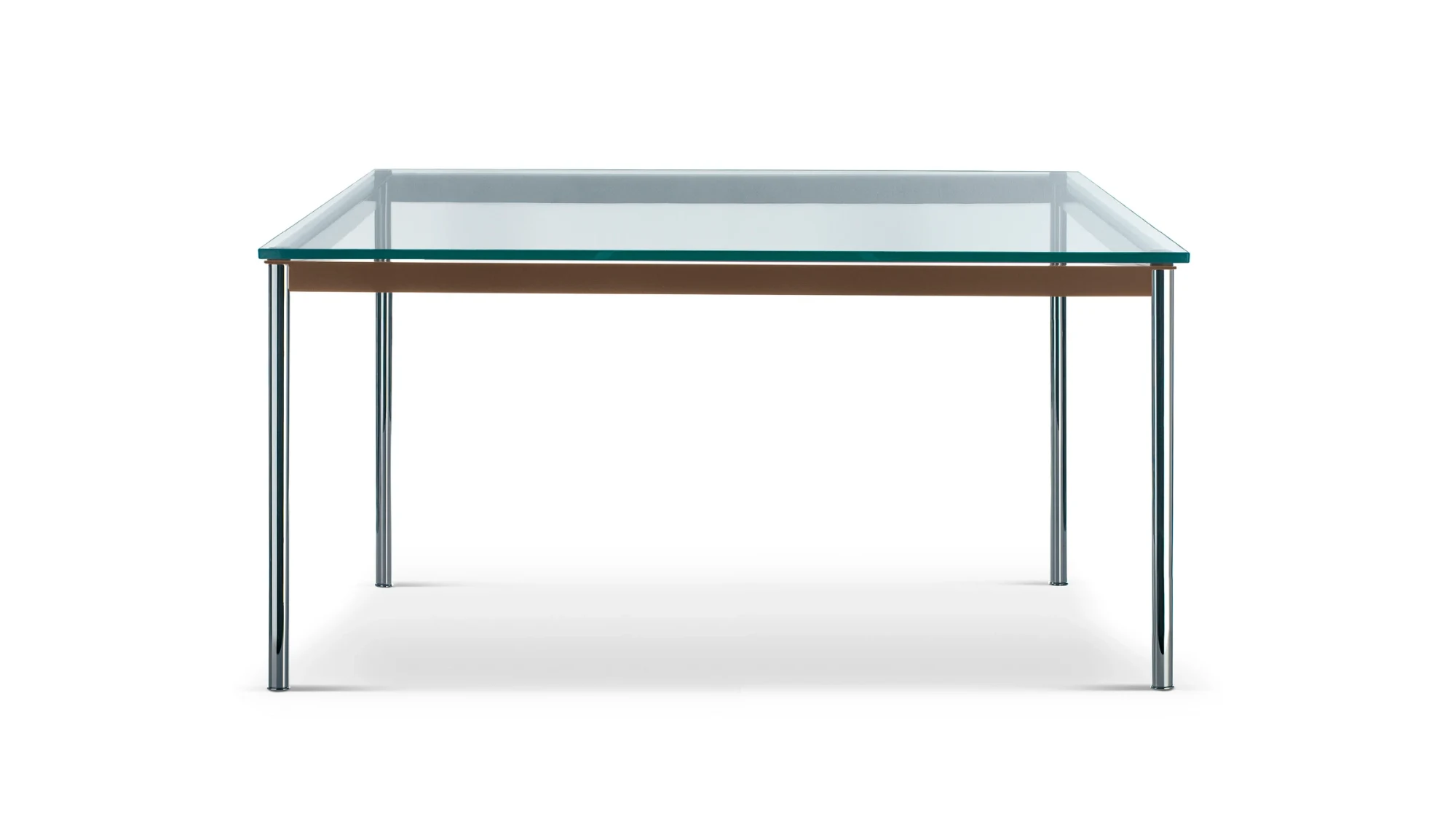
LC10-P Table en tube
Glass-topped table on chromed tubular steel legs, first shown in 1929, relaunched by Cassina 1985.
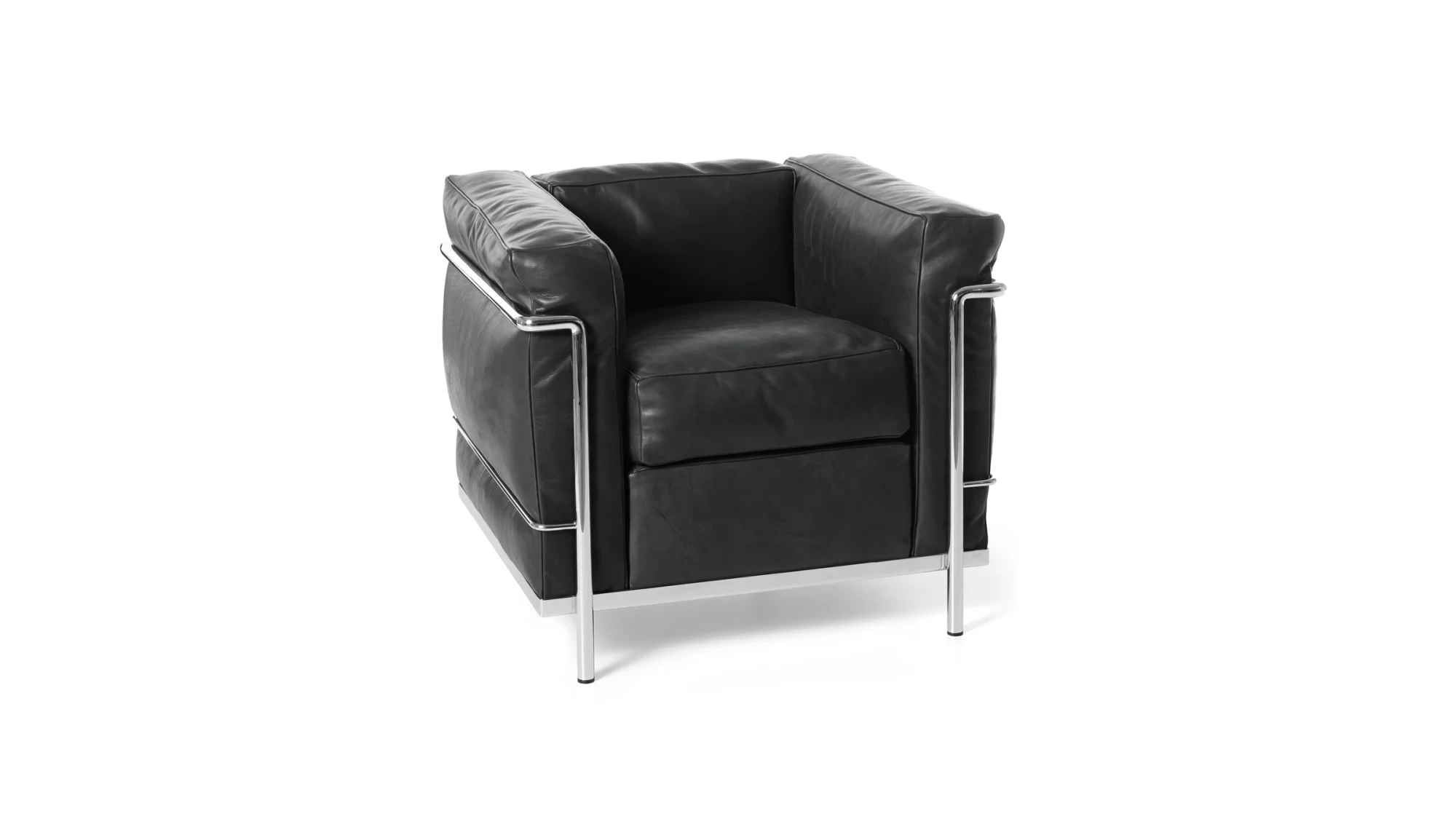
LC2 Armchair
Loose cushions inside an exposed tubular-steel frame, shown at the 1929 Salon d'Automne.
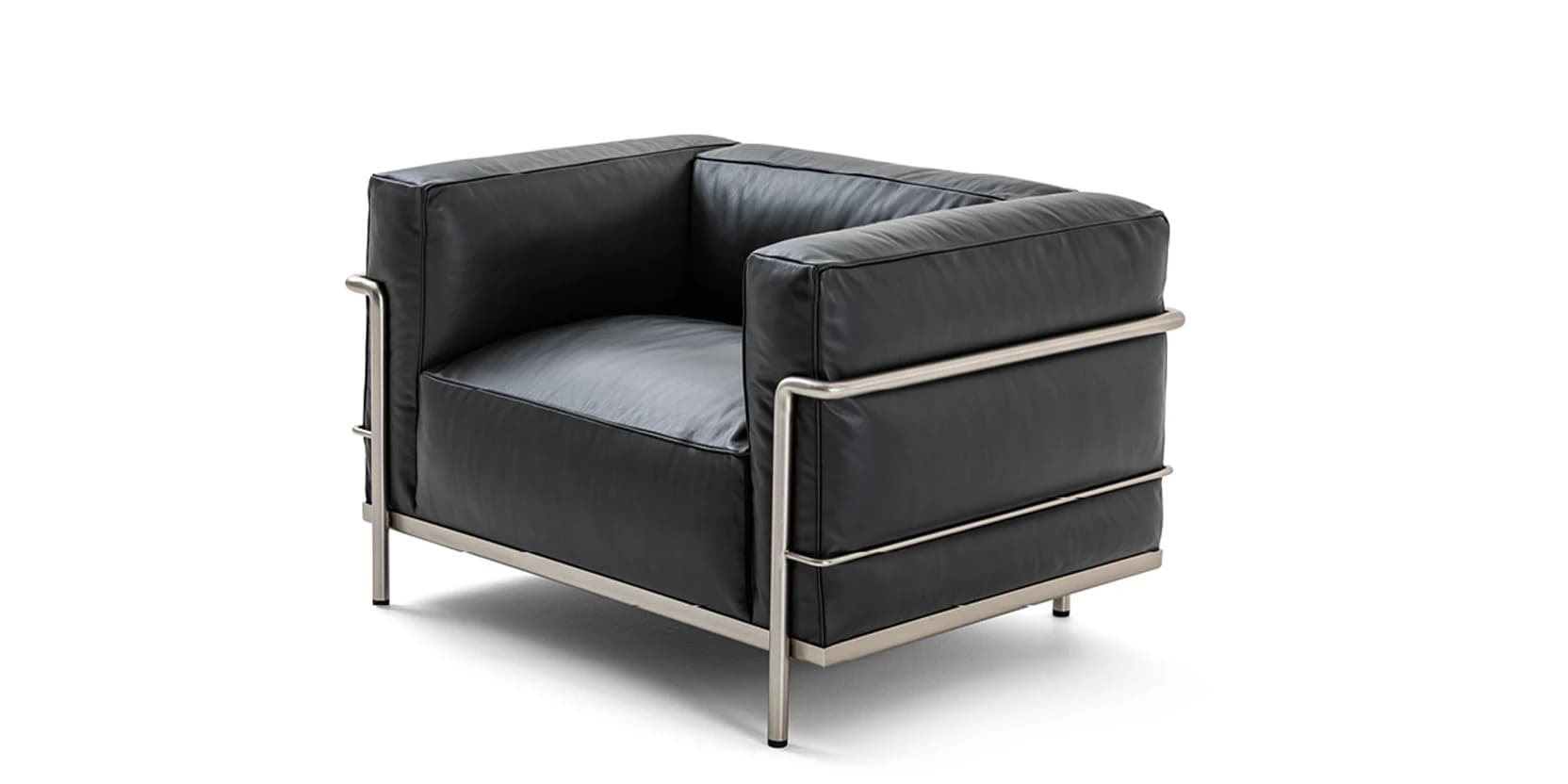
Collection
Le Corbusier, Pierre Jeanneret, Charlotte Perriand Collection
Cassina's Le Corbusier, Pierre Jeanneret and Charlotte Perriand collection: furniture from their 1927-1937 collaboration, mass-produced by Cassina since 1965.