Image source: Herman Miller — Eames Desks and Storage Units
© Herman Miller and the respective rights holders. Quoted to accompany INTEBEE's independent design commentary and research.
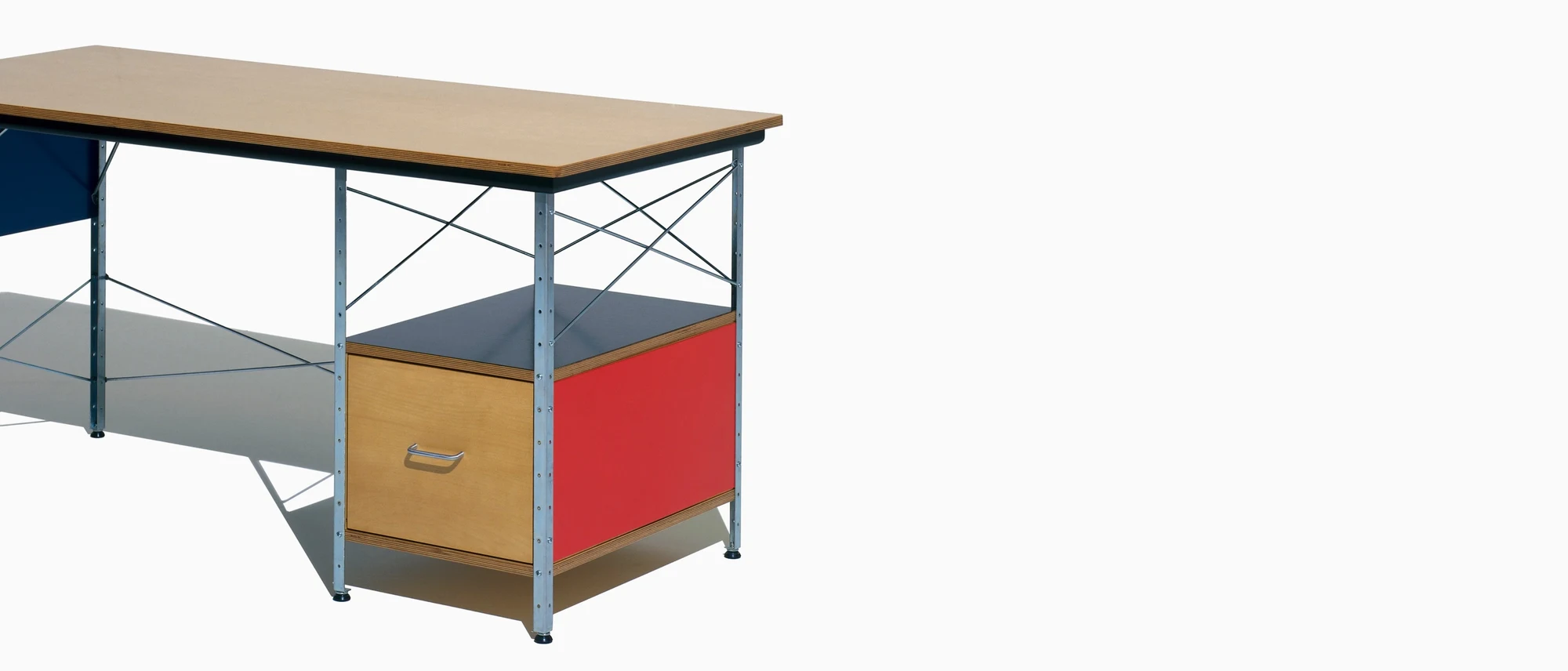
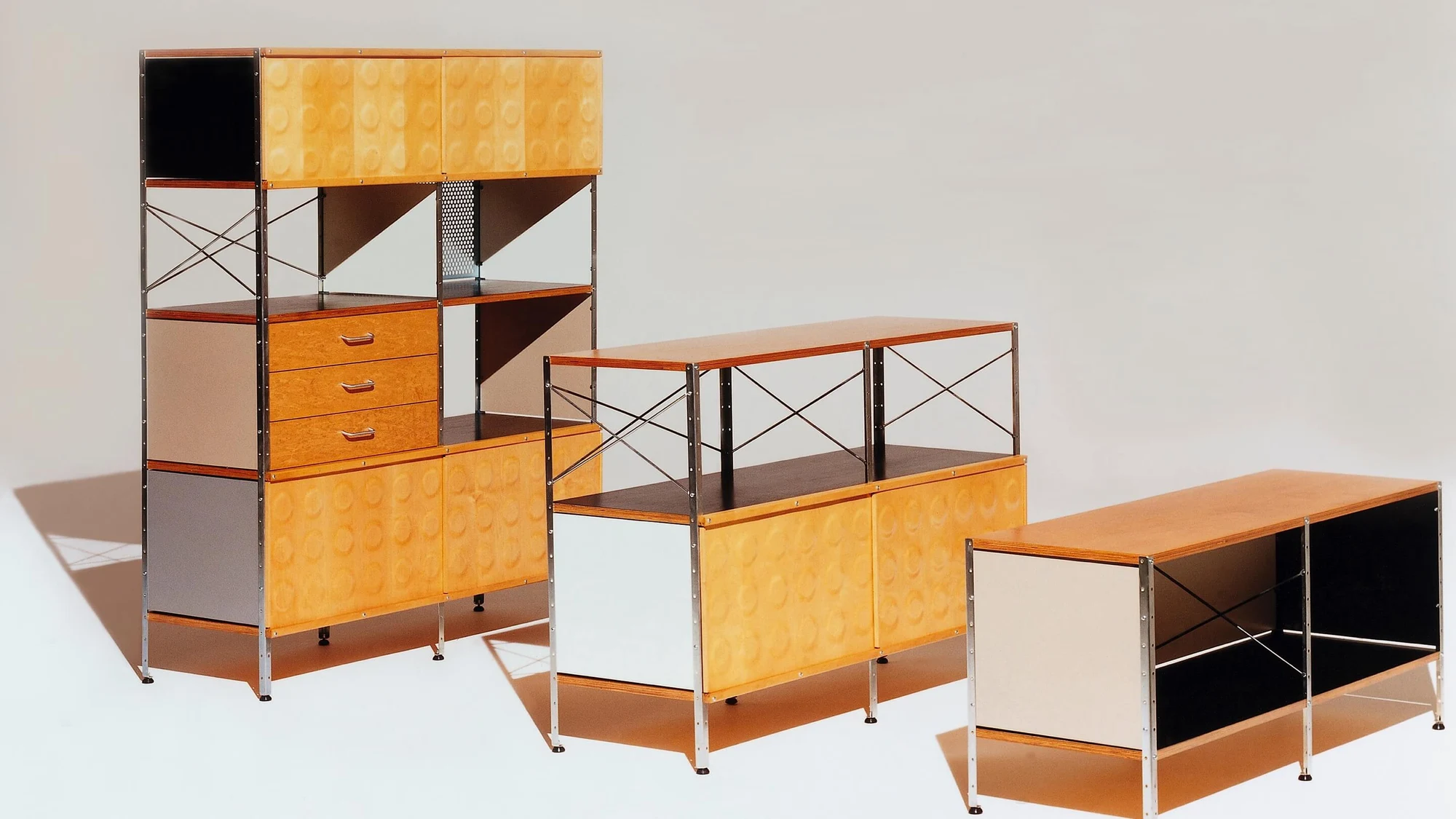
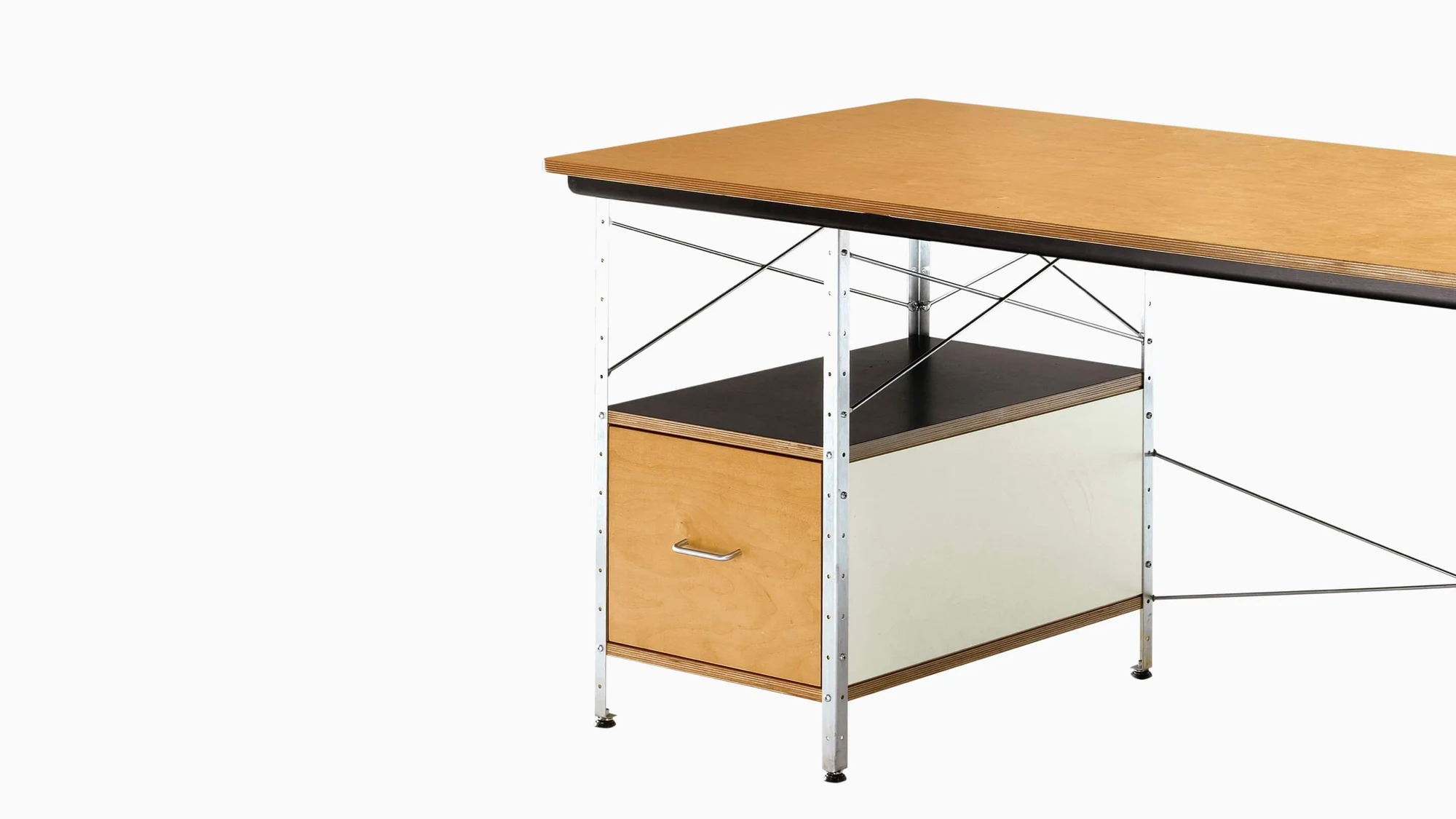
Eames Desks and Storage Units
Modular Eames desks and storage built from steel, plywood, and hardboard

1524 × 737 × 711 mm
1949
Official product information
INTEBEE AI PUBLIC LIBRARY is an independent furniture design research and discovery platform. Product specifications, finishes, availability and other details may change. For current and definitive information, please refer to the manufacturer's official website.
Go to the official product pageDescription
Overview
Eames Desks and Storage Units combine freestanding work surfaces with complementary cabinets, cases, drawers, and open shelving. Herman Miller traces the pieces to work Charles and Ray Eames prepared for a 1949 exhibition at the Detroit Institute of Arts.
Construction
Steel uprights, perforated panels, and wire cross-supports establish the framework. Smooth plywood forms shelves and drawer fronts, molded plywood forms dimpled cabinet fronts, and painted hardboard supplies side panels. Nylon glides protect the floor.
Desk Unit 20 dimensions
The Desk Unit 20 is 60 inches wide, 28 inches deep, and 29 inches high. Storage units range from 20.5 to 58.5 inches high and from 24.5 to 47 inches wide, with a stated depth of 16 inches.
Story
From an exhibition to production
The desks and storage units grew from Charles and Ray Eames' work for a 1949 Detroit Institute of Arts exhibition. Herman Miller's product page calls them working art when they first appeared that year, while its timeline records the Eames Storage Units among the company's 1950 introductions.
Machine methods and domestic use
The design brought industrial production techniques into furnishings for work, display, and storage. Wire cross-supports connect the system visually to other Eames designs, while cabinets, drawers, and open sections allow desks and storage units to stand alone or work together.
More by Charles and Ray Eames
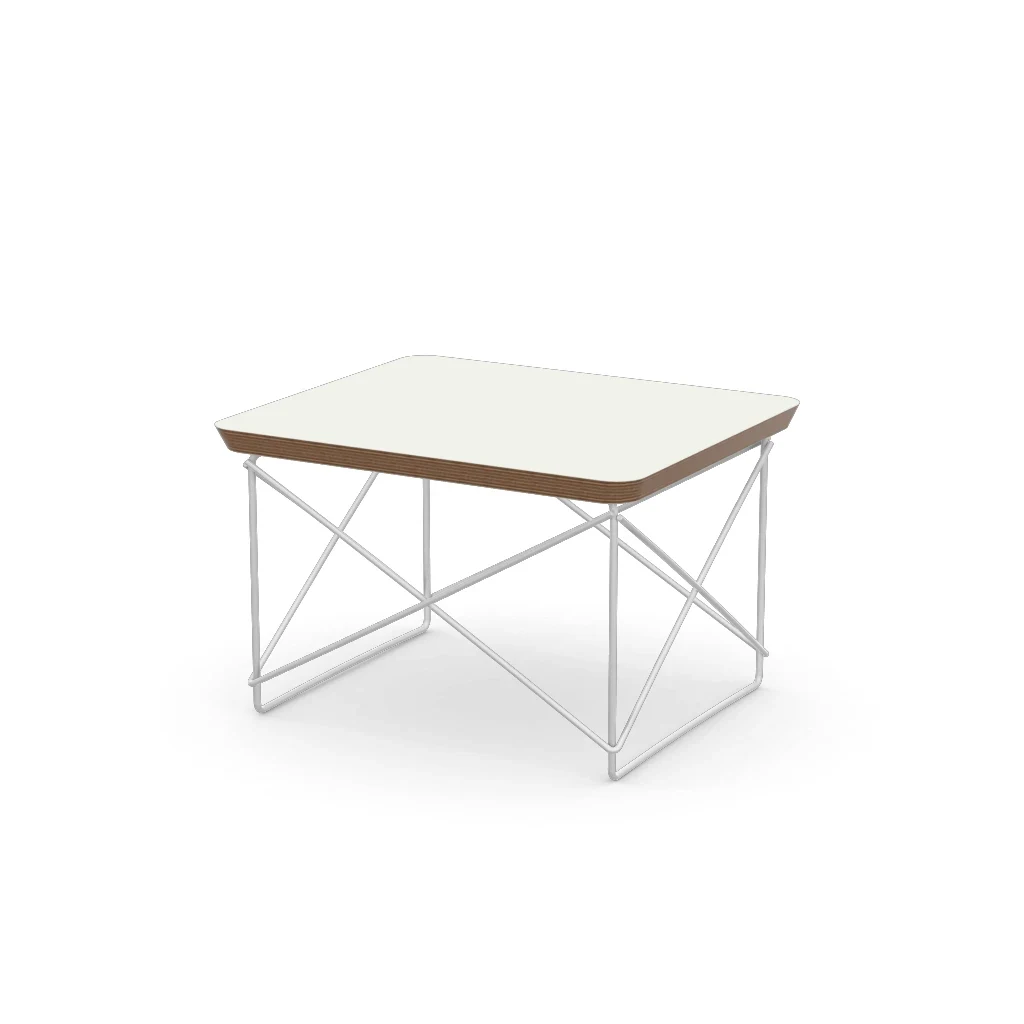
Occasional Table LTR
Eames low occasional table of 1950 with a steel-wire rod base and wood, HPL, linoleum or marble top.
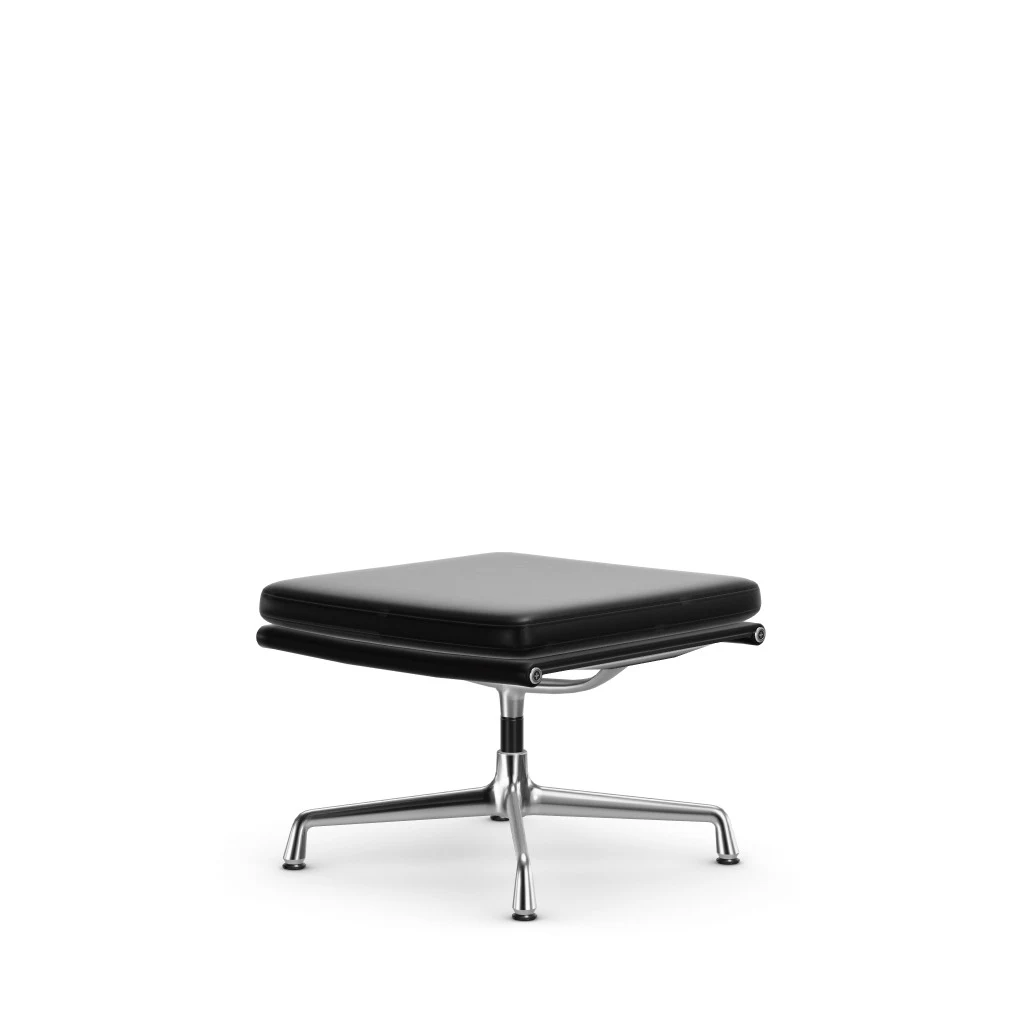
Soft Pad Chair EA 223
Eames stool for the EA 222 lounge chair, with a sewn-on cushion and an aluminium base, 1969.
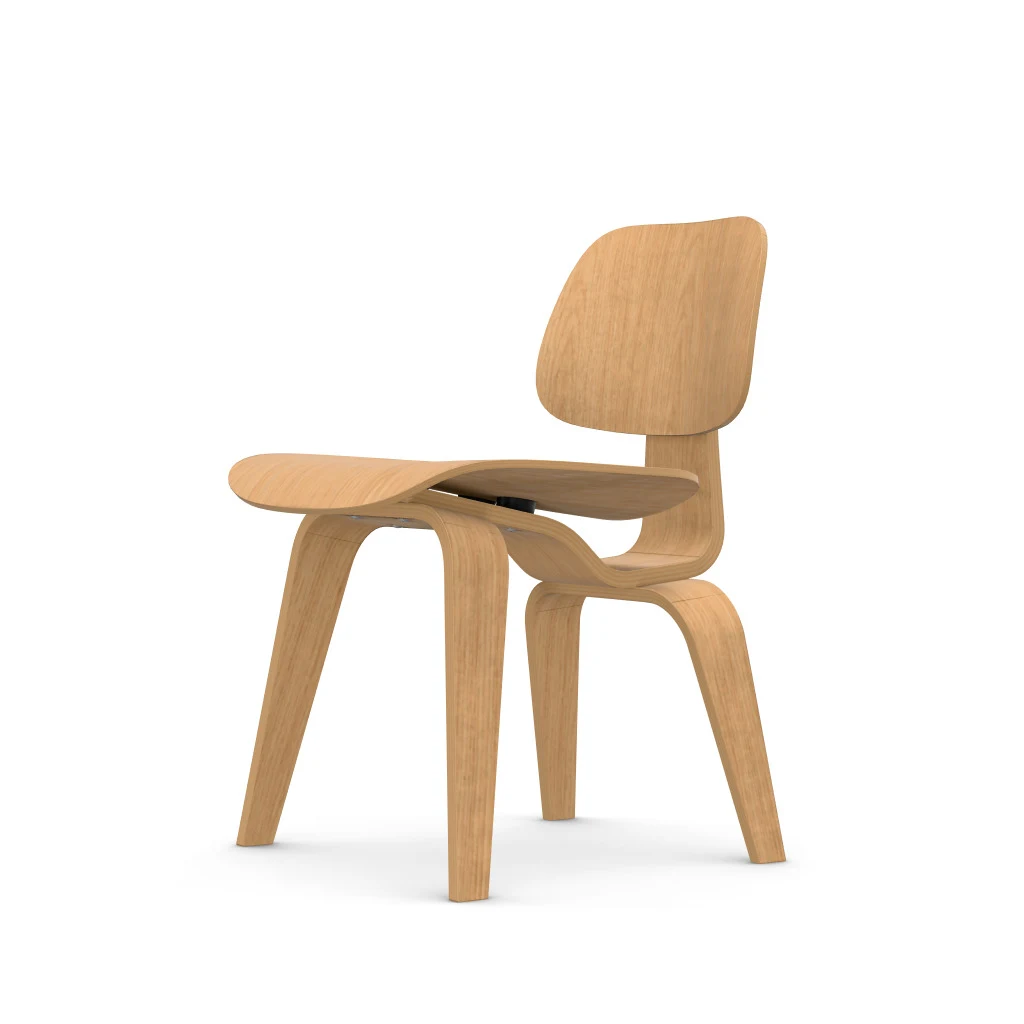
Plywood Group DCW
Eames' Dining Chair Wood: made entirely of moulded plywood, 1945/1946.
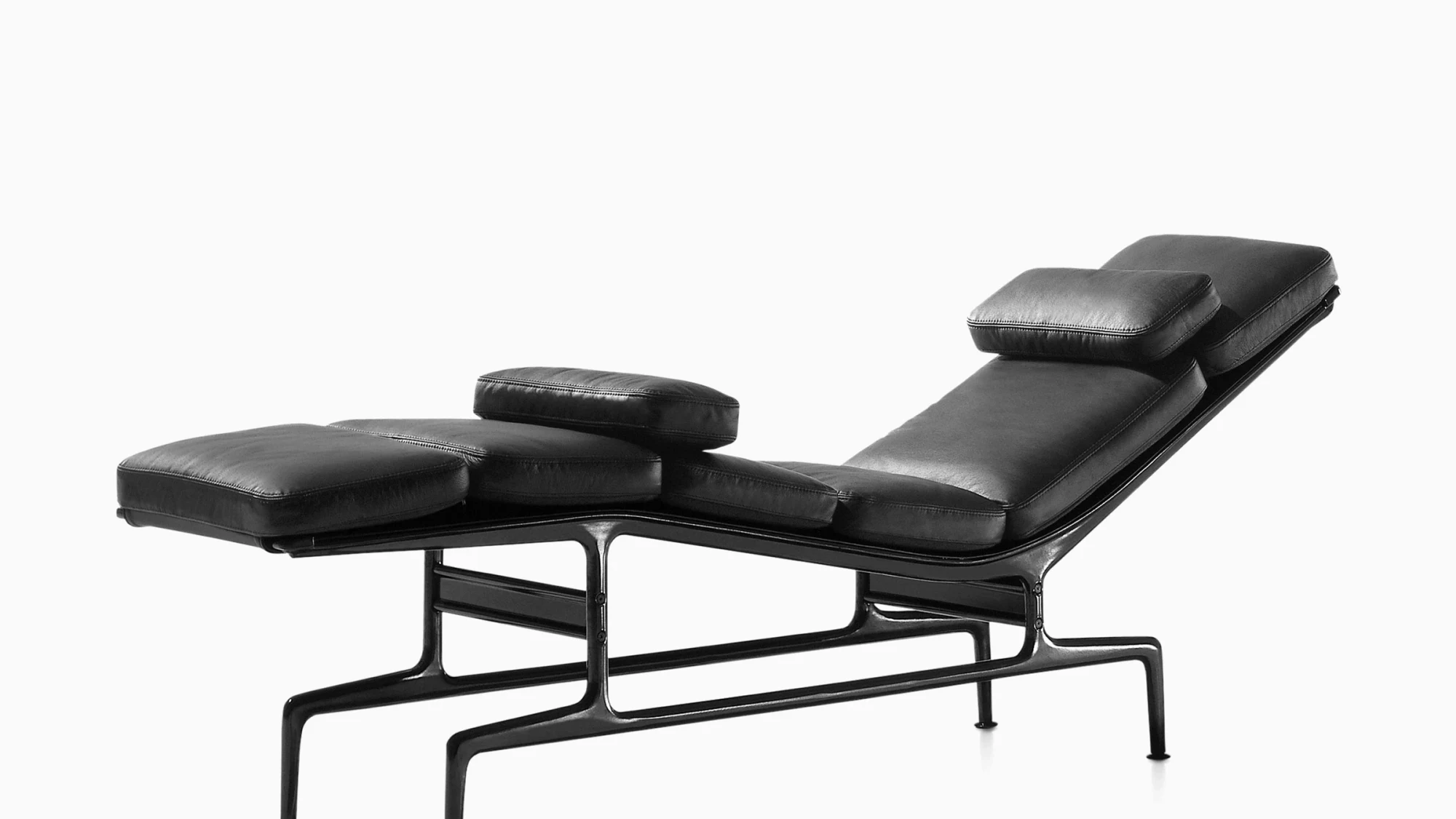
Eames Chaise
The 1968 Eames Chaise, an 18-inch-wide leather chaise on a die-cast aluminum frame.
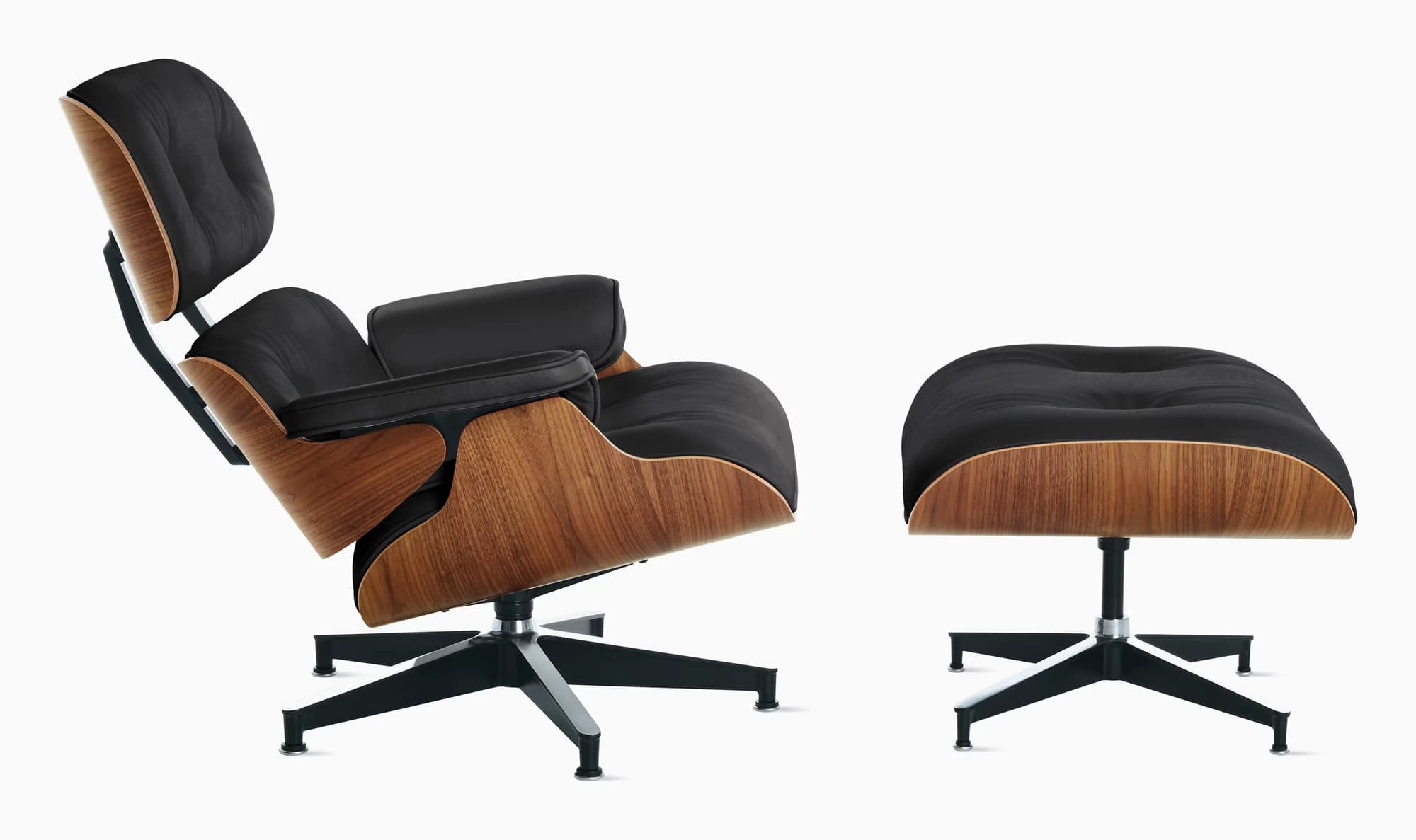
Collection
Eames Collection
The Eames Collection at Herman Miller: molded plywood chairs (1946), molded plastic chairs, Eames Lounge Chair and Ottoman, storage units and Hang-It-All.