 vitra.com
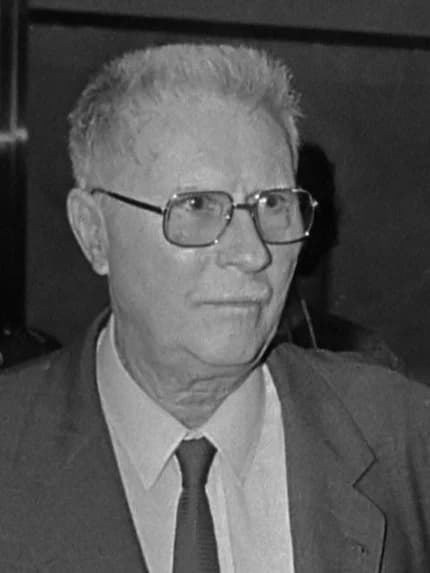
Image source: Jean Prouvé
Photo: Rob Croes for Anefo (Nationaal Archief) · CC0 1.0
© Rob Croes for Anefo (Nationaal Archief) and the respective rights holders. Quoted to accompany INTEBEE's independent design commentary and research.
View official website Original source Image use & copyright policy
Designer
Jean Prouvé
Jean Prouvé was born on 8 April 1901 in Nancy, the second of seven children of the painter Victor Prouvé and the pianist Marie Duhamel. Wikipedia describes the family's circle of artists and craftspeople around the École de Nancy, whose…
Biography
Background
Jean Prouvé was born on 8 April 1901 in Nancy, the second of seven children of the painter Victor Prouvé and the pianist Marie Duhamel. Wikipedia describes the family's circle of artists and craftspeople around the École de Nancy, whose aim was to link art with industry, and quotes him saying he was raised in a world of artists and scholars. After three years at the Nancy school of fine arts (1914-1917) he trained as a metalworker, first with the blacksmith Émile Robert and then in a Parisian metal workshop, and in 1923 he opened the first of his own workshops in Nancy. Vitra's biography dates his Nancy workshop to 1924 and says he founded his own factory in 1947 and left the company in 1953 after disagreements with the majority shareholders.
Signature Style
Le Corbusier called him a constructeur, a word for someone who joins architecture and engineering, and Prouvé called himself "a factory man". Wikipedia credits him with carrying manufacturing technology from industry into architecture, and notes that he set himself apart from the tubular-steel furniture of the Bauhaus by trusting sheet metal that is bent and pressed rather than welded. Vitra describes an output that runs from a letter opener and door and window fittings to lighting, furniture, prefabricated houses and modular building systems.
Notable Works
Wikipedia names the prefabricated steel holiday house BLPS (1937-1939), the Maison Tropicale prototypes for West Africa (1949-1951), the emergency house Maison des Jours Meilleurs (1954) and his own family house in Nancy, built in 1954. With the sculptor Alexander Calder he built the steel base of La Spirale for the UNESCO site in Paris in 1958. His 1924 Chaise inclinable is an early furniture design.
Legacy
In 1971 he chaired the jury that chose Renzo Piano and Richard Rogers for the Centre Pompidou. He died in Nancy on 23 March 1984, aged 82. Vitra says that in 1999 discussions with the Prouvé family led to an agreement allowing it to produce his furniture, and that it has issued re-editions with the family since 2002. The Vitra Design Museum holds what it calls the most extensive museum collection of Prouvé furniture, begun with an Antony chair that Rolf Fehlbaum bought in Paris, and staged the 2006 exhibition "Jean Prouvé: The Poetics of the Technical Object".
Collections
Products
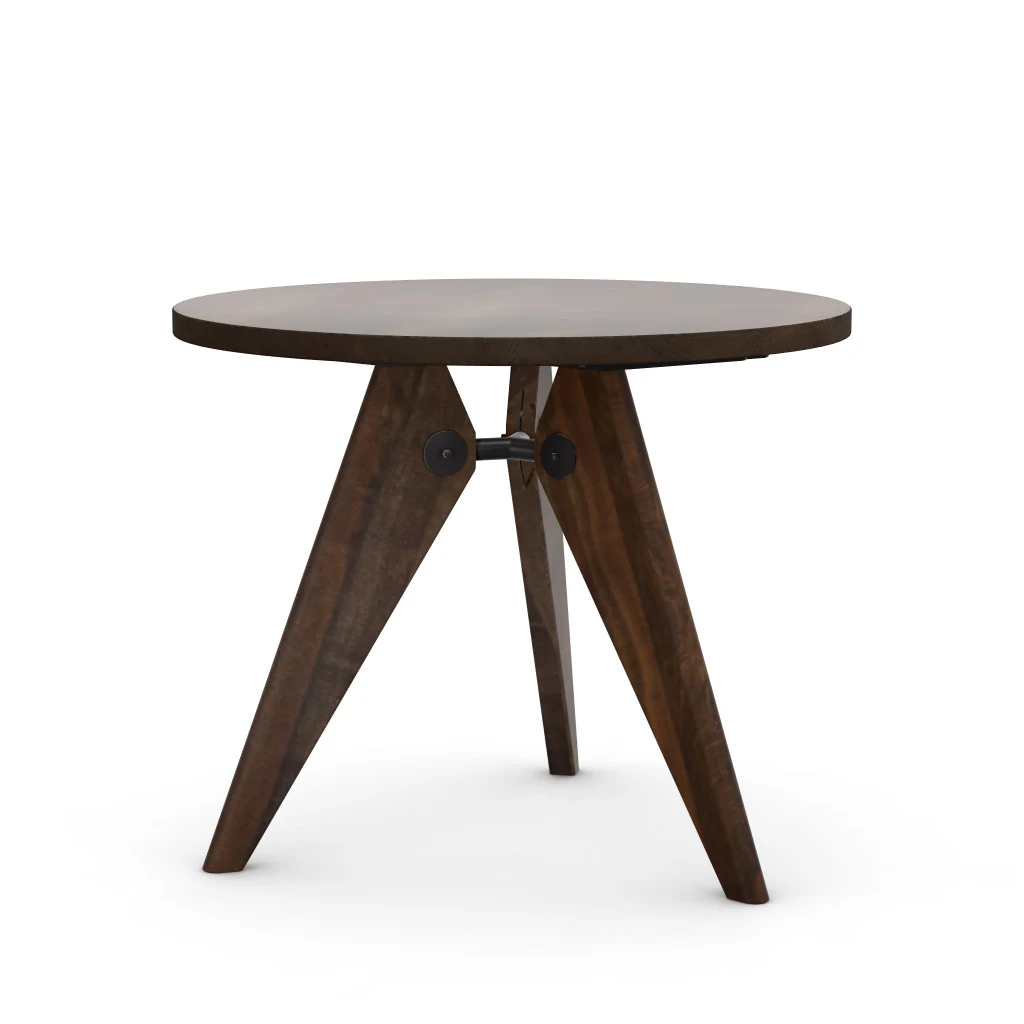
Guéridon
Jean Prouvé's round wooden Guéridon of 1949, made for the University of Paris, in two sizes
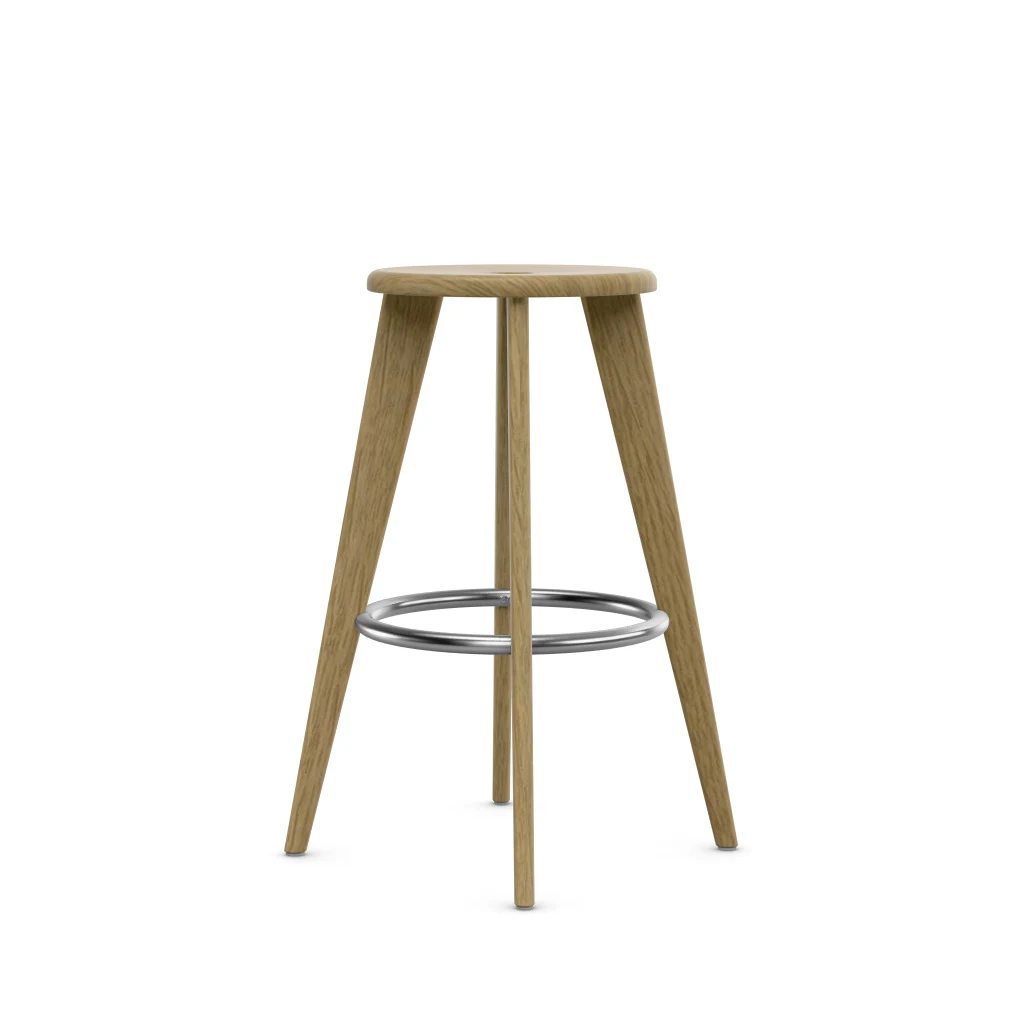
Tabouret Haut
Jean Prouvé's 1942 bar stool in solid oak, with a chromed steel ring that serves as footrest
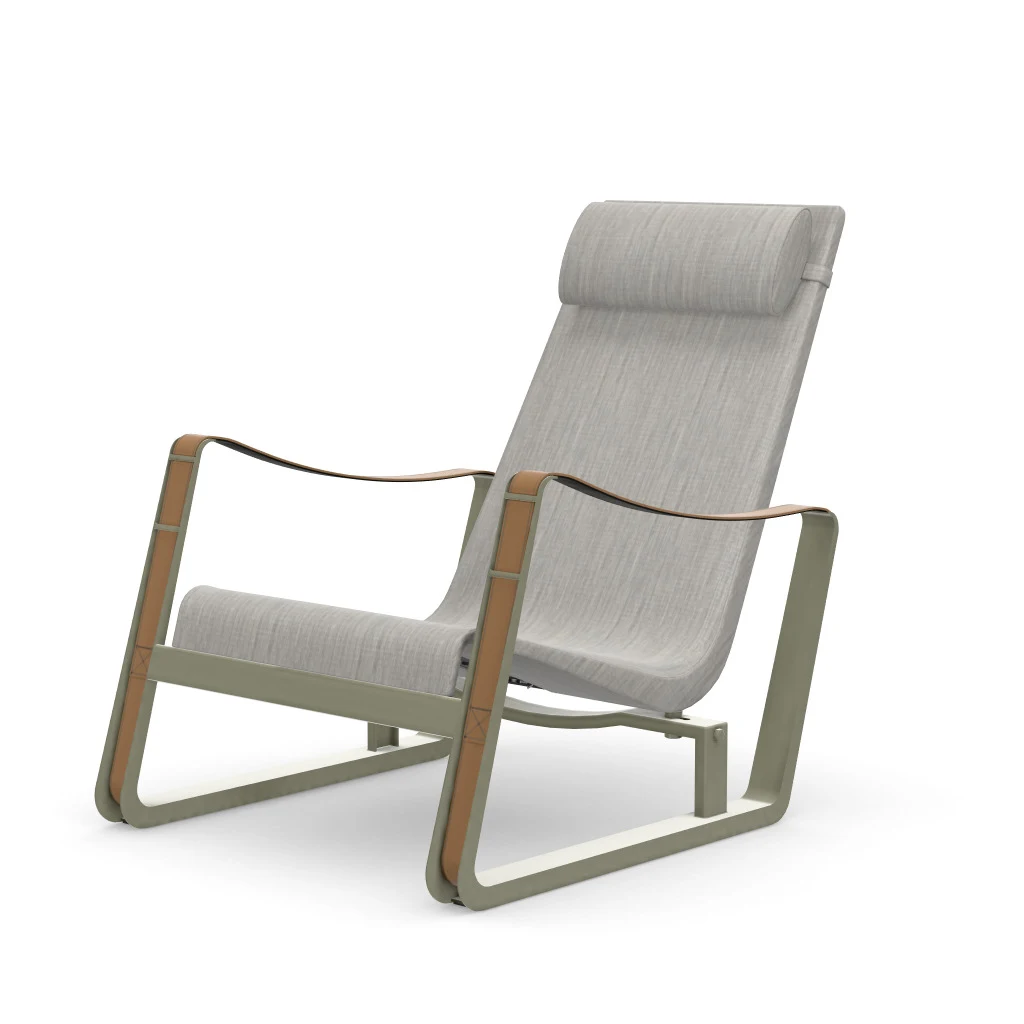
Cité
Prouvé's 1930 Cité armchair for Nancy's student halls, with steel runners and leather belt armrests
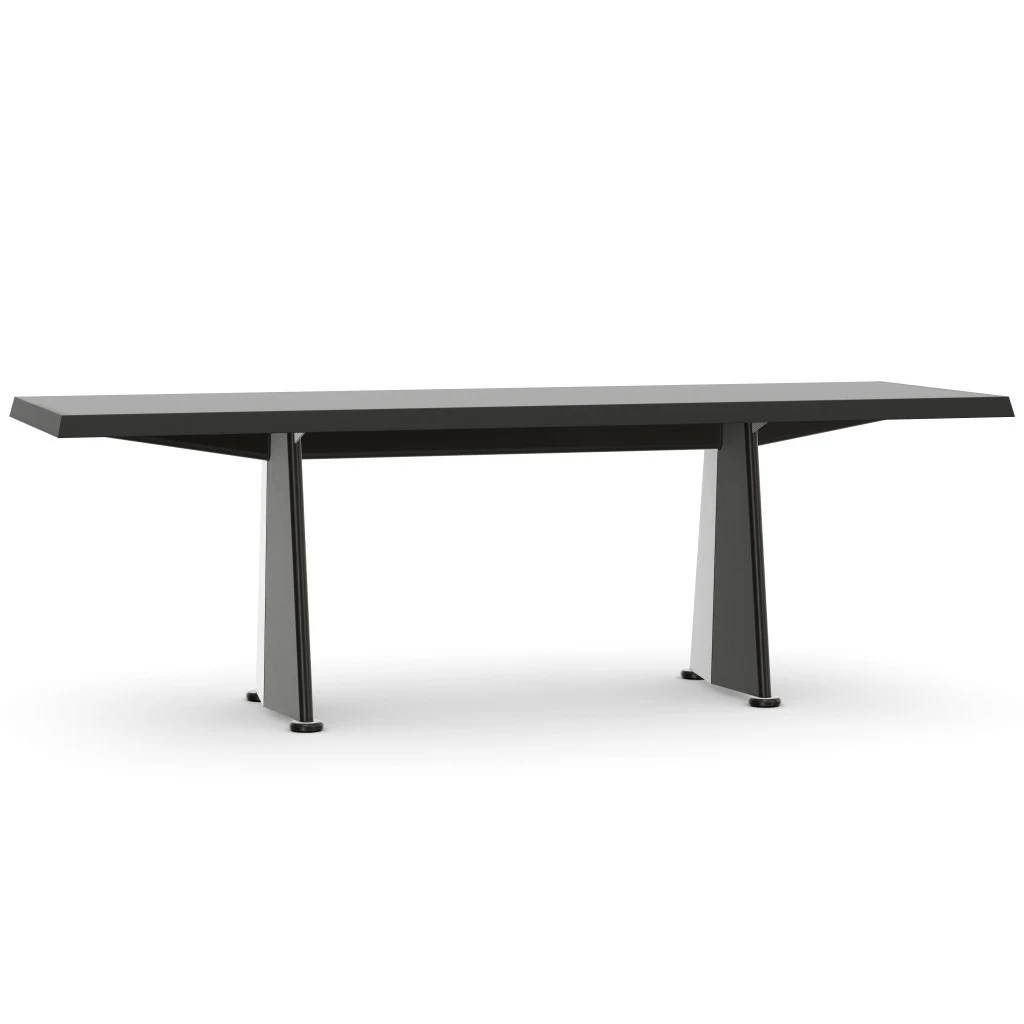
Trapèze
Jean Prouvé's Trapèze table of 1950/1954, from Antony: trapezoidal steel legs and a black top
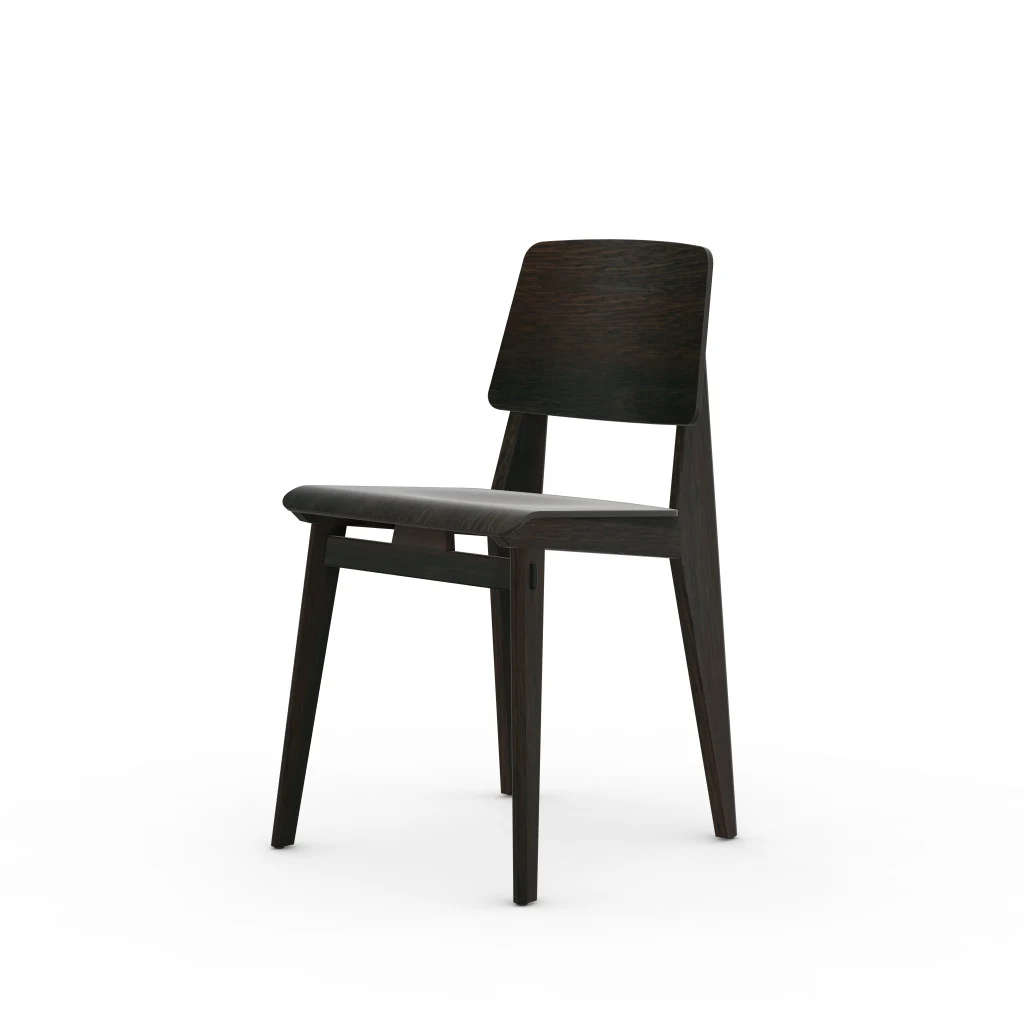
Chaise Tout Bois
Jean Prouvé's wartime Chaise Tout Bois of 1941, made entirely of oak without a single screw
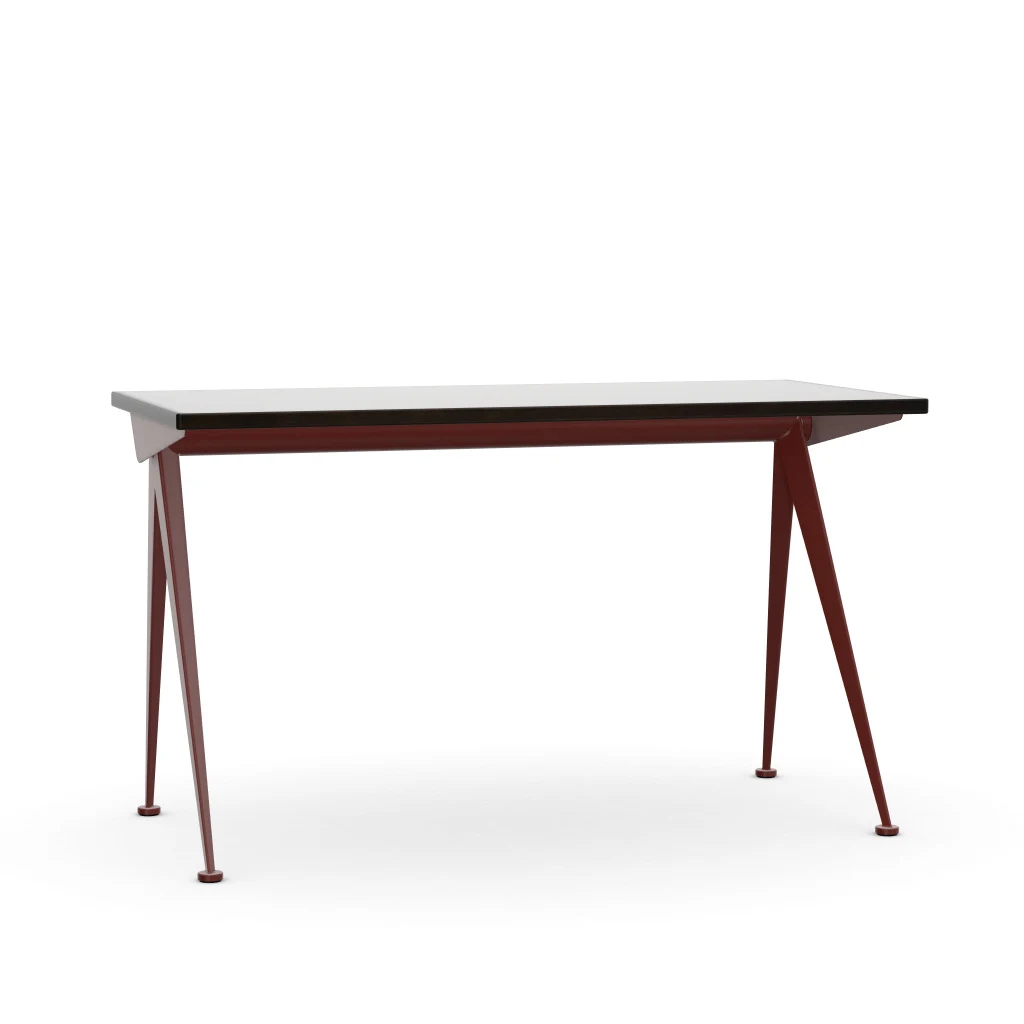
Compas Direction
Jean Prouvé's 1953 Compas Direction: a compact desk with splayed steel legs and a solid wood top
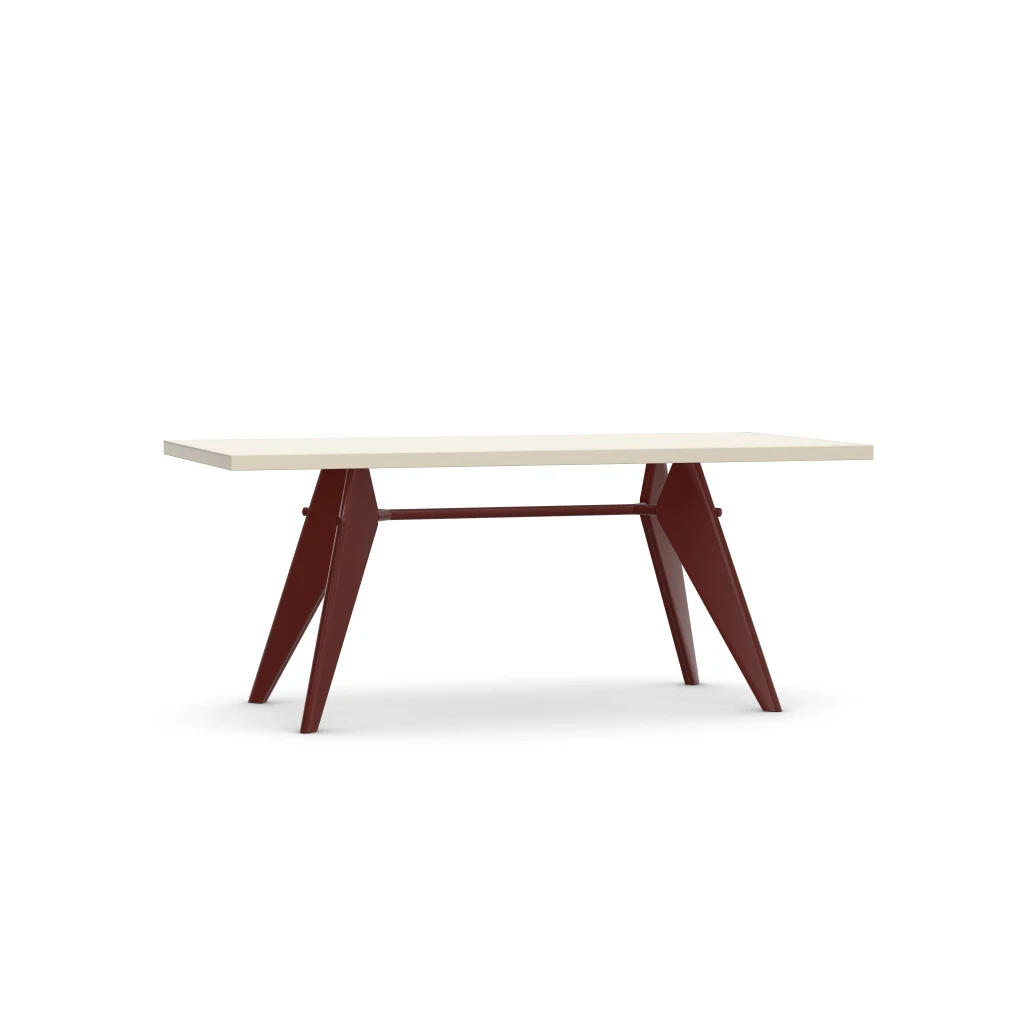
EM Table
Jean Prouvé's 1950 EM Table: canted steel legs and a crossbar, five lengths, three top materials
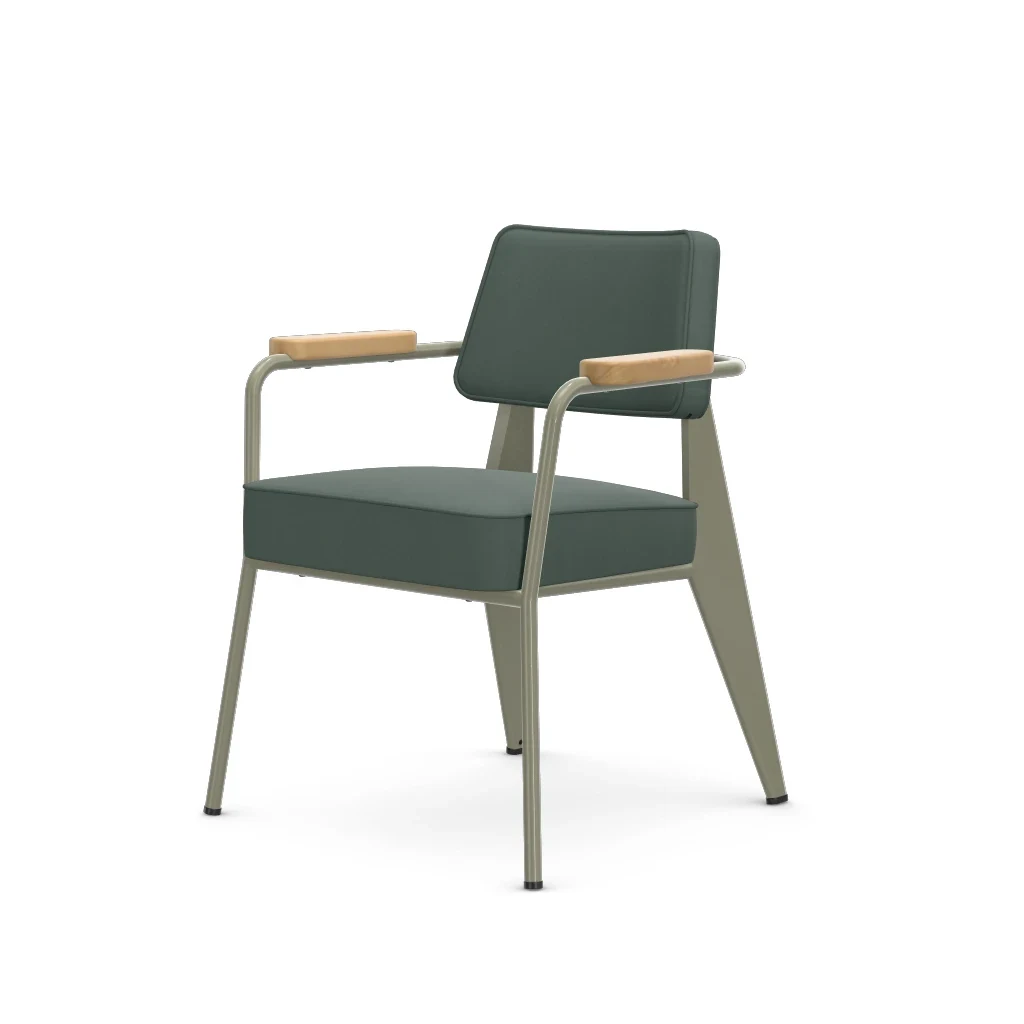
Fauteuil Direction
Jean Prouvé's 1951 Fauteuil Direction: an upholstered armchair with wooden armrests on a steel frame
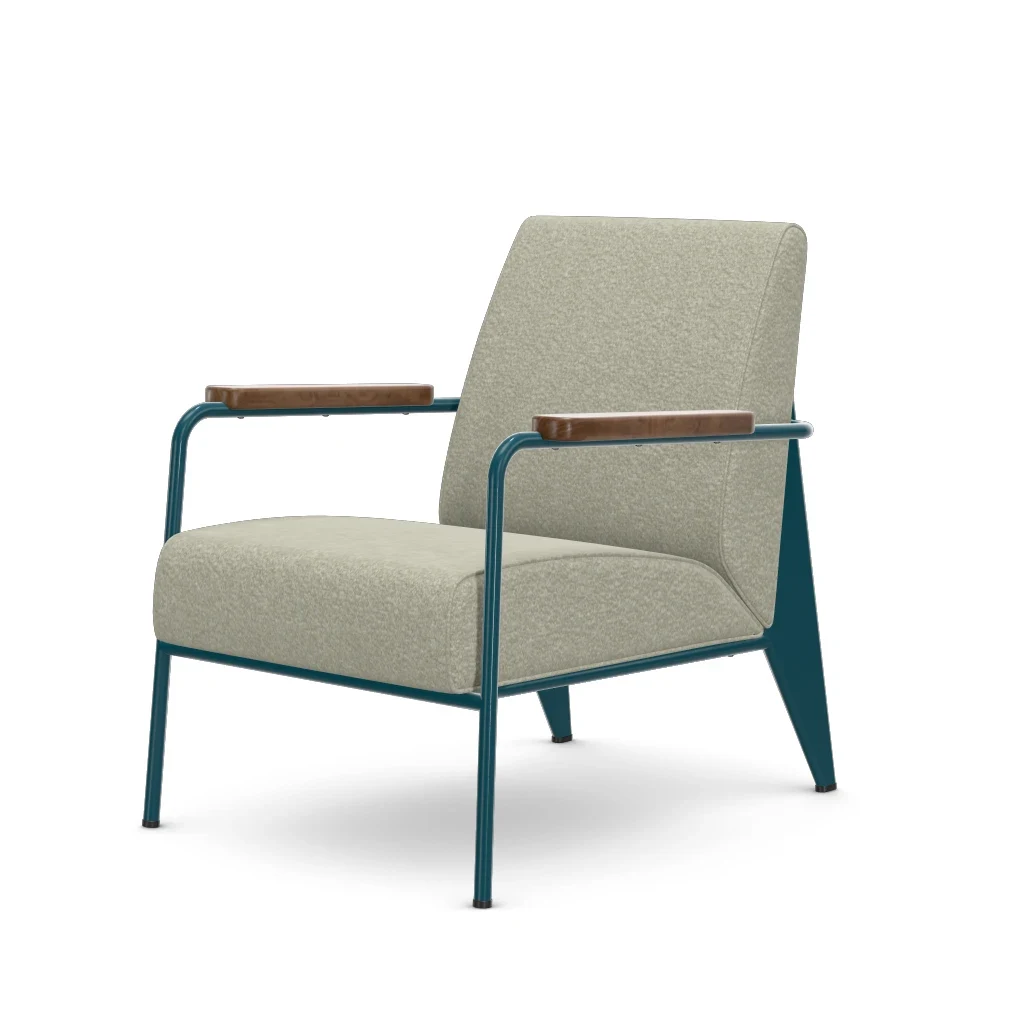
Fauteuil de Salon
Jean Prouvé's 1939 Fauteuil de Salon: generously padded, with solid wood armrests on a steel frame
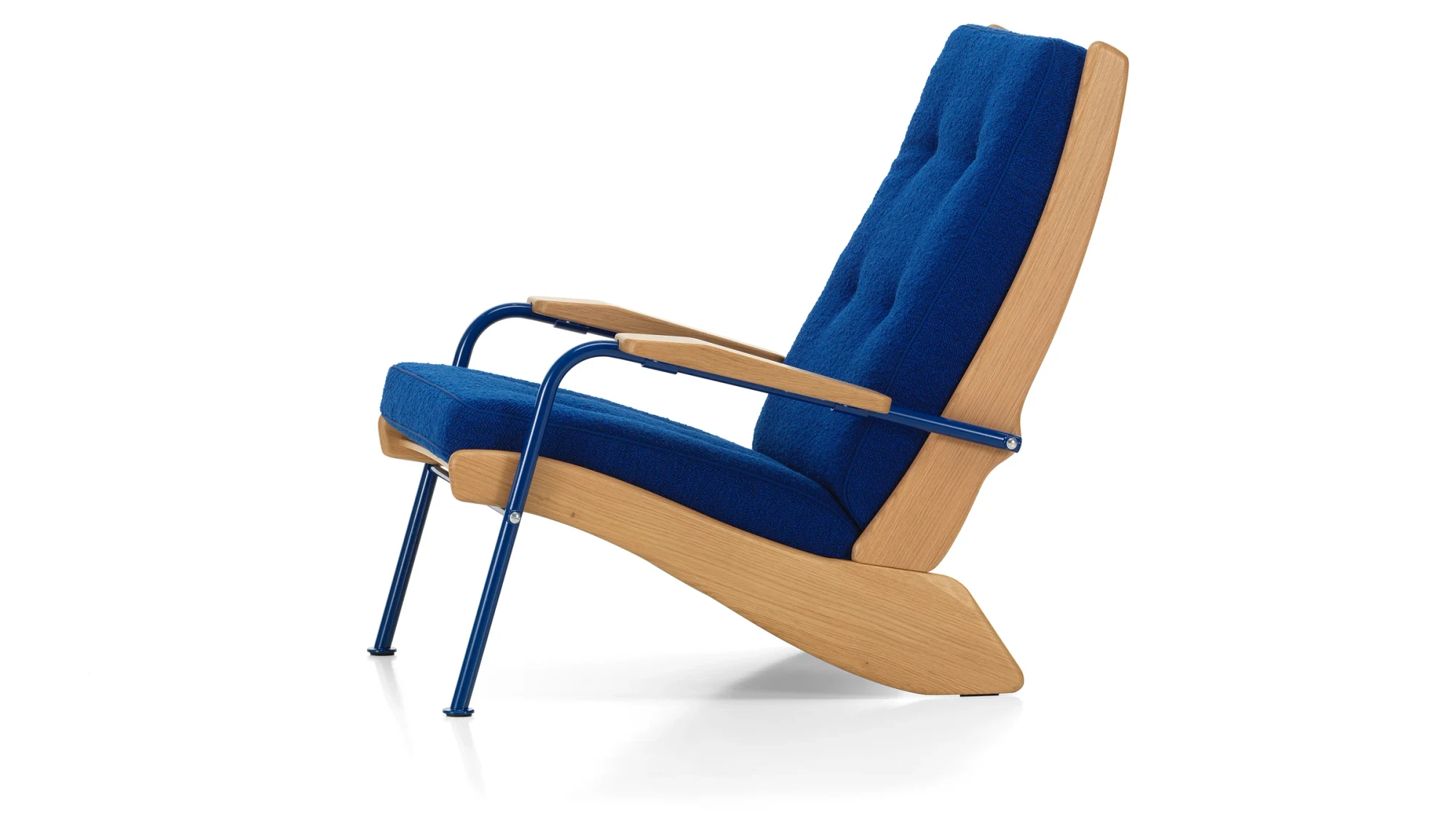
Fauteuil Kangourou
Jean Prouvé's 1948 Fauteuil Kangourou, reissued by Vitra in a limited edition of 150 pieces
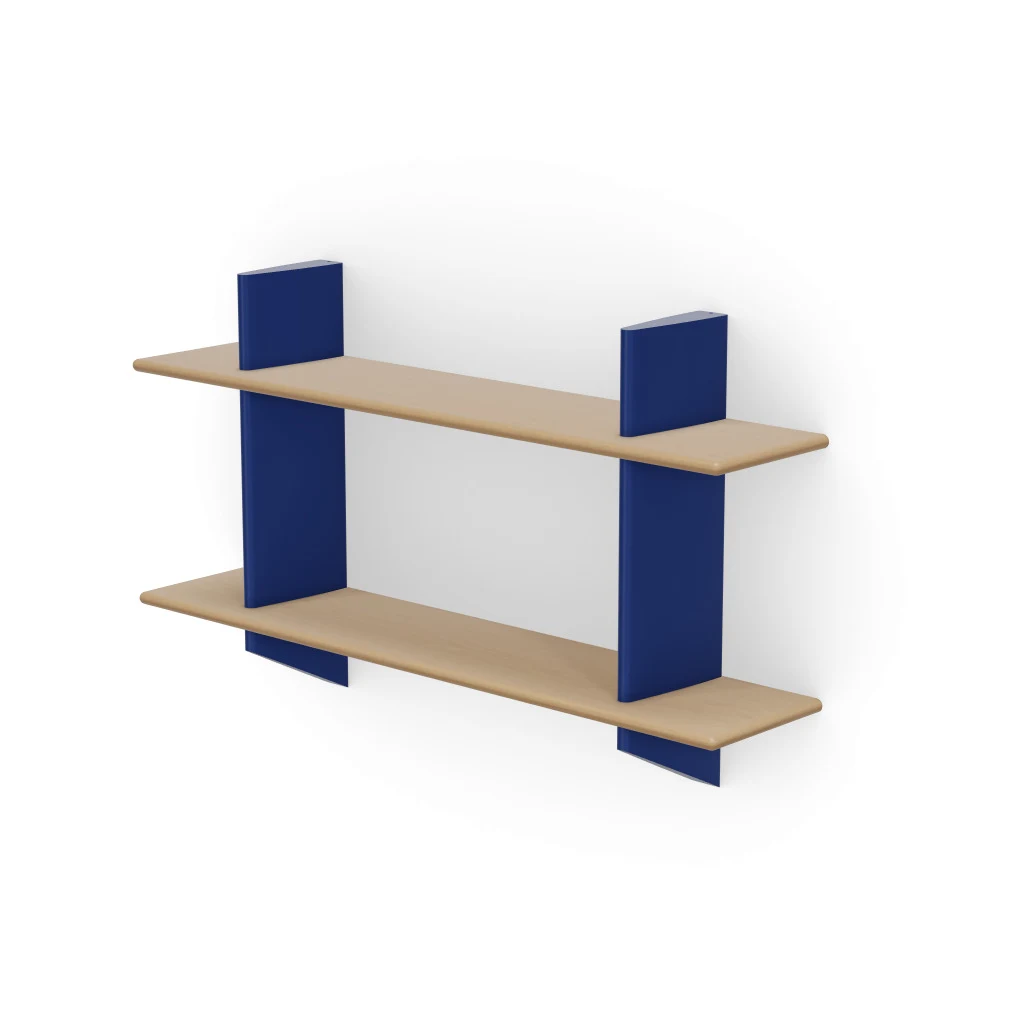
Rayonnage Mural
Jean Prouvé's 1936 wall-mounted bookcase: two bent steel brackets holding solid oak shelves
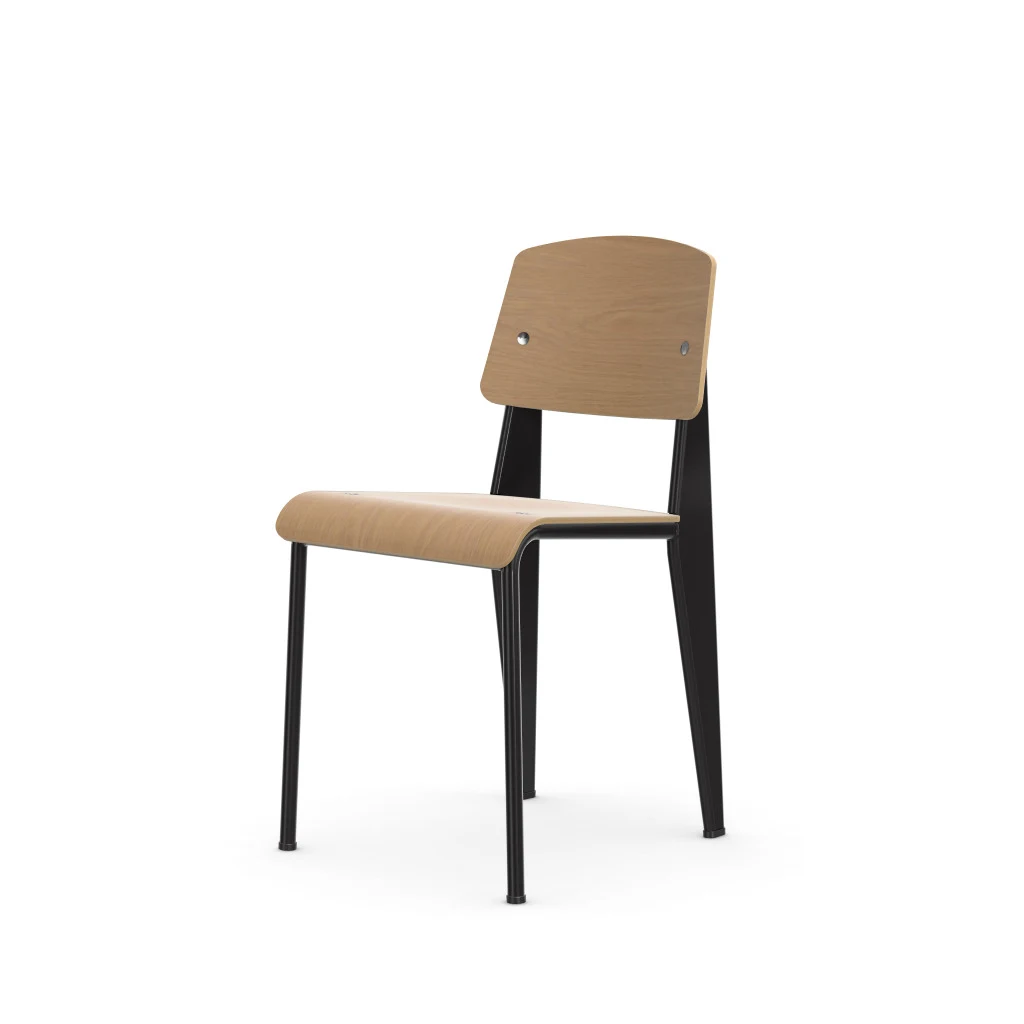
Standard
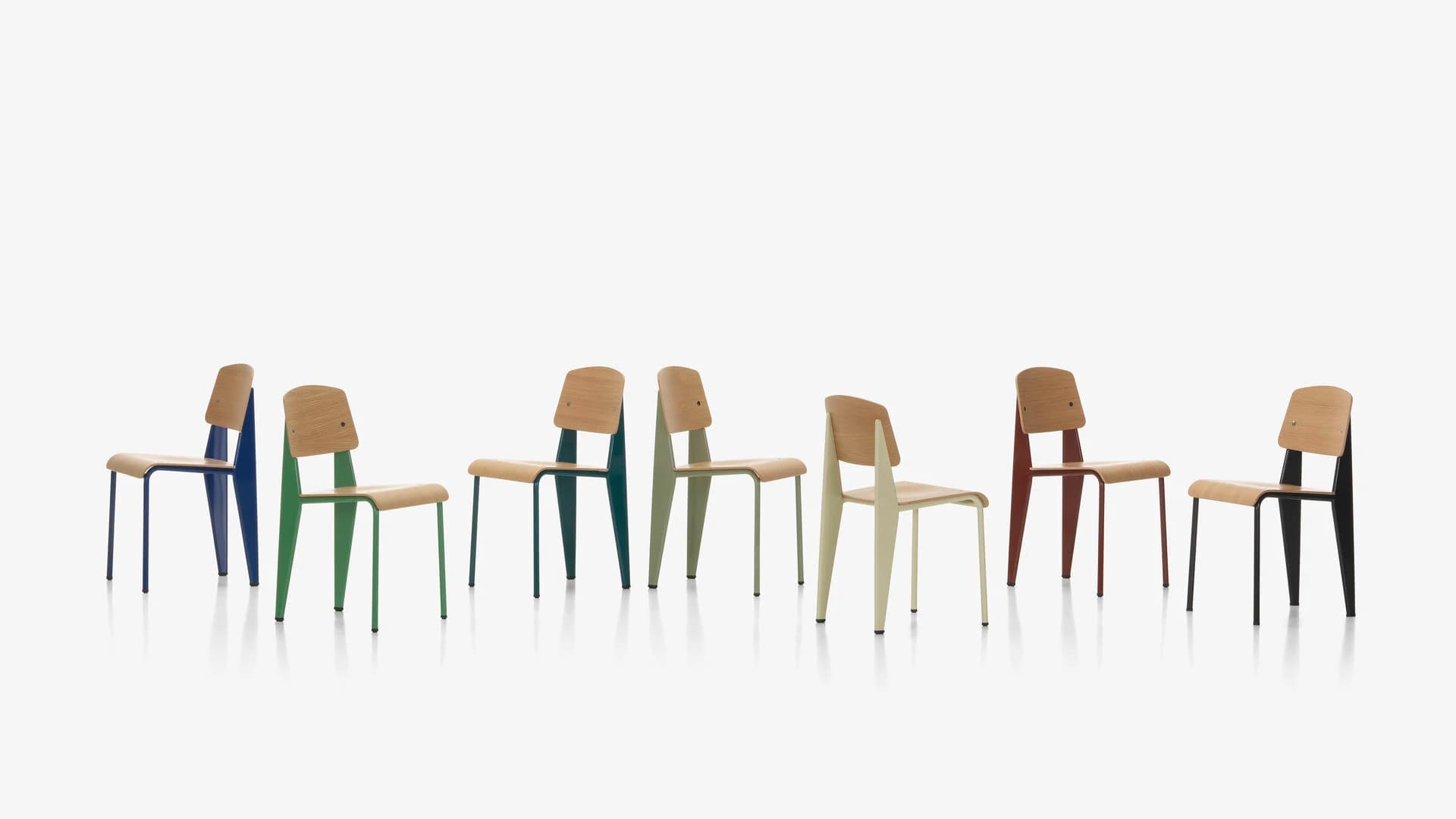
Jean Prouvé's Standard chair of 1934/1950: a wooden seat and backrest on a powder-coated steel frame