
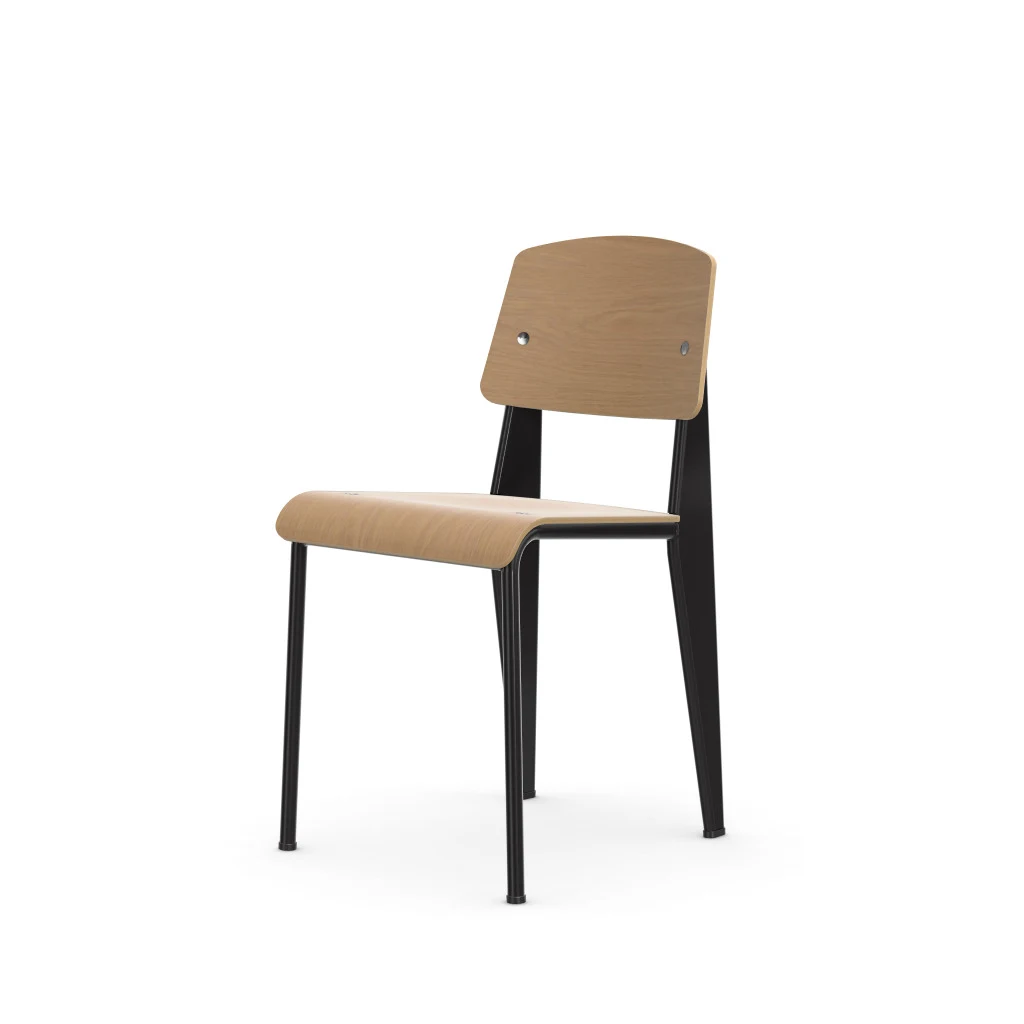
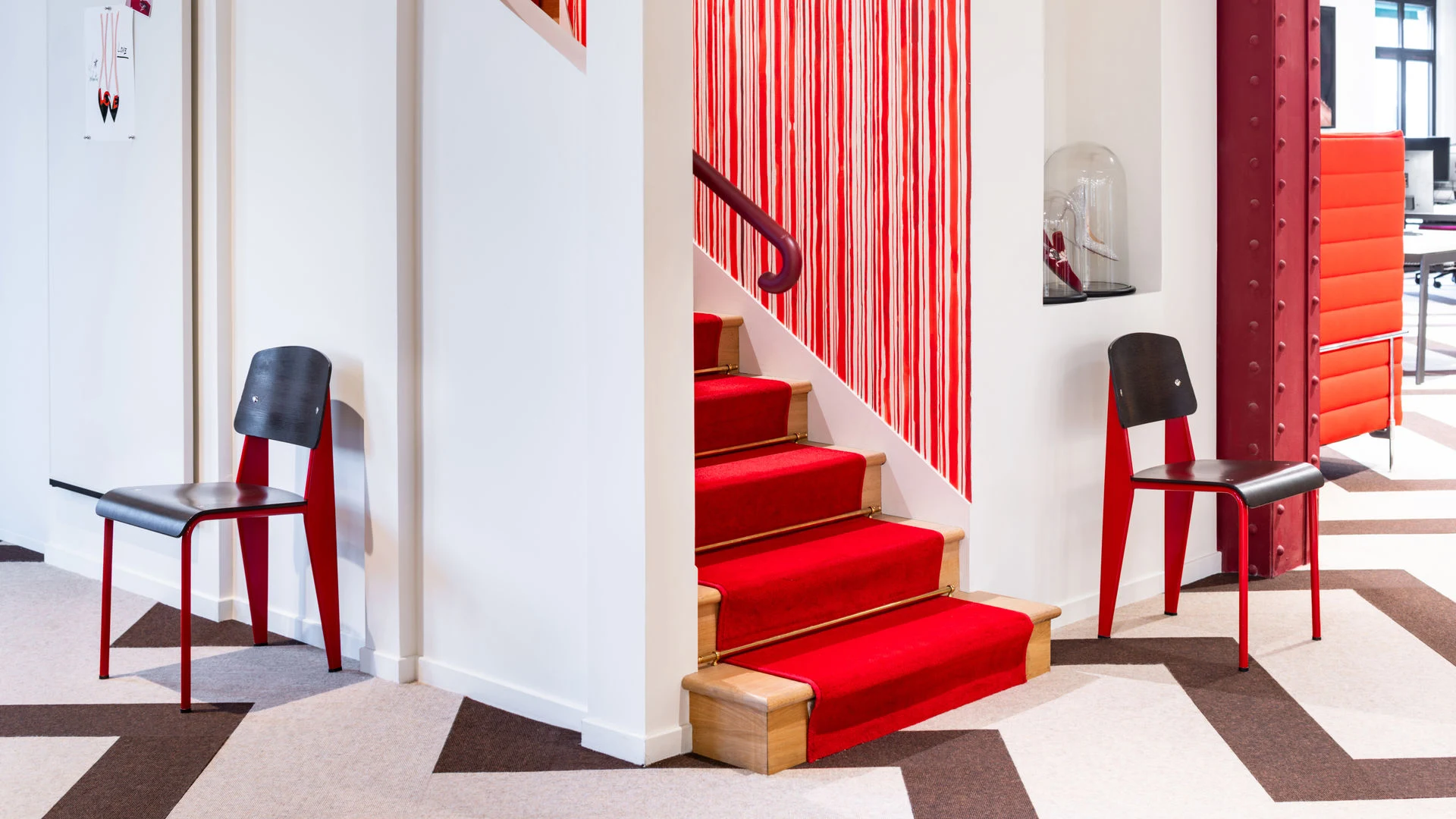
Standard
Jean Prouvé's Standard chair of 1934/1950: a wooden seat and backrest on a powder-coated steel frame


420 × 820 × 490 mm
Source: spec sheet PDF — Standard (wood seat and backrest)
1934
Germany
USD 1,460, Standard, natural oak seat and backrest, deep black base, hard glides, Vitra US online shop, 2026-10-15
Description
Overview
The Standard by Jean Prouvé is dated 1934/1950 by Vitra, which calls it one of the most famous classics of the French "constructeur". Its seat and backrest are wood; the metal frame comes in seven colours.
Construction
- Front legs of steel tubing, back legs of voluminous hollow sections that carry the main stress
- Seat and backrest in oak or walnut, lacquer finish
- Base of bent sheet steel and tubular steel, powder-coated (smooth)
Specifications
- Fact sheet drawing: 420 mm wide, 490 mm deep, 820 mm high (axes not named on the drawing)
Story
Why the back legs are hollow sections
Vitra's family text says chairs take the most stress on their back legs, where they bear the weight of the user's upper body. Prouvé answered this in the Standard with steel tubing for the front legs, which carry a relatively light load, and voluminous hollow sections for the back legs, which pass the primary stress to the floor.
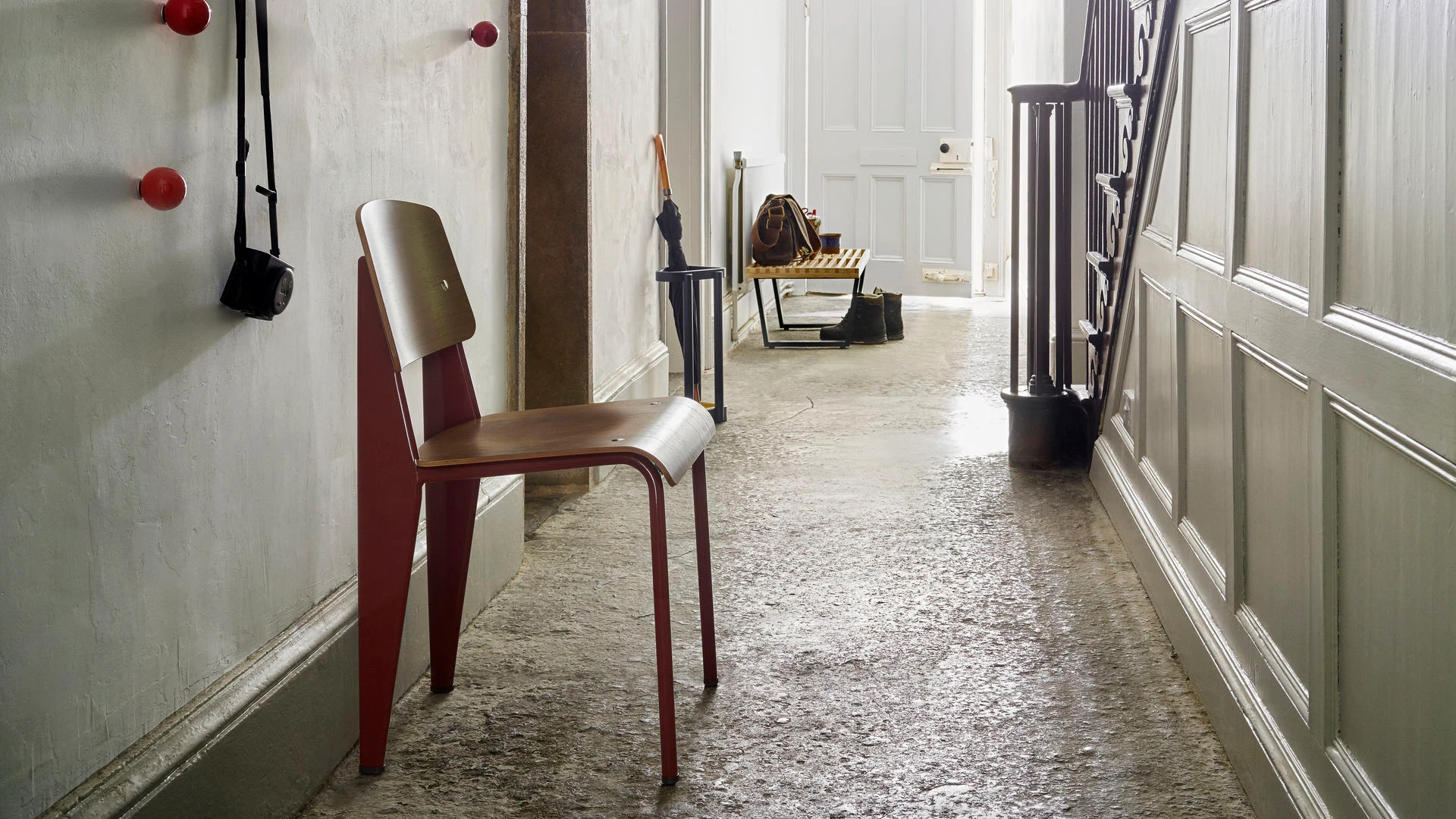
Wood or plastic
The page offers the Standard with a seat and backrest in wood, or as the model Standard SP in ASA plastic; the Chaise Tout Bois is the all-wood relative with a very similar design.
More by Jean Prouvé
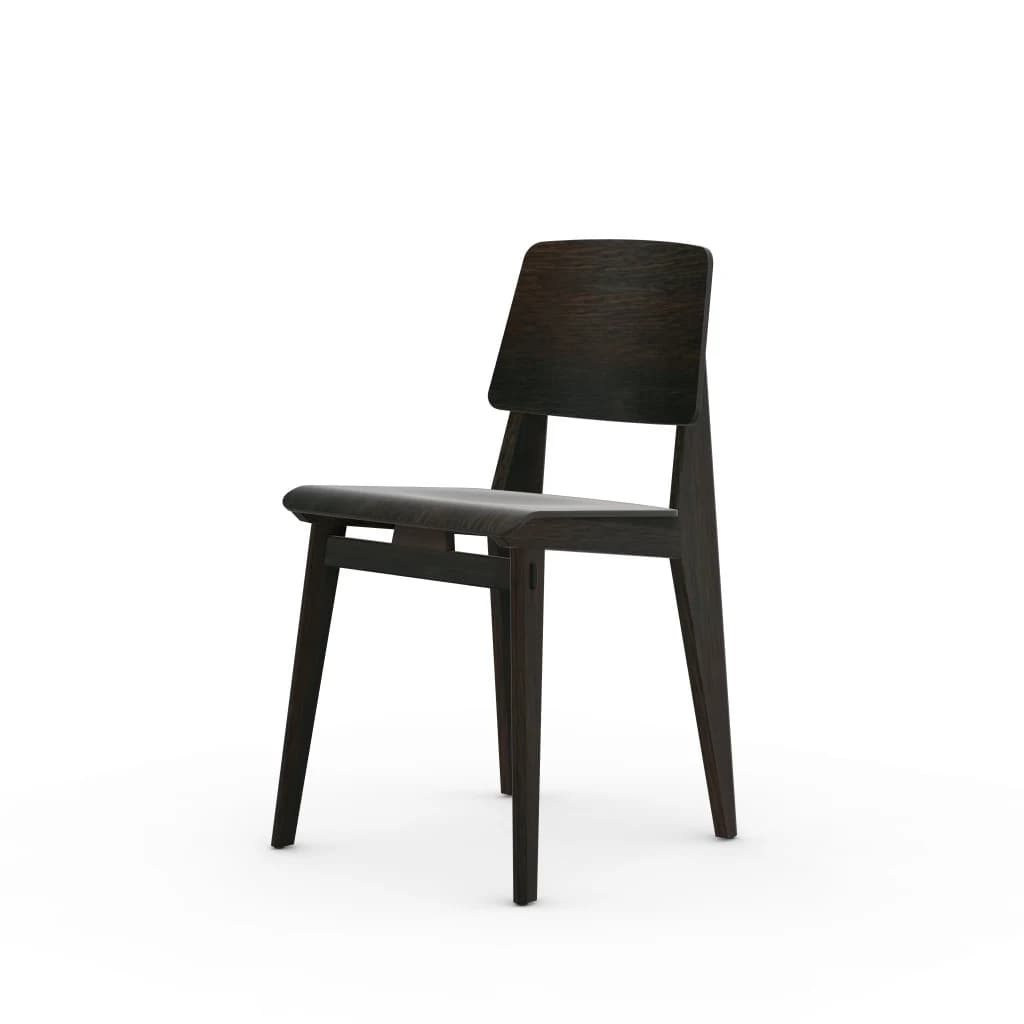
Chaise Tout Bois
Jean Prouvé's wartime Chaise Tout Bois of 1941, made entirely of oak without a single screw
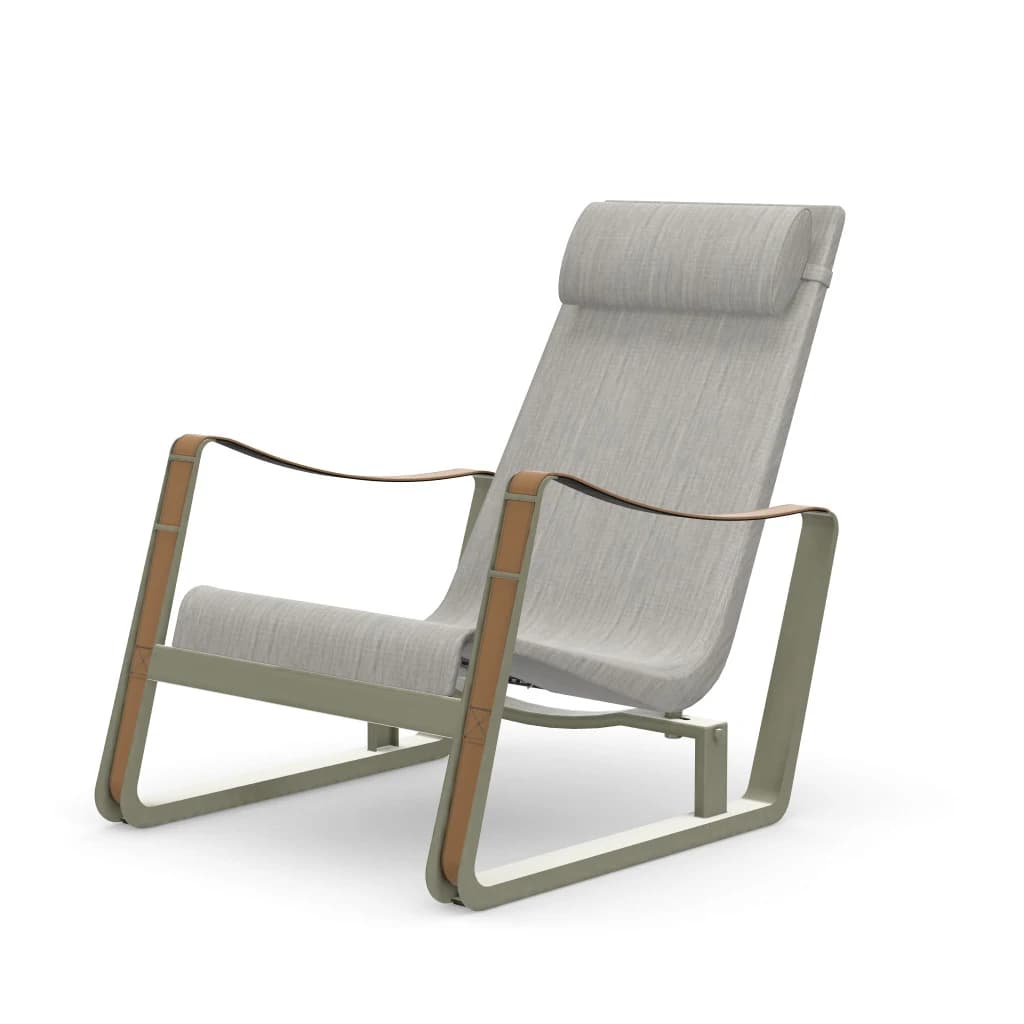
Cité
Prouvé's 1930 Cité armchair for Nancy's student halls, with steel runners and leather belt armrests
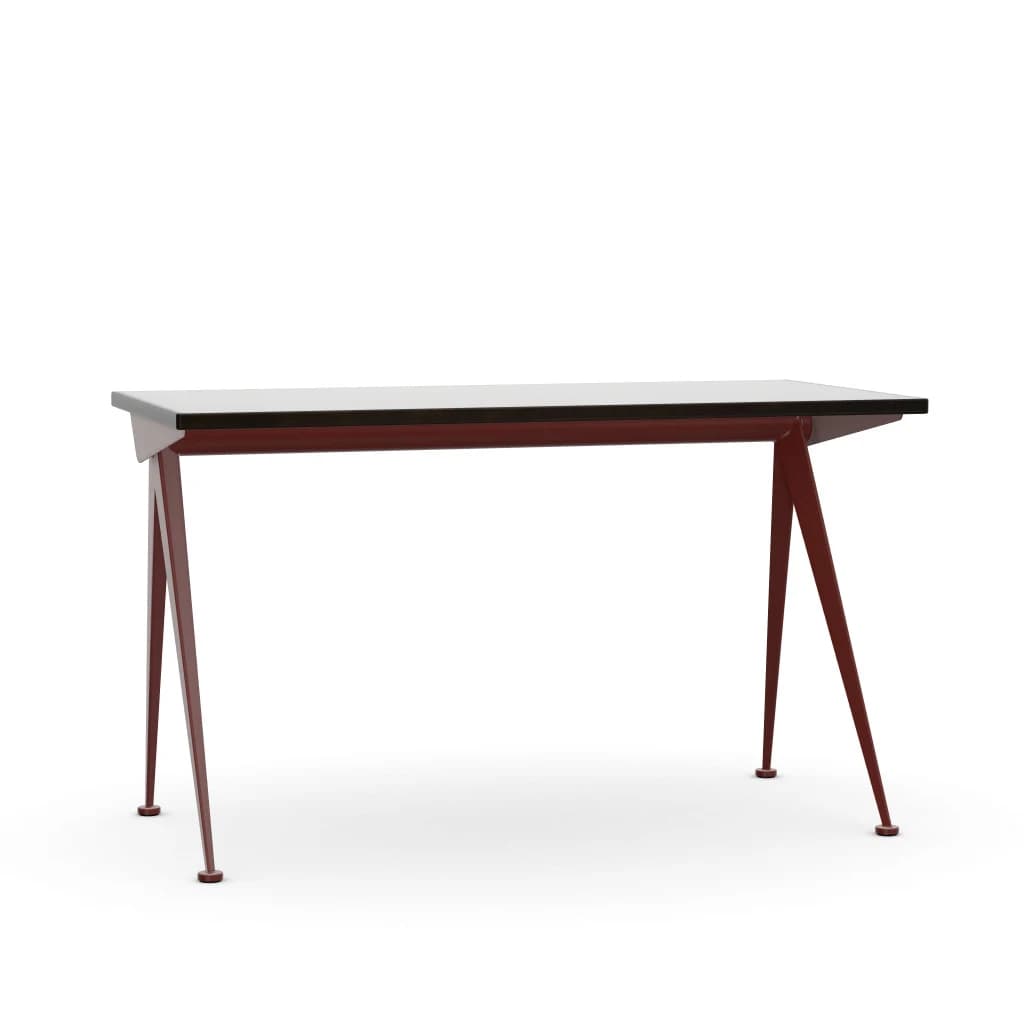
Compas Direction
Jean Prouvé's 1953 Compas Direction: a compact desk with splayed steel legs and a solid wood top
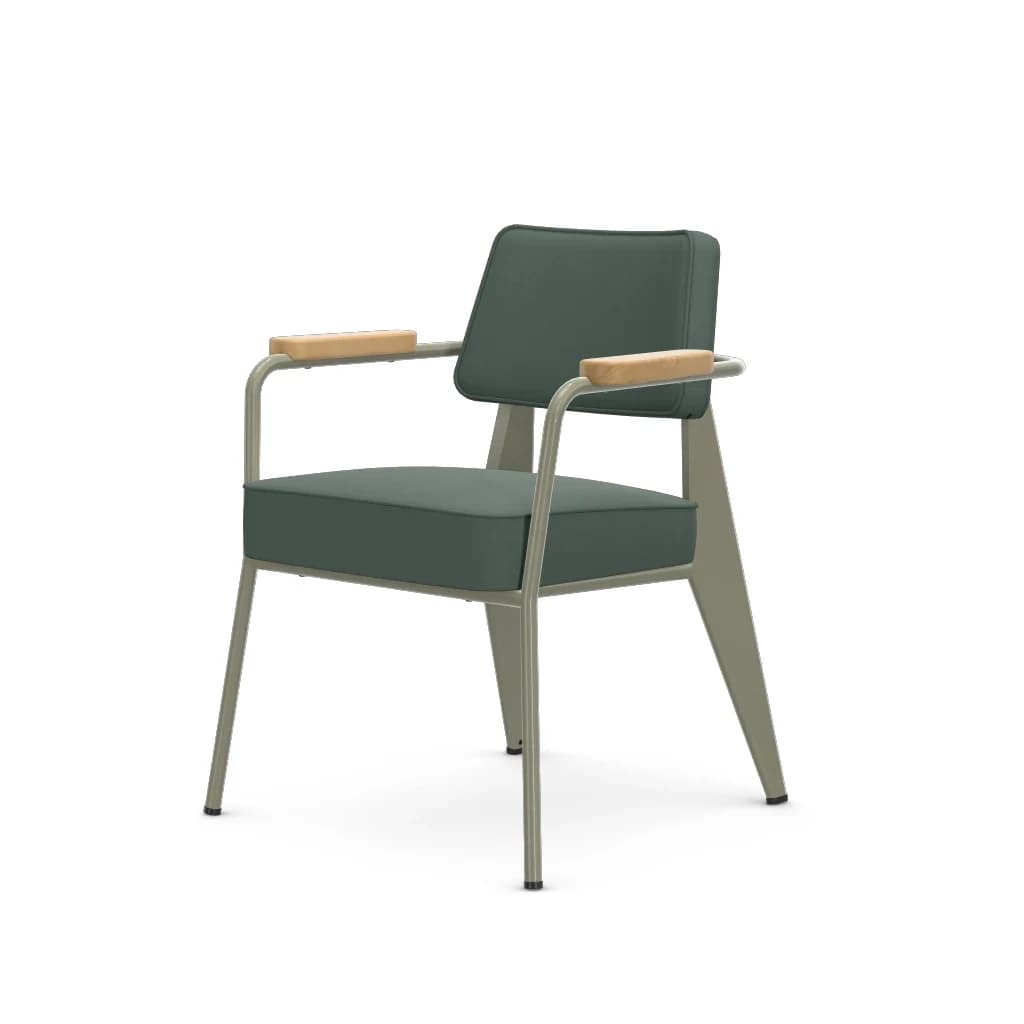
Fauteuil Direction
Jean Prouvé's 1951 Fauteuil Direction: an upholstered armchair with wooden armrests on a steel frame