 molteni.it
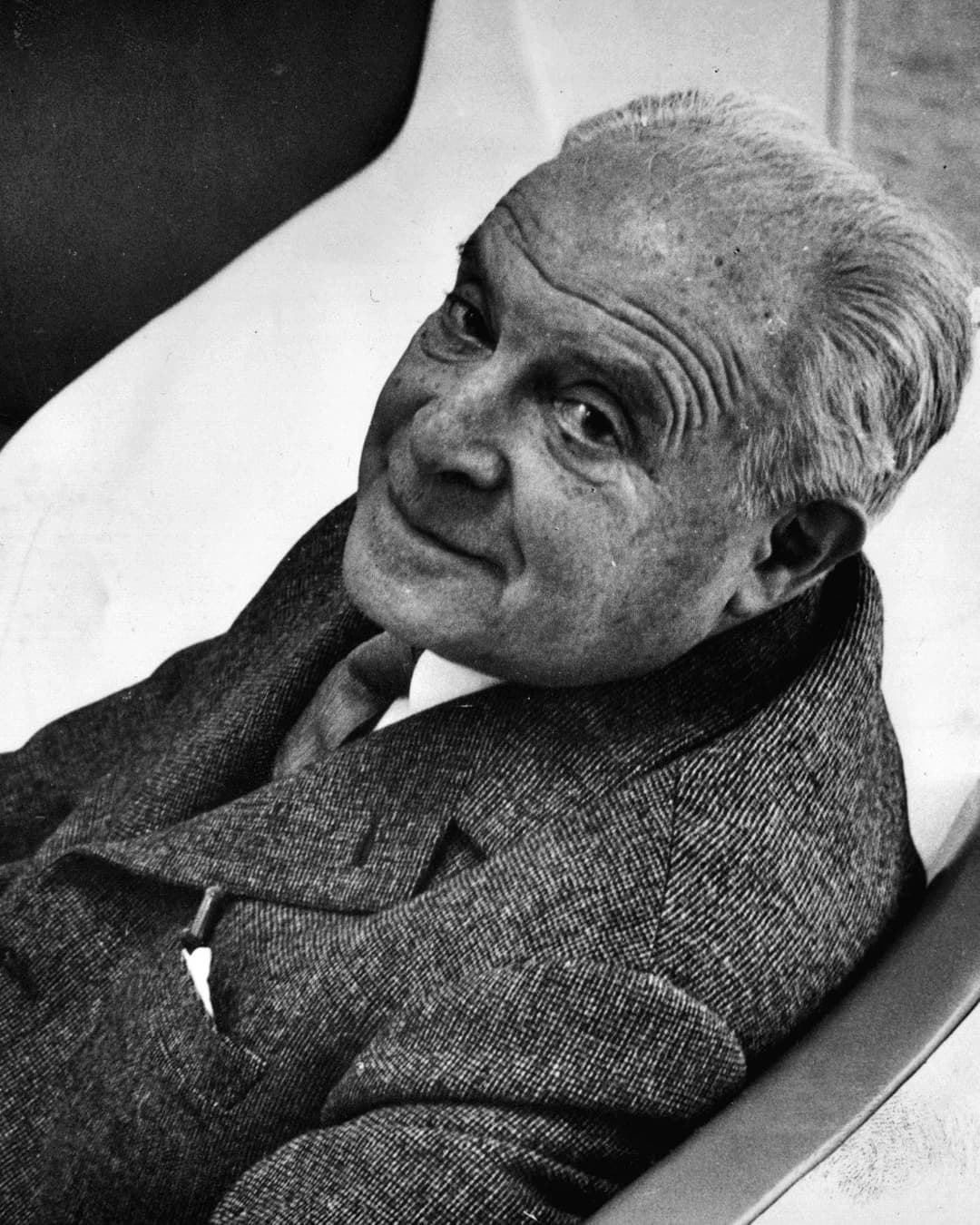
Image source: Gio Ponti
© The respective rights holders. Quoted to accompany INTEBEE's independent design commentary and research.
Designer
Gio Ponti
Giovanni "Gio" Ponti (1891–1979) was born in Milan. After serving on the front in World War I, where he earned military decorations, he graduated in architecture from the Politecnico di Milano in 1921. He worked with Emilio Lancia in the…
Biography
Background
Giovanni "Gio" Ponti (1891–1979) was born in Milan. After serving on the front in World War I, where he earned military decorations, he graduated in architecture from the Politecnico di Milano in 1921. He worked with Emilio Lancia in the 1920s, became artistic director of Richard-Ginori porcelain in 1923 and founded Domus magazine in 1928, which he directed for most of his life. He taught at the Milan Polytechnic from 1936 to 1961.
Signature Style
An architect, industrial designer, furniture designer, artist, writer and publisher, Ponti pursued lightness and transparency and often designed buildings "from top to bottom", interiors and furniture included. He championed an Italian art of living and helped renew Italian design after the Second World War.
Notable Works
- Pirelli Tower, Milan (1956–1960, with Pier Luigi Nervi)
- Villa Planchart, Caracas (1953–1957)
- Superleggera chair (Cassina, 1957)
- Taranto Cathedral (1970) and the Denver Art Museum envelope (1971)
- D.154.2 armchair, reissued by Molteni&C
Legacy
Ponti built more than a hundred buildings in a career spanning six decades, helped create the Compasso d'Oro award in 1954 and won it in 1956. Molteni&C exclusively reproduces a selection of his works in collaboration with the Gio Ponti Archives.
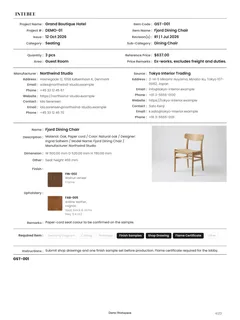
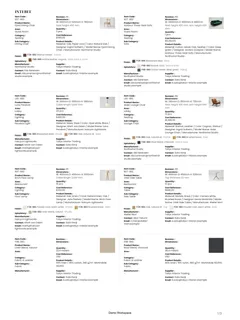
Specifying pieces from Gio Ponti for your design project?
INTEBEE is the FF&E specification platform for interior designers: spec sheets, finishes, floor plans and client-ready PDFs in one place.
Collections
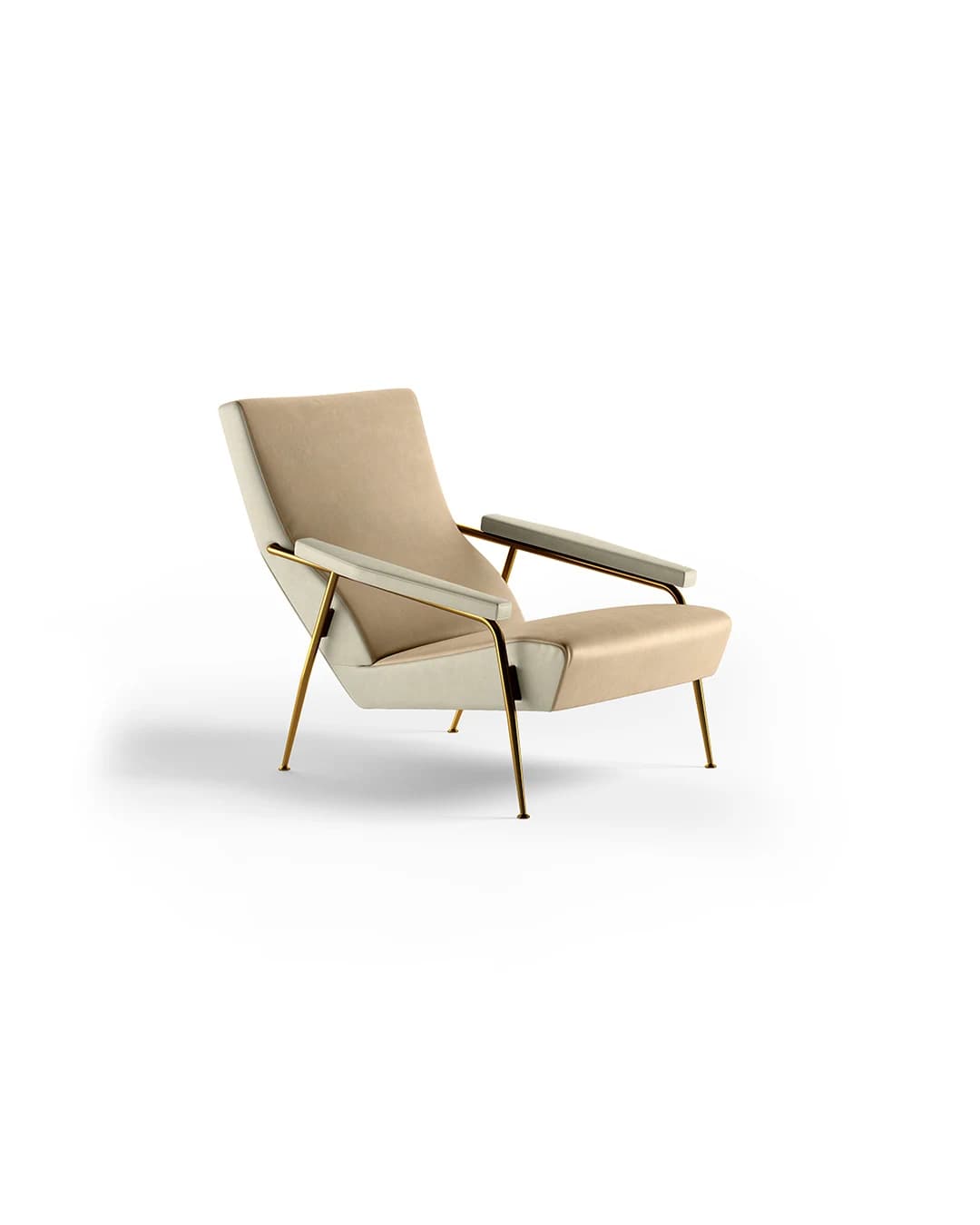
Products
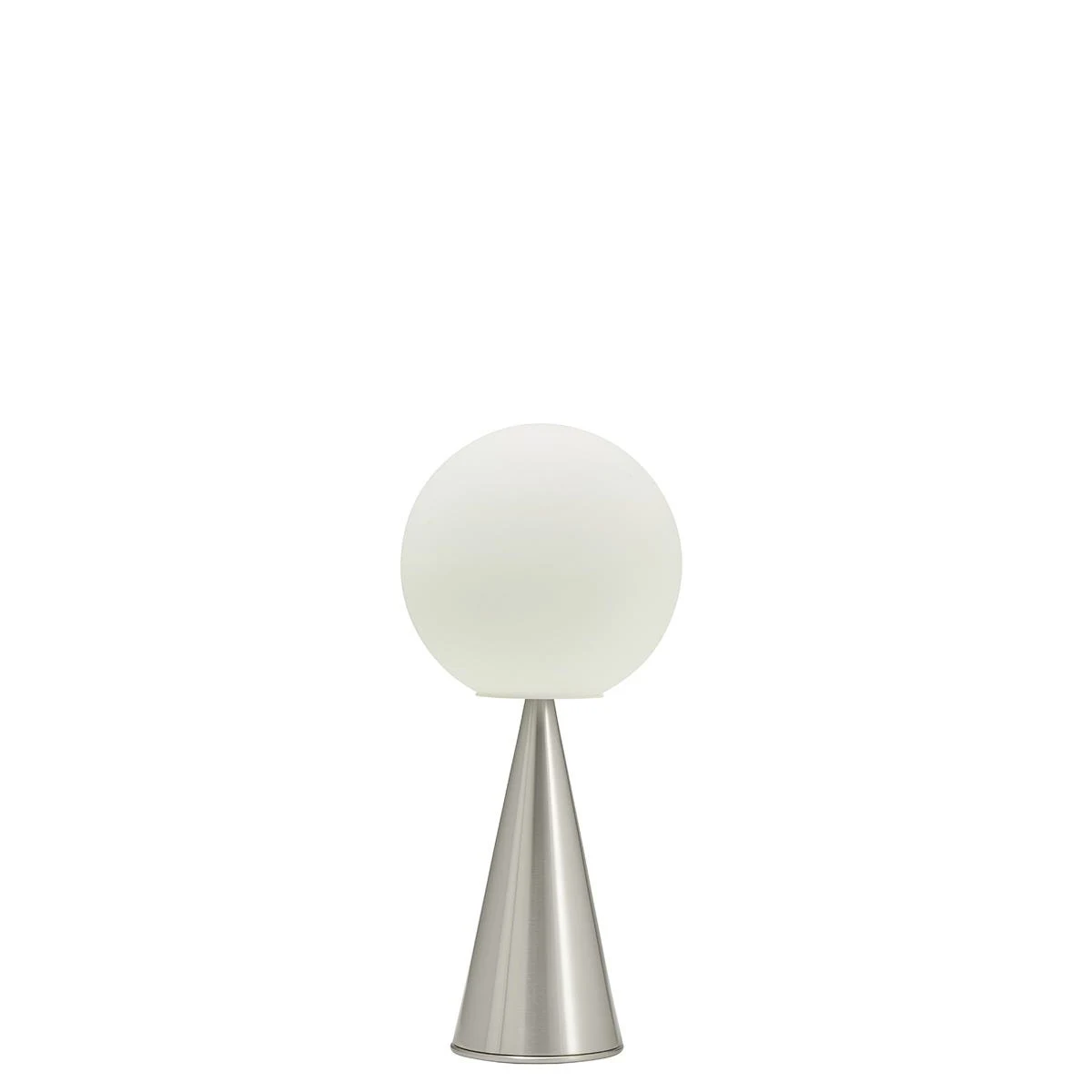
Bilia
Gio Ponti's 1932 table lamp: a frosted glass sphere balanced on a metal cone.
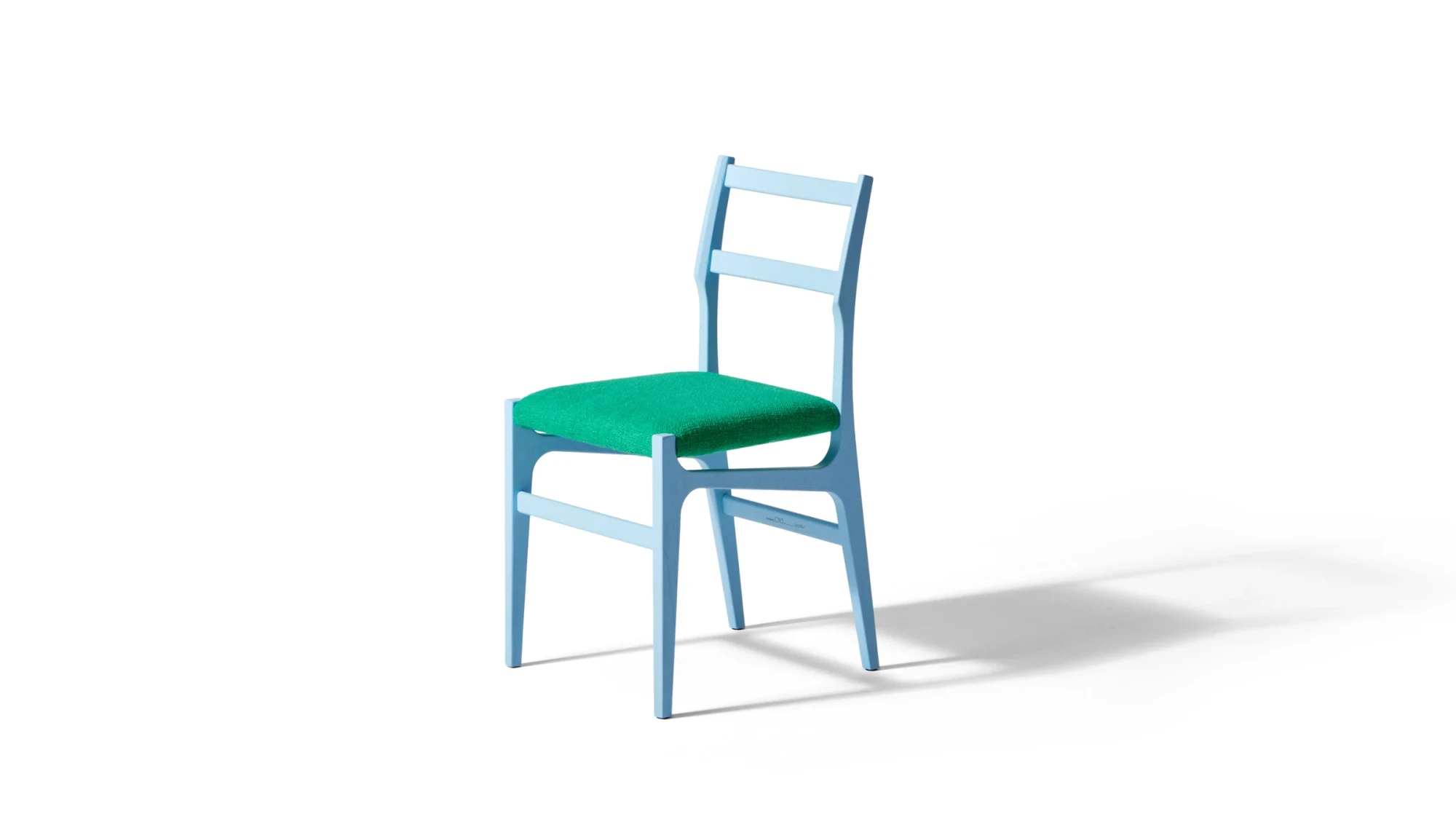
Principi Chair
Ash chair by Gio Ponti, 1964, with a diamond-cut backrest and upholstered seat; Cassina.
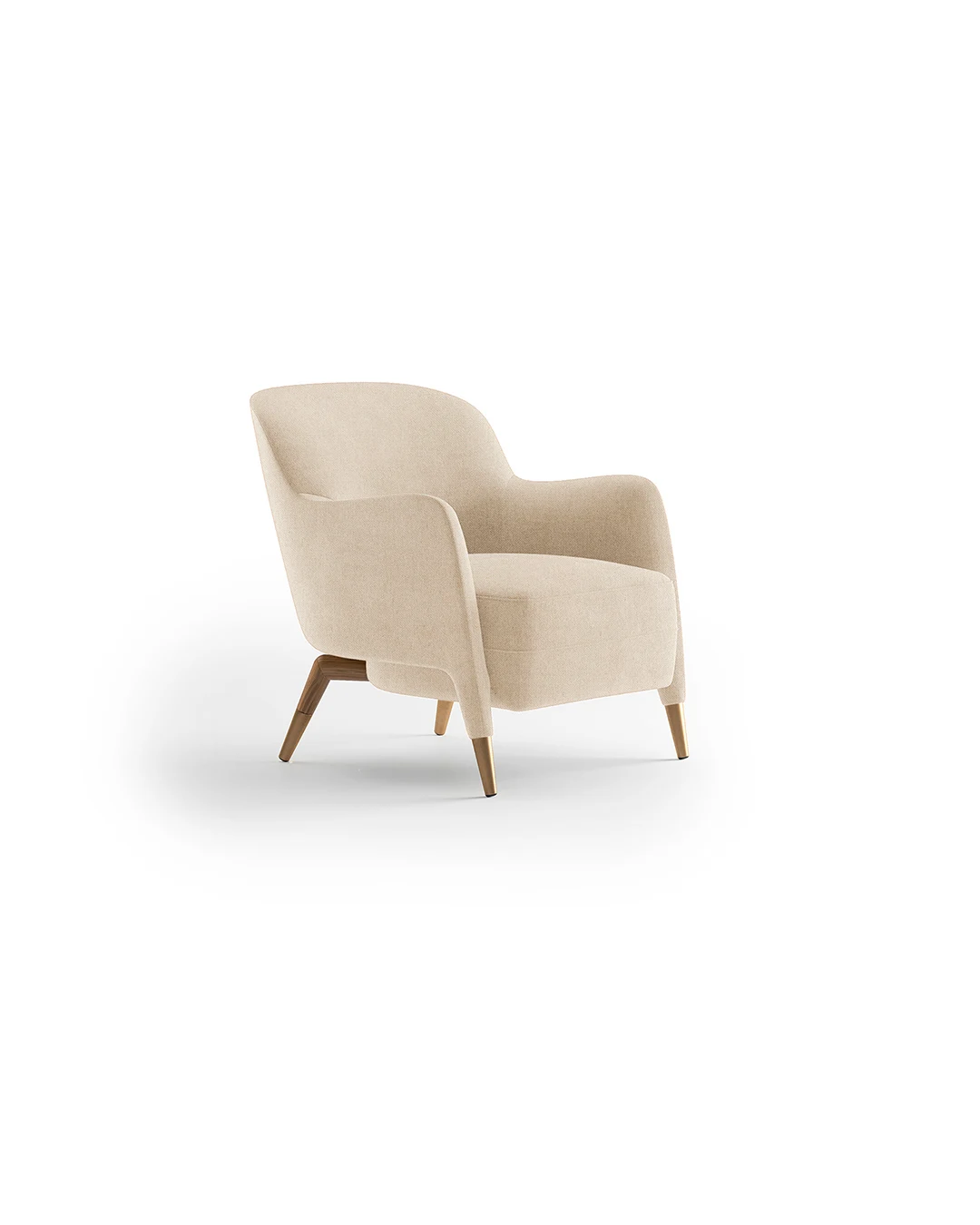
D.151.4
Gio Ponti's armchair designed for ocean liners and cruise ships, in solid American walnut.
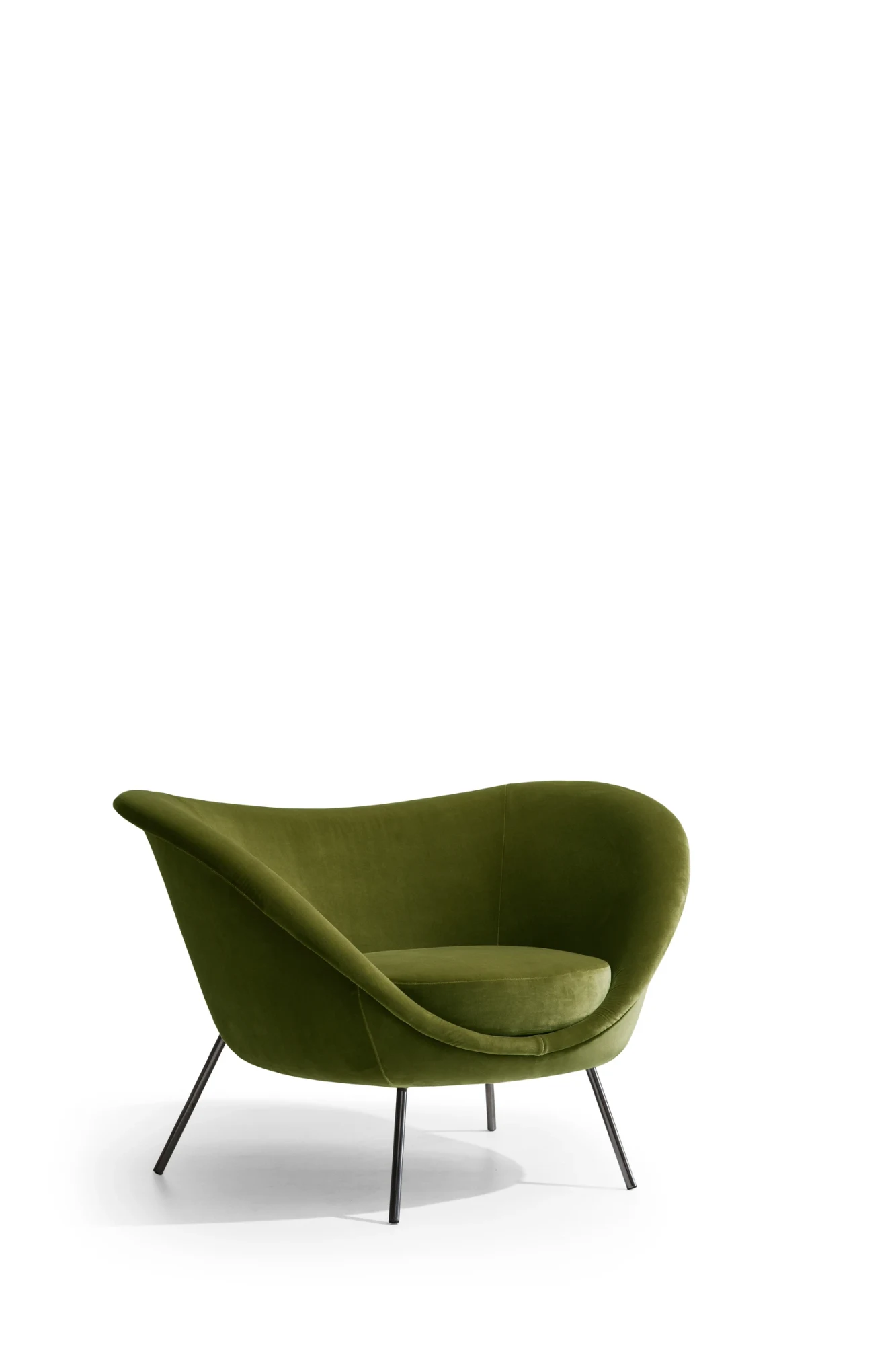
D.154.2 Armchair
Gio Ponti's D.154.2 armchair for Villa Planchart, Caracas (1953-57), reissued by Molteni&C in 2015
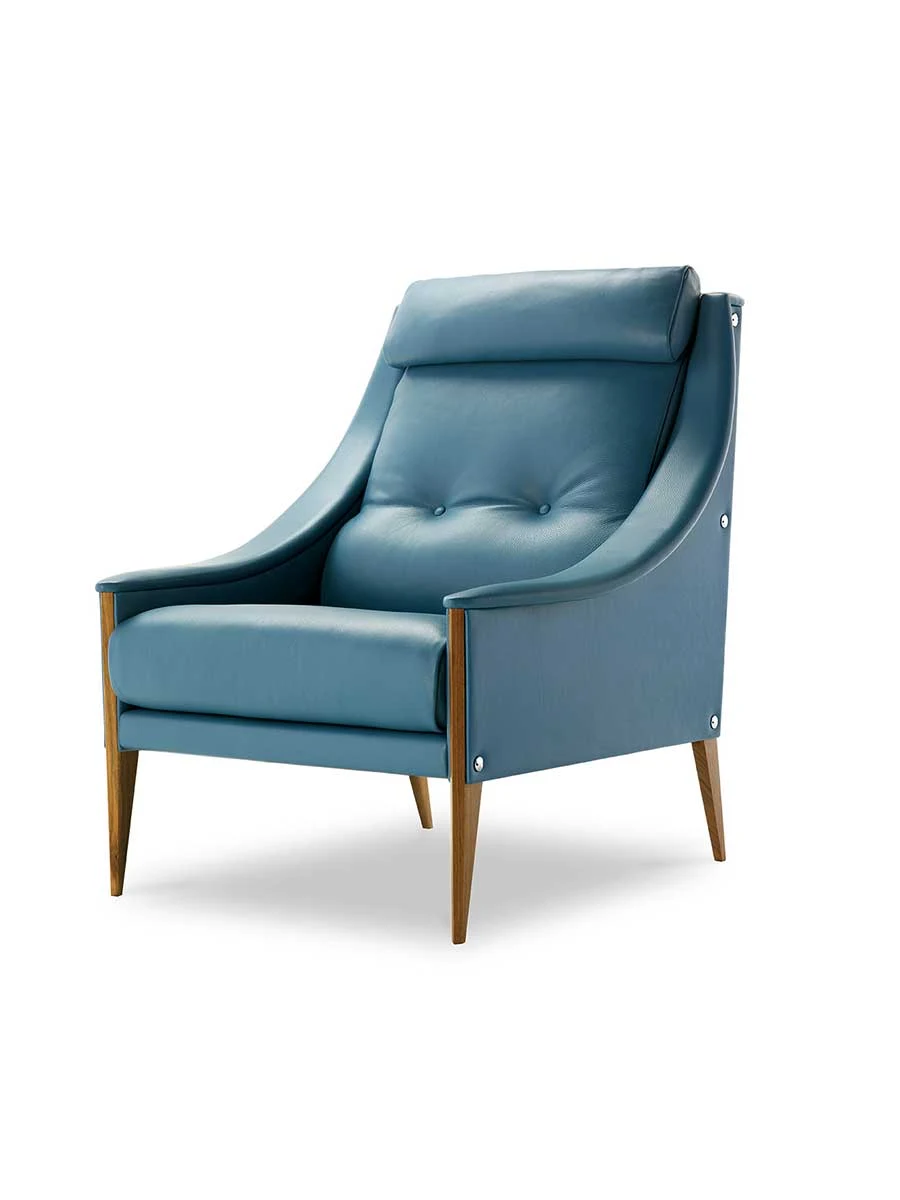
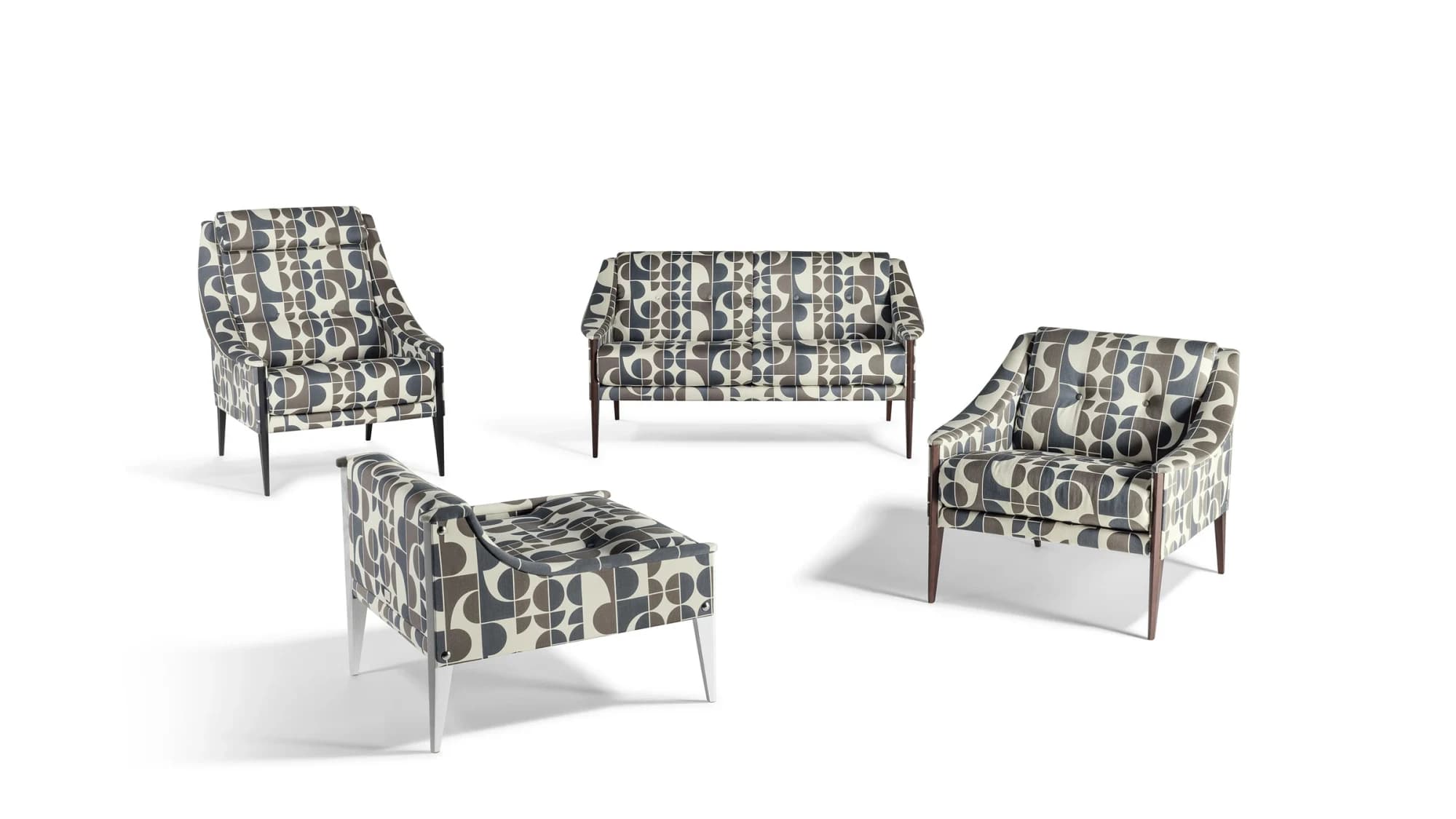
Dezza 48 Armchair
Dezza 48 by Gio Ponti: the Dezza armchair with a higher back and a goose down headrest.
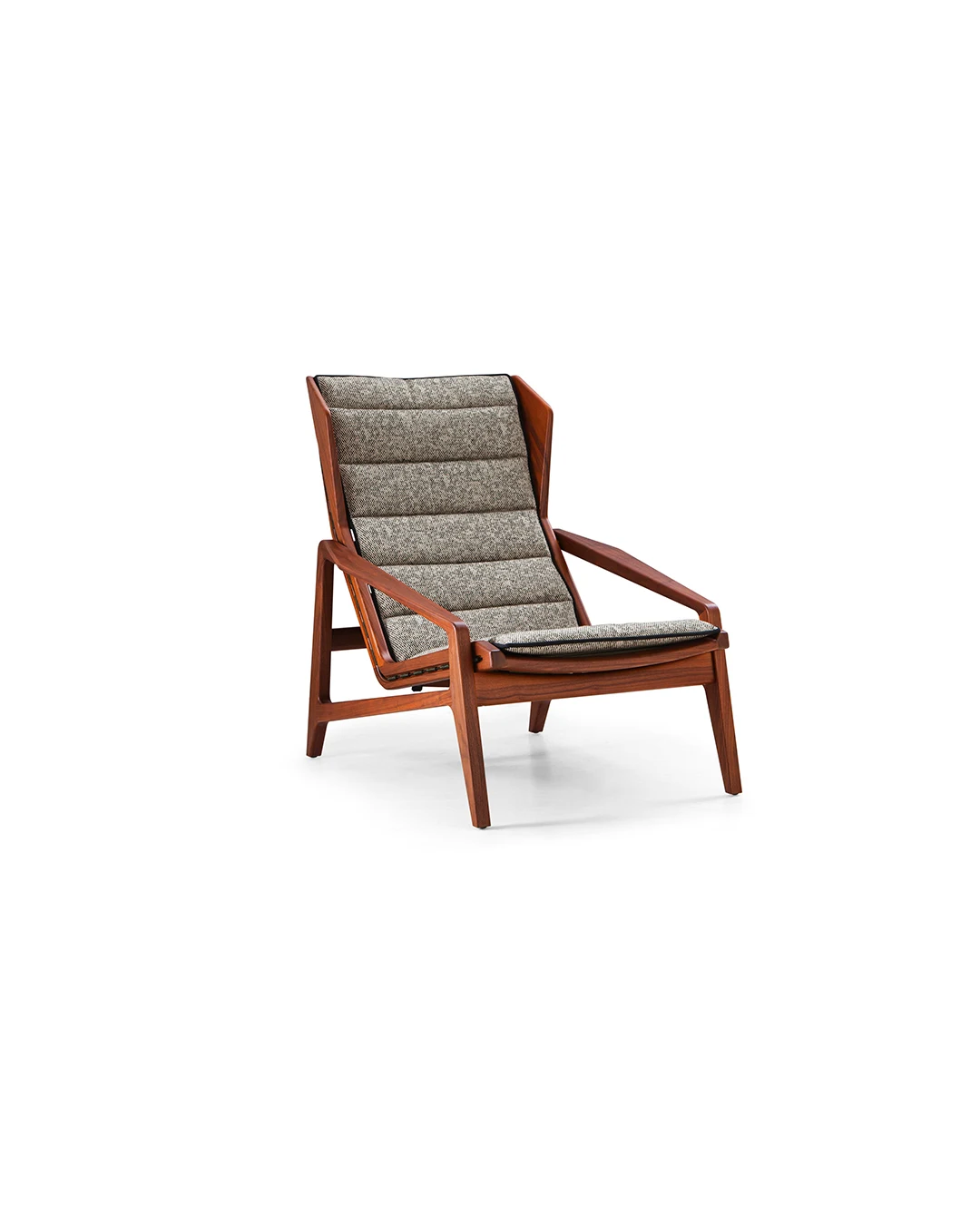
D.156.3
Gio Ponti's 1956 Altamira armchair, remade by Molteni&C with hand-finished timber.
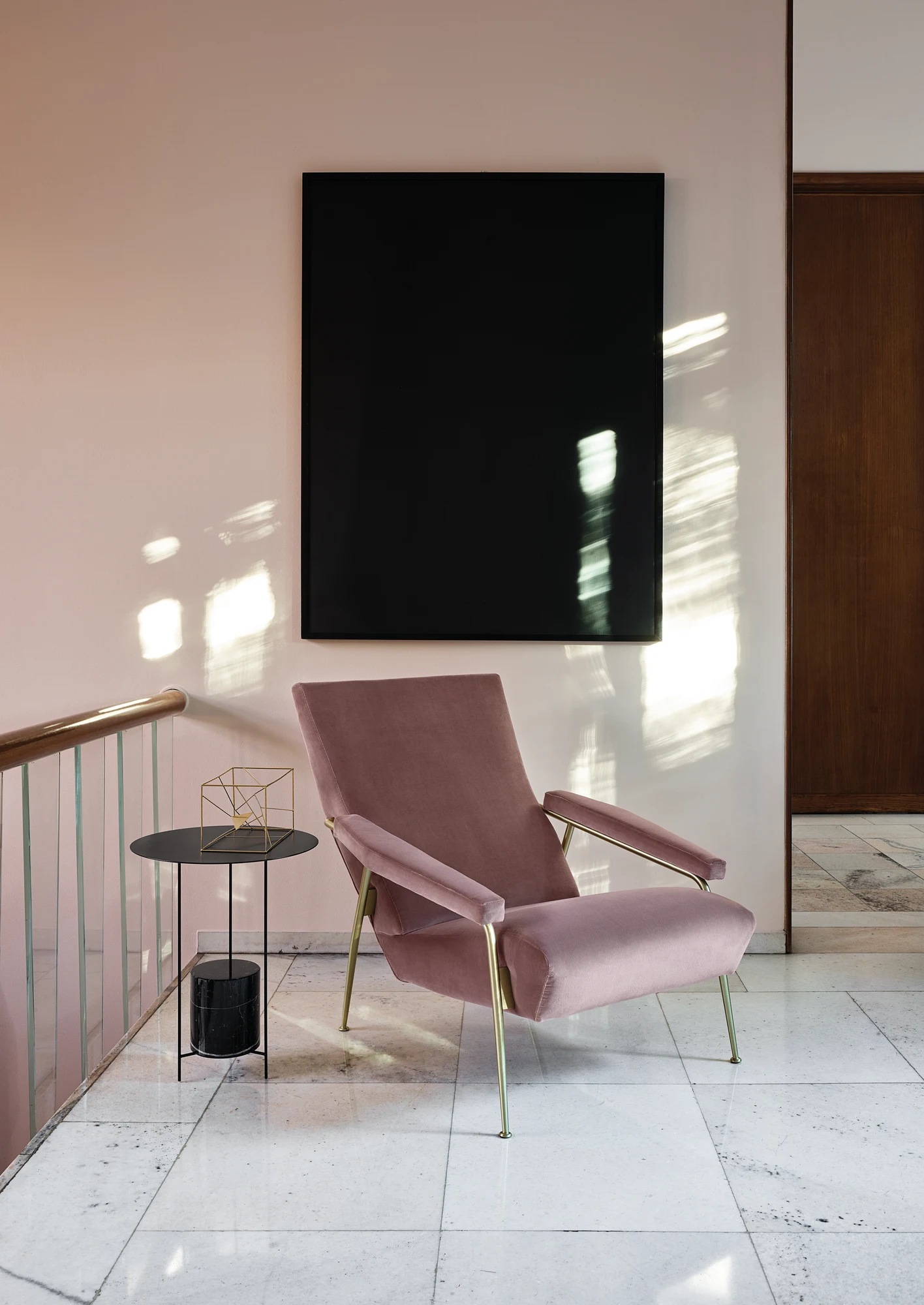
D.153.1
Gio Ponti's 1953 armchair for his Via Dezza home, revived from archival drawings.
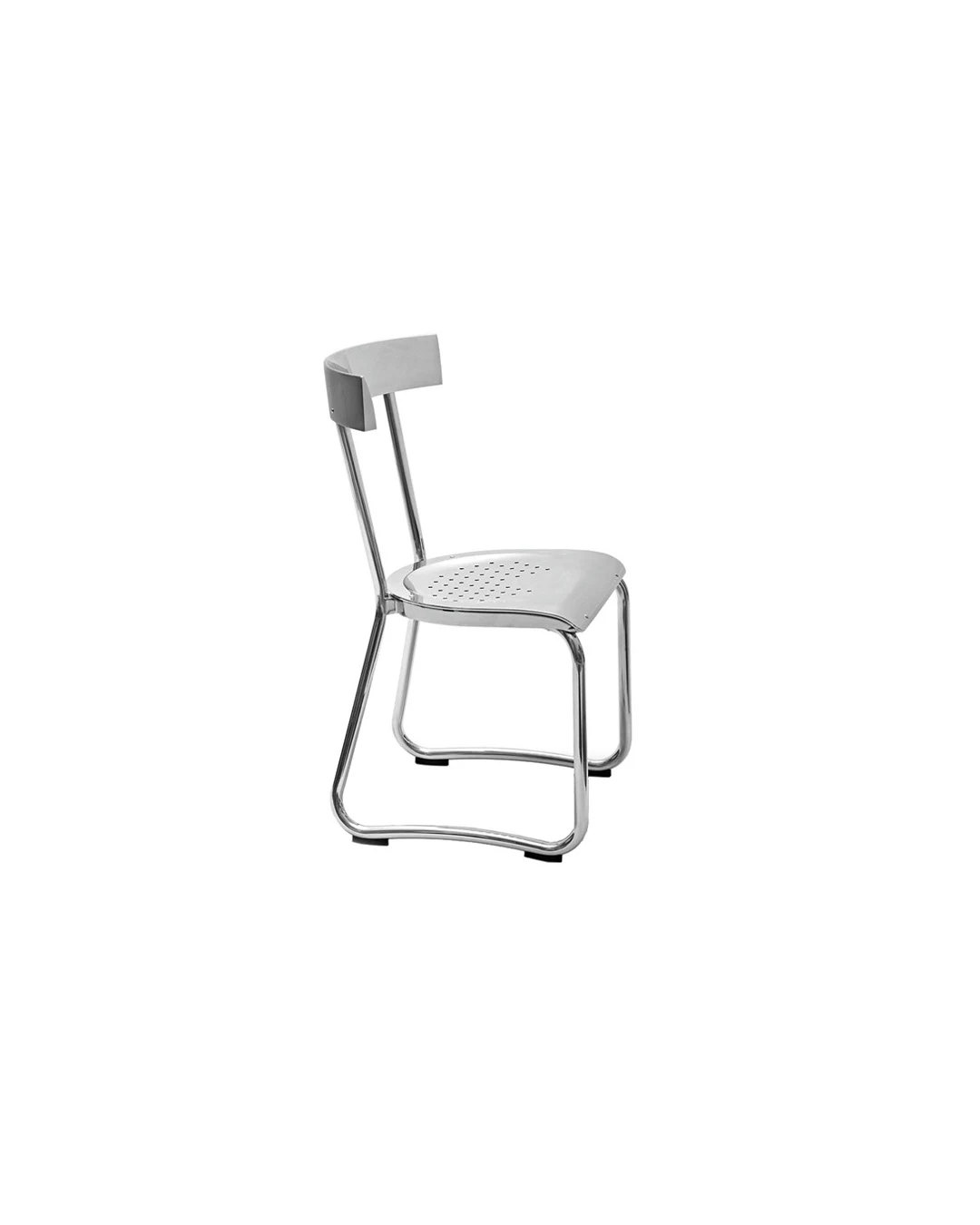
D.235.1
Gio Ponti's 1938 Montecatini chair, reworked by Molteni&C entirely in aluminium.
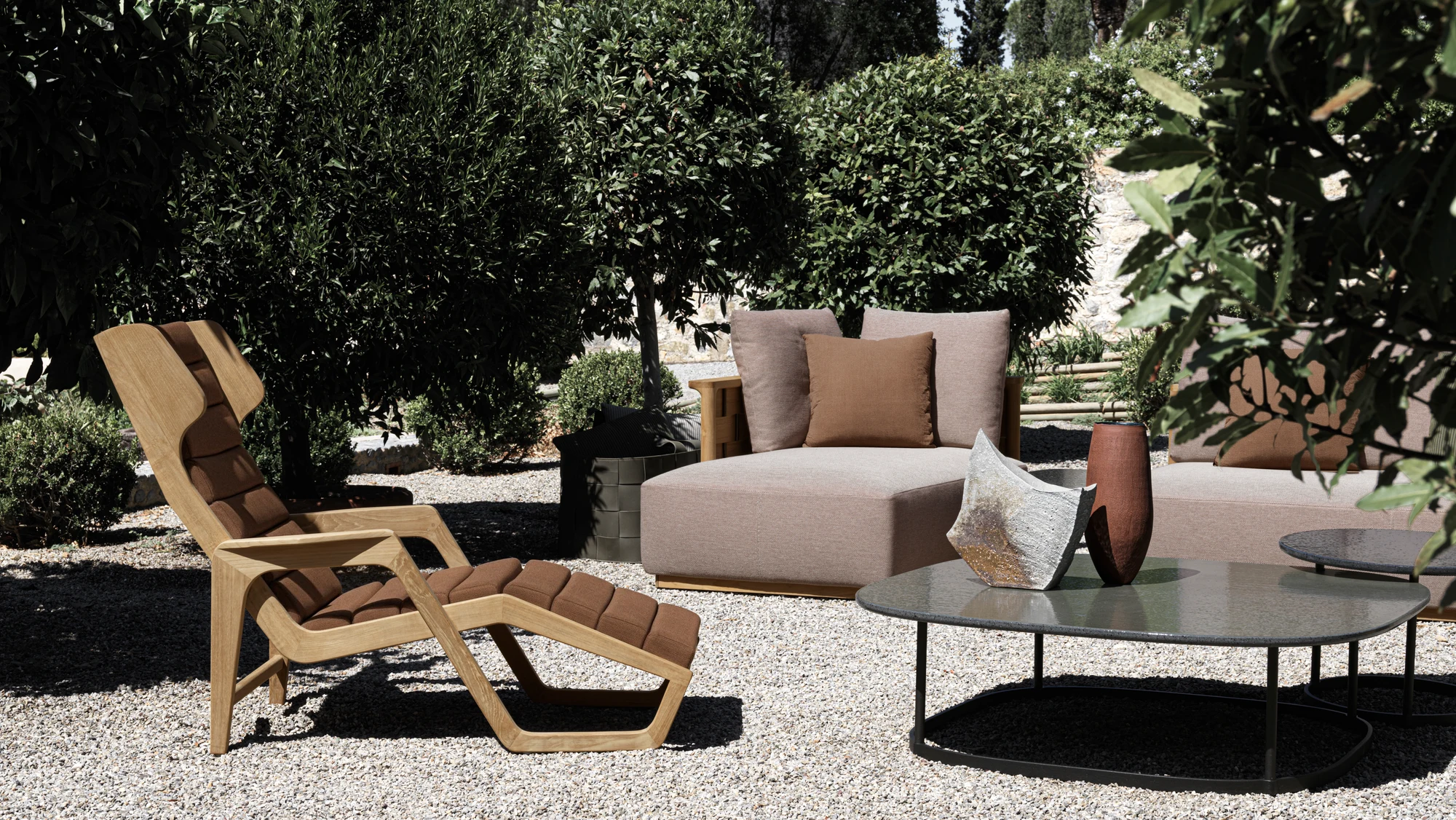
D.150.5 Outdoor
Gio Ponti's 1952 outdoor chaise longue, reconstructed in teak with removable cushioning.
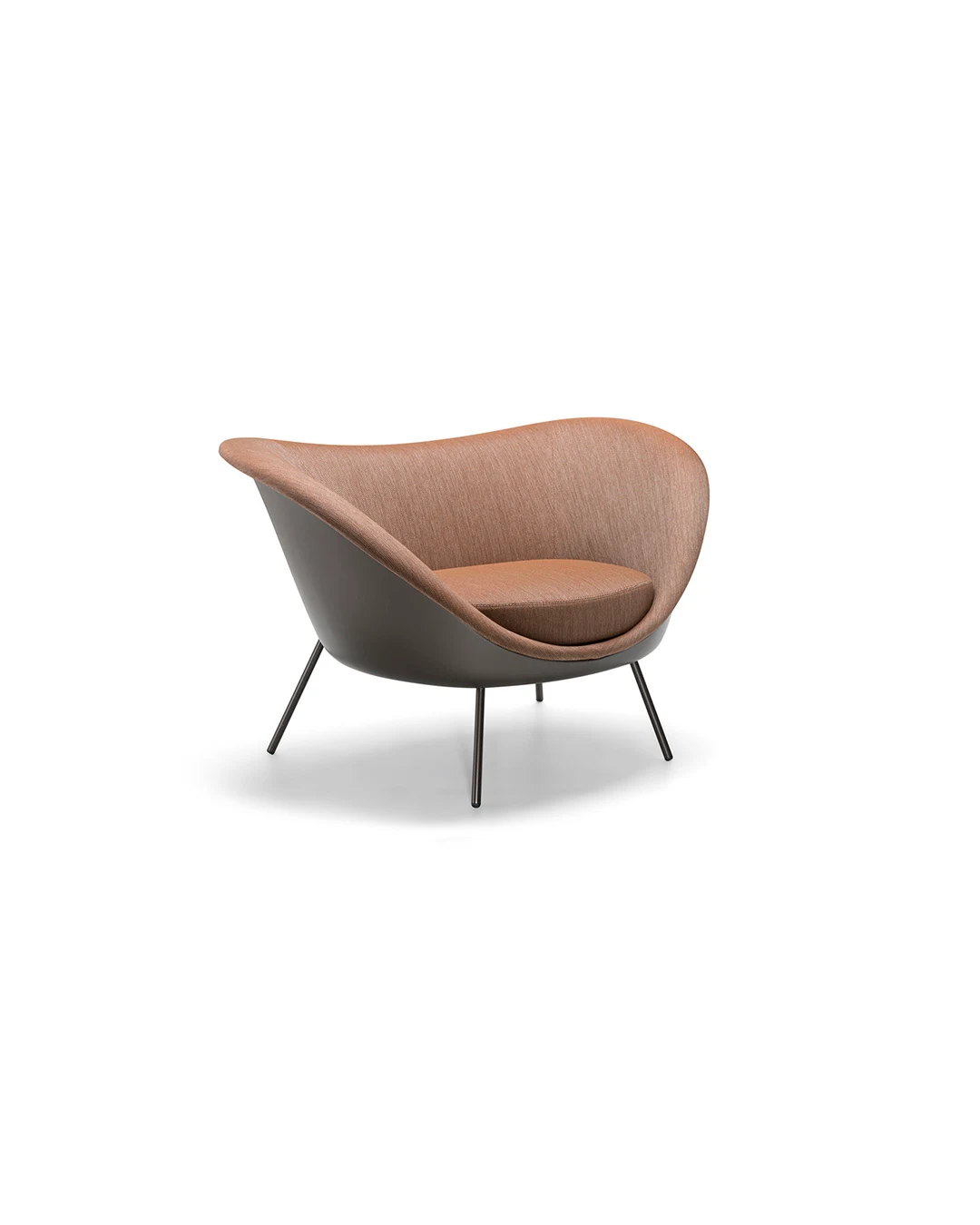
D.154.2 Outdoor
A 2022 outdoor reinterpretation of Gio Ponti's enveloping D.154.2 armchair.
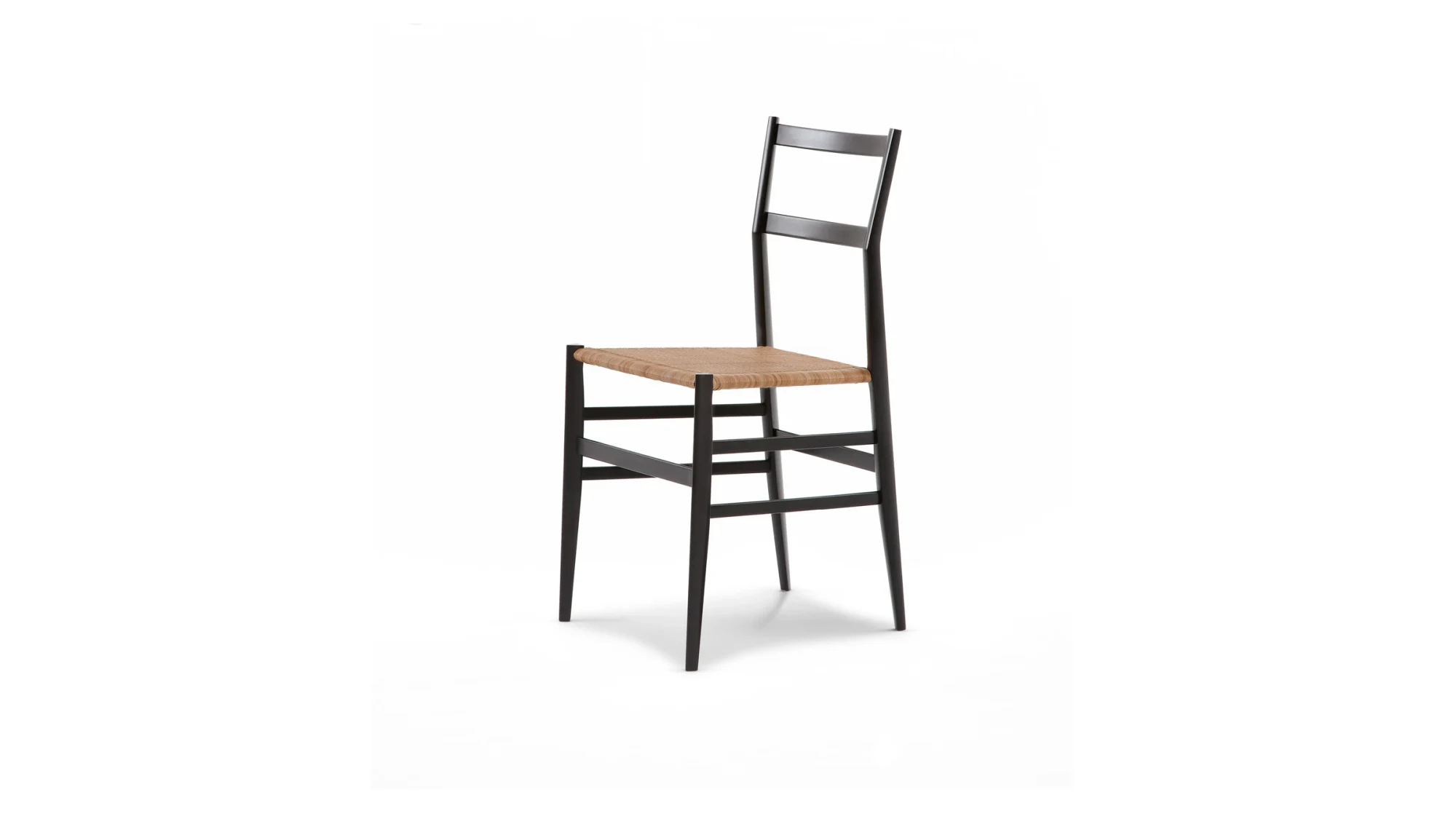
699 Superleggera
Gio Ponti's 1957 ash chair with 18 mm triangular legs and a hand-woven or upholstered seat.
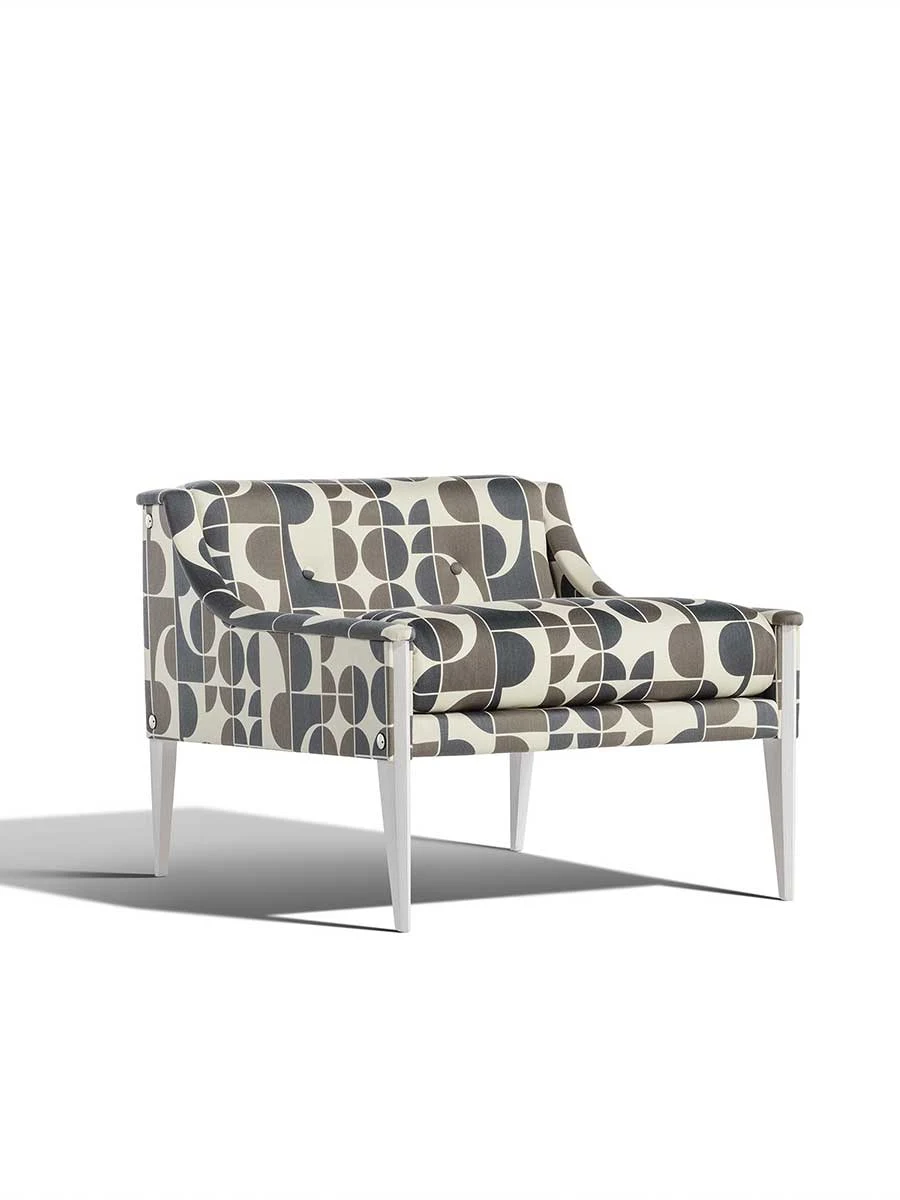
Dezza 12 Armchair
Dezza 12 armchair by Gio Ponti, with slender armrests for placing armchairs side by side.