Brand
FontanaArte
ItalyFontanaArte's roots go back to 1881, when Luigi Fontana & C. was founded in Milan to process crystal and glass. Saint-Gobain acquired the company in 1910. In 1931 Gio Ponti became artistic director, and in 1932 the FontanaArte brand was…
Brand Story
Heritage
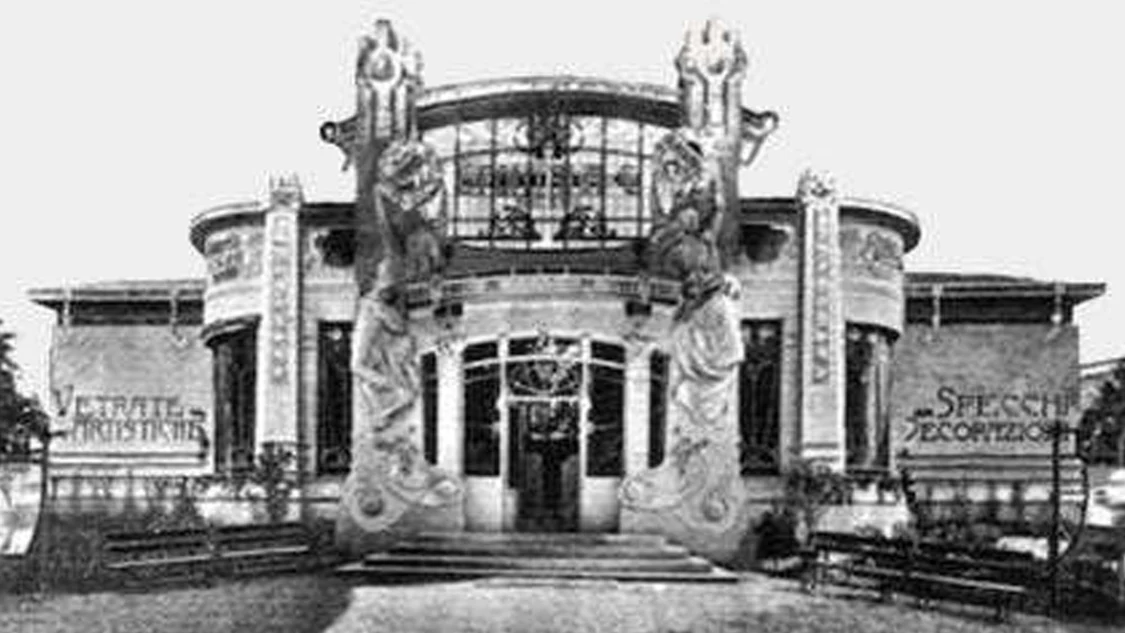
FontanaArte's roots go back to 1881, when Luigi Fontana & C. was founded in Milan to process crystal and glass. Saint-Gobain acquired the company in 1910. In 1931 Gio Ponti became artistic director, and in 1932 the FontanaArte brand was born, with Ponti's Bilia lamp and 1932 Table among its first icons.
Philosophy
The company has always been led by strong artistic directors who shaped its identity around glass and light: Ponti, then Pietro Chiesa (1933), the French master glassmaker Max Ingrand (1954) and Gae Aulenti (1979), and later Giorgio Biscaro (2012). Its work joins decorative glass craft with lighting technology, from early pioneering of task lighting to LED versions of its classics.
Iconic Works
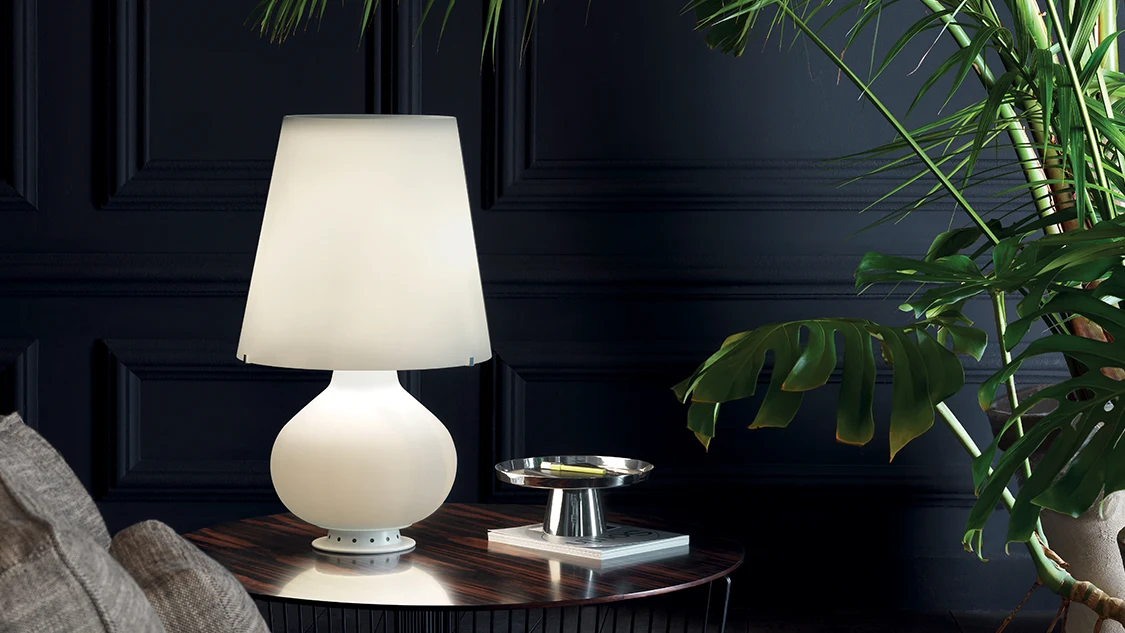
Ingrand's Fontana table lamp (1954) is, in the company's own words, the most iconic of all abat-jour. Other milestones include Chiesa's Luminator, Aulenti's Giova and Parola, the Uovo and Scintilla lamps (1972), Renzo Piano's Teso collection (1987), Franco Raggi's Velo and Flute, Naska, and Sigeru Ban's Yumi. FontanaArte won the Compasso d'Oro in 1998.
Today
FontanaArte srl is based in Milan. It turned 90 in 2022, the year it entered Italy's Register of Historic Trademarks and Alicanto won a Wallpaper Design Award, and in 2024 it joined Nemo Group.
Gallery