
Designer
Philippe Starck
Philippe Starck was born in Paris on 18 January 1949, the son of André Starck, an aeronautics engineer whose view of invention as a "duty" he cites as an influence. He studied at the École Nissim de Camondo in Paris. While working for…
Biography
Background
Philippe Starck was born in Paris on 18 January 1949, the son of André Starck, an aeronautics engineer whose view of invention as a "duty" he cites as an influence. He studied at the École Nissim de Camondo in Paris. While working for Adidas he founded his first industrial design company, Starck Product, later renamed Ubik, and built relationships with manufacturers across Europe, among them Kartell, Alessi and Driade in Italy, Vitra in Switzerland and Andreu World in Spain.
Signature Style
Starck is regarded as a pioneer of democratic design: offering the best possible service with the minimum of material, and focusing on mass-produced goods rather than one-off pieces so that good design becomes affordable. His work often reinterprets archetypes with wit and new materials, and his range is unusually broad, from furniture and lighting to interiors, architecture, boats and vehicles.
Notable Works
In 1983 he refurbished the private apartments of President Mitterrand at the Élysée, followed by the Café Costes in Paris. His best-known objects include the Juicy Salif juicer for Alessi (1987) and the Louis Ghost chair for Kartell. Architecture and interiors include the Asahi Beer Hall in Tokyo, the Royalton and Paramount hotels in New York, the Delano in Miami and Le Royal Monceau in Paris, along with the yachts A and Venus.
Legacy
His work is held by the Musée National d'Art Moderne, the Musée des Arts Décoratifs, MoMA, the Vitra Design Museum and the Design Museum in London; more than 660 of his designs were inventoried in French public collections in 2011. In 2026 he received the EUIPO Lifetime Achievement Award.
Collections
Products
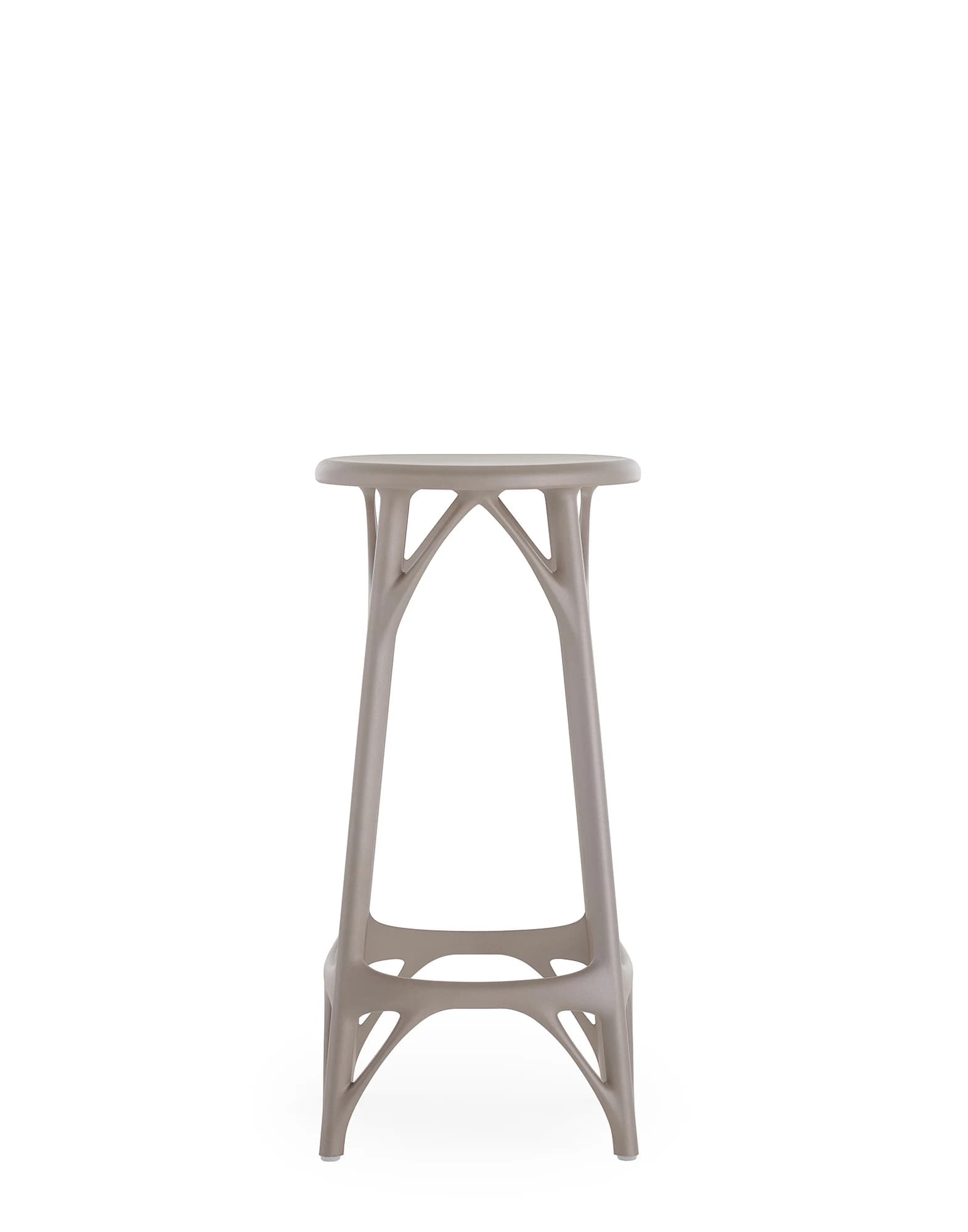
A.I. Stool Light
Starck's A.I. Stool Light for Kartell: recycled technopolymer, three heights cast from one mould.

La Marie
Philippe Starck's 1999 La Marie for Kartell, presented as the first completely transparent chair.

Attila
Starck's Attila for Kartell: a gnome-figure table-stool in painted technopolymer, 34 x 41 cm.
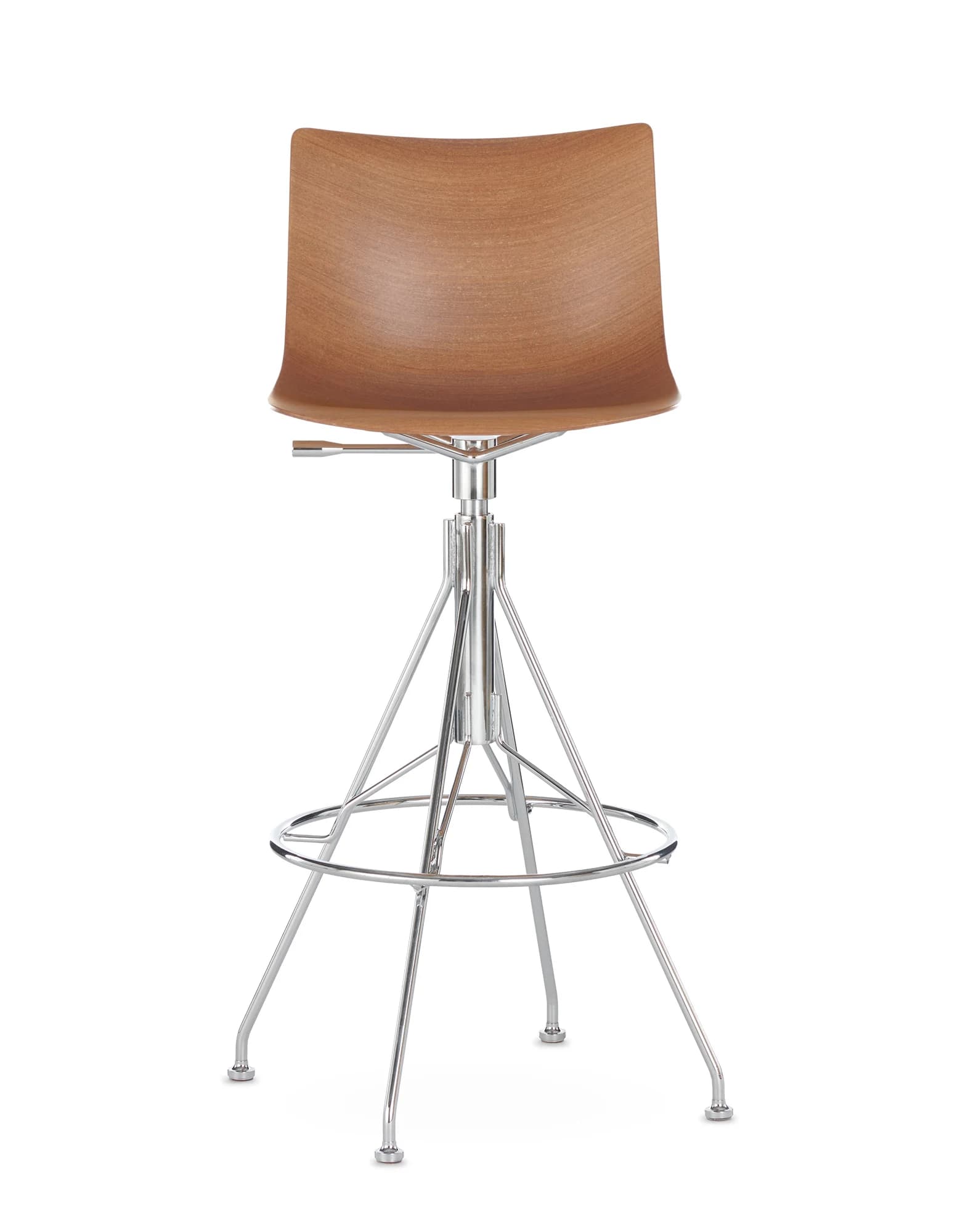
C.Koya
Starck's C.Koya stool for Kartell: a curved 3D wood seat on a steel frame.
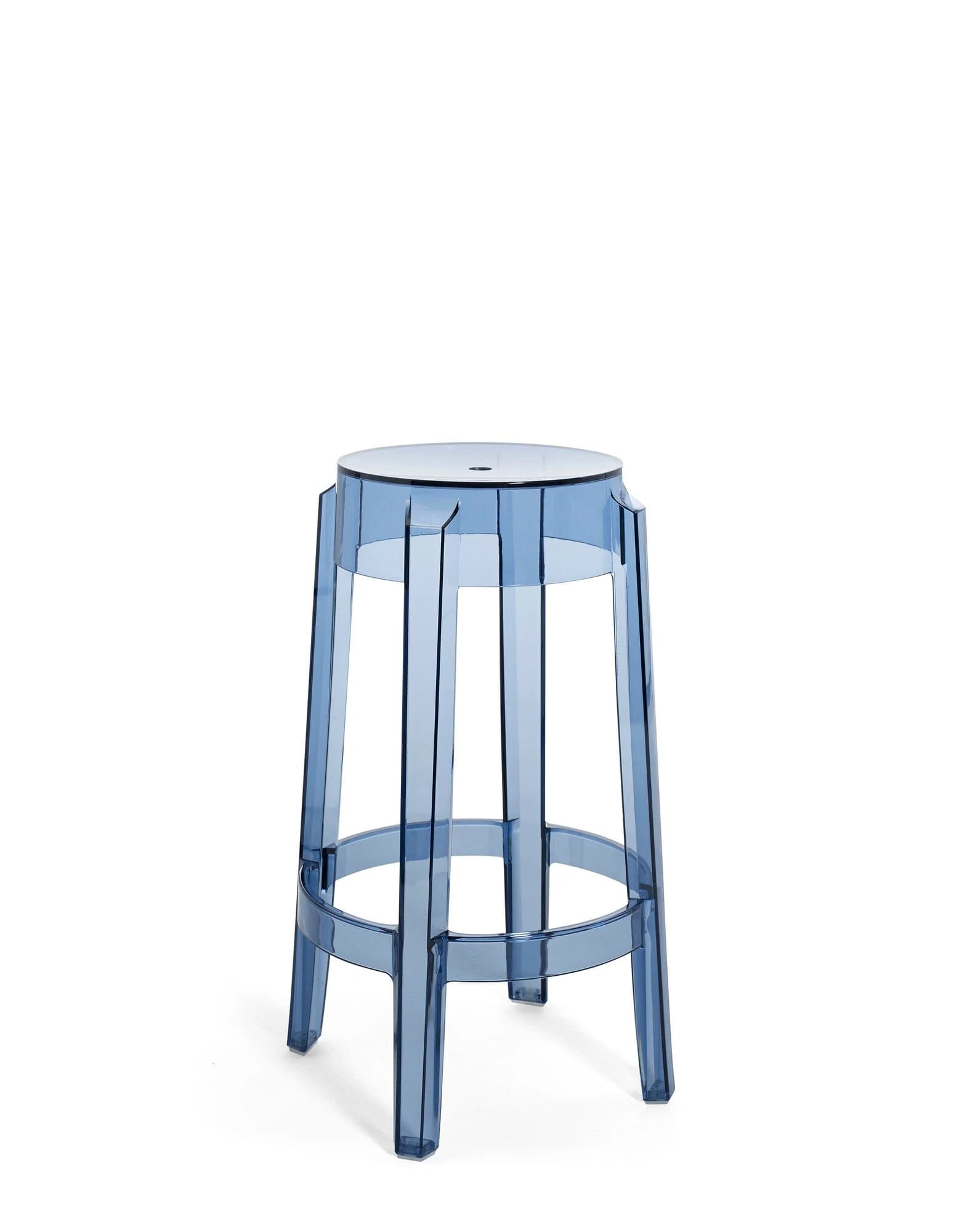
Charles Ghost
Starck's 2005 Charles Ghost for Kartell: a stool echoing 19th century seats, in three heights.
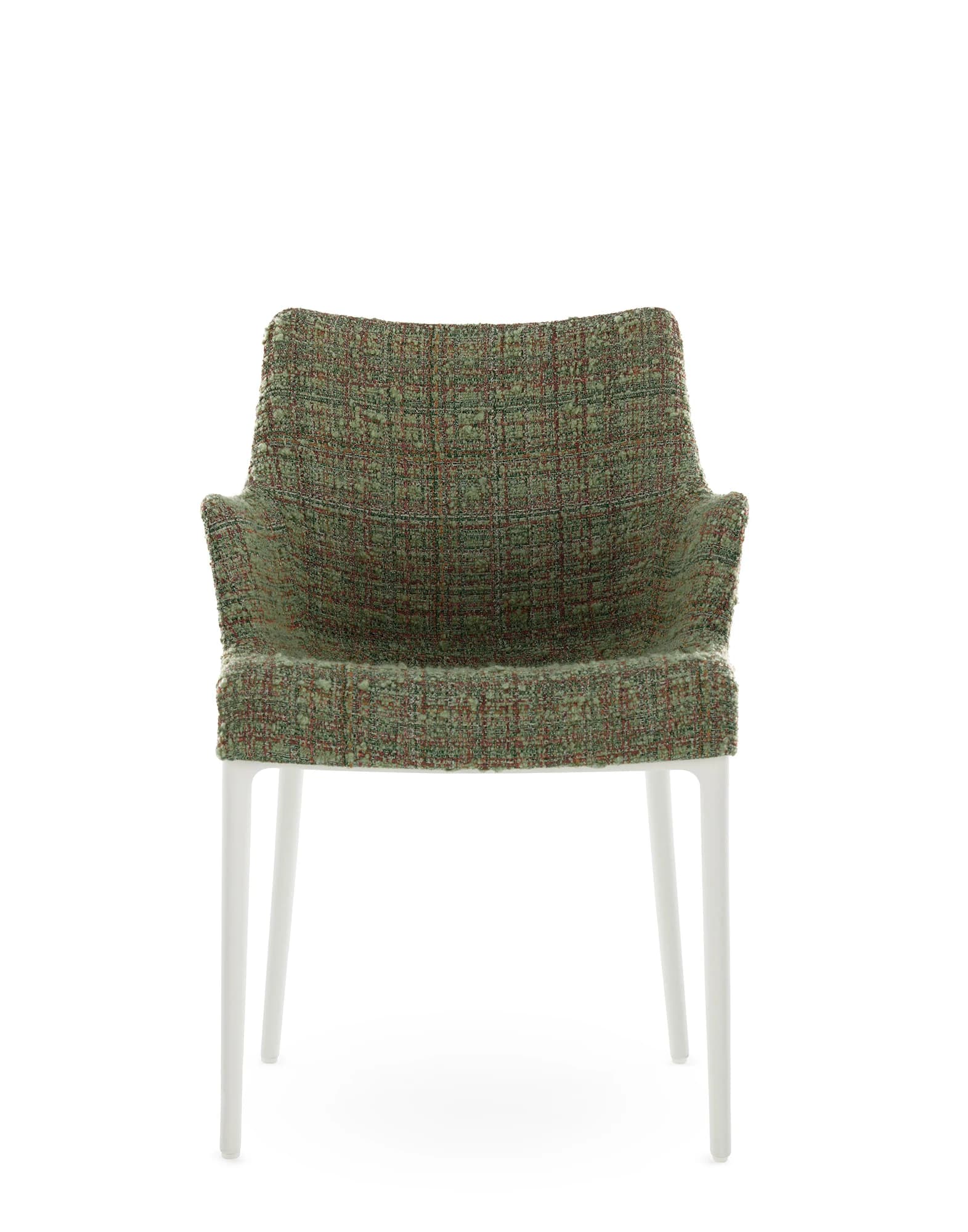
Eleganza
Eleganza Nia: a 2022 Kartell armchair by Philippe Starck.
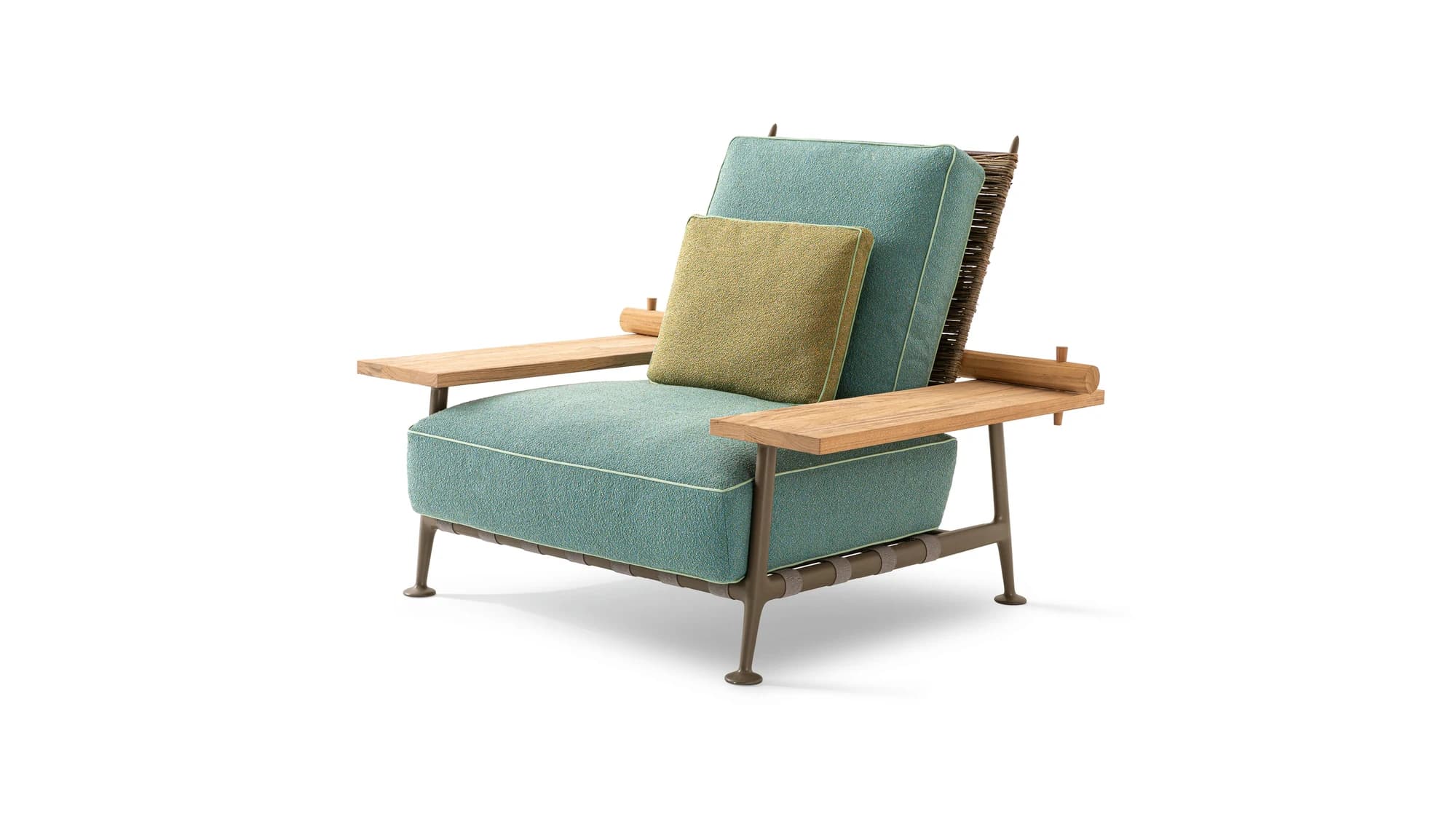
Fenc-e-Nature Armchair
A reclining outdoor armchair with separate teak supports and a woven back.
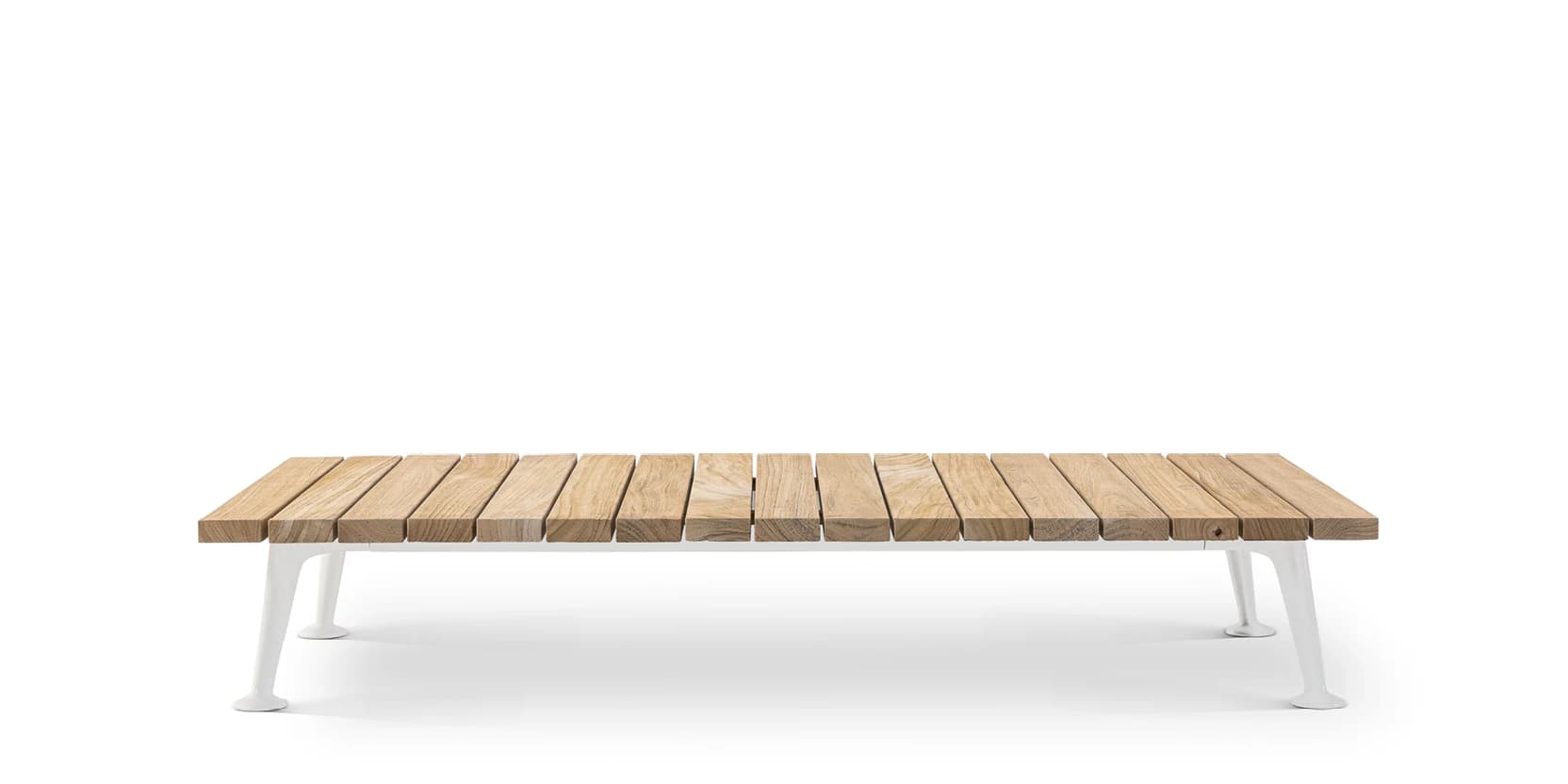
Fenc-e-Nature Table
An outdoor side table in one footprint and two heights, with a slatted top.
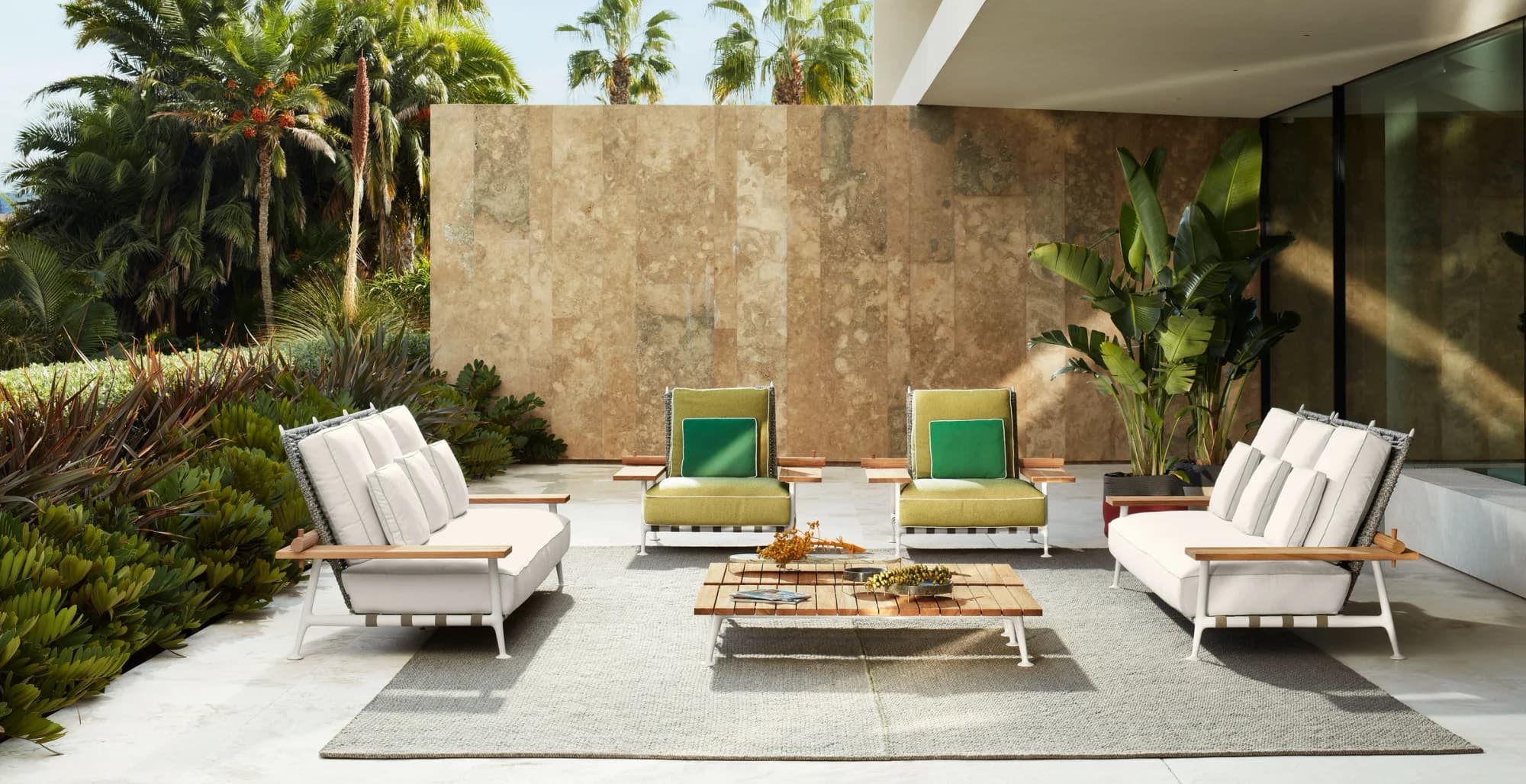
Fenc-e-Nature Sofa
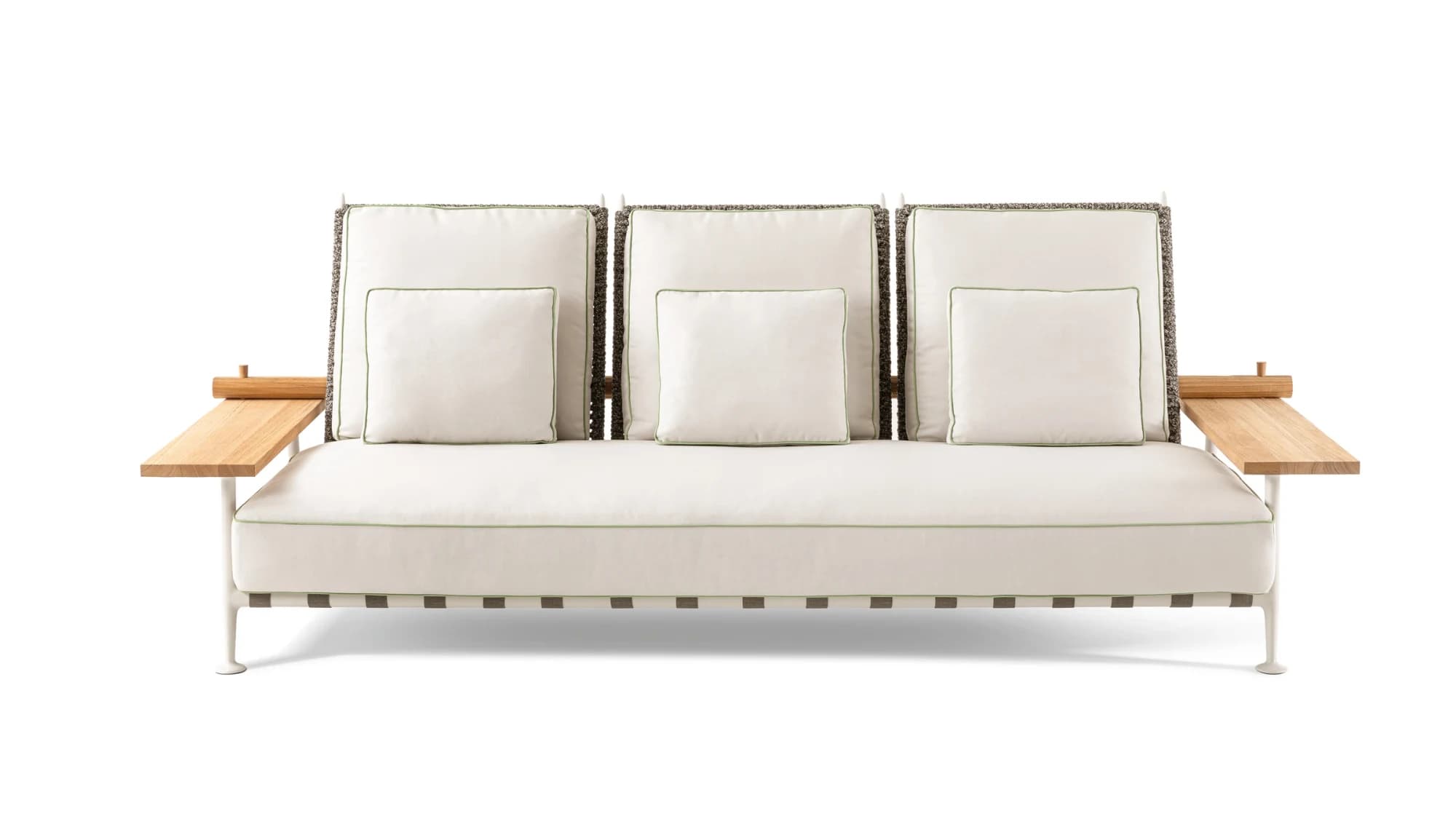
A 2020 outdoor sofa with reclining woven backs, teak armrests and weather-oriented padding.
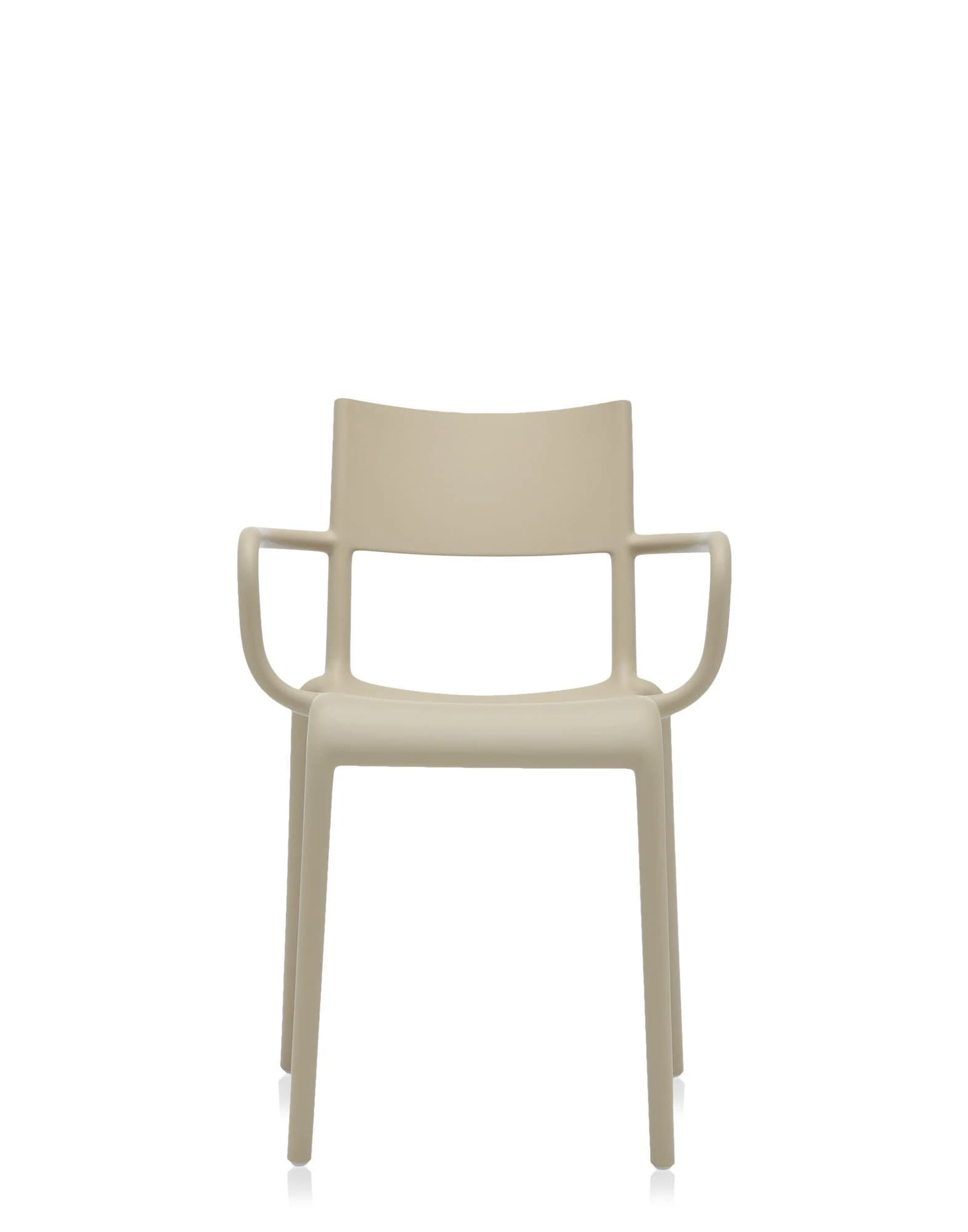
Generic A
Starck's Generic A for Kartell: a high-backed chair with wide armrests, designed for offices.
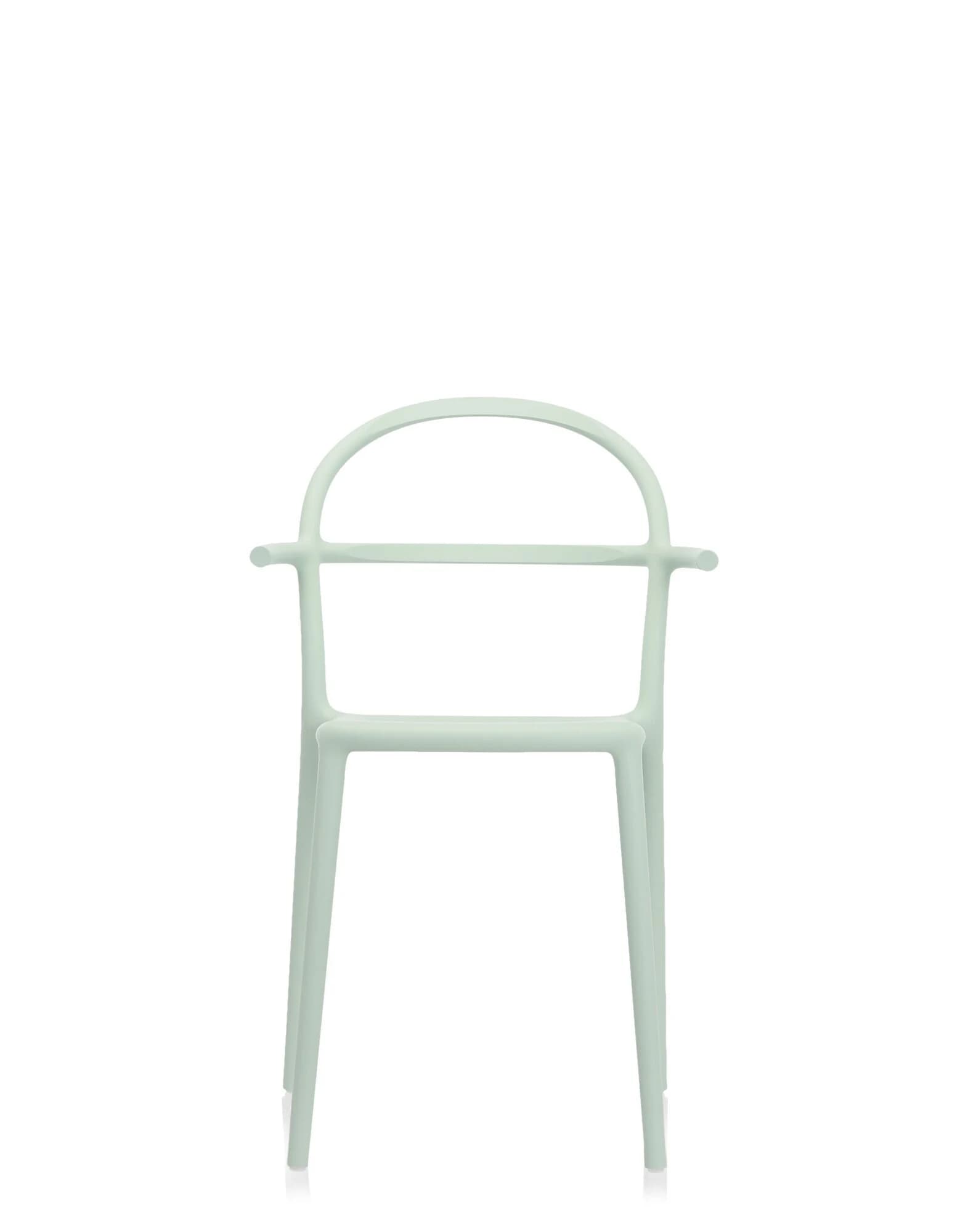
Generic C
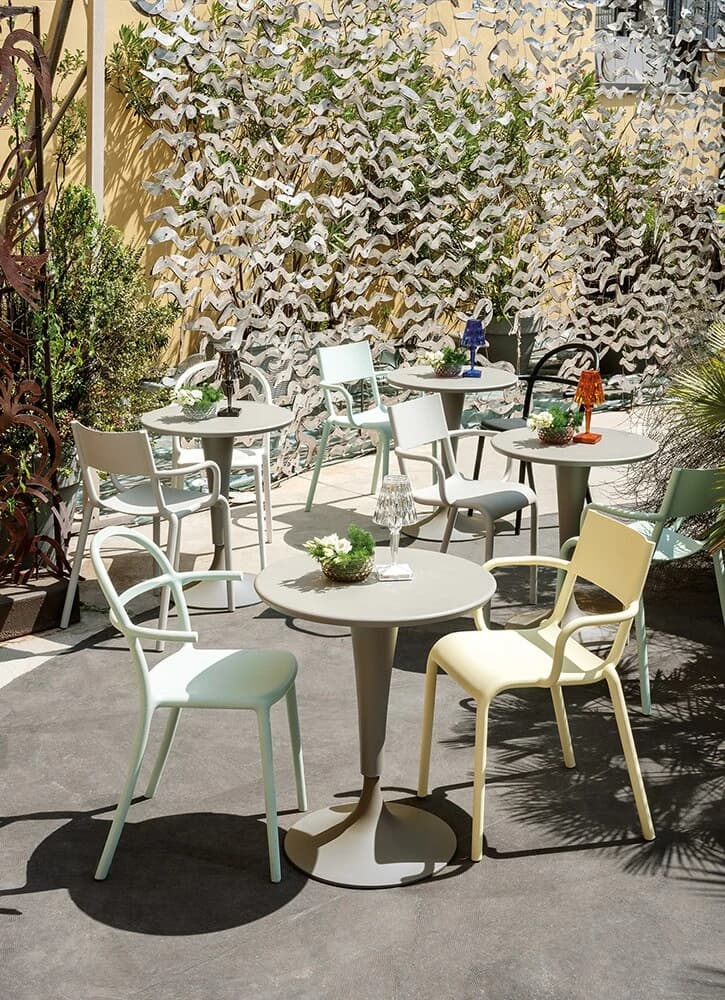
Starck's Generic C for Kartell: a chair with armrests, designed for bars, restaurants and venues.
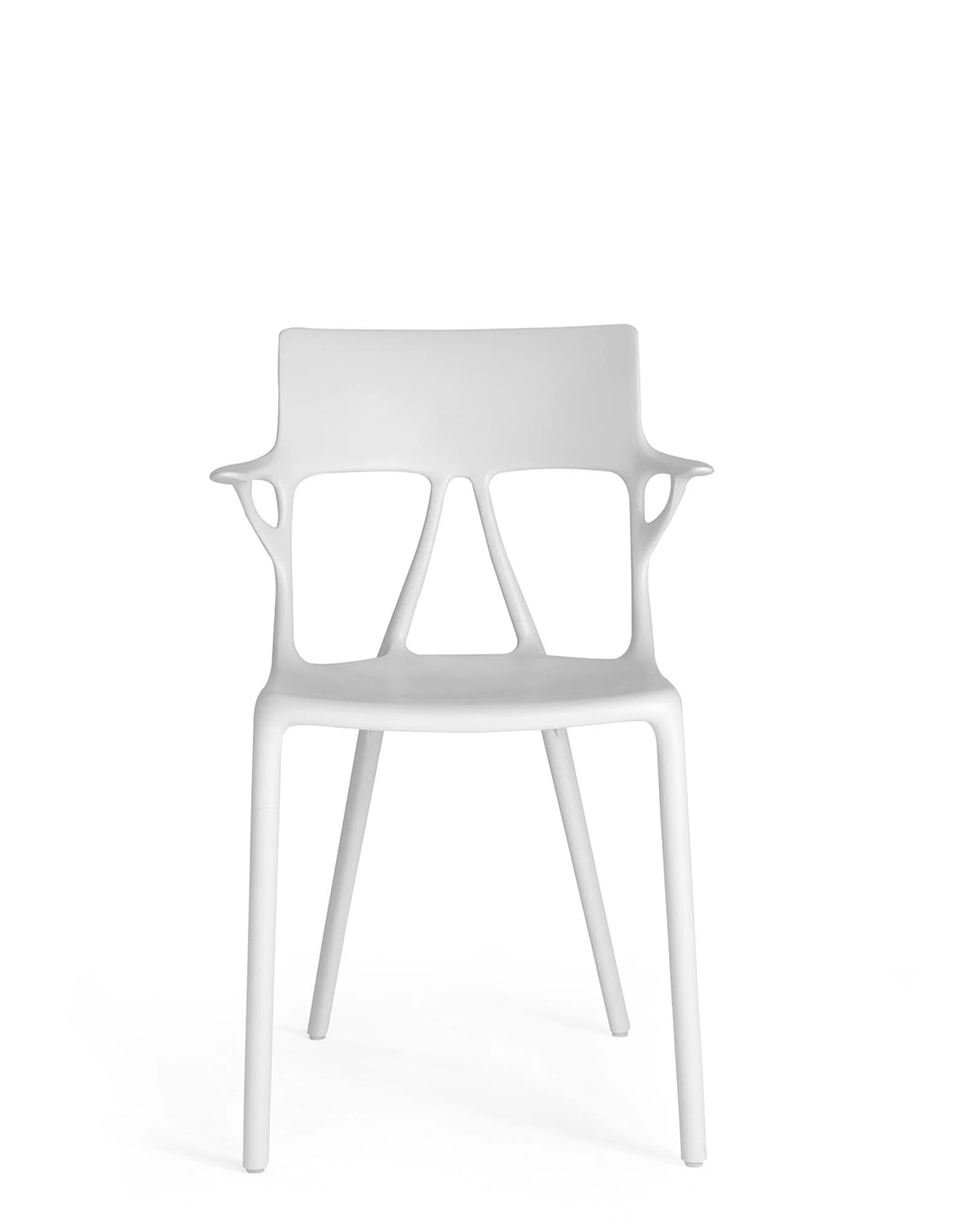
A.I.
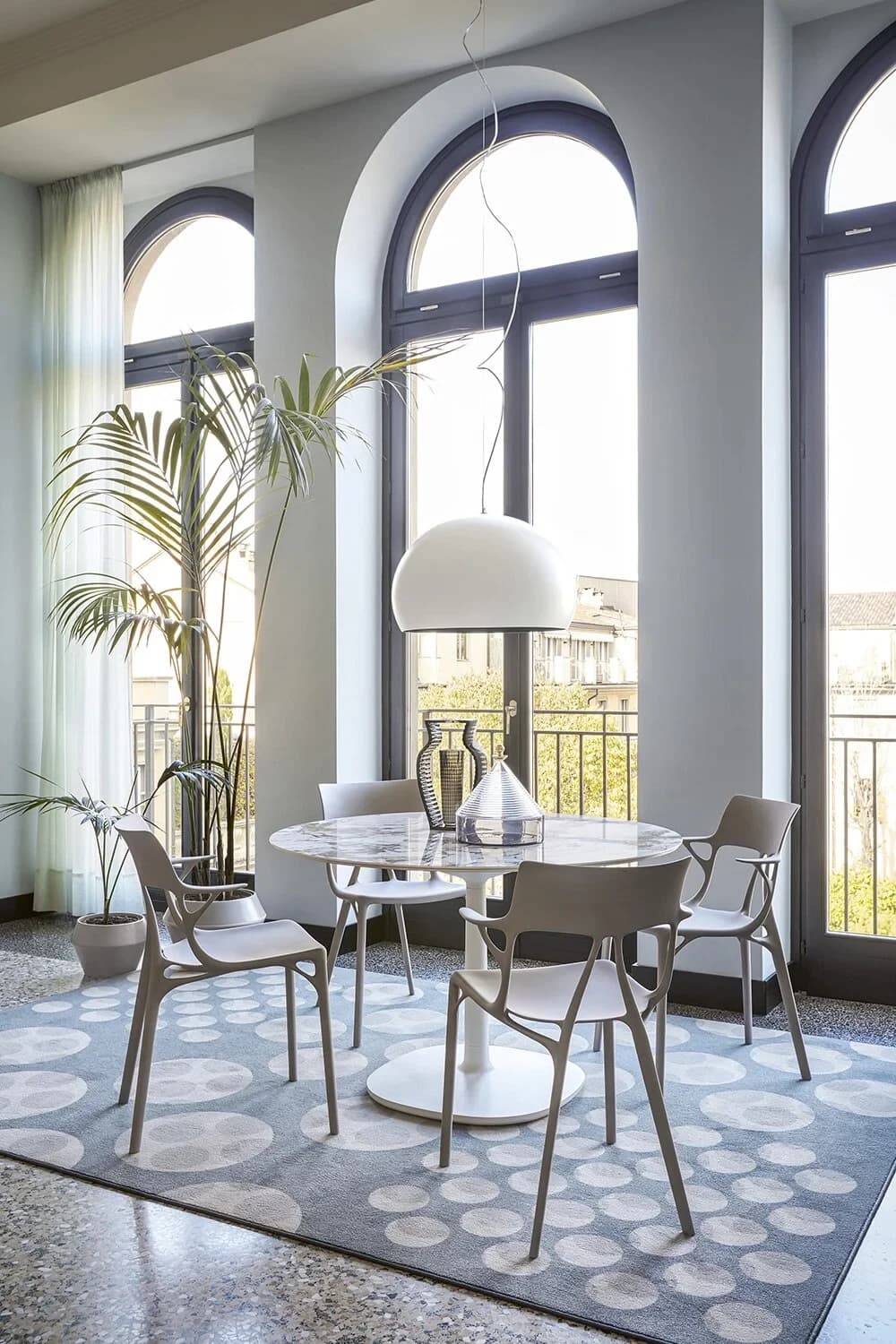
Philippe Starck's 2019 chair, developed with an algorithm and made from recycled technopolymer.