 kartell.com
Image source: Kartell
© Kartell and the respective rights holders. Quoted to accompany INTEBEE's independent design commentary and research.
Brand
Kartell
ItalyKartell was founded in Milan in 1949 by Giulio Castelli, a young chemical engineer who wanted to produce "objects that had innovative characteristics, understood as an application of new production technologies, geared towards economy of…
Brand Story
Heritage
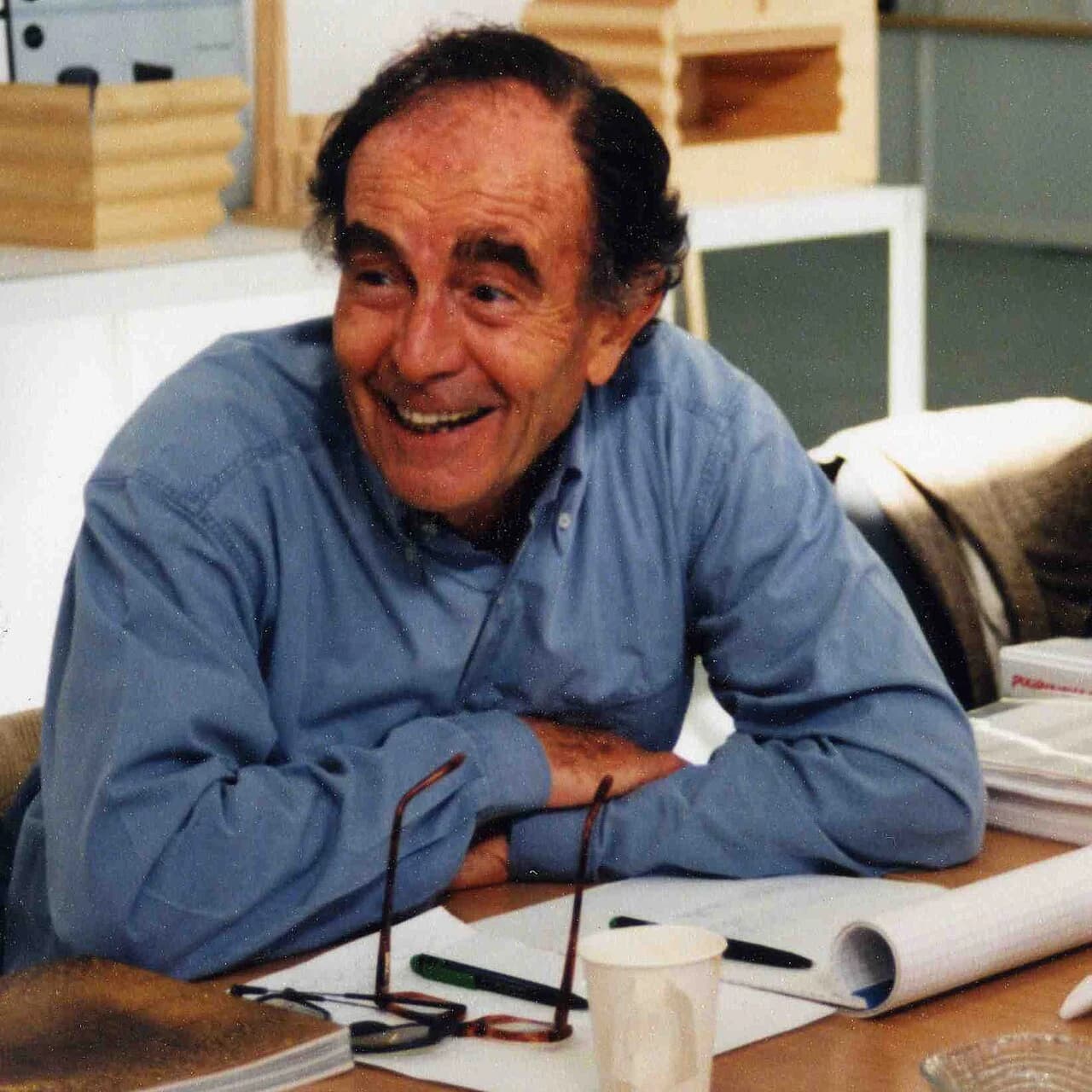
Kartell was founded in Milan in 1949 by Giulio Castelli, a young chemical engineer who wanted to produce "objects that had innovative characteristics, understood as an application of new production technologies, geared towards economy of materials and efficiency of process". The company began with automobile accessories and moved into home furnishings in 1963. Its covered bucket KS 1146 won the Compasso d'Oro in 1955, the first of many awards, and designers such as Gino Colombini, Marco Zanuso, Richard Sapper, Joe Colombo and Anna Castelli Ferrieri shaped its early plastic furniture, including the Componibili modular units.
Philosophy
Kartell calls itself a design company built on constant dialogue between the entrepreneur and the designer. Its stated aims are to design and produce objects that will not suffer from the passage of time, to use technology such as injection moulding to work better and faster, and to make beauty sustainable, a commitment set out in its manifesto "Kartell loves the planet".
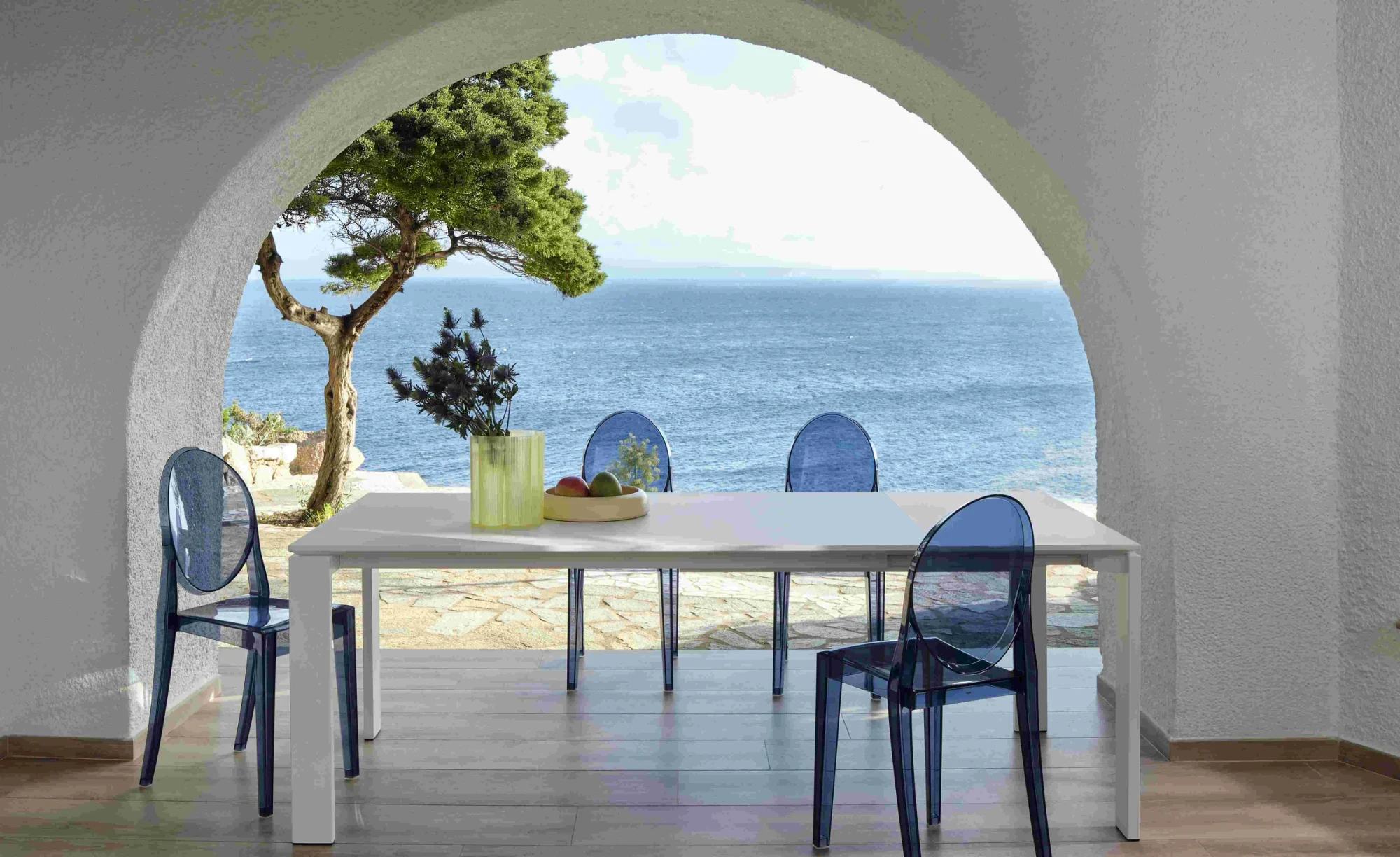 Image source: Kartell · © Kartell and the respective rights holders. Quoted to accompany INTEBEE's independent design commentary and research. · View official website ↗ · Image use & copyright policy
Iconic Works
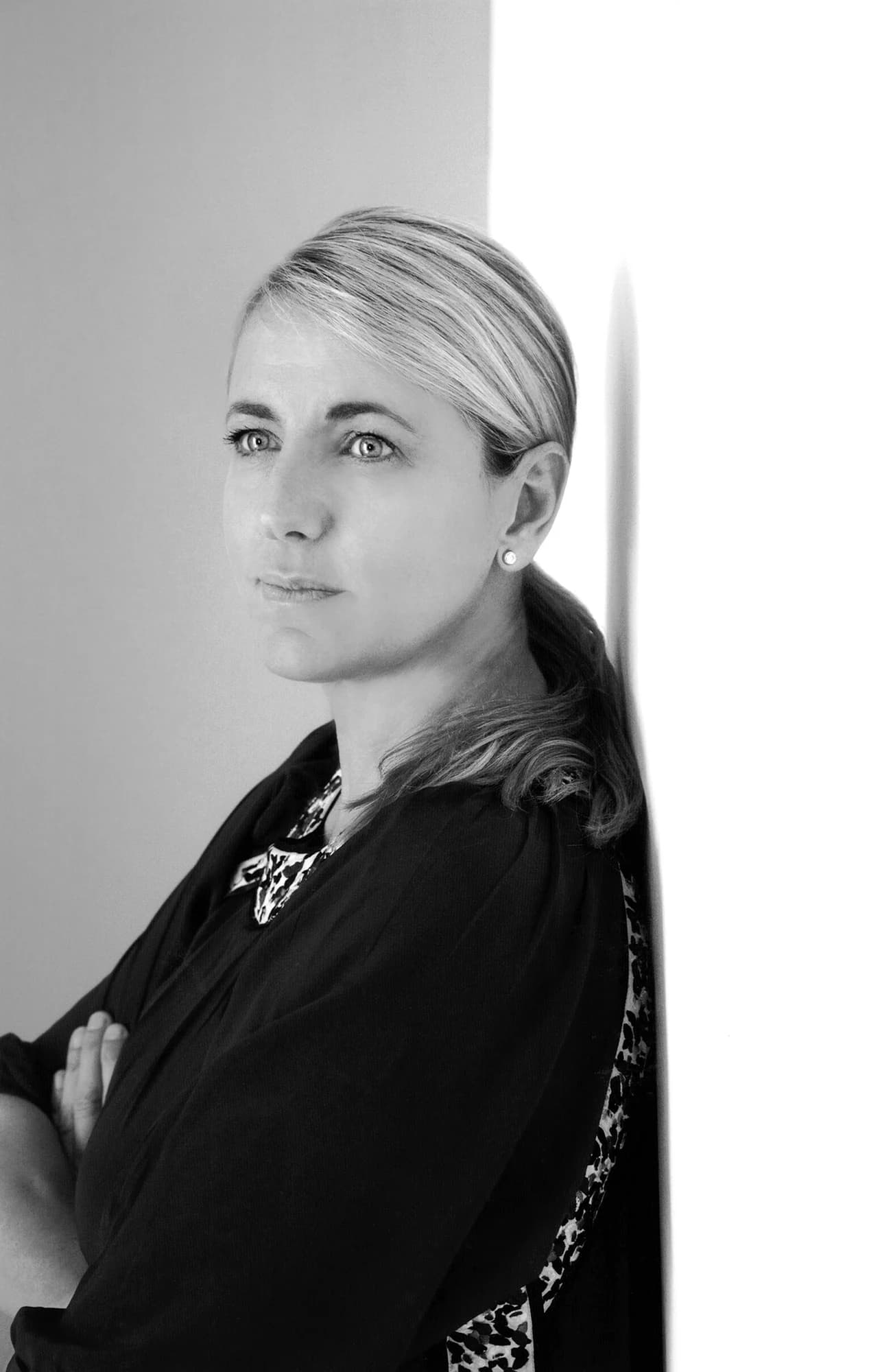
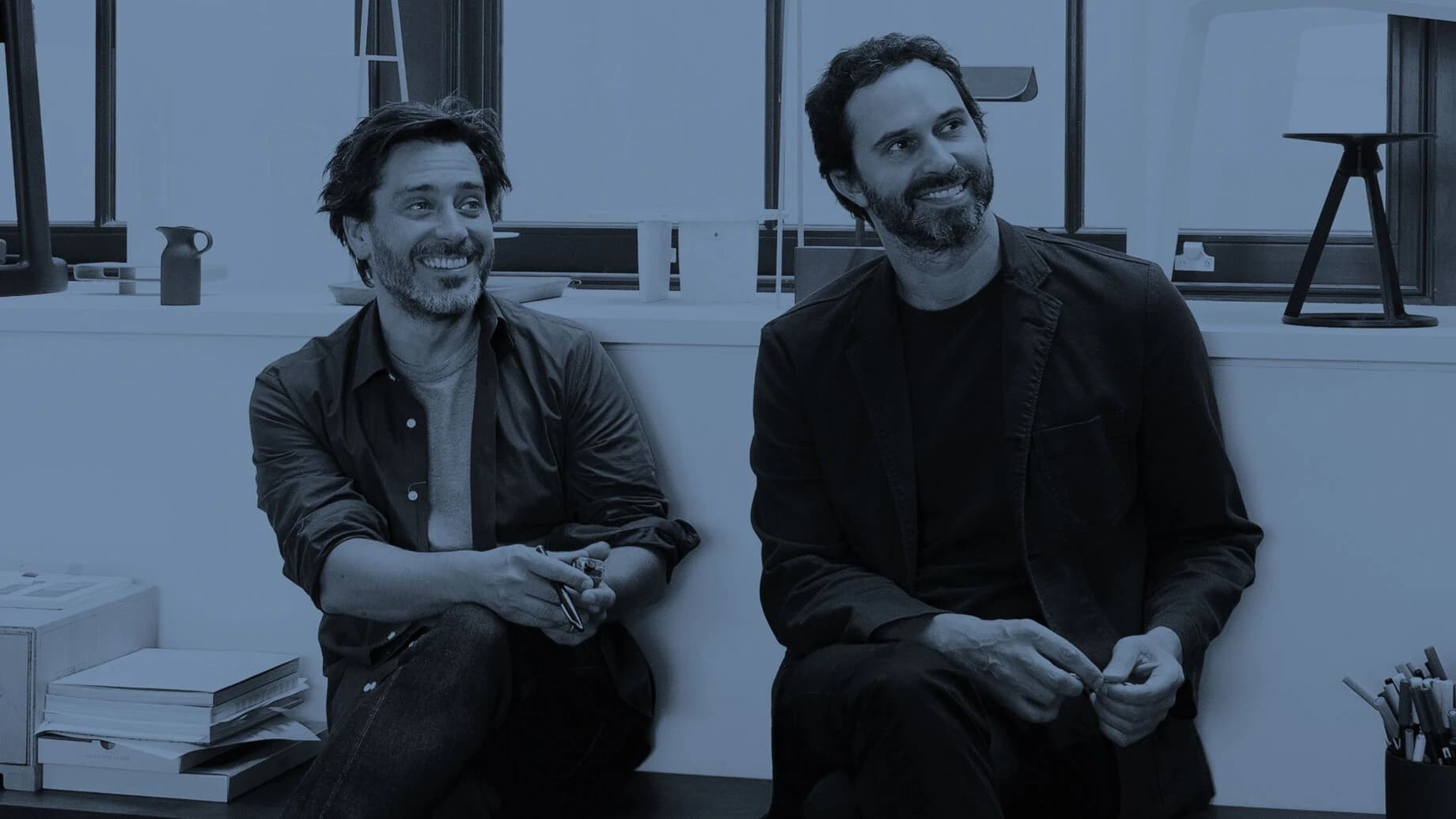
Under President Claudio Luti, the catalogue opened to designers including Philippe Starck, Antonio Citterio, Vico Magistretti, Ron Arad and Ferruccio Laviani. From 1999, with La Marie, Kartell brought transparent polycarbonate into furniture: Louis Ghost, Ghost Buster, Mr Impossible and the Invisible Table followed, and in 2014 the Uncle Jack sofa set a record as the largest single transparent polycarbonate moulding in the furnishing sector.
Today
Kartell is headquartered in Noviglio, near Milan, where its plant also houses the Kartell Museo, founded in 1999 for the company's 50th anniversary and awarded the Guggenheim Business & Culture Prize in 2000. A family business now involving its third generation, it sells through its own stores, an official online shop and independent retailers worldwide.
Gallery
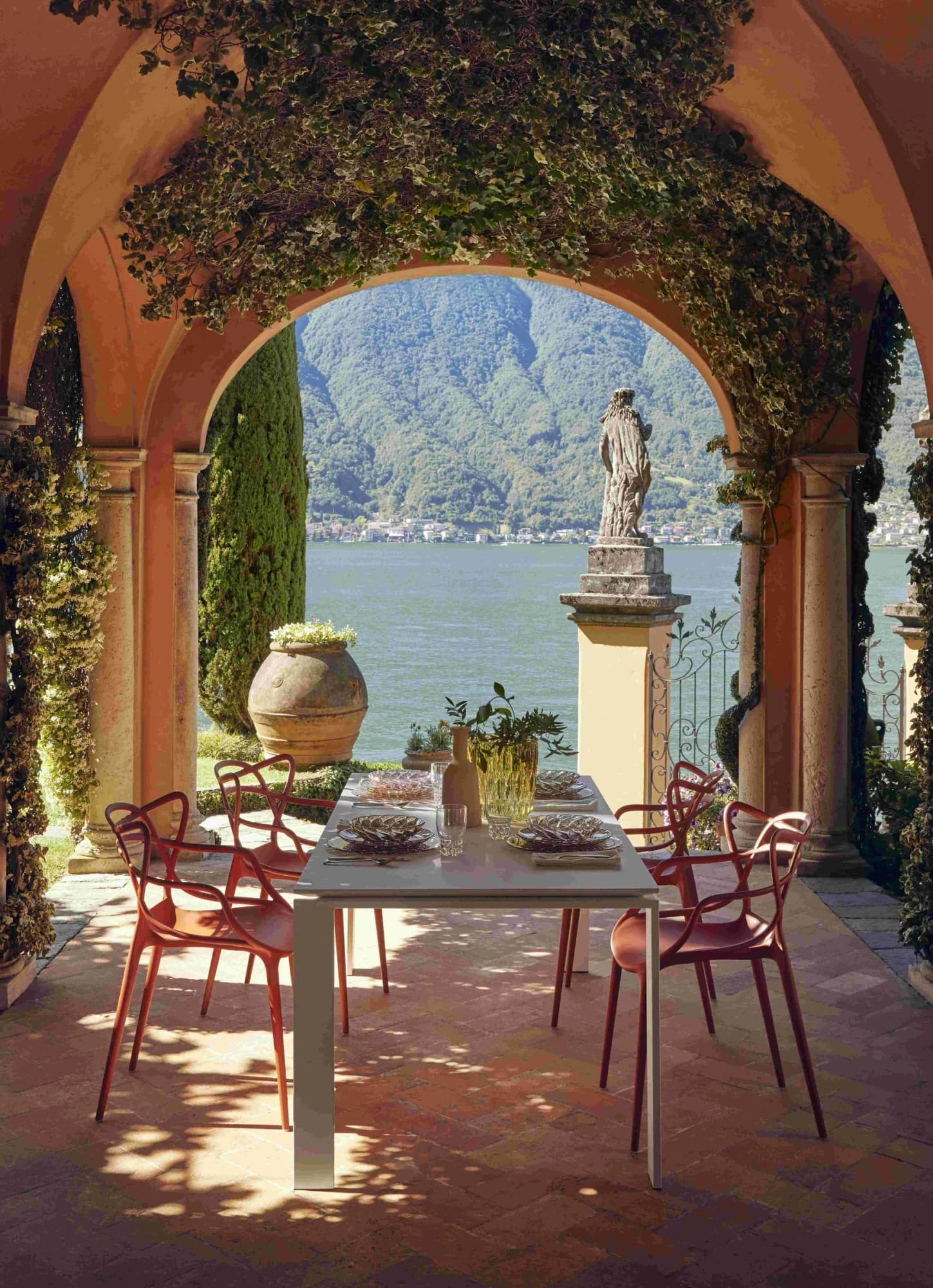 kartell.com
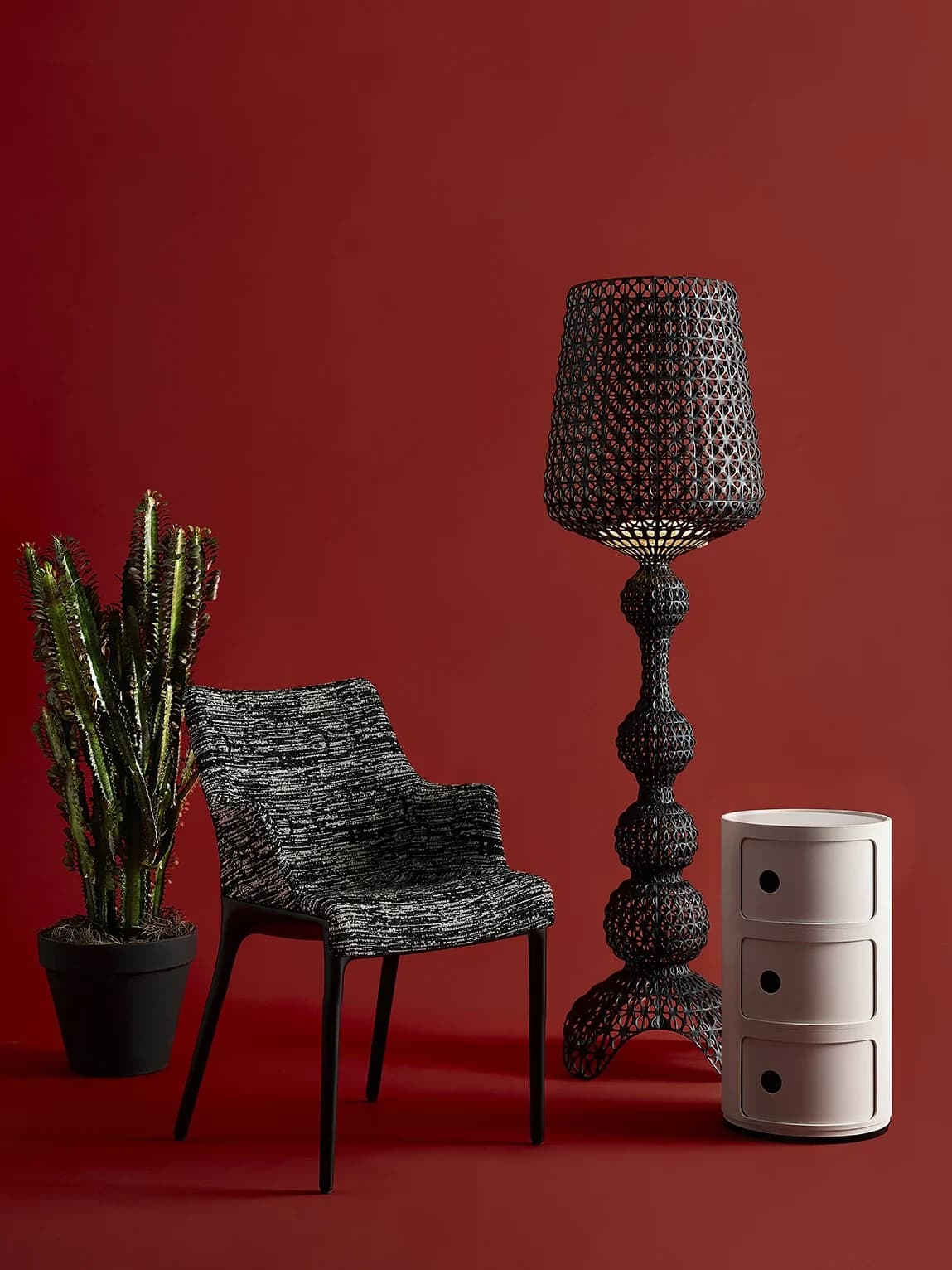 kartell.com
Image source: Kartell
© Kartell and the respective rights holders. Quoted to accompany INTEBEE's independent design commentary and research.
Designers

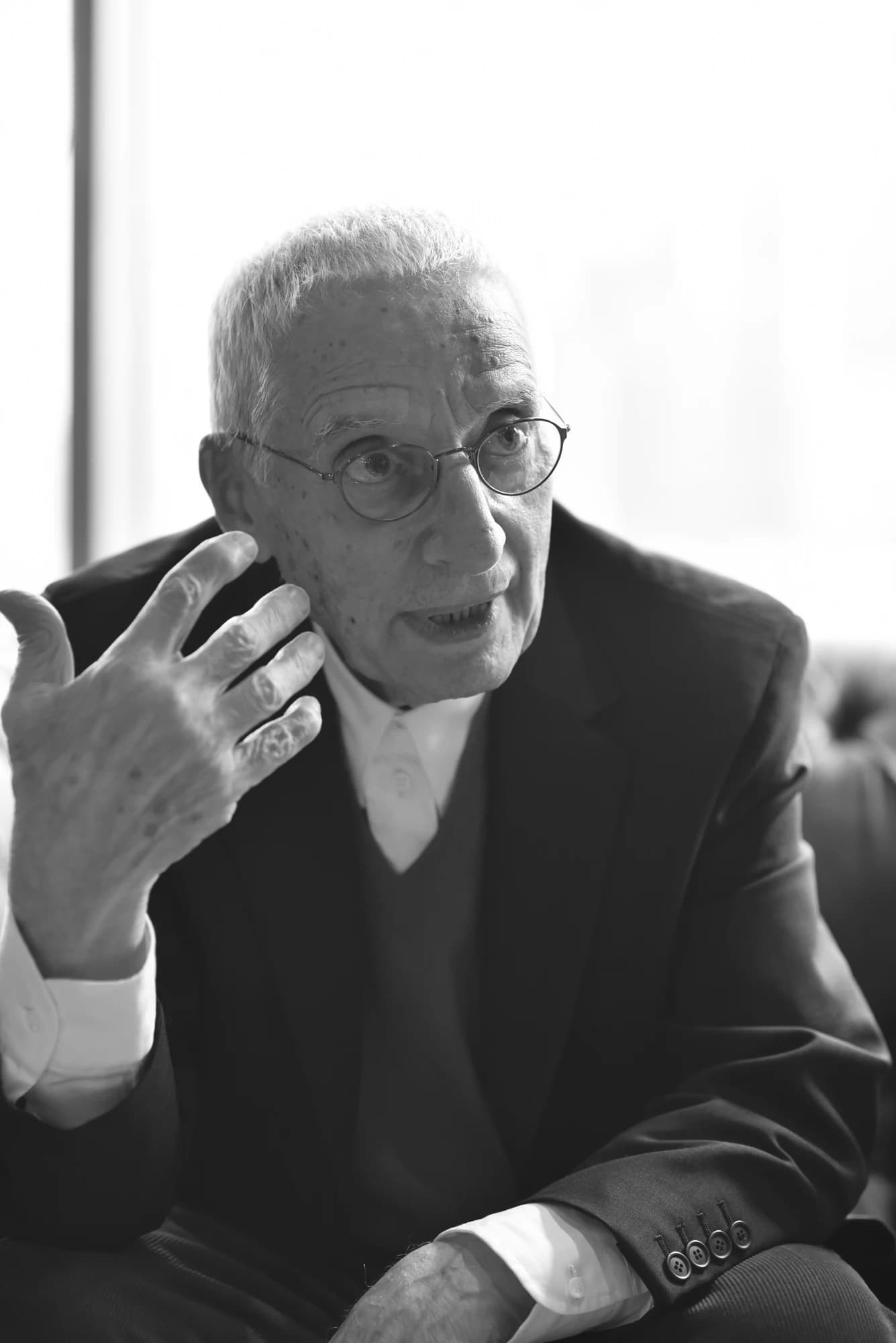
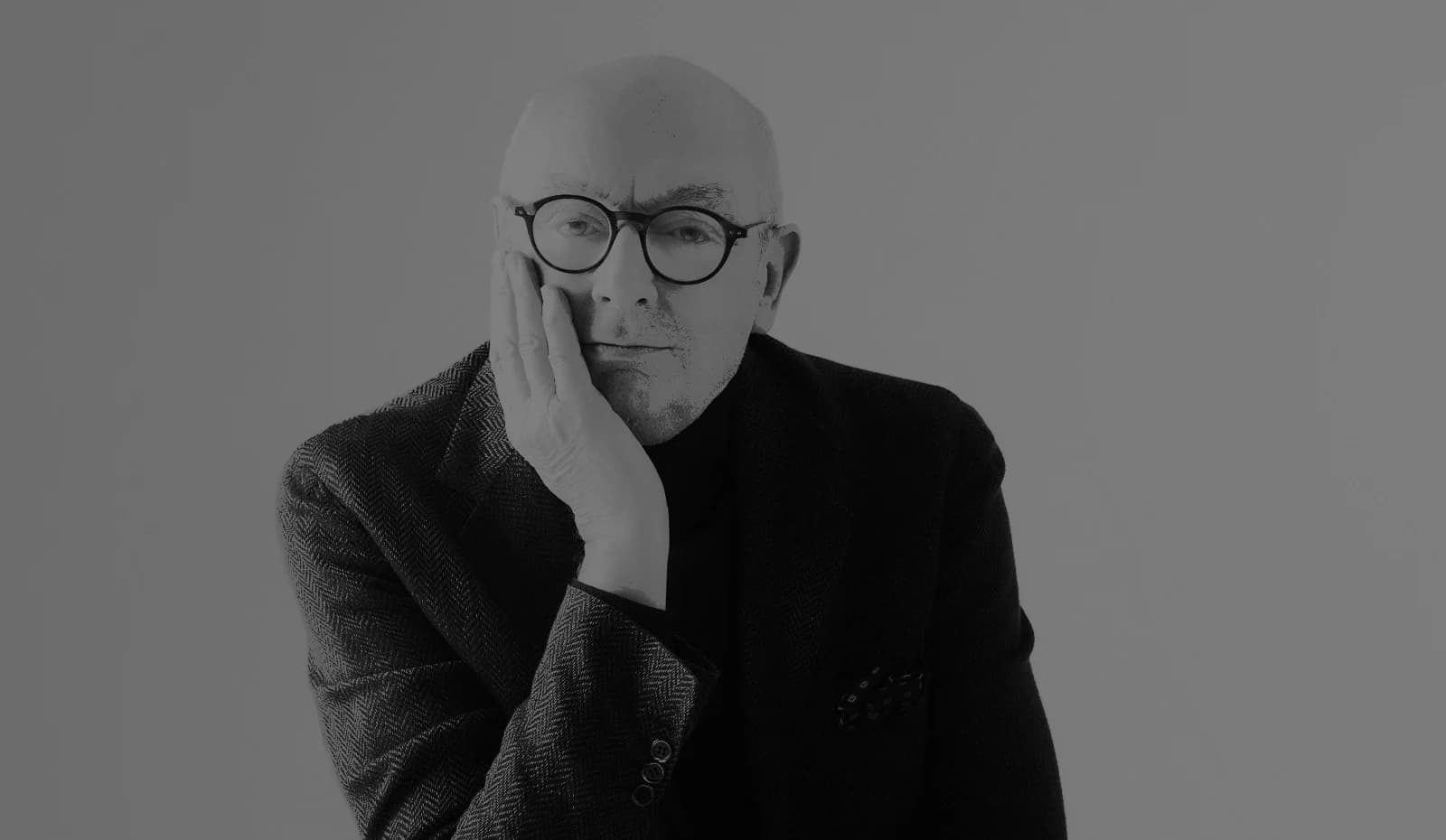
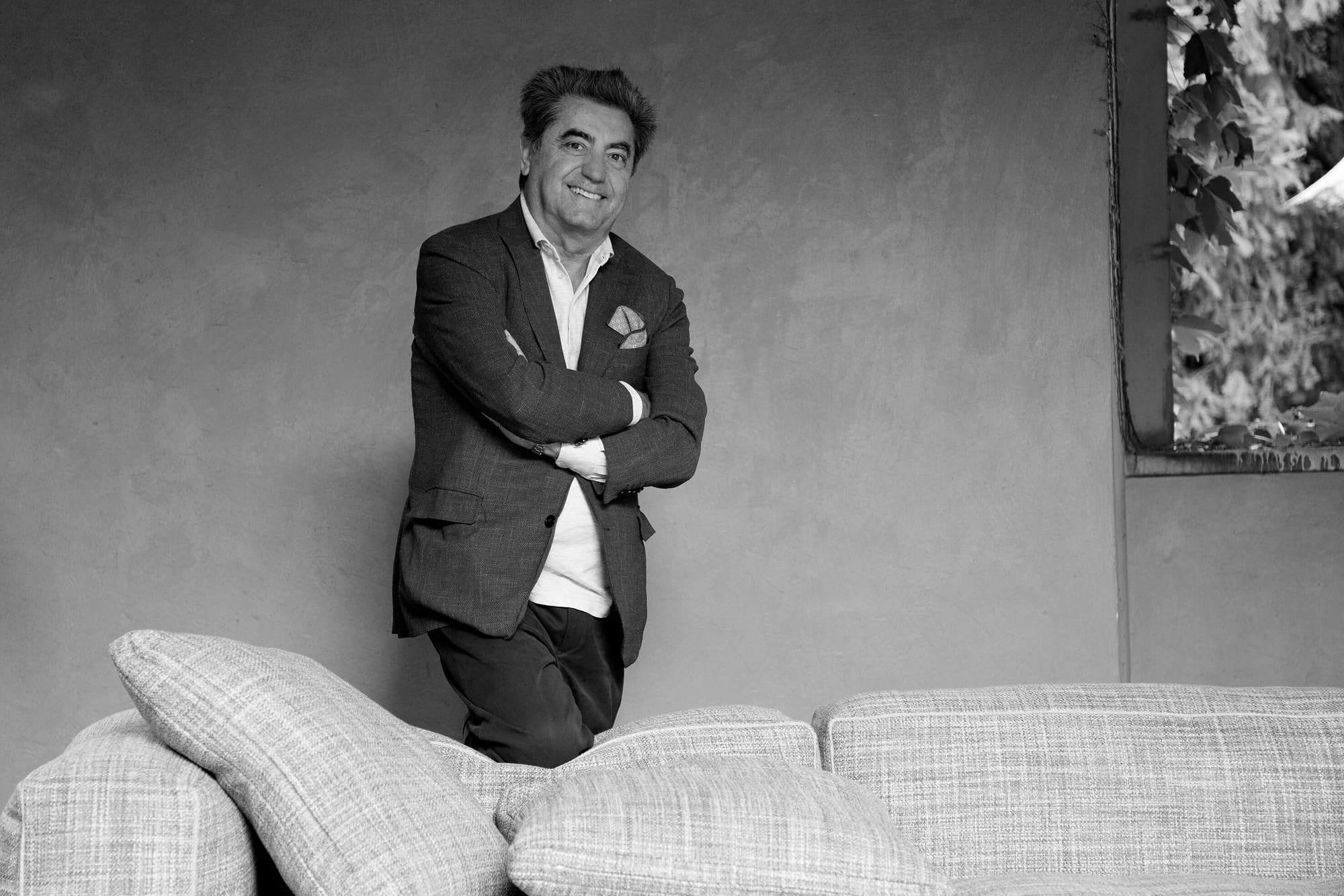

Collections
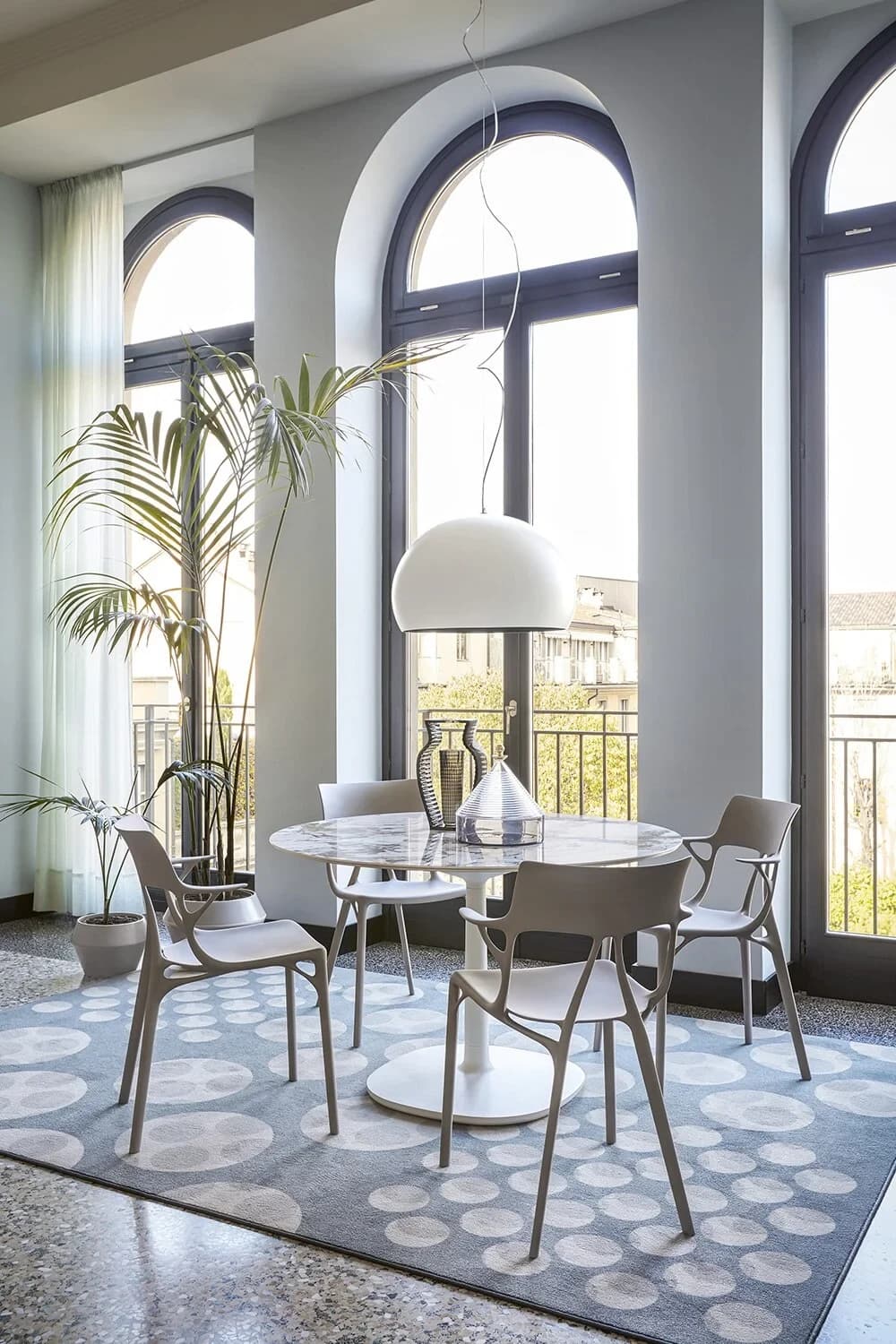
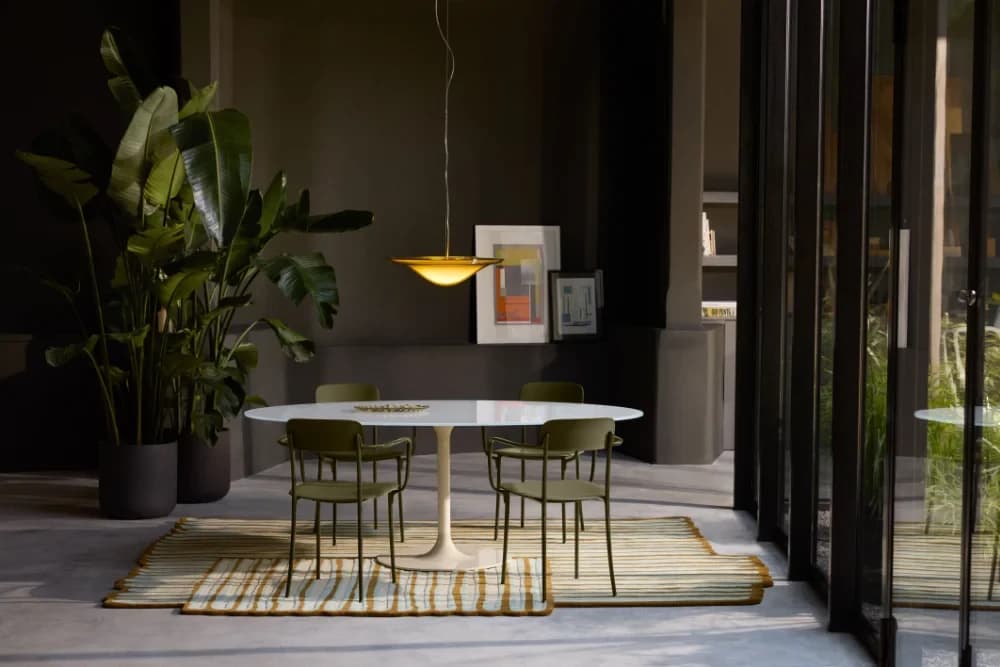
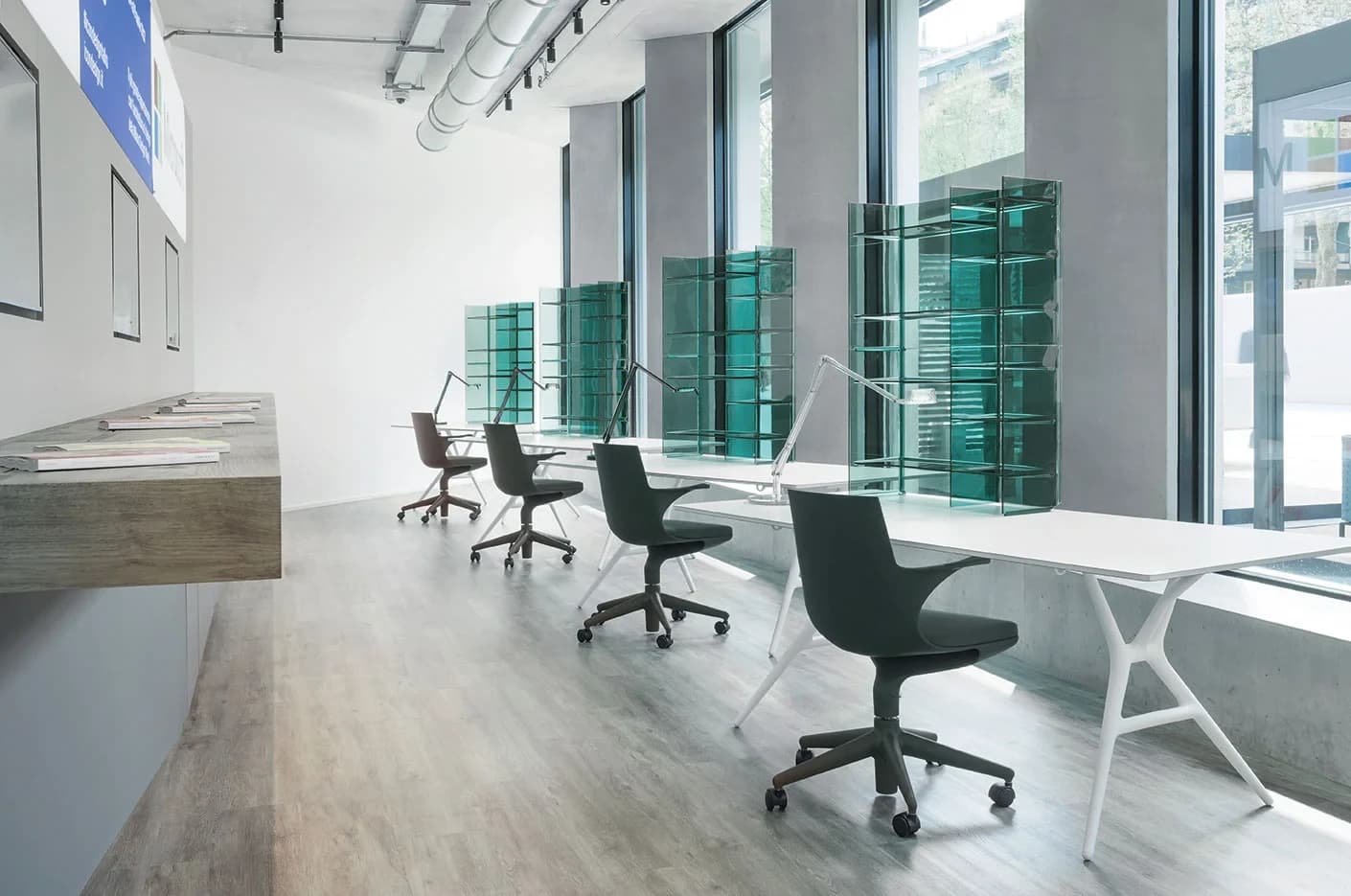
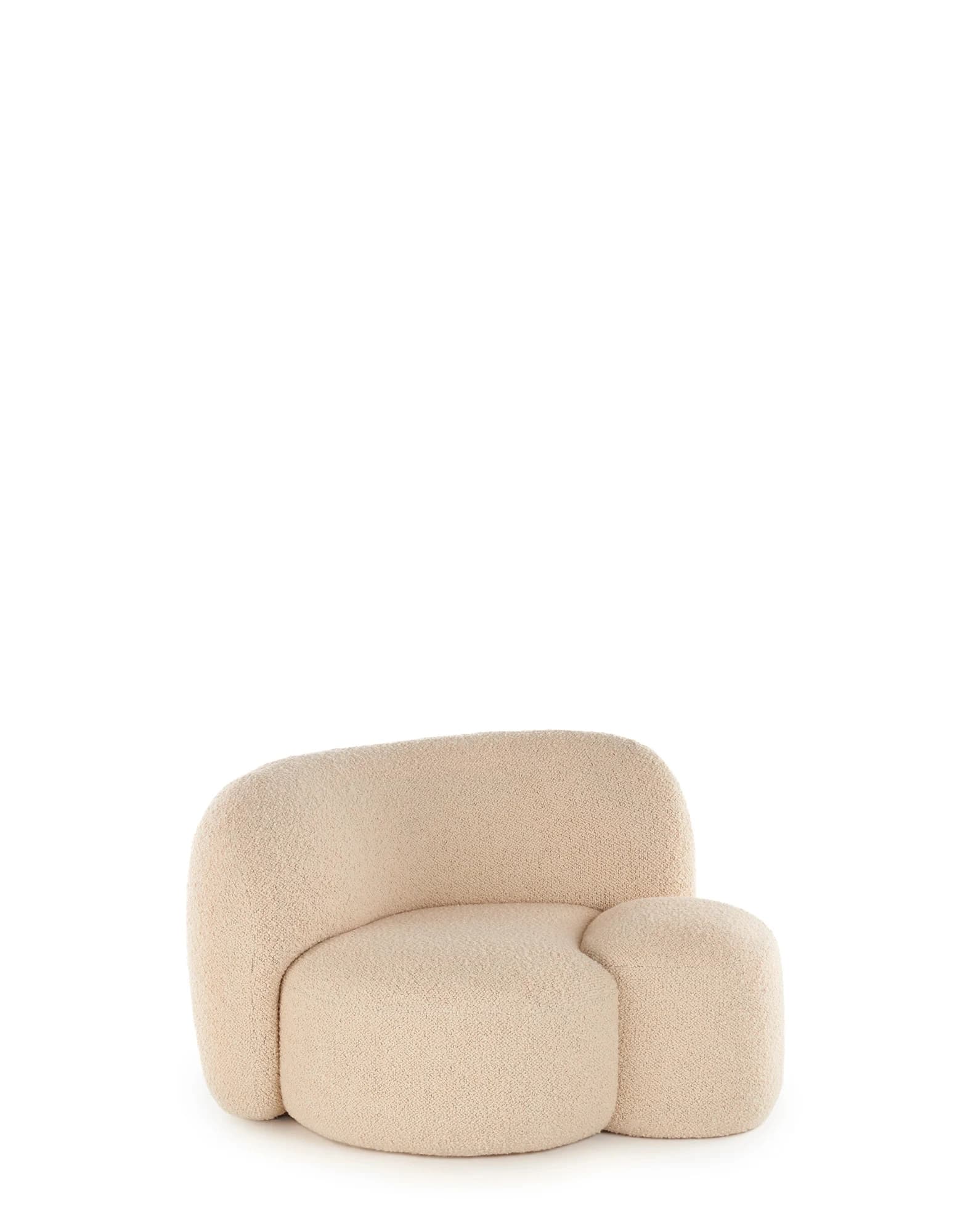
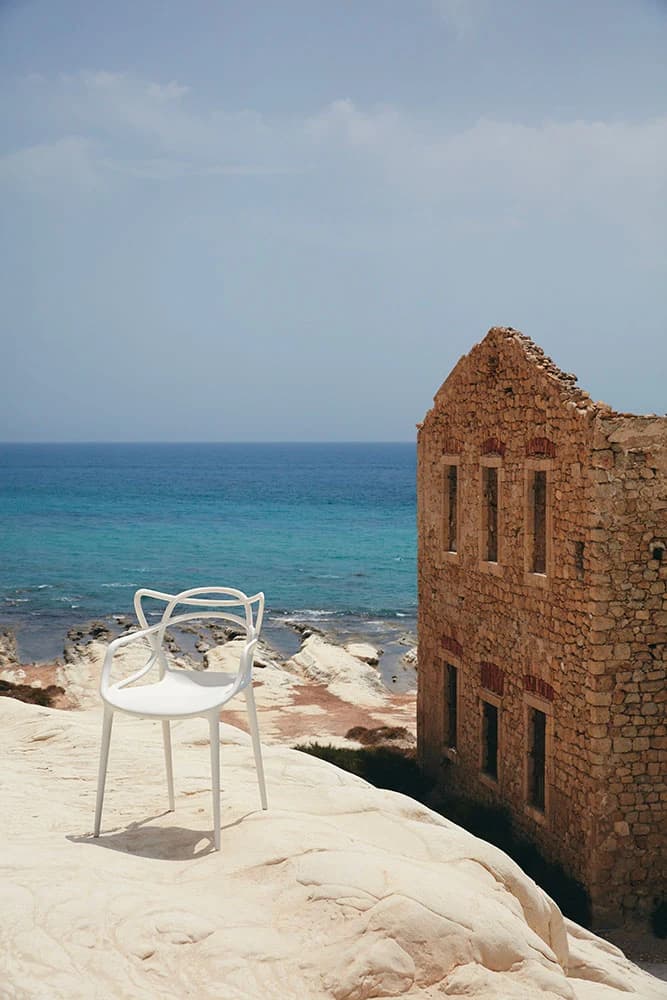

Products
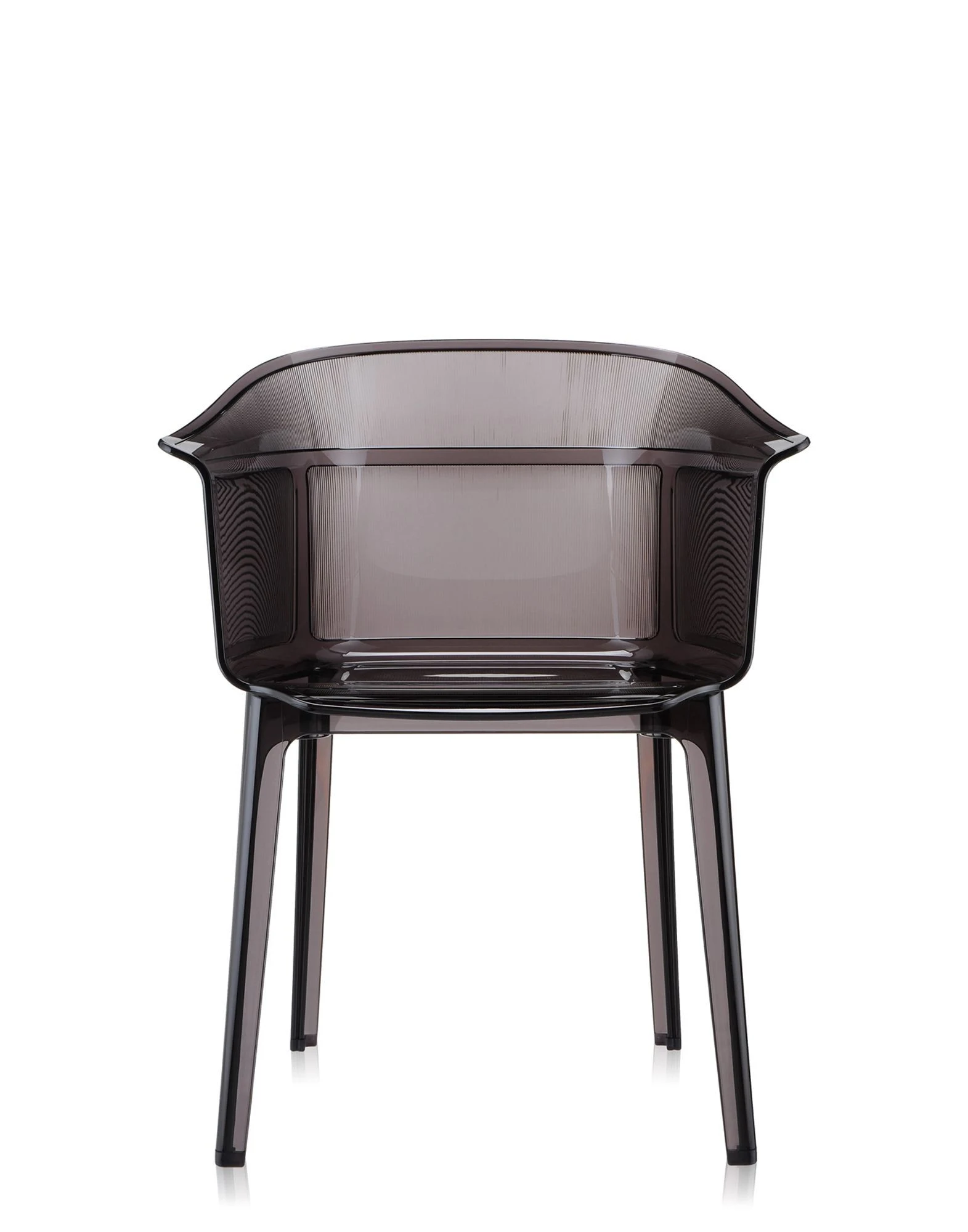
Papyrus
Papyrus: a 2008 Kartell armchair by Ronan & Erwan Bouroullec.
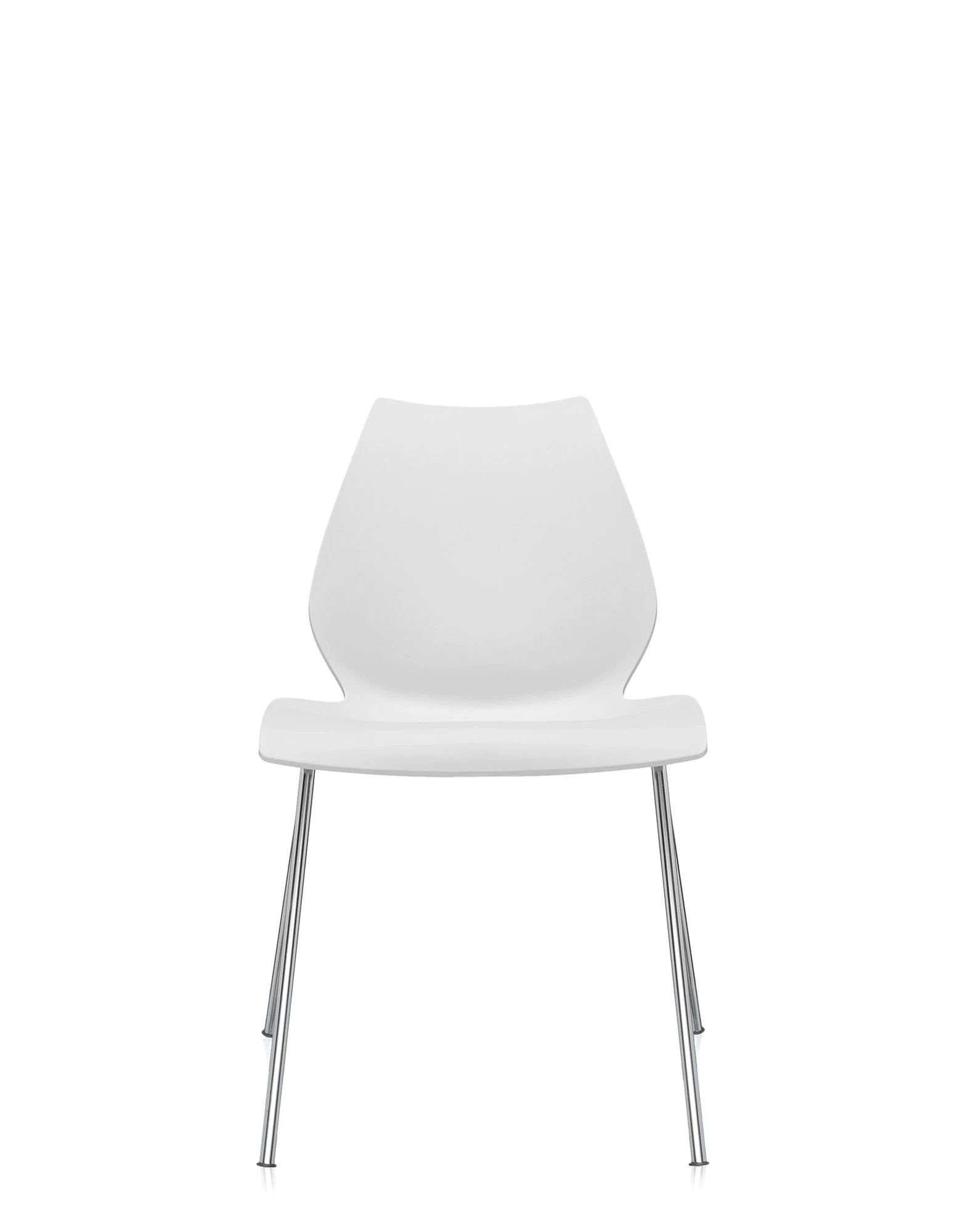
Maui
Vico Magistretti's 1996 stackable chair, a single polypropylene shell on a steel frame.
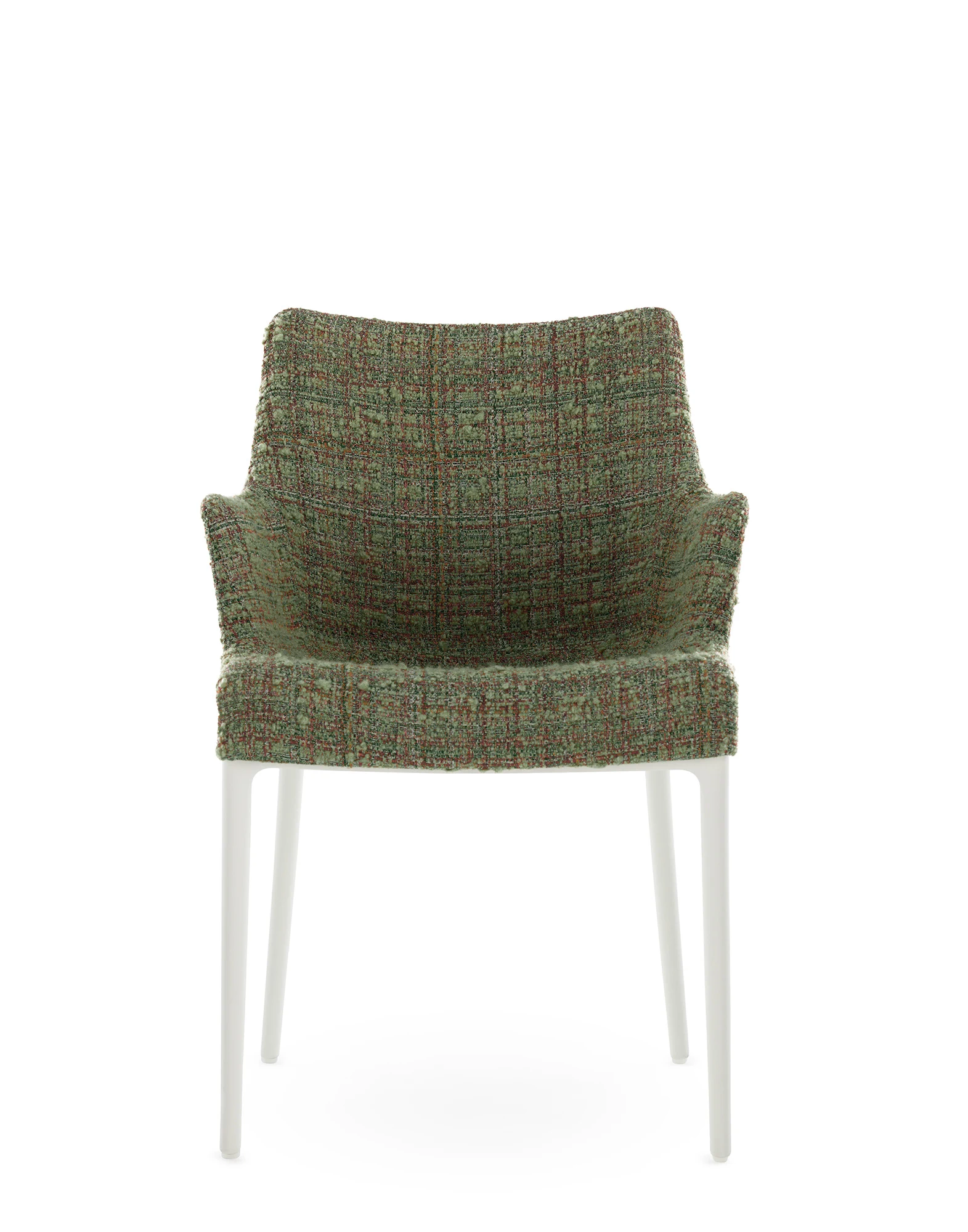
Eleganza
Eleganza Nia: a 2022 Kartell armchair by Philippe Starck.
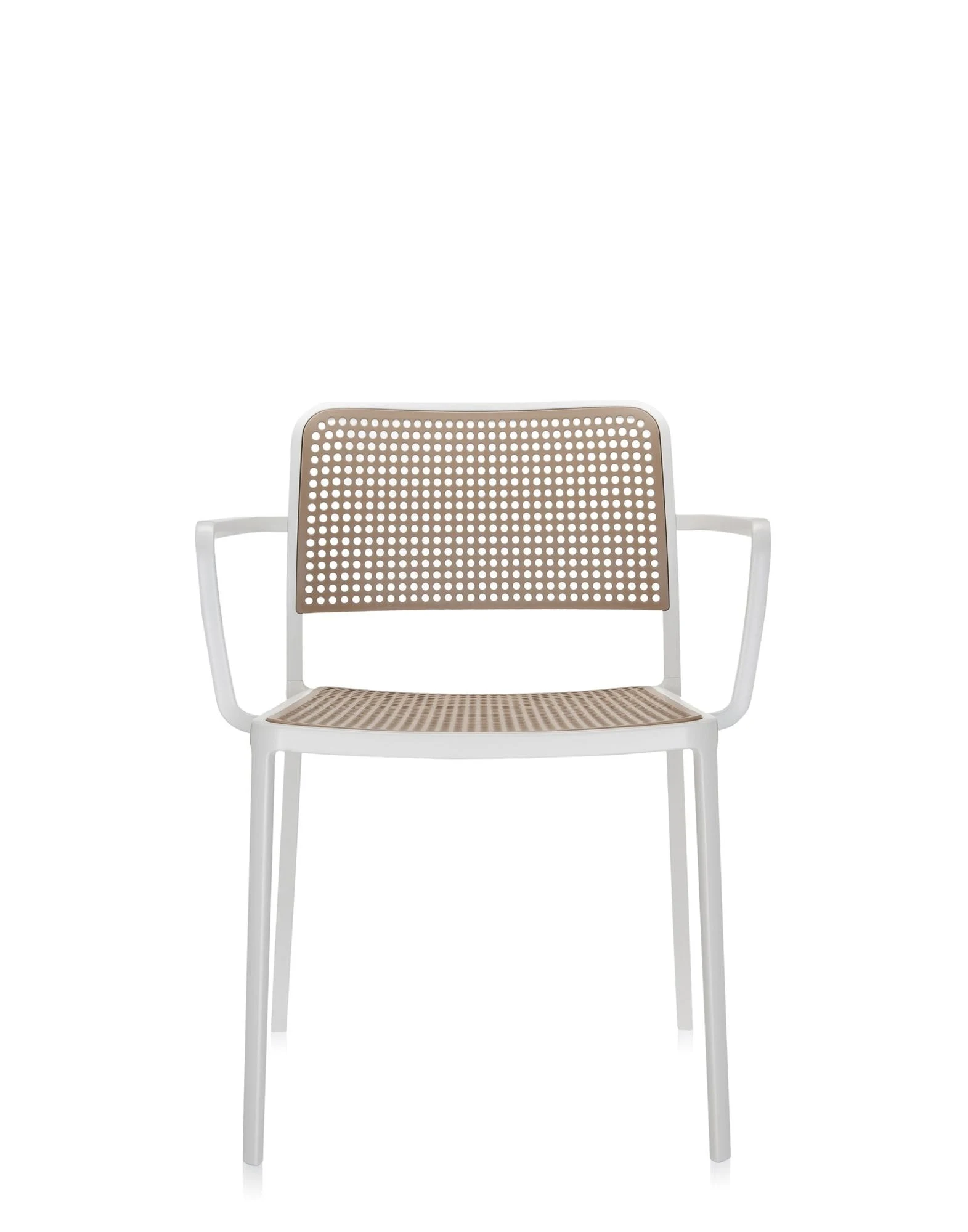
Audrey Small Armchair
Audrey Small Armchair: a 2012 Kartell armchair by Piero Lissoni.
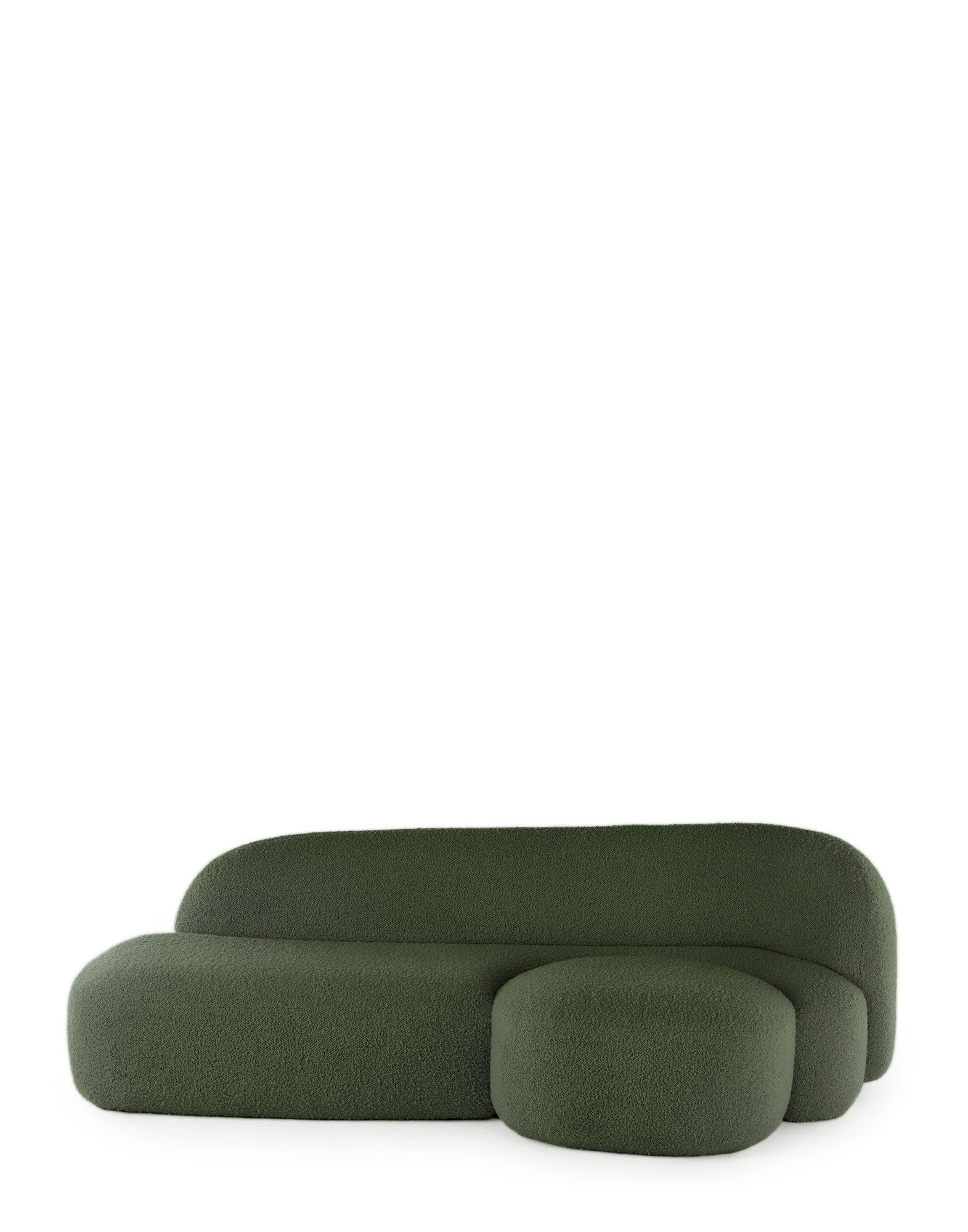
Aaland Sofa
A 240 cm Aaland sofa by Patricia Urquiola, upholstered in Bouclé New Stretch.
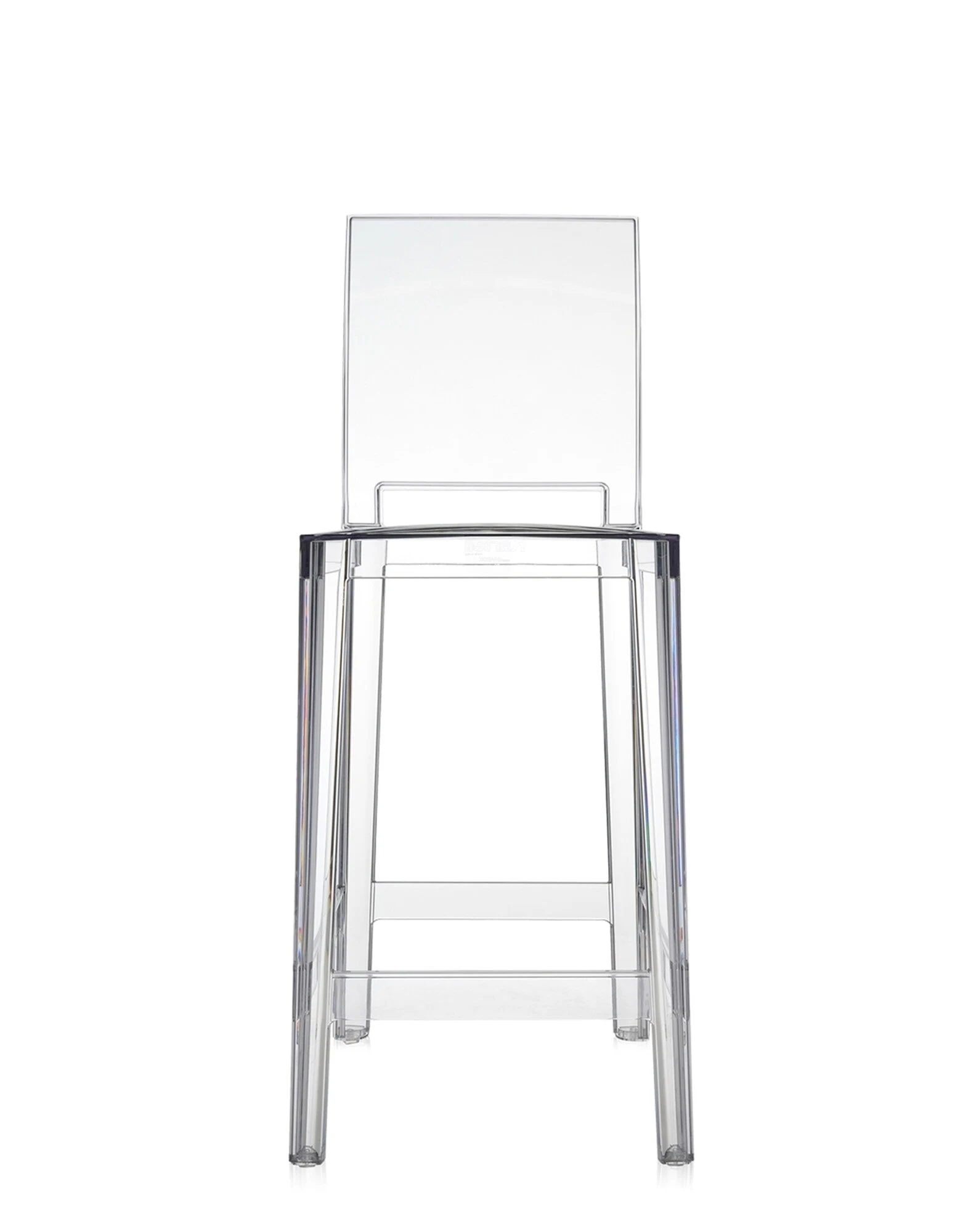
One More Please
Starck's One More Please for Kartell: the polycarbonate stool with a squared back, 65 or 75 cm high.
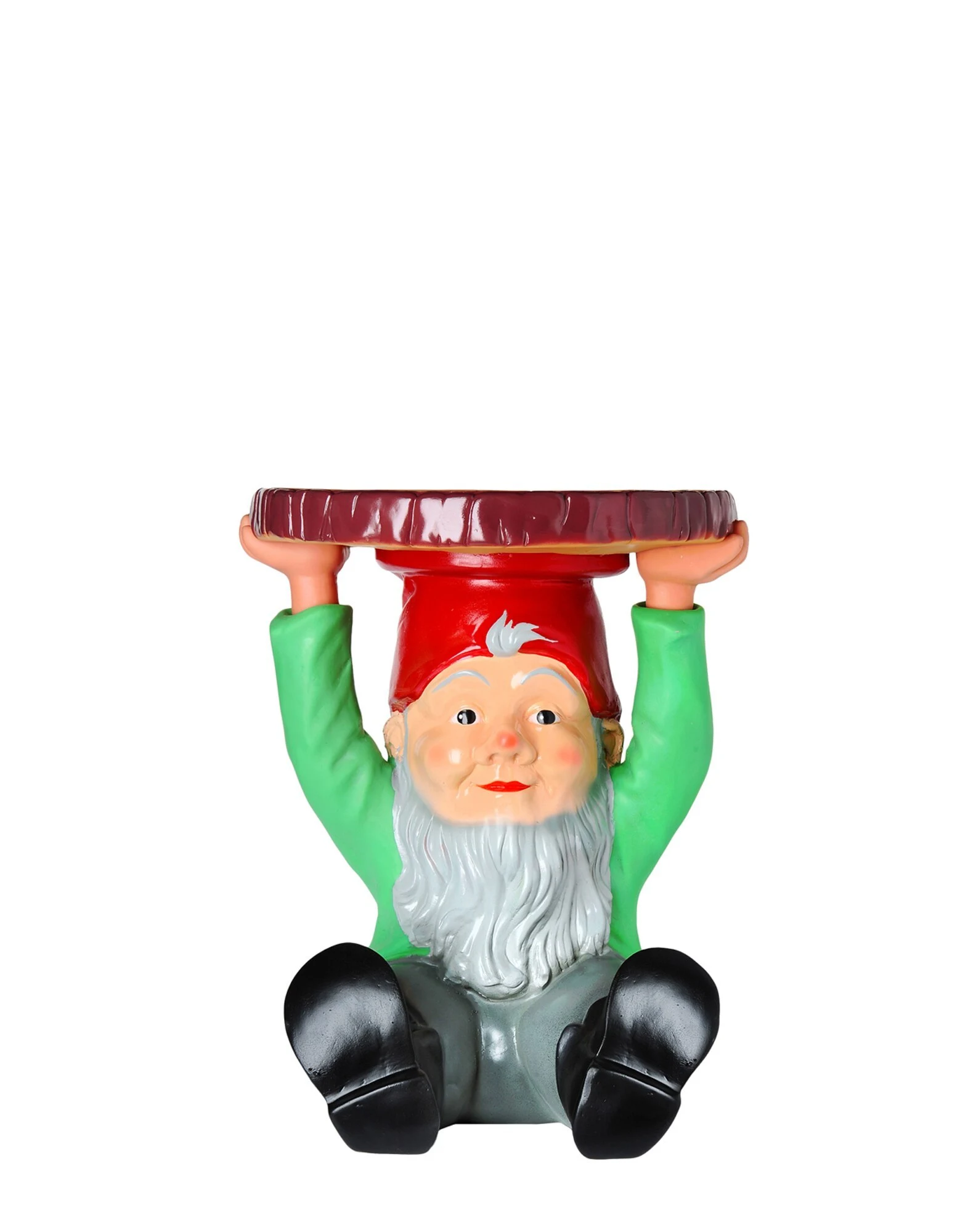
Attila
Starck's Attila for Kartell: a gnome-figure table-stool in painted technopolymer, 34 x 41 cm.
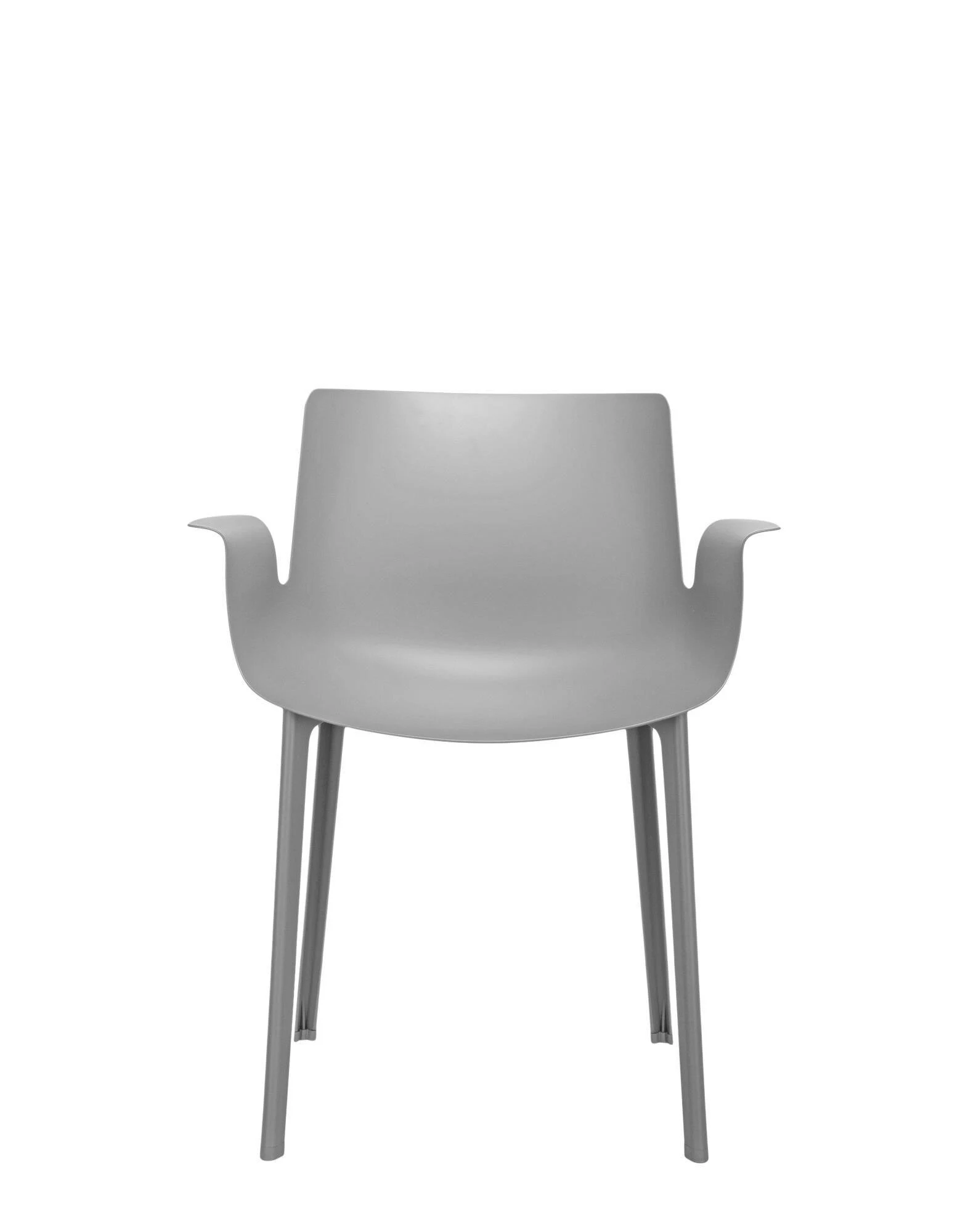
Piuma
Piuma: a 2016 Kartell armchair by Piero Lissoni.
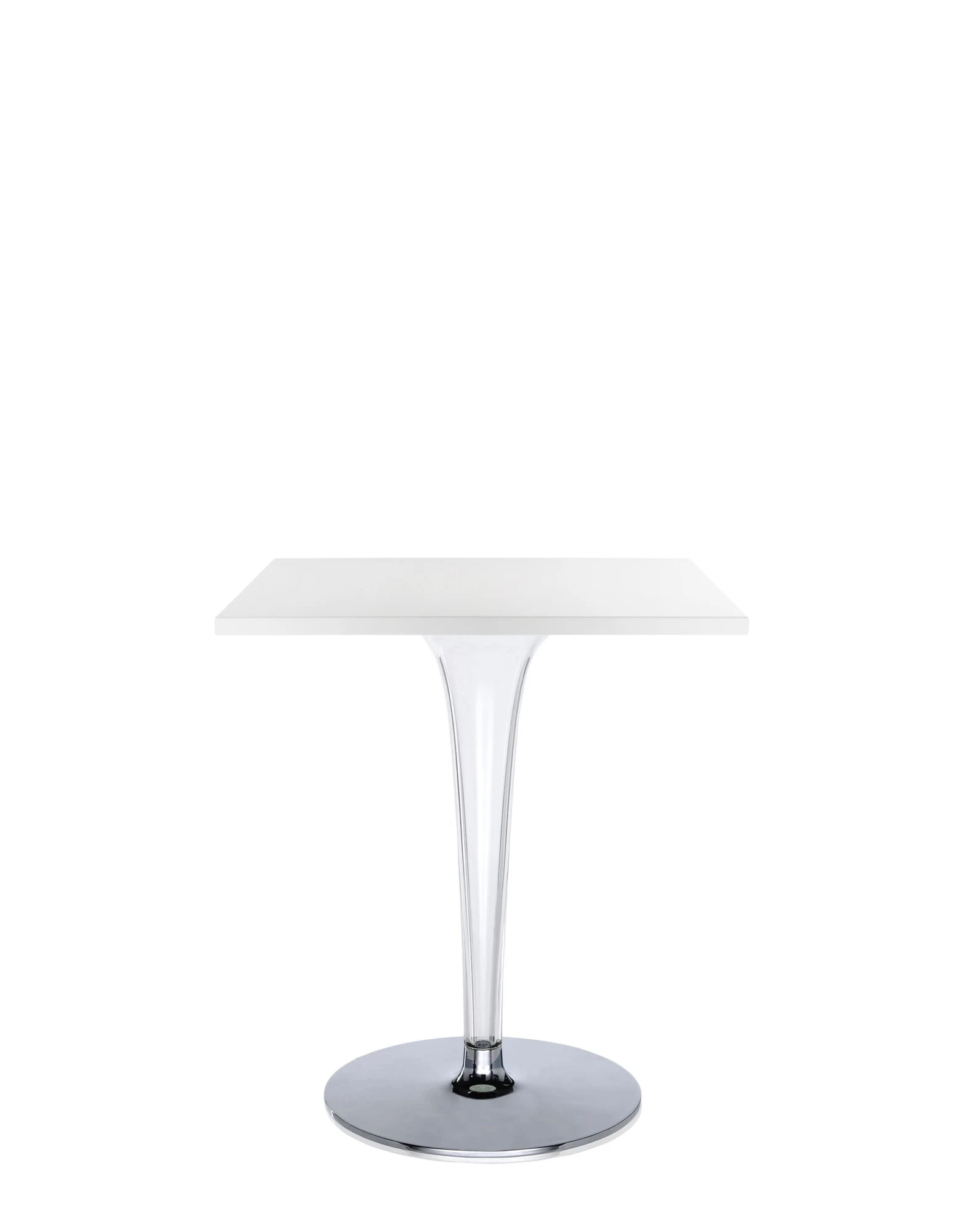
Top Top Bar Table
TopTop Square for Kartell by Starck and Quitllet: melamine top, transparent leg with a metal core.
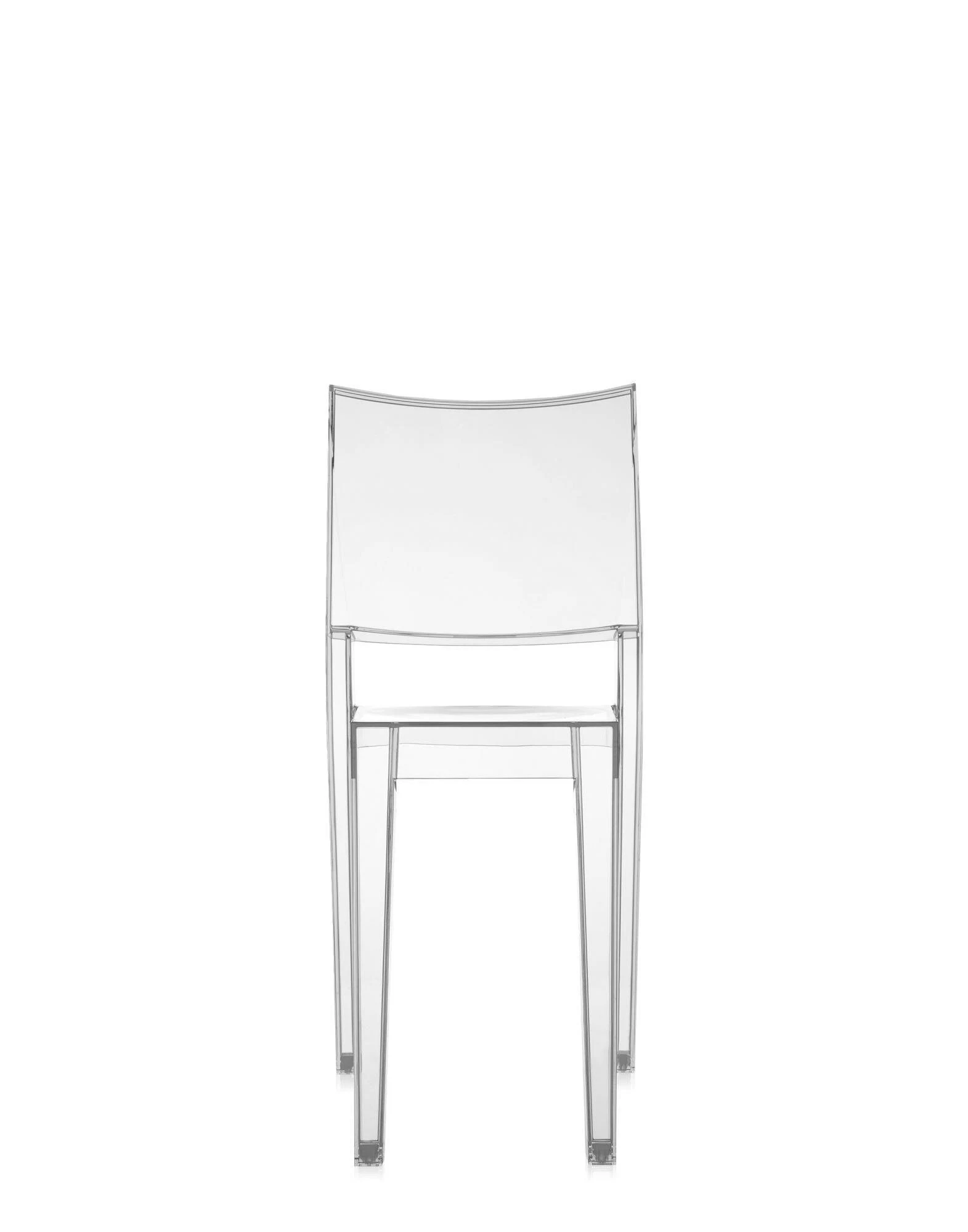
La Marie
Philippe Starck's 1999 La Marie for Kartell, presented as the first completely transparent chair.
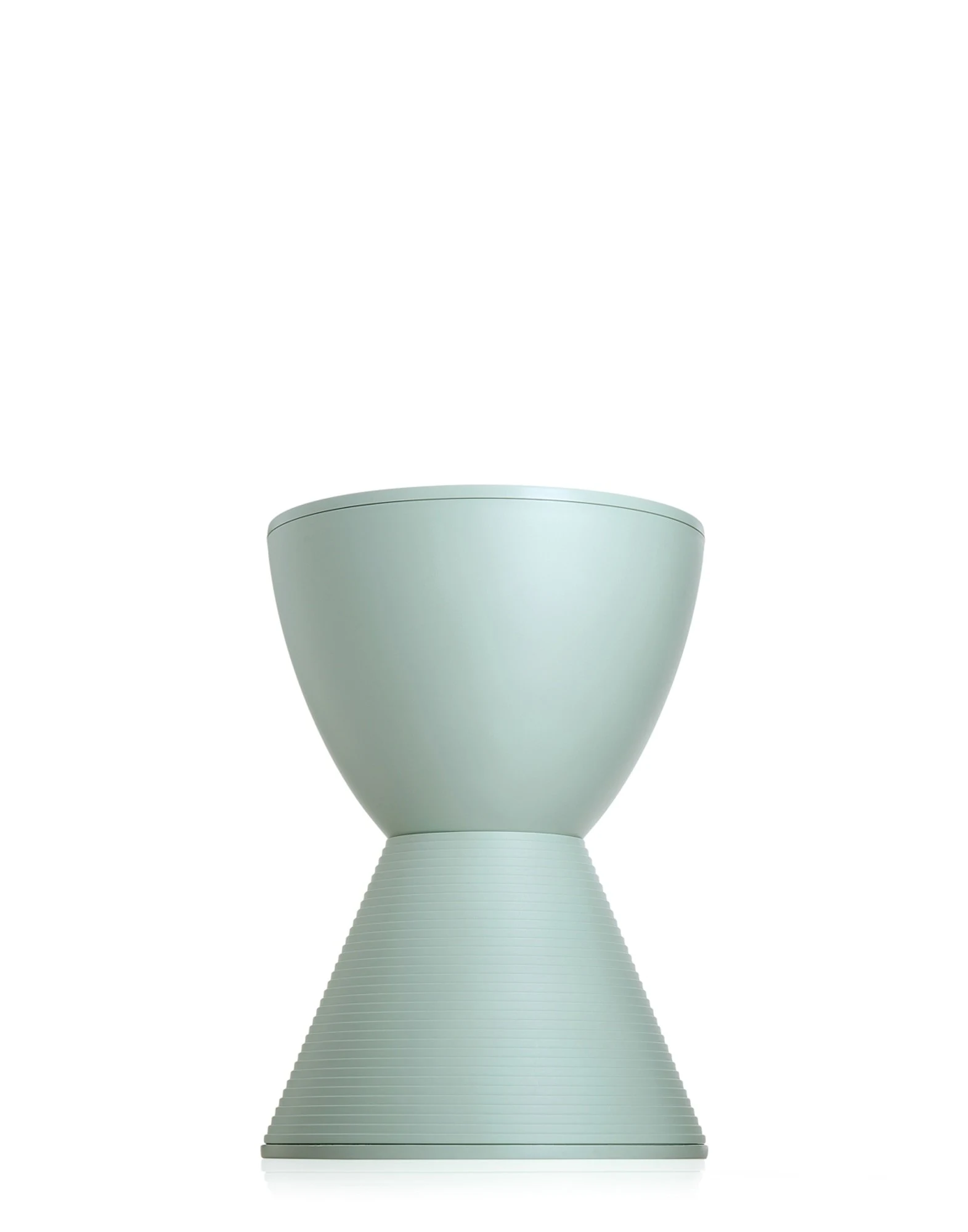
Prince Aha
Starck's Prince Aha for Kartell: a stool of two cones in batch-dyed polypropylene, 30 x 43 cm.
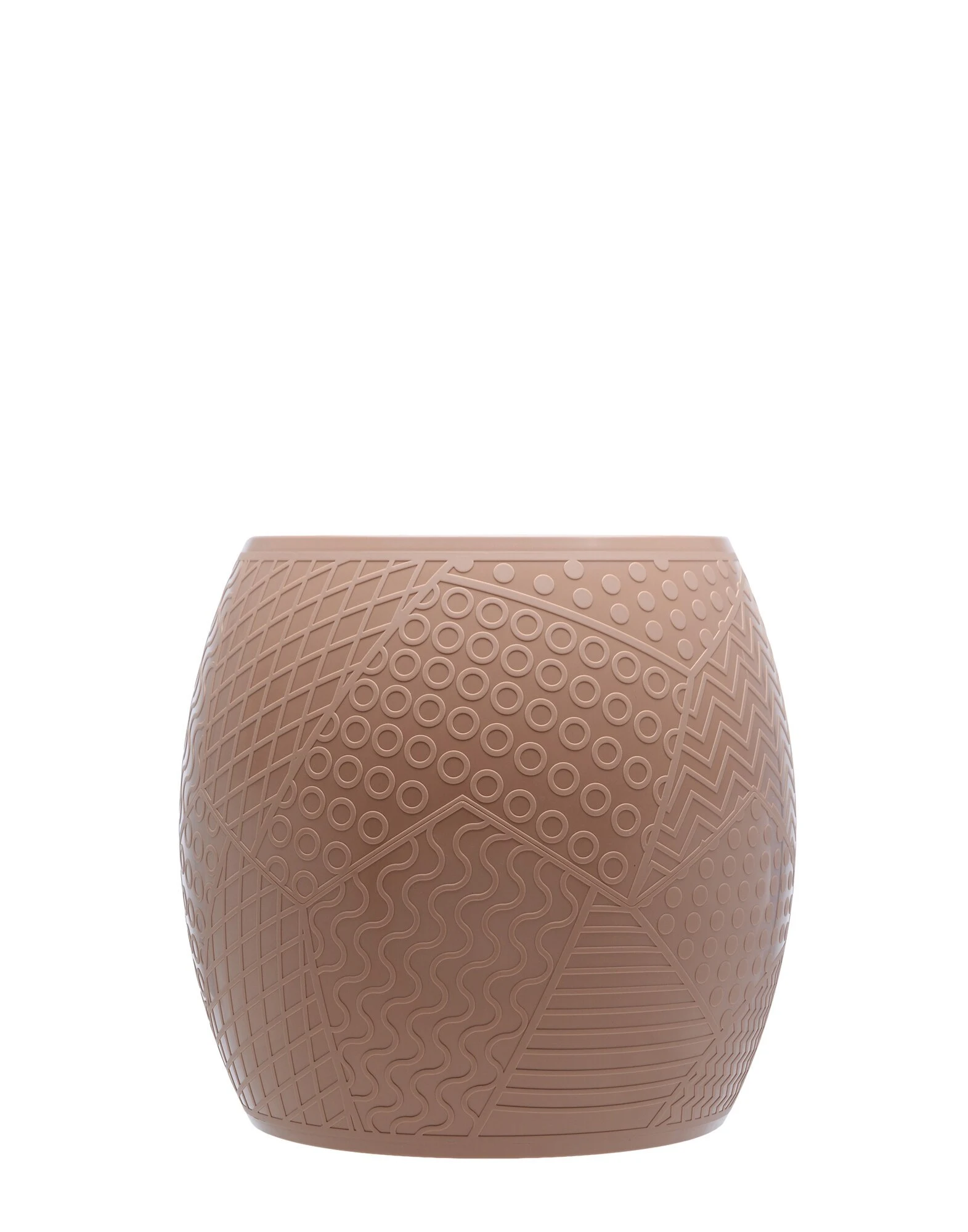
Roy
Mendini's Roy stool for Kartell: a Chinese-style stool in mass-dyed technopolymer, 45 x 43 cm.
Specifying pieces from Kartell for your design project?
INTEBEE is the FF&E specification platform for interior designers: spec sheets, finishes, floor plans and client-ready PDFs in one place.