Designer
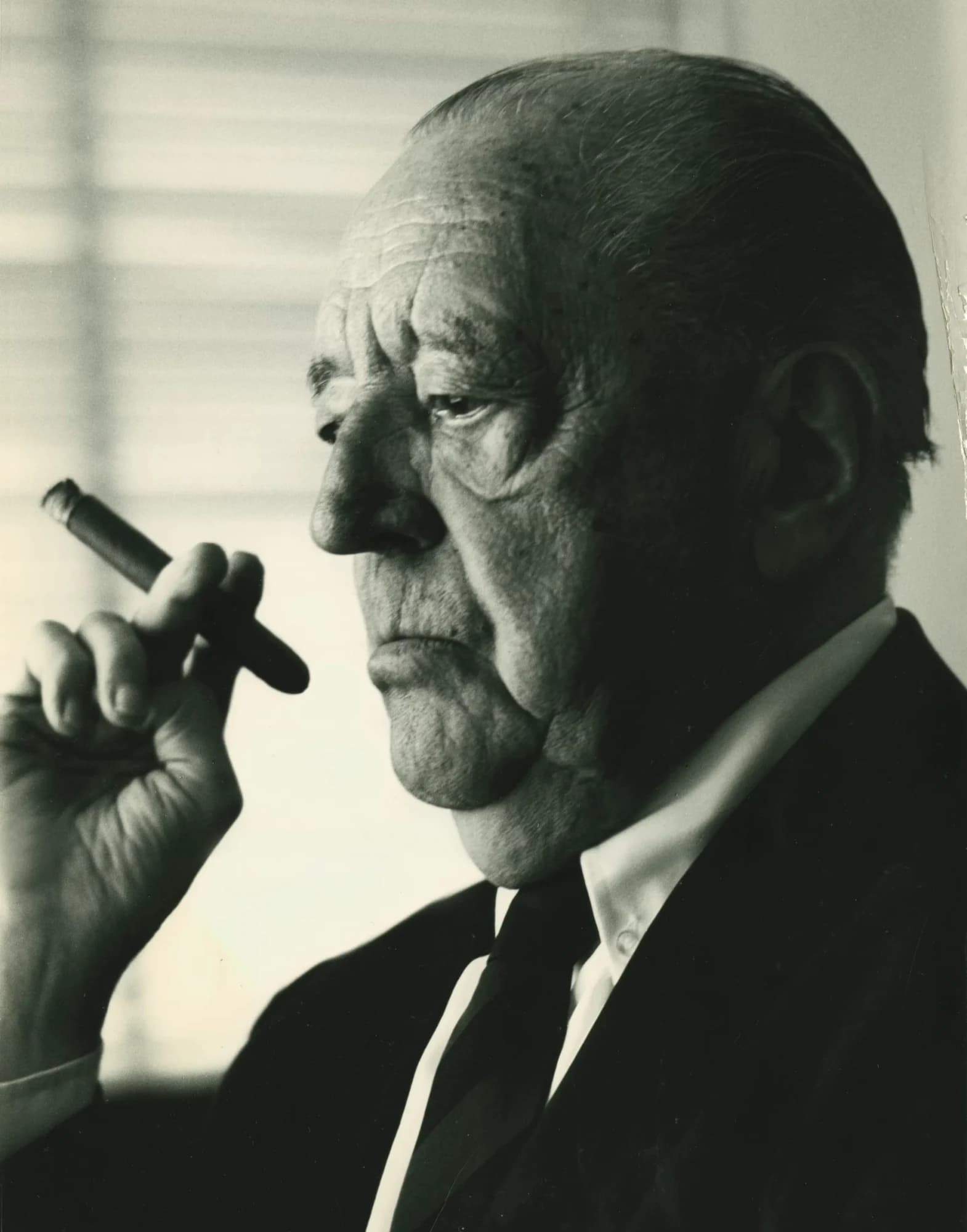
Ludwig Mies van der Rohe
Ludwig Mies van der Rohe (1886–1969) was born in Aachen, Germany. His career began at his father's stonemasonry business, which gave him an early appreciation of material and structure; he then apprenticed with furniture designer Bruno…
Biography
Background
Ludwig Mies van der Rohe (1886–1969) was born in Aachen, Germany. His career began at his father's stonemasonry business, which gave him an early appreciation of material and structure; he then apprenticed with furniture designer Bruno Paul in Berlin and joined the office of Peter Behrens. He opened his own Berlin office in 1912.
Signature Style
His 'less is more' approach became the gold standard for generations of modern architecture: rhythmic arrangements of horizontal and vertical planes in glass, stone and metal, free-flowing space without fixed rooms, and furniture of precise steel frames and fine upholstery.
Notable Works
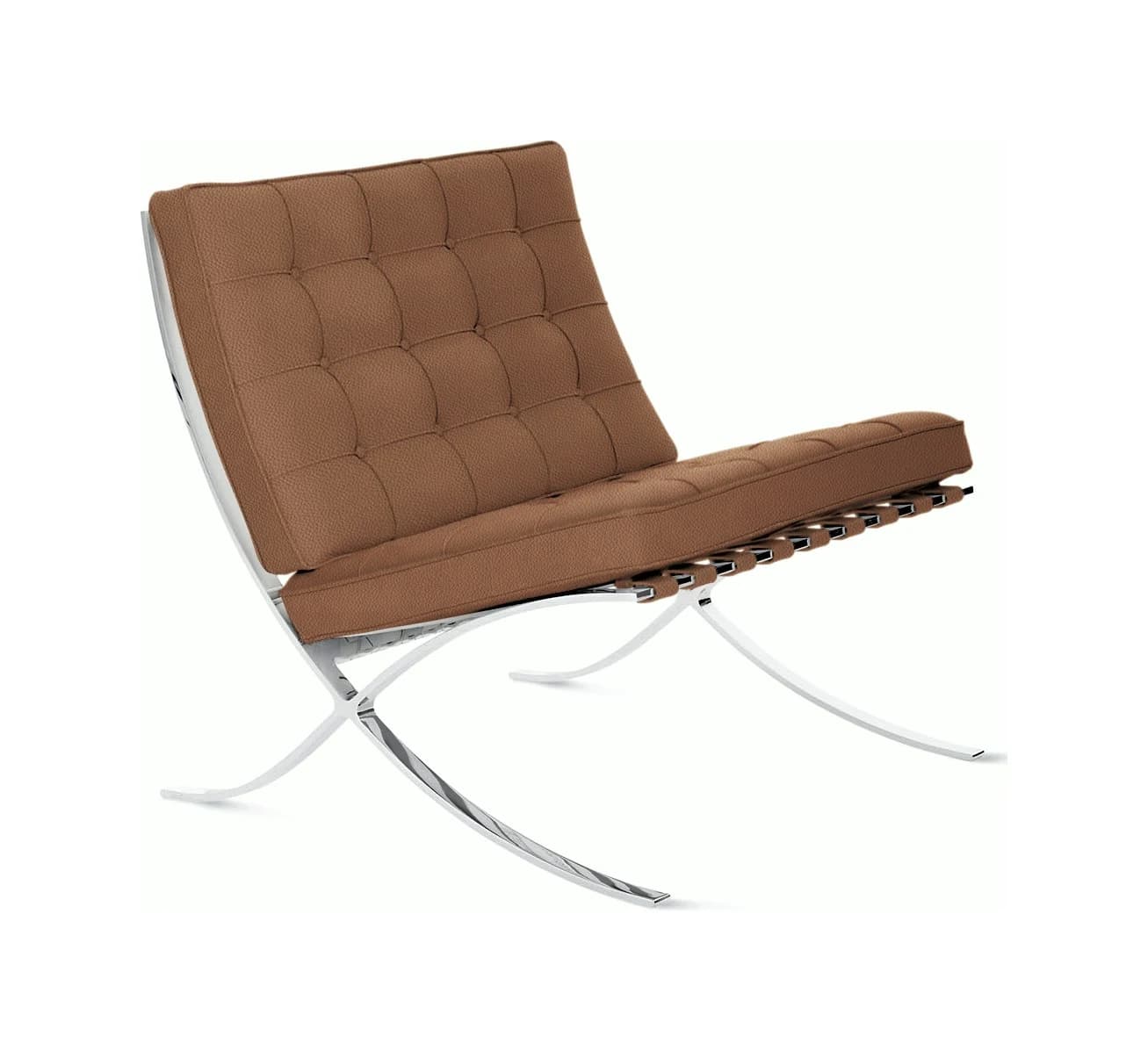
- German Pavilion, Barcelona (1929) with the Barcelona Chair and Stool
- Brno Chair, Tugendhat Chair and MR series (Knoll)
- IIT campus (Chicago) and the Seagram Building (New York)
Legacy
Vice President of the Deutscher Werkbund and Director of the Bauhaus (1930–1933), he emigrated to the US in 1938 to lead architecture at the Armour Institute (later IIT), where he mentored Florence Knoll. According to Knoll he granted the company exclusive rights to produce his furniture in 1948.
Collections
Products
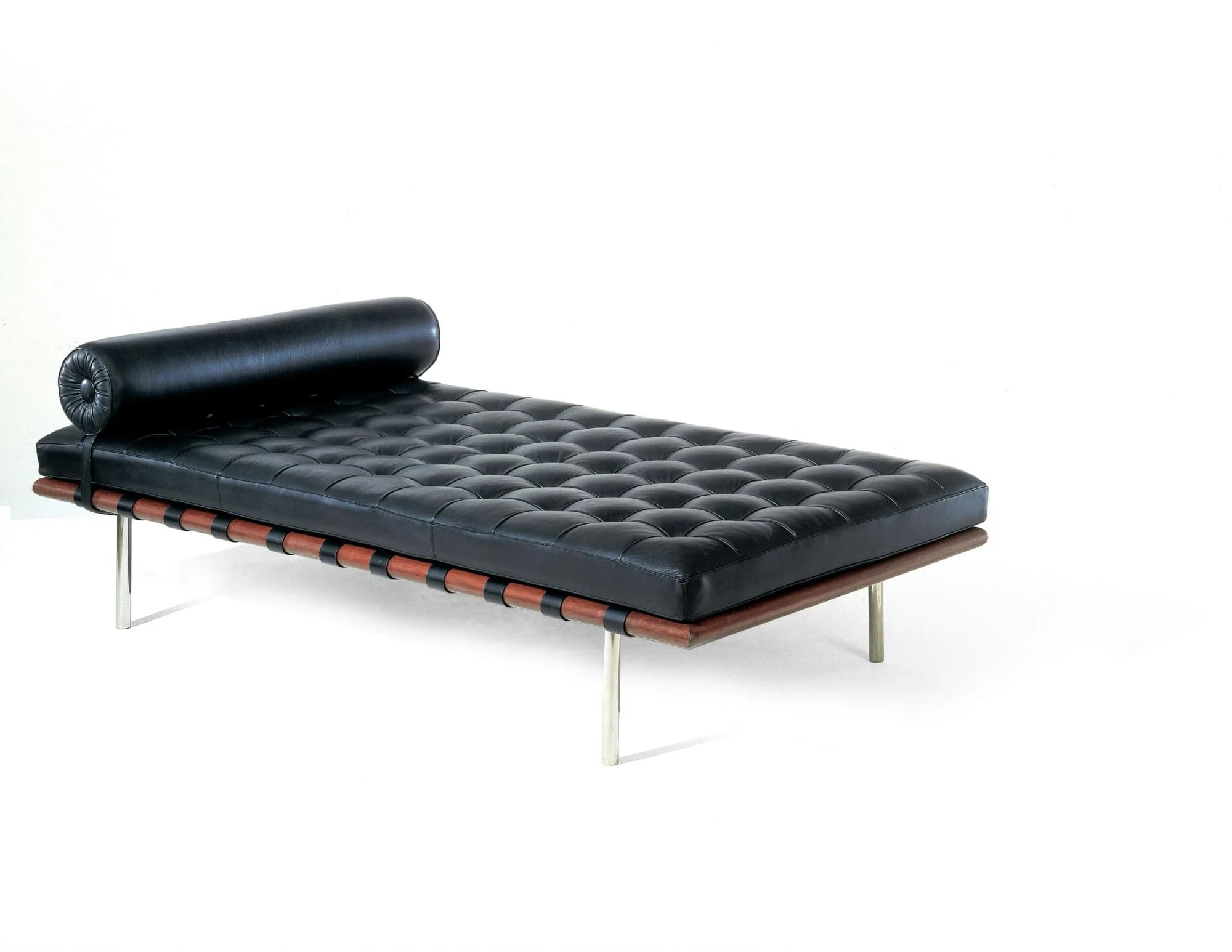
Barcelona Couch
Mies van der Rohe's 1930 couch: tufted cushion on a mahogany platform and steel legs
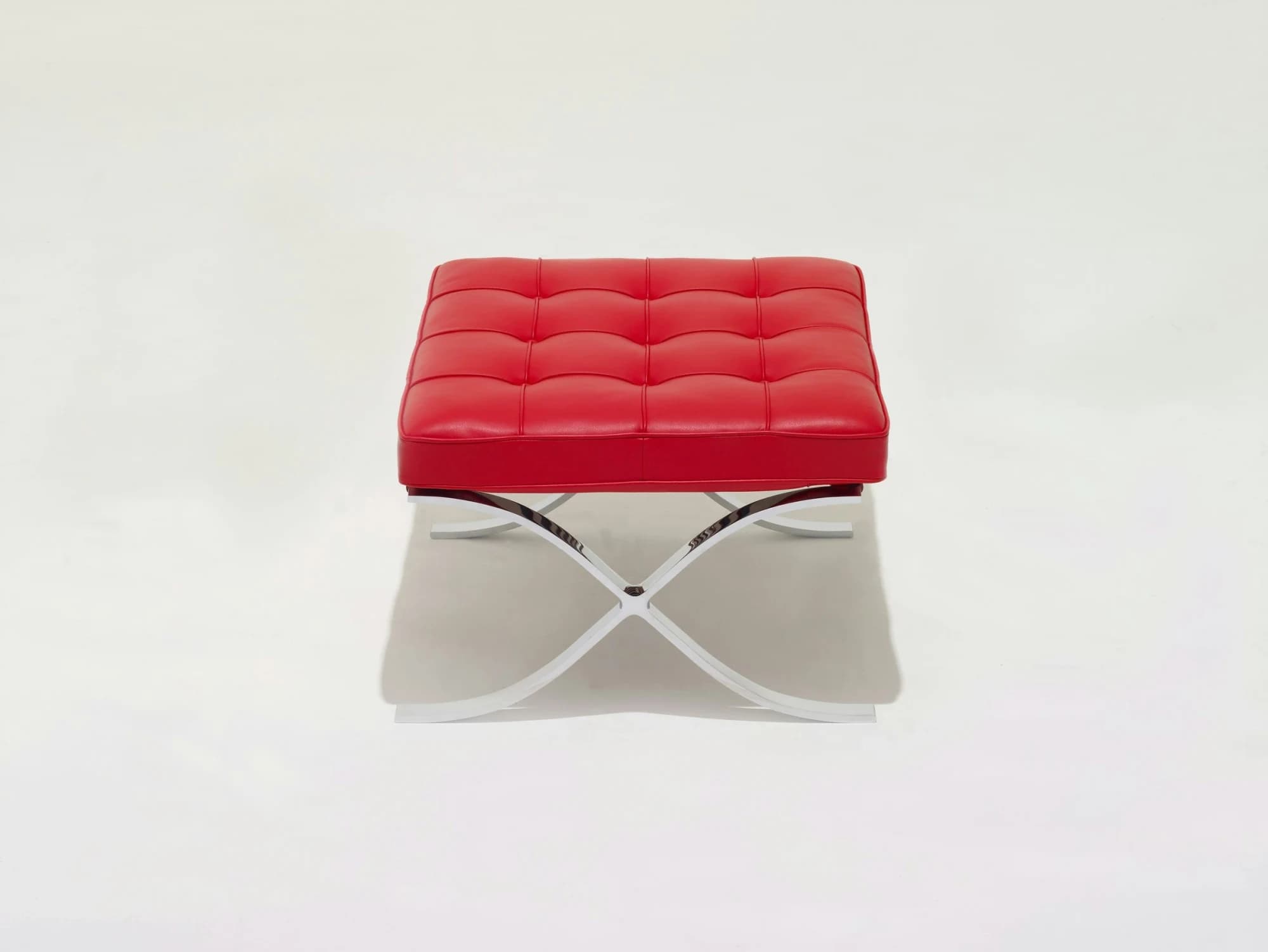
Barcelona Stool
Mies van der Rohe's 1929 Barcelona Stool: a 16-square tufted cushion on a crisscross steel frame
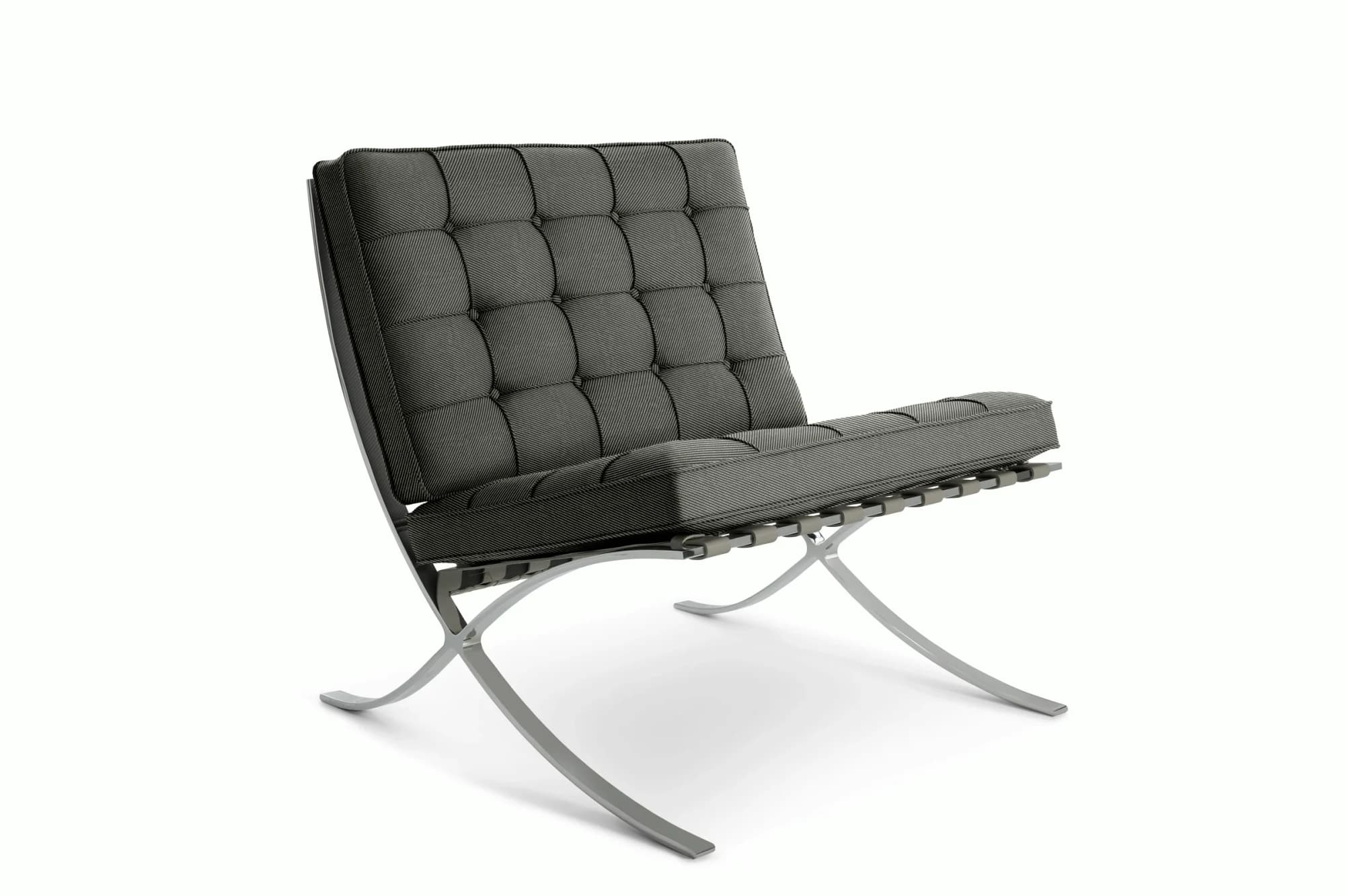
Barcelona Chair
Mies van der Rohe's 1929 lounge chair: steel frame and cushions of 40 hand-welted squares
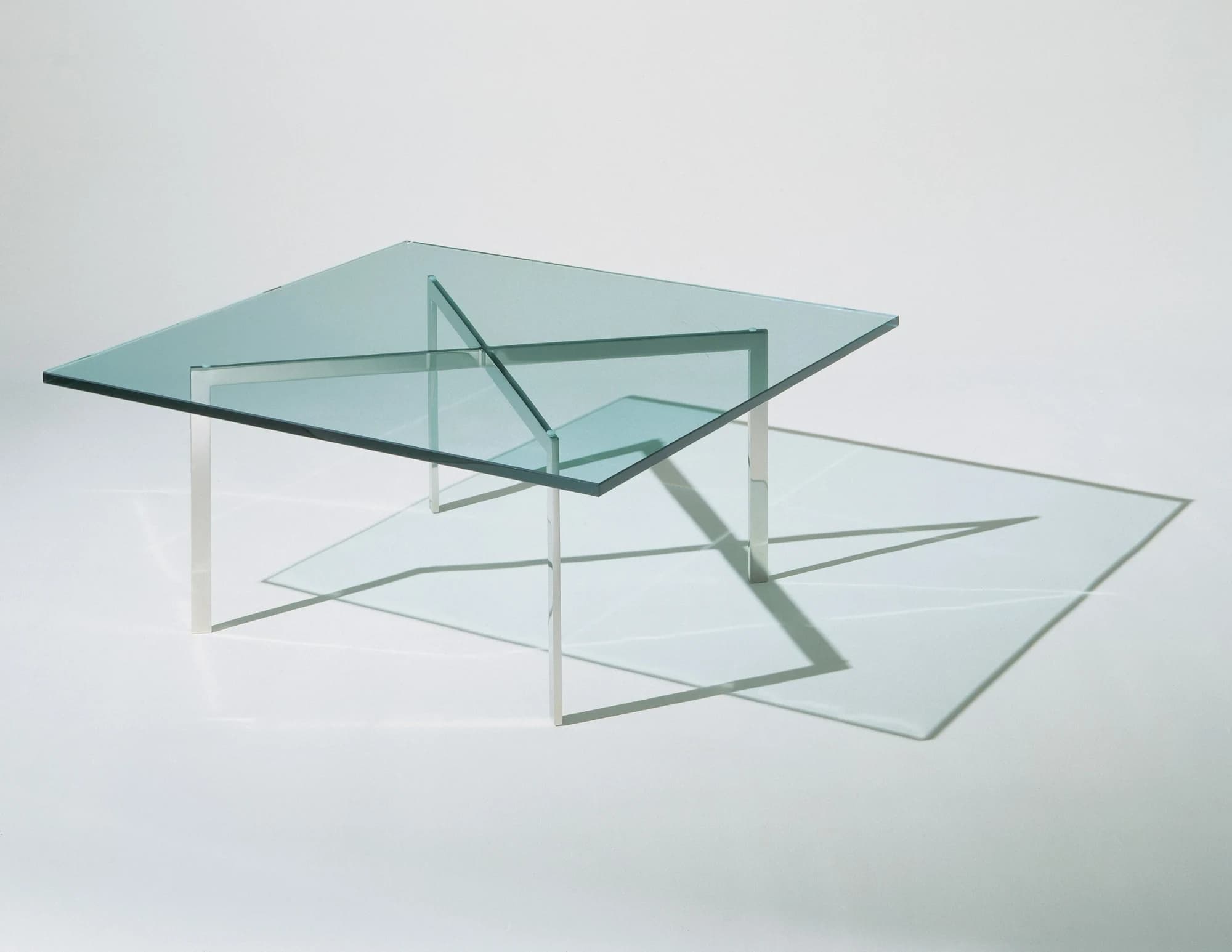
Barcelona Table
Mies van der Rohe's 1929 square coffee table: thick glass on a hand-buffed crisscross chrome base
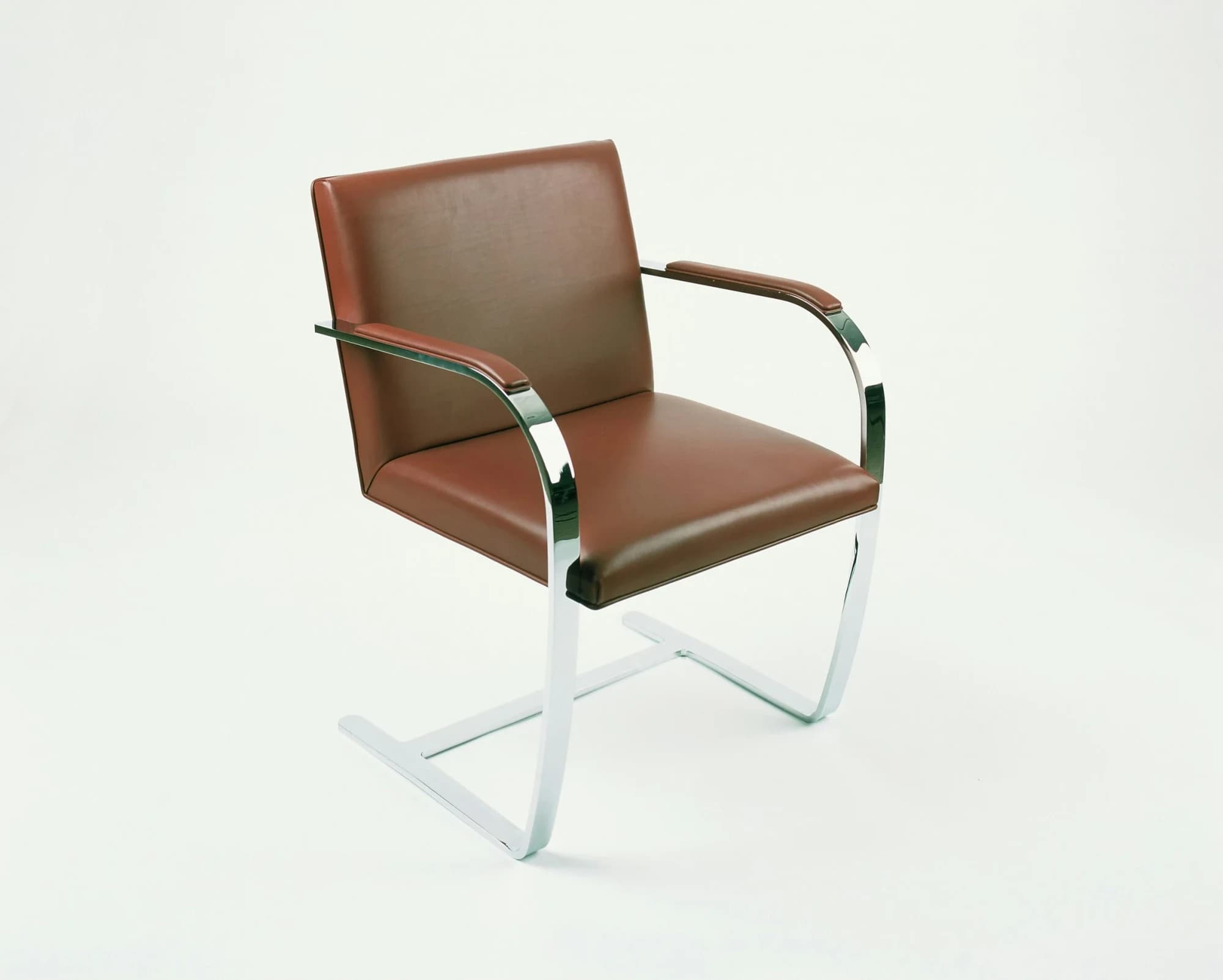
Brno Chair – Flat Bar
Mies van der Rohe's 1930 cantilevered flat bar chair, made for the Villa Tugendhat in Brno
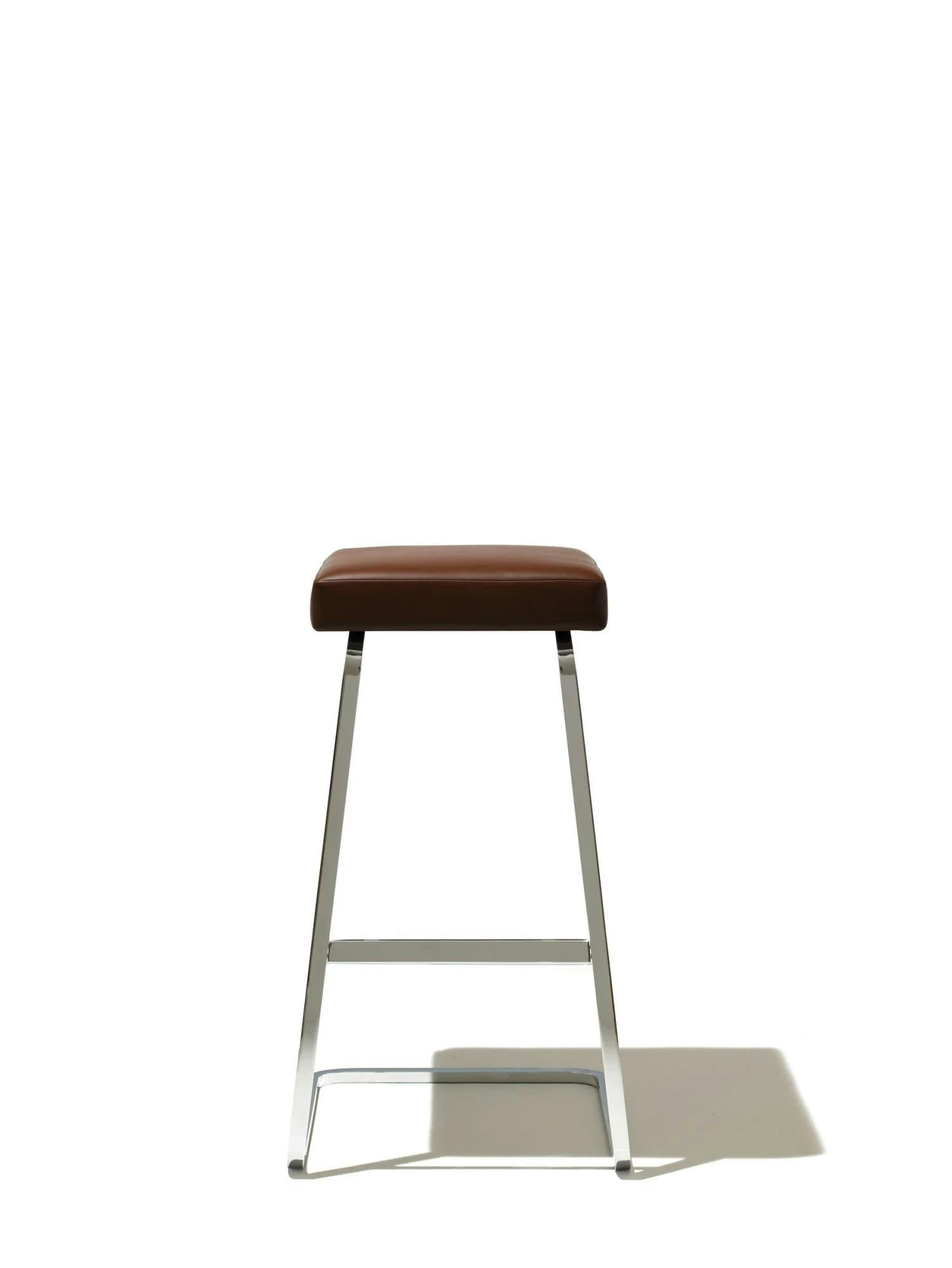
Four Seasons Barstool
Cantilevered chrome barstool made in 1958 for the Four Seasons Restaurant, Knoll-made since 2006
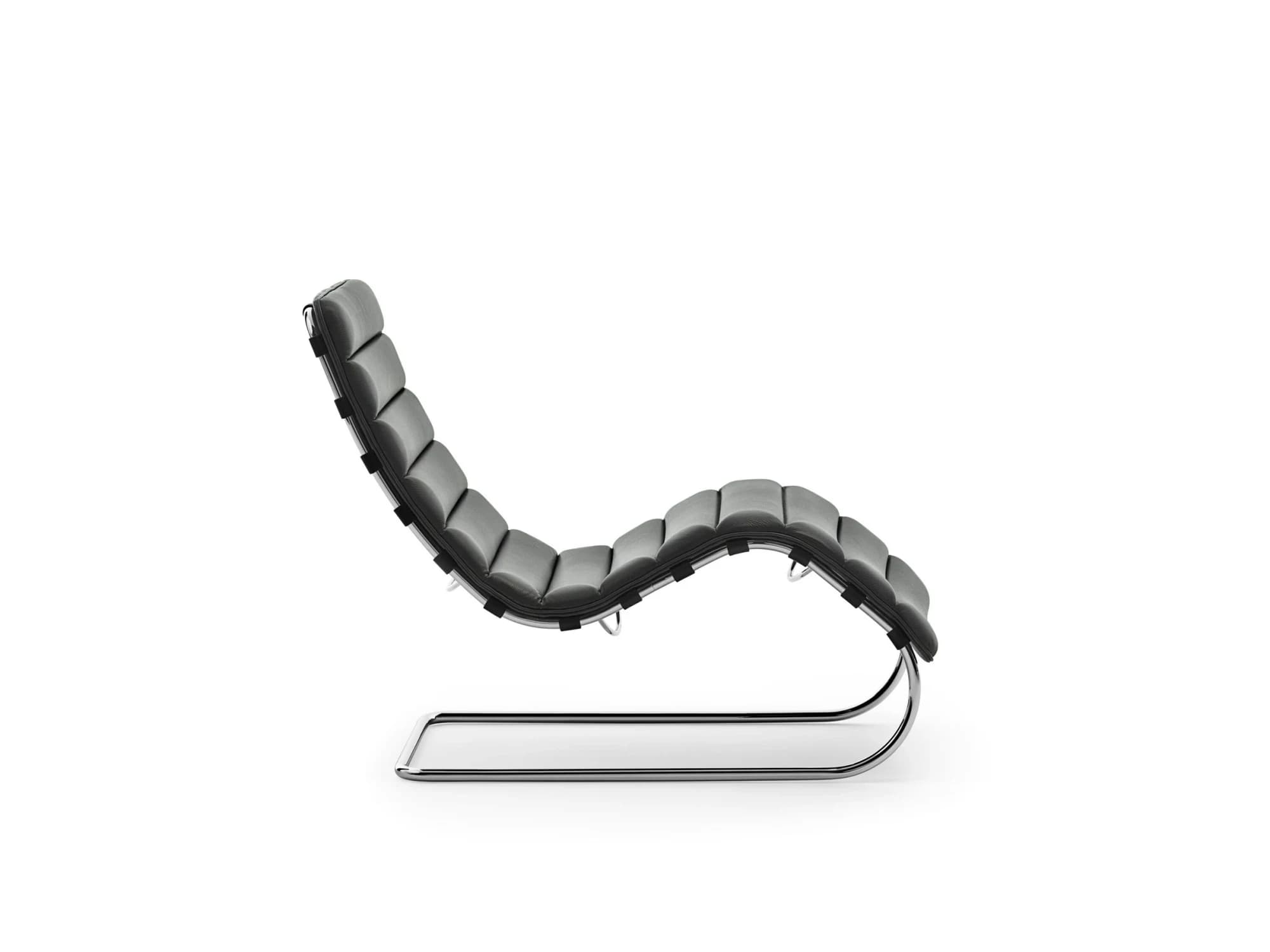
MR Chaise Lounge
Mies van der Rohe's 1927 cantilevered chaise lounge: a quilted leather cushion on tubular steel
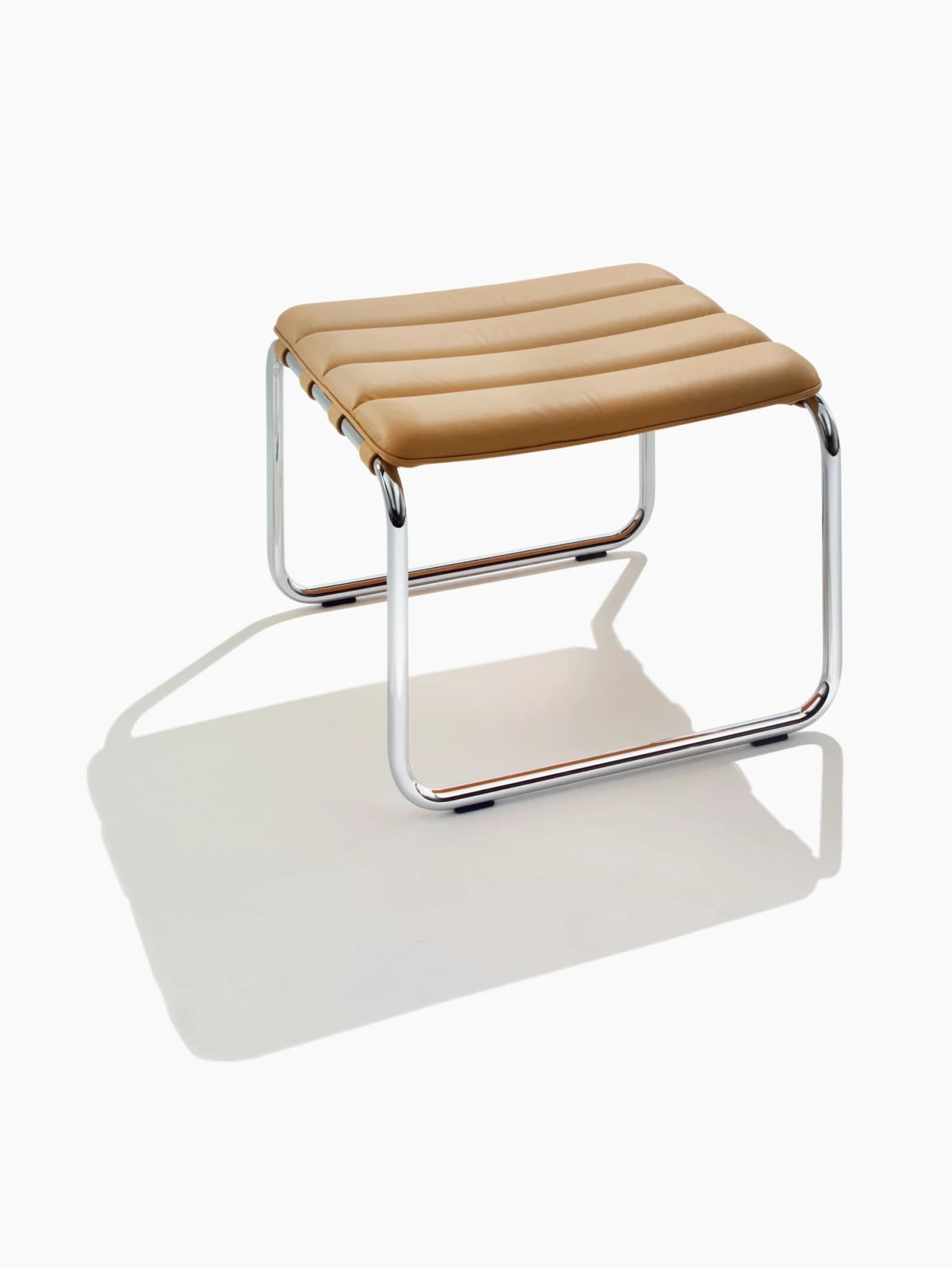
MR Stool
Mies van der Rohe's 1927 stool or ottoman: a channel-tufted leather cushion on tubular steel
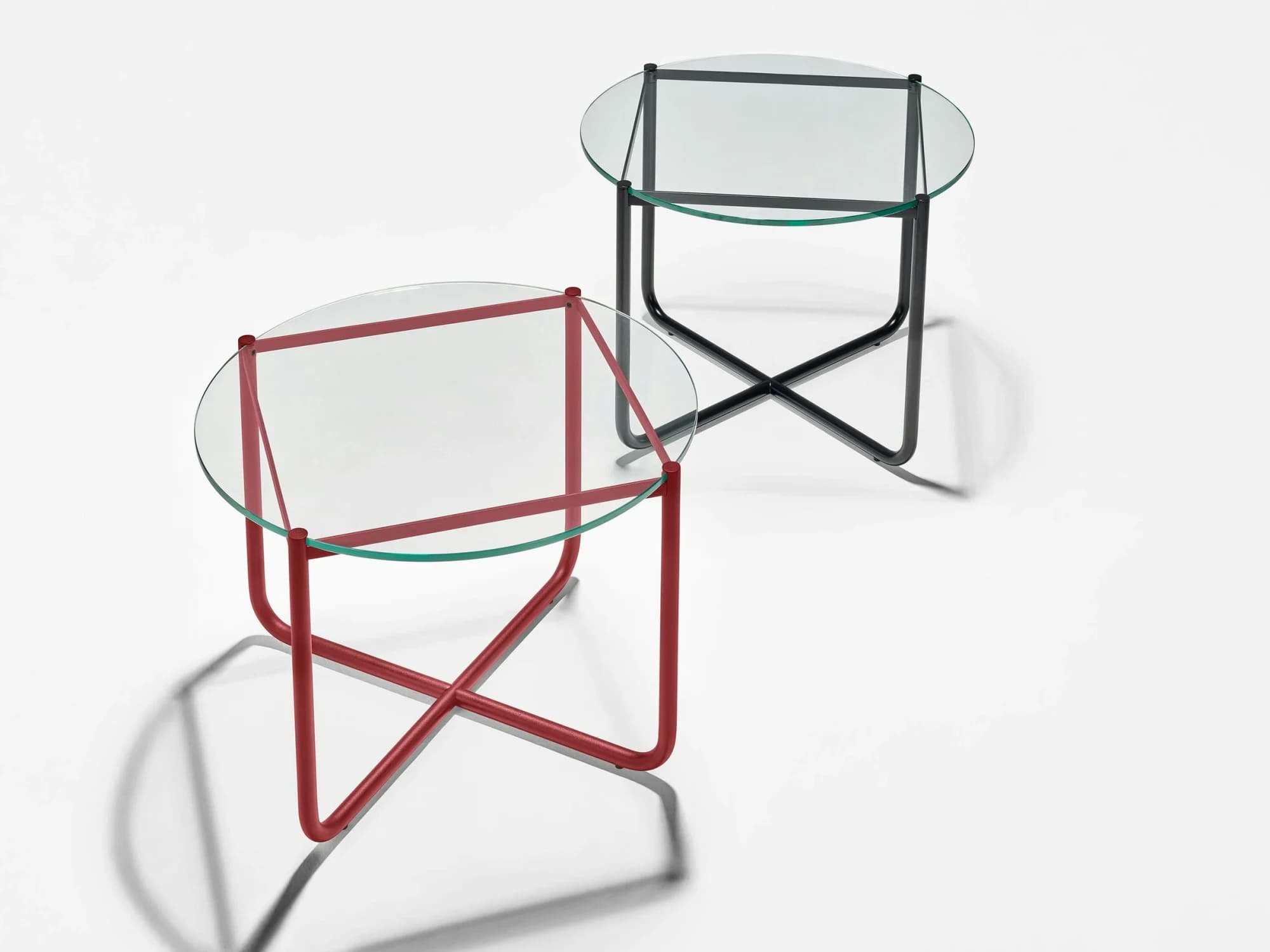
MR Table
Mies's c. 1927 glass-topped side table on a crisscross steel base, made by Knoll since 1977
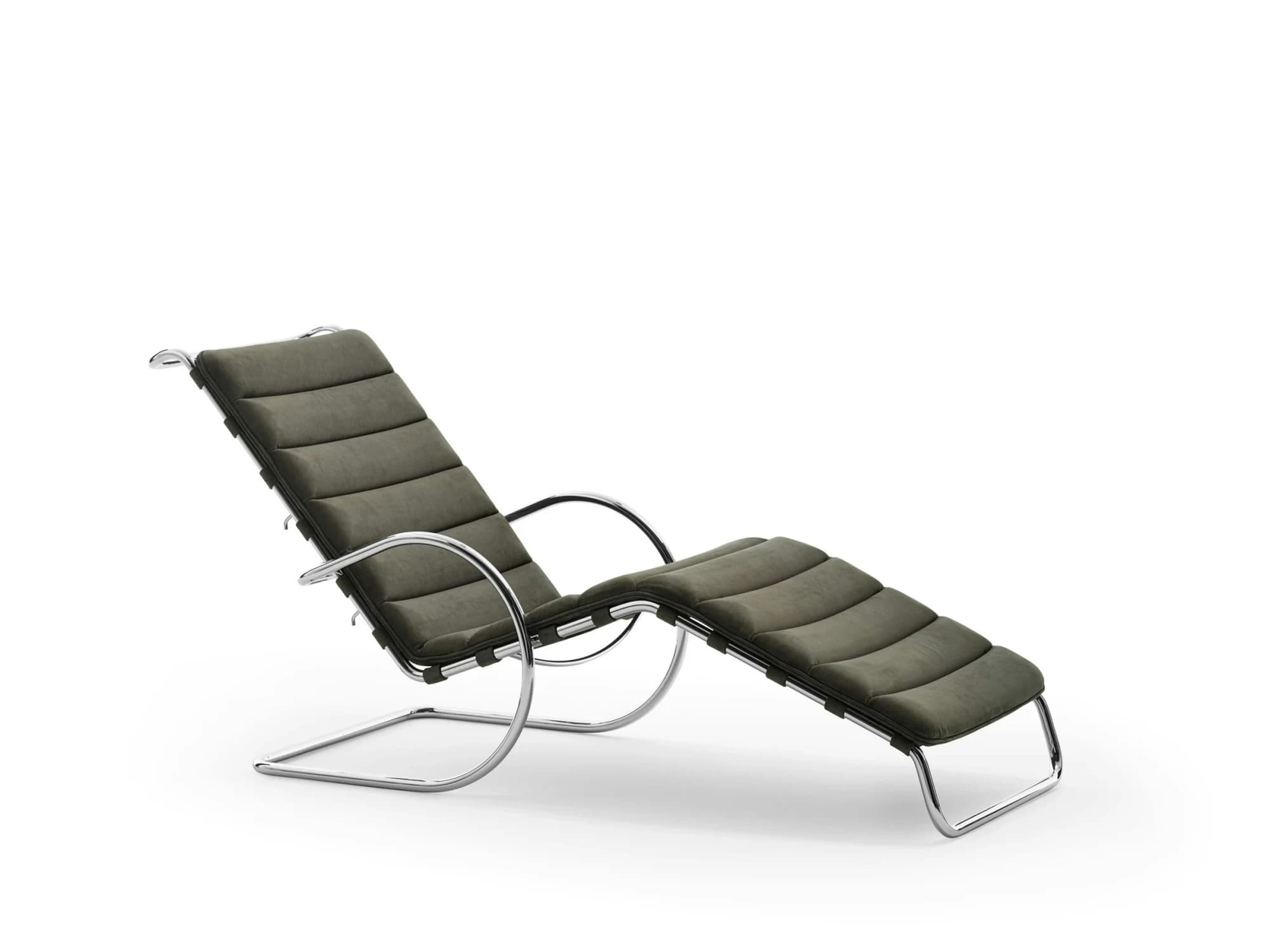
MR Adjustable Chaise Lounge
Mies van der Rohe's 1927 chaise on a two-piece chrome frame that adjusts in height and angle
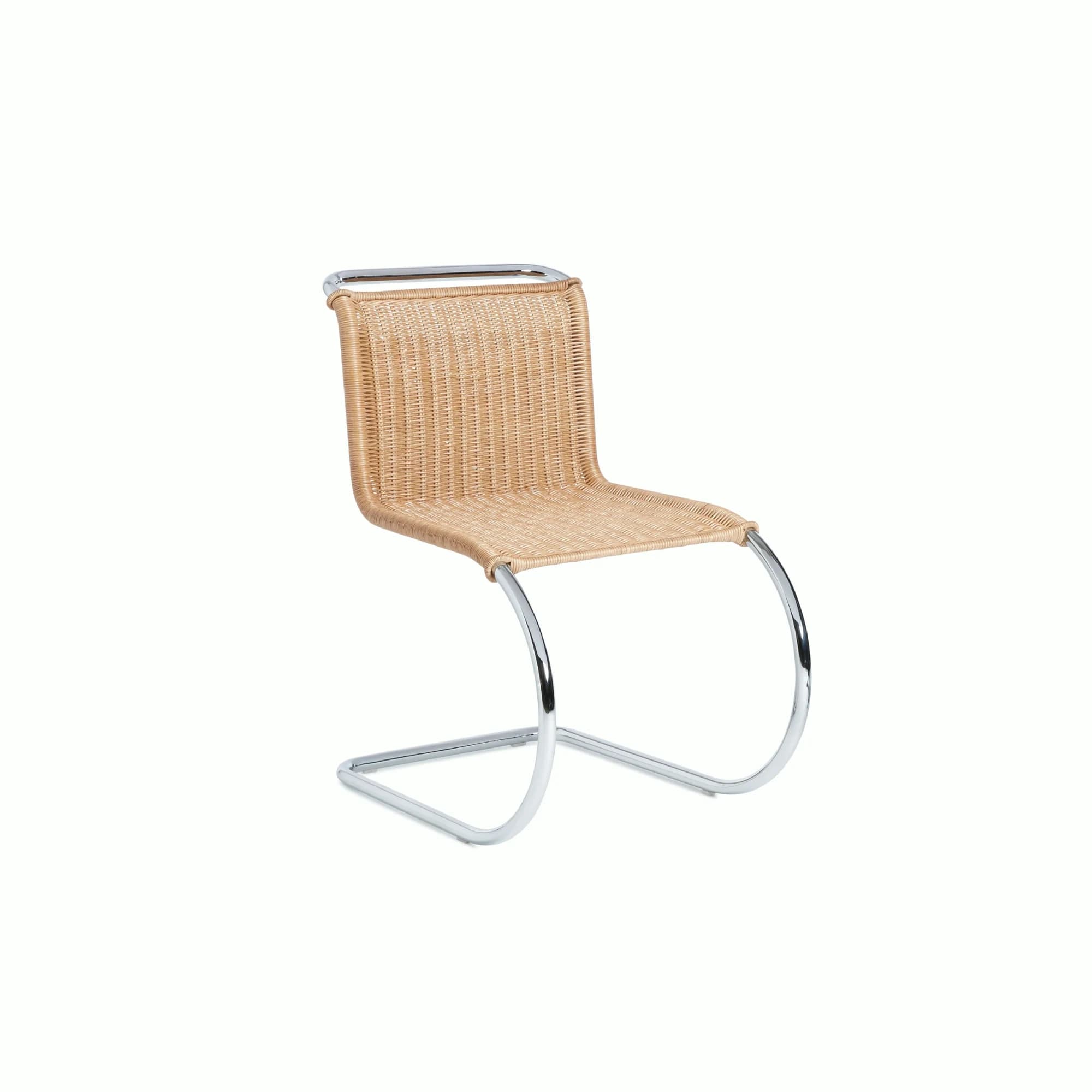
MR Chair
Mies van der Rohe's 1927 cantilevered side chair, with a rattan or cowhide seat on tubular steel
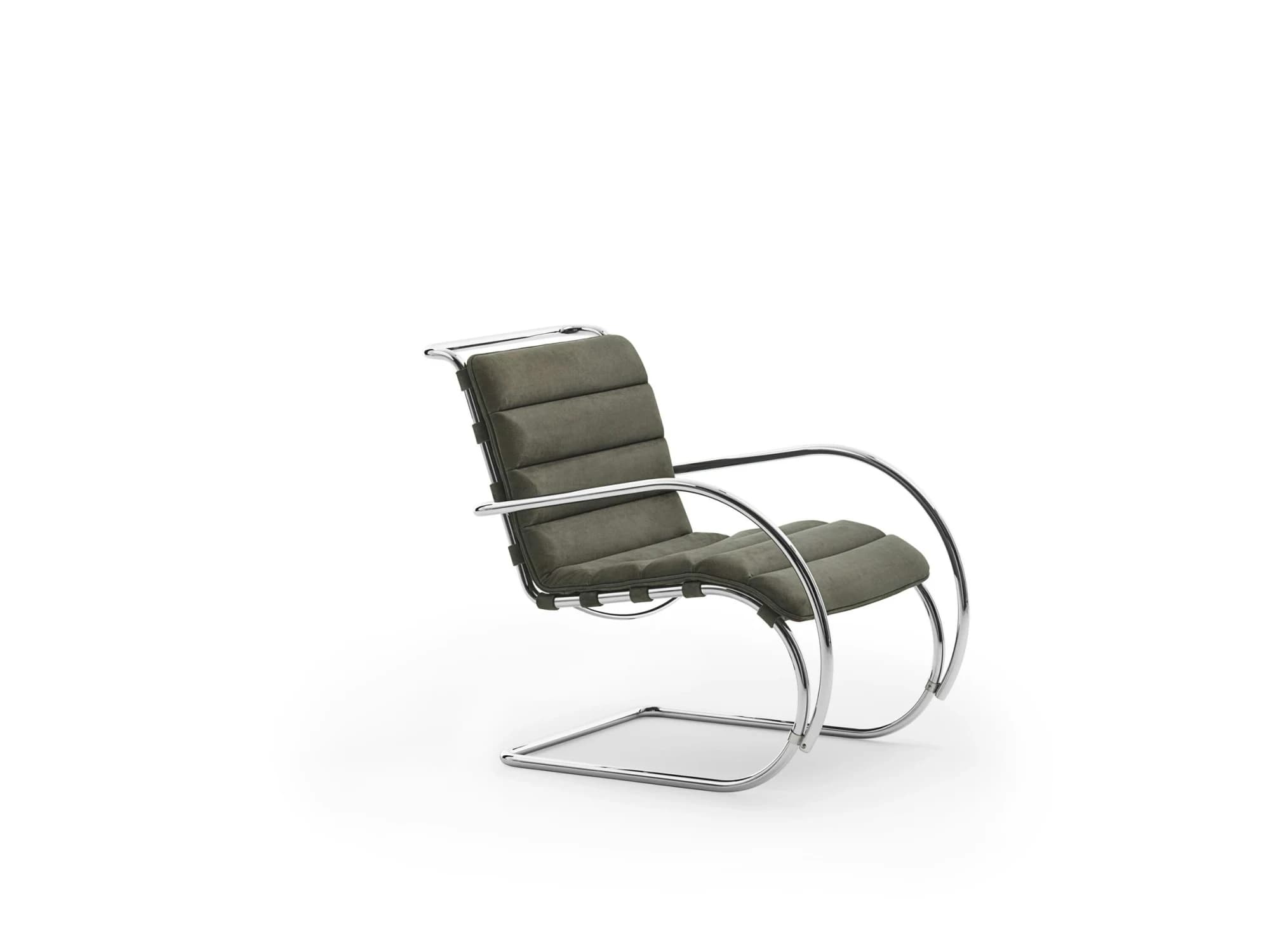
MR Lounge Chair
Mies van der Rohe's 1927 cantilevered lounge chair with a leather cushion, armless or with arms