Image source: Knoll — Barcelona Collection
© Knoll and the respective rights holders. Quoted to accompany INTEBEE's independent design commentary and research.
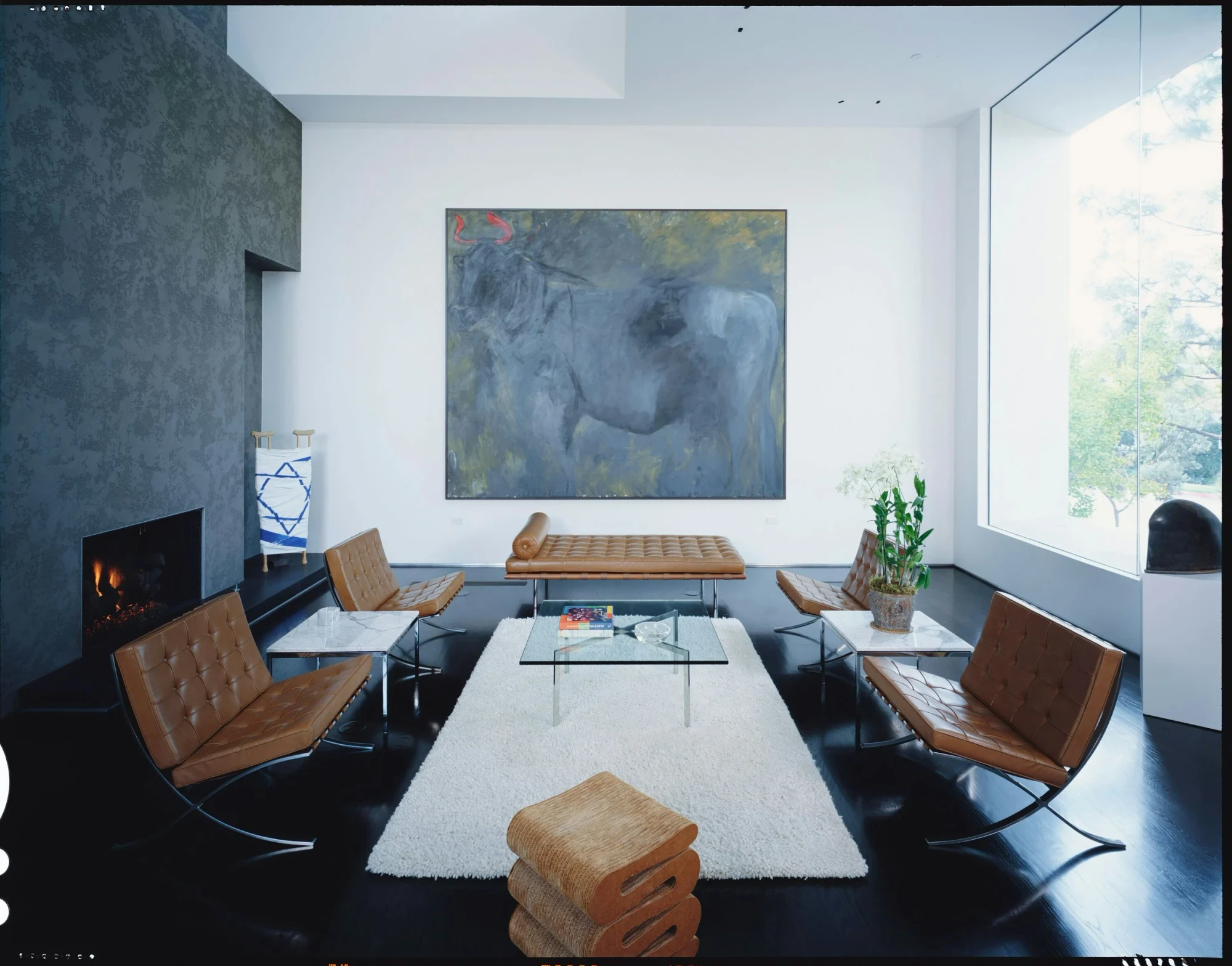


Collection Story
Origin
The Barcelona pieces were first made for the pavilion Ludwig Mies van der Rohe designed for Germany at the Barcelona exposition of 1929. Knoll describes the chair and stool as a resting place for the King and Queen of Spain, and says Mies is thought to have drawn the crisscross frame from the campaign chairs of Ancient Rome.
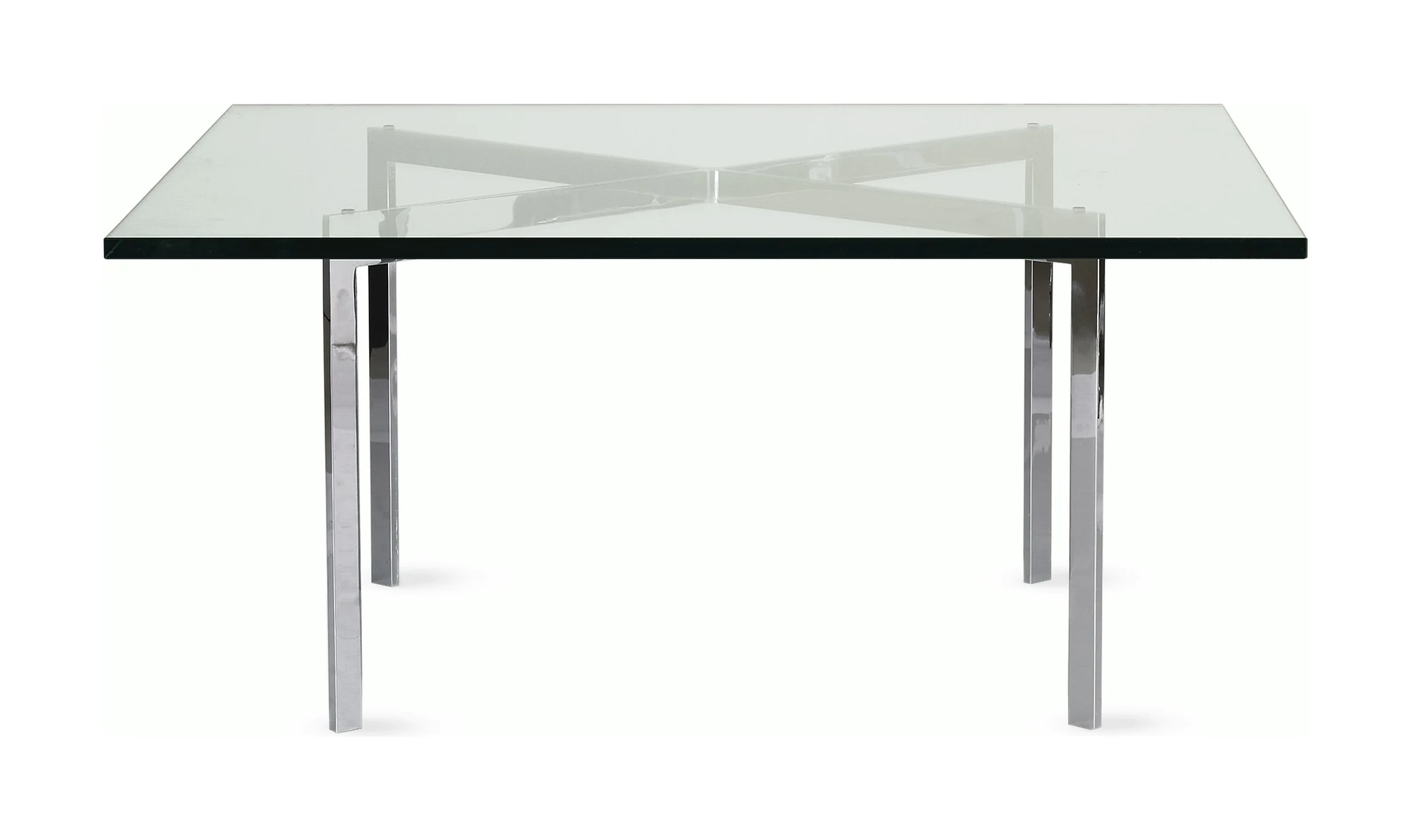 Image source: Knoll — Barcelona Collection · © Knoll and the respective rights holders. Quoted to accompany INTEBEE's independent design commentary and research. · View official website ↗ · Image use & copyright policy
Design Language
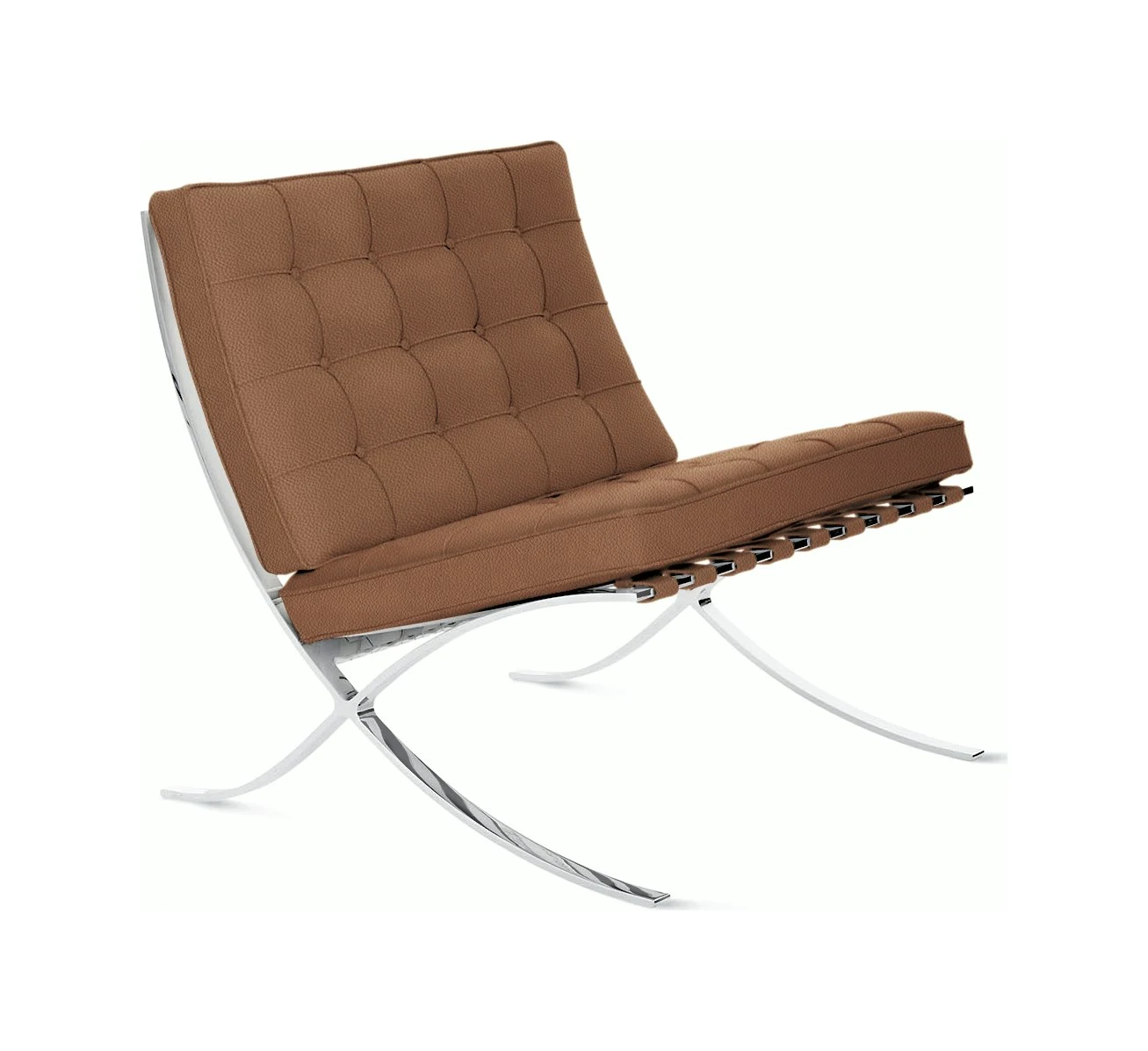
Each piece combines a steel frame with upholstery squares welted together by hand, carried on belting leather straps. Knoll covers the cushions, standard or relaxed, in leather or fabric, on a frame in polished chrome, stainless steel or ultra-matte onyx.
Key Pieces
- Barcelona Chair, in leather or fabric
- Barcelona Stool, in leather or fabric, and a stool with a cowhide sling
- Barcelona Couch, in leather or fabric
- Barcelona Table, a glass top on a chrome base
Pieces in this collection
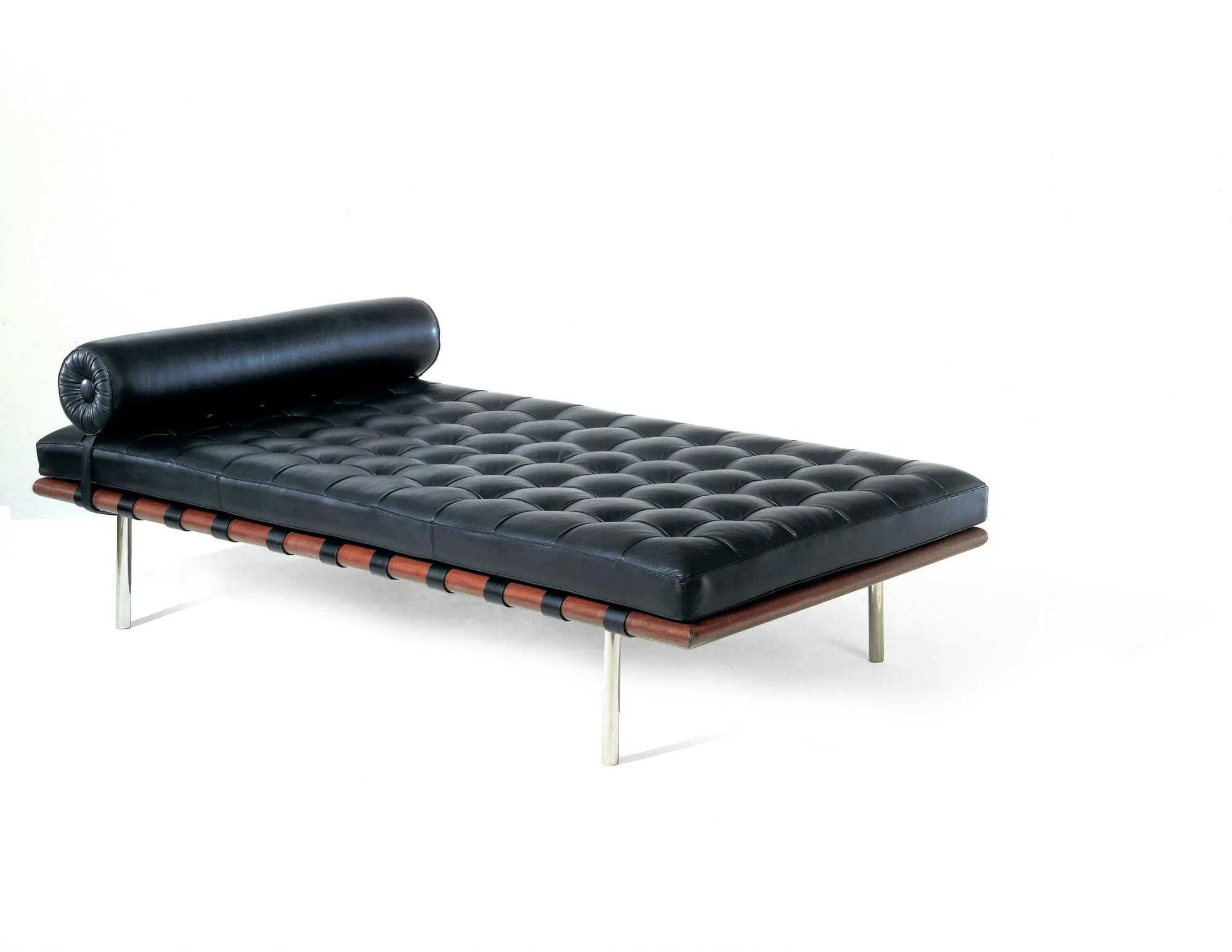
Barcelona Couch
Mies van der Rohe's 1930 couch: tufted cushion on a mahogany platform and steel legs
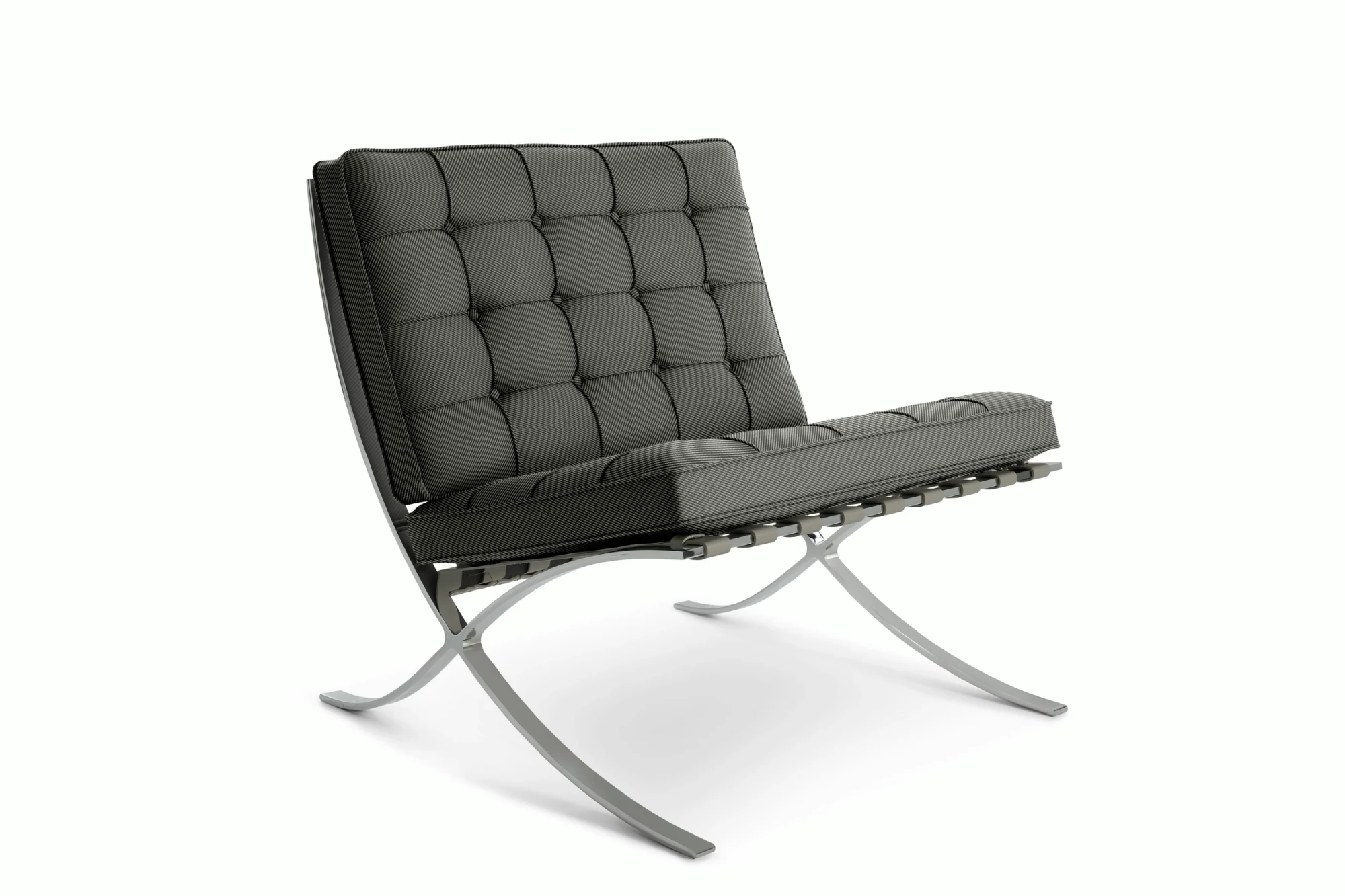
Barcelona Chair
Mies van der Rohe's 1929 lounge chair: steel frame and cushions of 40 hand-welted squares
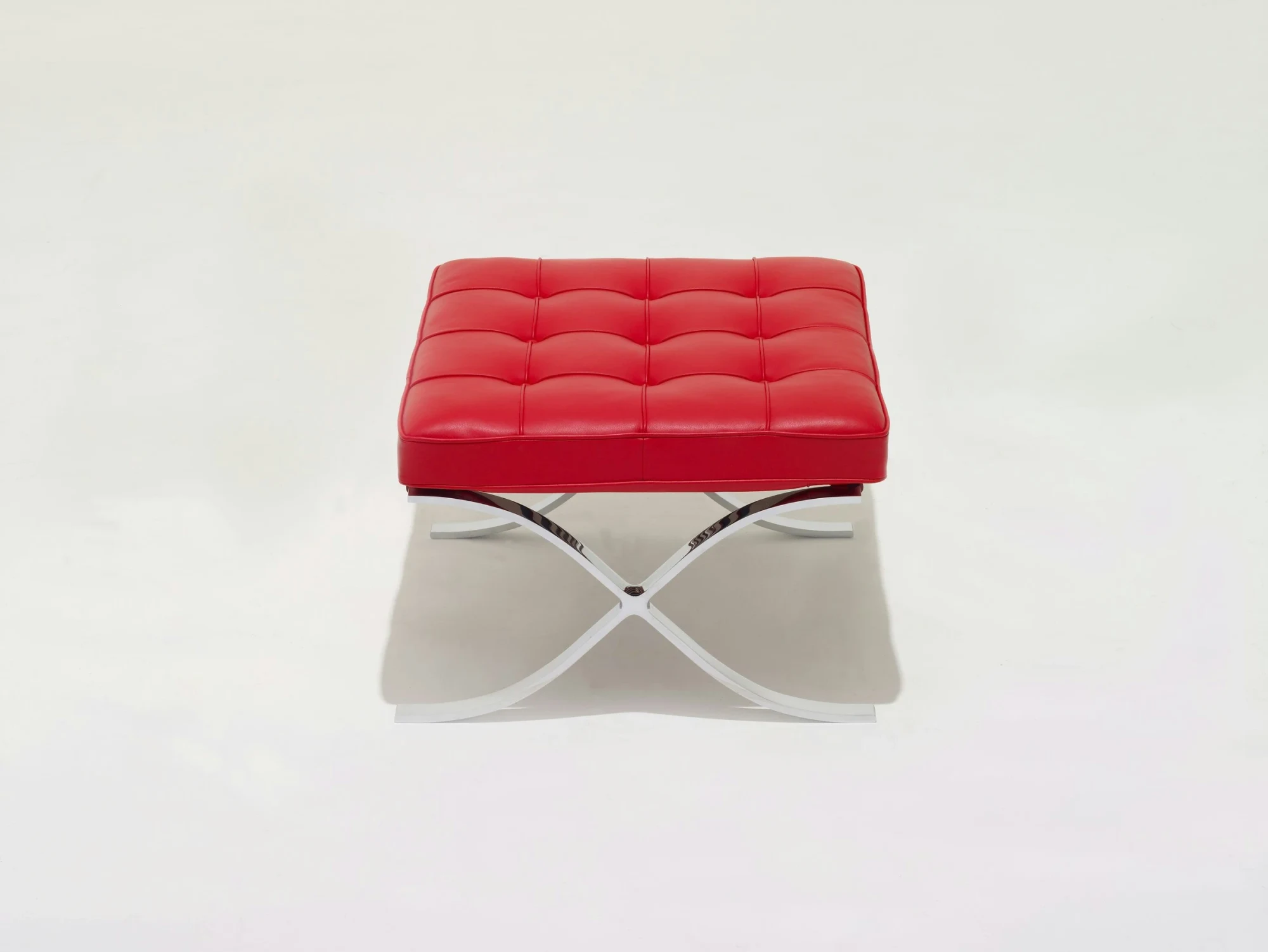
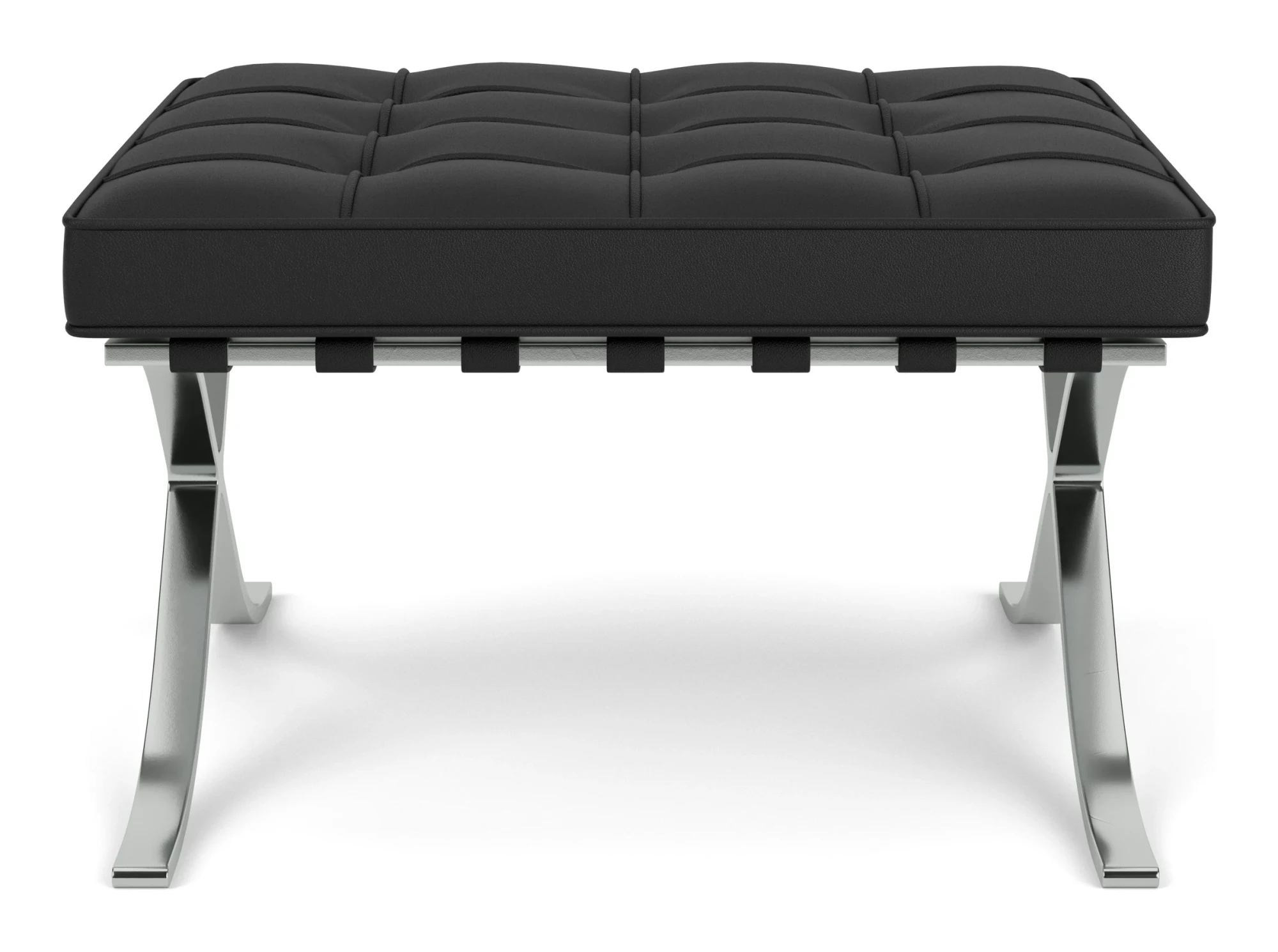
Barcelona Stool
Mies van der Rohe's 1929 Barcelona Stool: a 16-square tufted cushion on a crisscross steel frame
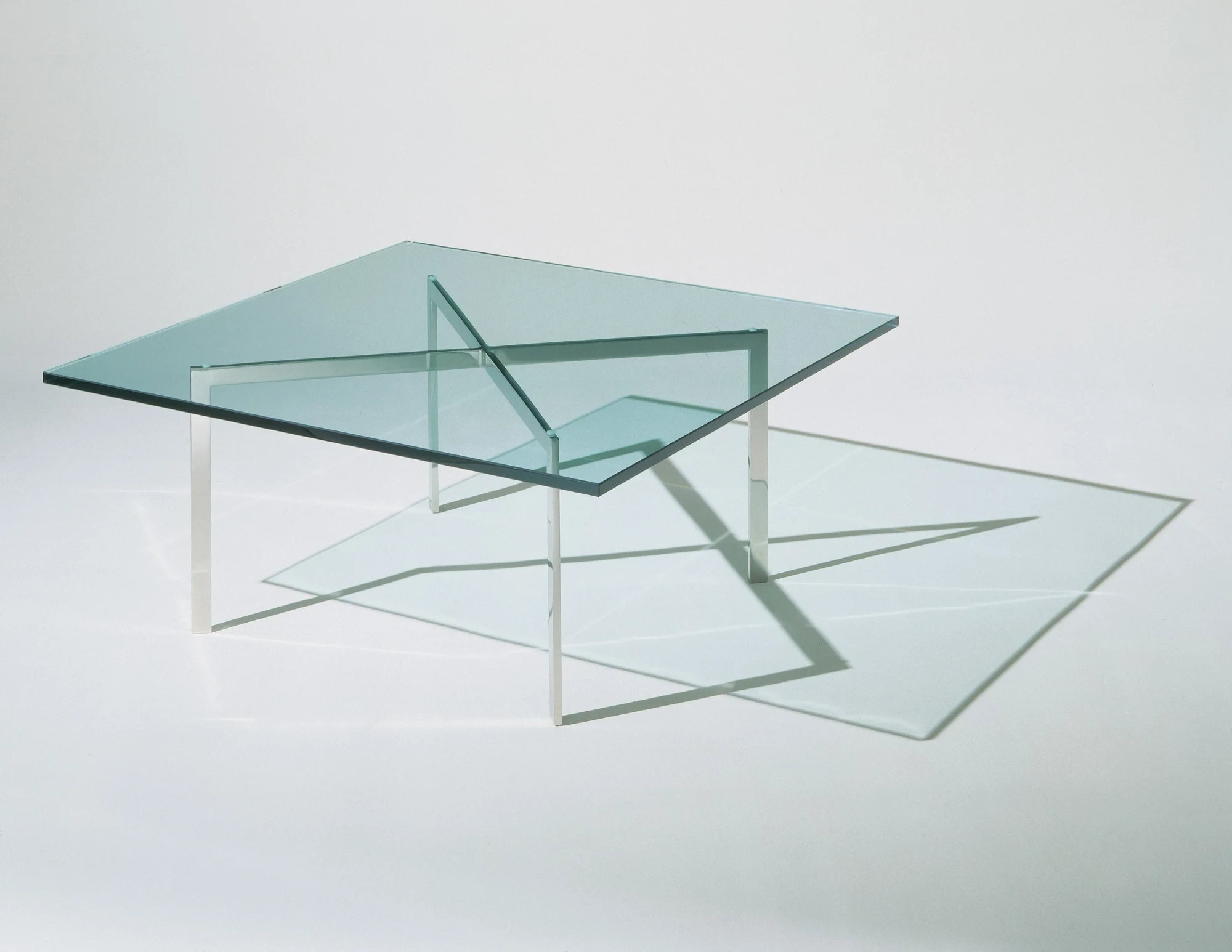
Barcelona Table
Mies van der Rohe's 1929 square coffee table: thick glass on a hand-buffed crisscross chrome base
Specifying pieces from Barcelona Collection for your design project?
INTEBEE is the FF&E specification platform for interior designers: spec sheets, finishes, floor plans and client-ready PDFs in one place.