
Image source: Vitra — Wiggle Stool
© Vitra and the respective rights holders. Quoted to accompany INTEBEE's independent design commentary and research.
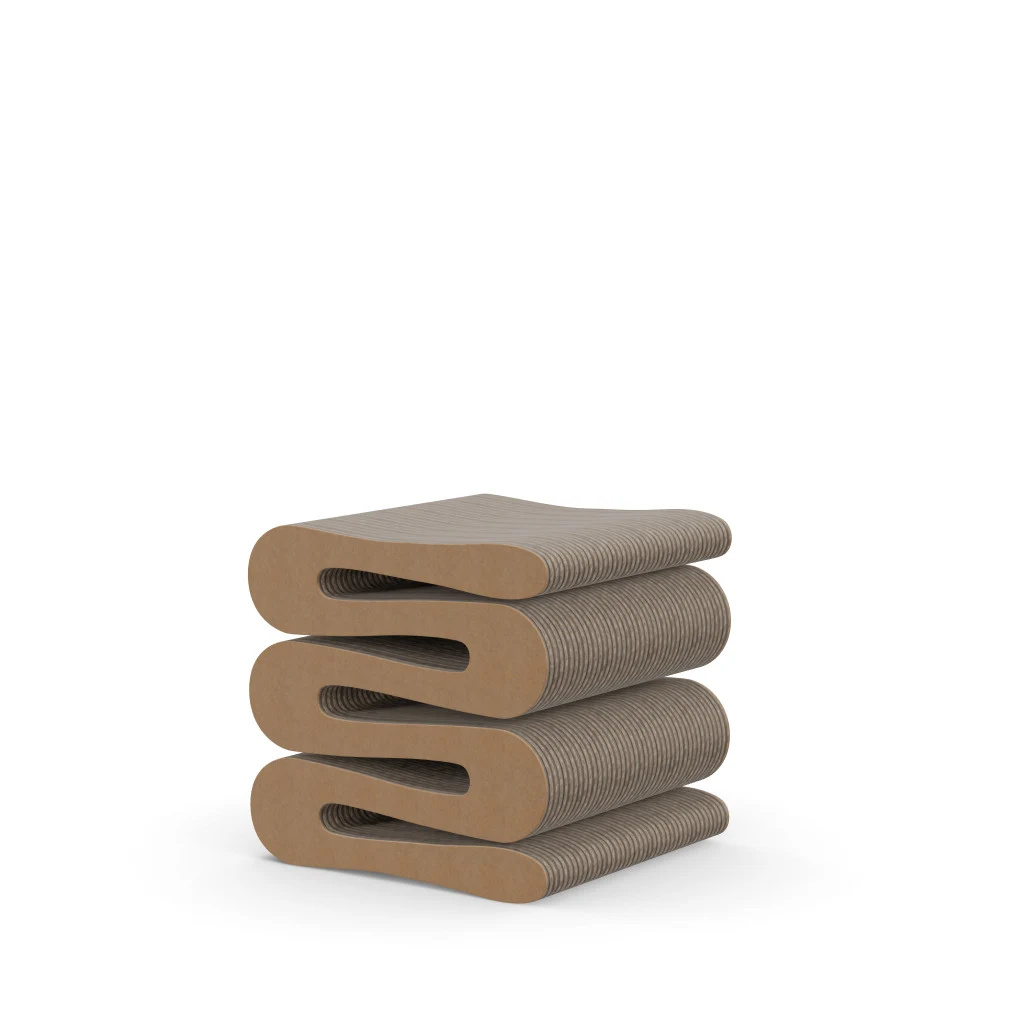
Wiggle Stool
Gehry's 1972 corrugated cardboard stool from the Easy Edges series, with hardboard edges


400 × 406 × 430 mm
1972
Approx. $930 (reference price; varies by region and retailer)
Official product information
INTEBEE AI PUBLIC LIBRARY is an independent furniture design research and discovery platform. Product specifications, finishes, availability and other details may change. For current and definitive information, please refer to the manufacturer's official website.
Go to the official product pageSpecifying Wiggle Stool for your design project?
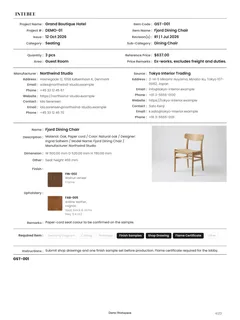
INTEBEE is the FF&E specification platform for interior designers: spec sheets, finishes, floor plans and client-ready PDFs in one place.
Description
Overview
The Wiggle Stool carries the credit Frank Gehry, 1972 and belongs to his Easy Edges furniture series of cardboard pieces. Vitra calls the stool iconic and robust.
Construction
- Corrugated cardboard forms the structure and hardboard the edges
- The hardboard panels are undyed, so Vitra notes slight differences in tone
- One finish: natural
Specifications
- Fact sheet drawing: 400 mm wide, 430 mm deep, 406 mm high (the drawing names no axes)
Story
A stool from the Easy Edges series
Vitra's page places the Wiggle Stool in Frank Gehry's 1972 series "Easy Edges", which introduced a new aesthetic dimension to cardboard, an everyday material.
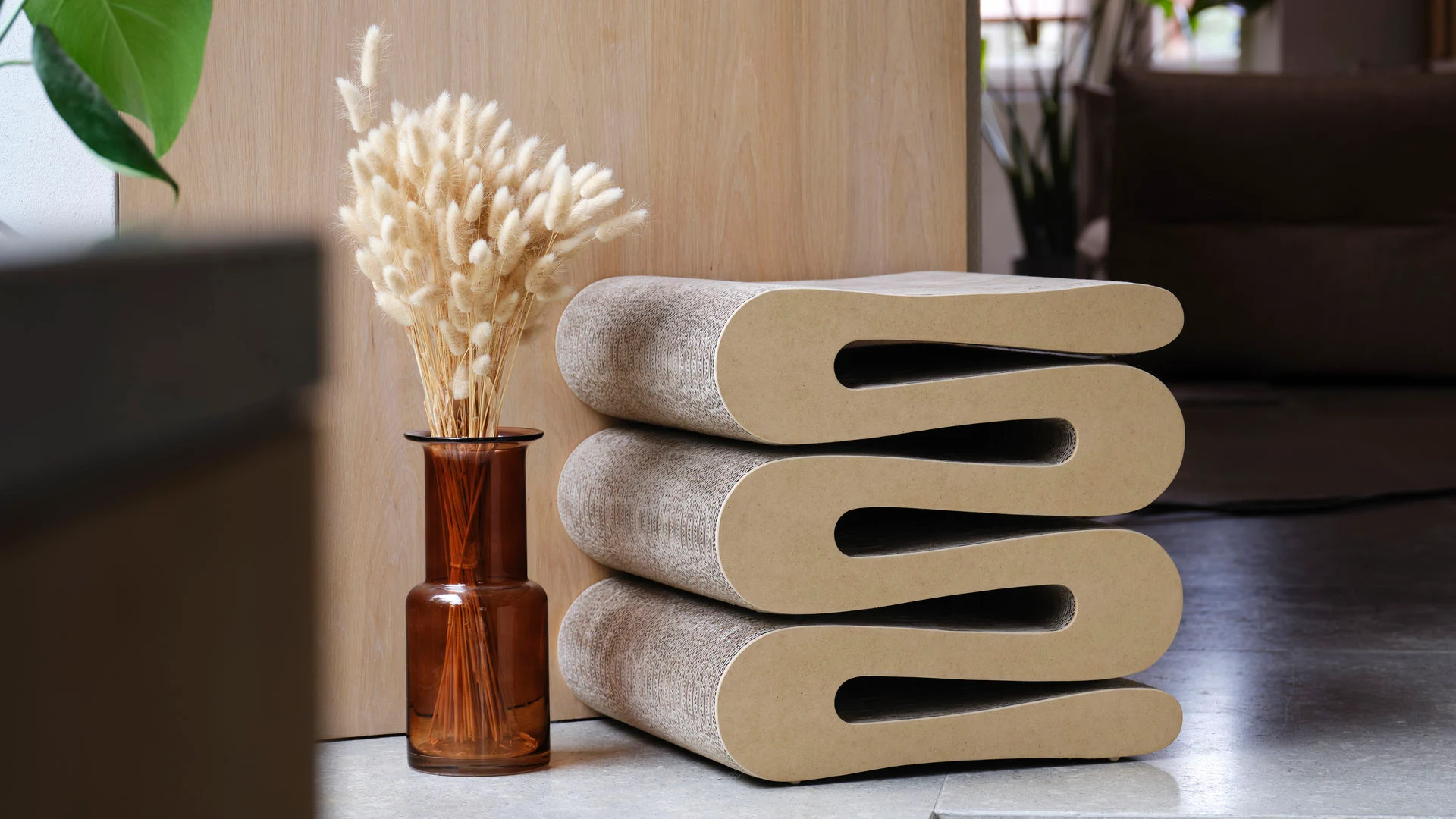 Image source: Vitra — Wiggle Stool · © Vitra and the respective rights holders. Quoted to accompany INTEBEE's independent design commentary and research. · View official product page ↗ · Image use & copyright policy
Iconic and robust
The page calls the stool iconic and robust, and says it lends a striking note to any interior. Its credit line reads Frank Gehry, 1972.
More by Frank Gehry
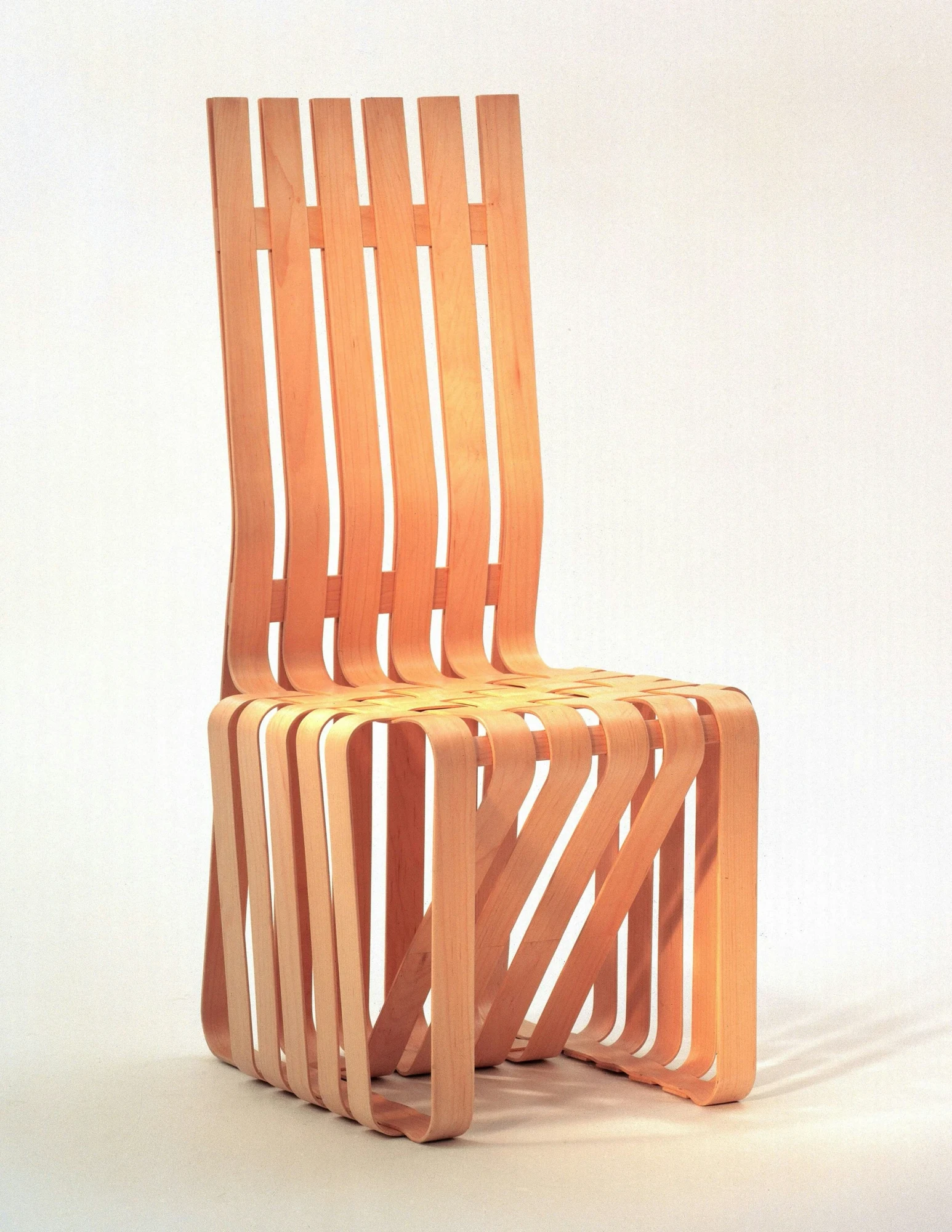
High Sticking Chair
Frank Gehry's tall-backed maple-strip chair with woven flex, lumbar curve and optional cushion
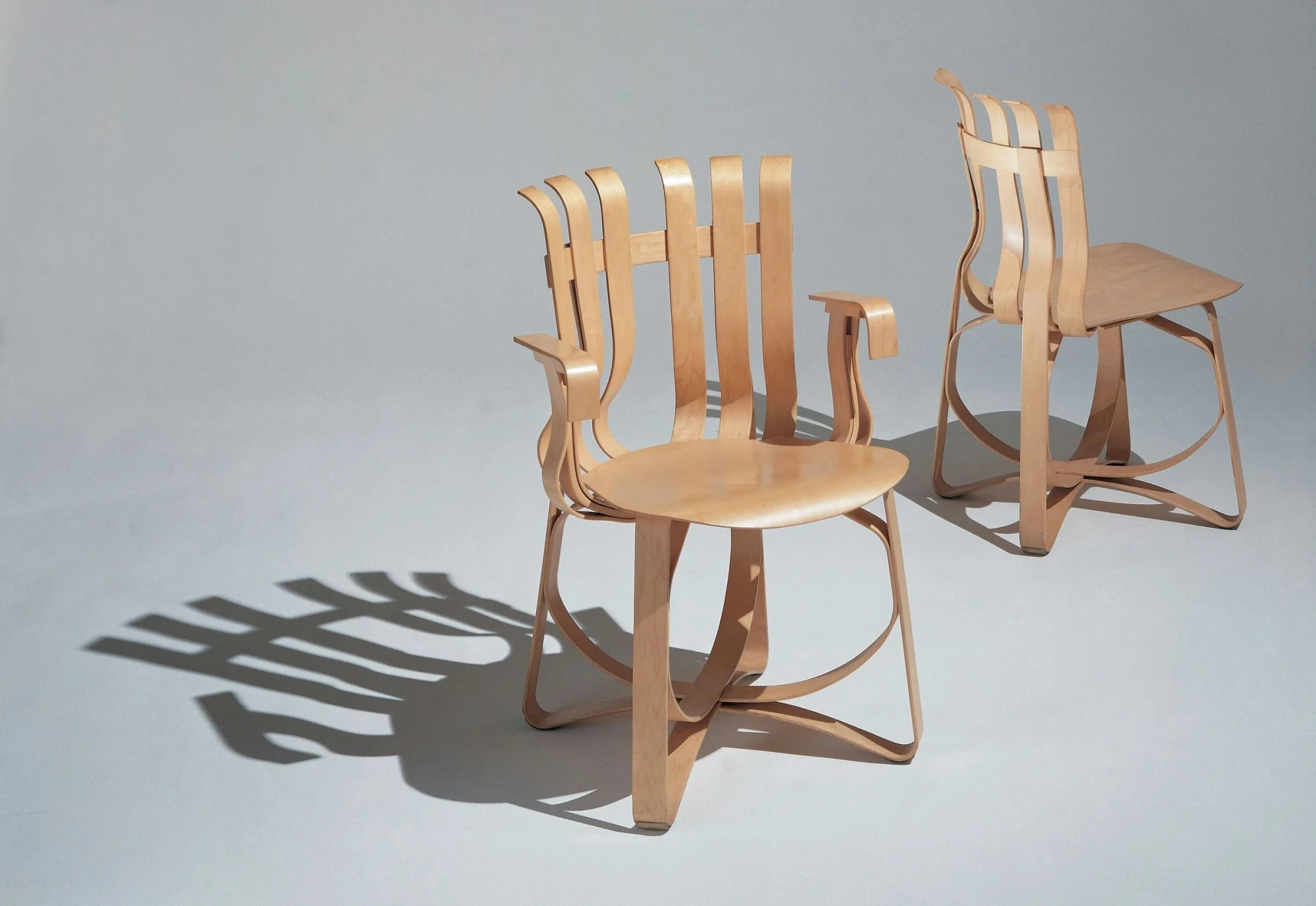
Hat Trick Chair
A flexible armless side chair formed from laminated maple strips and a rigid cross-ply seat
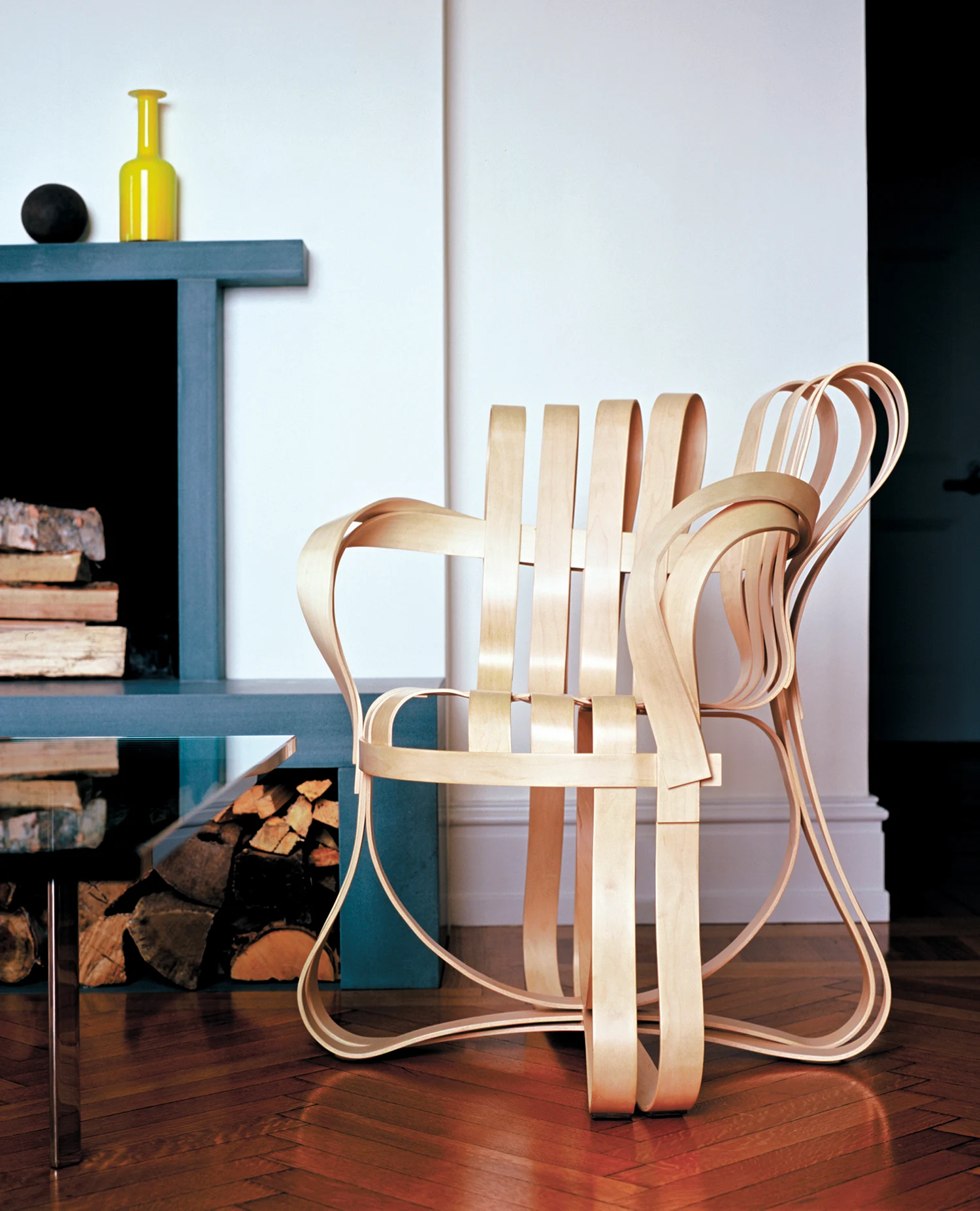
Cross Check Chair
Frank Gehry's interwoven maple dining armchair with structure and seat formed from slender strips
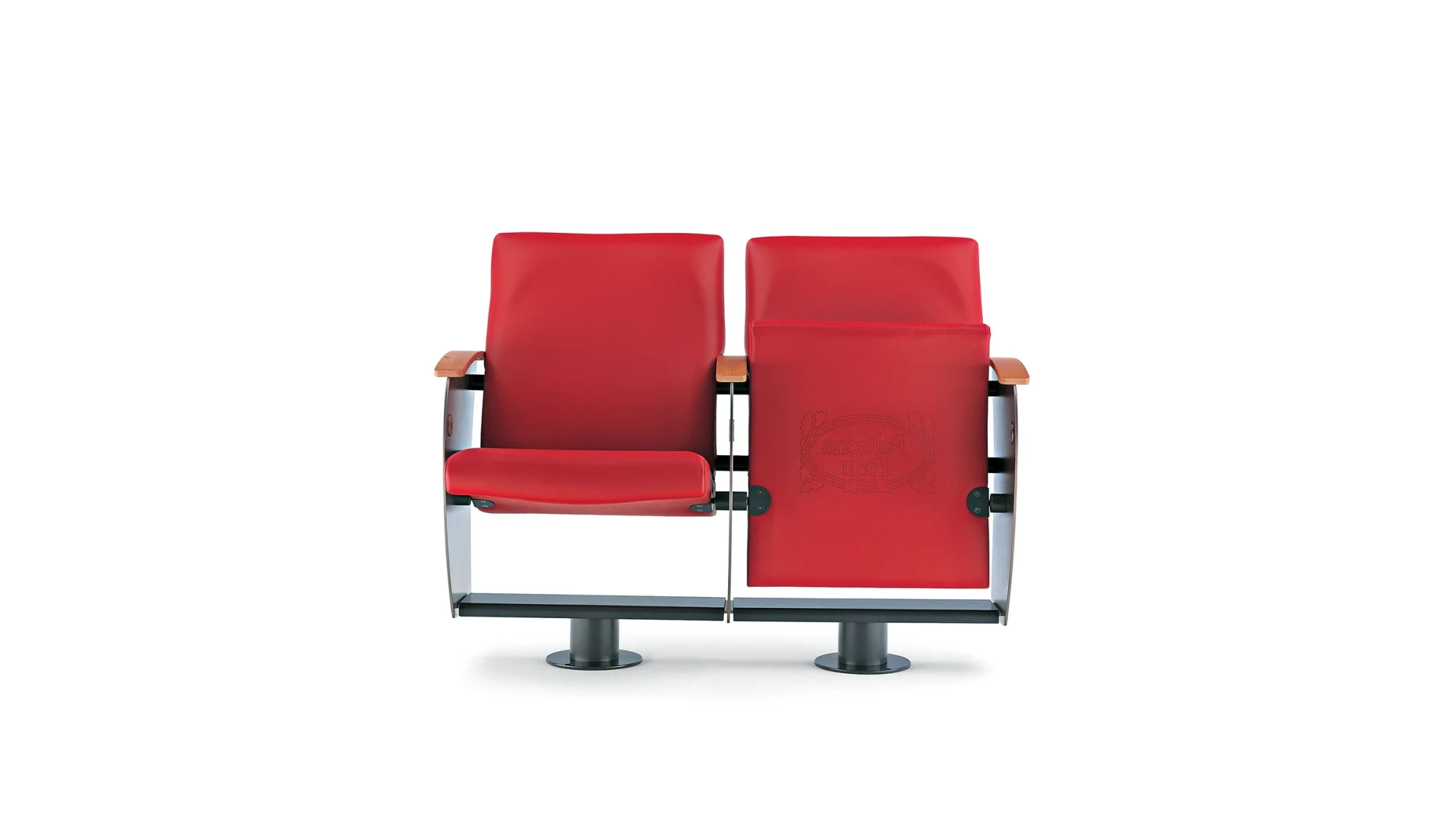
Frank O Gehry Chair
A row-mounted auditorium chair created for Walt Disney Concert Hall