
D.847.1
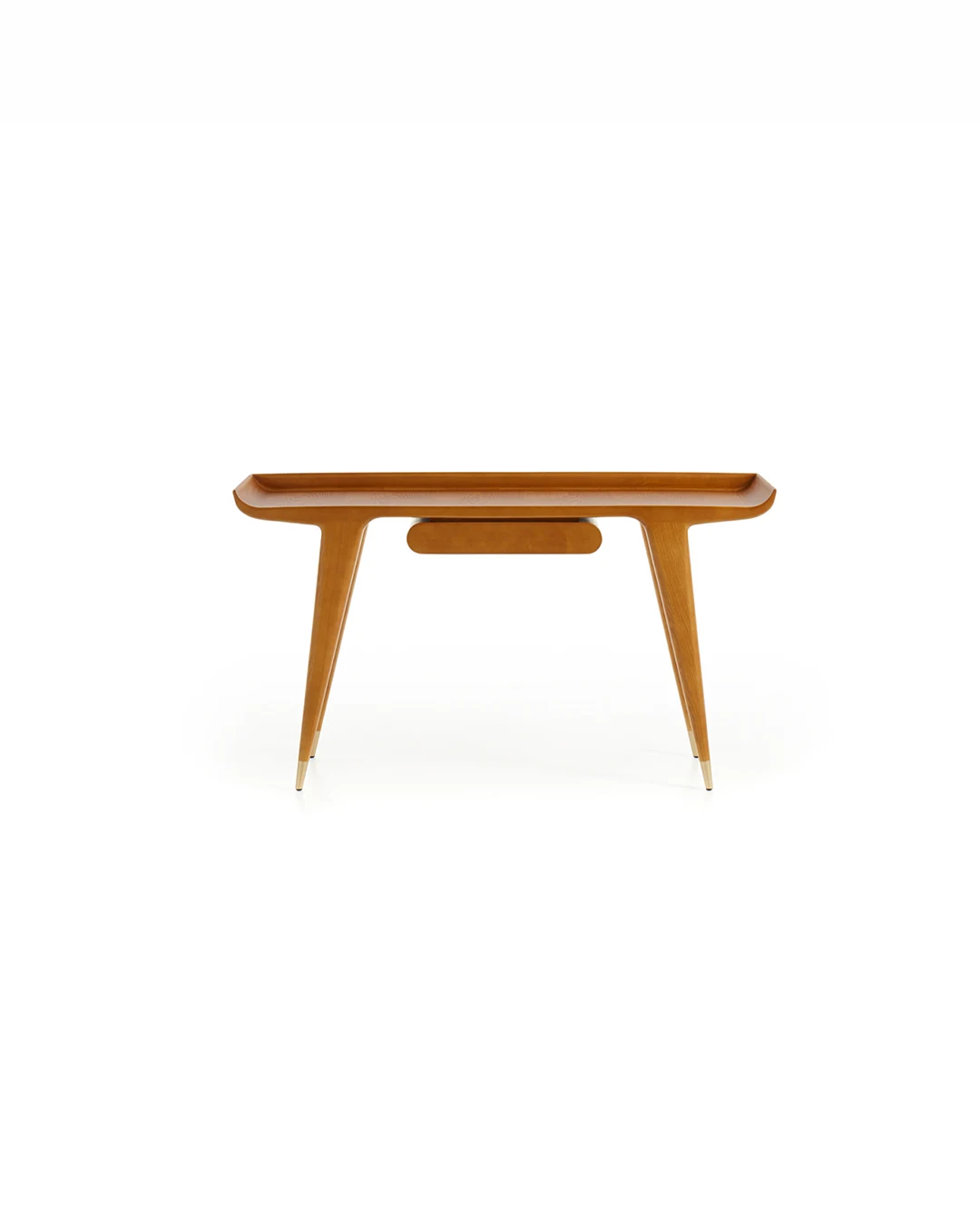
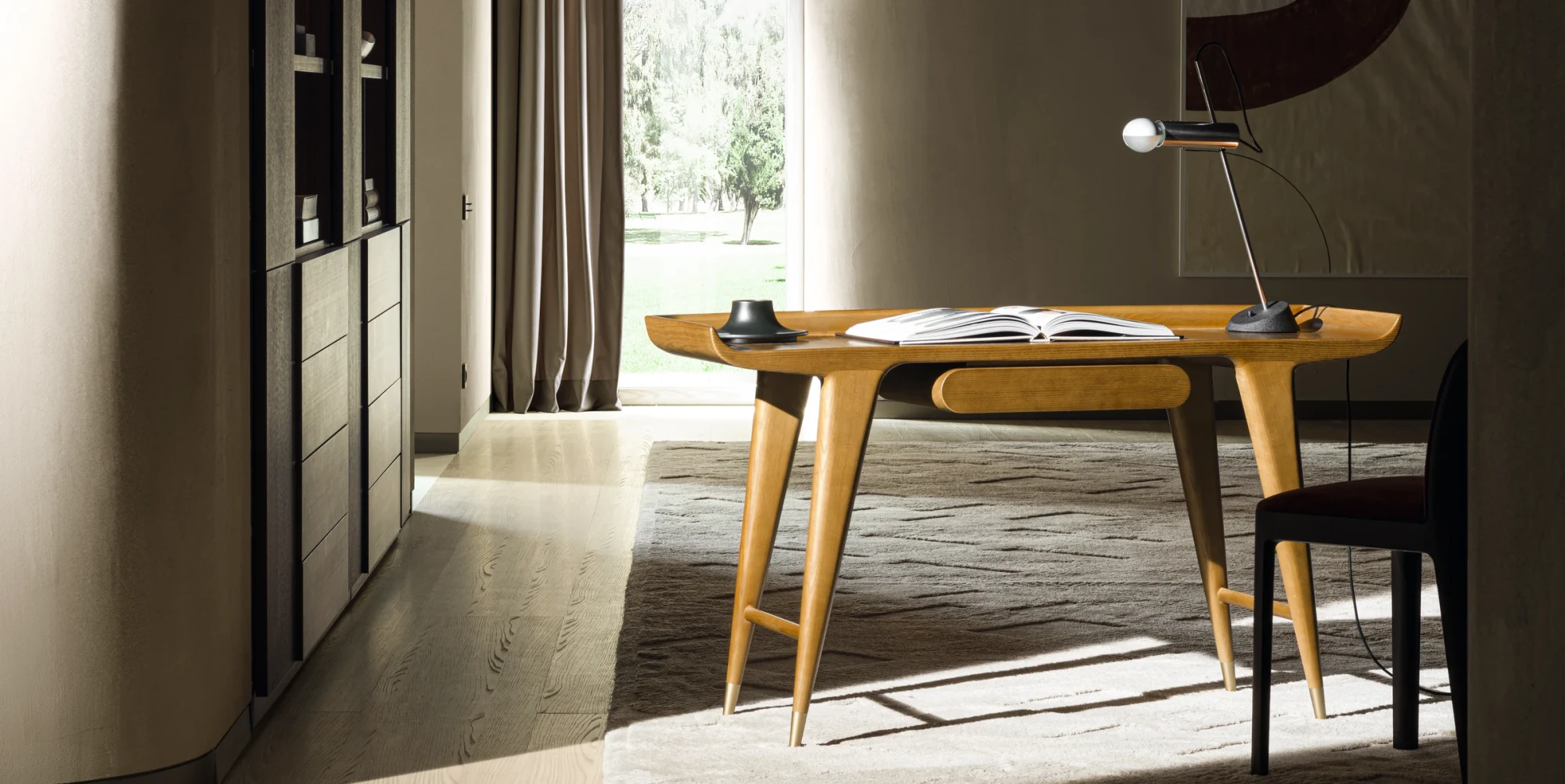
Ponti's 1947 solid ash writing desk, with a wing-inspired top and a small rounded drawer.


1340 × 785 × 400 mm
Source: spec sheet PDF — D.847.1 writing desk
1947
Description
Overview
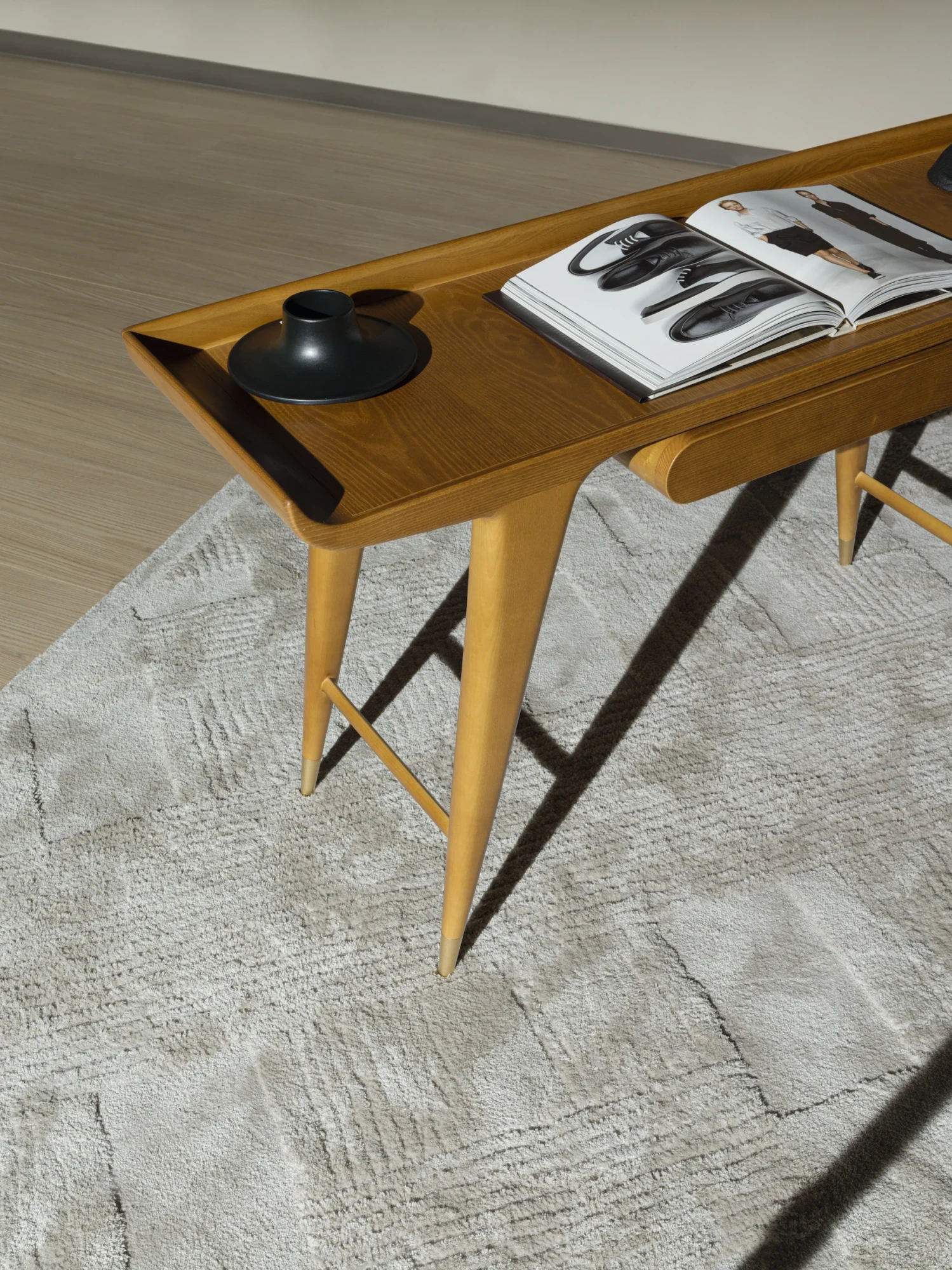
D.847.1 is a writing desk by Gio Ponti, designed in 1947 and reissued by Molteni&C in 2021. The page describes a curved top inspired by the form of an airplane wing, sweeping ends that soften the silhouette and a drawer with a subtly rounded front, all in solid wood.
Construction
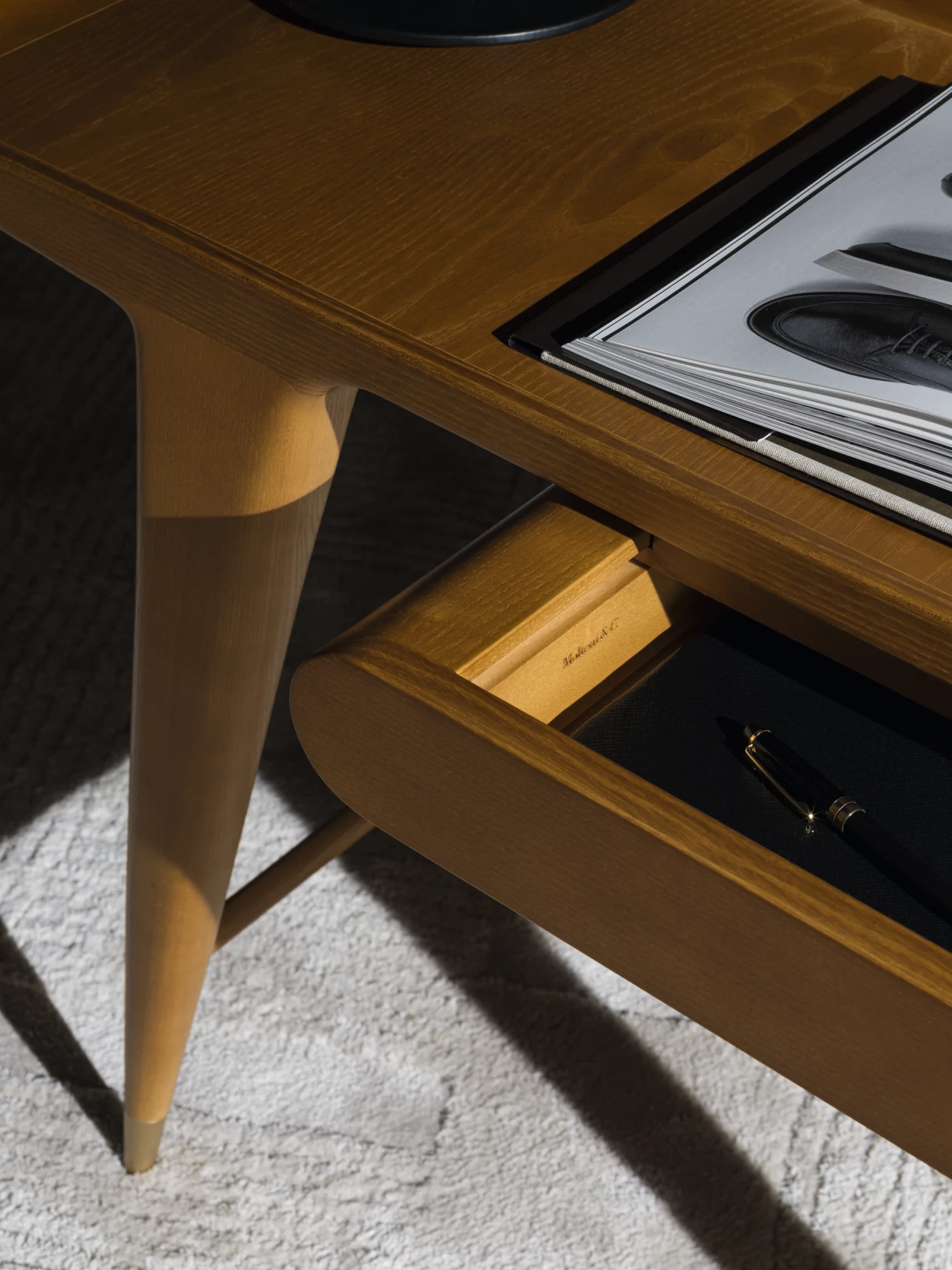
The structure and the drawer are solid ash (Fraxinus excelsior), painted in the product's honey stained variant. The top is a medium-density fibreboard support with solid ash edges, covered with ash veneer in the same finish. The feet are satin brass with a plastic floor support, and the drawer runs on wooden runners.
Specifications
- D.847.1, writing desk: 134 cm wide, 40 cm deep, 78.5 cm on the vertical dimension line (not labelled on the drawing)
Story
A bachelor's bedroom, 1947
The datasheet places the desk in 1947, when Ponti designed a "bedroom for a bachelor", shown first at the Galleria del Sagrato, then at the RIMA exhibition at the Triennale, both in Milan, and finally at the XVI International Exhibition in Barcelona in 1948. After the war he had approached an important aircraft manufacturer that owned a factory for gliders, where wood and cloth were the common raw materials; the sheet calls the move into furniture, and also wooden toys, a natural step.
Aviation know-how
The page says that for the original production Ponti worked with that manufacturer and applied its aviation expertise to furniture. It names the small drawer with a rounded front as a feature that became a hallmark of many of his later works.
More by Gio Ponti
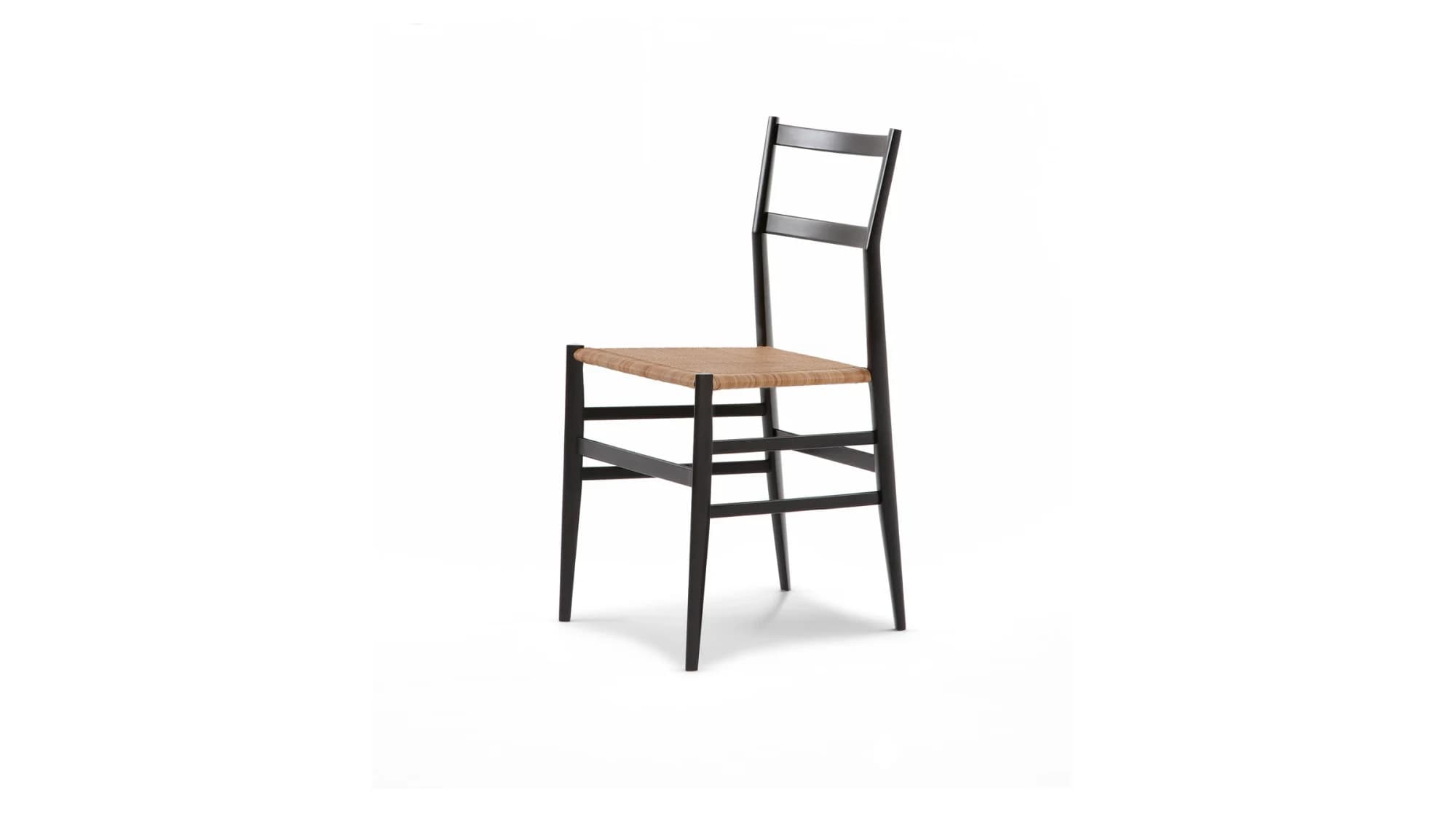
699 Superleggera
Gio Ponti's 1957 ash chair with 18 mm triangular legs and a hand-woven or upholstered seat.
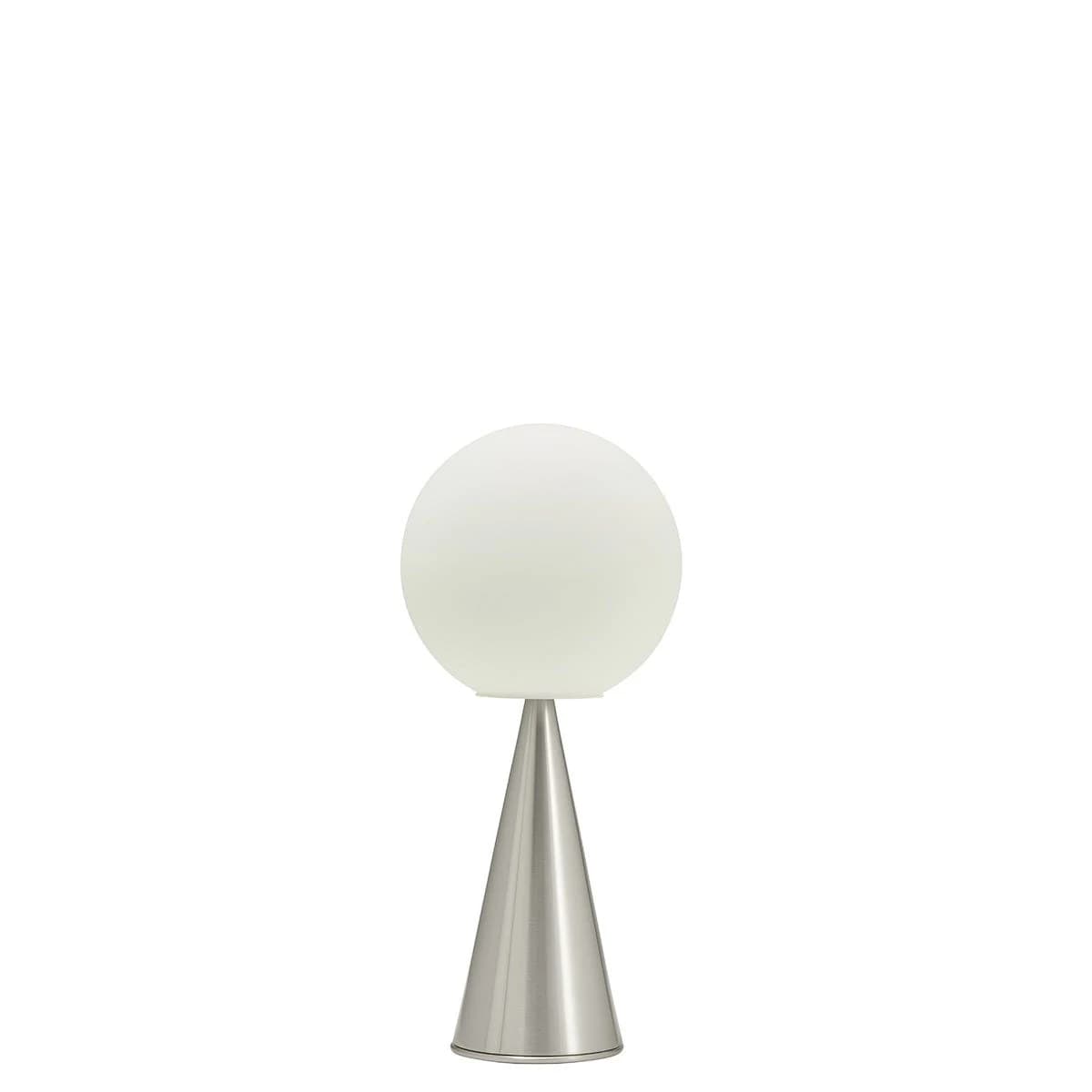
Bilia
Gio Ponti's 1932 table lamp: a frosted glass sphere balanced on a metal cone.
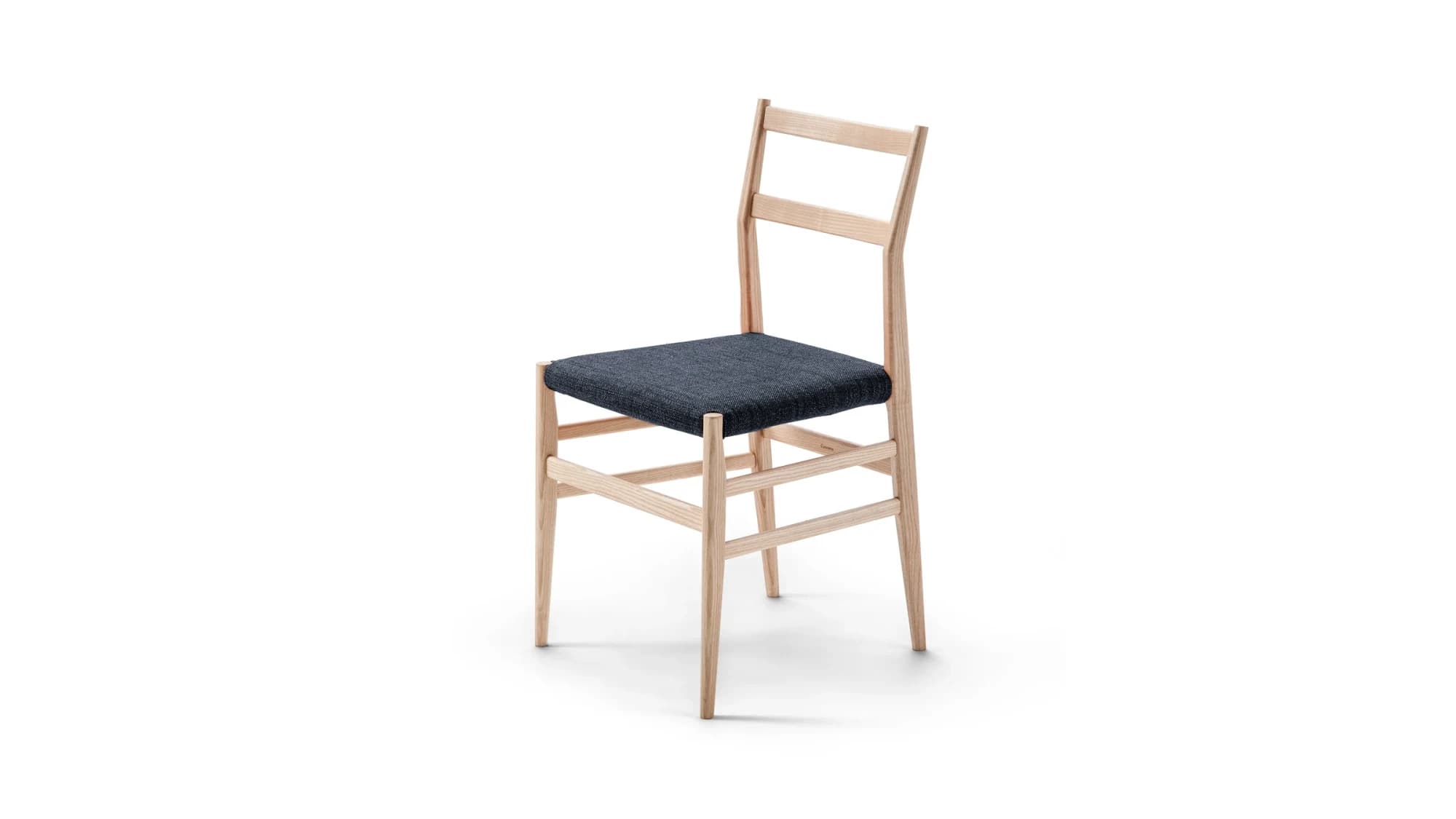
Leggera Chair
Wood chair and armchair by Gio Ponti, 1952, with an upholstered seat; made by Cassina.
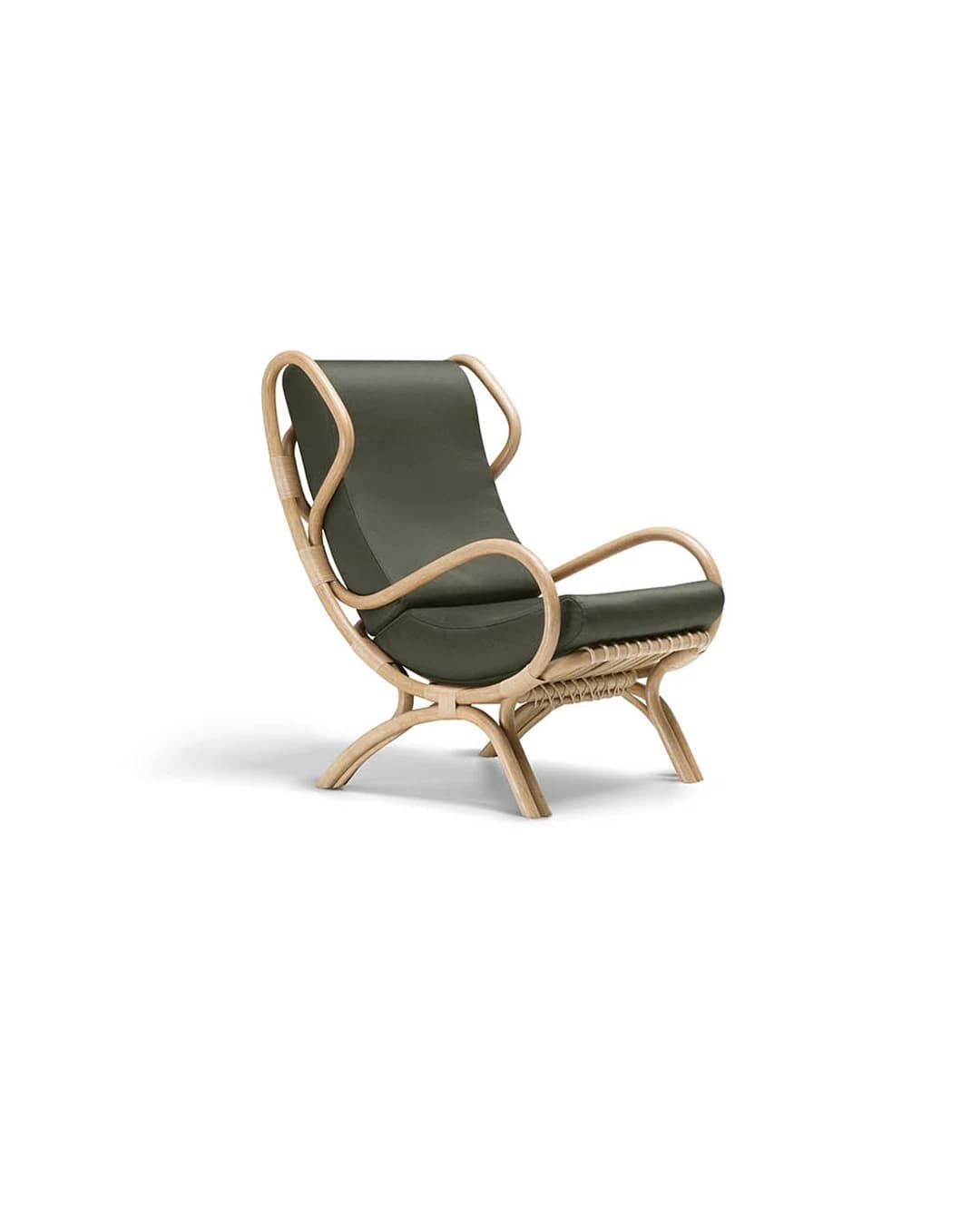
Continuum D.163.7
Gio Ponti's 1963 rattan armchair, hand-curved and made in Italy with Bonacina 1889.