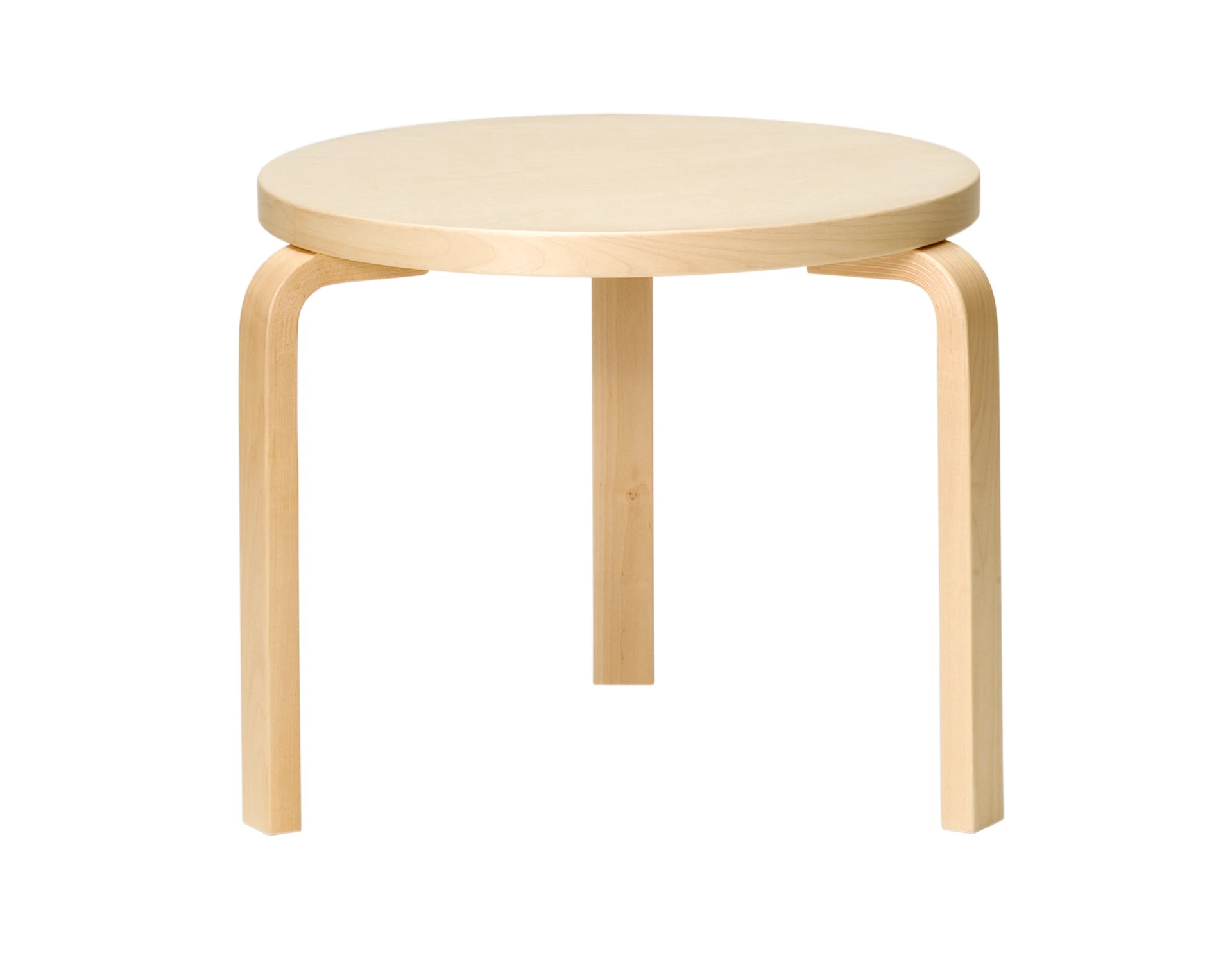
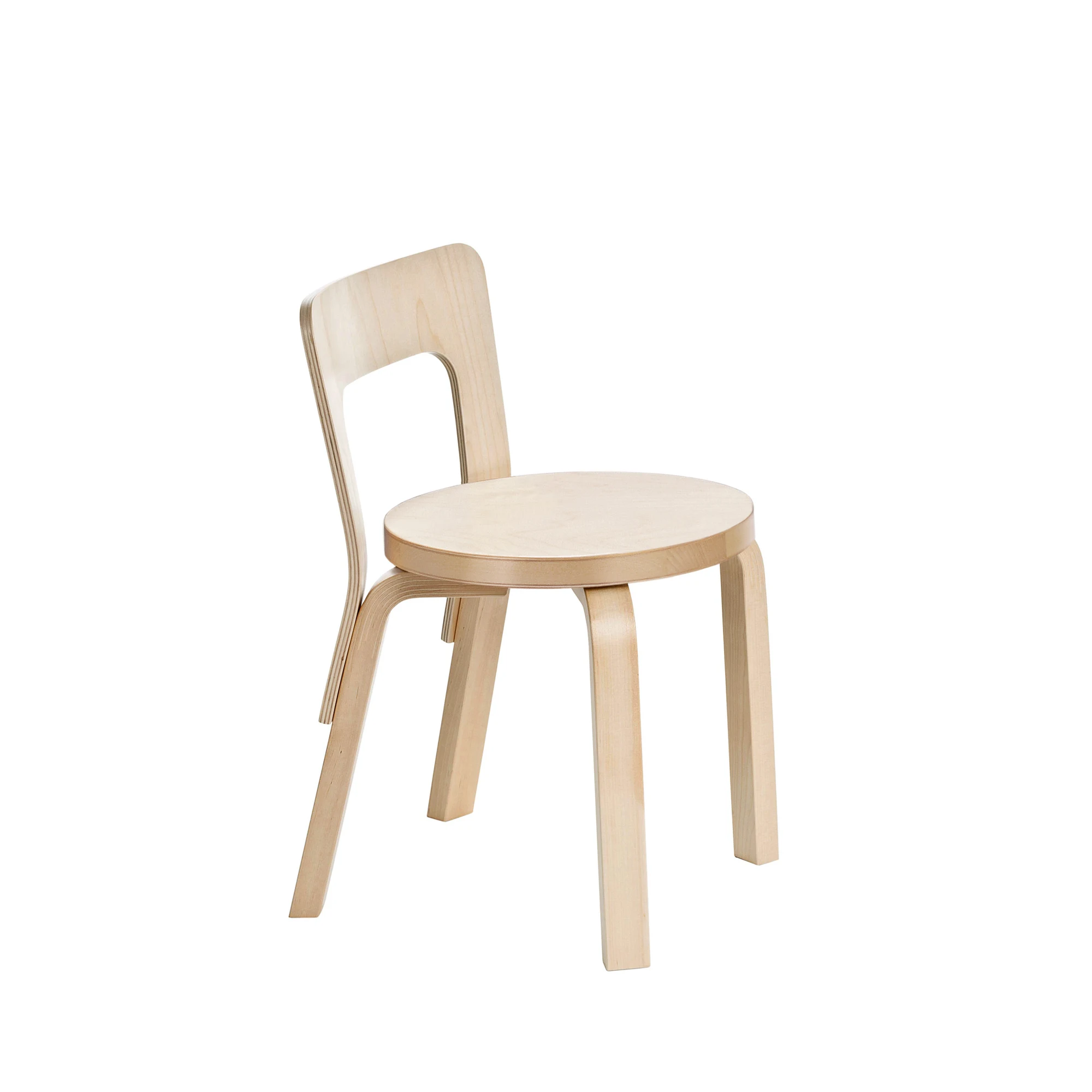
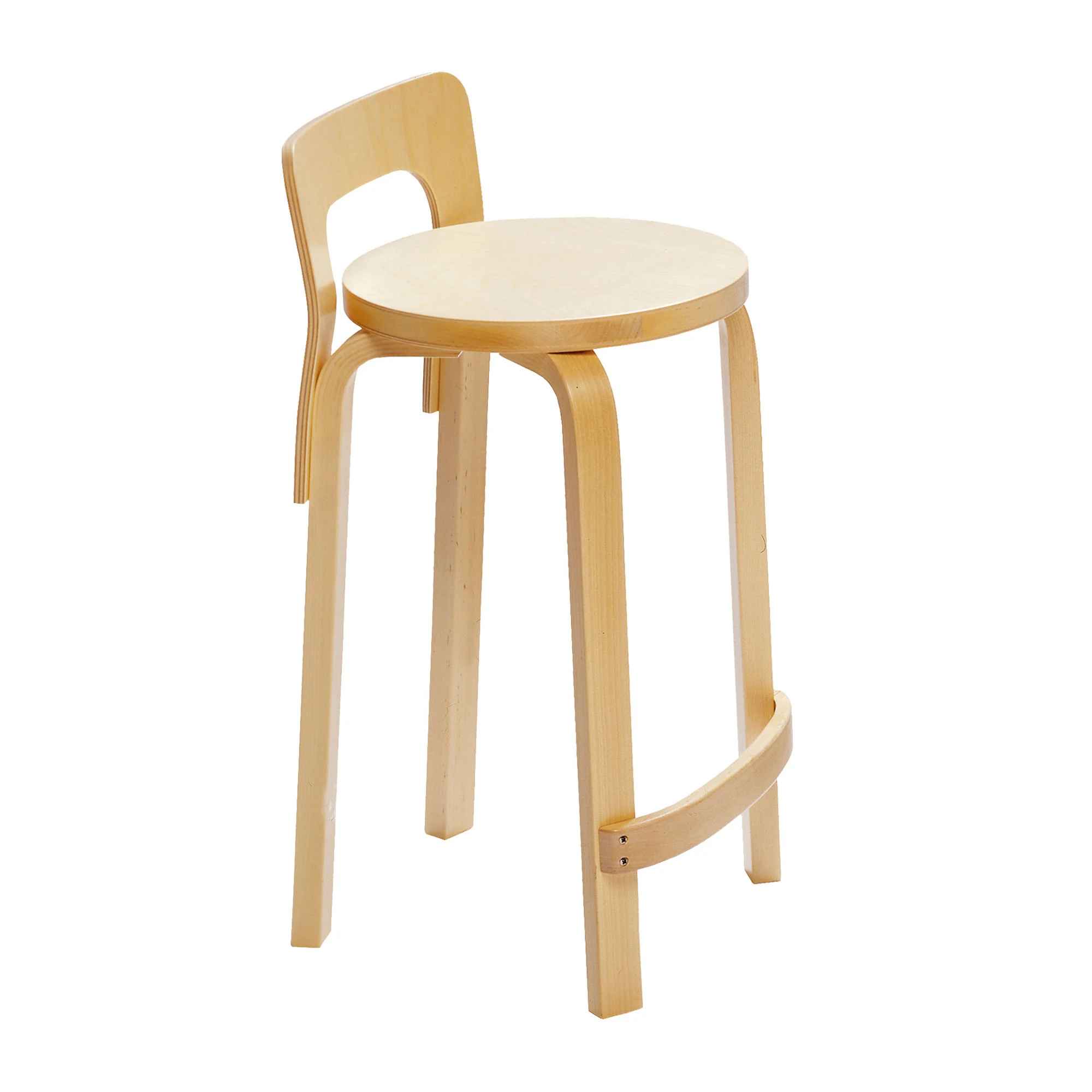
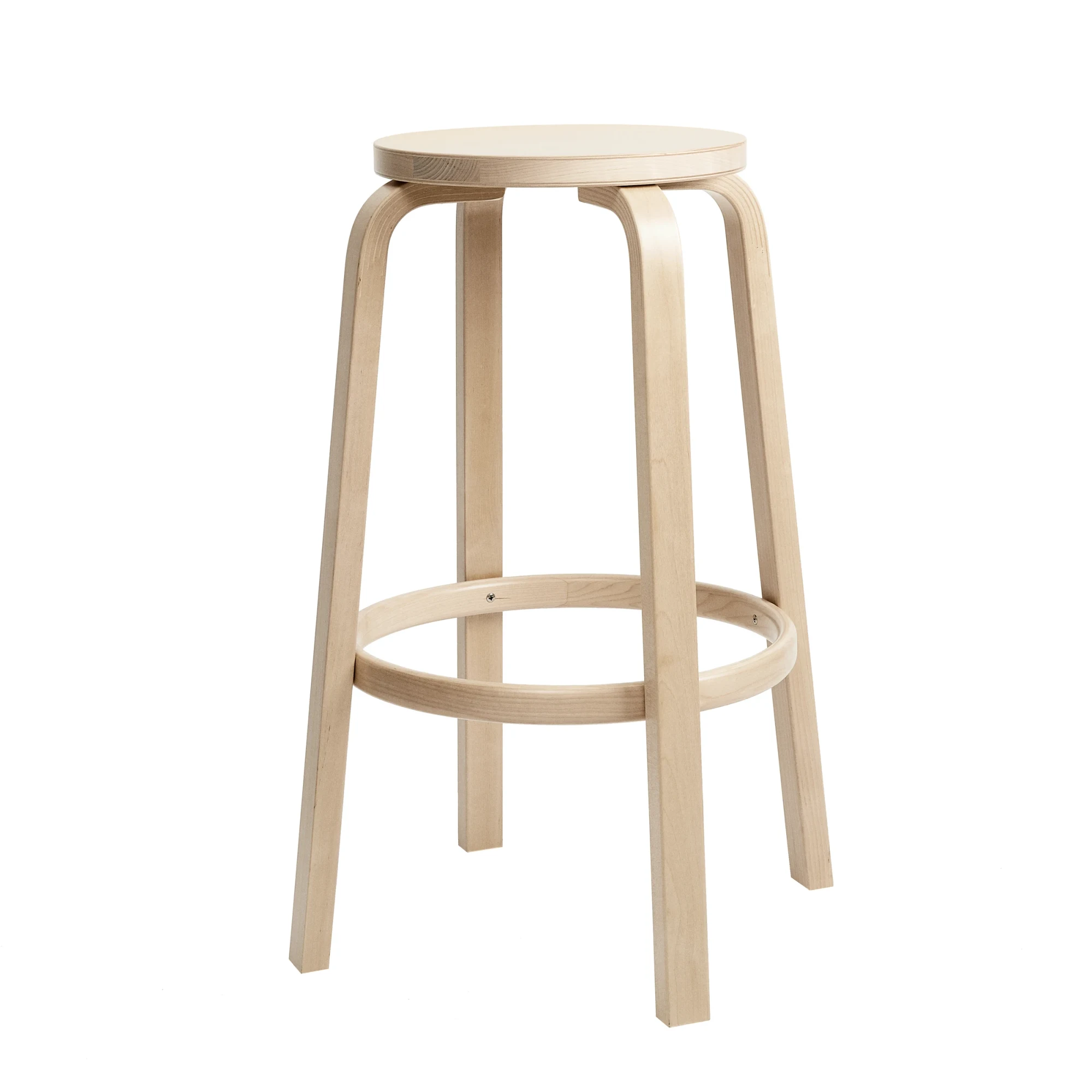
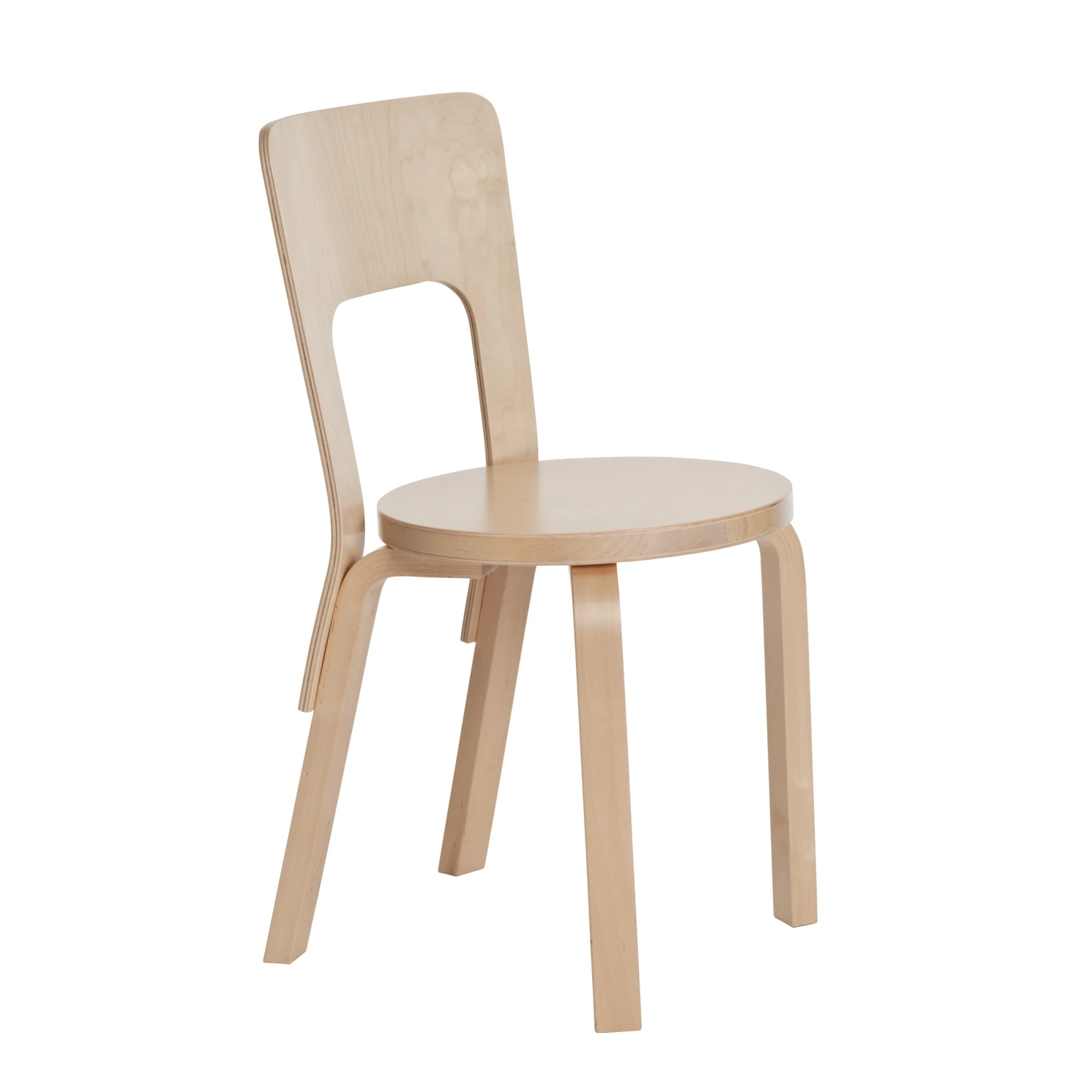
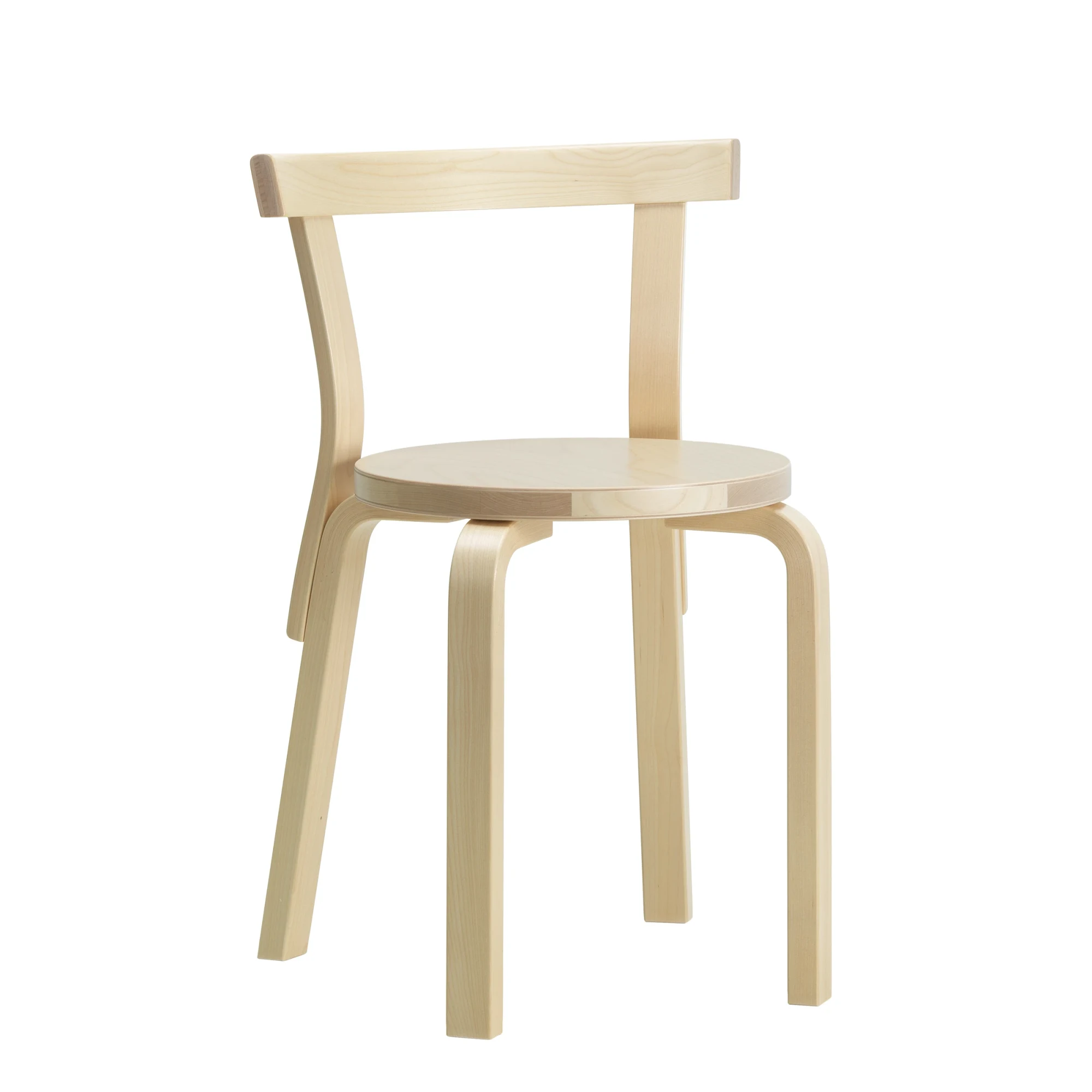
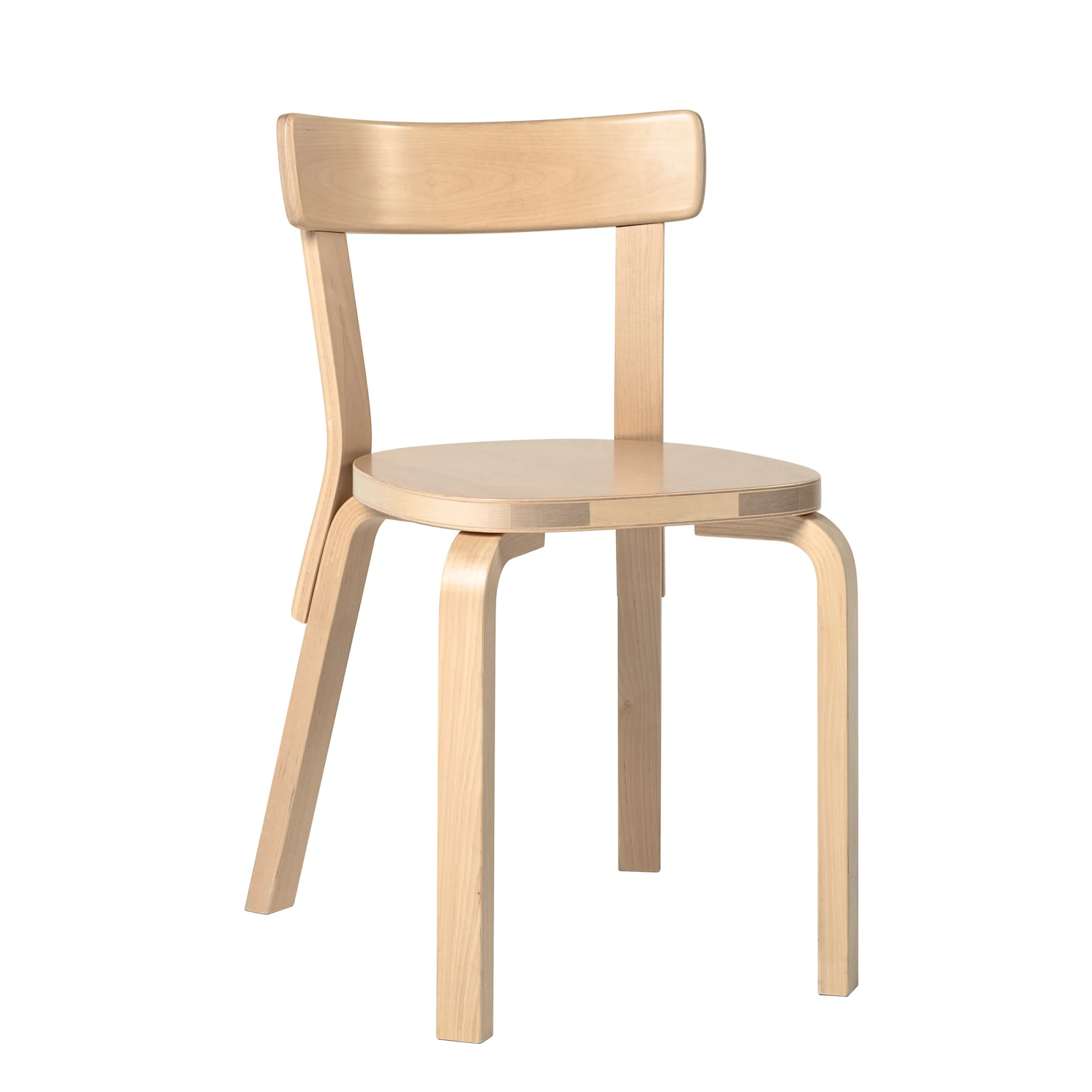
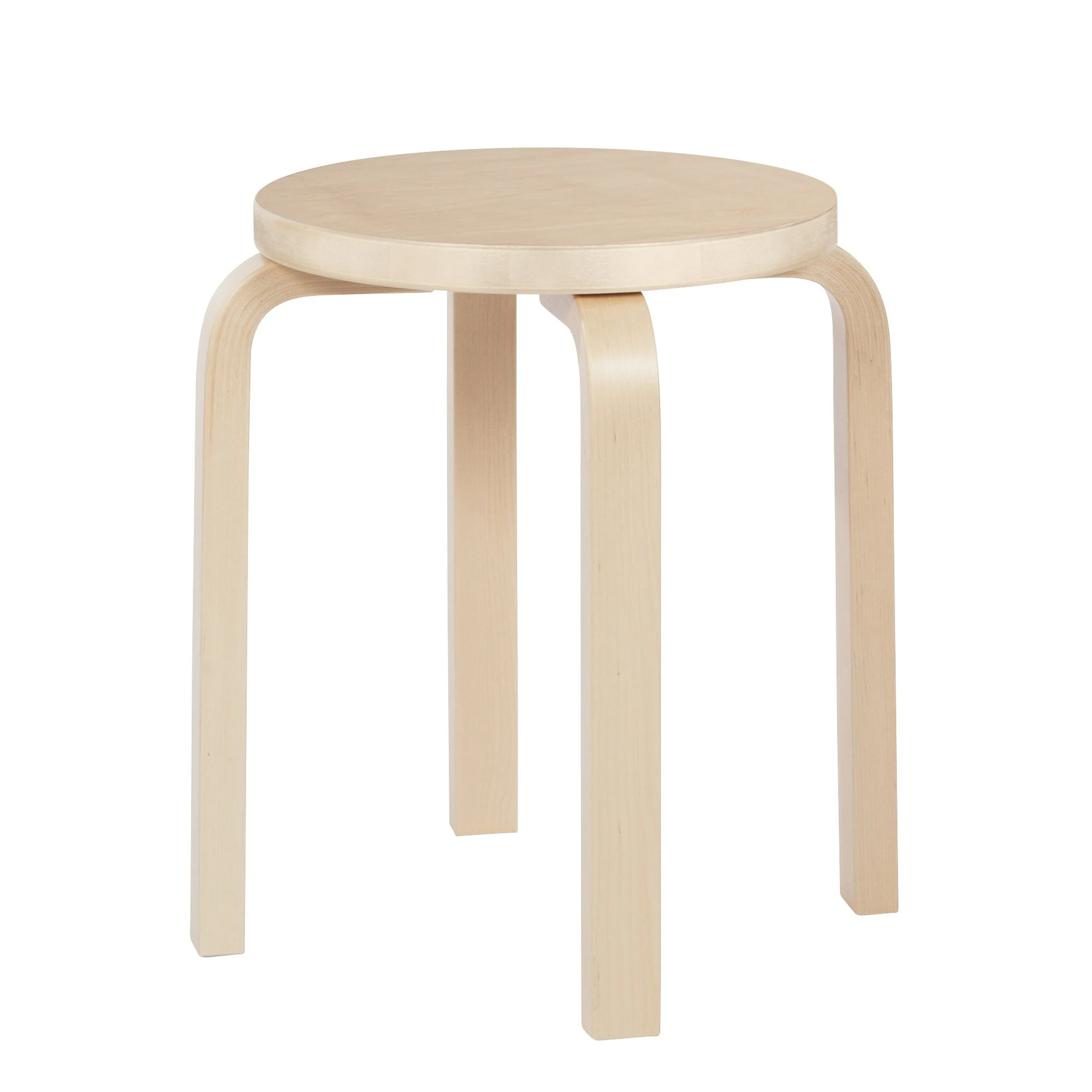
Image source: Artek — Stool 60
© Artek and the respective rights holders. Quoted to accompany INTEBEE's independent design commentary and research.
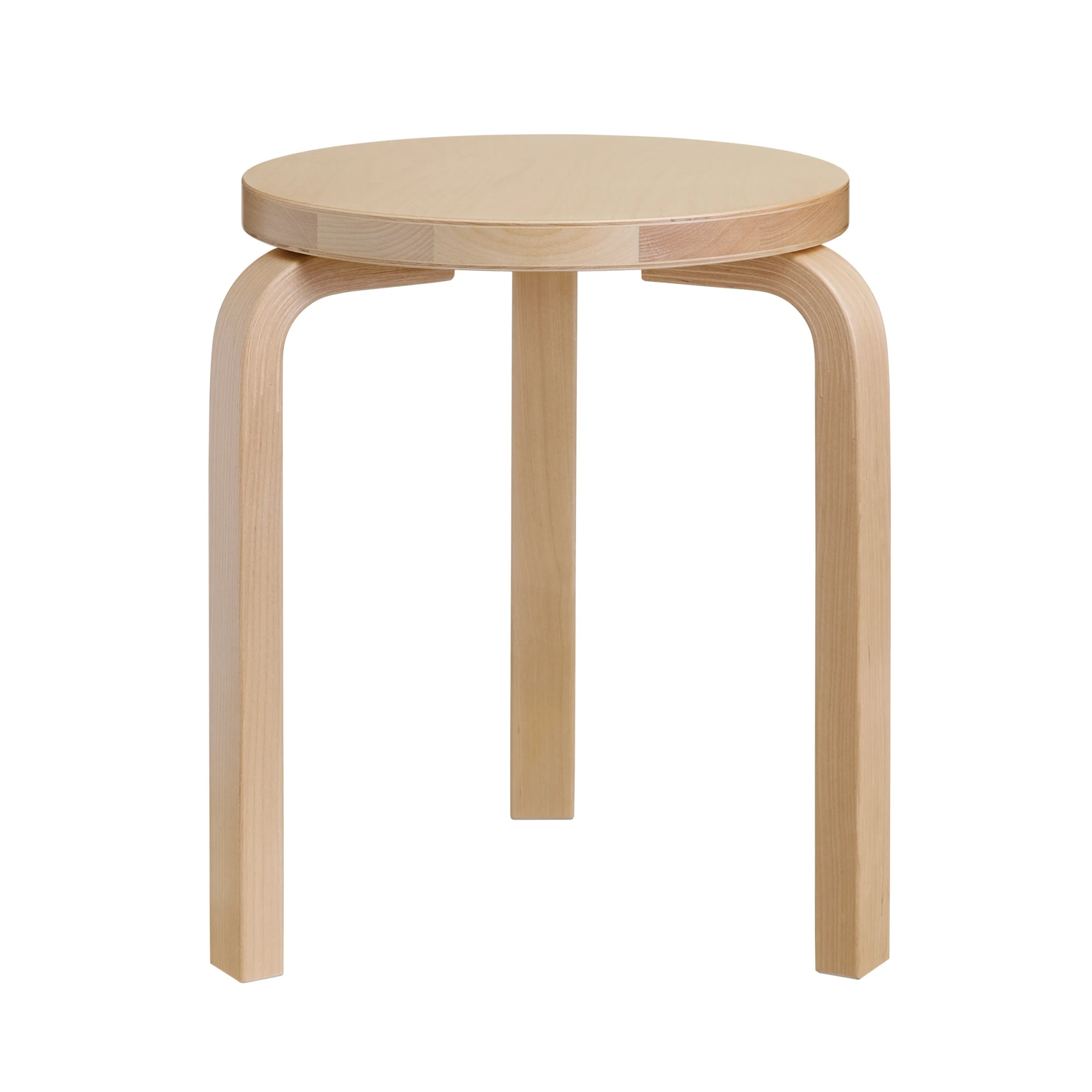
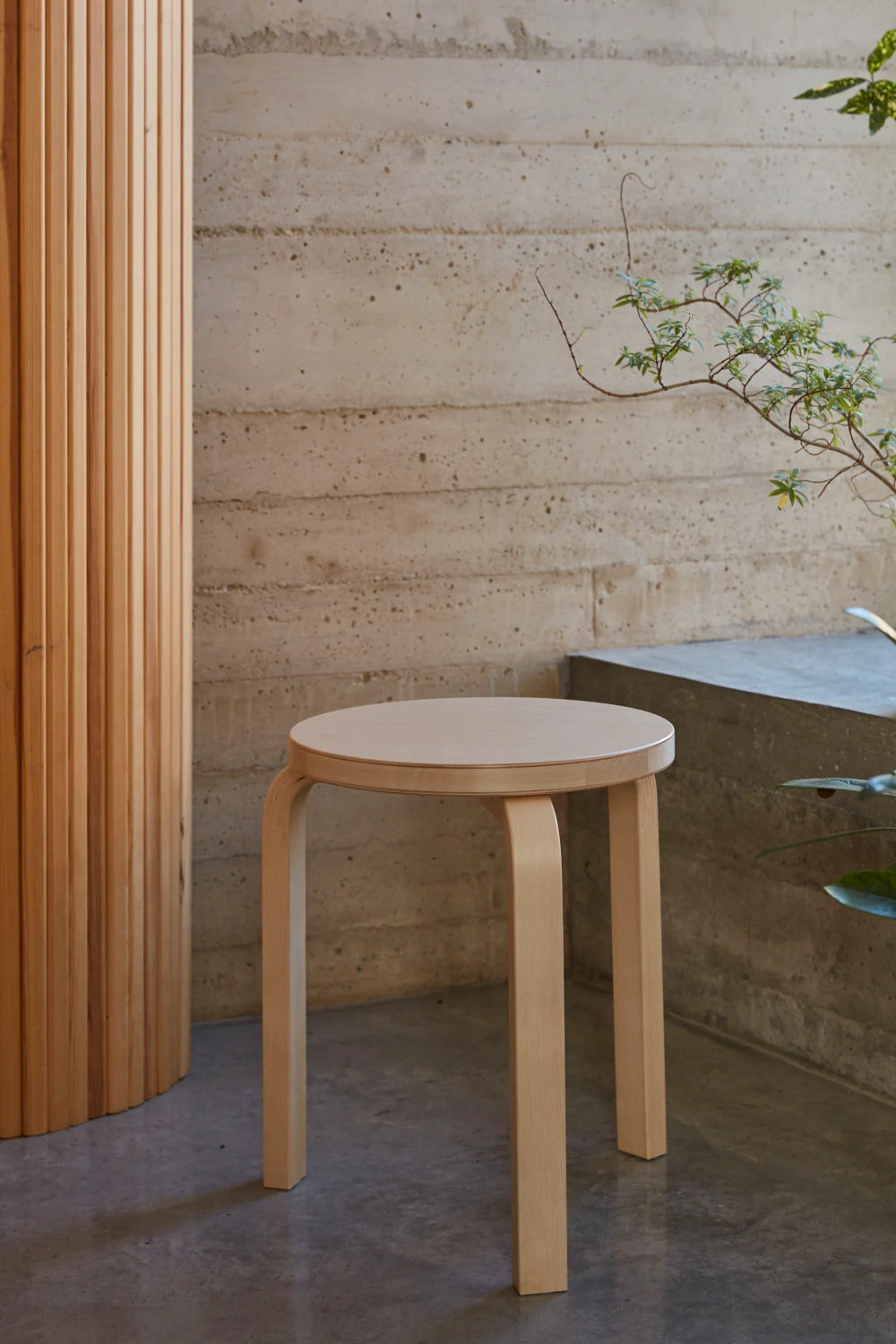
Stool 60
Alvar Aalto's three-legged, stackable birch stool, in continuous production since 1933


380 × 440 × 380 mm
1933
Finland
Official product information
INTEBEE AI PUBLIC LIBRARY is an independent furniture design research and discovery platform. Product specifications, finishes, availability and other details may change. For current and definitive information, please refer to the manufacturer's official website.
Go to the official product pageSpecifying Stool 60 for your design project?
INTEBEE is the FF&E specification platform for interior designers: spec sheets, finishes, floor plans and client-ready PDFs in one place.
Description
Overview
Stool 60 is an Alvar Aalto design that Artek dates 1933. Artek calls it the most elemental of furniture pieces, equally suitable as a seat, a table, a storage unit or a display surface, and says it has barely changed in material or form since. The page's drawing carries a height of 44 cm and the note that the stool is stackable, up to ten high.
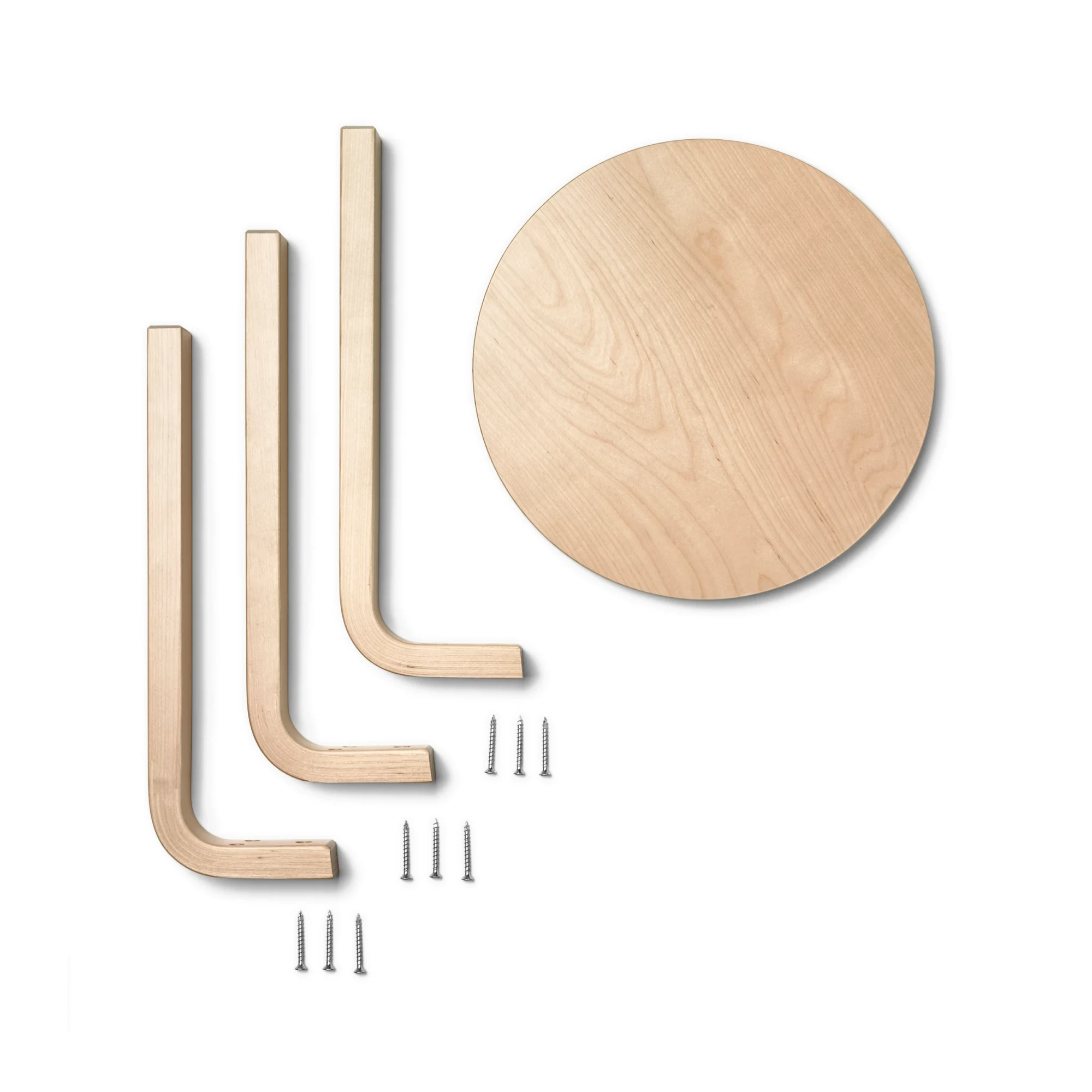 Image source: Artek — Stool 60 · © Artek and the respective rights holders. Quoted to accompany INTEBEE's independent design commentary and research. · View official product page ↗ · Image use & copyright policy
Construction
The three legs and the seat edge-band are solid birch. The seat core is solid birch or birch plywood, and the seat surface comes in birch veneer, high-pressure laminate, linoleum, padded fabric, padded leather or unpadded leather. With so few components the stool is flat-packed.
Specifications
- Height: 44 cm; stacking: max. 10
- Weight: 2.76 kg (environmental product declaration)
- Legs: solid birch, 21 standard versions listed on the page
- Made in Finland
Story
From the Vyborg Library to MoMA
Wikipedia describes the stool as Aalto's 1933 design for the Vyborg Library, built with the bent leg he had been developing in early-1930s wood-bending experiments. It was first shown to the public in November 1933 at the Finnish design exhibition "Wood Only" at Fortnum & Mason in London, and a 1933 example entered the permanent collection of MoMA in 1958. The same article says Aalto tested a prototype by repeatedly throwing it against the ground.
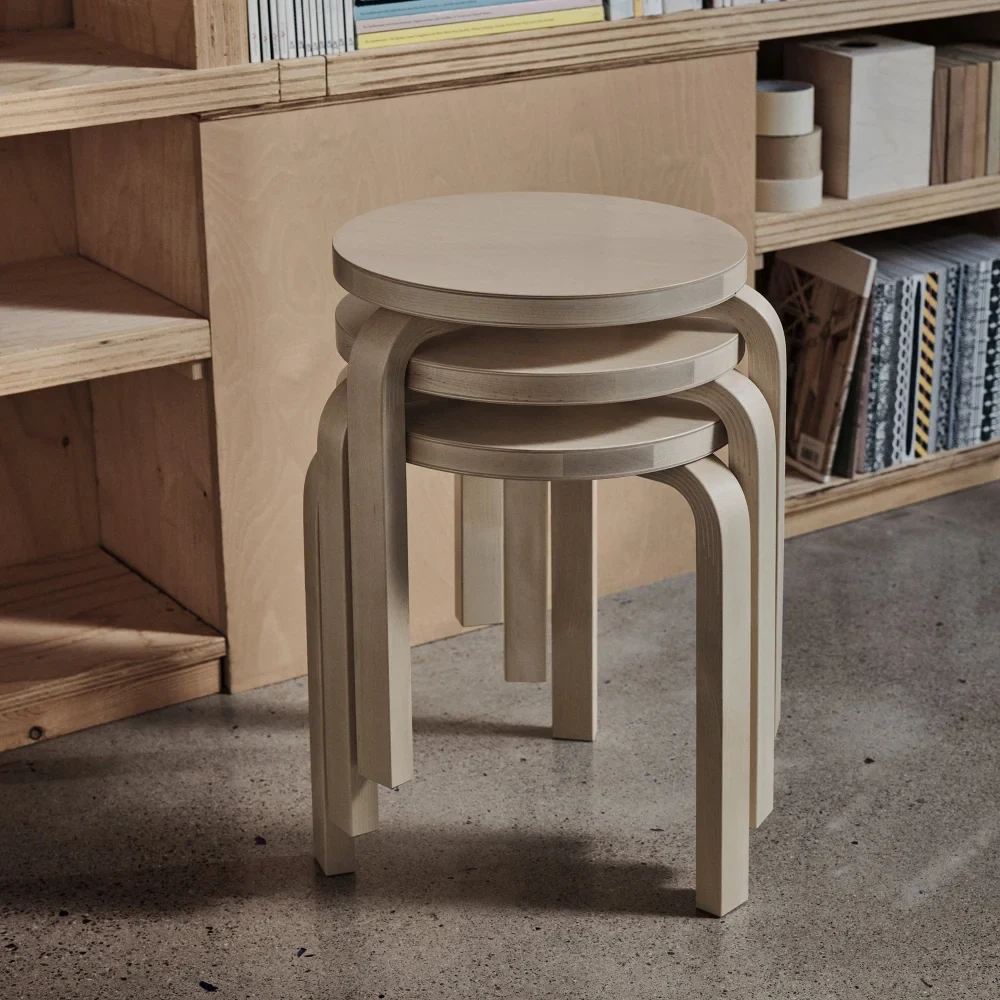 Image source: Artek — Stool 60 · © Artek and the respective rights holders. Quoted to accompany INTEBEE's independent design commentary and research. · View official product page ↗ · Image use & copyright policy
A companion for life
For the stool's 90th anniversary Artek published a page headed "Stool 60: a companion for life". It says the stool has accompanied owners for almost a century, moving from home to home and often passing from one generation to the next, and lists uses from a seat for studying, working, dining or gathering to a bedside table, a plant stand or a place for books. Stacked, it can form a spiralling tower that saves space.
More by Alvar Aalto
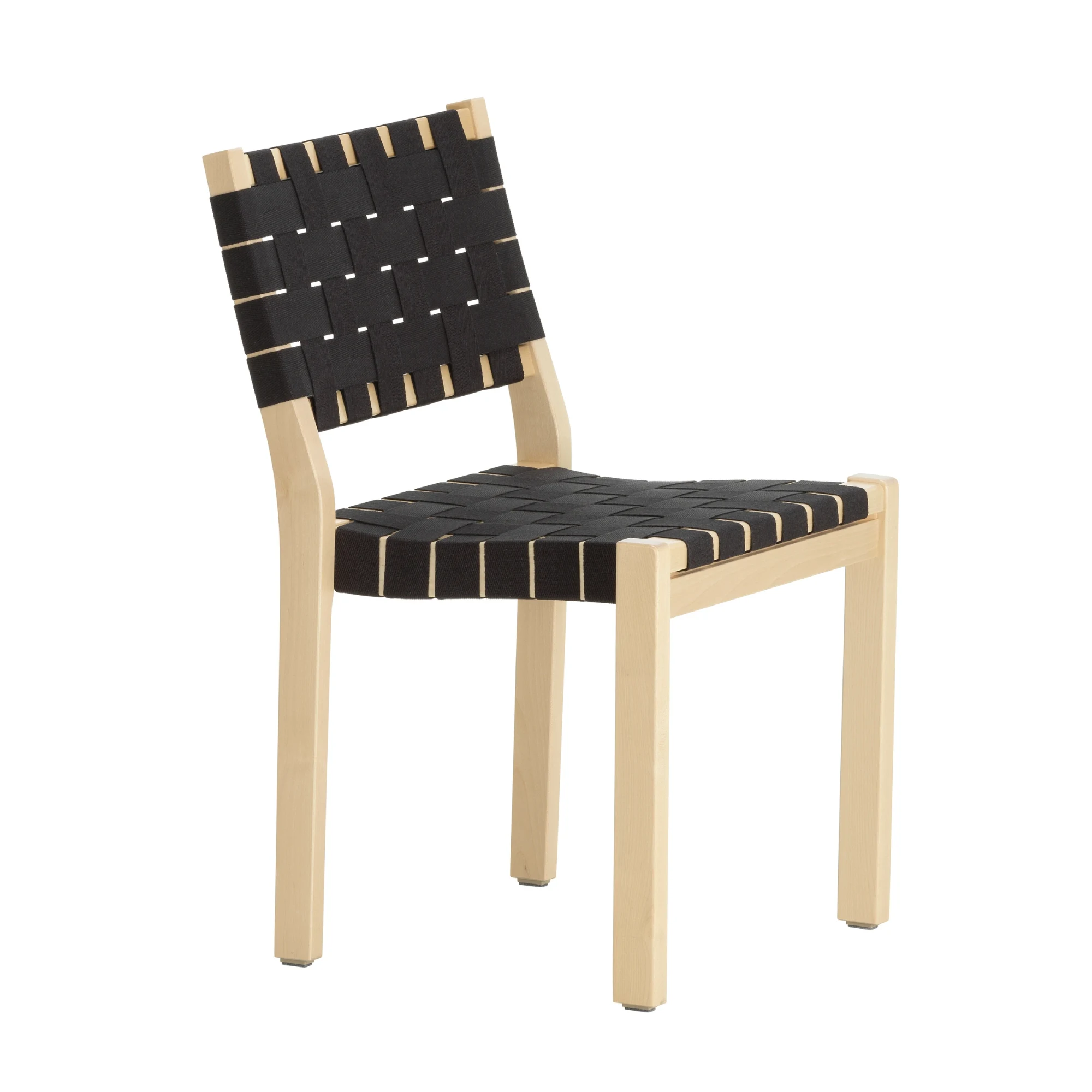
Chair 611
Alvar Aalto's stackable birch chair with a linen webbing seat and back, dated 1929
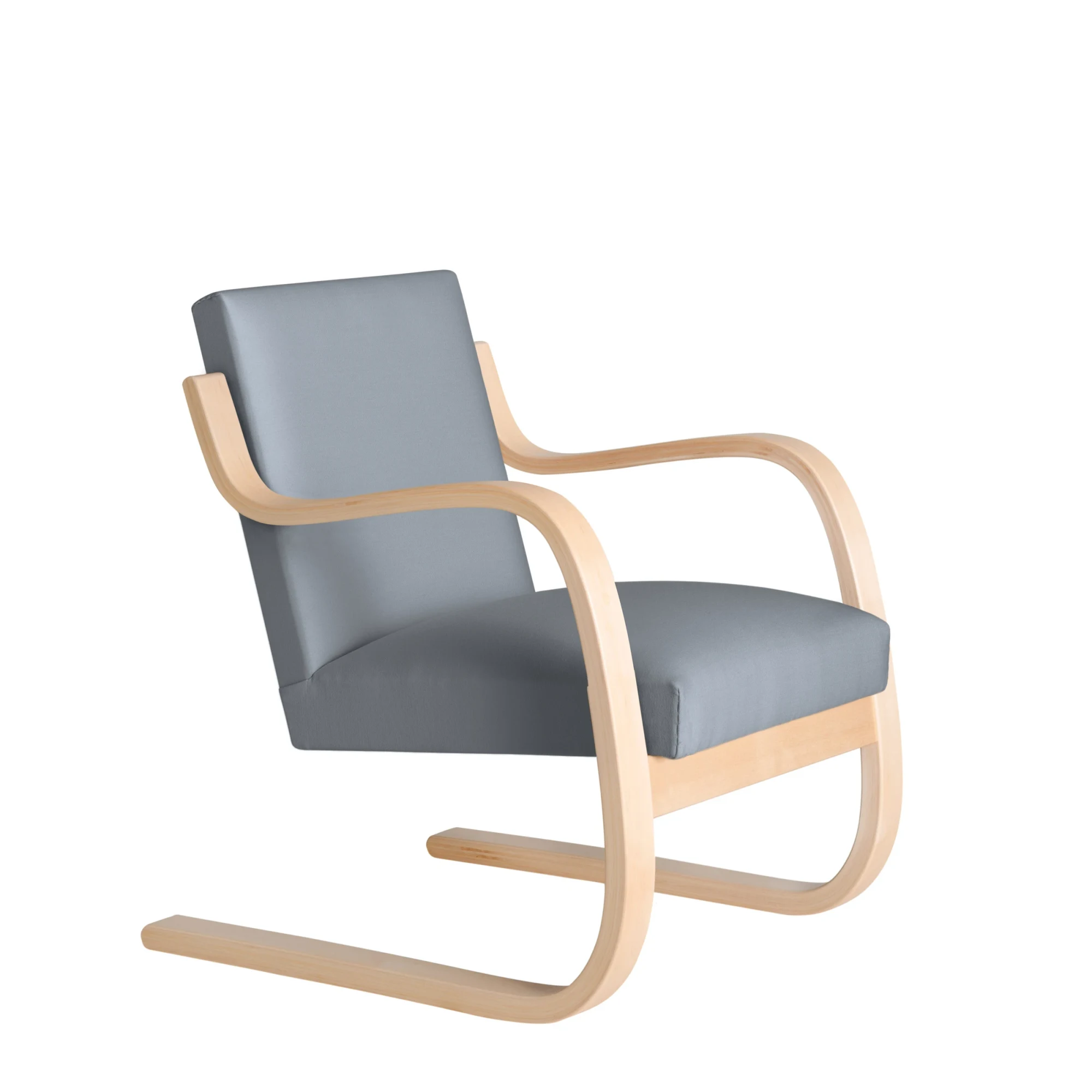
Armchair 402
Alvar Aalto's cantilever armchair with a cushioned seat, shown at Milan in 1933
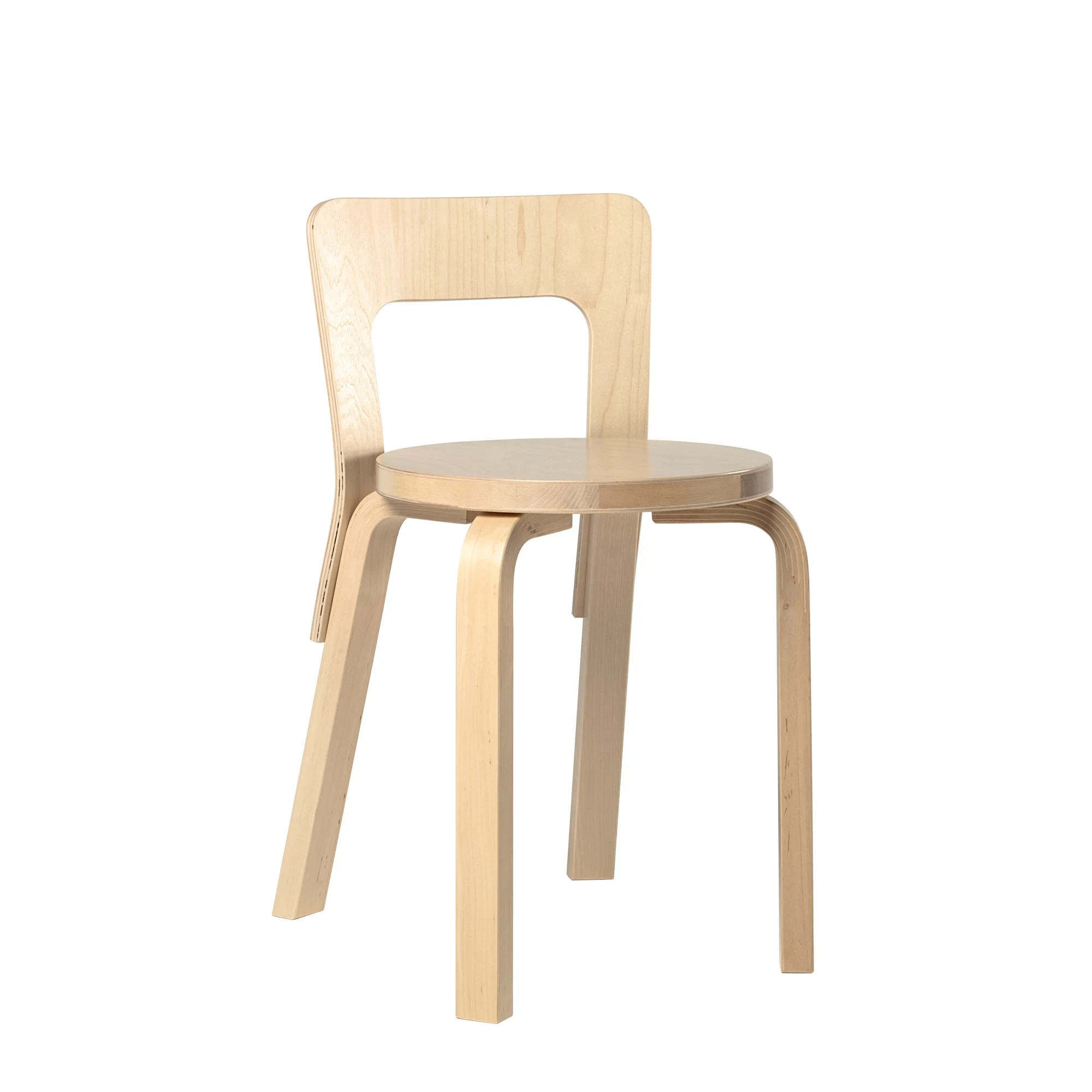
Chair 65
Alvar Aalto's low-backed birch chair with a round seat, dated 1935
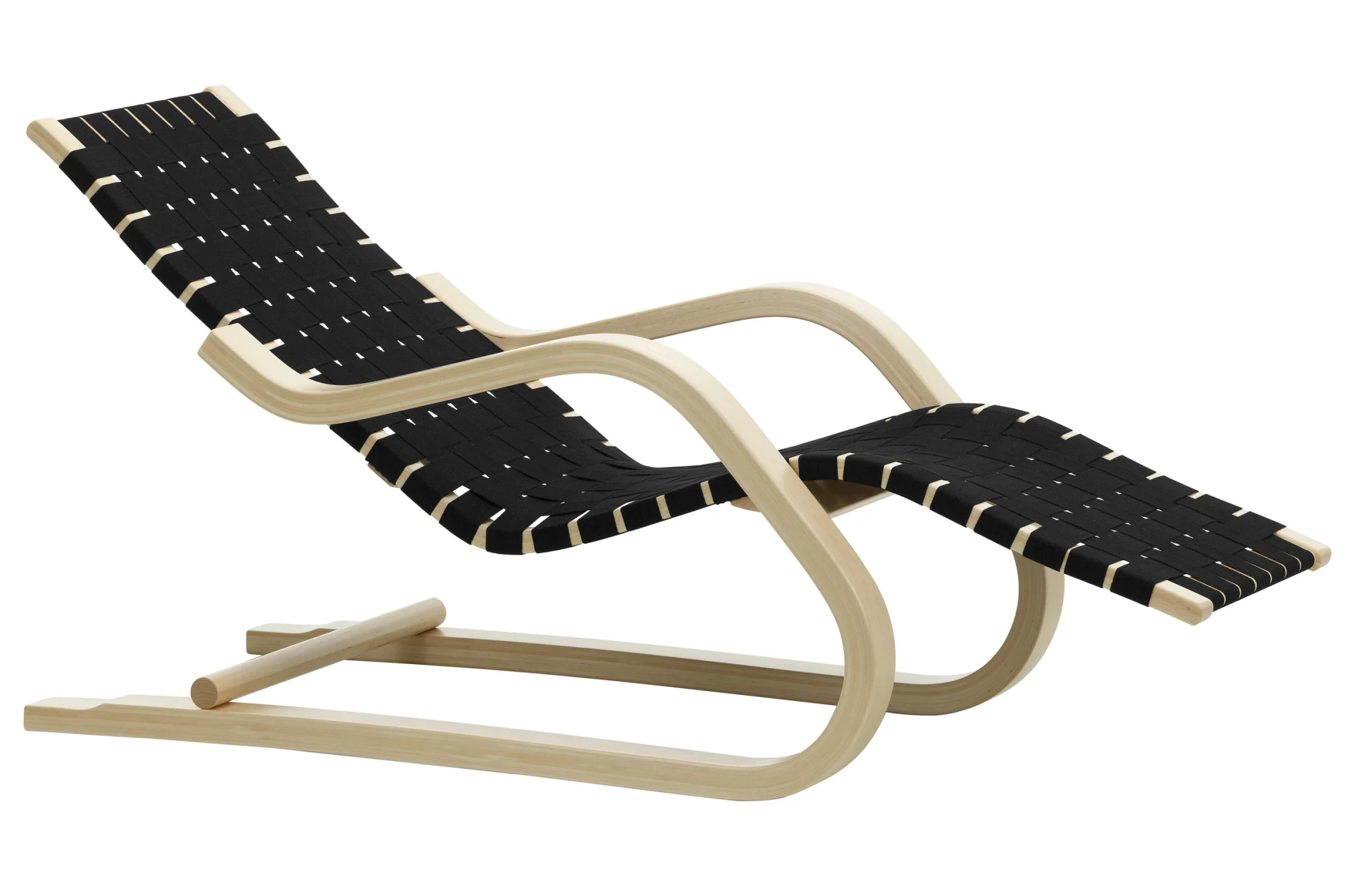
Lounge Chair 43
Alvar Aalto's cantilevered birch lounge chair with linen webbing, dated 1937
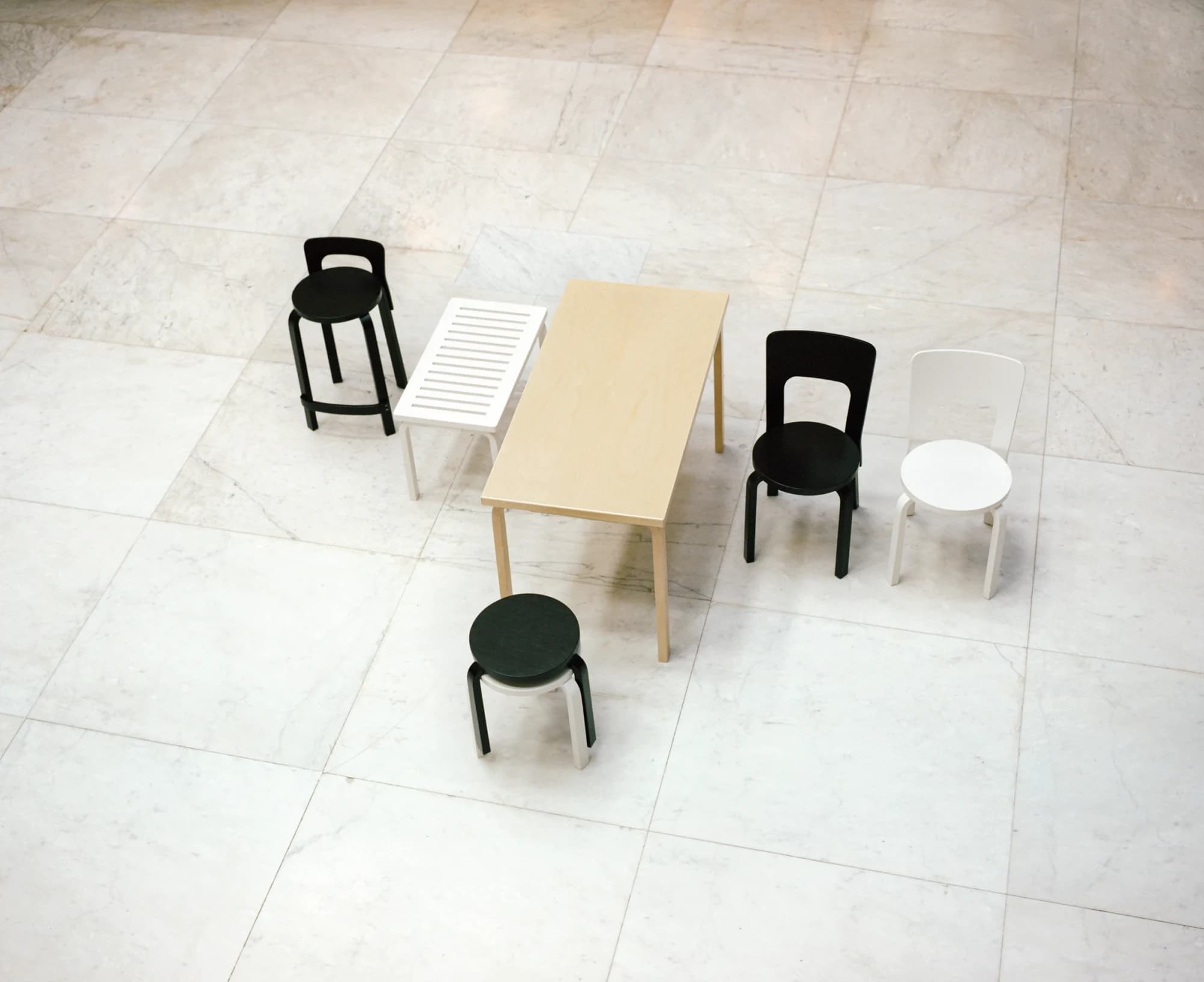
Collection
L-leg Collection
Artek's L-leg Collection brings together 18 Alvar Aalto pieces built on the bent birch leg patented in 1933: stools, chairs, a bench, a day bed and tables.