
Image source: Thonet — S 533 Cantilever Chair
© Thonet and the respective rights holders. Quoted to accompany INTEBEE's independent design commentary and research.
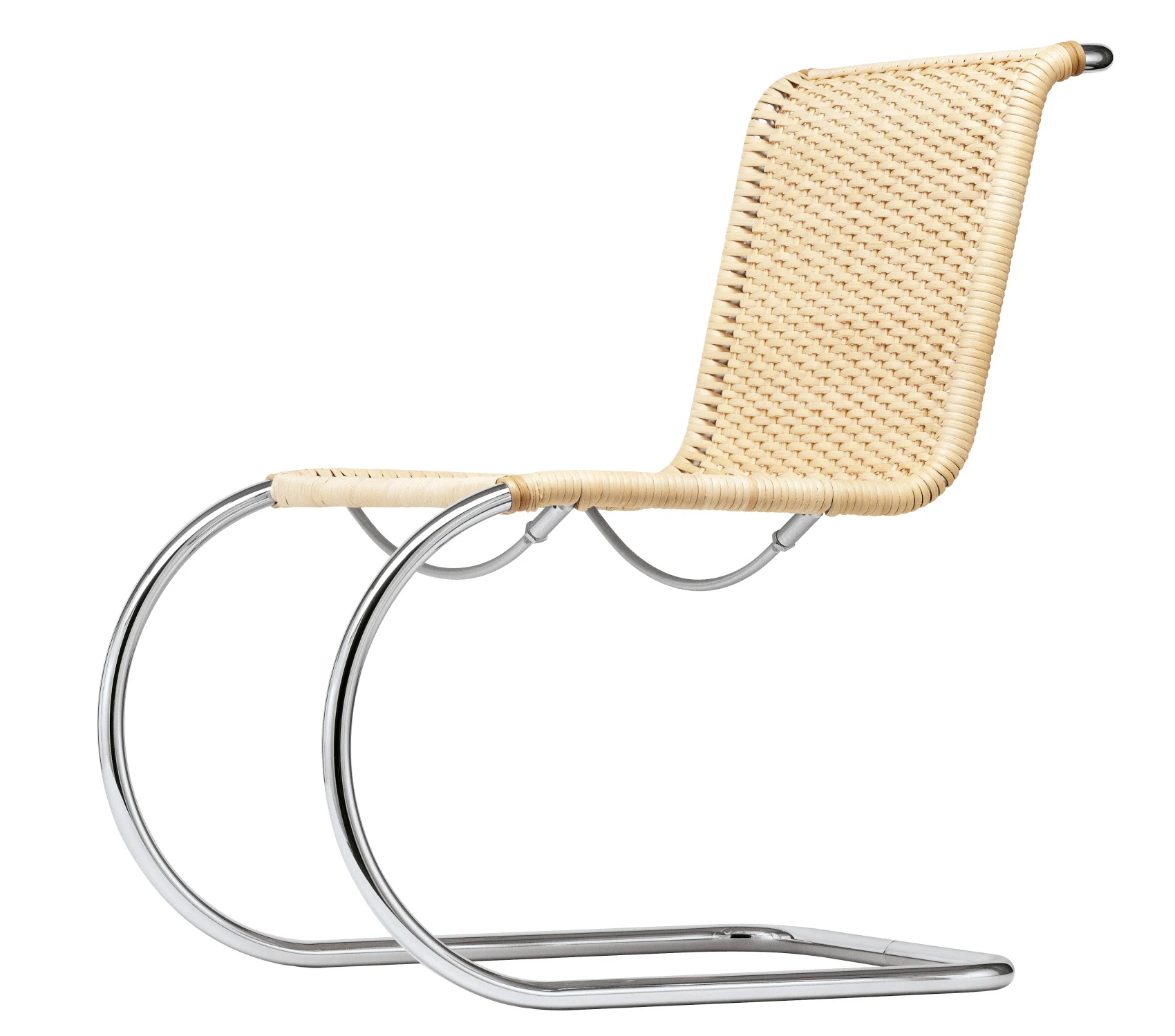
S 533 Cantilever Chair
Mies van der Rohe's curved cantilever chair of 1927 in a single circle of chrome-plated steel.


500 × 820 × 770 mm
1927
Germany
Official product information
INTEBEE AI PUBLIC LIBRARY is an independent furniture design research and discovery platform. Product specifications, finishes, availability and other details may change. For current and definitive information, please refer to the manufacturer's official website.
Go to the official product pageSpecifying S 533 Cantilever Chair for your design project?
INTEBEE is the FF&E specification platform for interior designers: spec sheets, finishes, floor plans and client-ready PDFs in one place.
Description
Overview
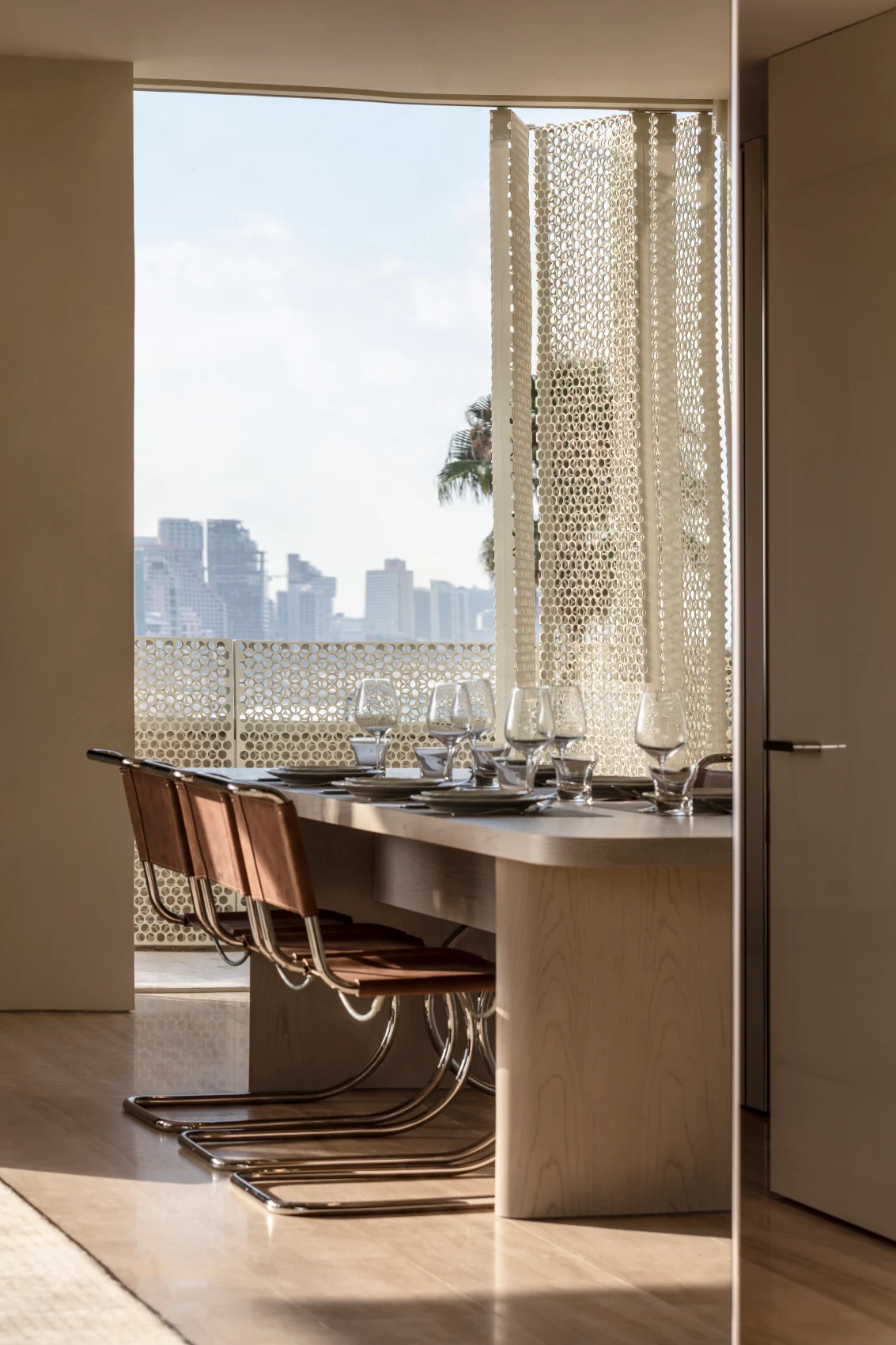
The S 533 is the cantilever chair of Ludwig Mies van der Rohe, dated 1927 on Thonet's product pages. Its frame is one large, elegantly curved circle of chrome-plated tubular steel, and the seat and back are wickerwork, synthetic mesh, laced material or full grain butt leather. The main picture shows the wickerwork version, the S 533 R.
Construction
Thonet characterises the S 533 by a deliberate restriction of the materials used, elegant lines and a transparent effect. The comfort, according to the maker, comes from the frame's ability to keep adjusting to the sitter's position by flexing. The F versions of the programme are wider and deeper than the basic model; the brochure captions the S 533 RF and LF as the versions with armrests.
Specifications
- Dimensions (S 533 R): W 50 cm x D 77 cm x H 82 cm
- Seat height: 44 cm
- Weight: 7 kg
- Made in: Frankenberg, Germany
- S 533 RF / LF: W 55 cm x D 84 cm x H 82 cm, 11 kg
Story
Mies and Stam
Thonet recounts that Mies van der Rohe learned the cantilever principle from Mart Stam while preparing the Weissenhof Estate exhibition in Stuttgart, which he organised. Stam's first realisation did not impress him. Mies answered the technical innovation at once with an aesthetic solution of his own, which he was able to present in 1927.
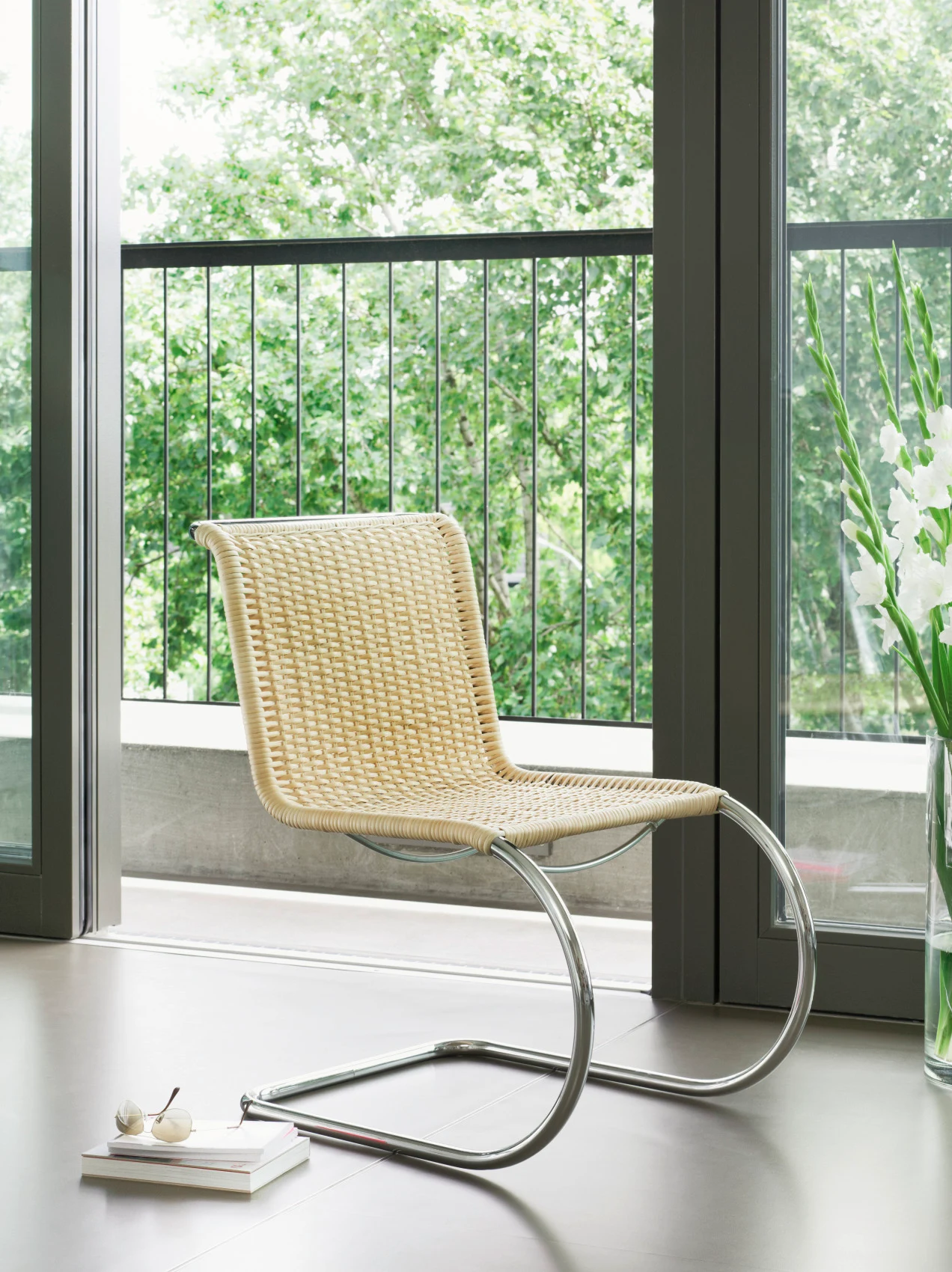 Image source: Thonet — S 533 Cantilever Chair · © Thonet and the respective rights holders. Quoted to accompany INTEBEE's independent design commentary and research. · View official product page ↗ · Image use & copyright policy
Luxury in the 1920s
According to Thonet, most designs of the early 1920s stressed function through simplicity, whereas the S 533 shows the architect's signature: a deliberately luxurious design that joins functionality, comfort and timeless looks. The company's own summary is that the S 533 stands for a changed perception of quality, and it names the chair one of the first cantilever chairs.
More by Ludwig Mies van der Rohe
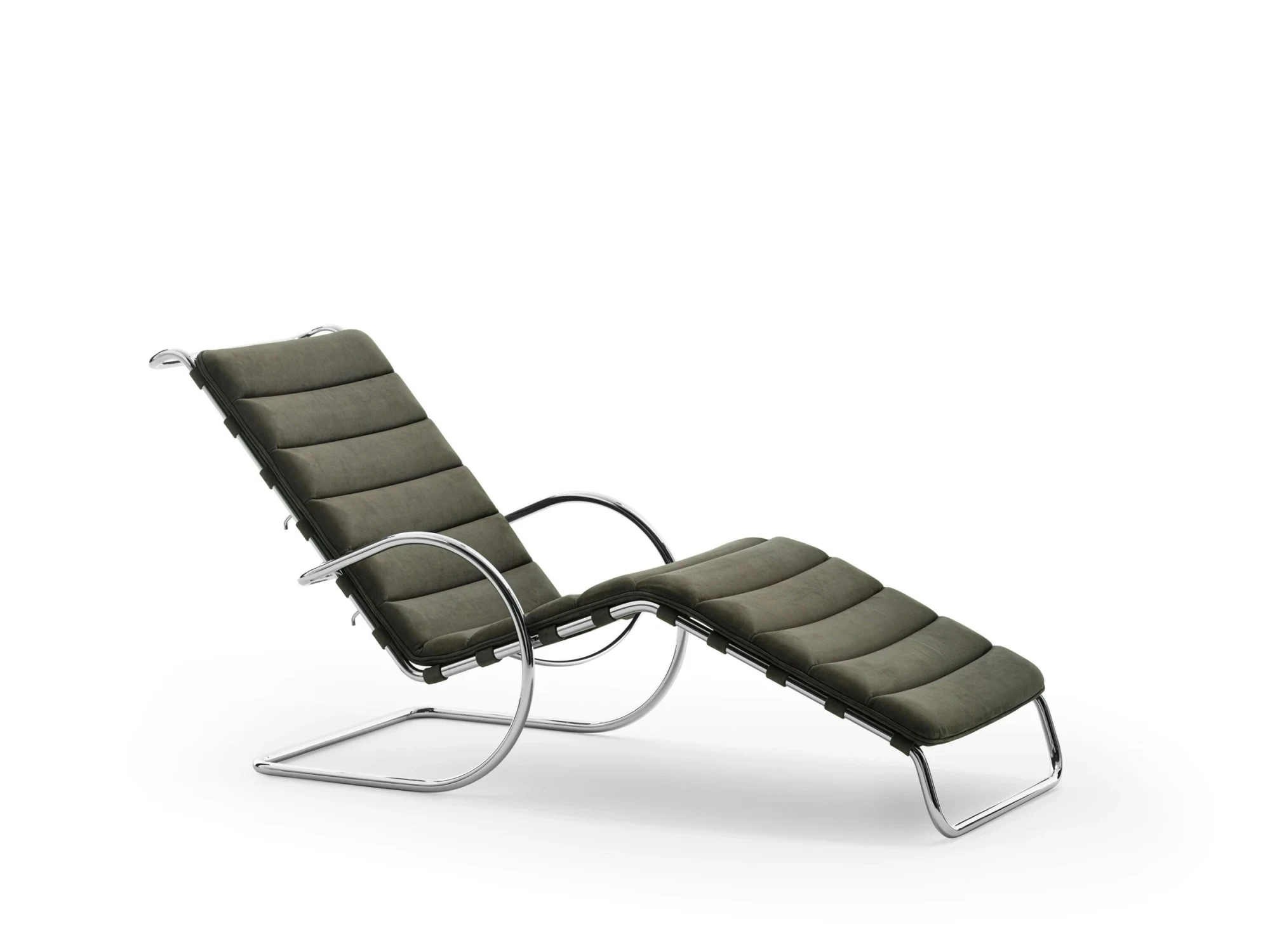
MR Adjustable Chaise Lounge
Mies van der Rohe's 1927 chaise on a two-piece chrome frame that adjusts in height and angle
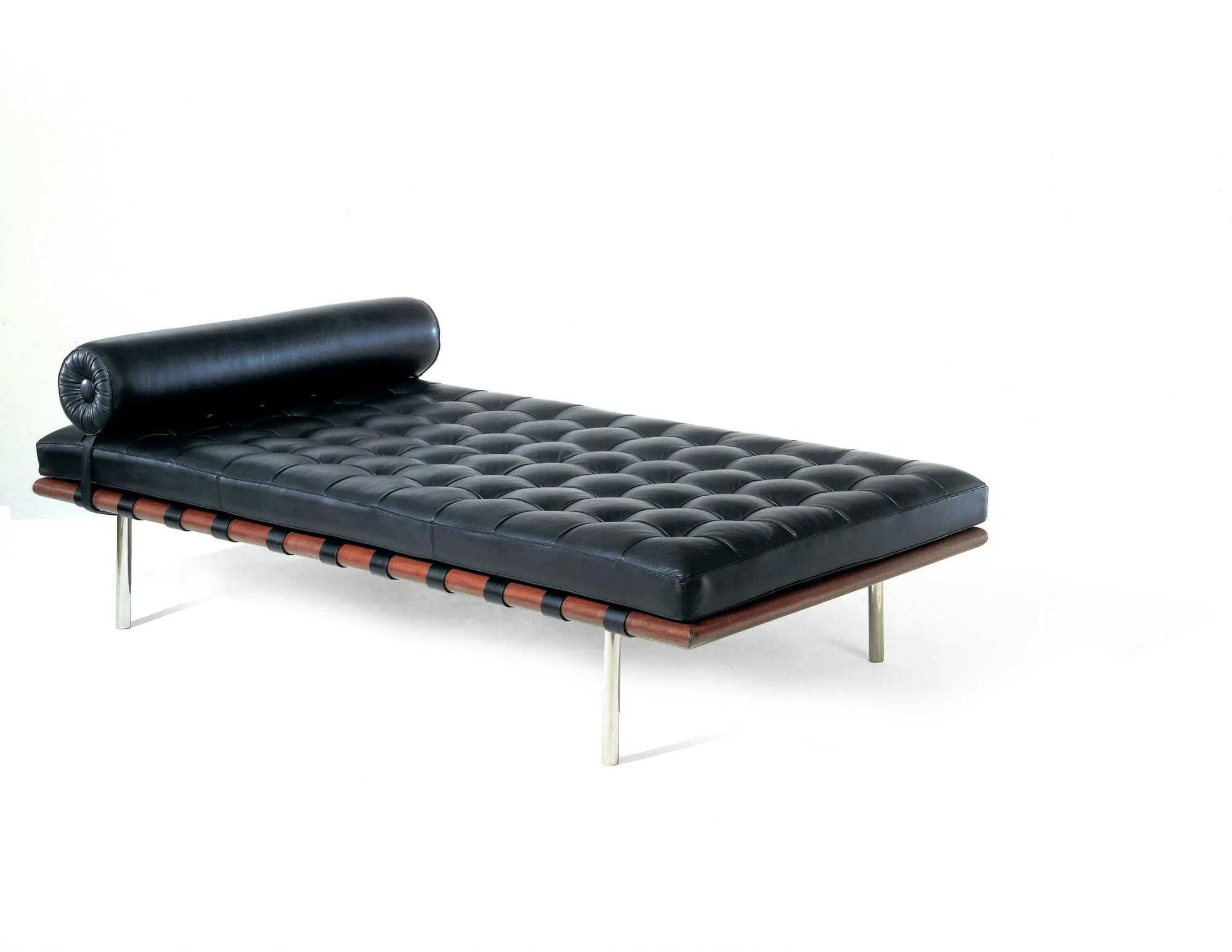
Barcelona Couch
Mies van der Rohe's 1930 couch: tufted cushion on a mahogany platform and steel legs
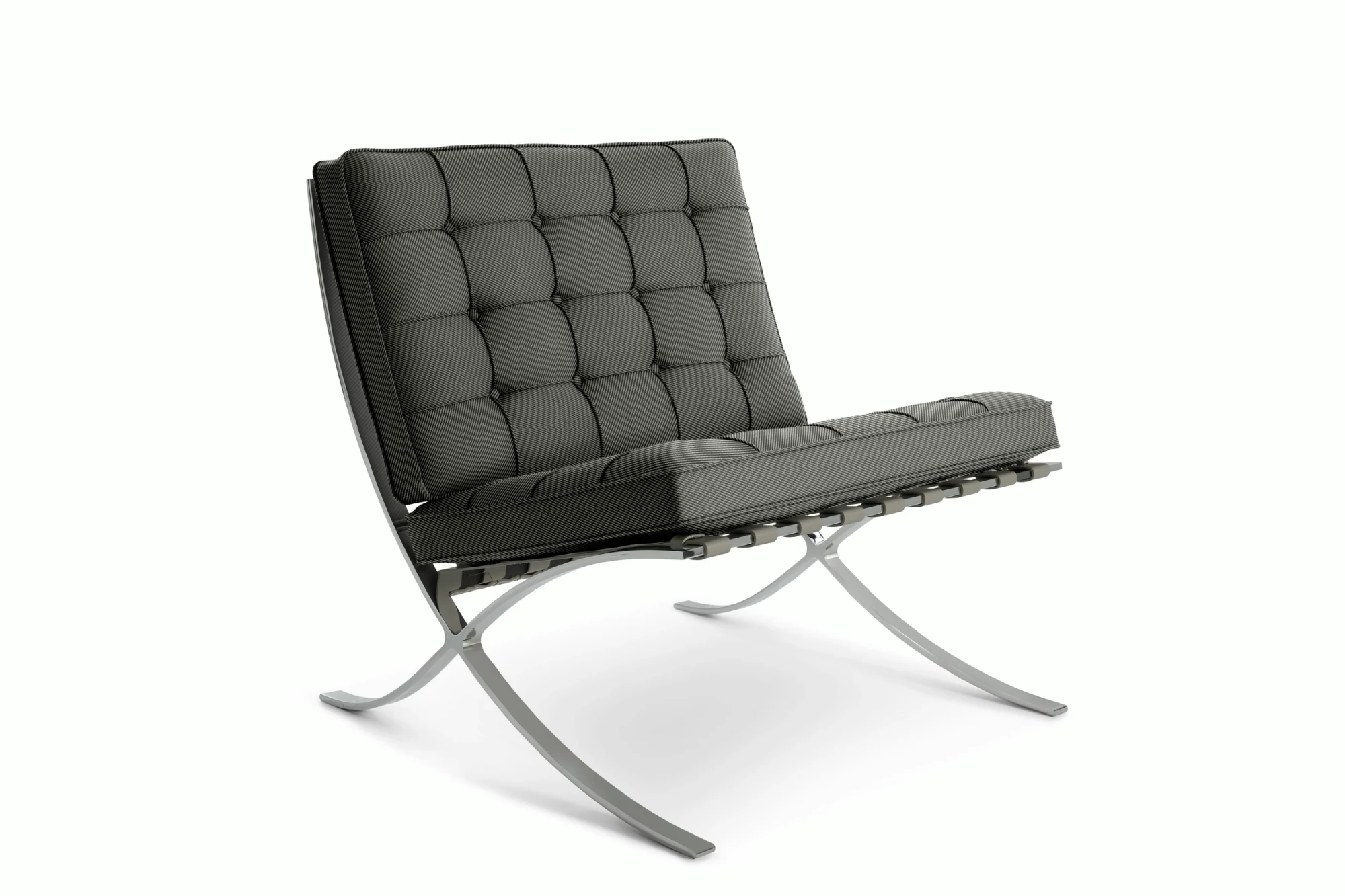
Barcelona Chair
Mies van der Rohe's 1929 lounge chair: steel frame and cushions of 40 hand-welted squares
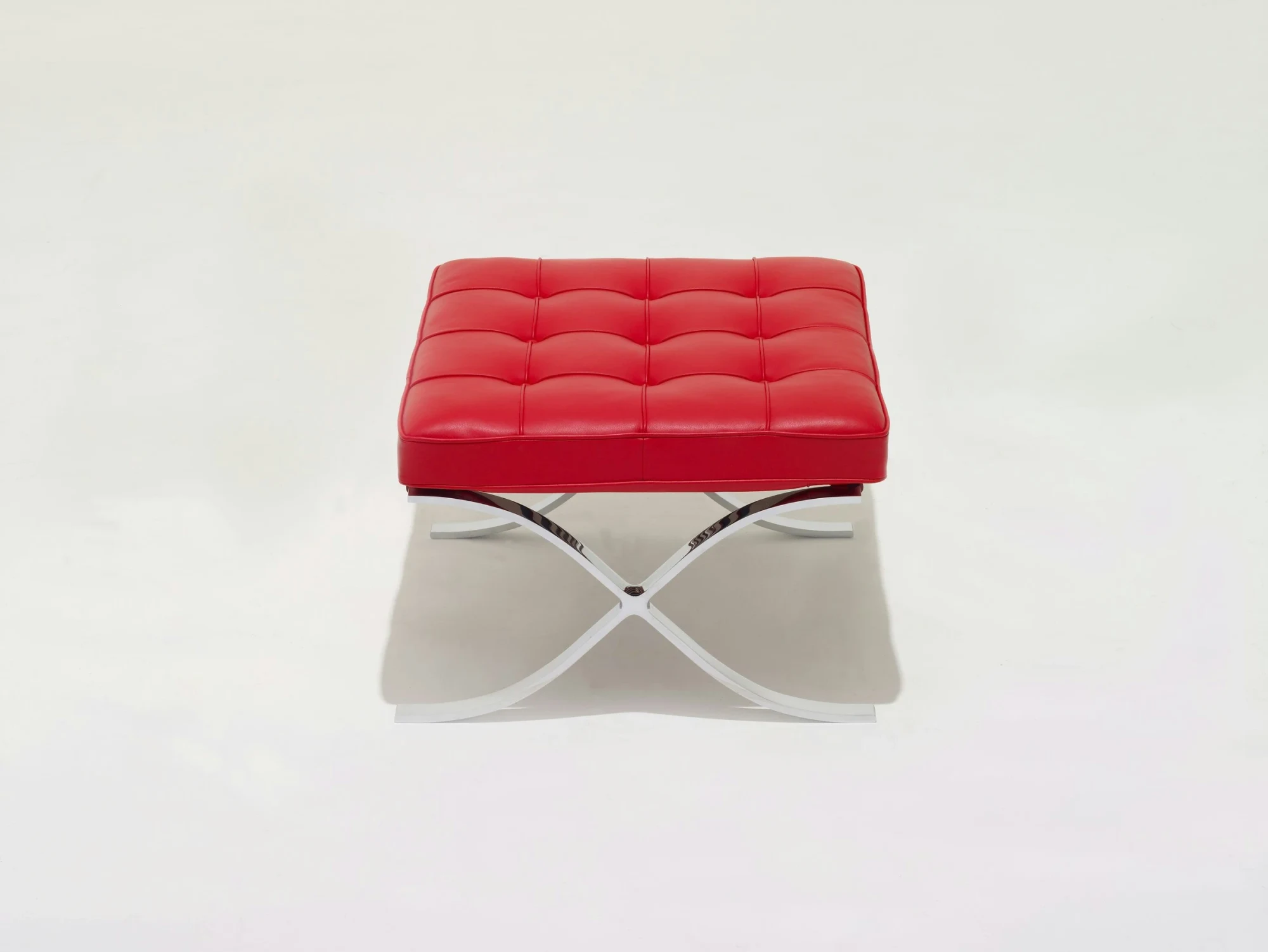
Barcelona Stool
Mies van der Rohe's 1929 Barcelona Stool: a 16-square tufted cushion on a crisscross steel frame