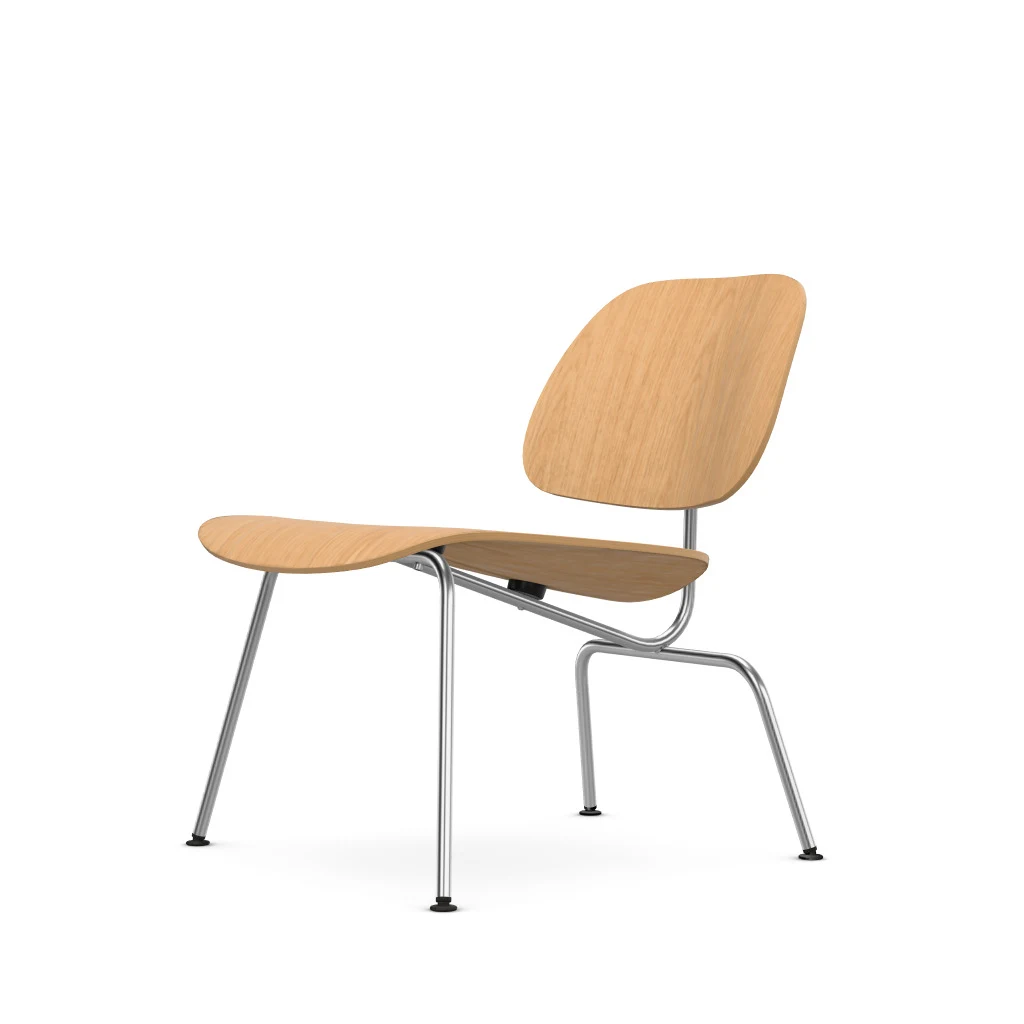
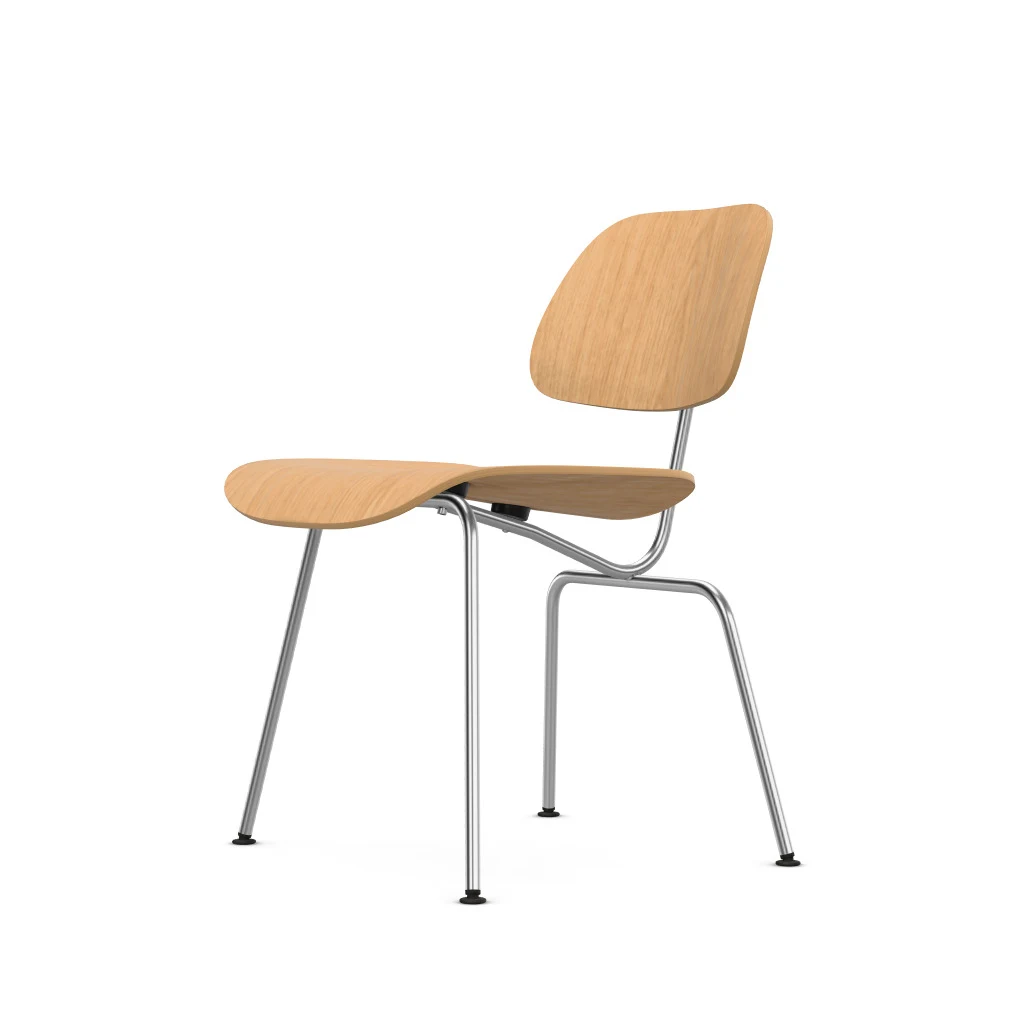
Image source: Vitra — Plywood Group LCW
© Vitra and the respective rights holders. Quoted to accompany INTEBEE's independent design commentary and research.
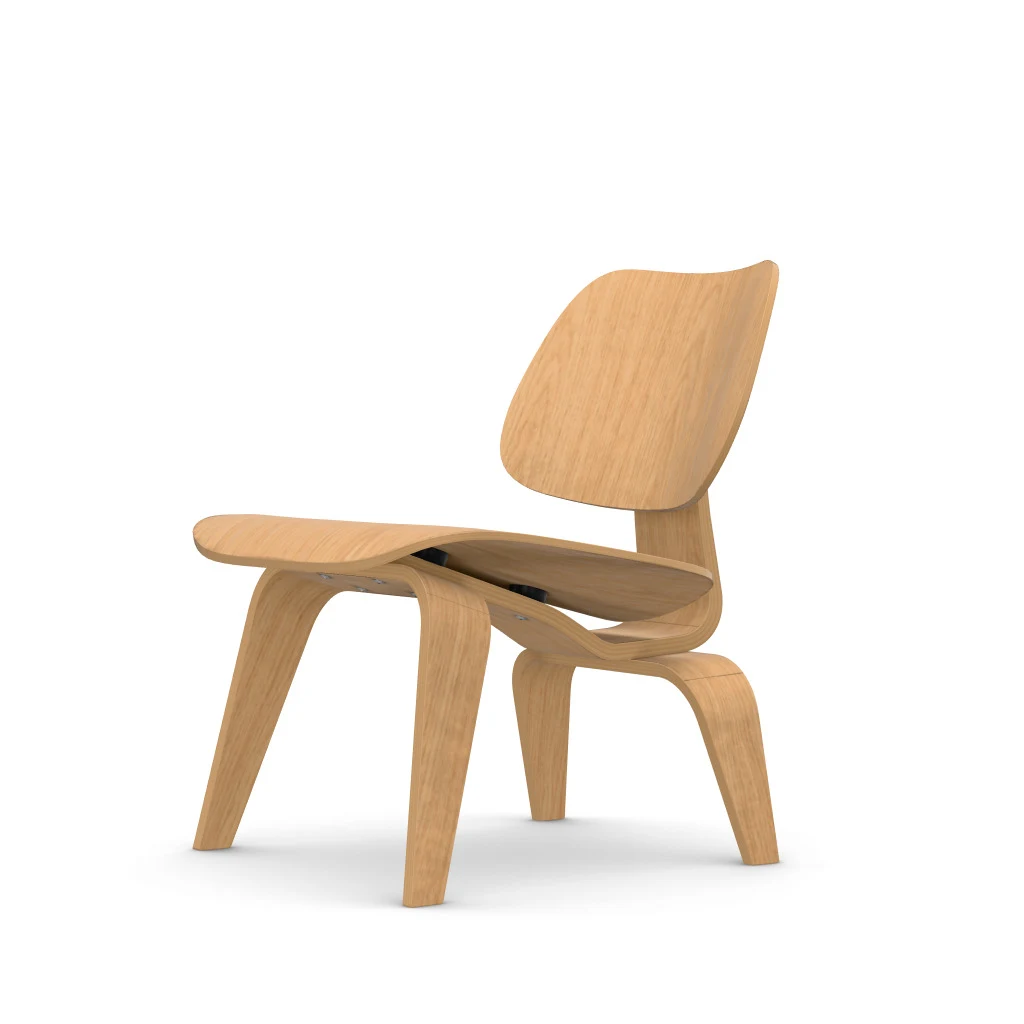
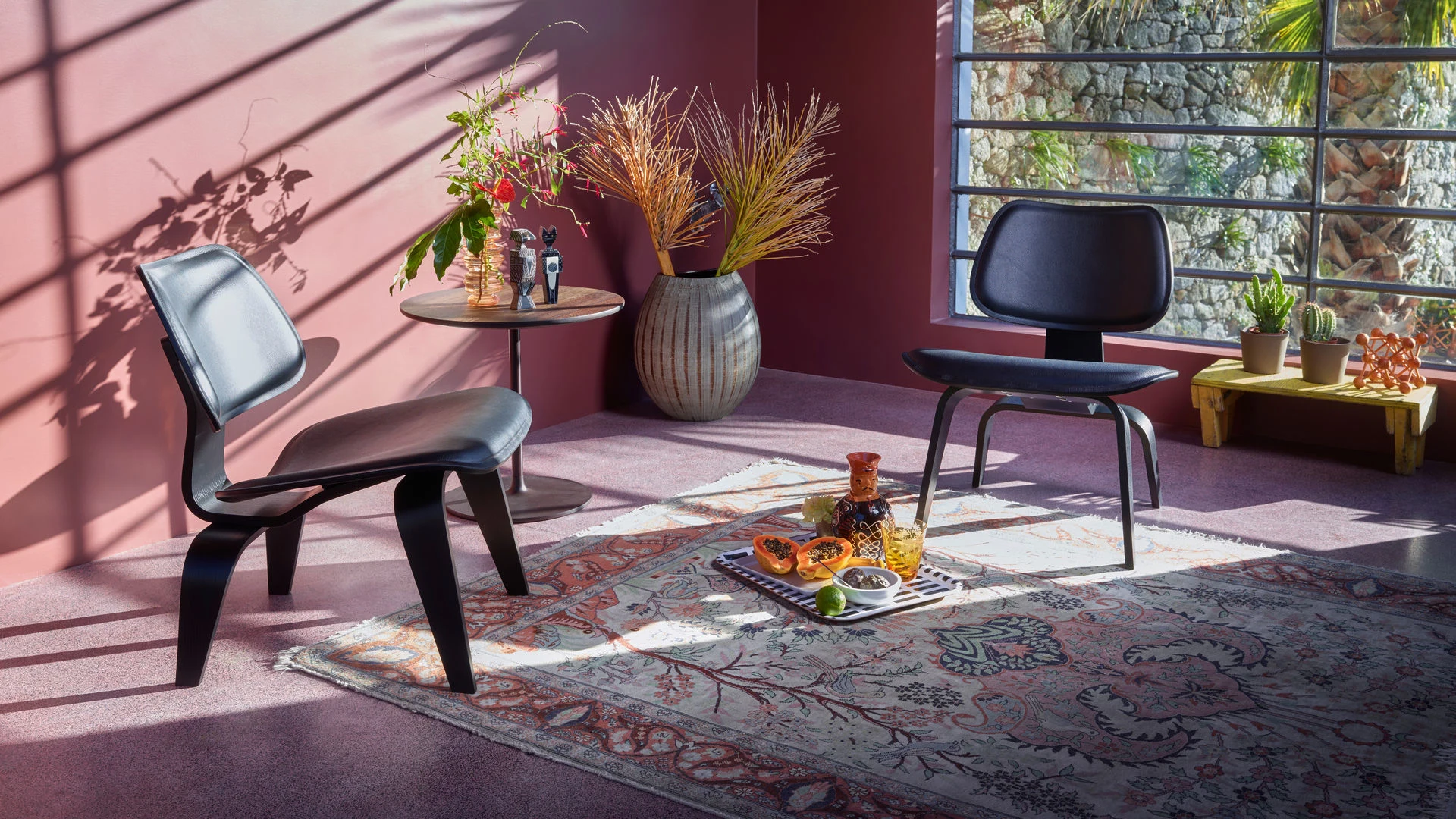
Plywood Group LCW
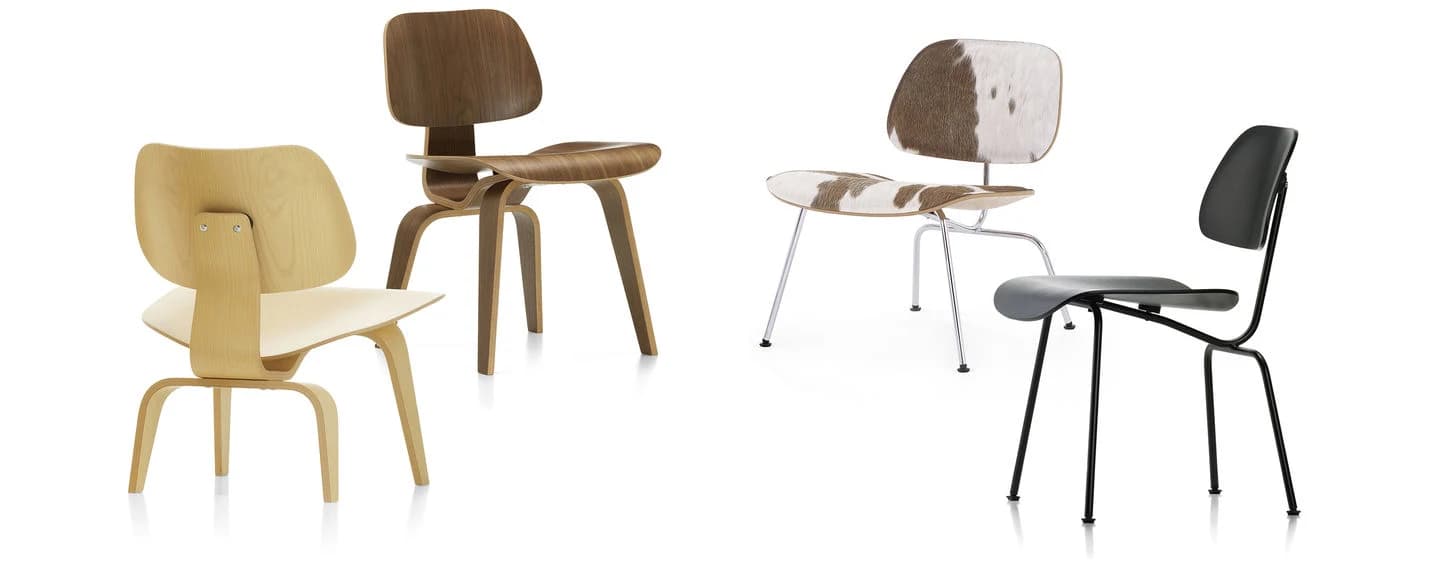
Eames' small Lounge Chair Wood: moulded plywood seat and back on a plywood base, 1945/1946.

560 × 680 × 610 mm
1945
Official product information
INTEBEE AI PUBLIC LIBRARY is an independent furniture design research and discovery platform. Product specifications, finishes, availability and other details may change. For current and definitive information, please refer to the manufacturer's official website.
Go to the official product pageSpecifying Plywood Group LCW for your design project?
INTEBEE is the FF&E specification platform for interior designers: spec sheets, finishes, floor plans and client-ready PDFs in one place.
Description
Overview
The LCW, short for Lounge Chair Wood, is the low easy chair that Charles and Ray Eames developed out of their early work with three-dimensionally moulded plywood. Vitra files it in the Plywood Group and dates it 1945/1946.
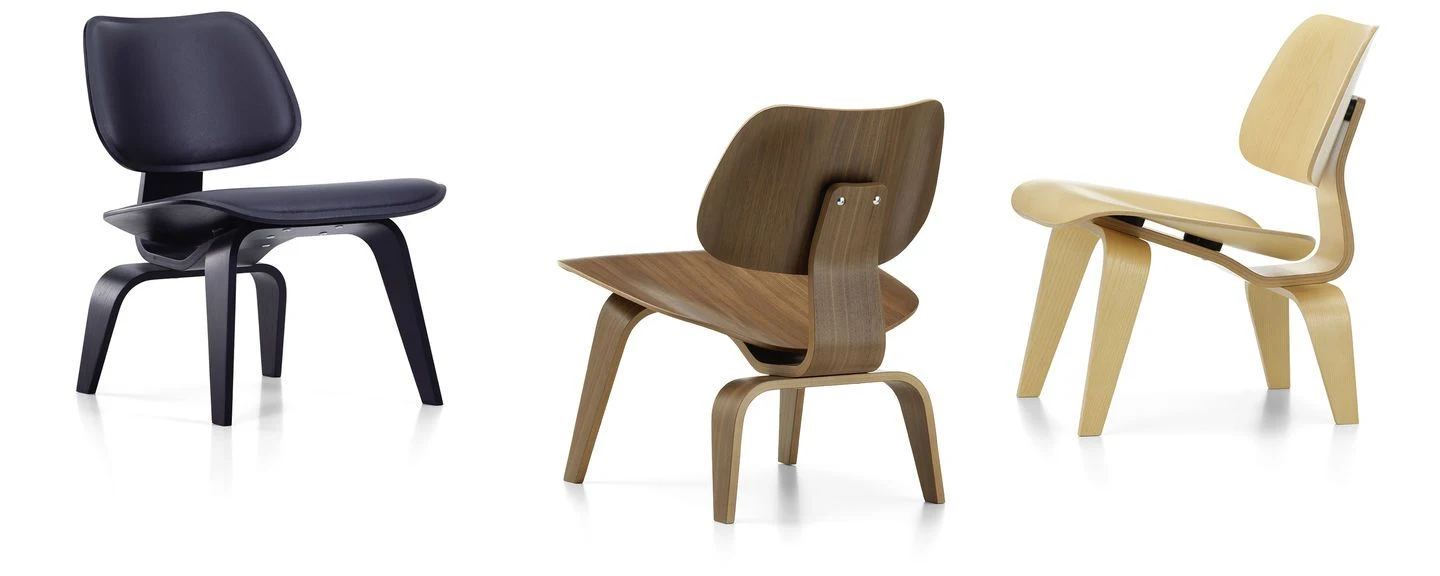 Image source: Vitra — Plywood Group LCW · © Vitra and the respective rights holders. Quoted to accompany INTEBEE's independent design commentary and research. · View official product page ↗ · Image use & copyright policy
Construction
Seat and back are shells of moulded plywood with a face veneer and a lacquered surface, made in ash or walnut. The legs are cut from the same veneered plywood. Shock mounts, which are rubber and metal connectors bonded together, hold the seat and the backrest to that base. The leather and calfskin editions add a thin layer of foam under the cover.
Specifications
The LCW measures 560 mm across, 610 mm deep and 680 mm high, with the seat at 300 mm. Three lacquered finishes are listed, numbered 64 (natural ash), 45 (walnut, black pigmented) and 68 (black ash). The LCW Leather is covered in 66 nero, and the LCW Calf's Skin comes in black/white or brown/white.
Story
The Kazam! machine
Vitra's magazine traces the Plywood Group to 1941, when Charles and Ray Eames turned their Los Angeles apartment into a workshop. Their home-made Kazam! machine pressed a glued sandwich of veneer layers against a curved plaster mould with a membrane inflated by a bicycle pump, and in the spring of 1945 it produced the LCW, which the article calls the beginning of the Plywood Group.
How the LCW came about
Wikipedia traces the LCW to the plywood-moulding know-how the Eameses built up before and during the Second World War. In 1940 Charles Eames and Eero Saarinen won the Museum of Modern Art's "Organic Design in Home Furnishings" competition with furniture whose seat and back formed a single shell; the plywood tended to crack in tight curves, so those entries were upholstered. After a long series of trials the Eameses split seat and backrest into two parts, joined them with a plywood spine and carried them on plywood legs, and left every connection in view. The rubber shock mounts let the backrest move with the person sitting in it.
Production
Evans Molded Plywood of Venice Beach, California, made the chair for Herman Miller from 1946 to 1947, according to Wikipedia, and Herman Miller later moved production to Michigan. For Europe, Wikipedia says, Vitra became the manufacturer of Eames furniture.
More by Charles and Ray Eames
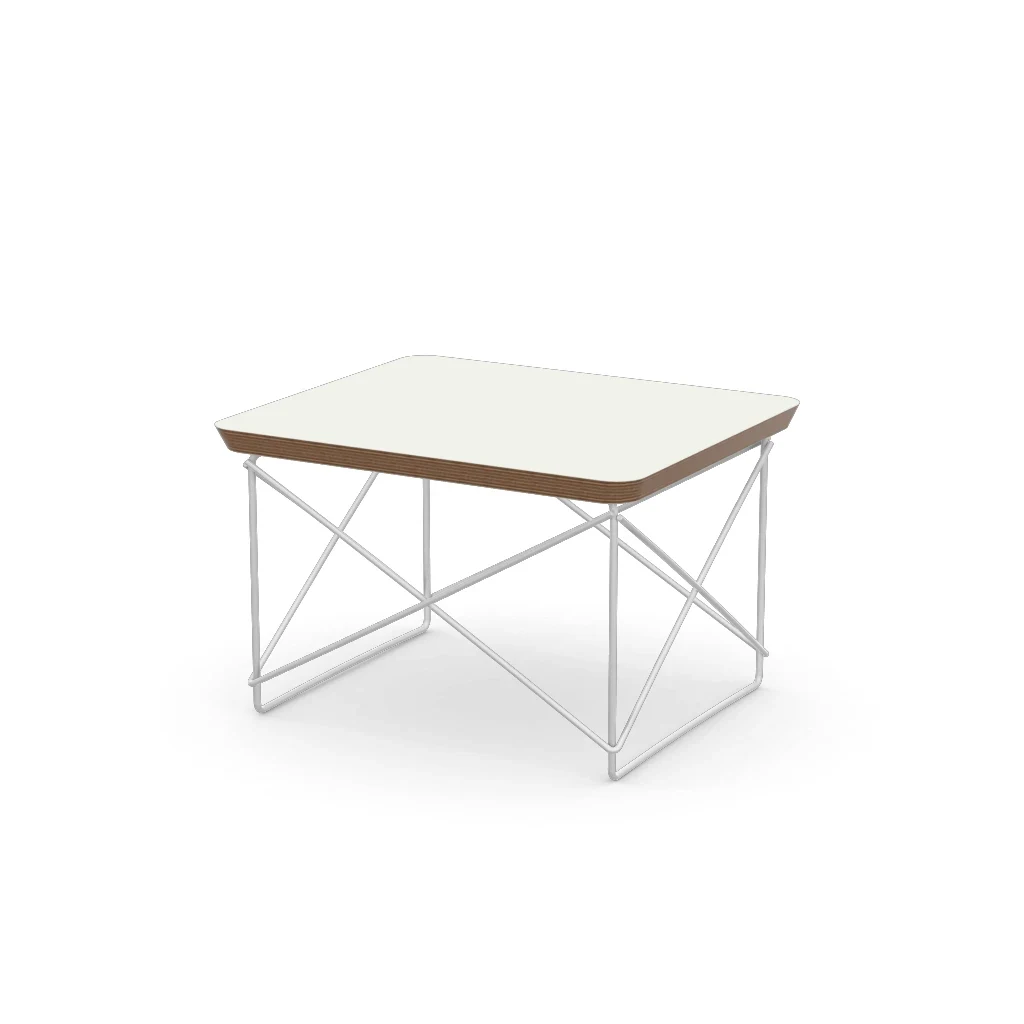
Occasional Table LTR
Eames low occasional table of 1950 with a steel-wire rod base and wood, HPL, linoleum or marble top.
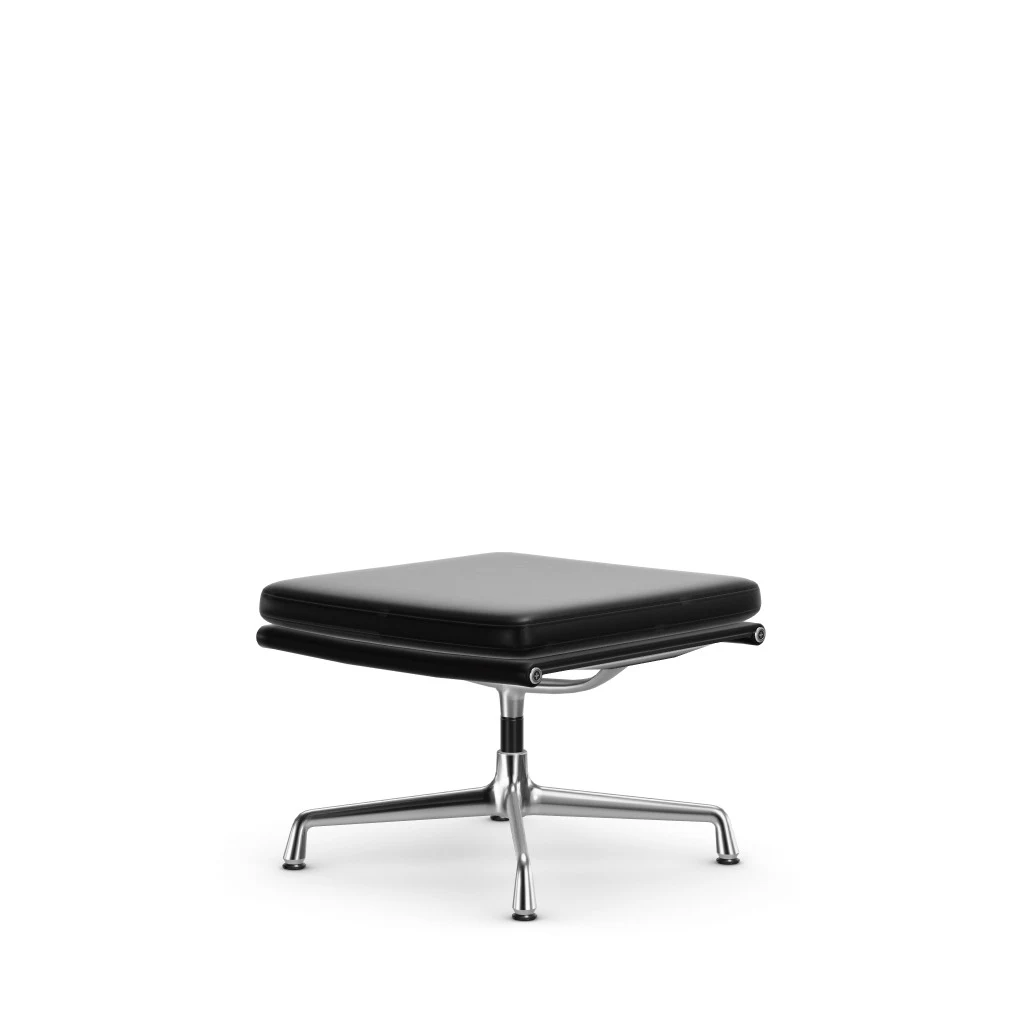
Soft Pad Chair EA 223
Eames stool for the EA 222 lounge chair, with a sewn-on cushion and an aluminium base, 1969.
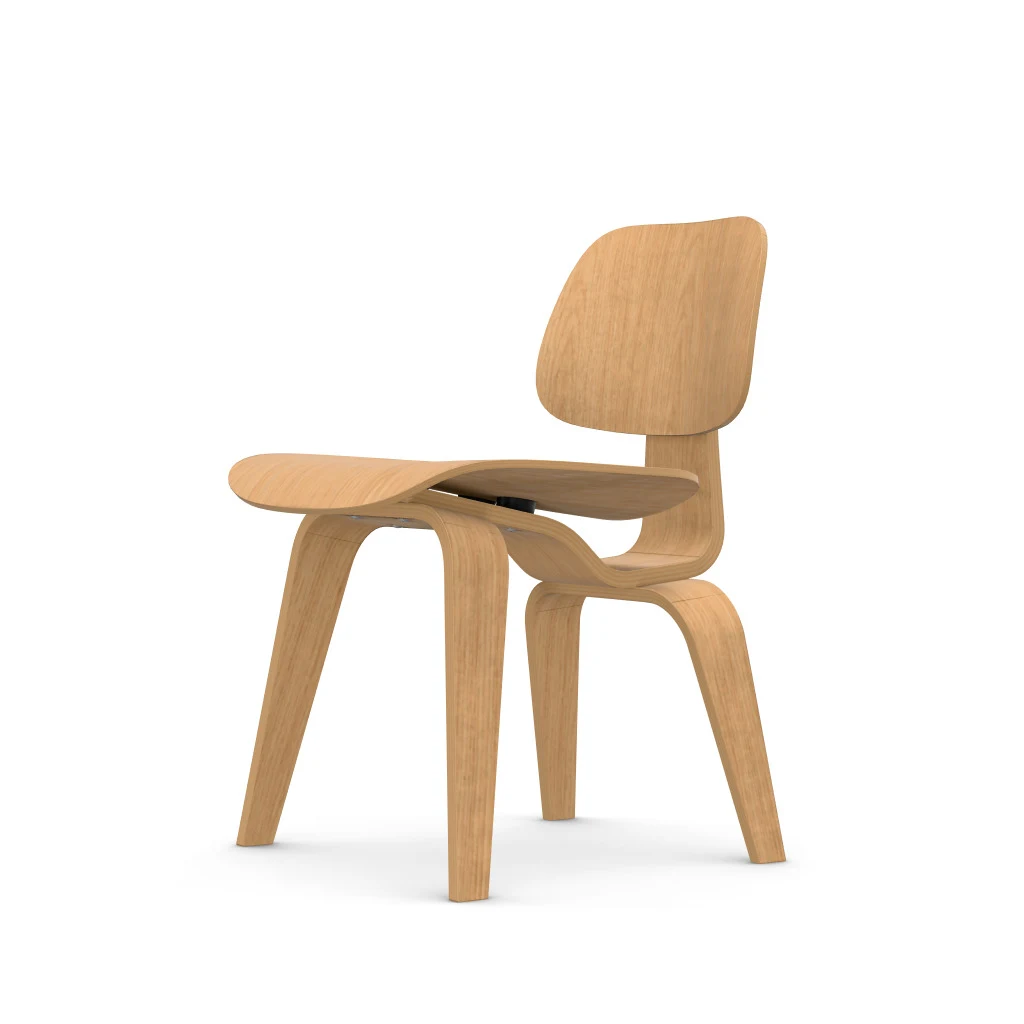
Plywood Group DCW
Eames' Dining Chair Wood: made entirely of moulded plywood, 1945/1946.
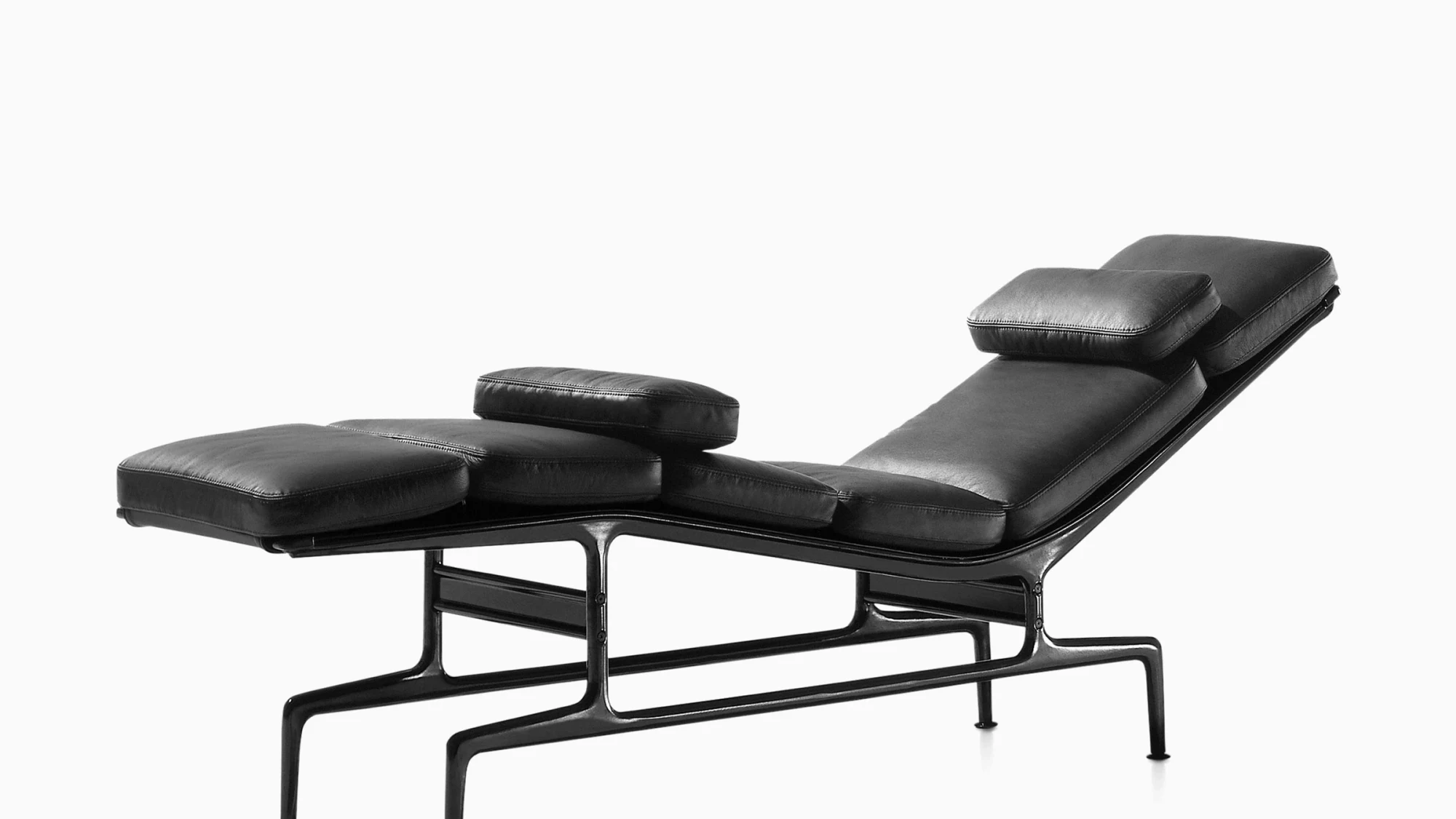
Eames Chaise
The 1968 Eames Chaise, an 18-inch-wide leather chaise on a die-cast aluminum frame.
Collection
Plywood Group
Vitra's Plywood Group by Charles and Ray Eames (1945/1946): moulded plywood chairs DCM, DCW, LCM and LCW in ash or walnut, with leather or calfskin covers.