
Image source: Magis — Paradise Tree
© Magis and the respective rights holders. Quoted to accompany INTEBEE's independent design commentary and research.

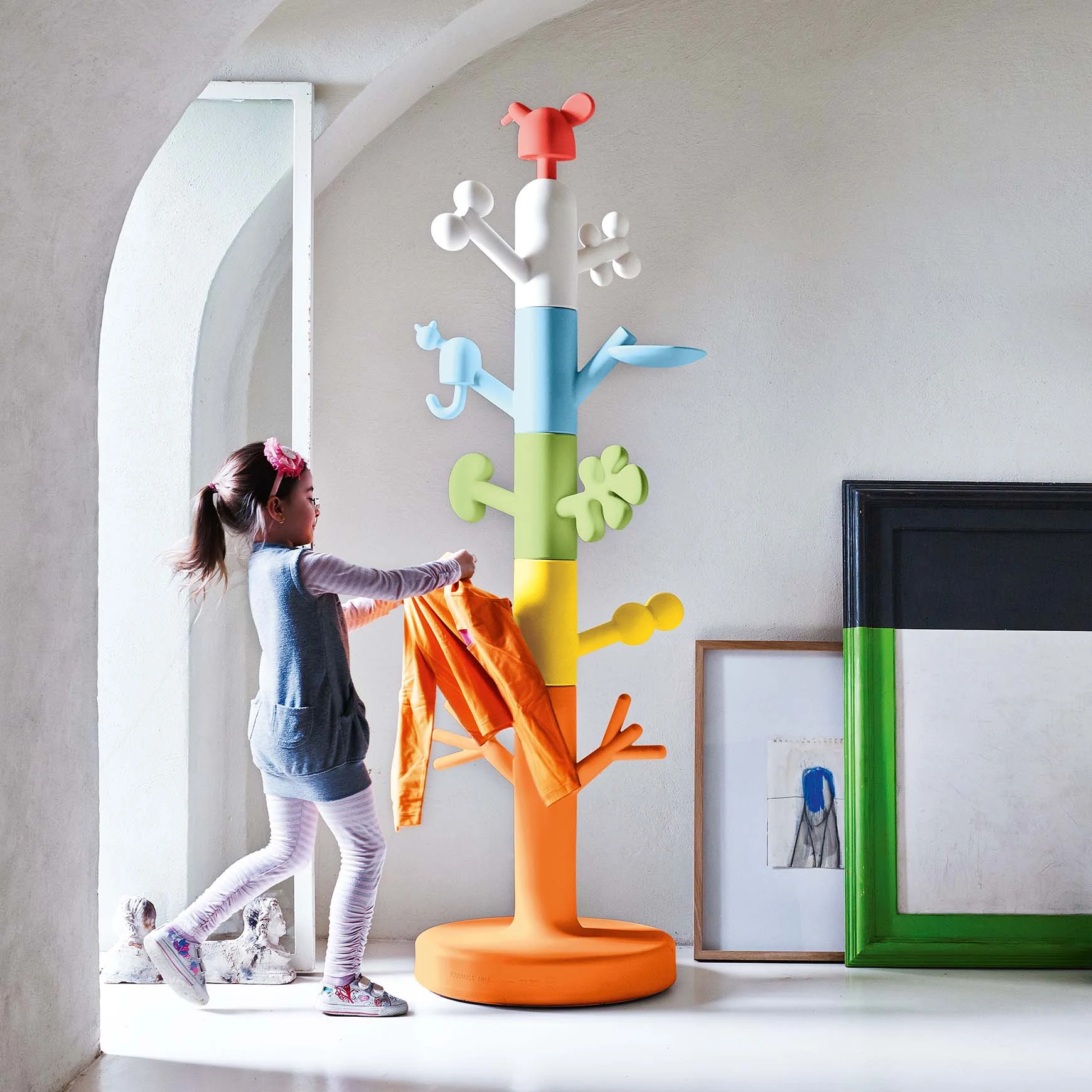
Paradise Tree
A coat stand of colourful polyethylene elements on a galvanized steel frame, designed by Oiva Toikka


1890 mm
2009
Approx. $970 (reference price; varies by region and retailer)
Official product information
INTEBEE AI PUBLIC LIBRARY is an independent furniture design research and discovery platform. Product specifications, finishes, availability and other details may change. For current and definitive information, please refer to the manufacturer's official website.
Go to the official product pageSpecifying Paradise Tree for your design project?
INTEBEE is the FF&E specification platform for interior designers: spec sheets, finishes, floor plans and client-ready PDFs in one place.
Description
Overview
Paradise Tree is an iconic, colourful and fun coat stand designed by Oiva Toikka in 2009 for Magis, where a cat, a bird and a load of clothes live happily together.
The stand takes six colour references, one for each element. Polyethylene is the material of the elements.
Construction
The elements are polyethylene, and the weight and the inner frame are galvanized steel. The base and the two top elements are fixed, and the three others are interchangeable.
Specifications
- Height: 189 cm
- Base: diameter 55 cm
- Element colours, top to base: six references
Story
A tree for coats
Oiva Toikka designed Paradise Tree in 2009 as a coat stand with a cat, a bird and a load of clothes living happily together on it. The stand is iconic, colourful and fun.
Colour and building the tree
The elements are polyethylene, while the weight and the inner frame are galvanized steel. Six colour references run from the top element to the base. The base and the two top elements are fixed; the three others are interchangeable.
More by Oiva Toikka
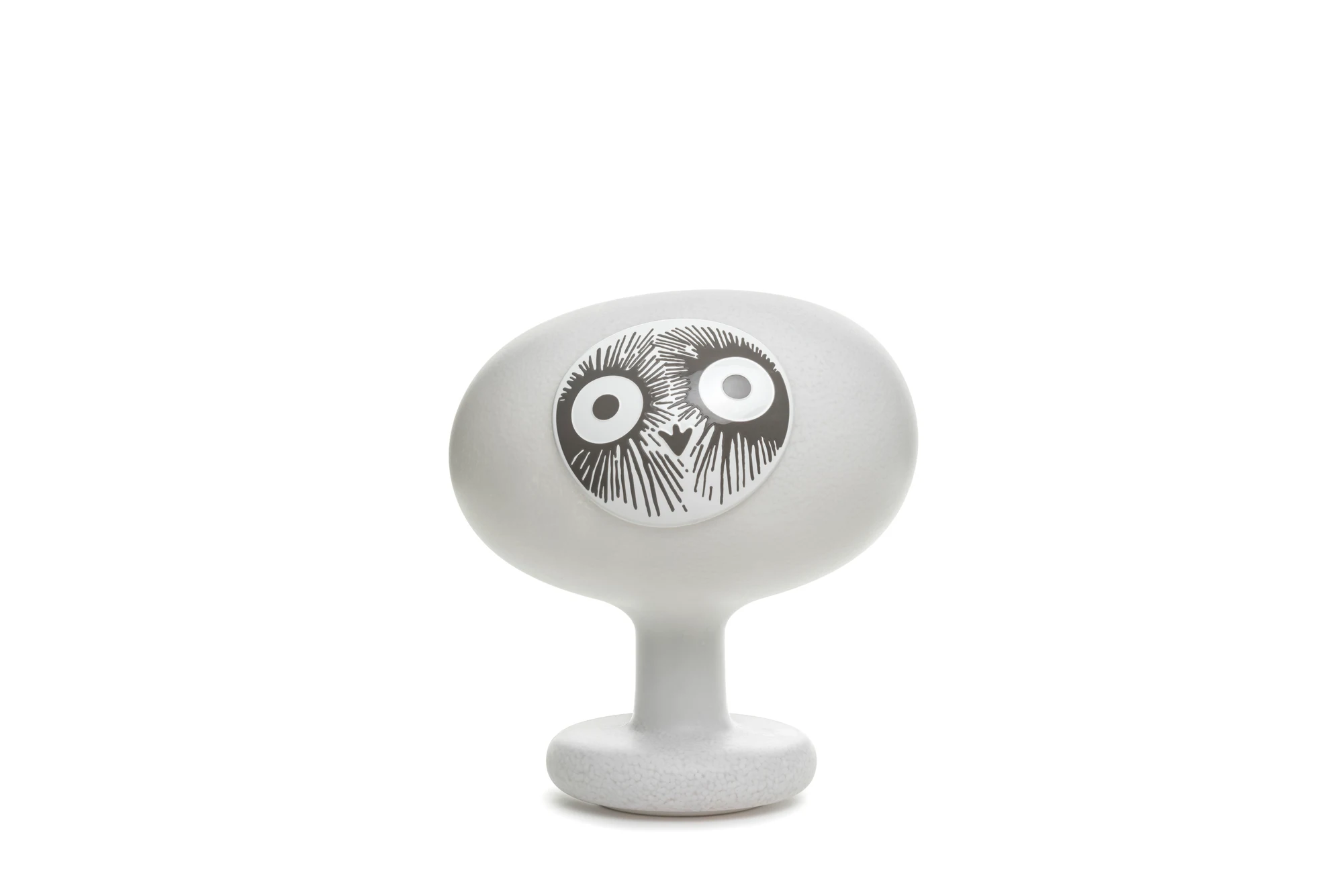
Linnut Palturi
Oiva Toikka's 2019 rechargeable polycarbonate lamp for Magis and Iittala, with touch dimmer
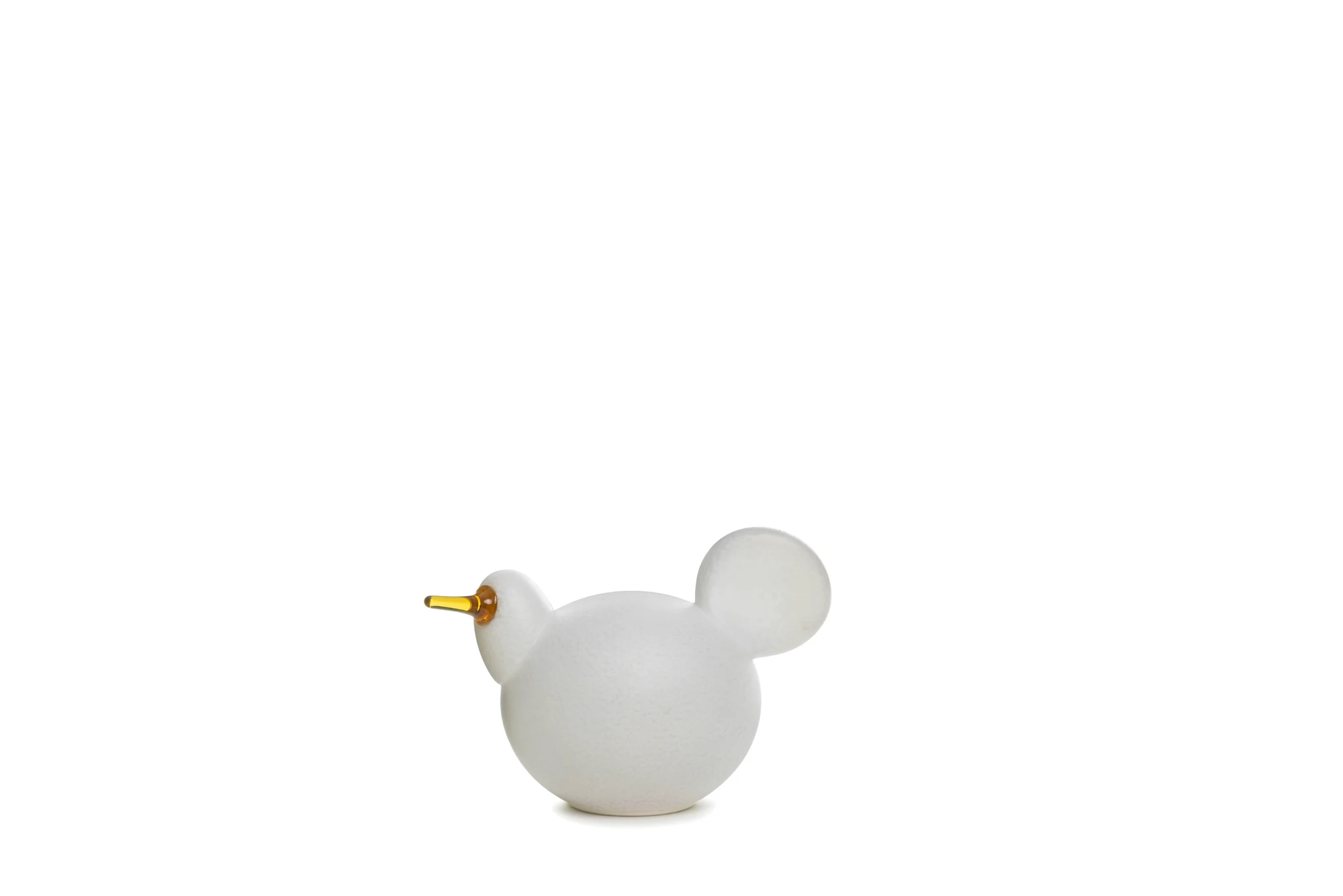
Linnut Siiri
Oiva Toikka's cable-free table lamp for Magis and Iittala, in polycarbonate on an ABS base
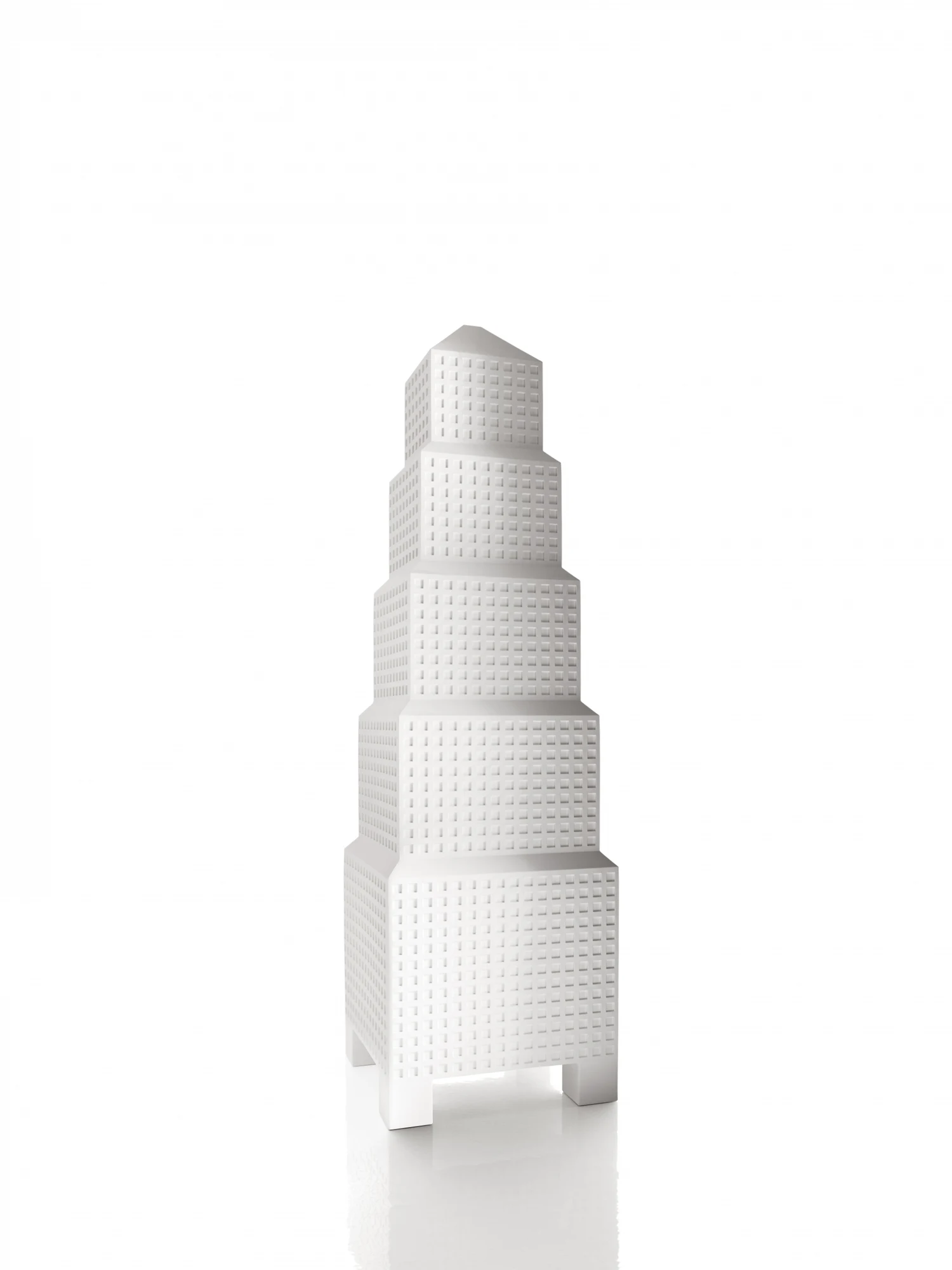
Downtown
Oiva Toikka's 2011 rotational-moulded polyethylene bookcase shaped like a skyscraper
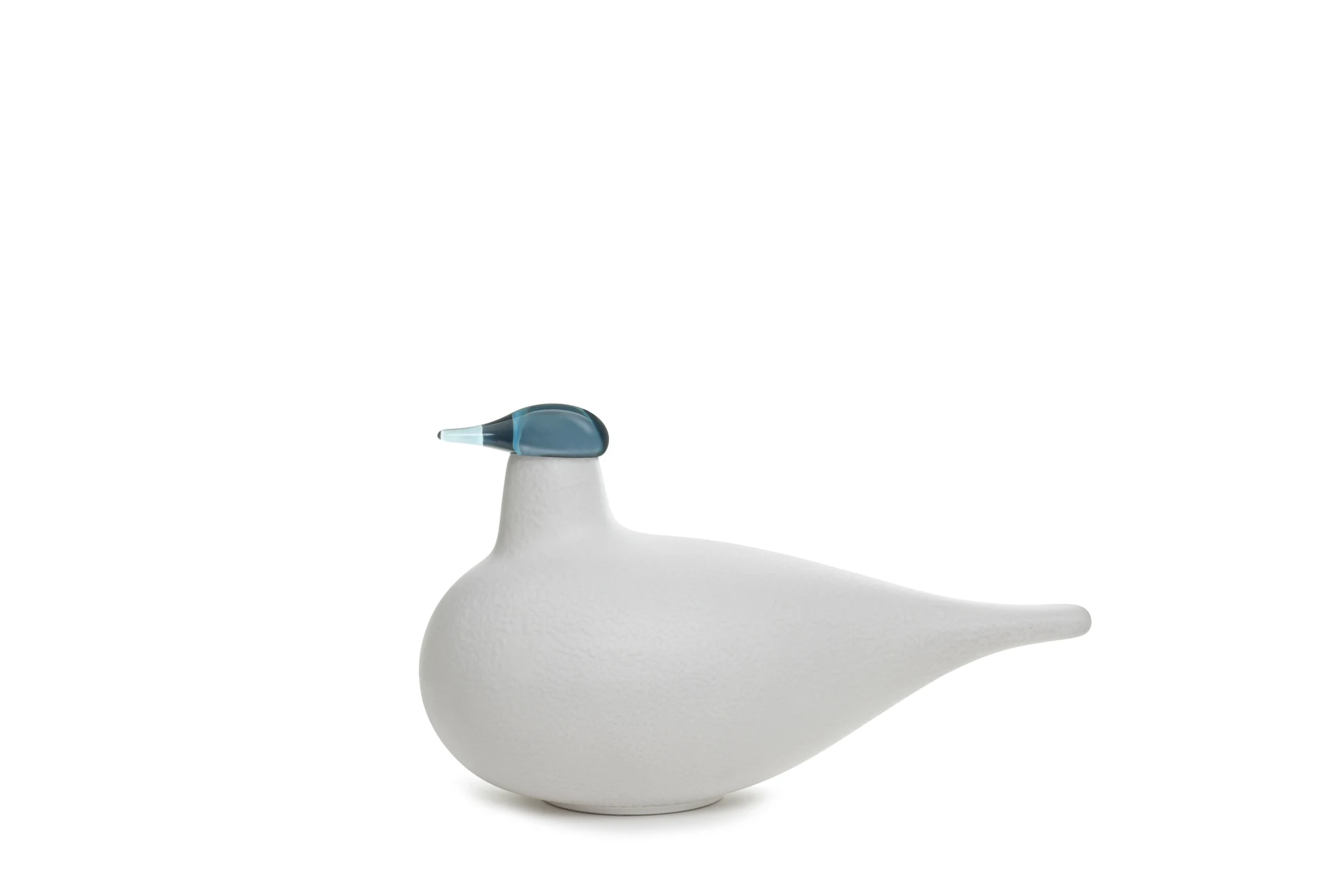
Linnut Kirassi
Oiva Toikka's rechargeable polycarbonate bird lamp for Magis and Iittala, with touch dimmer