
Image source: Tacchini — Lina
© Tacchini and the respective rights holders. Quoted to accompany INTEBEE's independent design commentary and research.

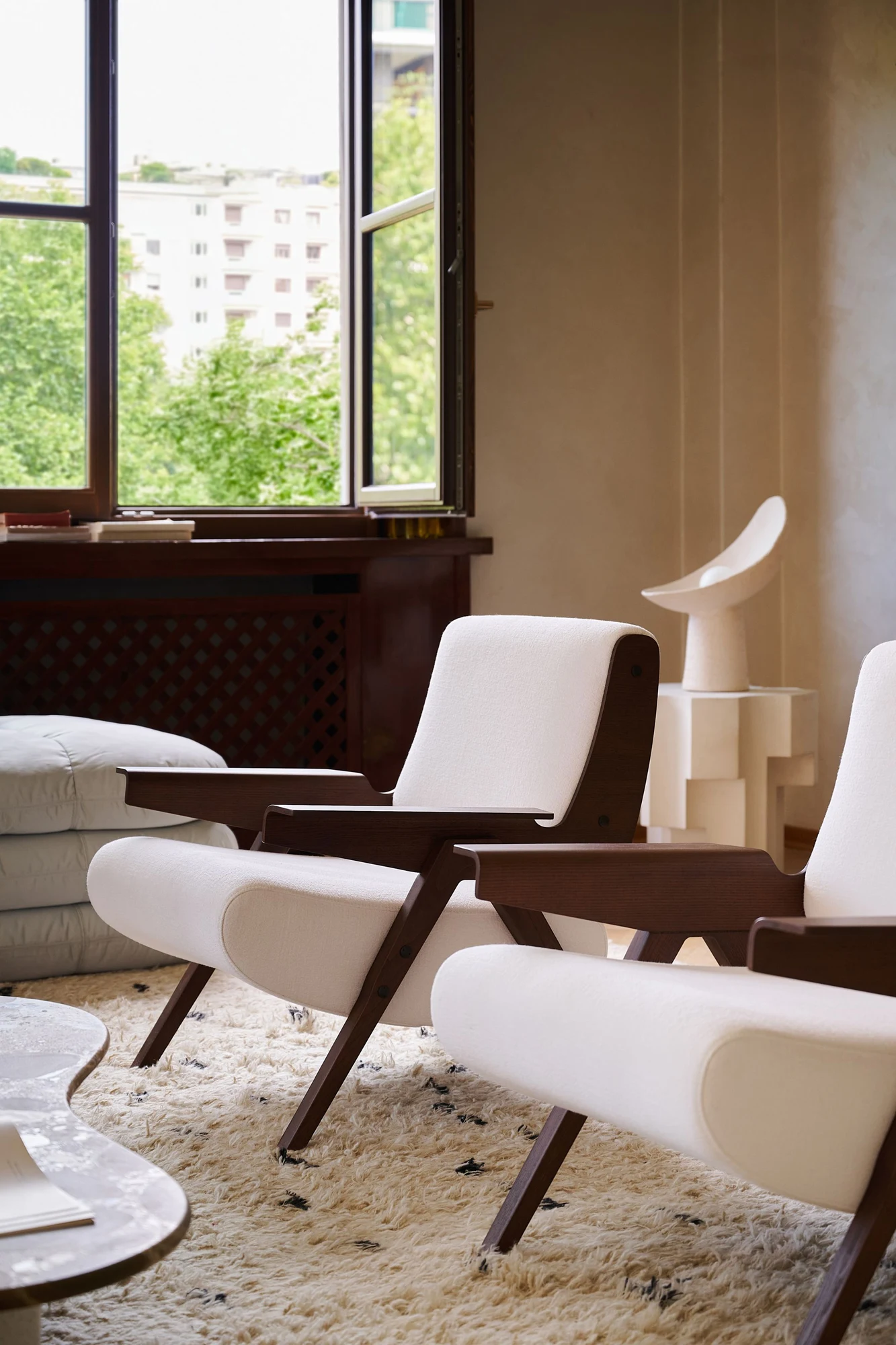
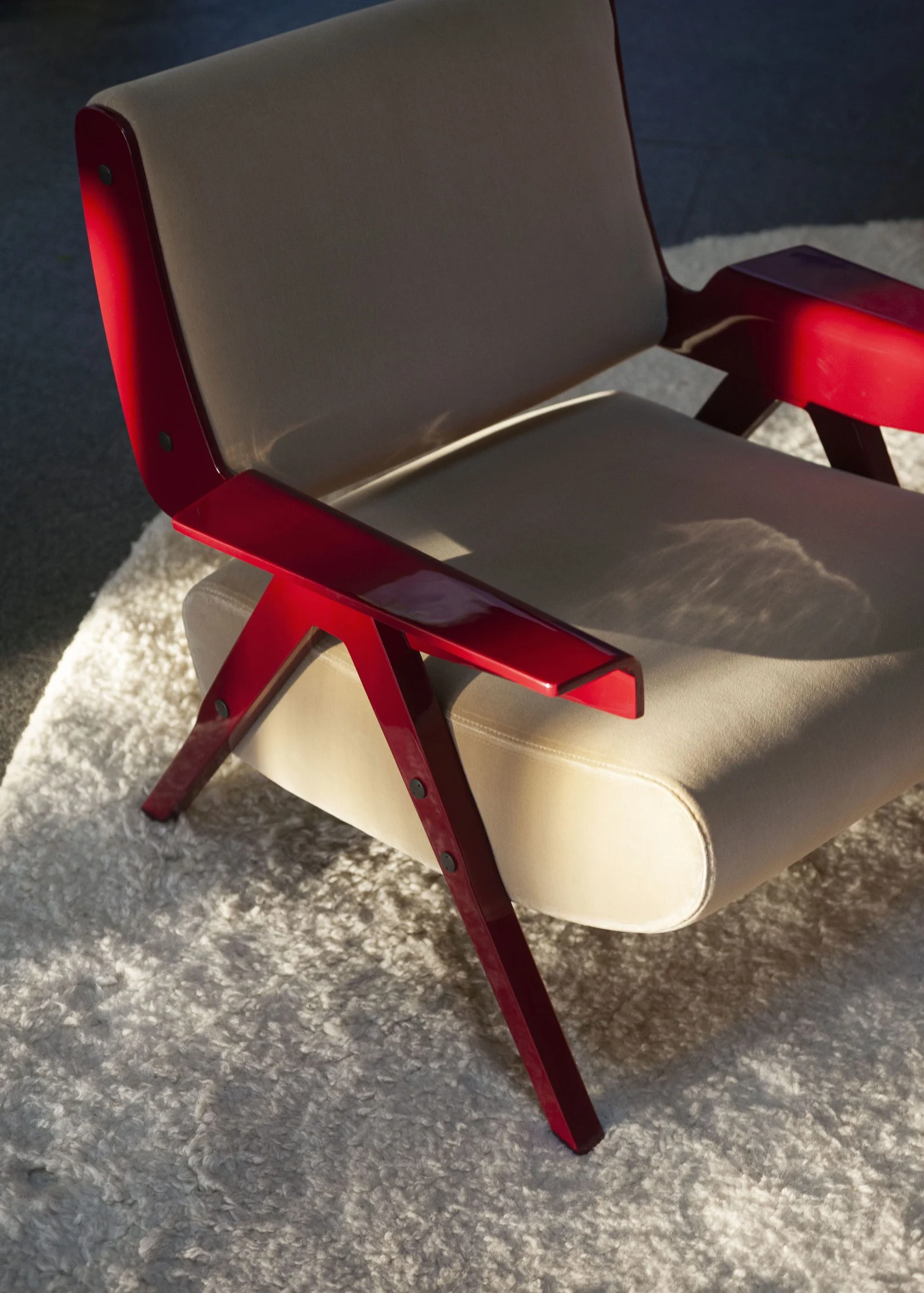
Lina
A re-edition of an early Gianfranco Frattini chair that joins solidity and lightness.


780 × 760 × 780 mm
Official product information
INTEBEE AI PUBLIC LIBRARY is an independent furniture design research and discovery platform. Product specifications, finishes, availability and other details may change. For current and definitive information, please refer to the manufacturer's official website.
Go to the official product pageSpecifying Lina for your design project?
INTEBEE is the FF&E specification platform for interior designers: spec sheets, finishes, floor plans and client-ready PDFs in one place.
Description
Overview
Lina is a re-edition of one of Gianfranco Frattini's early designs. It combines solidity and lightness in a chair of great presence, with an inviting design and timeless style. The process behind it was truly innovative for its time and is now brought back with philological attention.
Construction
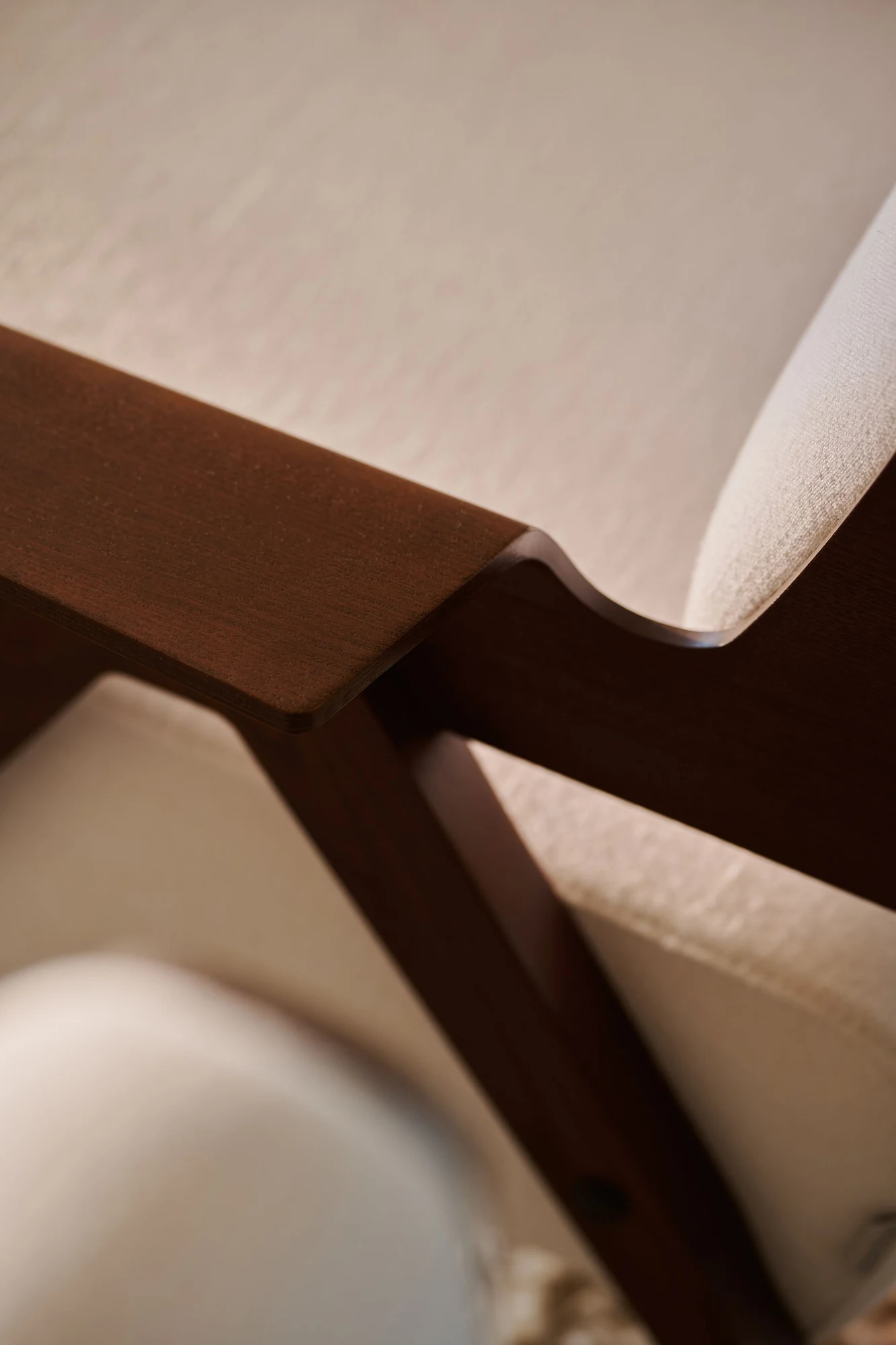
Slender trestle legs and a curved plywood element make up the wooden frame; the plywood piece carries the side of the backrest and doubles as the armrest support. Seat and backrest are separated by a small gap. The seat is padded with multi-density polyurethane foam over stained ash wood, with a fabric or leather cover.
Specifications
Code 0LNAPL078 measures 78 W x 78 D x 76 H cm.
Story
An early Frattini design
Lina brings back one of Master Gianfranco Frattini's early designs. Its process was innovative for its time, and Tacchini now returns to it with philological attention. Frattini himself speaks of the dimension of memory as holding an important place in his design language.
Avoiding formal heaviness
A small gap between the seat and the backrest avoids any formal heaviness. The curved plywood element that carries the side of the backrest also forms the support for the armrest, which makes the wooden frame at once solid and light.
More by Gianfranco Frattini
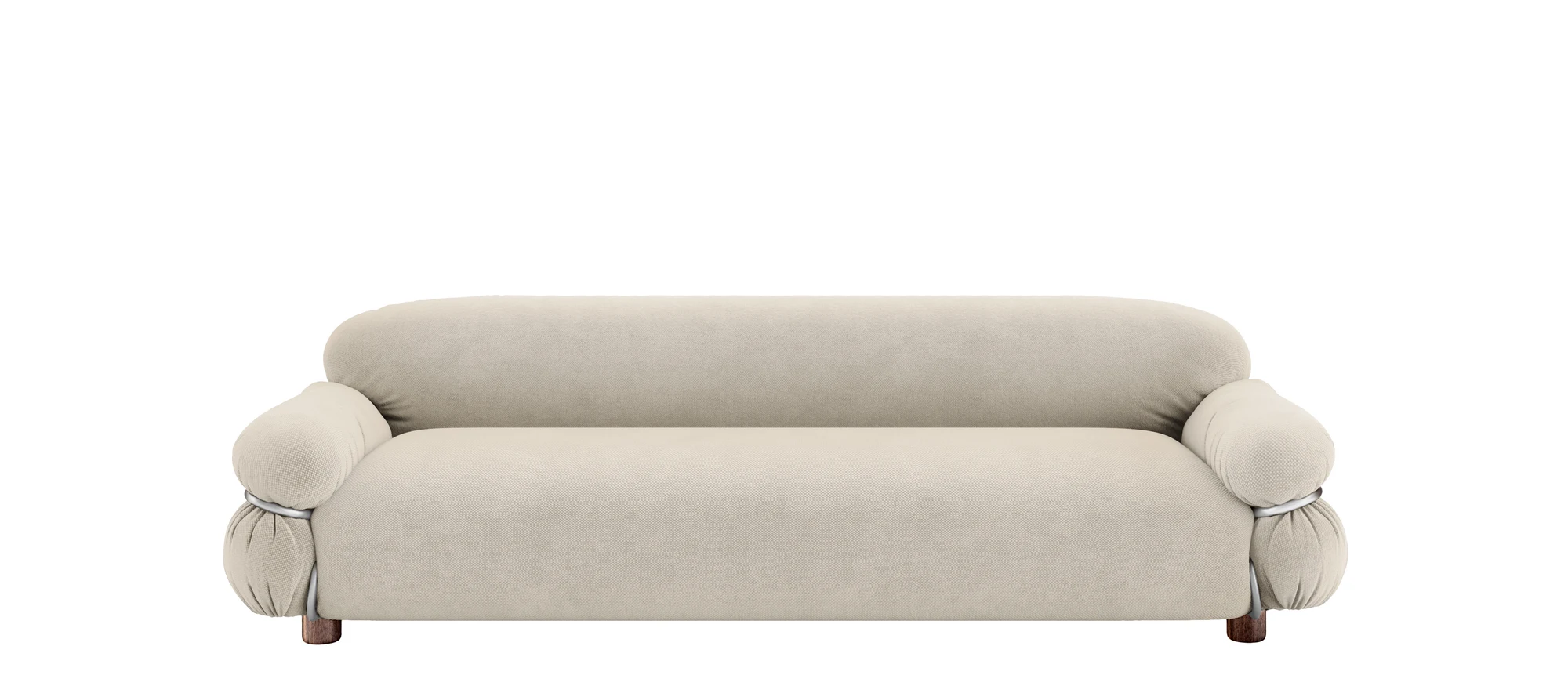
Sesann Sofa
Gianfranco Frattini's 1970 sofa of soft padding held by an exposed tubular steel frame

Agnese
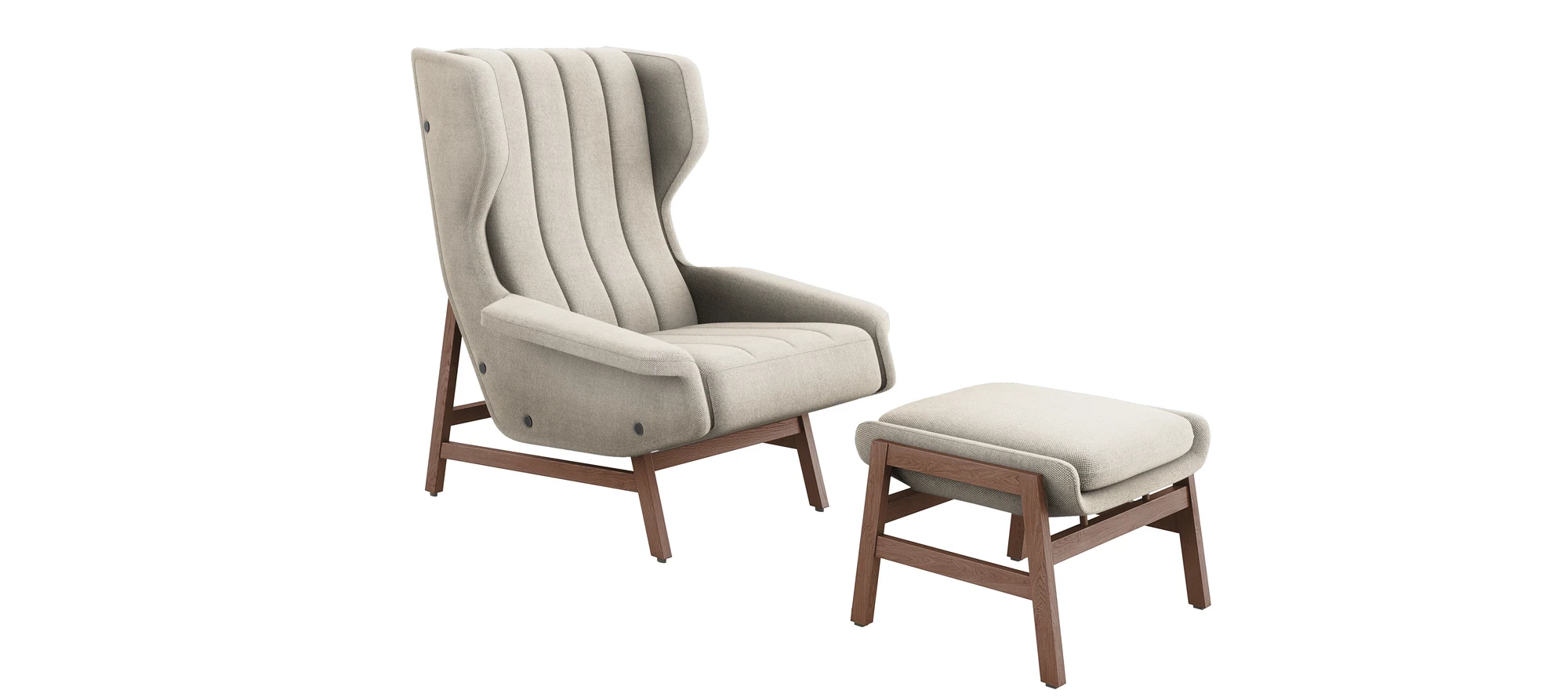
Giulia
Gianfranco Frattini's winged bergère armchair on a wooden frame, re-edited by Tacchini.
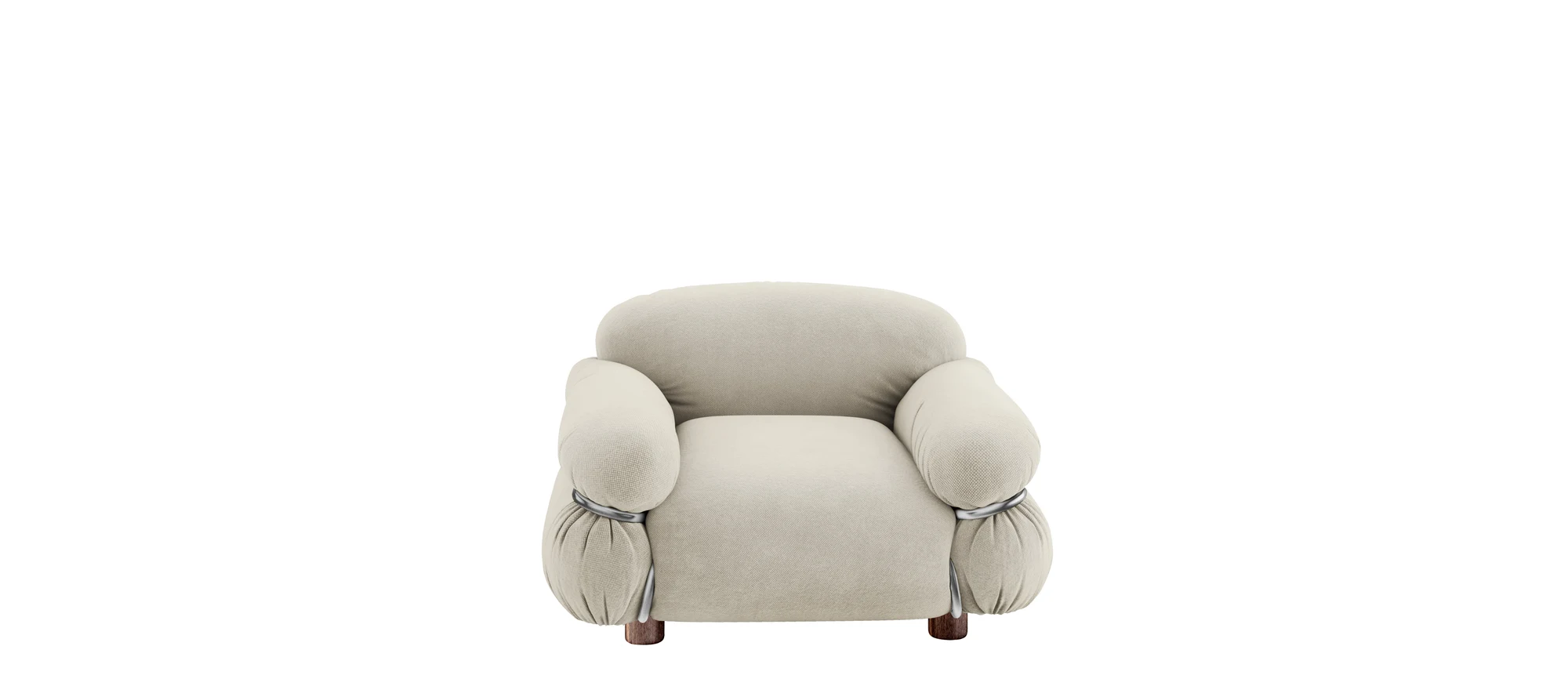
Sesann - Gran Sesann Armchair
Frattini's Sesann armchair: important volumes held by a visible tubular metal structure