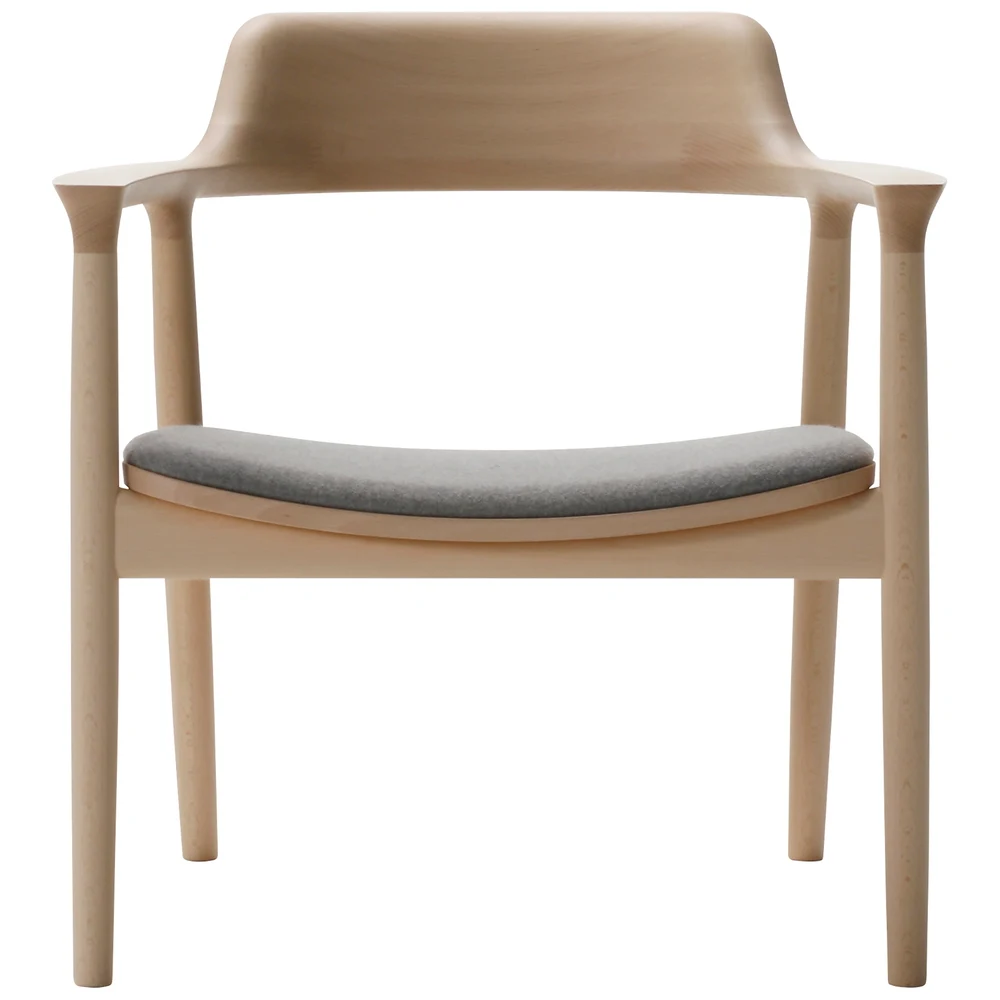
Image source: Maruni — Hiroshima Armchair
© Maruni and the respective rights holders. Quoted to accompany INTEBEE's independent design commentary and research.
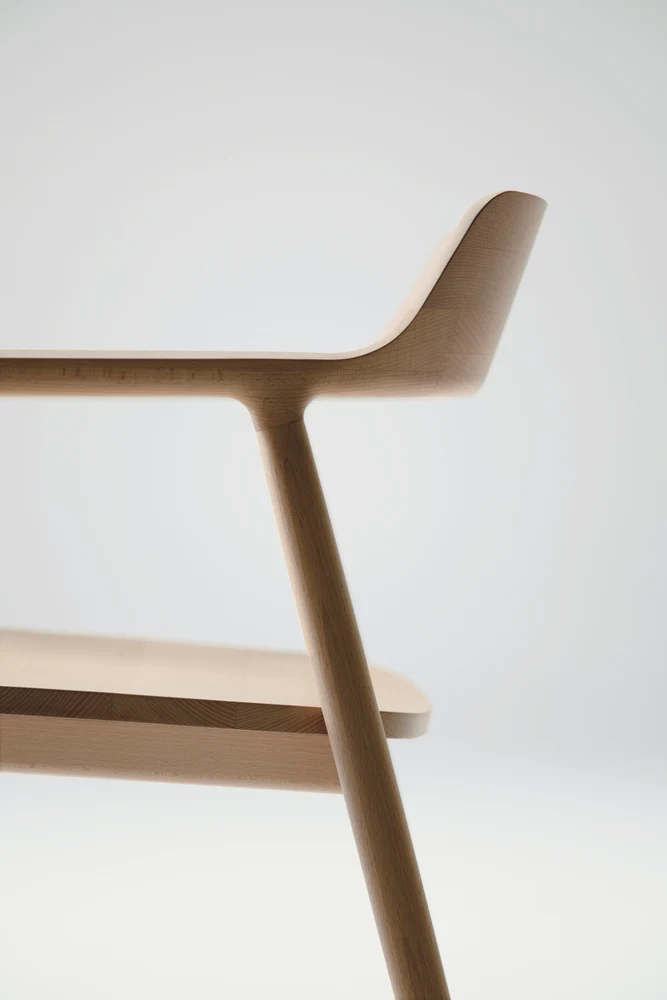
Hiroshima Armchair
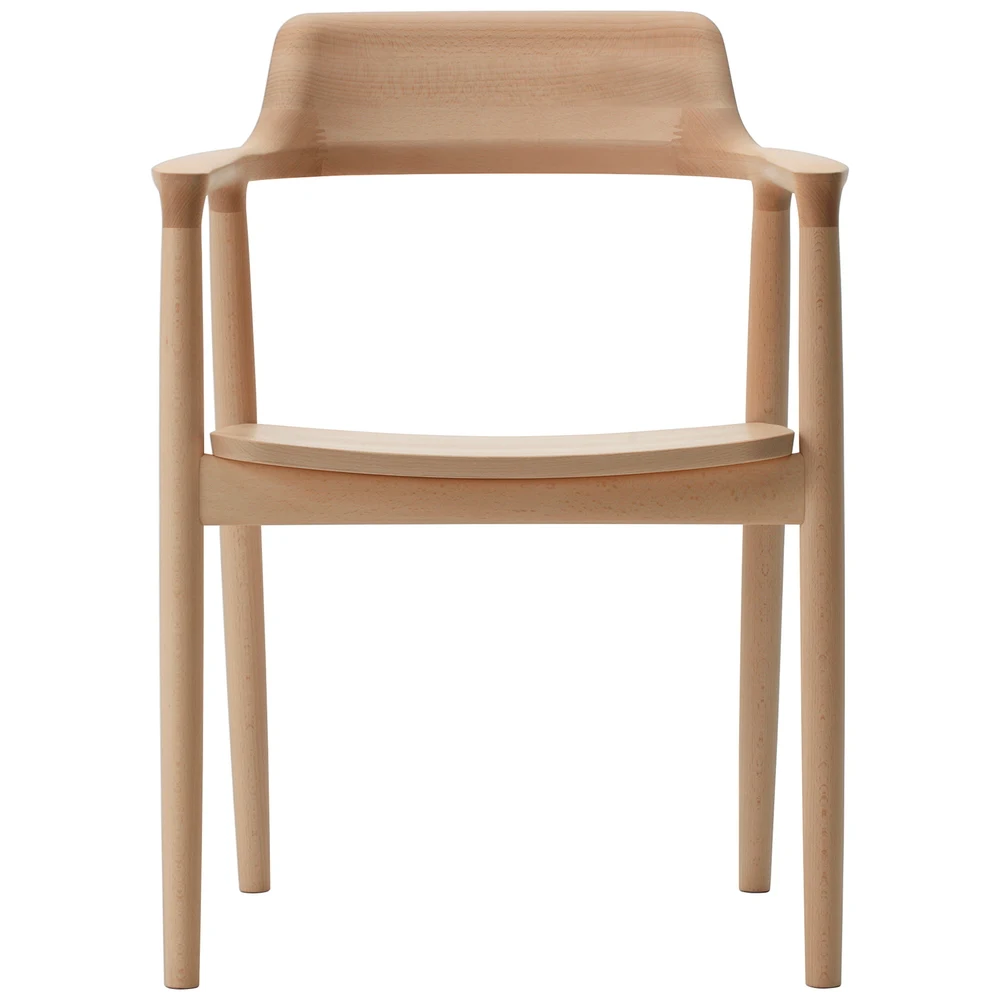
HIROSHIMA Armchair (wooden seat) by Naoto Fukasawa for Maruni, Low or High, with gentle curves


560 × 765 × 530 mm
2008
Japan
Official product information
INTEBEE AI PUBLIC LIBRARY is an independent furniture design research and discovery platform. Product specifications, finishes, availability and other details may change. For current and definitive information, please refer to the manufacturer's official website.
Go to the official product pageSpecifying Hiroshima Armchair for your design project?
INTEBEE is the FF&E specification platform for interior designers: spec sheets, finishes, floor plans and client-ready PDFs in one place.
Description
Overview
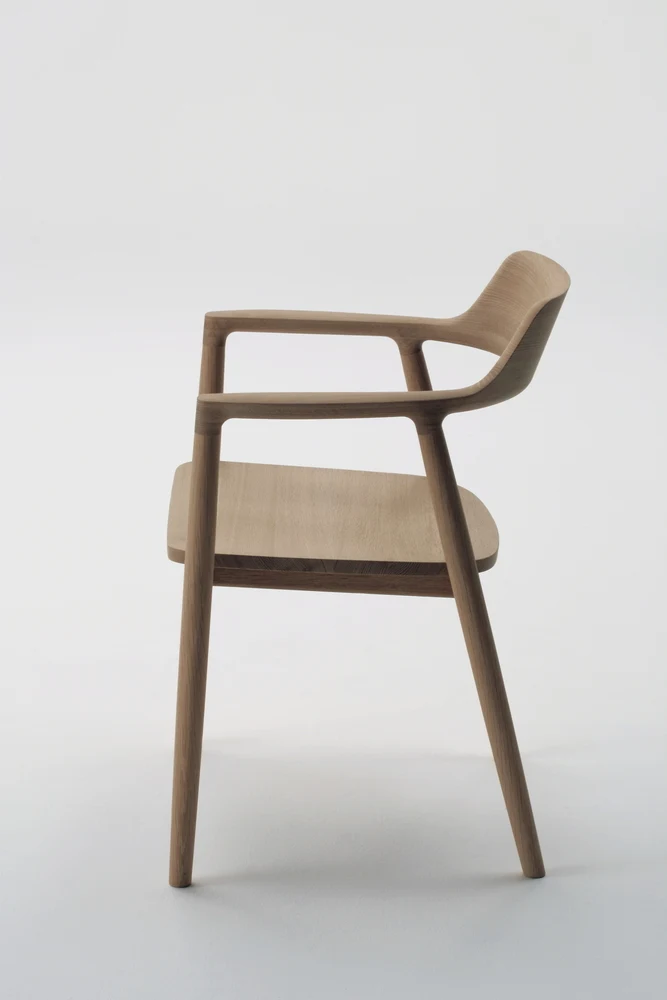
The HIROSHIMA Armchair (wooden seat) is credited to Naoto Fukasawa; Maruni's product sheet gives the designer and the year 2008. The sheet says that, looking as if it was carved out of solid wood, it features beautiful gentle curves from the arms through the back, and that the luxurious seating comfort allows it to be used as a lounge chair in addition to being an excellent dining chair. It is offered as Low or High.
Construction
The wood is beech, ash, oak or walnut; the sheet says it comes from beech trees in Europe and from ash, oak or walnut trees in North America, managed and felled in a planned manner, and that furniture in certified wood can be made on request. The coating and glue are tested for formaldehyde emissions to ISO 12460 and confirmed not to exceed 0.4 mg/l. Polyethylene leg gliders, with felt or plastic bottoms, can be fitted and are sold separately.
Specifications
- Low: W560 × D530 × H765 mm, seat height 425 mm
- High: W560 × D530 × H790 mm, seat height 450 mm
- Tests: ISO 7173-L4 (strength and durability), ISO 7174 (stability); purpose of use: indoor
- Finish codes by wood on the sheet: beech NL-0, EC-1, EA-1; ash NL-0, WS-1, NK-1; oak NQ-0, BNK-1, NU-0, BOG-0, C-0, NL-0, NK-1, OG-0; walnut C-0, WB-1
Story
Fukasawa on wooden chairs
The product sheet quotes Naoto Fukasawa: he had wanted to design good wooden chairs, ones that become permeated with a flavor of daily living as they are used over a long time, like the plain-wooden chairs of Scandinavia. He saw the same artistic element in Japanese wooden products, especially the unfinished ones mainly made from cypress, which give a sense of refined, immaculate, exalted purity, and aimed for a refined and pure aura that at the same time has human warmth.
Light and shadow
The sheet says light and shadow playing across the chair make a gorgeous contrast that further brings out its form. A Maruni news item of 24 June 2014 reports its inclusion in Designmuseum Danmark's permanent collection.
More by Naoto Fukasawa
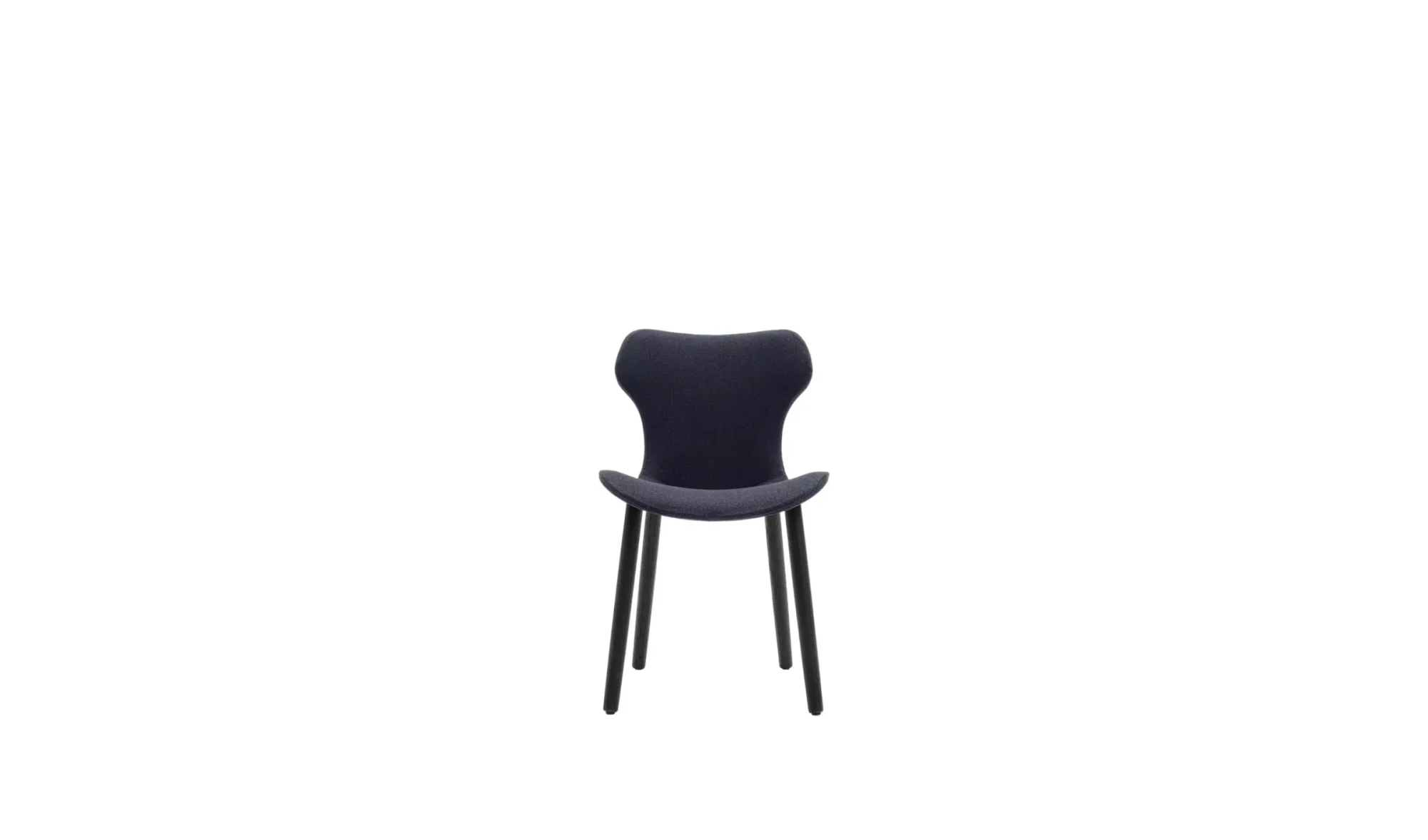
Papilio Shell
Chair with a polypropylene or padded shell and a butterfly-wing back, on steel or wooden legs
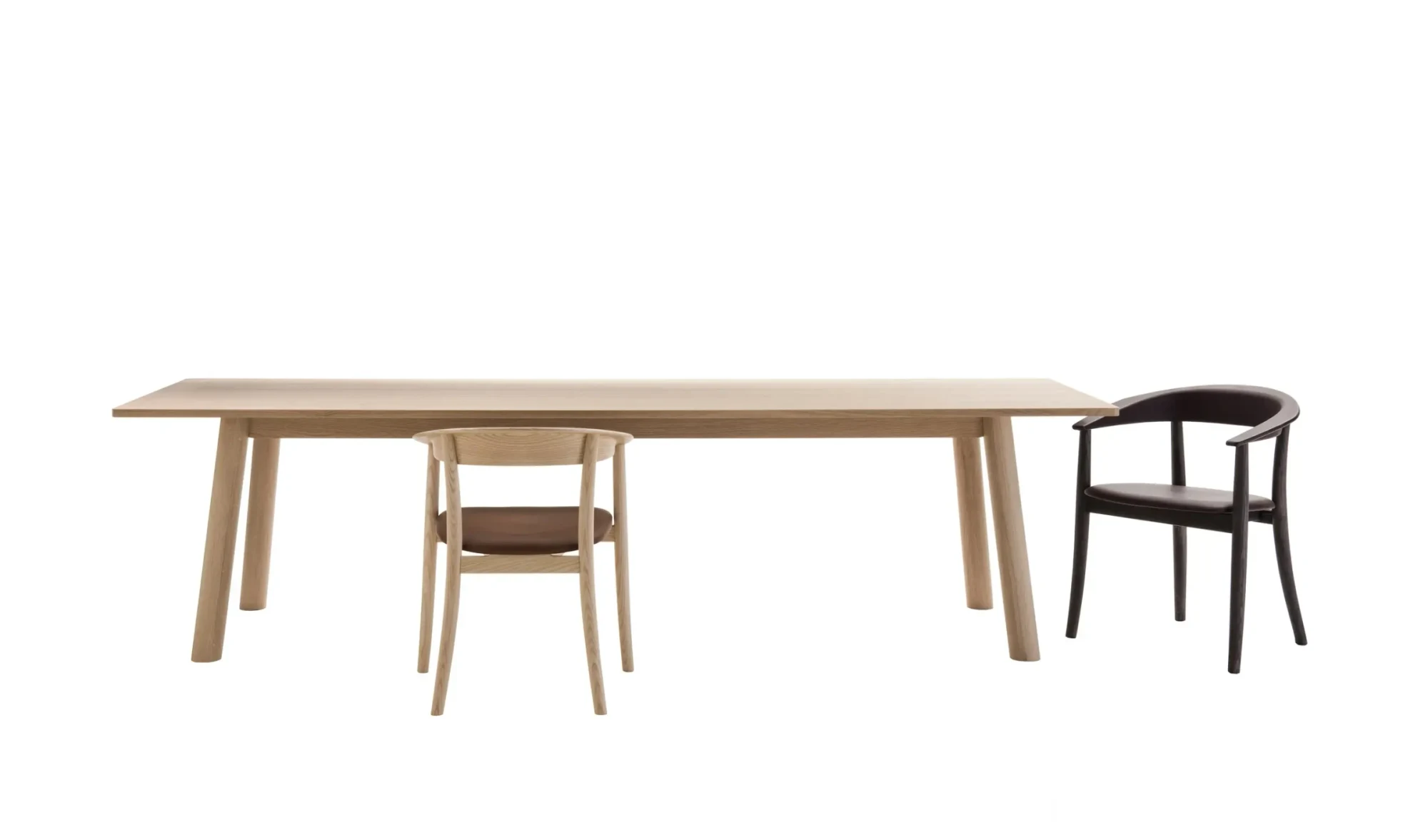
Bull
Solid-wood dining table with inclined round-section legs and a slender top, designed in 2018
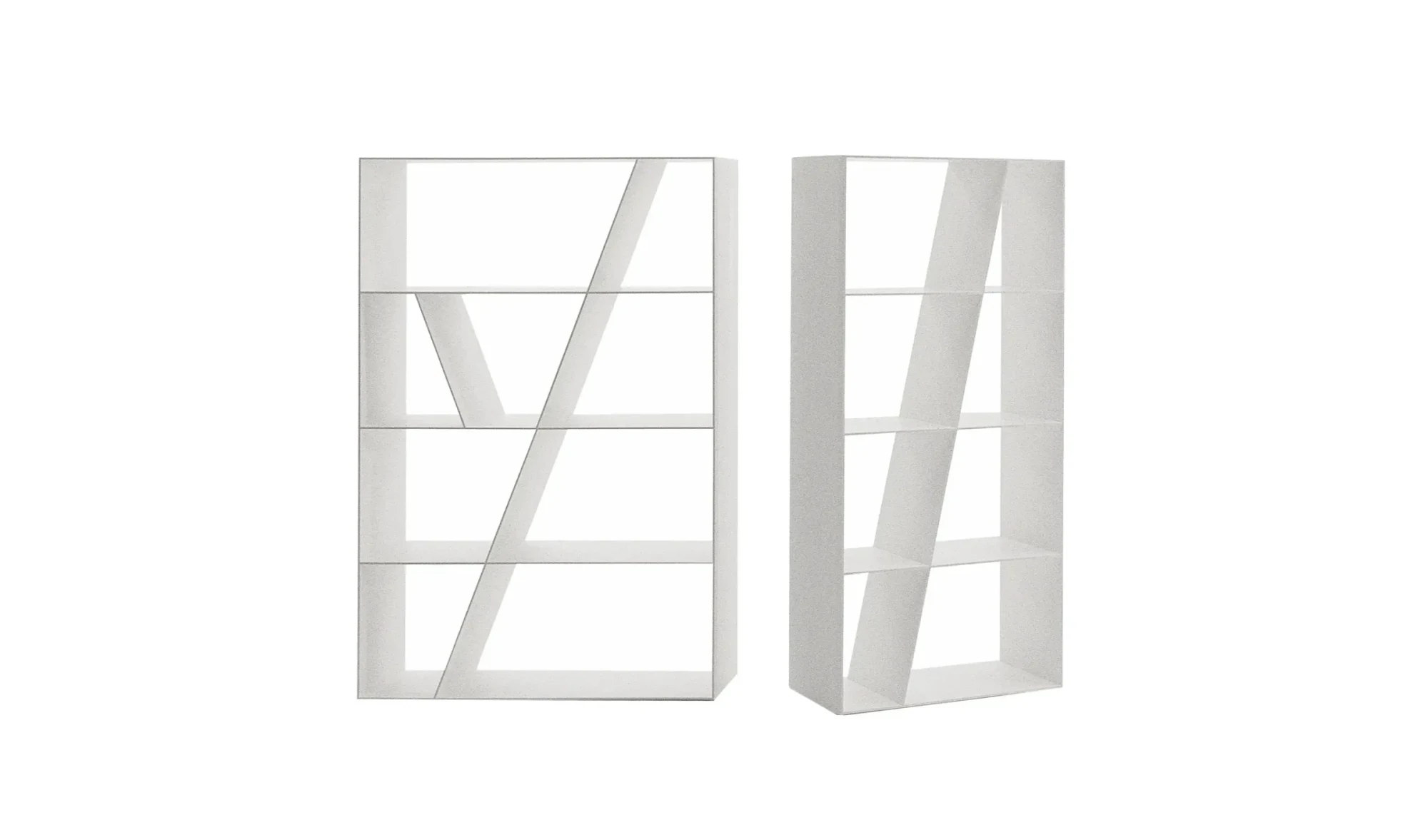
Shelf
Shelf by Naoto Fukasawa, 2006
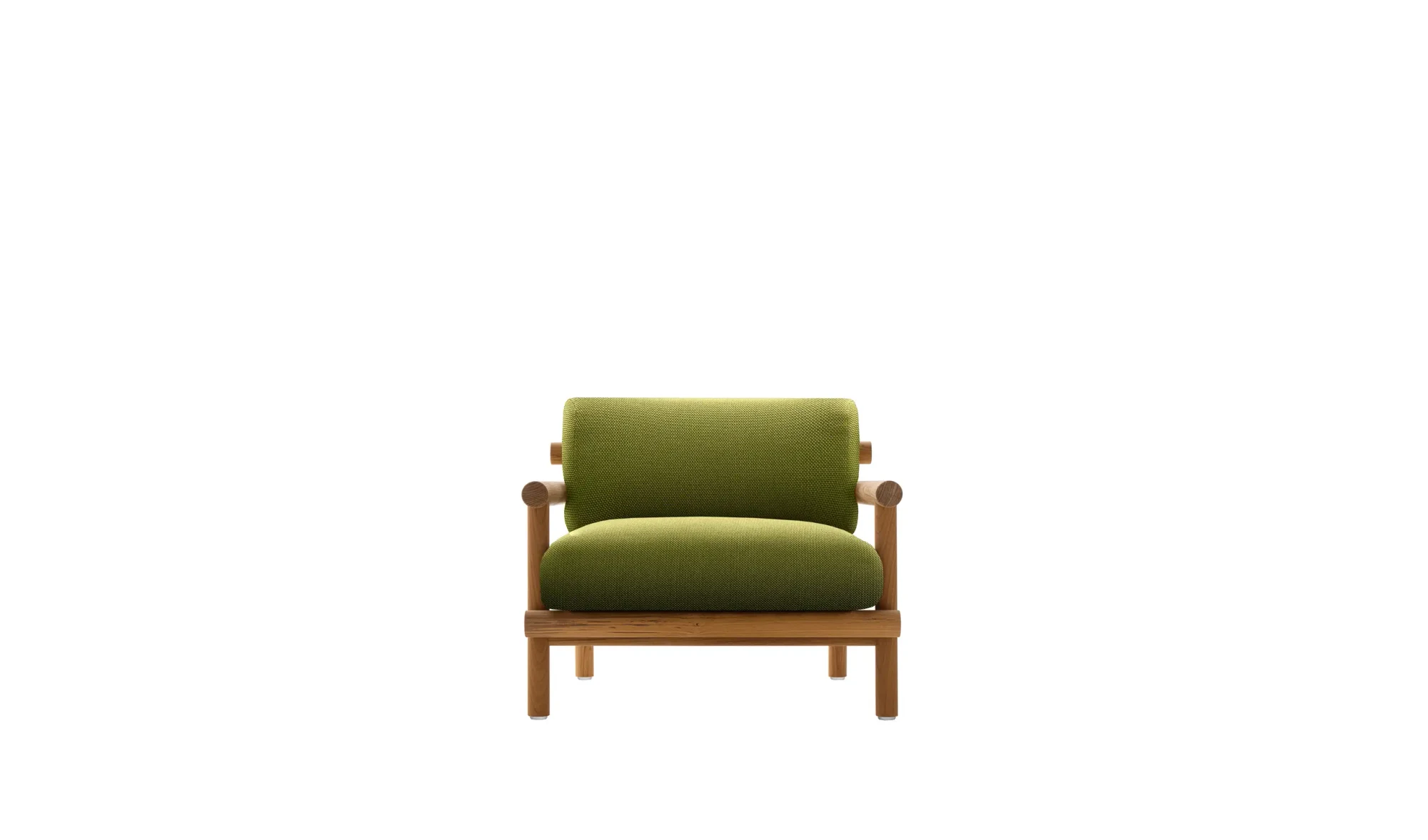
Ayana Armchair Outdoor
An FSC-certified teak outdoor armchair by Naoto Fukasawa
Collection
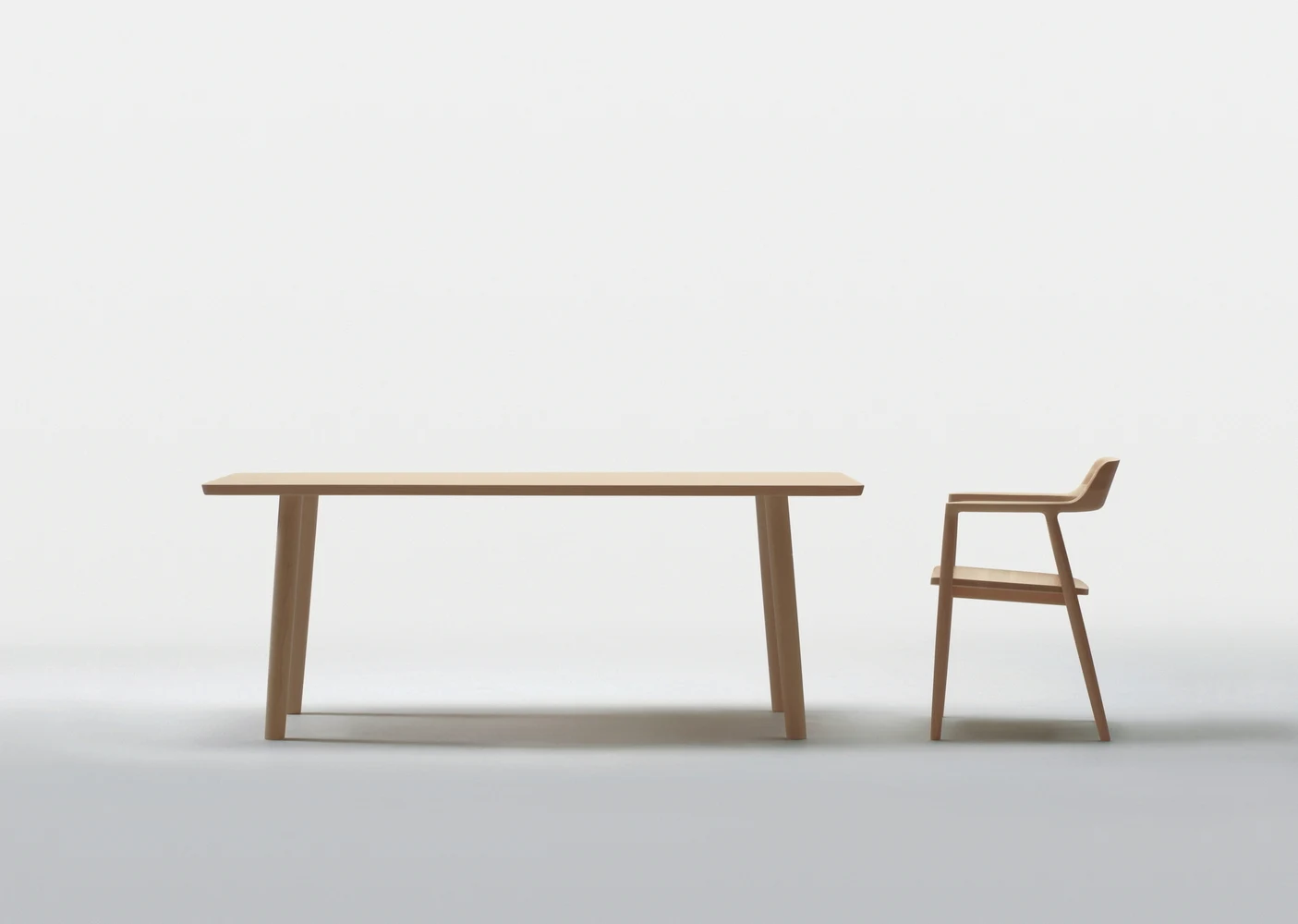
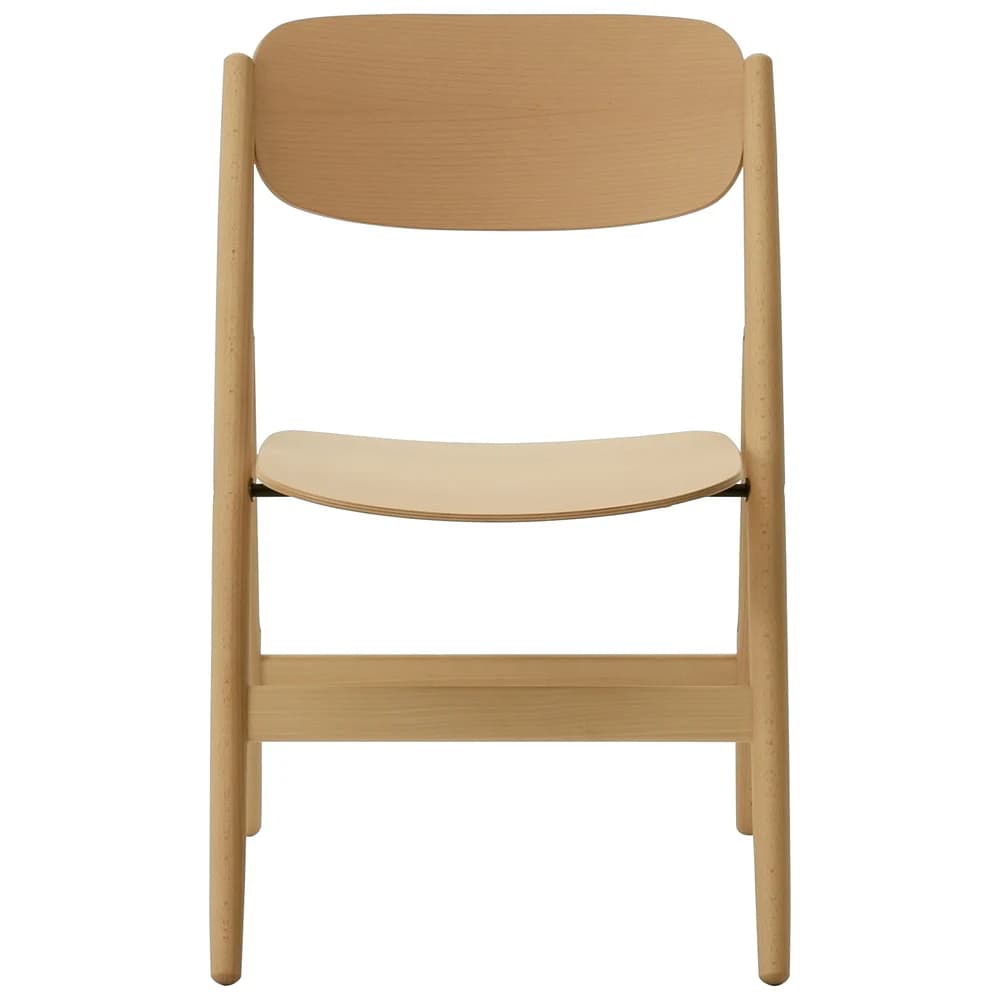
Hiroshima
Maruni's HIROSHIMA series by Naoto Fukasawa (2008): wooden chairs, tables and shelves with simple, subtle structures and a natural, almost unpainted finish.