
Image source: Arper — Cari
© Arper and the respective rights holders. Quoted to accompany INTEBEE's independent design commentary and research.
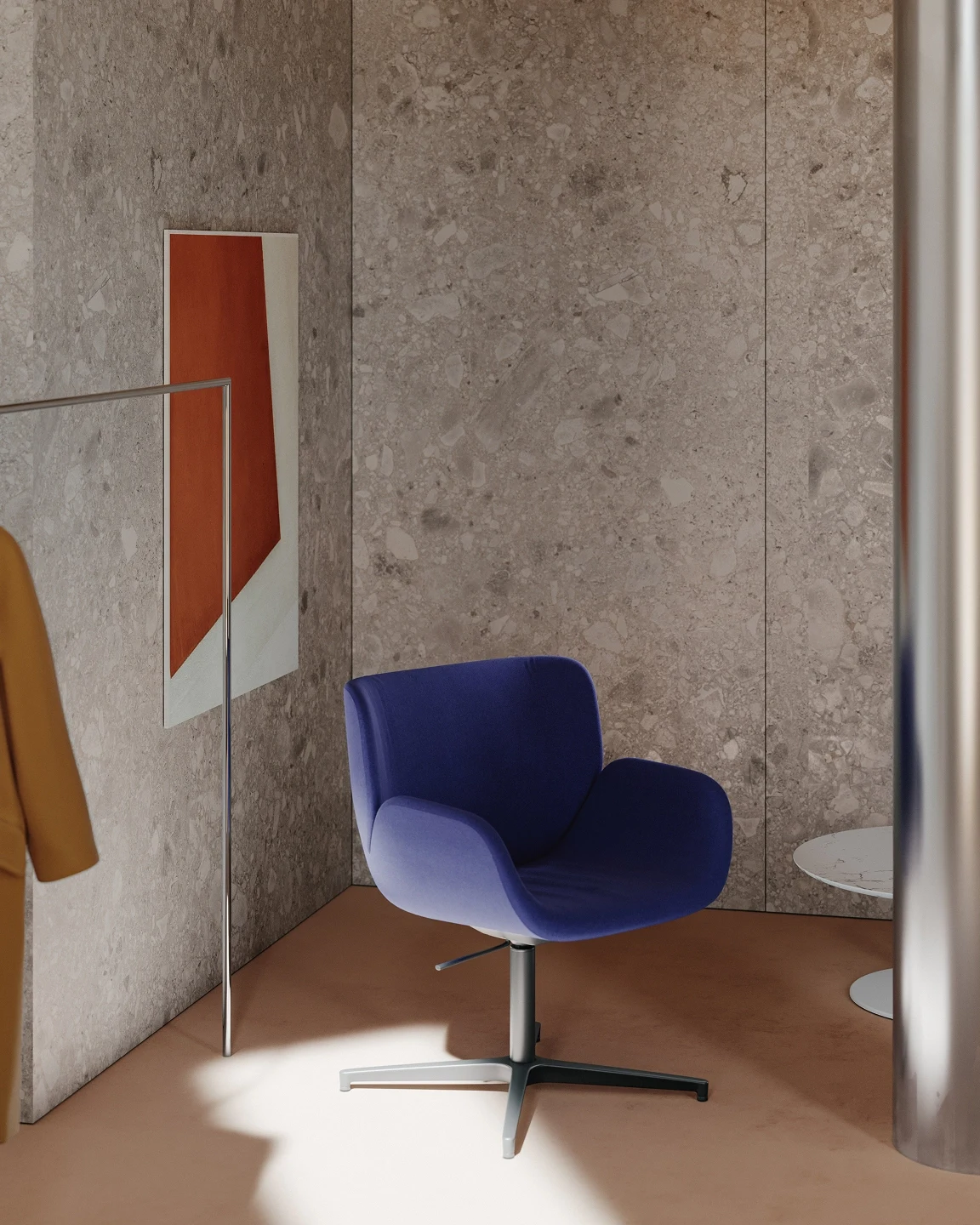
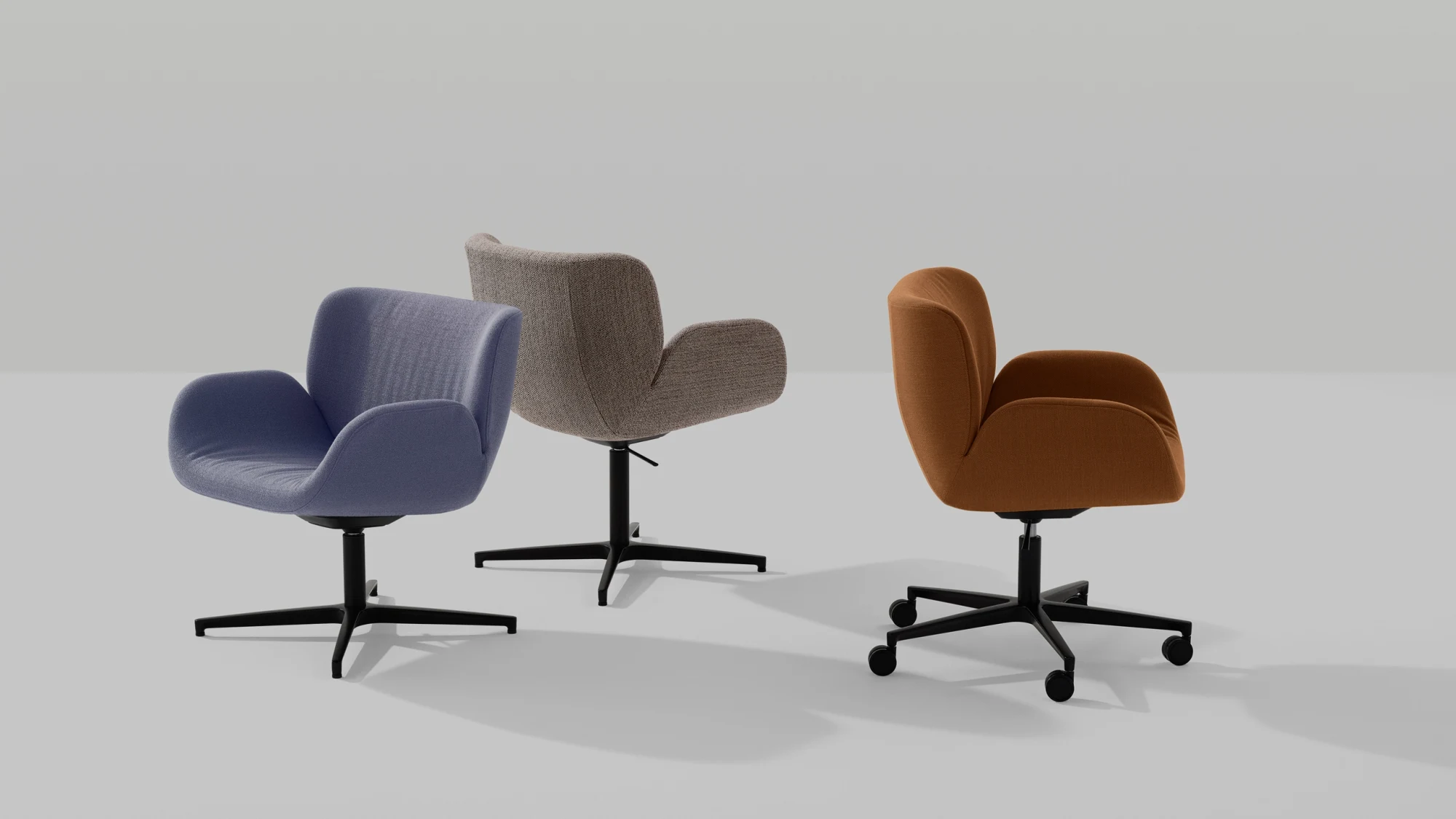
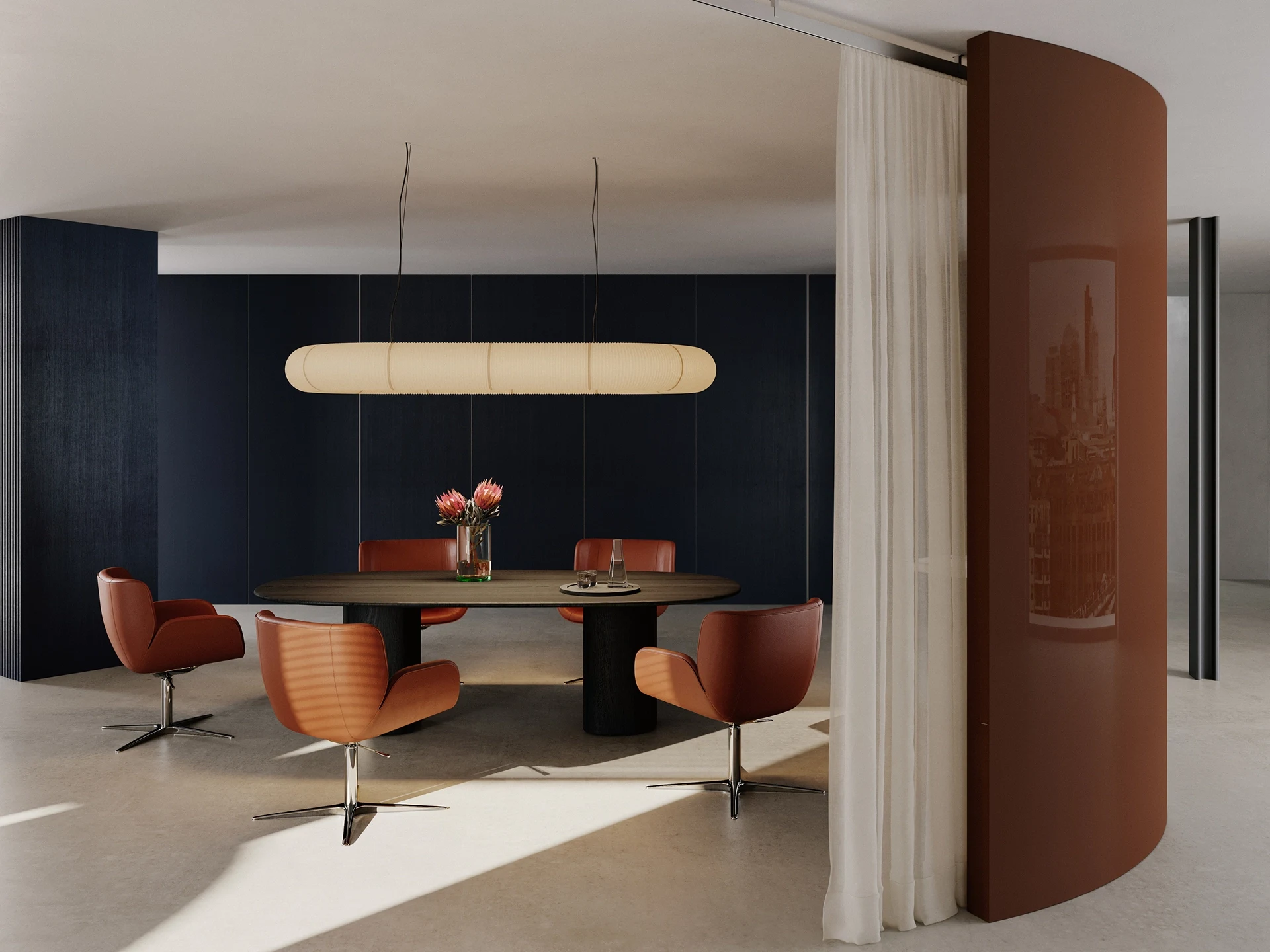
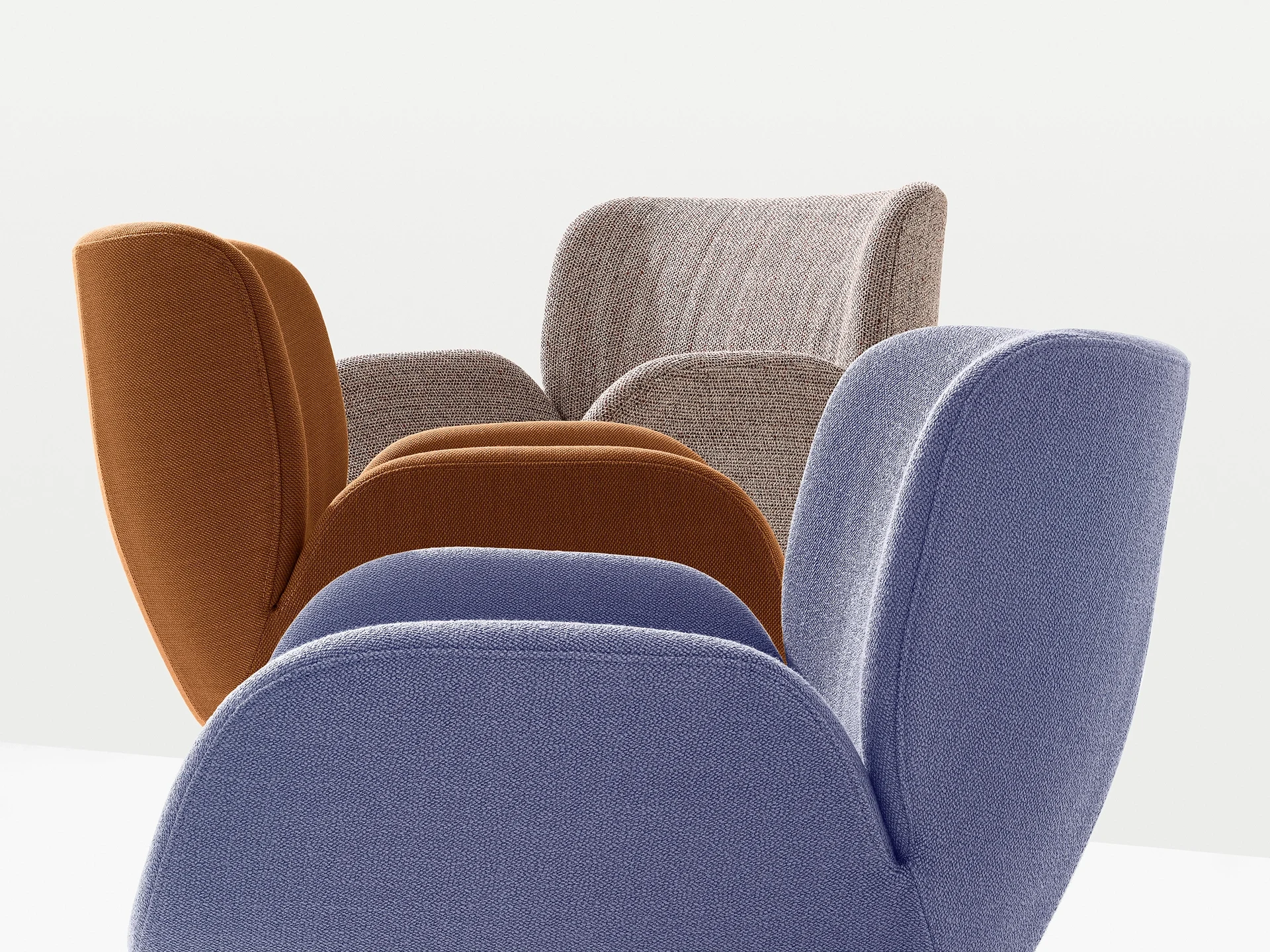
Cari
An enveloping upholstered armchair that brings architectural structure and softness together.


630 × 860 × 630 mm
2026
Official product information
INTEBEE AI PUBLIC LIBRARY is an independent furniture design research and discovery platform. Product specifications, finishes, availability and other details may change. For current and definitive information, please refer to the manufacturer's official website.
Go to the official product pageDescription
Overview
Cari is an upholstered armchair by Doshi Levien, introduced by Arper in 2026. Its generous shell and integrated armrests create an enveloping profile intended for settings where work and hospitality overlap.
Construction
The padded recycled polypropylene shell accepts textile covers, coated fabric, leather or material supplied by the customer. Article 7751 pairs it with a polished or powder-coated die-cast aluminium four-star swivel base with return and tilt mechanisms.
Specifications
- Representative article: 7751 armchair
- Drawing values used here: 63 × 63 × 86 cm; the axes are not labelled on the drawing
- Cover assembled without glue and removable through a concealed zip
Story
Structure softened from within
Arper describes Cari through the meeting of a generous architectural shell and integrated soft upholstery. Doshi Levien designed the armrests as part of the containing form, giving the chair a controlled outline without separating support from enclosure.
Designed for renewal
The shell uses recycled and recyclable polypropylene. Arper states that its materials can be separated, the upholstery is assembled without glue, and a concealed zip lets the cover be removed and replaced. The design therefore connects its visual softness with a construction intended for disassembly and refurbishment.
More by Doshi Levien
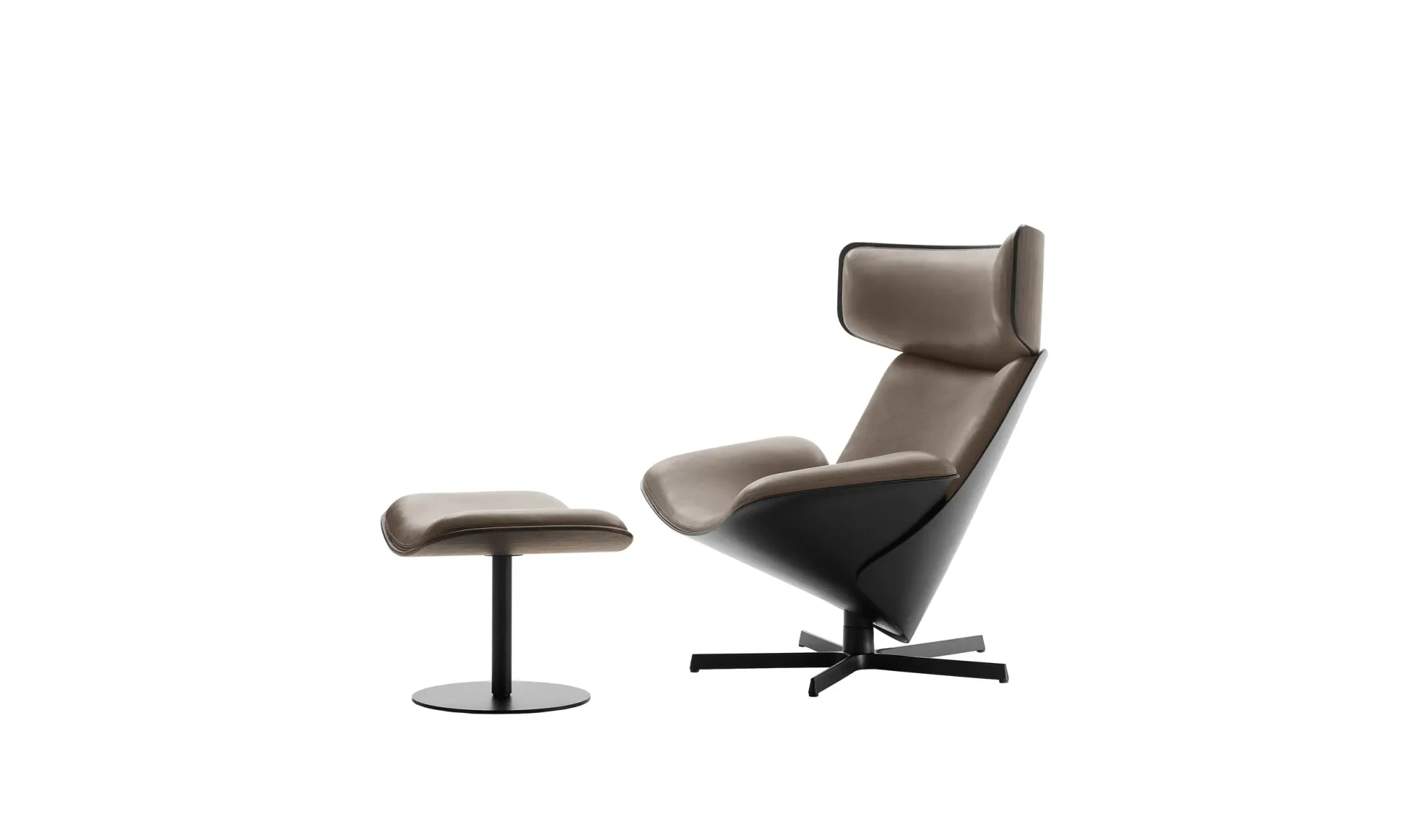
Almora
A revolving armchair shaped as a quiet retreat for contemplation and reading.
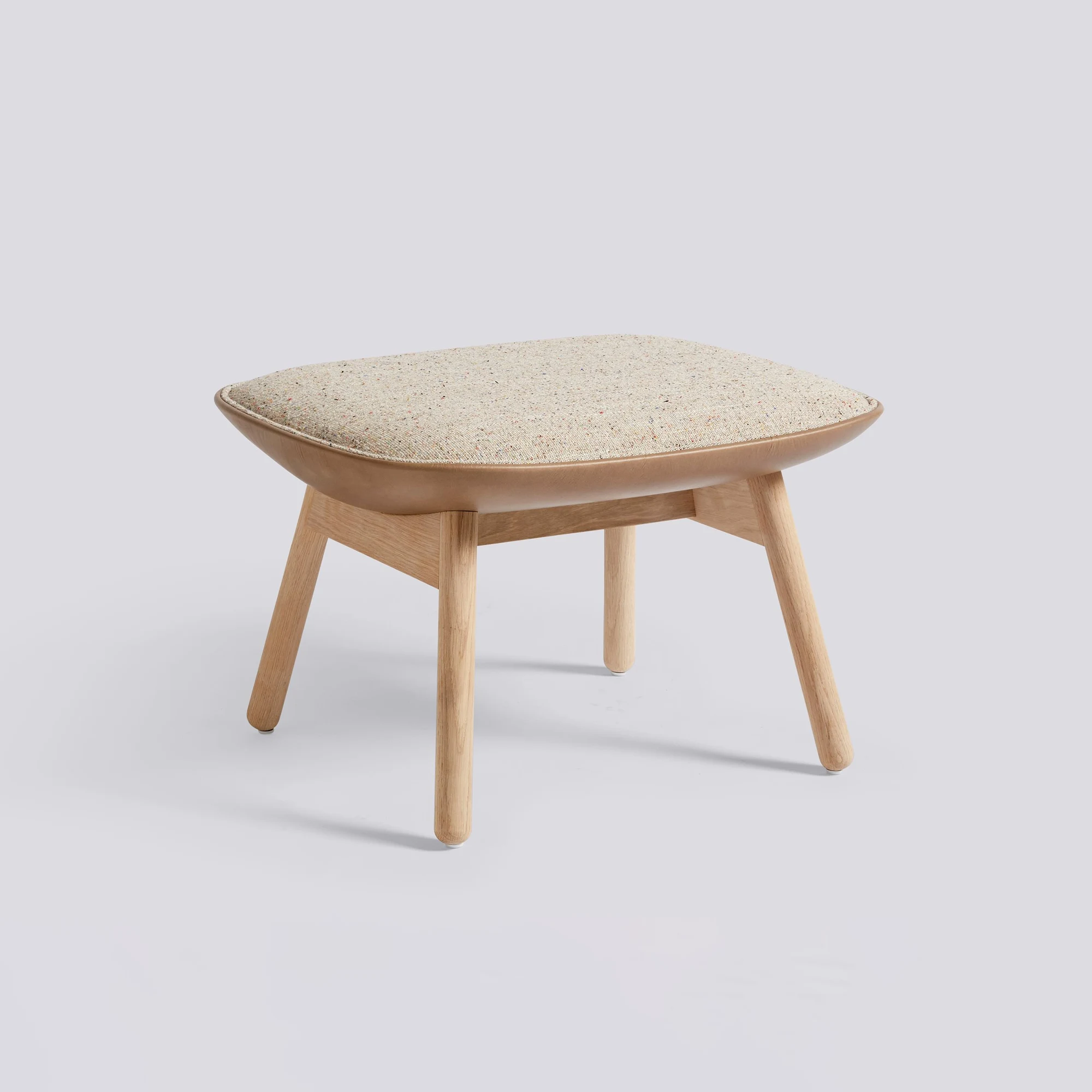
Uchiwa Ottoman
Uchiwa footstool by Doshi Levien with a fully upholstered shell and oak base
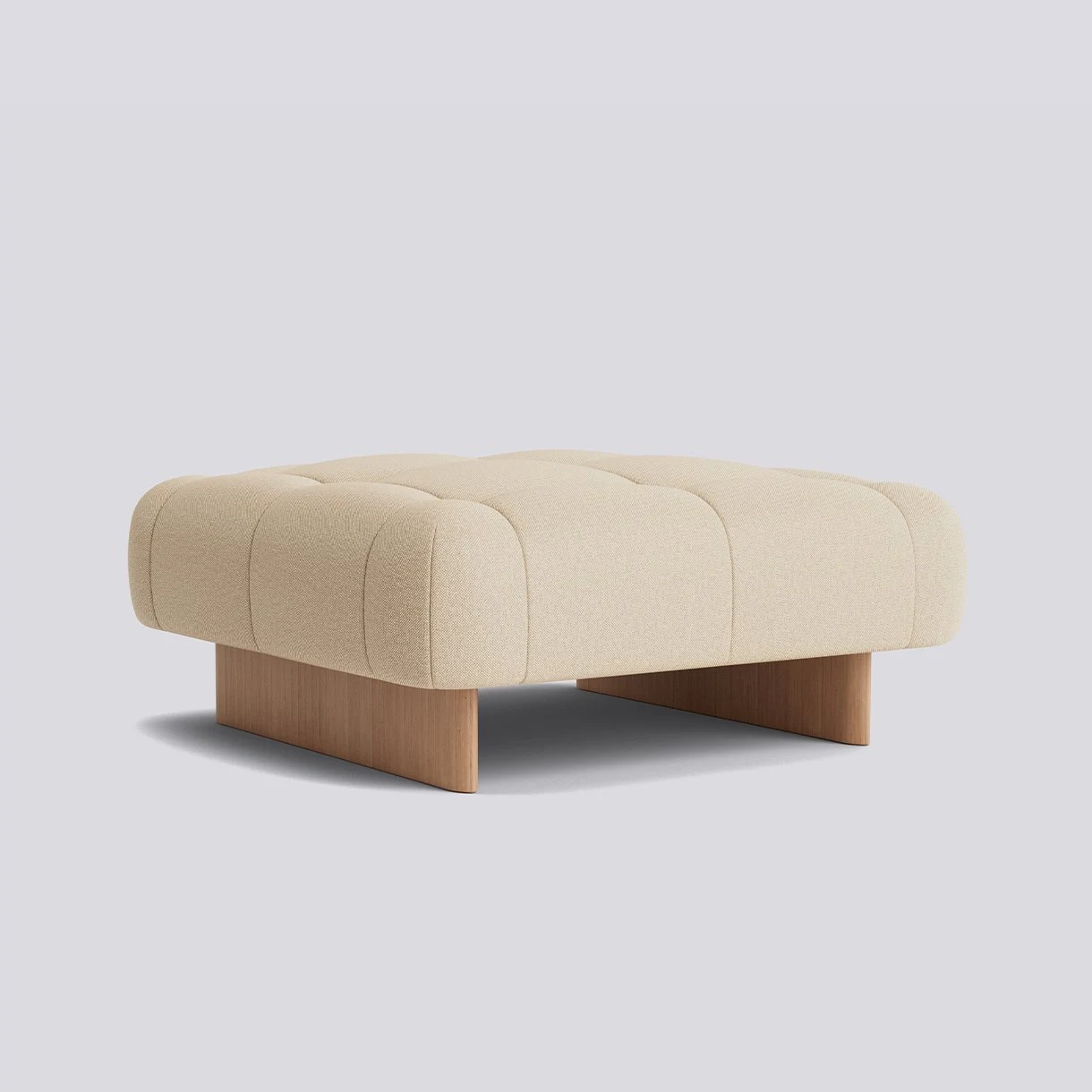
Quilton Lift Ottoman
Quilton Lift Ottoman by Doshi Levien for HAY: quilted 105 cm square ottoman on wooden legs
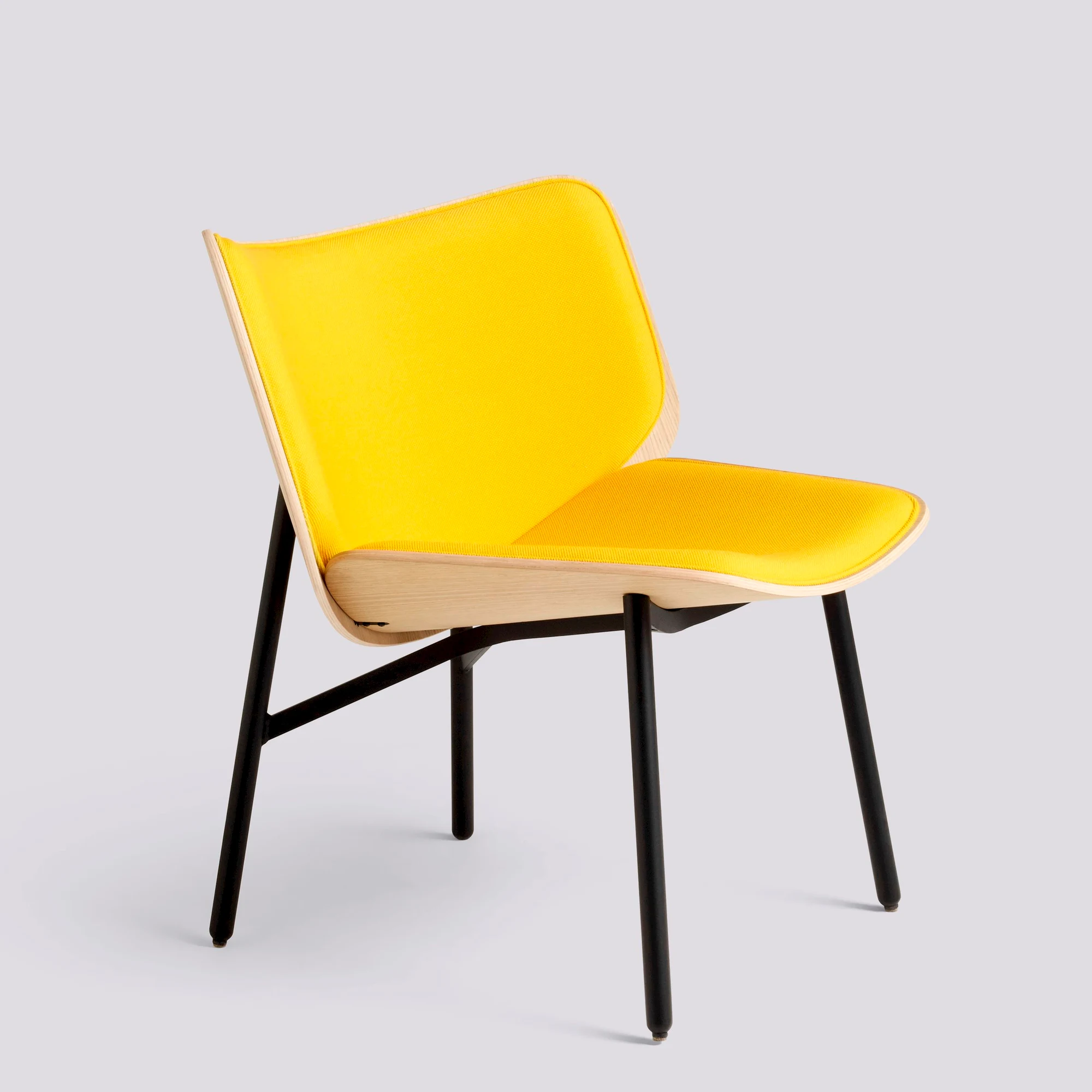
Dapper Lounge Chair
Dapper by Doshi Levien for HAY: lounge chair with two moulded oak-veneered plywood shells