
Image source: Minotti — Bézier Coffee Table
© Minotti and the respective rights holders. Quoted to accompany INTEBEE's independent design commentary and research.
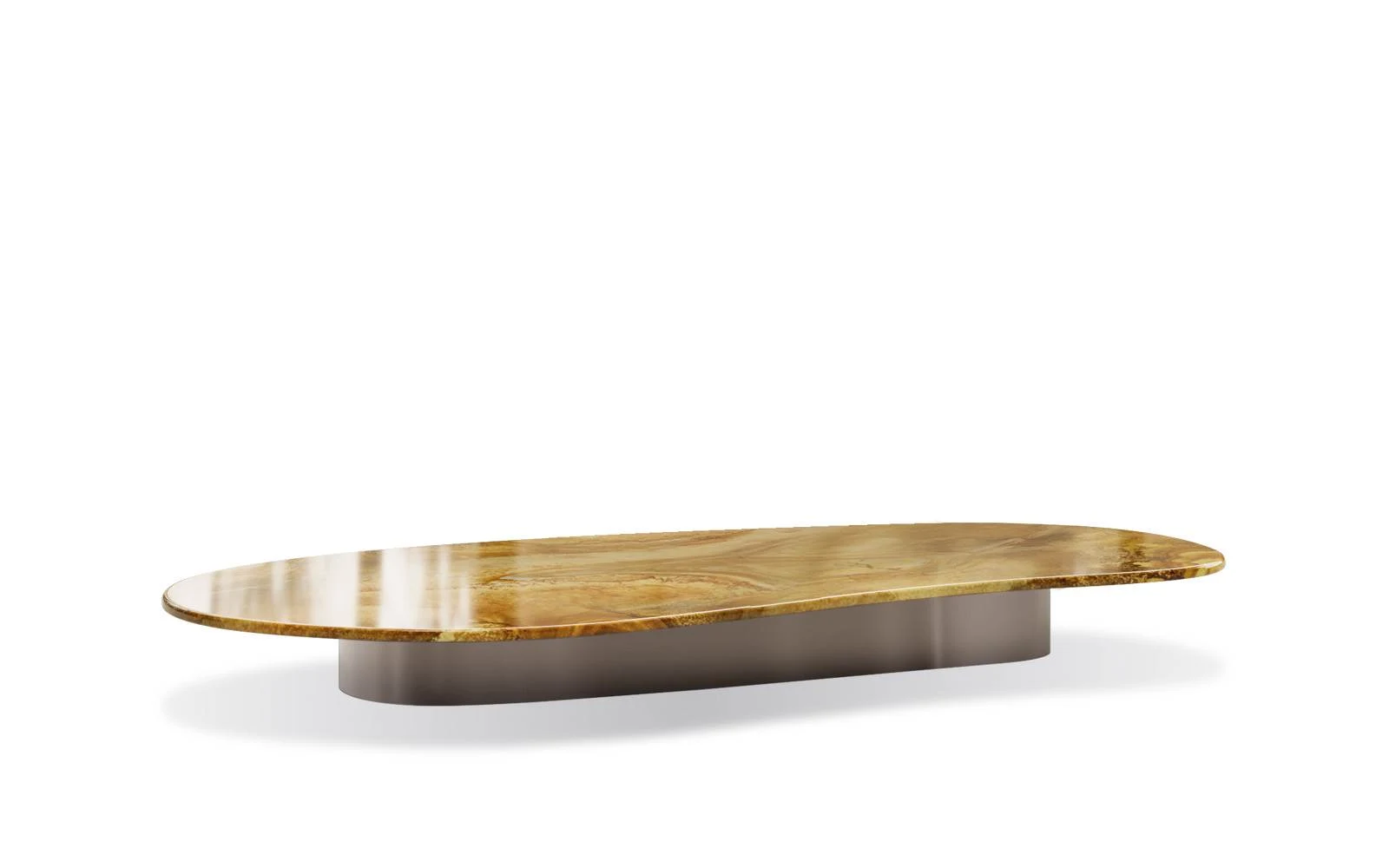
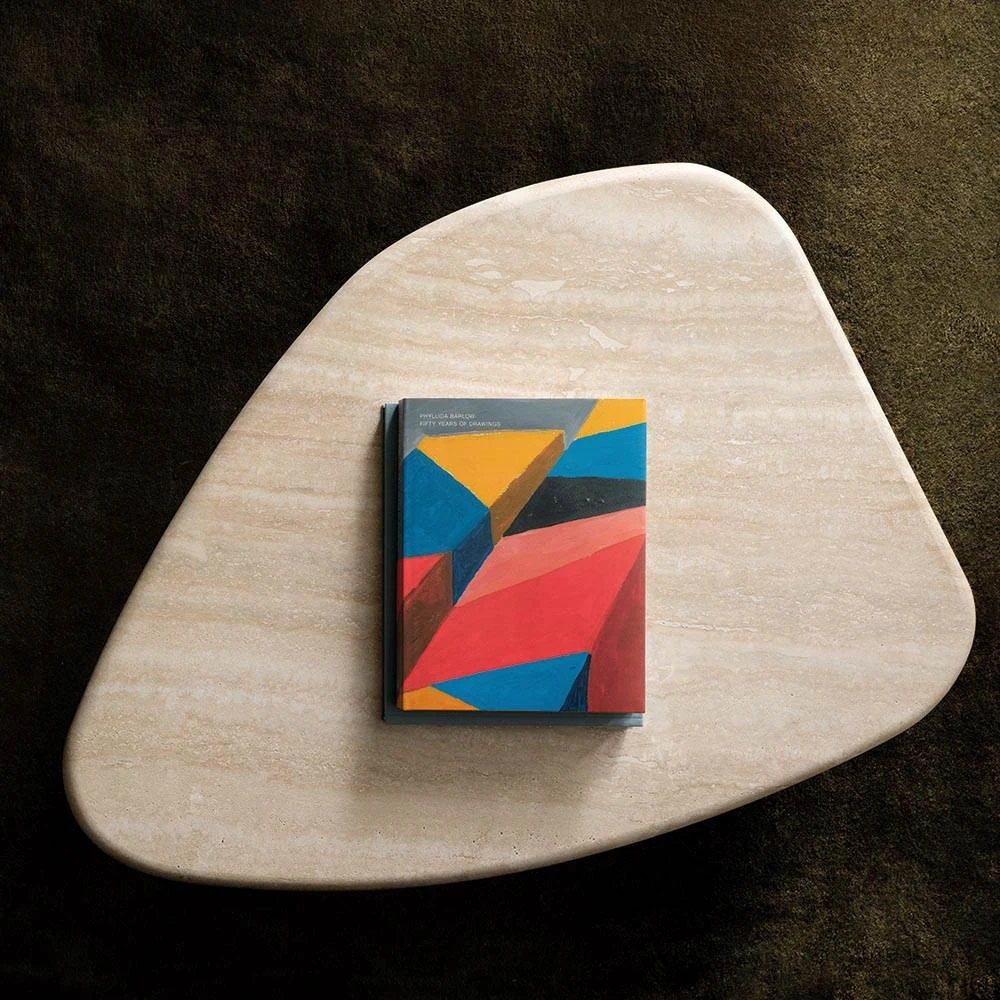
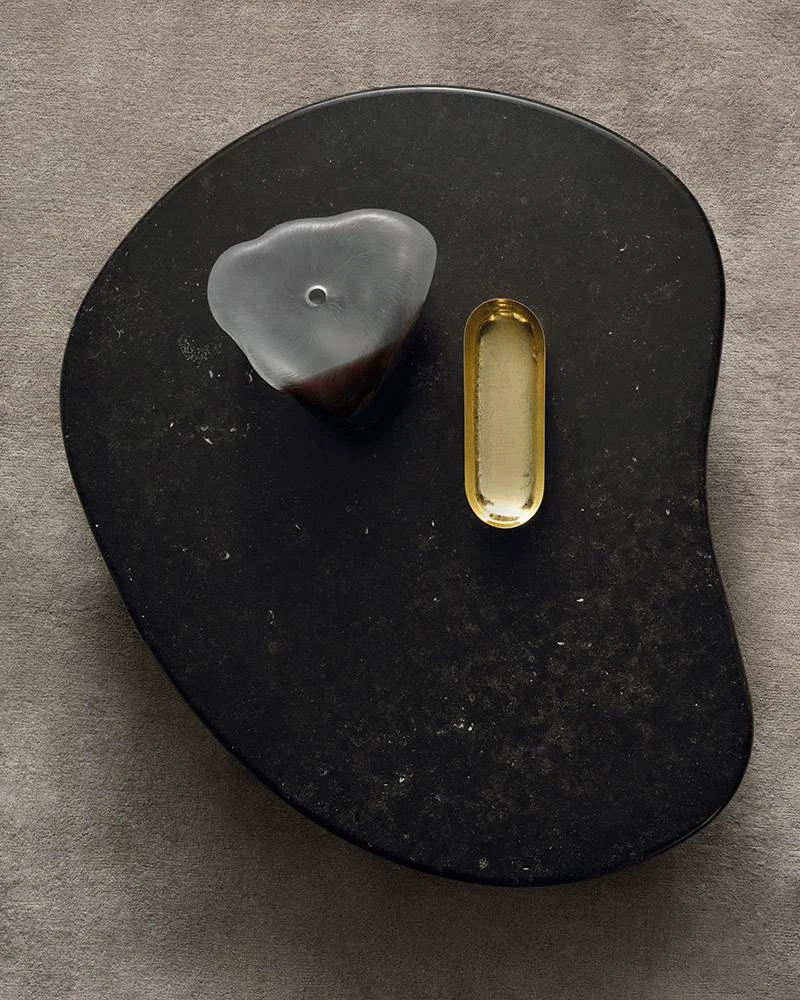
Bézier Coffee Table
An irregular coffee table shaped by fluid curves, substantial tops and weighted bases.


1725 × 280 × 1310 mm
Official product information
INTEBEE AI PUBLIC LIBRARY is an independent furniture design research and discovery platform. Product specifications, finishes, availability and other details may change. For current and definitive information, please refer to the manufacturer's official website.
Go to the official product pageDescription
Representative irregular format
The selected technical-sheet model measures 172.5 × 131 × H28 cm. Four larger footprints repeat their asymmetric outlines at H20, H28 and H36 cm; a 105 × 80 cm table is H24 cm.
Mineral or wood top
The official sheet specifies marble, quartzite, Pierre Bleue, Travertine and a 70 mm honeycomb MDF top with Canaletto walnut veneer. Mineral tops include a matt-black MDF underpanel.
Weighted metal base
A metal support structure is clad in 2 mm sheet metal. A counterweight plate sits inside, while adjustable ABS feet with felt glides contact the floor.
Story
A curve shared with the seating system
Studio MK27 shaped the coffee table from the fluid geometry used for Bézier seating. Minotti traces that geometry to the parametric curve associated with the French mathematician Pierre Bézier.
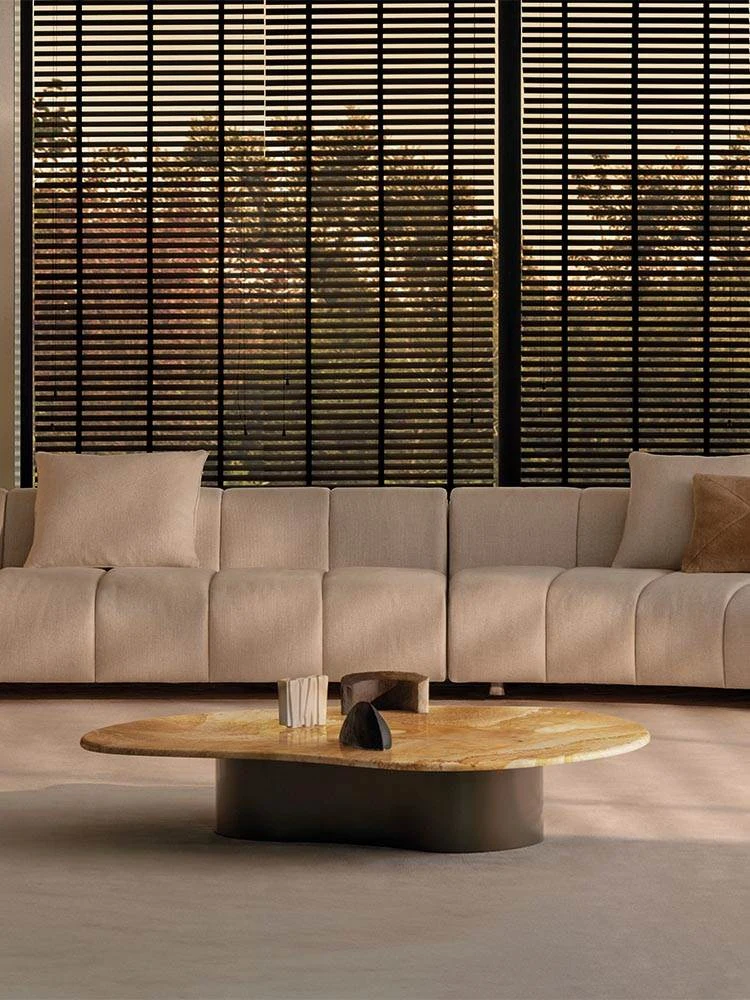 Image source: Minotti — Bézier Coffee Table · © Minotti and the respective rights holders. Quoted to accompany INTEBEE's independent design commentary and research. · View official product page ↗ · Image use & copyright policy
Different heights for overlapping groups
The technical sheet develops the asymmetric plan in low, medium and high versions. Minotti explicitly presents the height variation as a way to overlap tables, while straight, substantial top edges contrast with the sinuous outline.
More by Marcio Kogan / Studio MK27
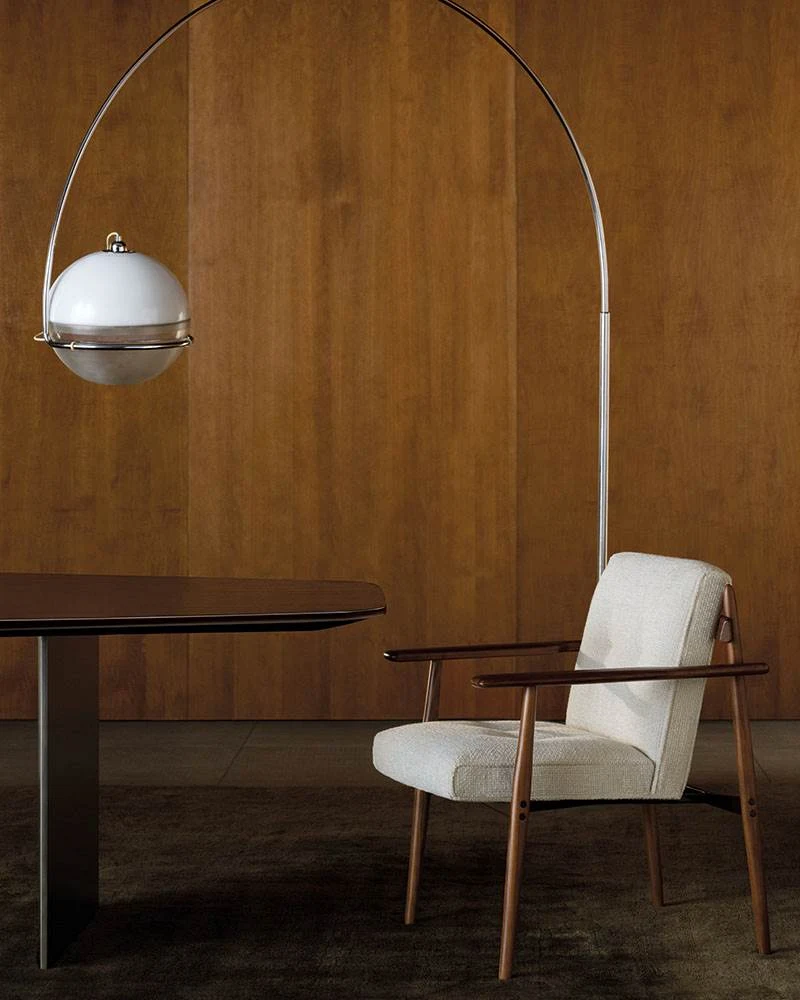
Trio Dining
Trio dining little armchair by Marcio Kogan / Studio MK27, in wood, metal and upholstery
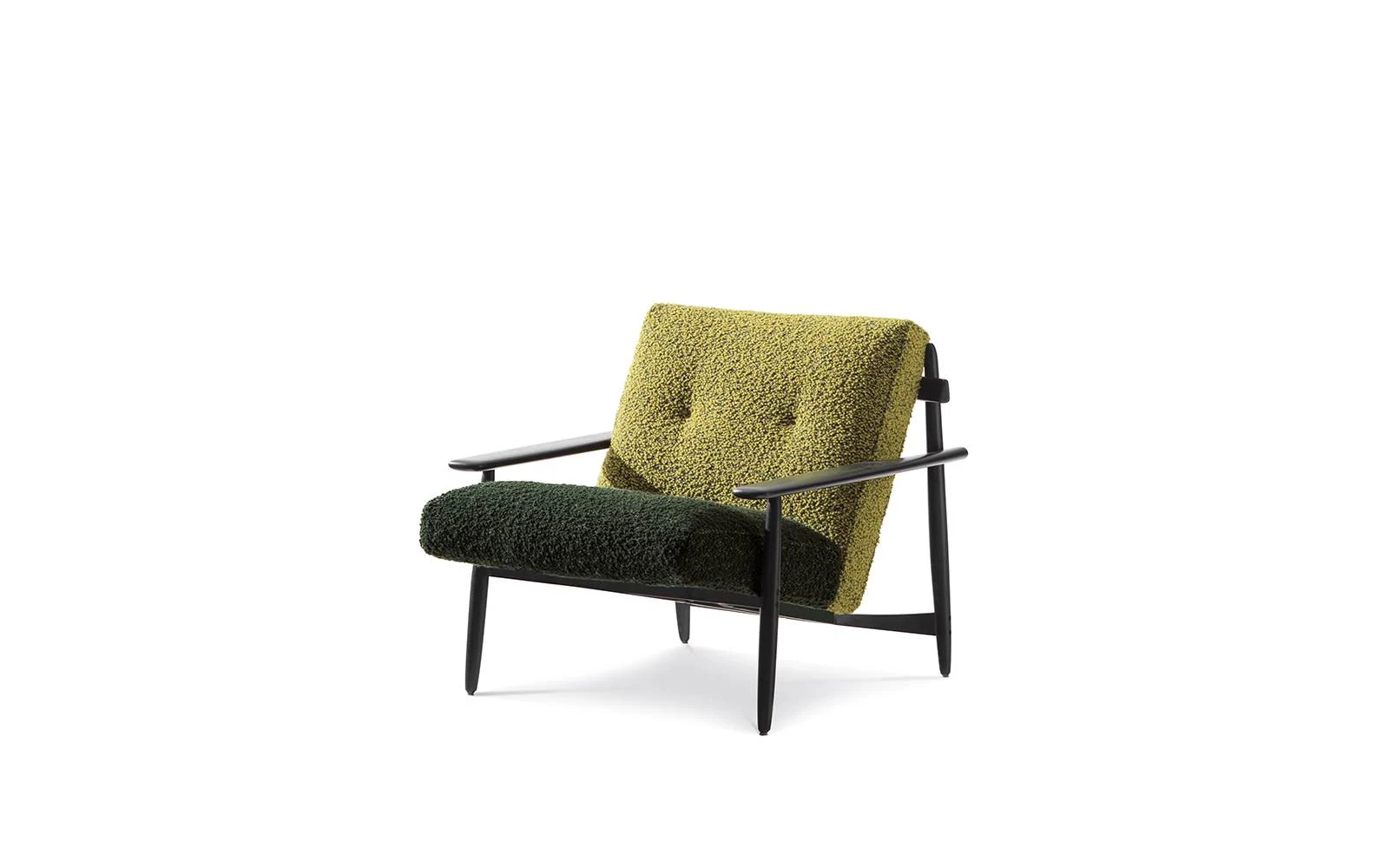
Trio
Studio MK27's Trio armchair for Minotti: leather, fabric and a multi-sectional wood frame
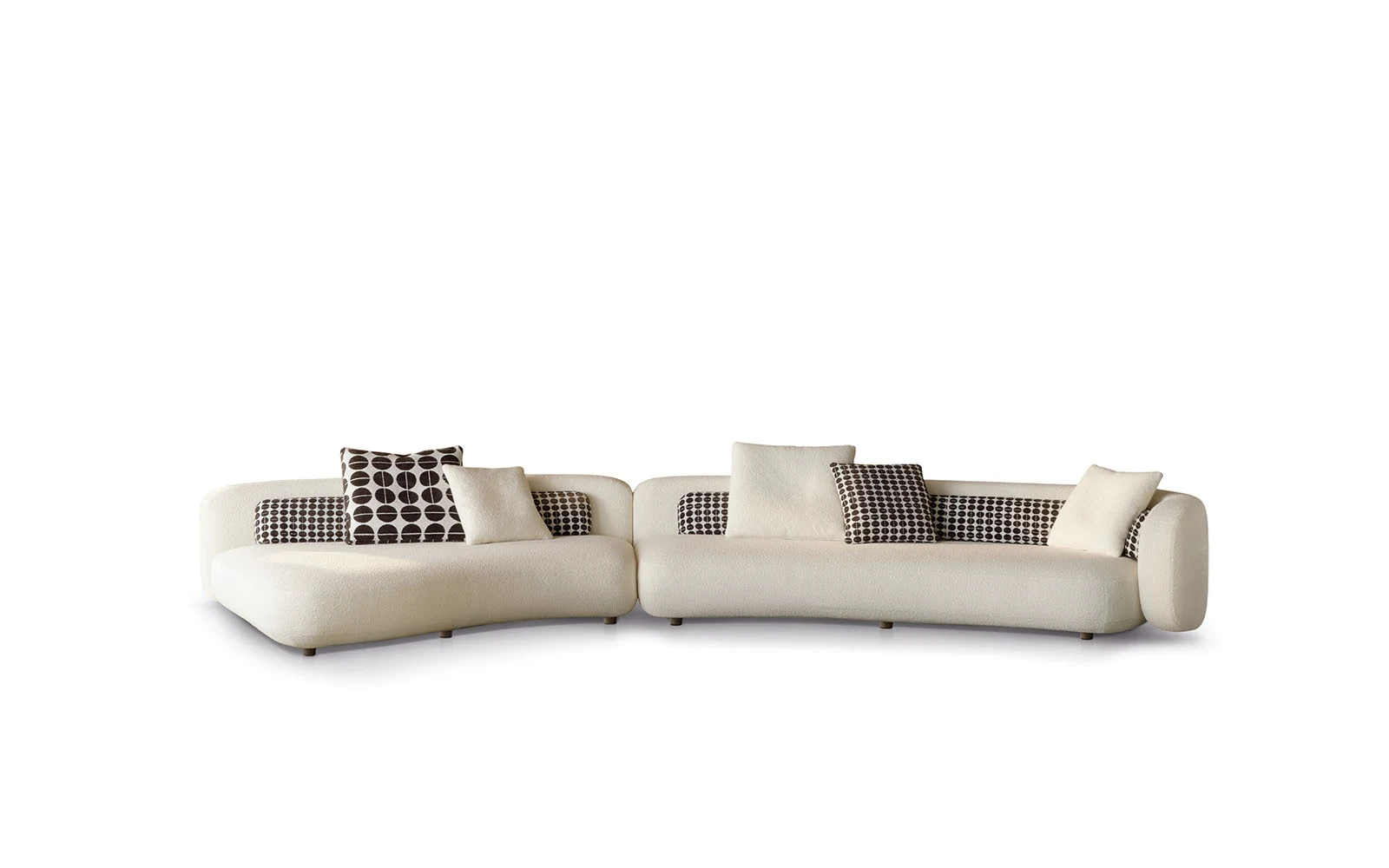
Bézier
Organic, infinitely combinable sofa system by Studio MK27, inspired by the Bézier curve.
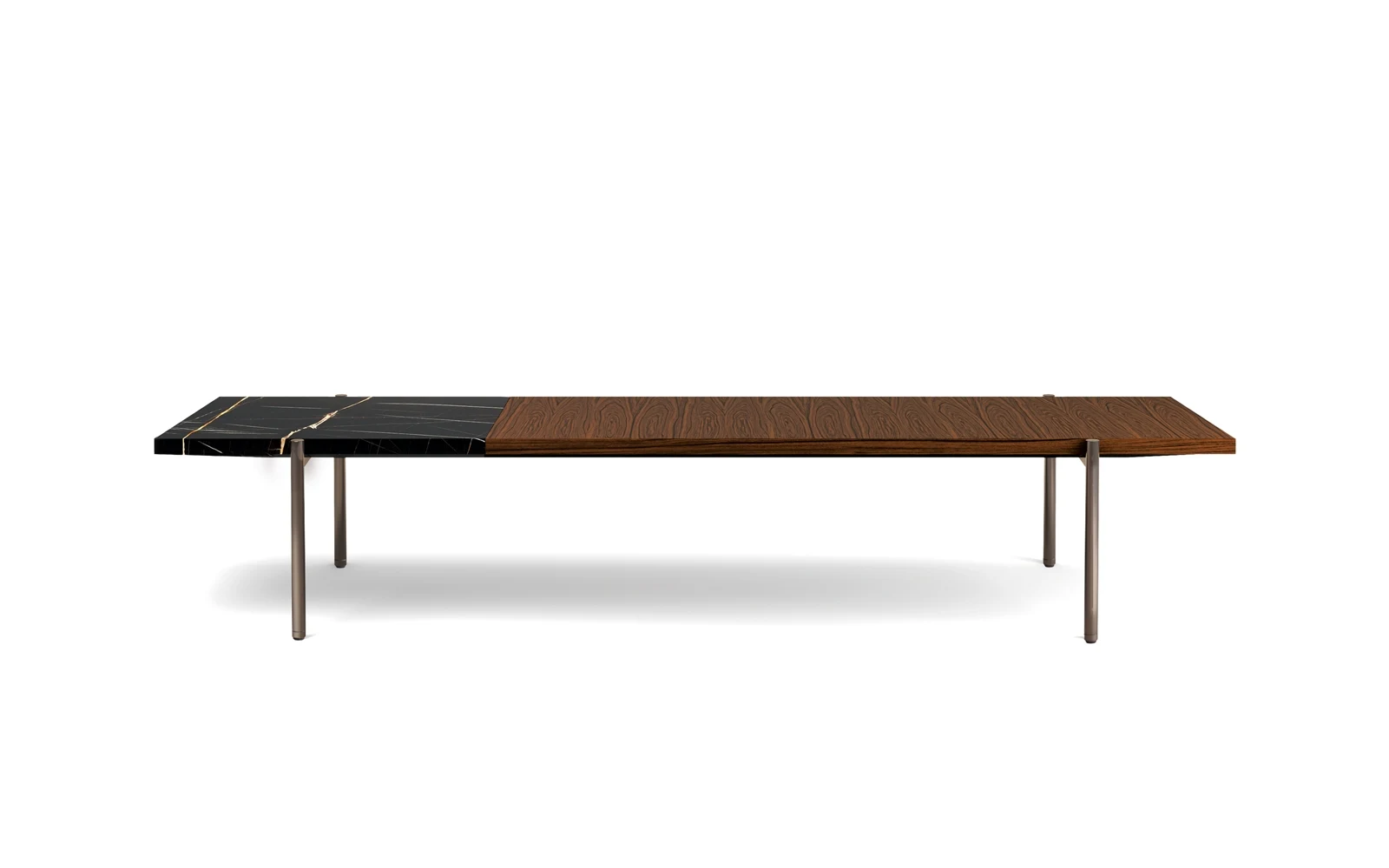
Superquadra Dining Table
A long rectangular table with folded-edge tops and projecting tubular aluminium legs.