atelier-lavit.com
Image source: Marco Lavit
© The respective rights holders. Quoted to accompany INTEBEE's independent design commentary and research.
Designer
Marco Lavit
Marco Lavit was born in 1986. He studied architecture at the Ecole Speciale d'Architecture in Paris and at the Royal Melbourne Institute of Technology, and graduated from ESA in 2011 with a dissertation on the sustainable design of…
Biography
Background
Marco Lavit was born in 1986. He studied architecture at the Ecole Speciale d'Architecture in Paris and at the Royal Melbourne Institute of Technology, and graduated from ESA in 2011 with a dissertation on the sustainable design of wineries. His sensibility towards design took shape in the studio of the architect and designer Riccardo Blumer, and his time at LAN Architecture strengthened his architectural direction. In 2014 he founded the architecture and design practice Atelier LAVIT in Paris, active in France and Italy.
Signature Style
The studio's work originates from a dialogue with artisans and their savoir-faire, especially Made in Italy, and lets the strength of raw materials speak for the designs. In architecture it prefers wood, often for unusual and innovative housing structures, and it keeps researching prefabricated wooden structures.
Notable Works
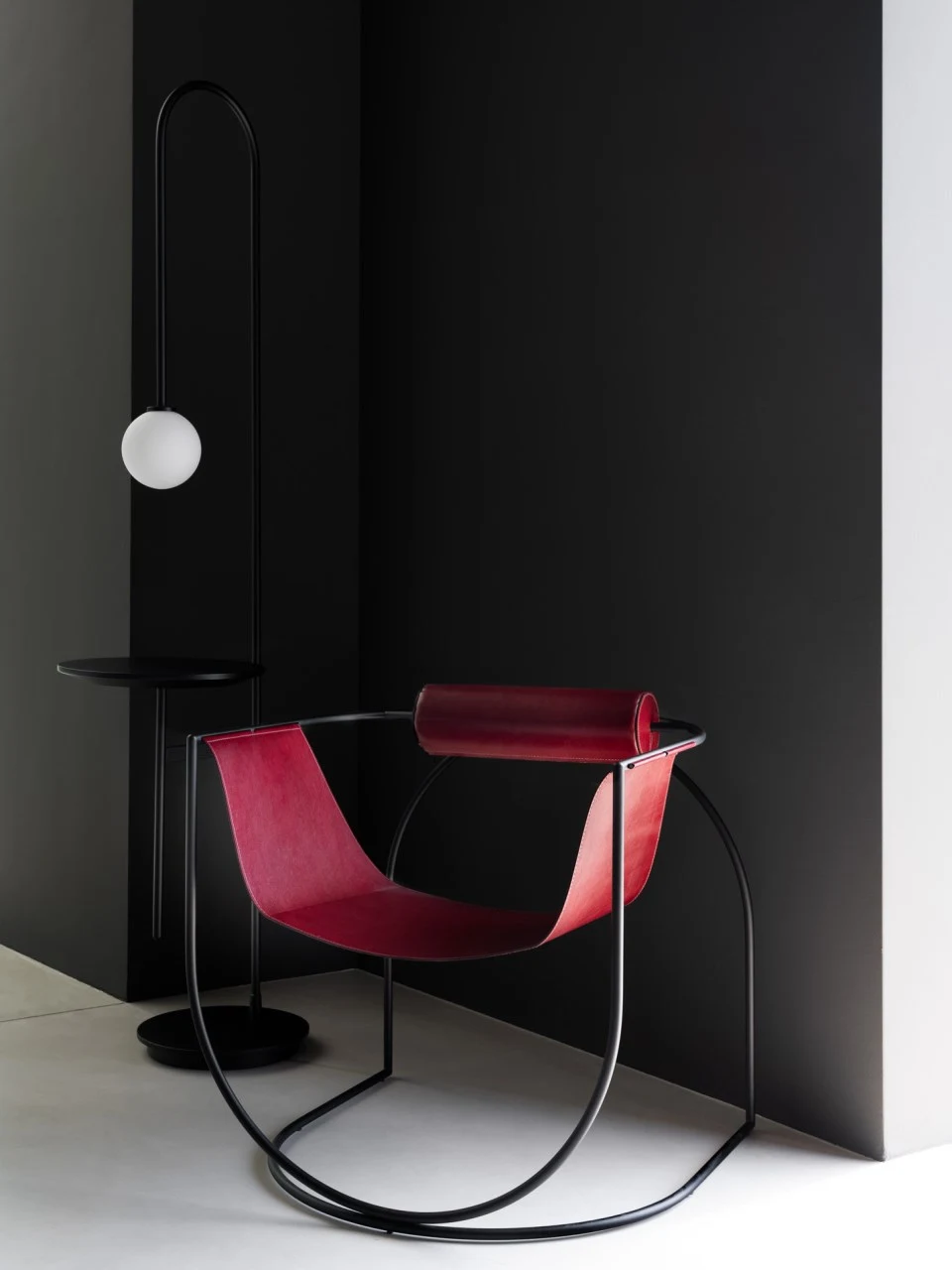
Venezia (2014), an iron and leather seat first conceived for the Venice Architecture Biennale, was later shown at venues from the Centre Pompidou in Paris to Art Basel. The studio built the Origin tree house (2017) in the park of Raray Castle and the Lilelo lodges in Monferrato. For Living Divani he designed the Lemni armchair (2021), the Paradigma mirror system, the Alvea console and the Ad-astra light.
Legacy
Lavit was one of the Rising Talents Award winners at Maison & Objet Paris in 2018 and received the AD Seven for the Future Award. Lemni won the EDIDA Award 2022 in the seating category and Lilelo won the Wood Architecture Prize 2023 from Klimahouse. He teaches architecture at the Ecole Speciale d'Architecture in Paris and speaks at conferences on small-scale architecture and prefabrication.