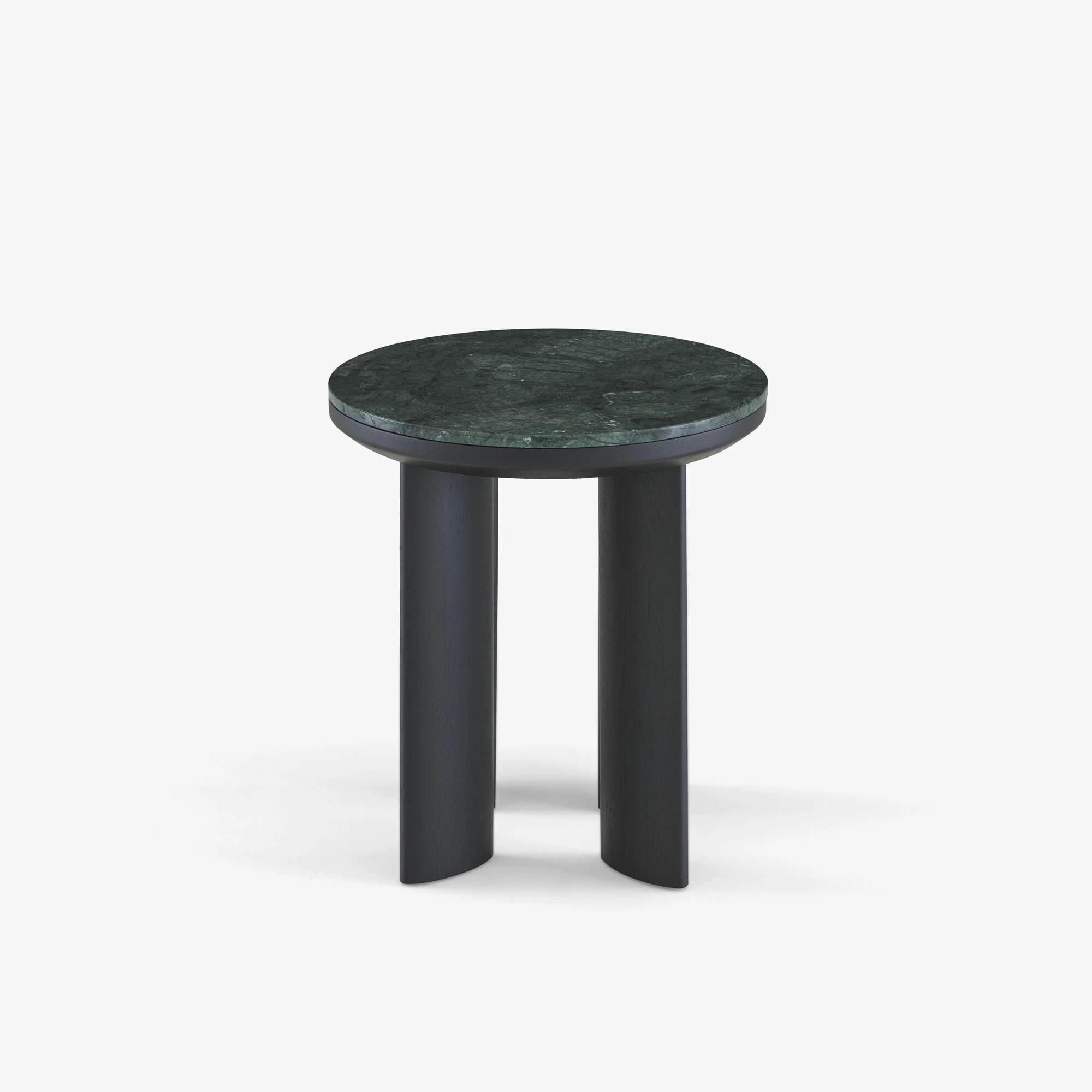
Image source: Ligne Roset — Hashira Dining table
© Ligne Roset and the respective rights holders. Quoted to accompany INTEBEE's independent design commentary and research.
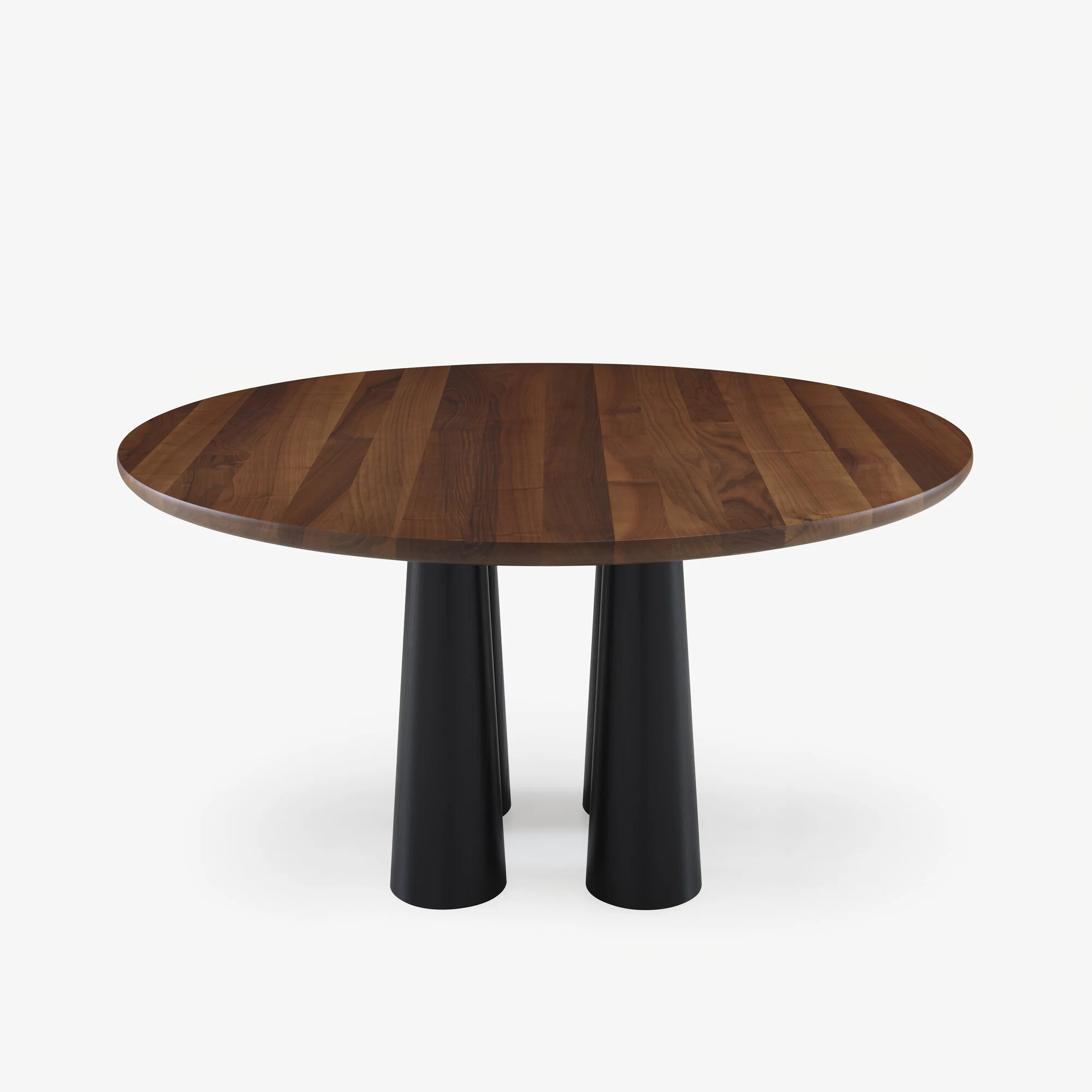
Hashira Dining table
Alain Gilles's round Hashira dining table: four conical legs, 1,500 mm diameter, 750 mm high


1500 × 750 × 1500 mm
Official product information
INTEBEE AI PUBLIC LIBRARY is an independent furniture design research and discovery platform. Product specifications, finishes, availability and other details may change. For current and definitive information, please refer to the manufacturer's official website.
Go to the official product pageSpecifying Hashira Dining table for your design project?
INTEBEE is the FF&E specification platform for interior designers: spec sheets, finishes, floor plans and client-ready PDFs in one place.
Description
Overview
Hashira Dining table, base in black stained ash, is a table designed by Alain Gilles for Ligne Roset and made from wood and marble. It measures 1,500 mm in diameter and 750 mm high, and it comes in 3 finishes.
Construction
The table stands on four generously sized conical legs, and the base is black stained ash. The edge of the wooden top is worked into a curve, and that curve continues in the edge of the marble.
Specifications
Diameter 1,500 mm, height 750 mm.
Story
Hashira, the pillar
The name Hashira means pillar in Japanese. The table is sculptural, and its materials are wood and marble, noble and honest ones. Four generously sized conical legs give it that sculptural look.
Four conical legs
The table has been designed not to be in the way when people sit around it. The legs give a real presence to the table and make it very recognisable. The sculpted appearance also comes from the work on the wooden edge of the top, defined by a worked curve that continues in the edge of the marble.