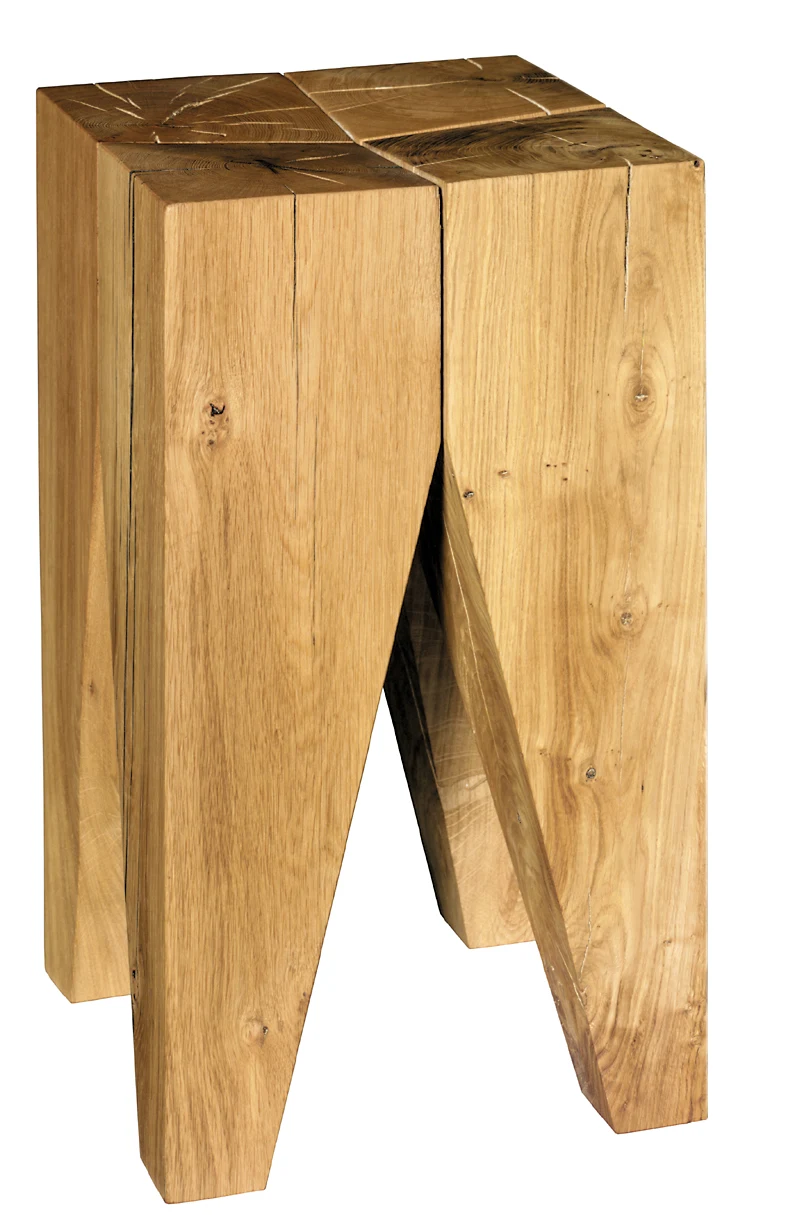
Image source: e15 — Bigfoot Table
© e15 and the respective rights holders. Quoted to accompany INTEBEE's independent design commentary and research.
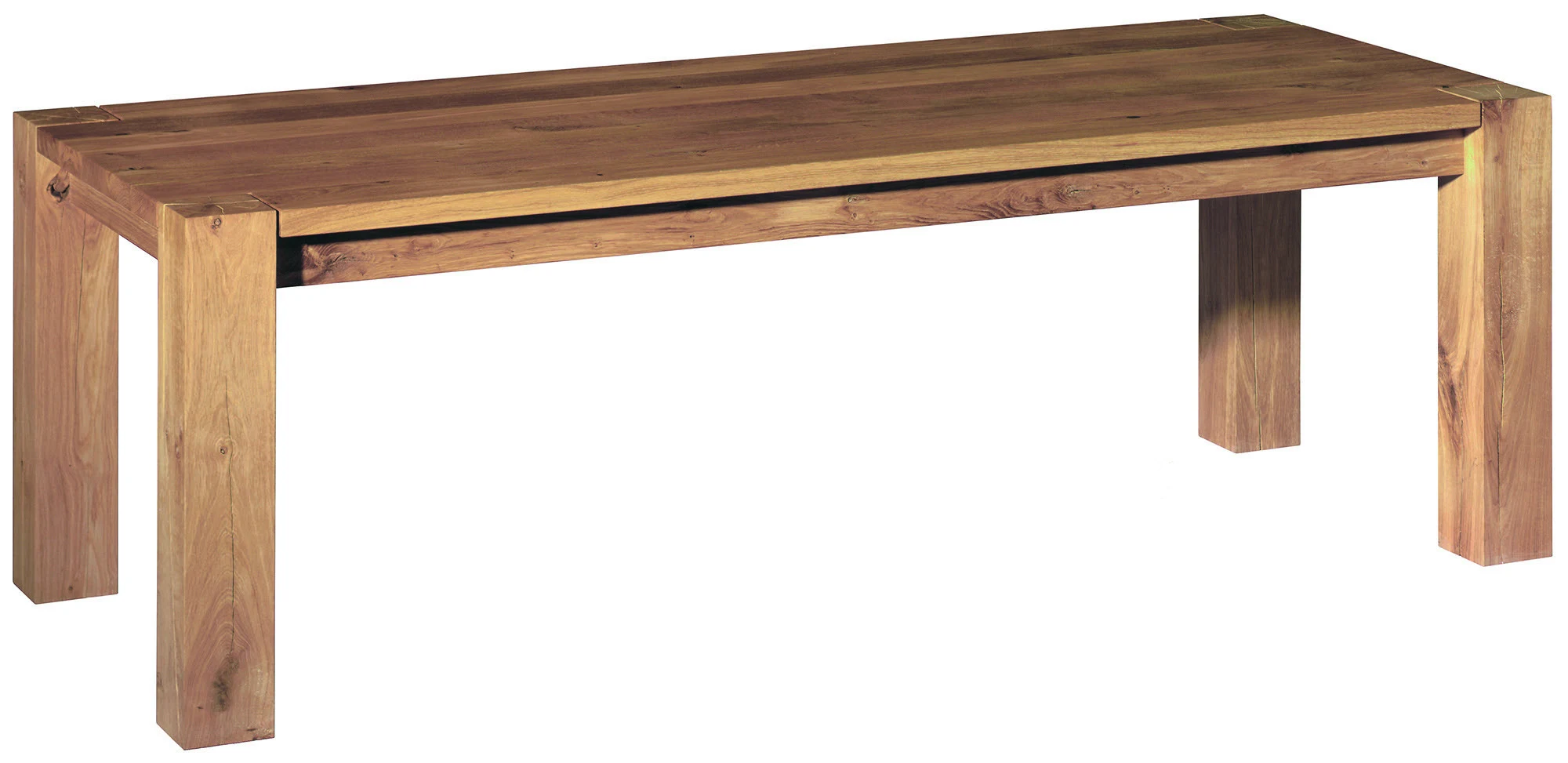
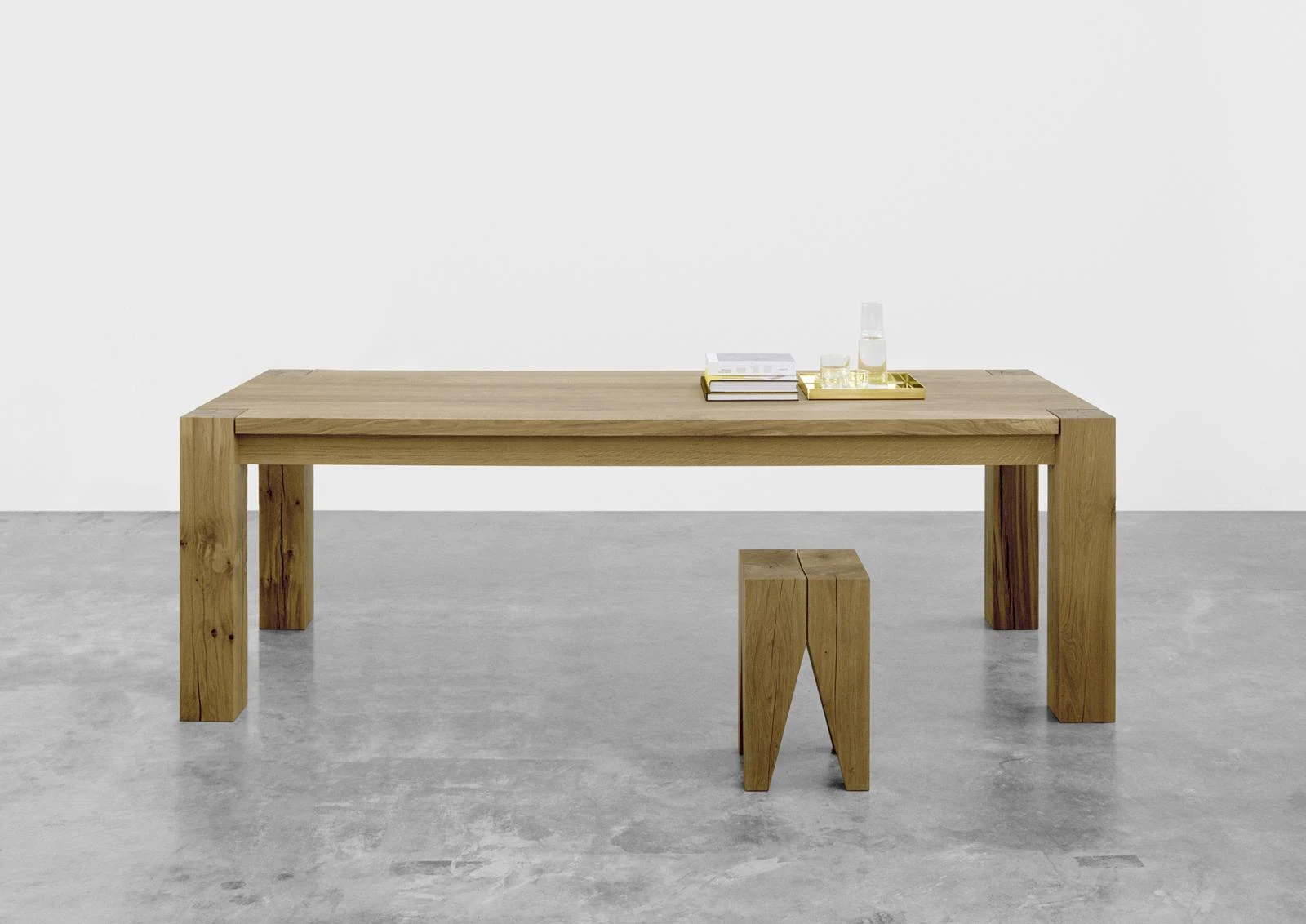
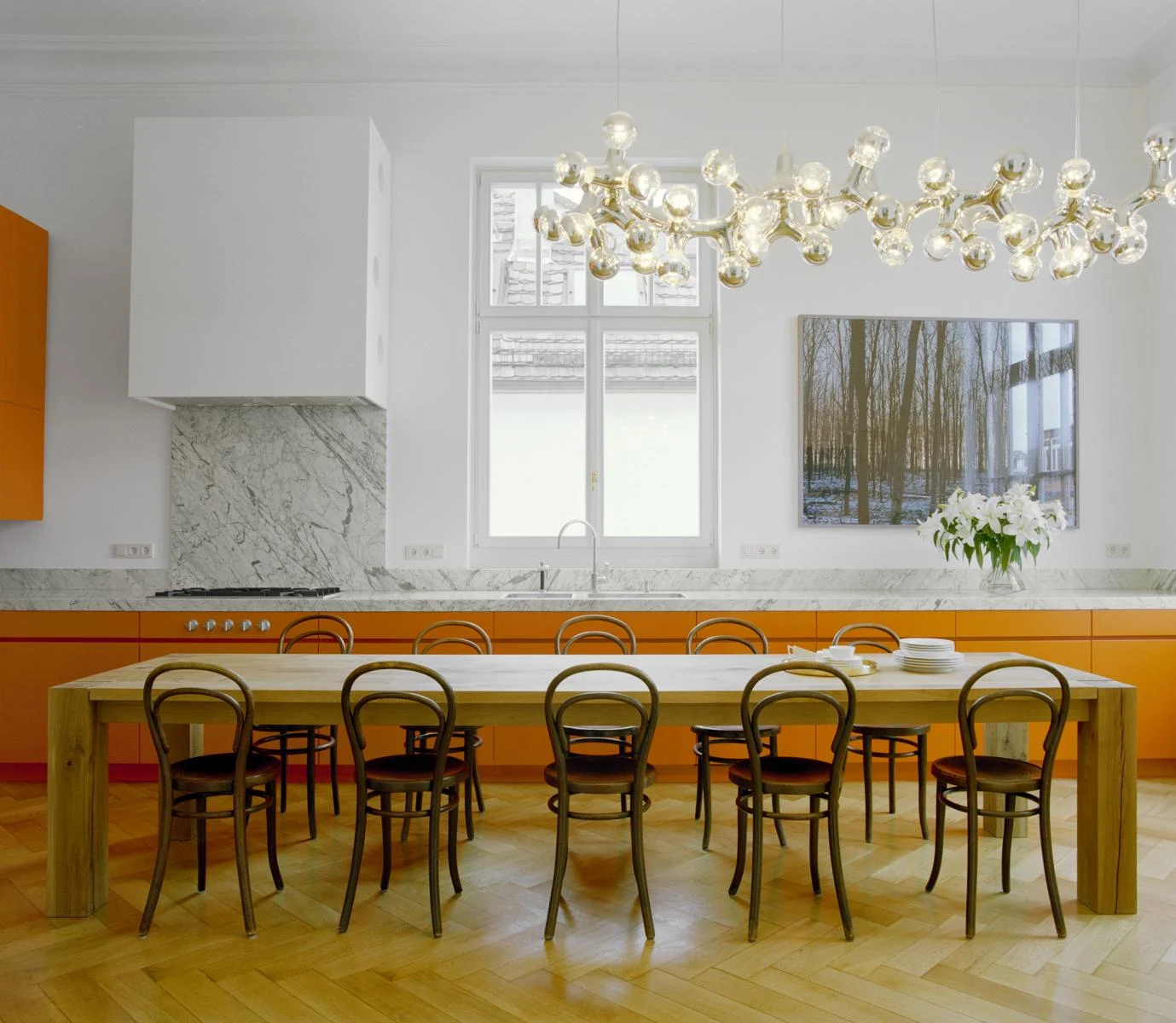
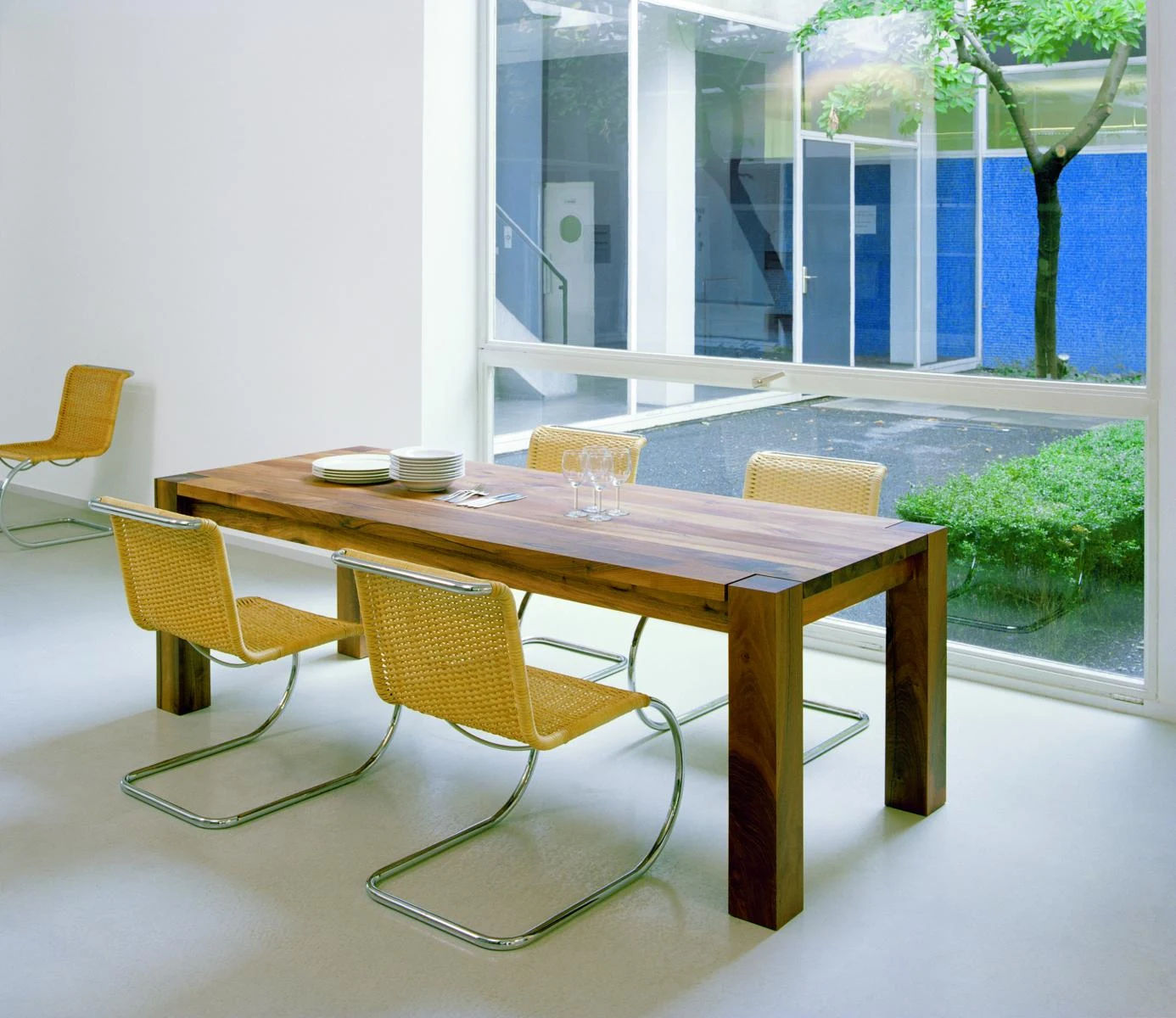
Bigfoot Table
Solid-wood table whose heartwood legs crack as they season, making each table unique.


2300 × 750 × 920 mm
1994
Germany
Official product information
INTEBEE AI PUBLIC LIBRARY is an independent furniture design research and discovery platform. Product specifications, finishes, availability and other details may change. For current and definitive information, please refer to the manufacturer's official website.
Go to the official product pageDescription
Overview
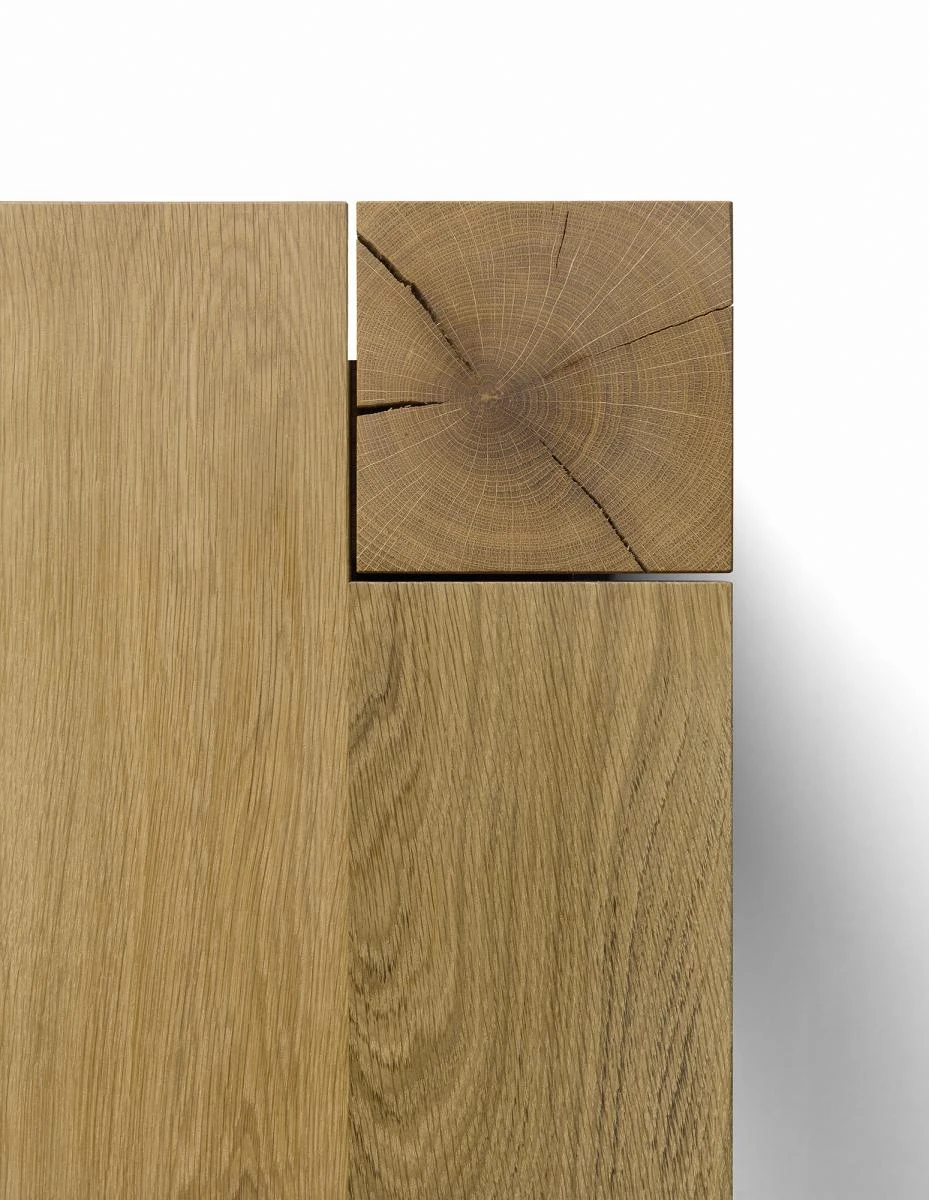
BIGFOOT™ (data sheet TA04, Tisch / Table) is a solid-wood table designed in 1994 by e15 founder and architect Philipp Mainzer. On e15's page it is "a modern design classic". According to e15's journal, the e15 logo was sketched around the square silhouette of its table leg. The signature tabletop is made of equal-sized boards, and the square legs intersect with it, showing the end grain with its annual growth rings at the corners.
Construction
The legs and the corner detail are cut from the heartwood, and the seasoning of the solid wood gives the legs their cracks, one reason no two tables are alike. The tabletop is 40 mm thick, made of seven or eight solid wood planks, with a constructive gap for the 1560 × 1560 mm size. A wire management solution is available as an option.
Specifications
- Fast-track size: L 2300 × W 920 × H 750 mm
- Lengths: 1800, 2000, 2300, 2500, 2700, 3000, 3300 and 3600 mm, each in widths of 920 or 1048 mm, plus a 1560 × 1560 mm square; height 750 mm throughout
- Finishes on the product page: European oak (oiled, white pigmented lacquered, chocolate brown stained, dark stained) and European walnut (oiled or waxed); special wood selection on request
Story
Drafted in London, 1994
e15's journal article 30 Years Bigfoot says BIGFOOT is one of the initial tables that Philipp Mainzer drafted as a young architect while still in architectural school in London in 1994; e15 was founded a year later and named after the postal code of its first workshop in London's east end. Its first versions used planks sourced from the walls of old freight wagons, and the legs were made from heartwood, then considered a waste product.
Shown in Cologne in 1996
Mainzer recalls that BIGFOOT was first shown at IMM Cologne in 1996, where solid oak with natural knots and splits was considered reject quality and visitors still stroked the tabletop. The journal adds that all BIGFOOT tables are branded with the e15 logo and an individual serial number, and that the anniversary-year tables also carry Mainzer's signature and come with a BACKENZAHN stool.