 gubi.com
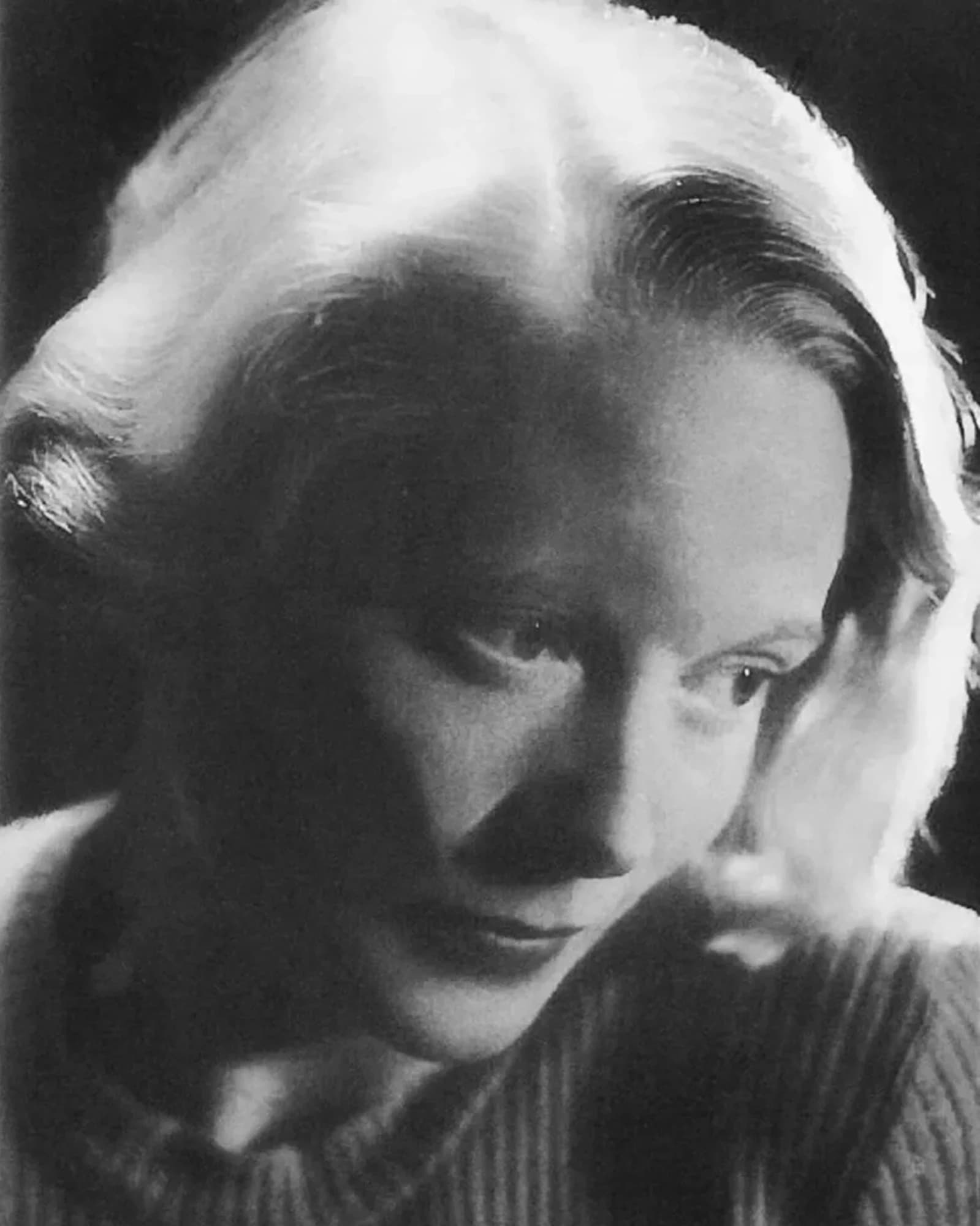
Image source: Tove Kindt Larsen
© The respective rights holders. Quoted to accompany INTEBEE's independent design commentary and research.
Designer
Tove Kindt Larsen
Tove Kindt-Larsen (née Reddersen, 1906–1994) was one of the first female designers to emerge during Denmark's mid-century Golden Era, according to GUBI. She worked for architect Thyge Hvass from 1931 and studied architecture before taking…
Biography
Background
Tove Kindt-Larsen (née Reddersen, 1906–1994) was one of the first female designers to emerge during Denmark's mid-century Golden Era, according to GUBI. She worked for architect Thyge Hvass from 1931 and studied architecture before taking a furniture-design course in Copenhagen under Kaare Klint.
Signature Style
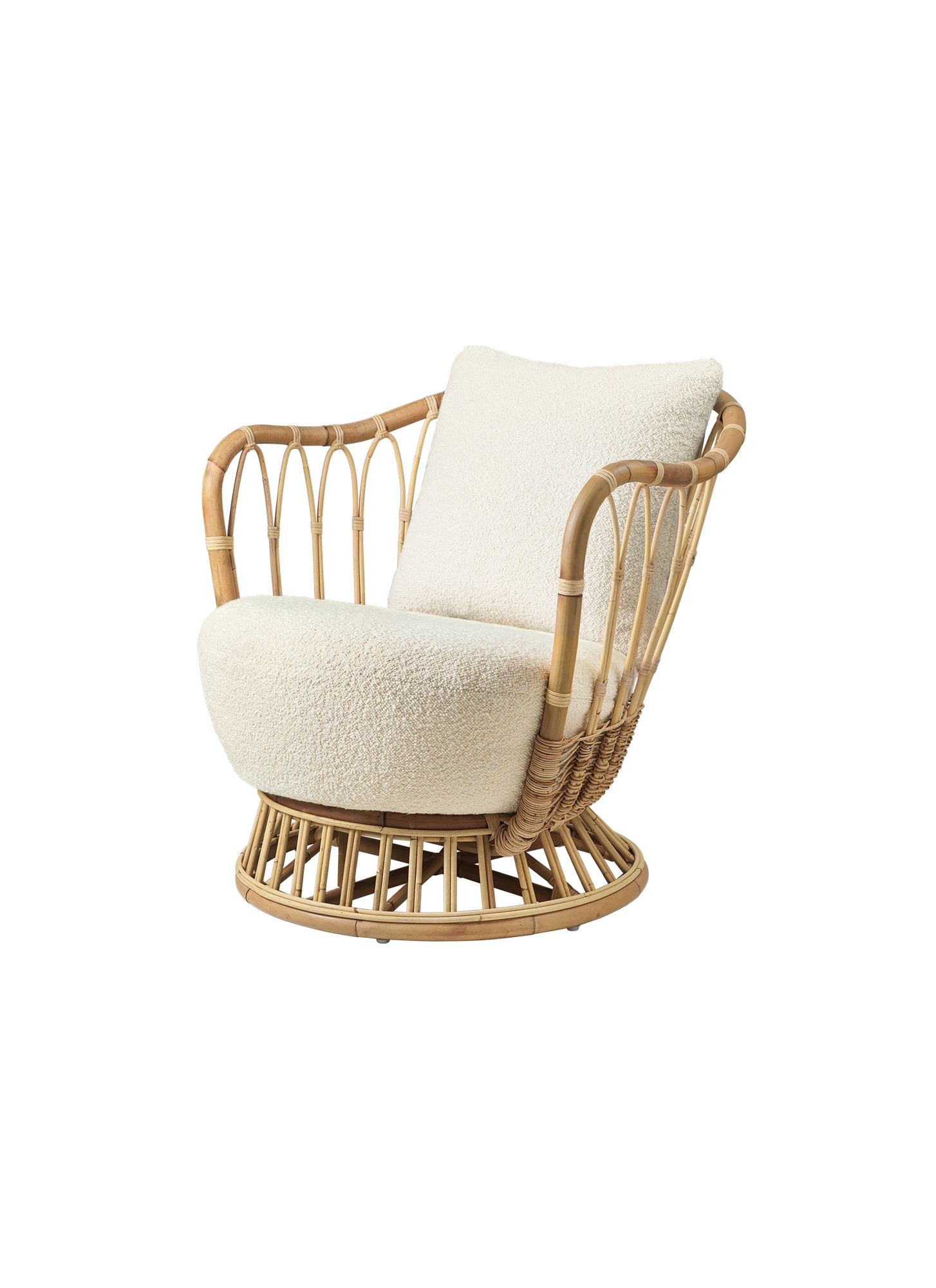
GUBI characterises her work through a fine sense of quality and a design language that responded to changing tastes. She was an early pioneer in rattan chairs and moulded plywood, and moved away from designing complete room sets toward individual pieces that allowed homeowners to curate their own spaces. GUBI describes the Kindt-Larsens' shared practice as seeking functional responses to everyday problems.
Notable Works
Before and during her partnership with Edvard Kindt-Larsen, GUBI associates her with the Fireplace Chair (1939), Pagoda Sofa (1956), Pagaj Chair (1960) and Prisma Sofa (1964).
Legacy
Tove and Edvard married in 1937 and established a joint studio in 1945. Together they worked across furniture, silverware, jewellery, rugs, textiles, wallpaper, exhibitions and buildings, while their Copenhagen Carpenters' Guild exhibitions helped define principles of Danish Modern. GUBI's recovery of her earlier designs seeks to restore her independent contribution to design history.