 gubi.com
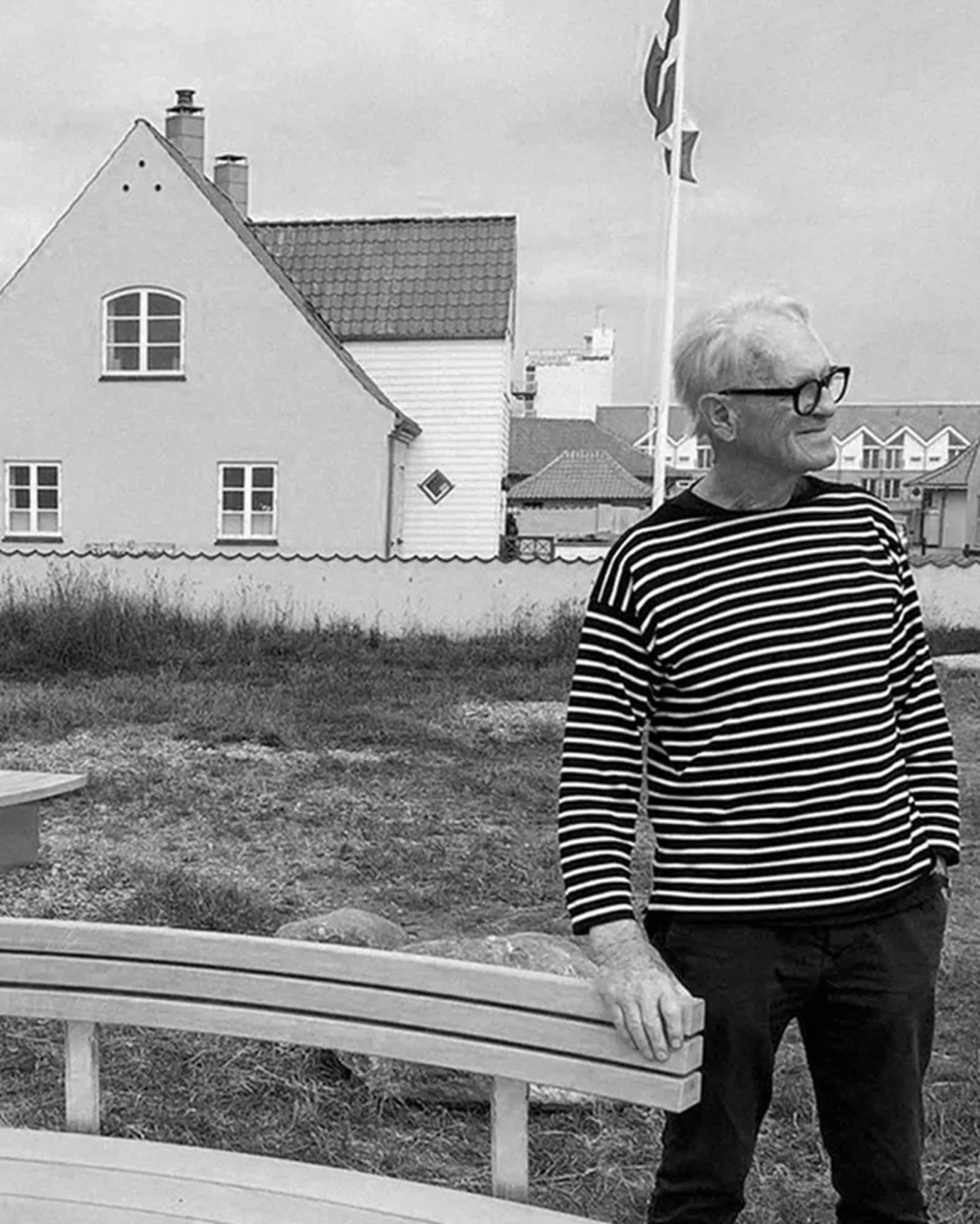
Image source: Rainer Daumiller
© The respective rights holders. Quoted to accompany INTEBEE's independent design commentary and research.
Designer
Rainer Daumiller
Rainer Daumiller was born in 1939 in Oberlenningen, a small mountain village in southern Germany. GUBI's biography says that his childhood during the Second World War, when food was scarce and gathering fruit and berries was commonplace,…
Biography
Background
Rainer Daumiller was born in 1939 in Oberlenningen, a small mountain village in southern Germany. GUBI's biography says that his childhood during the Second World War, when food was scarce and gathering fruit and berries was commonplace, fostered an early reliance on his environment and a lasting affinity with nature.
Training and material understanding
Daumiller began designing furniture while still at elementary school, making a desk and a wardrobe with a friend. His education was also shaped by the philosophy of Rudolf Steiner and weekly teaching from the Waldorf School in Stuttgart, where he learned to form objects from apparently random pieces of wood according to the character of each piece. GUBI connects this experience with his instinct to listen to materials and let their inherent properties guide a design. After completing his apprenticeship, he found factory piecework monotonous. He moved to Denmark in 1959, applied to the Artisan School's Furniture Department and joined what would later be called the Design School in 1960.
Furniture and legacy
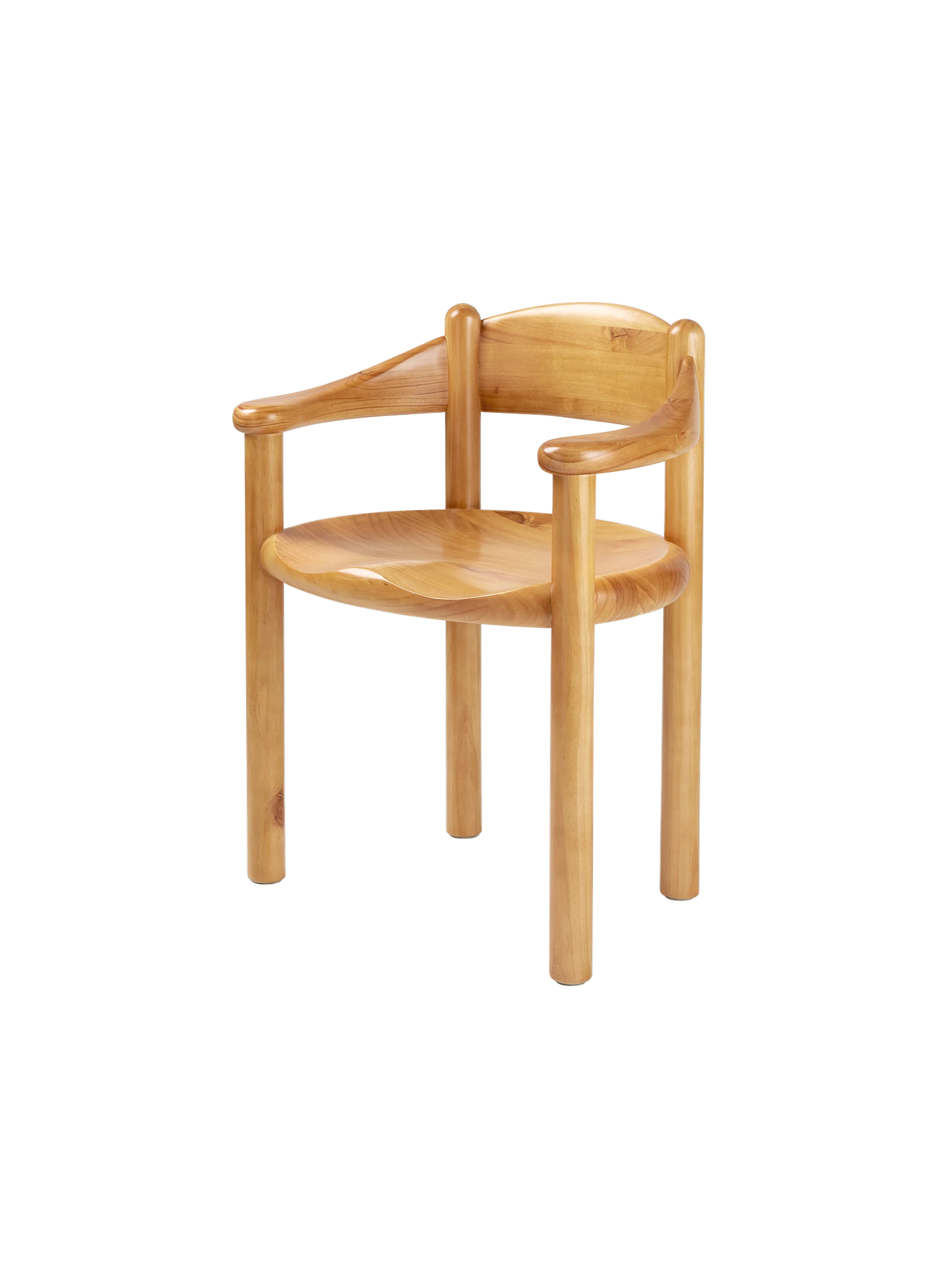
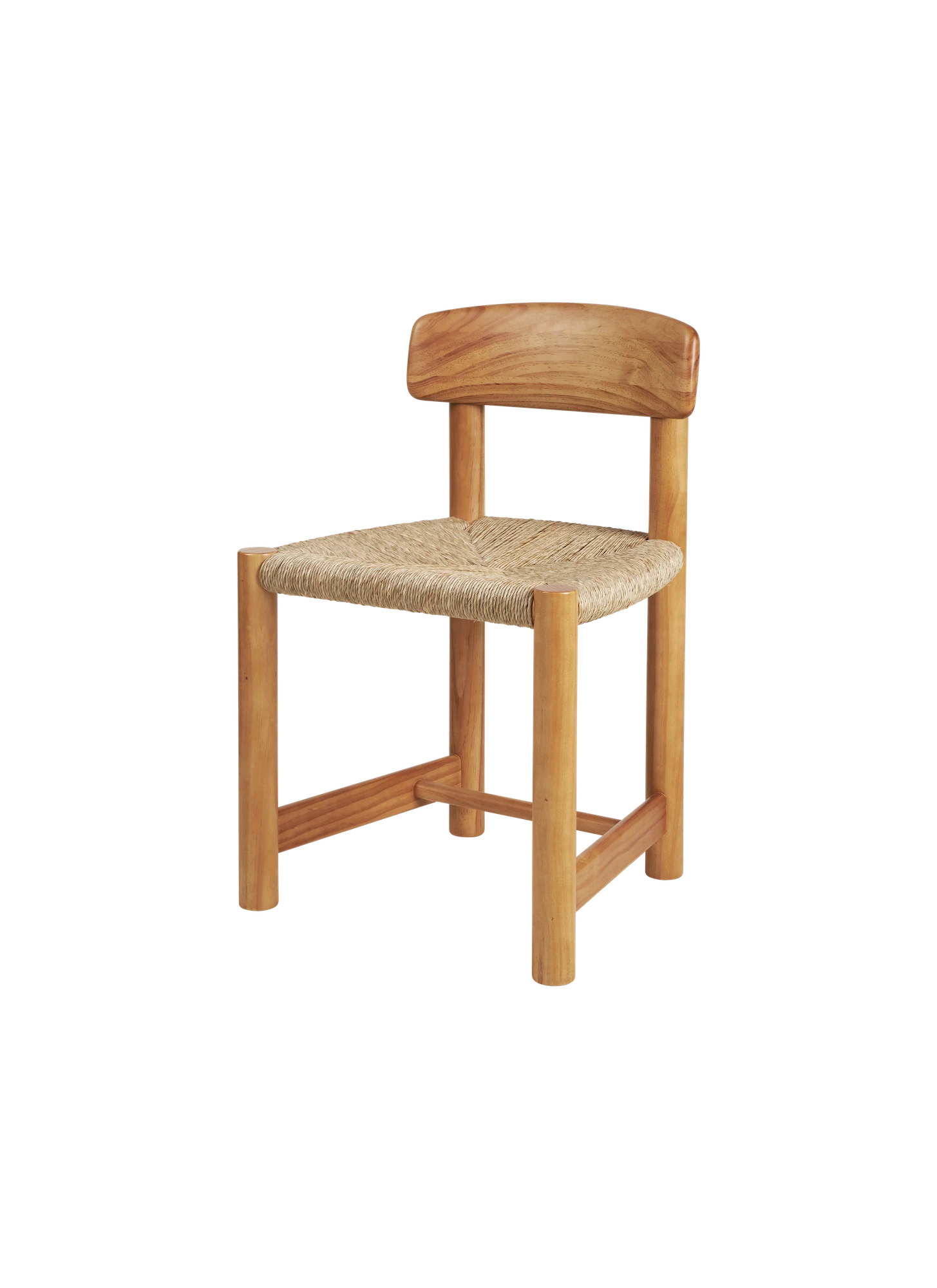
GUBI describes Daumiller's work as combining sustainability and simplicity with robust, sculptural forms. His pine chairs and table were exhibited at the Bella Center in 1977, after which Hirtshals Sawmill produced them for almost 25 years and supplied Danish stores and retailers in Germany, Austria, Switzerland, the Netherlands, Norway and Japan. The pine armchair became the bestselling piece and a trademark of Hirtshals Møbelfabrik. GUBI's present Daumiller seating preserves that material-led character in contemporary editions.