 gubi.com
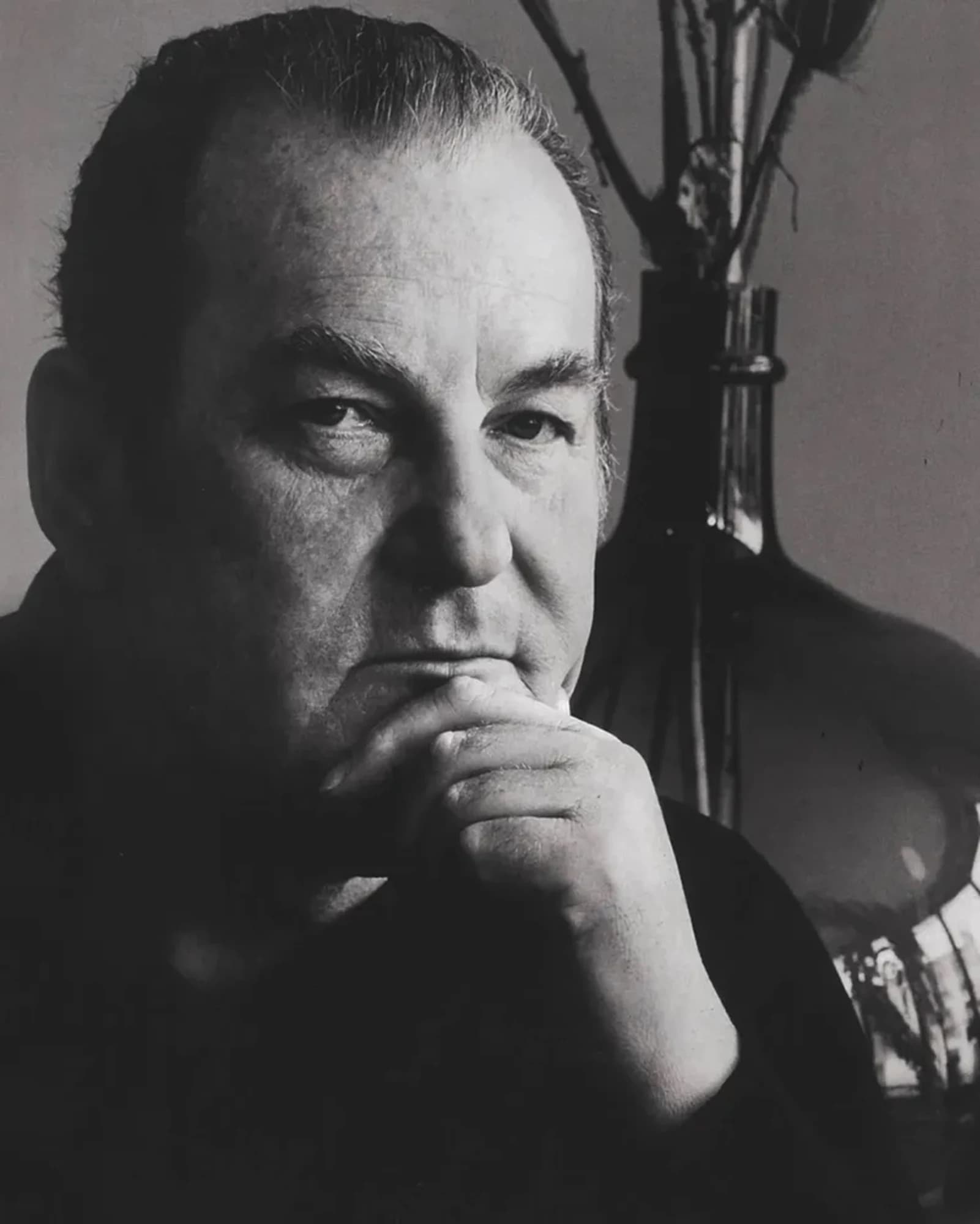
Image source: Mathieu Matégot
© The respective rights holders. Quoted to accompany INTEBEE's independent design commentary and research.
Designer
Mathieu Matégot
Mathieu Matégot (1910–2001) was, in GUBI's account, a versatile, independent and self-taught Hungarian designer, architect and artist. After studying at Budapest's School of Art and Architecture, he travelled in Italy and the United States…
Biography
Background
Mathieu Matégot (1910–2001) was, in GUBI's account, a versatile, independent and self-taught Hungarian designer, architect and artist. After studying at Budapest's School of Art and Architecture, he travelled in Italy and the United States before settling in Paris in 1931. His early experience included set design, window dressing, fashion and tapestry. In 1939 he volunteered for the French army, was held prisoner in Germany, and escaped in 1944.
Signature Style
His wartime work in a mechanical accessories plant introduced him to the possibilities of sheet metal. He later patented and produced Rigitulle, a perforated and folded sheet material that GUBI compares to fabric because it can be bent, folded and shaped. The technique gave his furniture transparency, lightness and a modern presence.
Notable Works
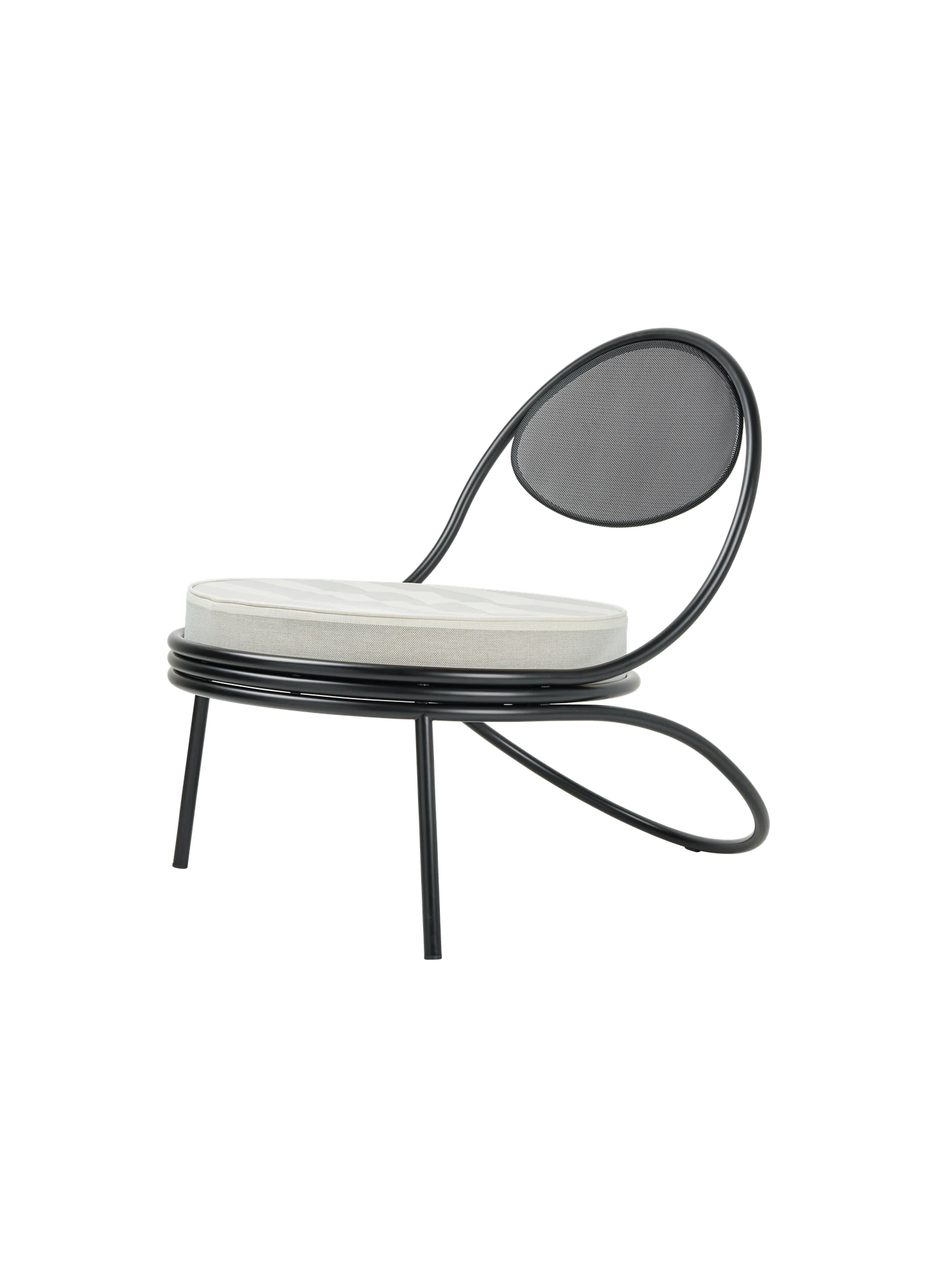
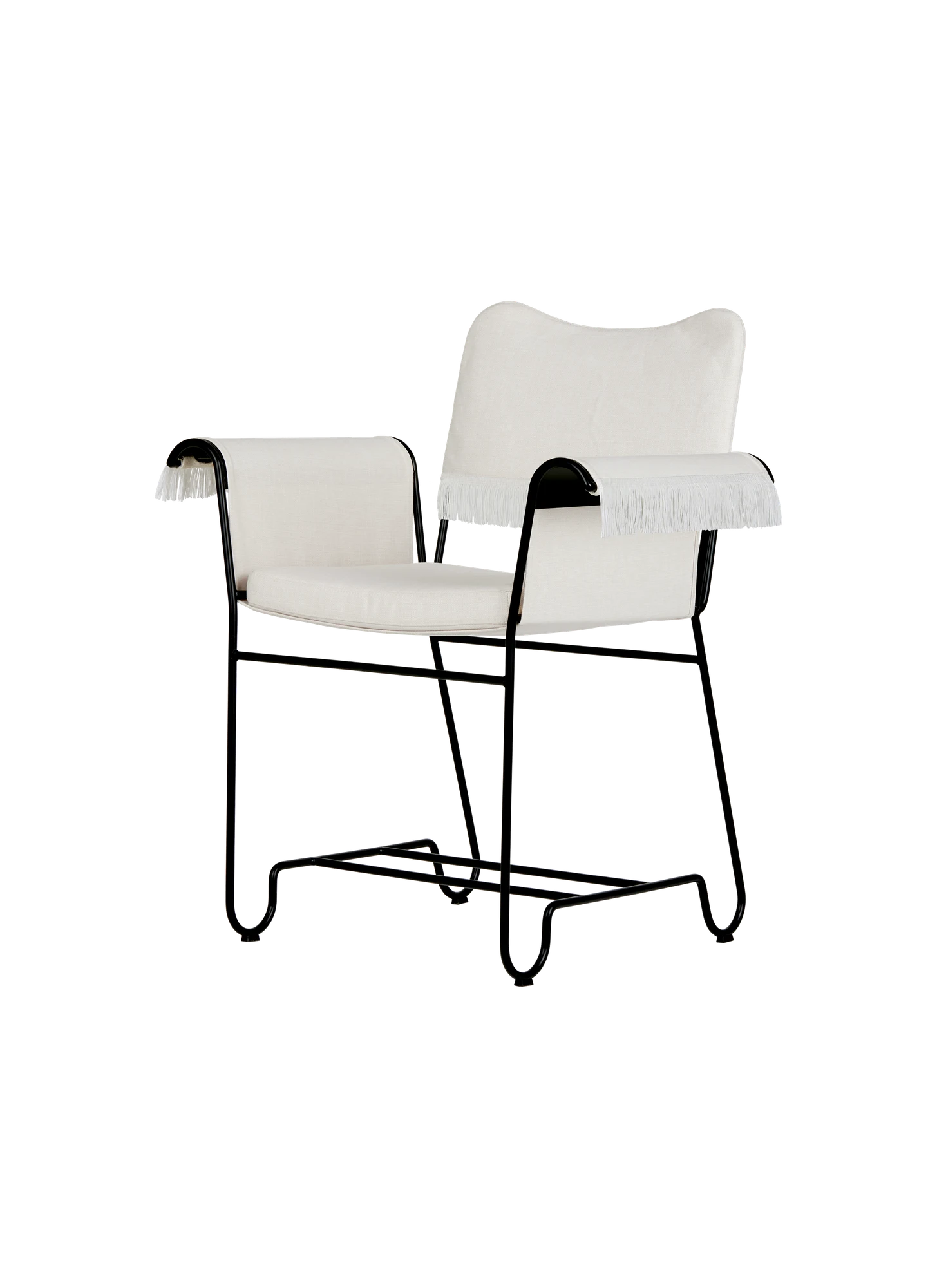
GUBI dates the Bagdad Portable Lamp to 1954, the Nagasaki Chair to 1954 and the Copacabana Lounge Chair to 1955. It also associates Matégot with the Dédal and Démon shelving systems, the Tropique chair and table, the Matégot Bowl and Trolley, and the Satellite lighting family.
Legacy
During the 1950s he devoted himself to furniture and interior accessories, applying one inventive material language across lamps, bowls, coat racks, shelving and furniture. GUBI notes that the Copacabana is held by the Centre Georges Pompidou and the Nagasaki Chair by Paris' Musée des Arts Décoratifs, while describing his work as still resonant with contemporary audiences.