 vitsoe.com
Image source: Dieter Rams
© The respective rights holders. Quoted to accompany INTEBEE's independent design commentary and research.
Designer
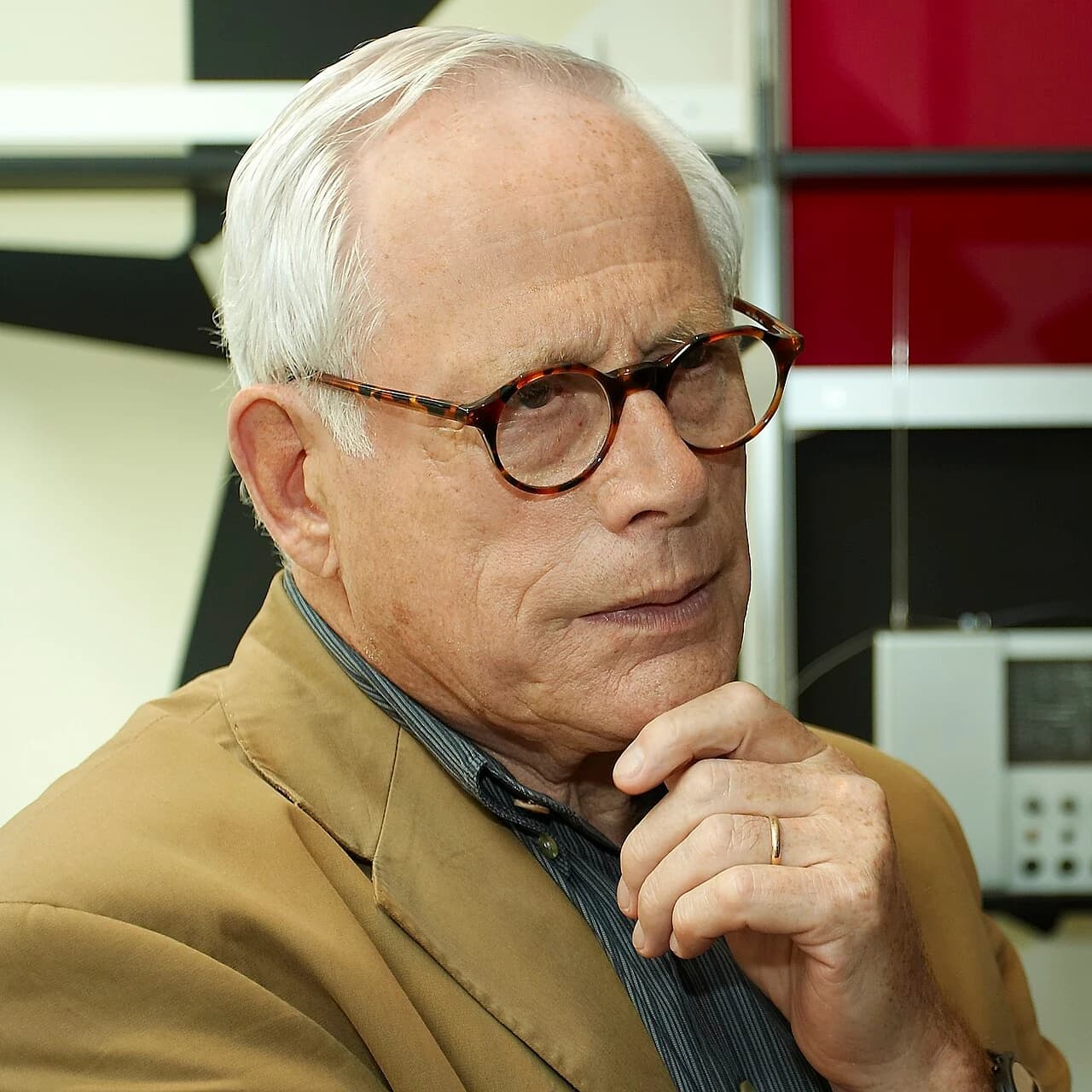
Dieter Rams
Dieter Rams was born in Wiesbaden, Germany, on 20 May 1932 and learned carpentry from his grandfather, a master carpenter. He studied architecture and interior design at the Wiesbaden School of Arts and Crafts, completed a carpentry…
Biography
Background
Dieter Rams was born in Wiesbaden, Germany, on 20 May 1932 and learned carpentry from his grandfather, a master carpenter. He studied architecture and interior design at the Wiesbaden School of Arts and Crafts, completed a carpentry apprenticeship, graduated in 1953 and worked for the Frankfurt architect Otto Apel. In 1955 Braun recruited him as an architect and interior designer.
Signature Style
Rams's functionalist, unobtrusive approach is summed up in his motto "Less, but better" (Weniger, aber besser) and in his Ten Principles for Good Design, written in response to what he called "an impenetrable confusion of forms, colours and noises". His work is reduced, calm and systematic, and he spoke early against wastefulness and obsolescence.
Notable Works
- Braun SK 4 radiogram (1956, with Hans Gugelot), nicknamed "Snow White's coffin"
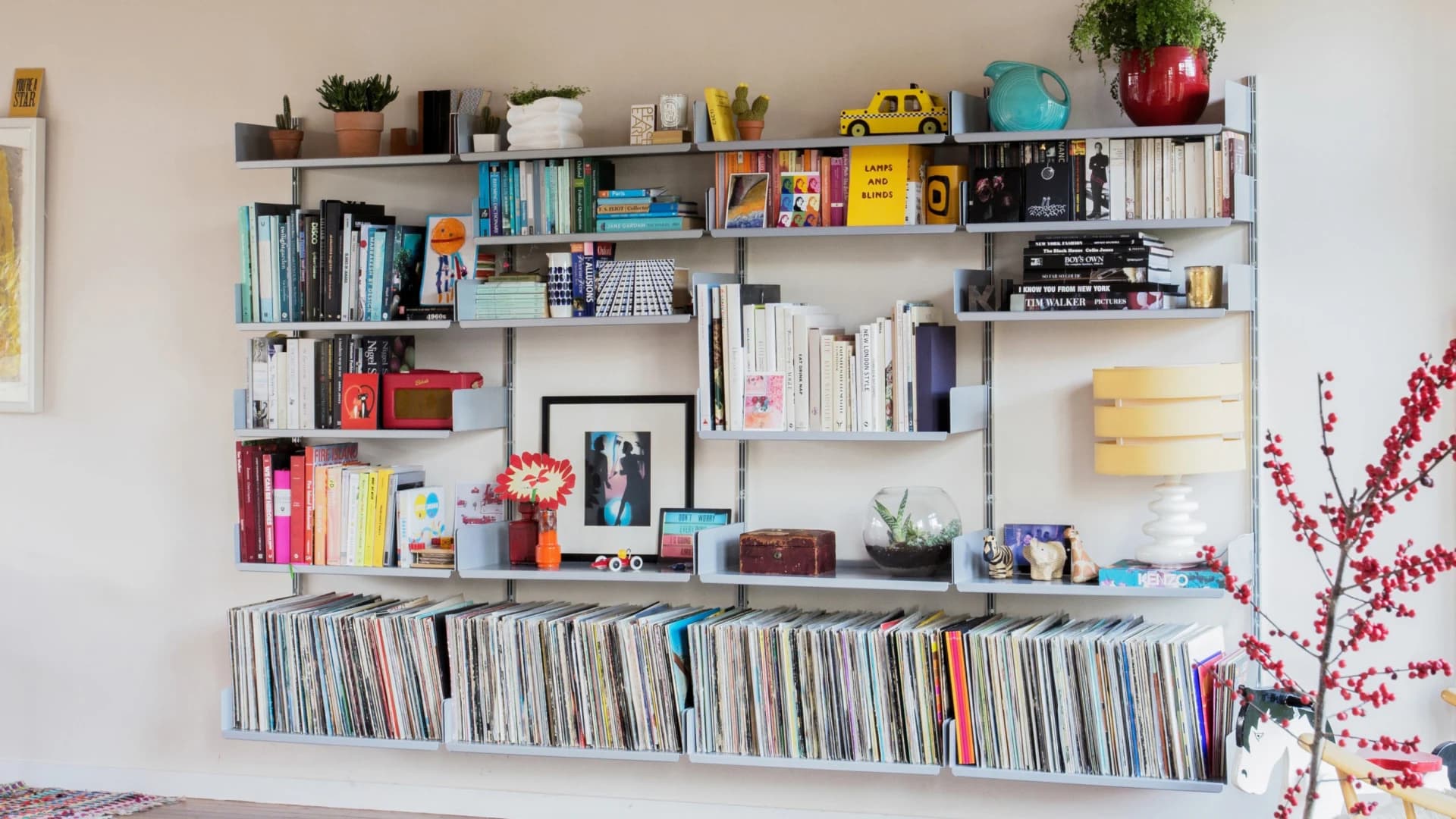
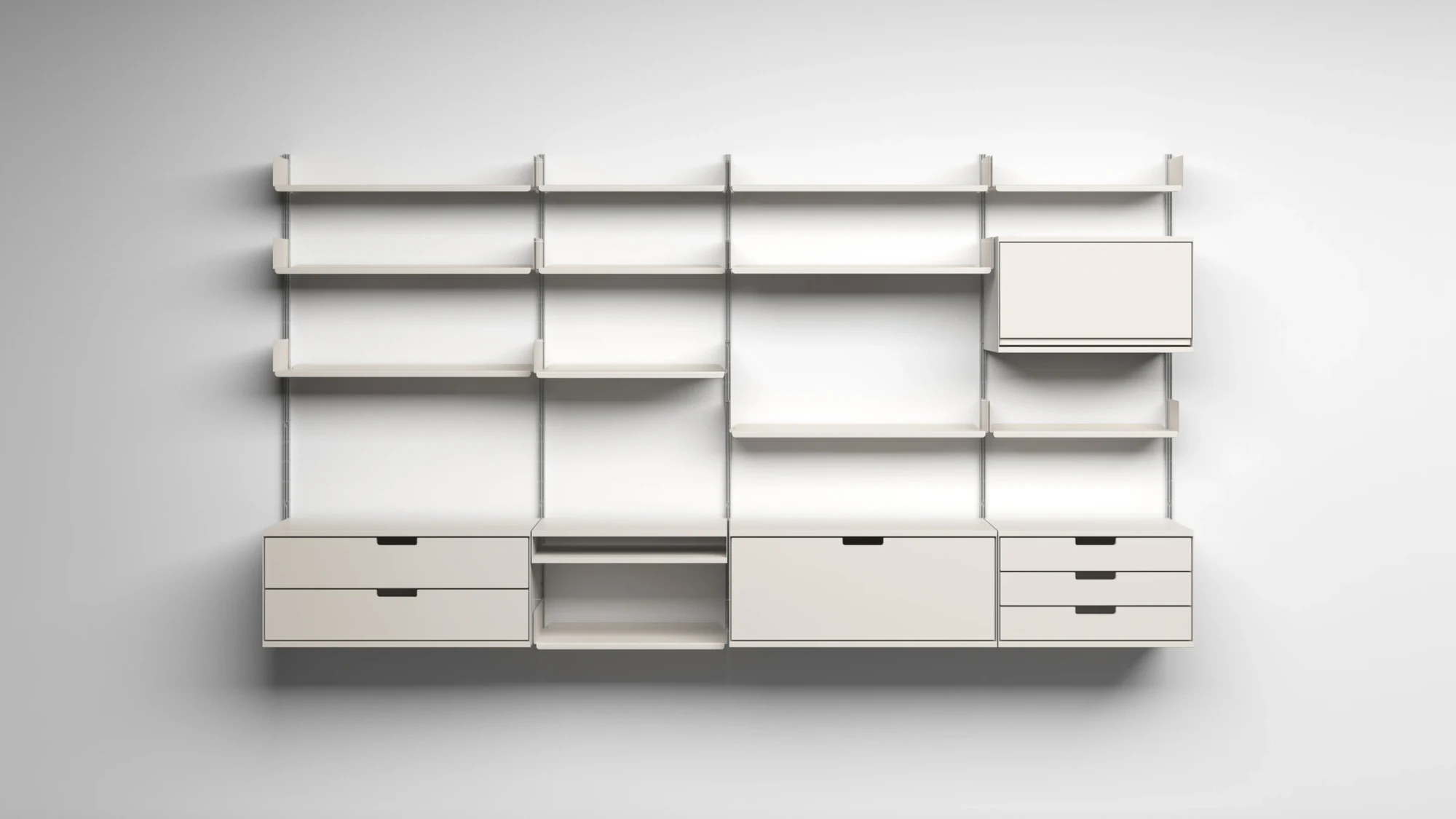
- 606 Universal Shelving System for Vitsœ (1960)
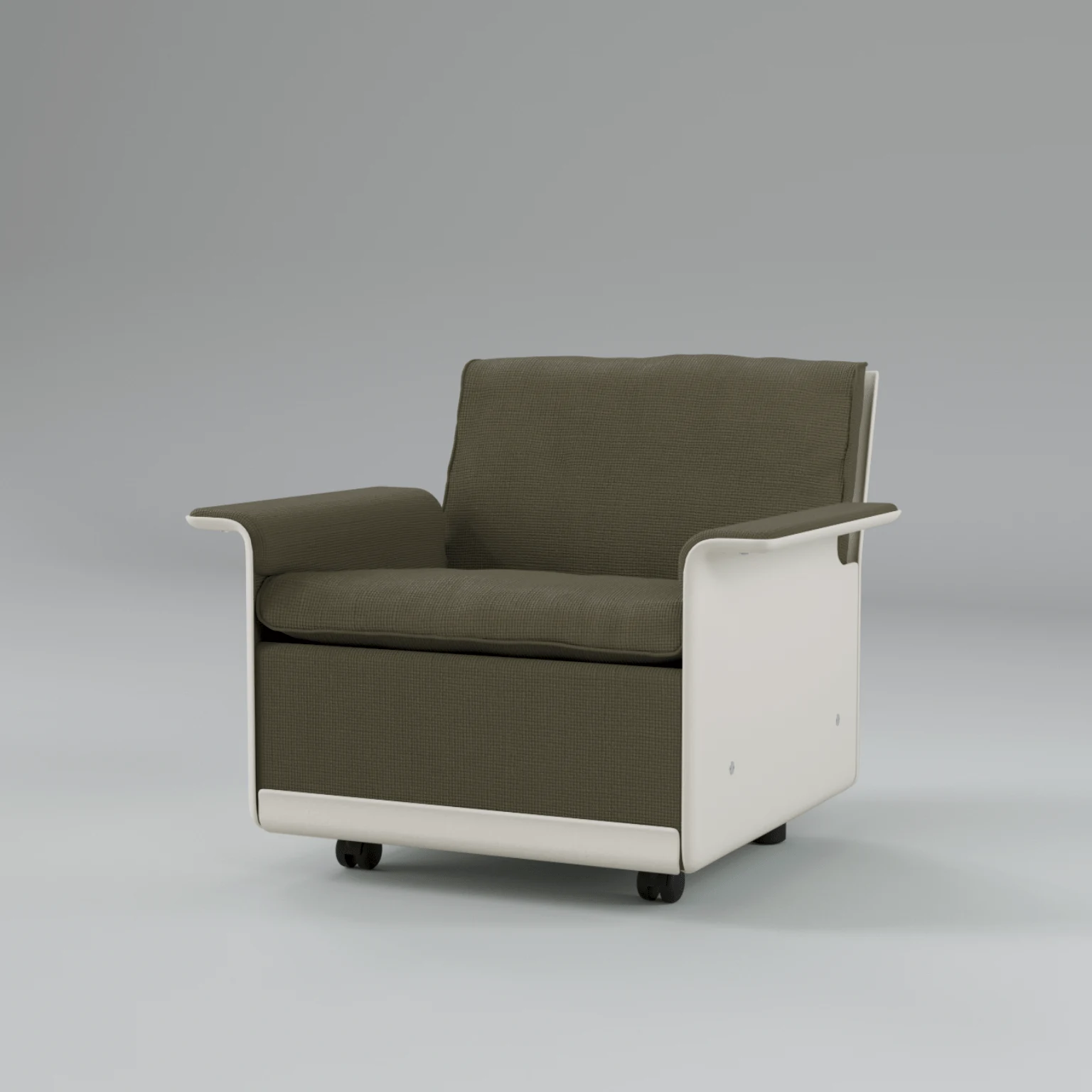
- 620 Chair Programme and 621 Table for Vitsœ (1962)
- Braun TP 1 portable radio and phonograph (1959) and ET66 calculator (1987)
Legacy
Head of design at Braun from 1961 until his retirement in 1997, Rams has worked with Vitsœ since its founding in 1959. Designers including Jony Ive, Naoto Fukasawa and Jasper Morrison cite his influence; his work is in MoMA and in London's V&A, and he received the iF Design Lifetime Achievement award (2024) and the World Design Medal (2025).
Specifying pieces from Dieter Rams for your design project?
INTEBEE is the FF&E specification platform for interior designers: spec sheets, finishes, floor plans and client-ready PDFs in one place.