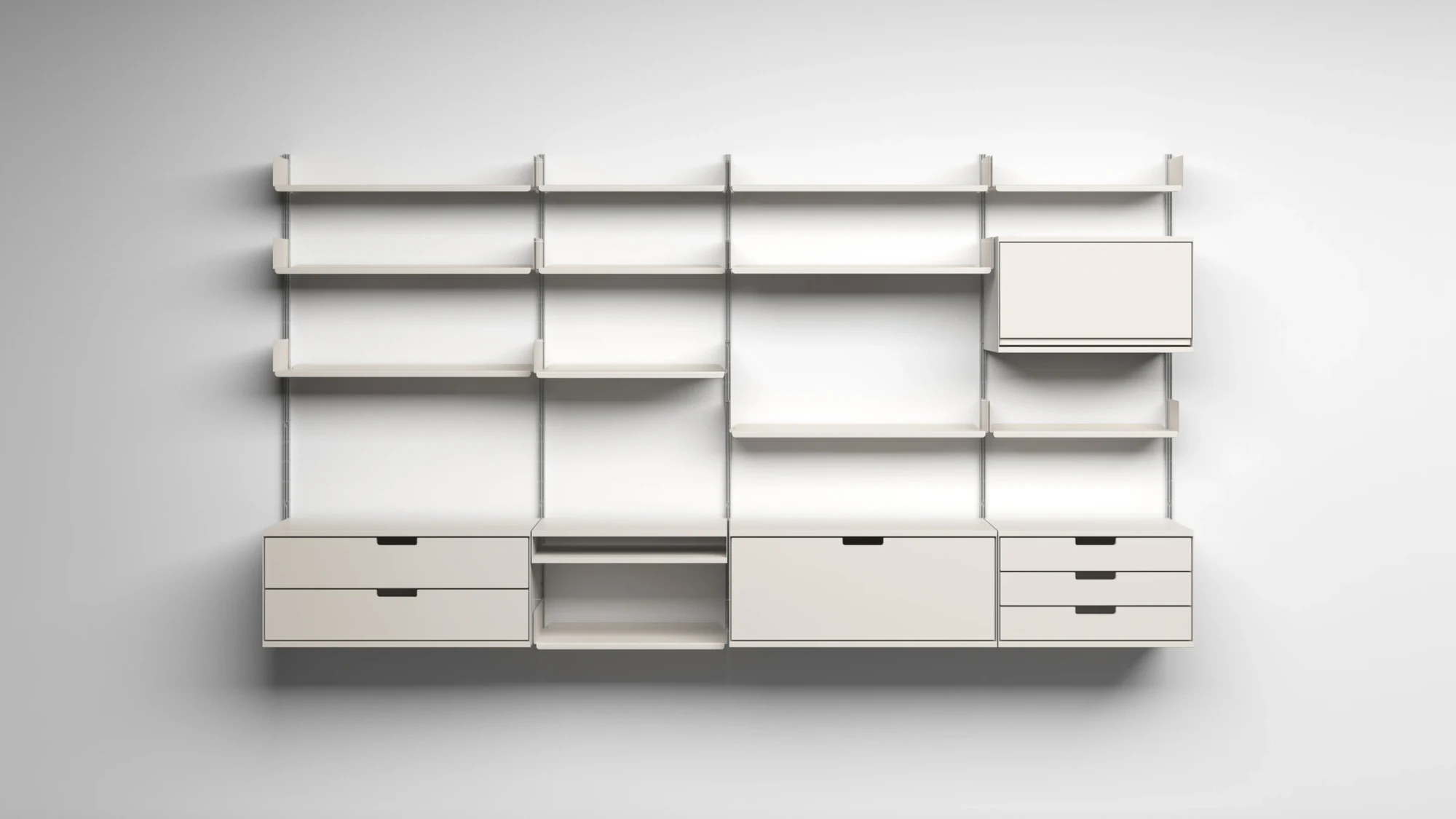
Image source: Vitsœ — 620 Chair Programme
© Vitsœ and the respective rights holders. Quoted to accompany INTEBEE's independent design commentary and research.
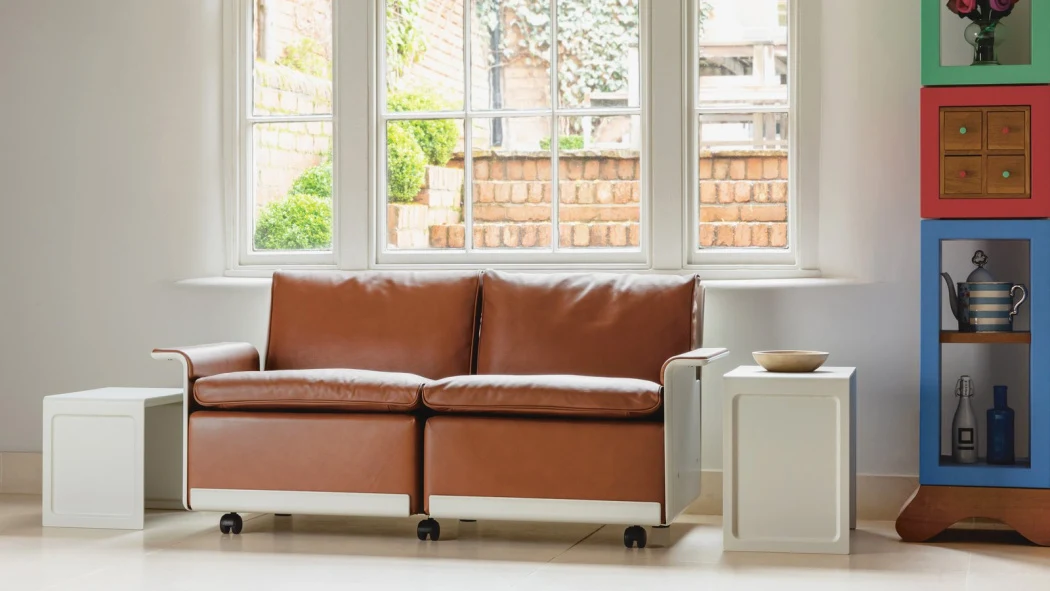
620 Chair Programme
Dieter Rams's 1962 modular armchair for Vitsœ: separate chairs can become a sofa.


860 × 720 × 760 mm
1962
United Kingdom
Approx. $5,900 (reference price; varies by region and retailer)
Official product information
INTEBEE AI PUBLIC LIBRARY is an independent furniture design research and discovery platform. Product specifications, finishes, availability and other details may change. For current and definitive information, please refer to the manufacturer's official website.
Go to the official product pageDescription
Overview
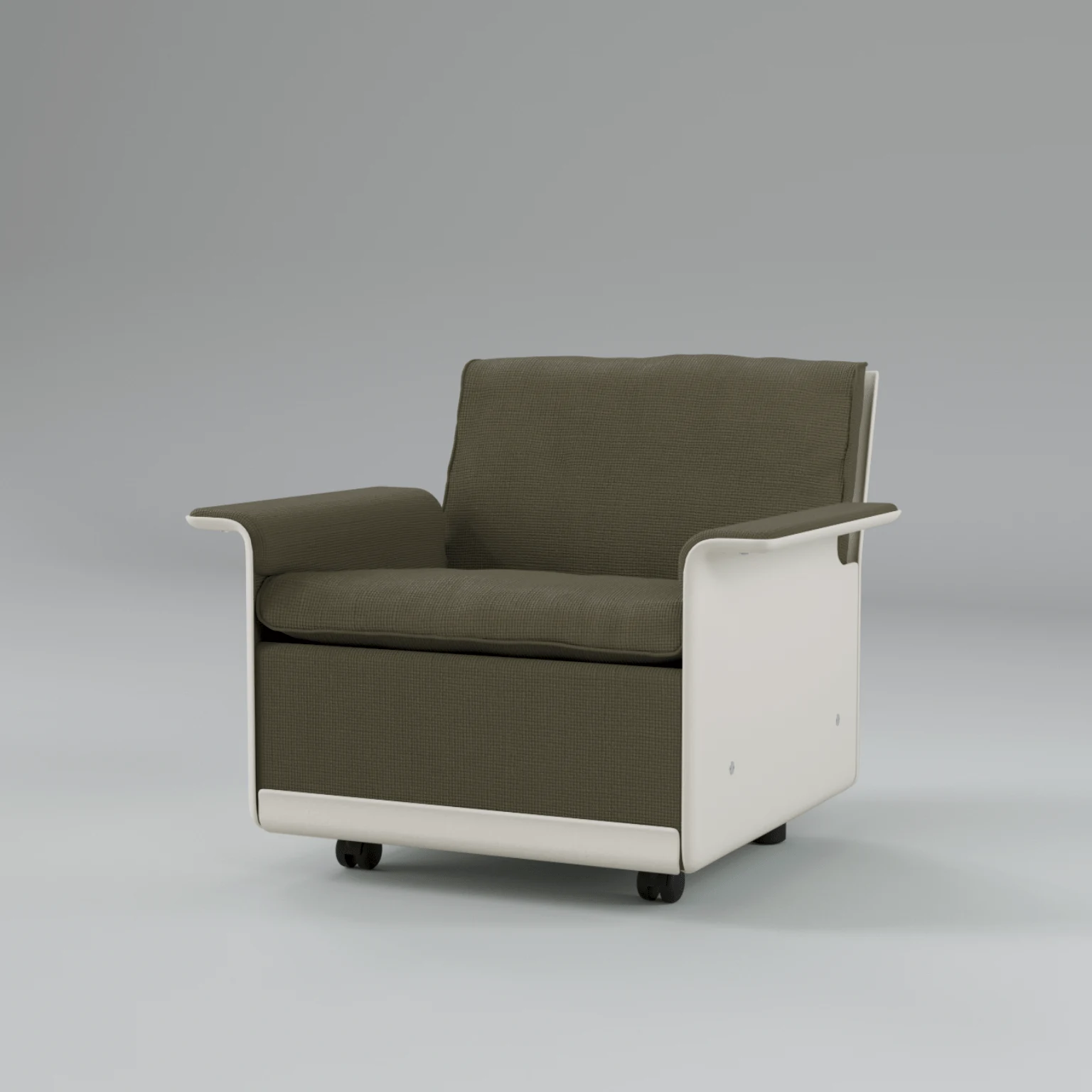
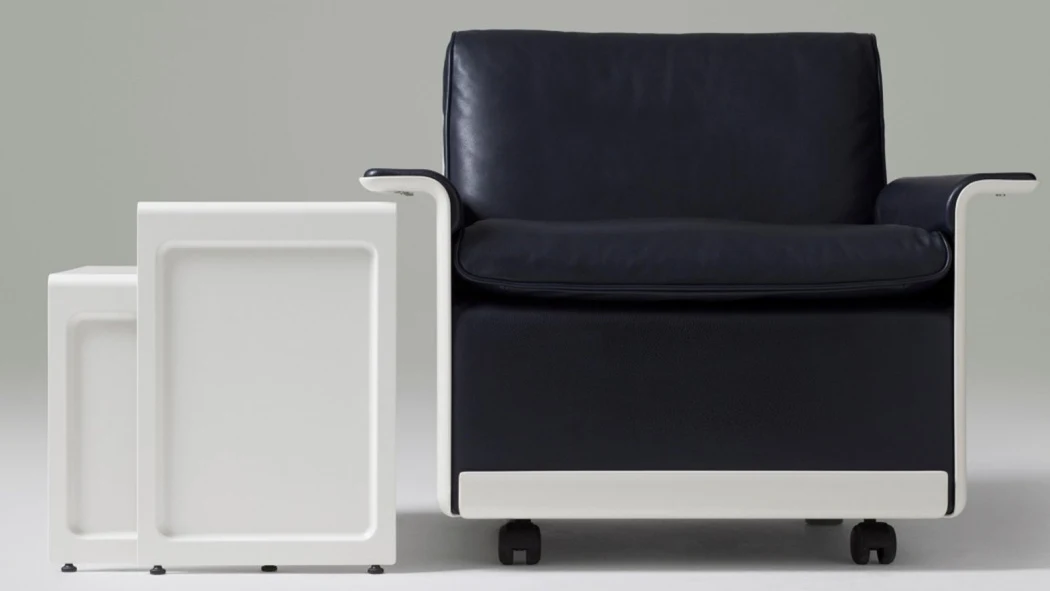
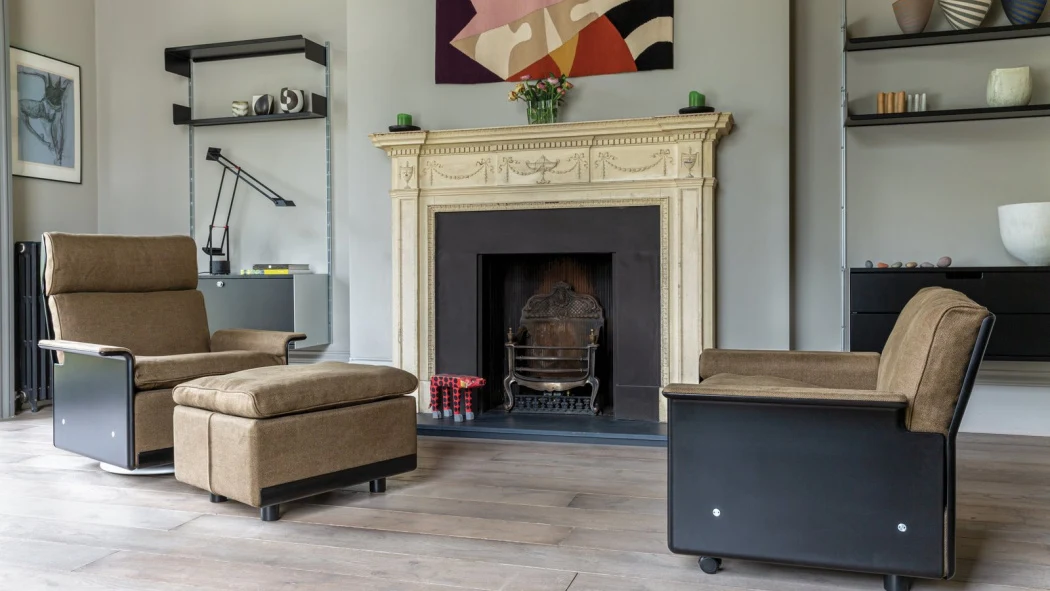
The 620 Chair Programme is a modular armchair designed by Dieter Rams in 1962 for Vitsœ. Vitsœ says Rams designed it as a modular kit: chairs can be combined into a sofa, the low back is interchangeable with a high one, and a swivel base is offered instead of castors and feet. Rams speaks of "wanting to achieve the comfort of a classic armchair while remaining visually light". A footstool with the same coil-sprung interior is part of the programme.
Construction
The chair shells are hot-pressed sheet-moulding compound, which Vitsœ calls similar to but stronger than glass-reinforced polyester, hand-finished in a polyurethane lacquer in off-white or black. The heart of the base is a coil-sprung mesh-top unit made by one of the last traditional spring factories in England, overlaid with a moulded coconut-fibre (coir) and natural rubber pad, in a CNC-cut birch-plywood base that gives solidity for attaching the arms and back. Upholstery is 100% plain-weave linen or full-grain, chrome-tanned, aniline-dyed leather. Vitsœ and Rams re-engineered the programme in 2013, down to the last purpose-designed stainless-steel bolt, and the chairs are assembled with one simple magnetic tool.
Specifications
- Low-back chair: W 86 × D 76 × H 72 cm
- High-back chair: W 86 × D 79 × H 92 cm
- Shell: off-white or black
- Linen: Flax, Loden, Grey, Marine; leather: Cinnamon, Red, Olive brown, Chocolate, Midnight, Black
- Made in England, in Vitsœ's production building in Royal Leamington Spa
Story
62-0
Vitsœ's history page says the 620 Chair Programme (originally RZ 62) and the 621 Table were launched in 1962 as the first and second Vitsœ products of the year, which gave them the names 62-0 and 62-1; in 1969 the company moved to names built from the year of introduction. Dieter Rams was 30 when he designed it.
Copied, protected, re-engineered
Seven years after it appeared on the market, the 620 was copied. In 1973 the German Federal Court granted it artistic copyright protection, saying "The design of this chair is a personal, original creation of highly aesthetic value." In 1970 it was accepted into the permanent collection of the Victoria & Albert Museum, London, and in 2013 Vitsœ and Rams re-engineered it.