
Image source: &Tradition — Wire Stool VP11
© &Tradition and the respective rights holders. Quoted to accompany INTEBEE's independent design commentary and research.
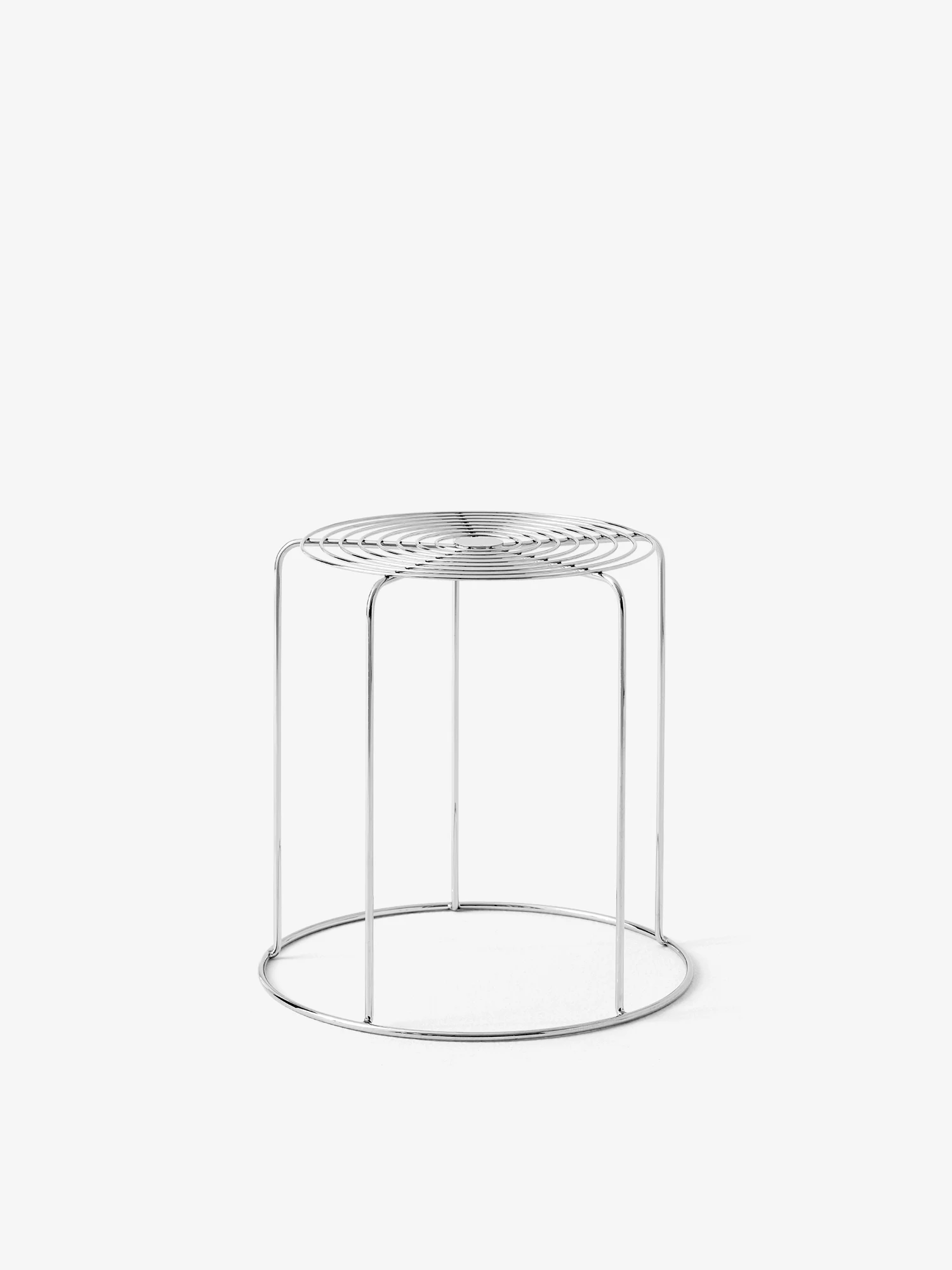
Wire Stool VP11
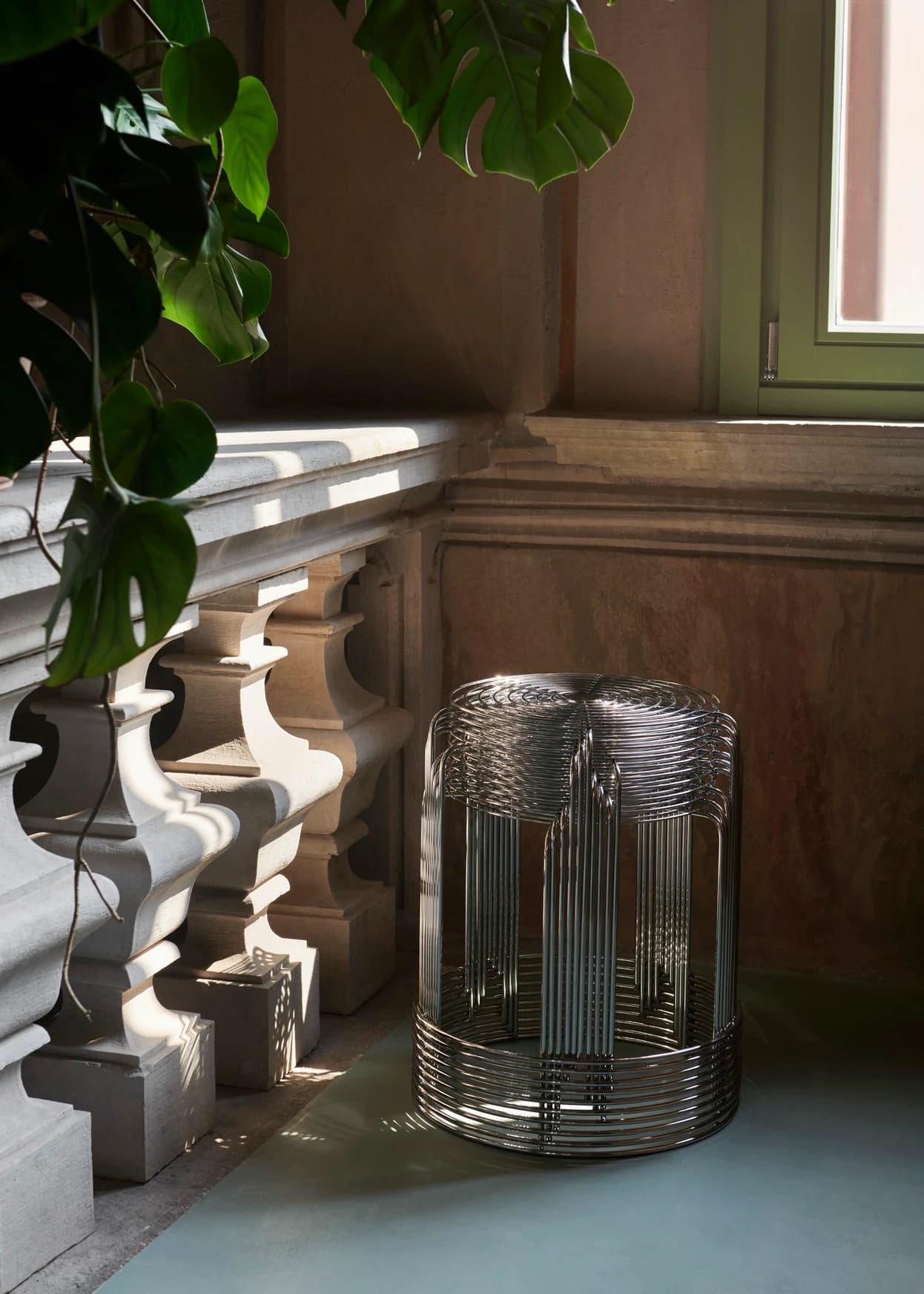
Verner Panton's 1981 stackable stool in bent stainless-steel wire, with optional magnetic seat pads


440 × 420 × 440 mm
1981
China
Official product information
INTEBEE AI PUBLIC LIBRARY is an independent furniture design research and discovery platform. Product specifications, finishes, availability and other details may change. For current and definitive information, please refer to the manufacturer's official website.
Go to the official product pageSpecifying Wire Stool VP11 for your design project?
INTEBEE is the FF&E specification platform for interior designers: spec sheets, finishes, floor plans and client-ready PDFs in one place.
Description
Overview
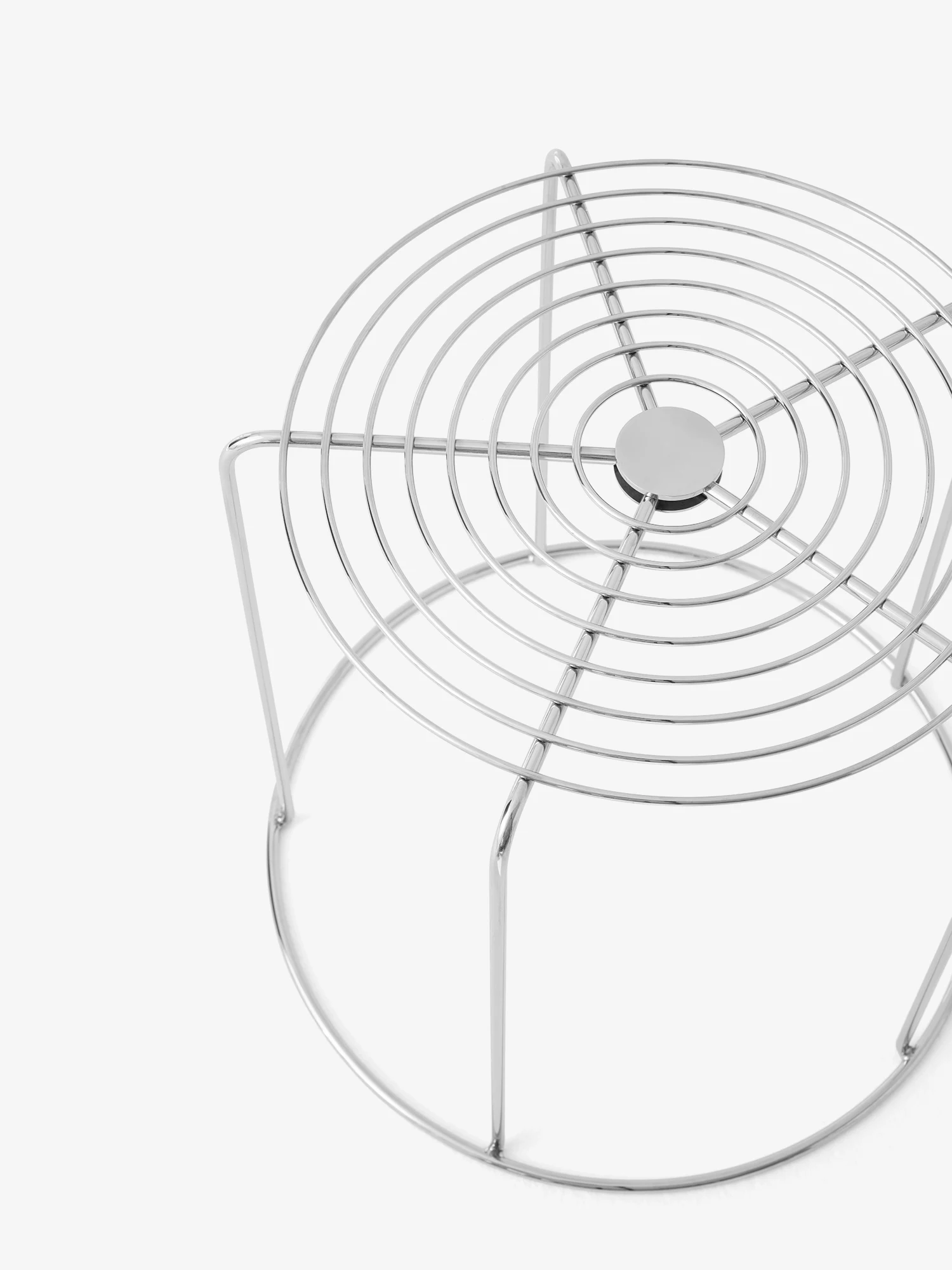
Wire Stool VP11 is a stackable stool that doubles as a side table. Verner Panton is the designer, the page and the fact sheet date it 1981, and &Tradition produces it. Stainless-steel wire forms a simple geometric shape with repeated patterns, and every stool can take detachable seat pads in four colours that hold on with a discreet magnet.
Construction
Stainless steel wire is bent into circles and spot welded together, finished in mirror polished steel. A magnetic steel centre plate holds the seat pad. Twelve stools stack.
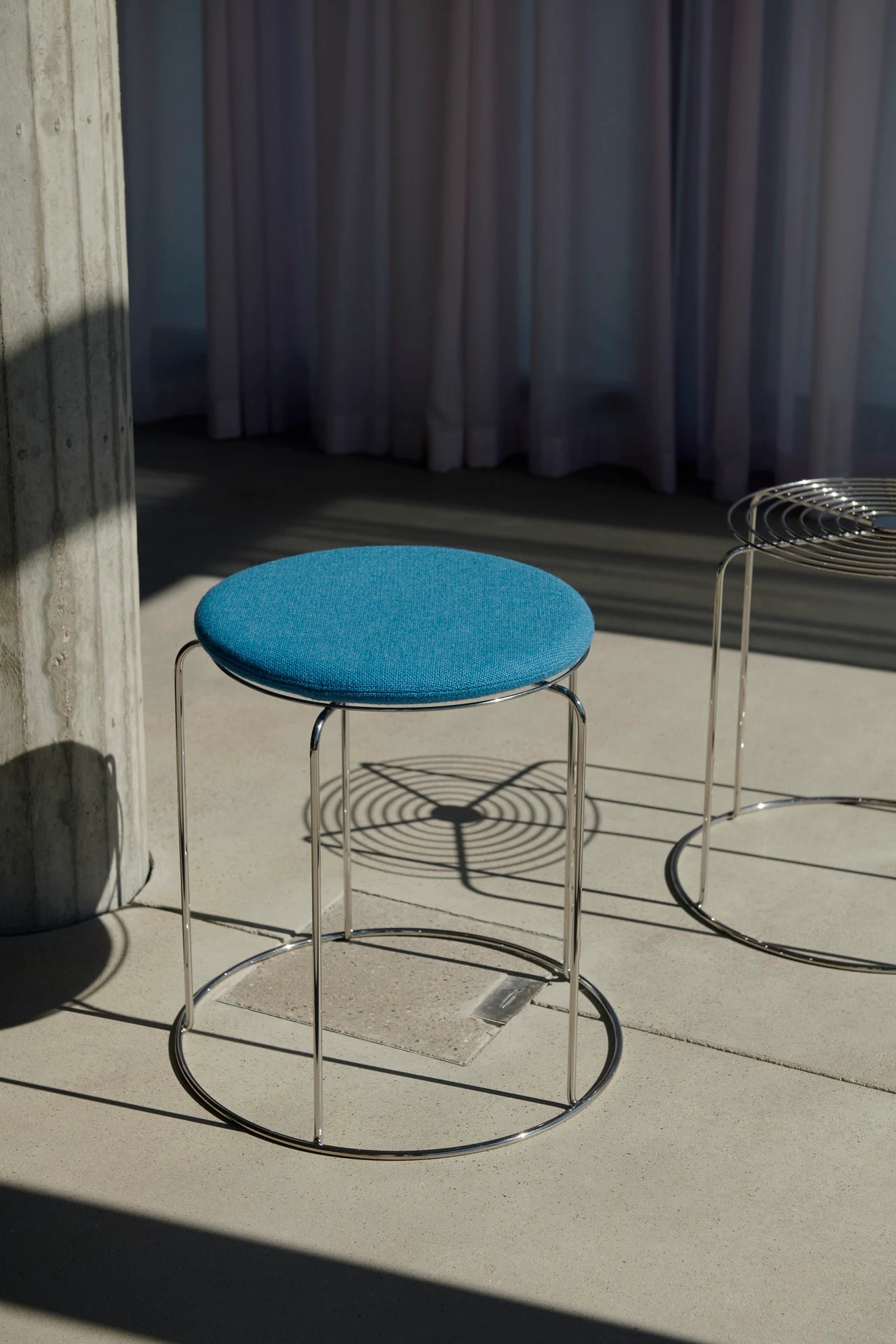 Image source: &Tradition — Wire Stool VP11 · © &Tradition and the respective rights holders. Quoted to accompany INTEBEE's independent design commentary and research. · View official product page ↗ · Image use & copyright policy
Specifications
H 42 × Ø 44 cm. Weight 2.3 kg.
Story
A stool for the Pantons' own homes
&Tradition's journal tells the story through Marianne Panton, Verner Panton's wife and partner. The household often ran short of chairs when guests came, and Verner remembered a simple wire stool he had designed a couple of years before. The couple commissioned a number of them for their home and studio in Basel and for the summer house in Denmark. About a dozen were made in 1981 by a small manufacturer in the south of Switzerland, some in chrome and some colour-coated, and the stool never reached the market until &Tradition added it to its range.
Why wire
The journal names three reasons for Panton's interest in wire: it is an inexpensive industrial material suited to simple series production, it gives maximum stability and load-bearing capacity from a minimum of material, and its optical lightness and transparency leave the surrounding space visible.
More by Verner Panton
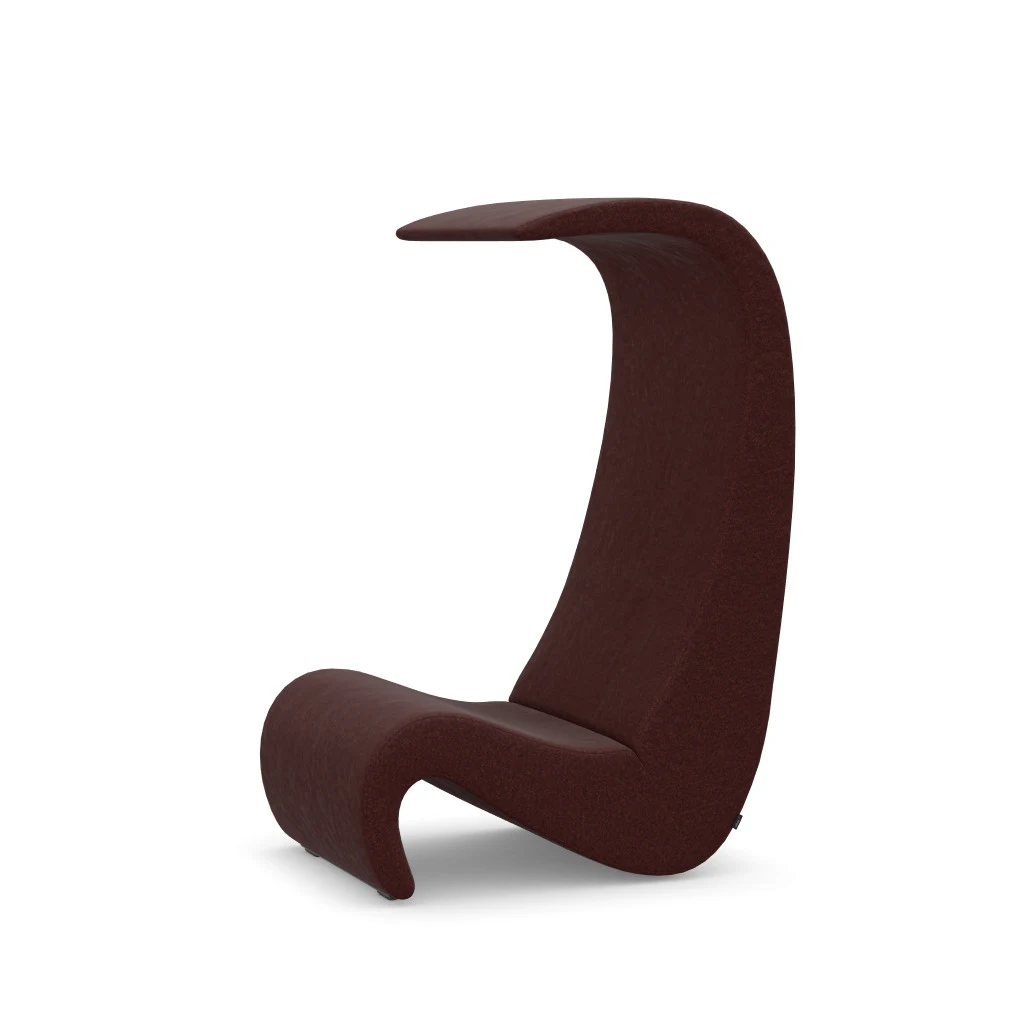
Amoebe Highback
The Amoebe with an extended backrest that curves over the head like a canopy
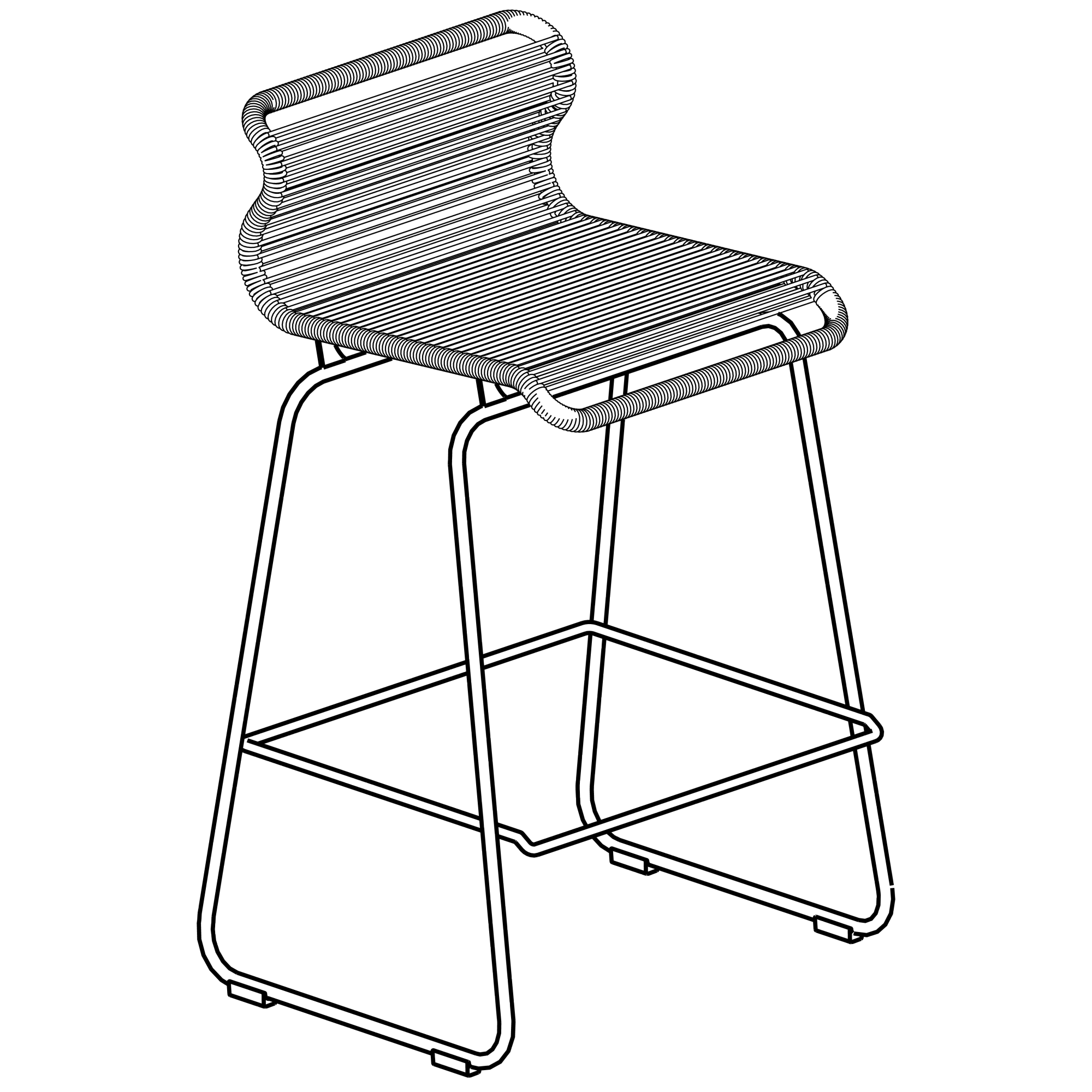
Panton One Kitchen Chair
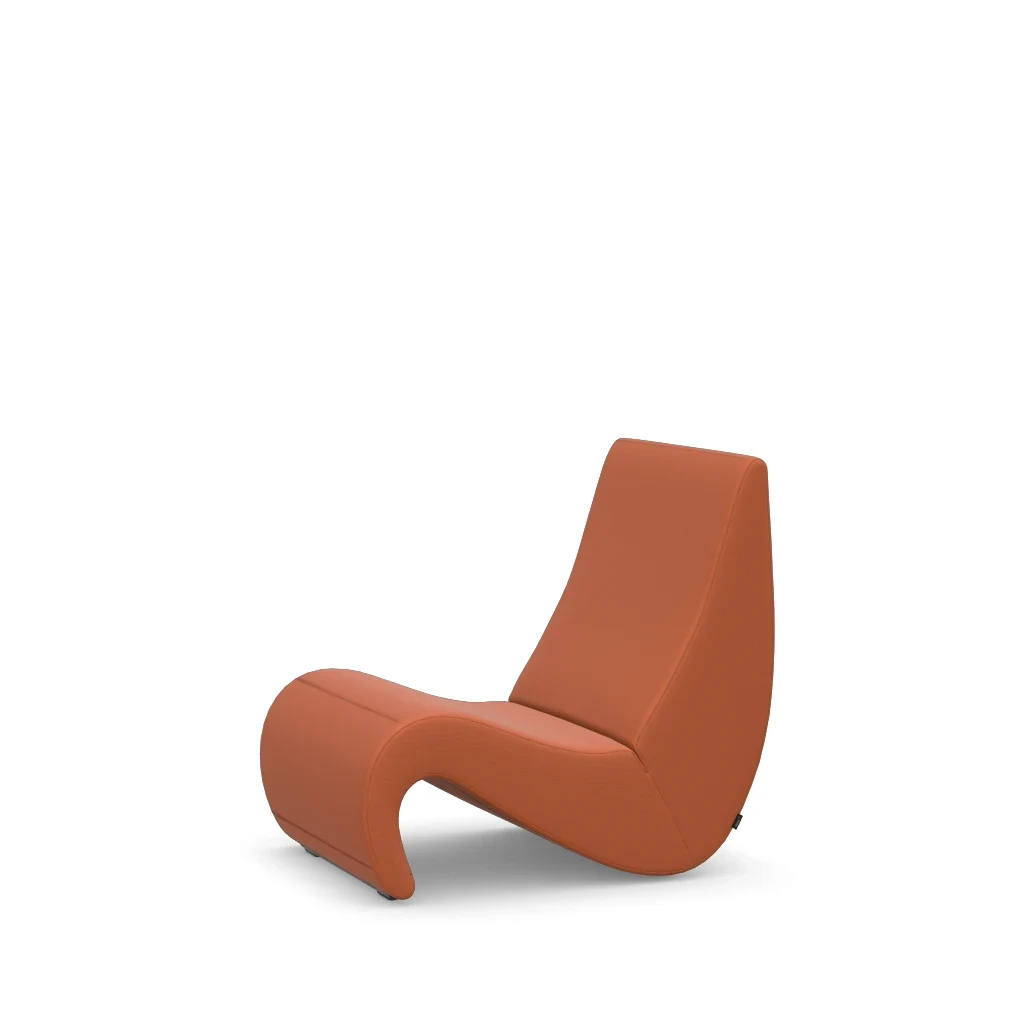
Amoebe
Panton's low lounge chair of 1970, with removable covers in five fabric ranges
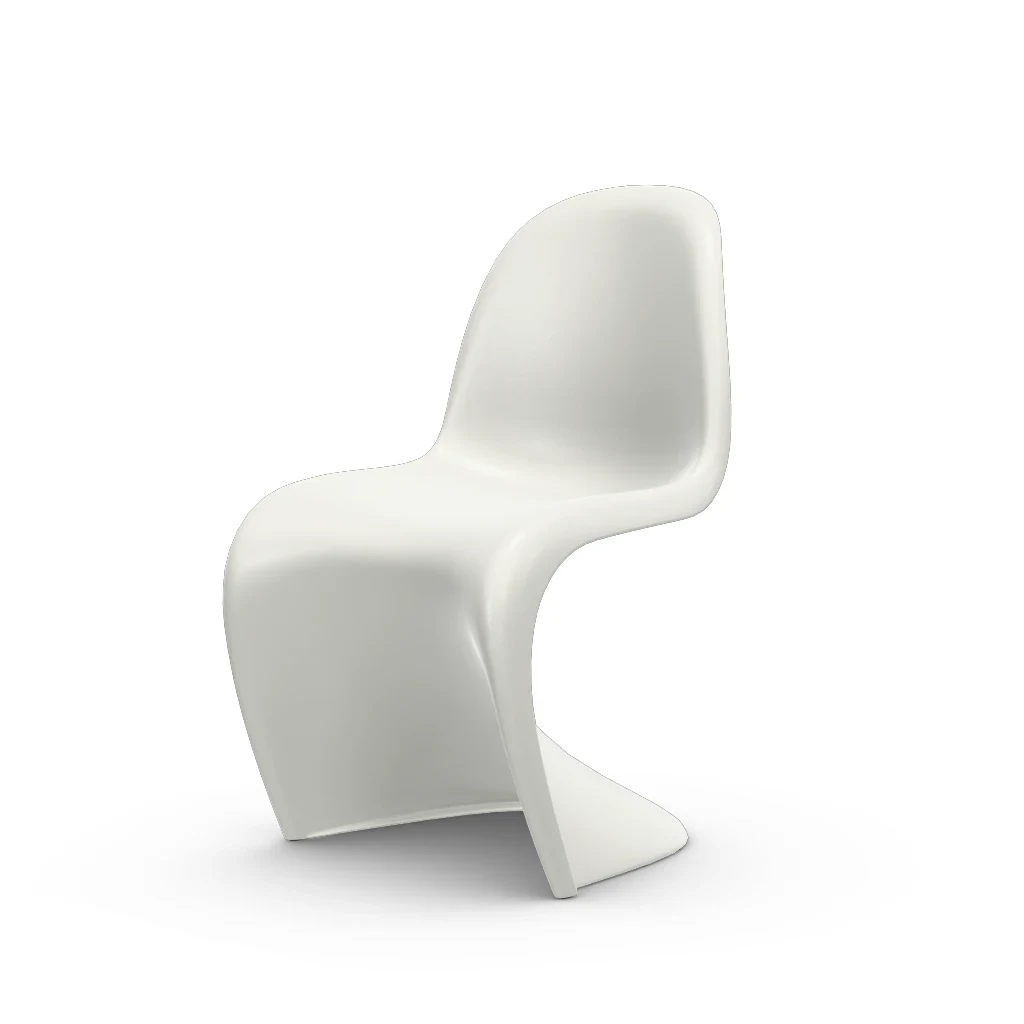
Panton Chair
The S-shaped one-piece cantilever chair, in matt polypropylene since 1999
Collection
Wire Stool
Wire Stool Collection by Verner Panton for &Tradition: the stainless-steel Wire Stool VP11, its Marble Top and magnetic Seat Pad, with sizes and story.