
Image source: Cassina — Utrecht Armchair
© Cassina and the respective rights holders. Quoted to accompany INTEBEE's independent design commentary and research.
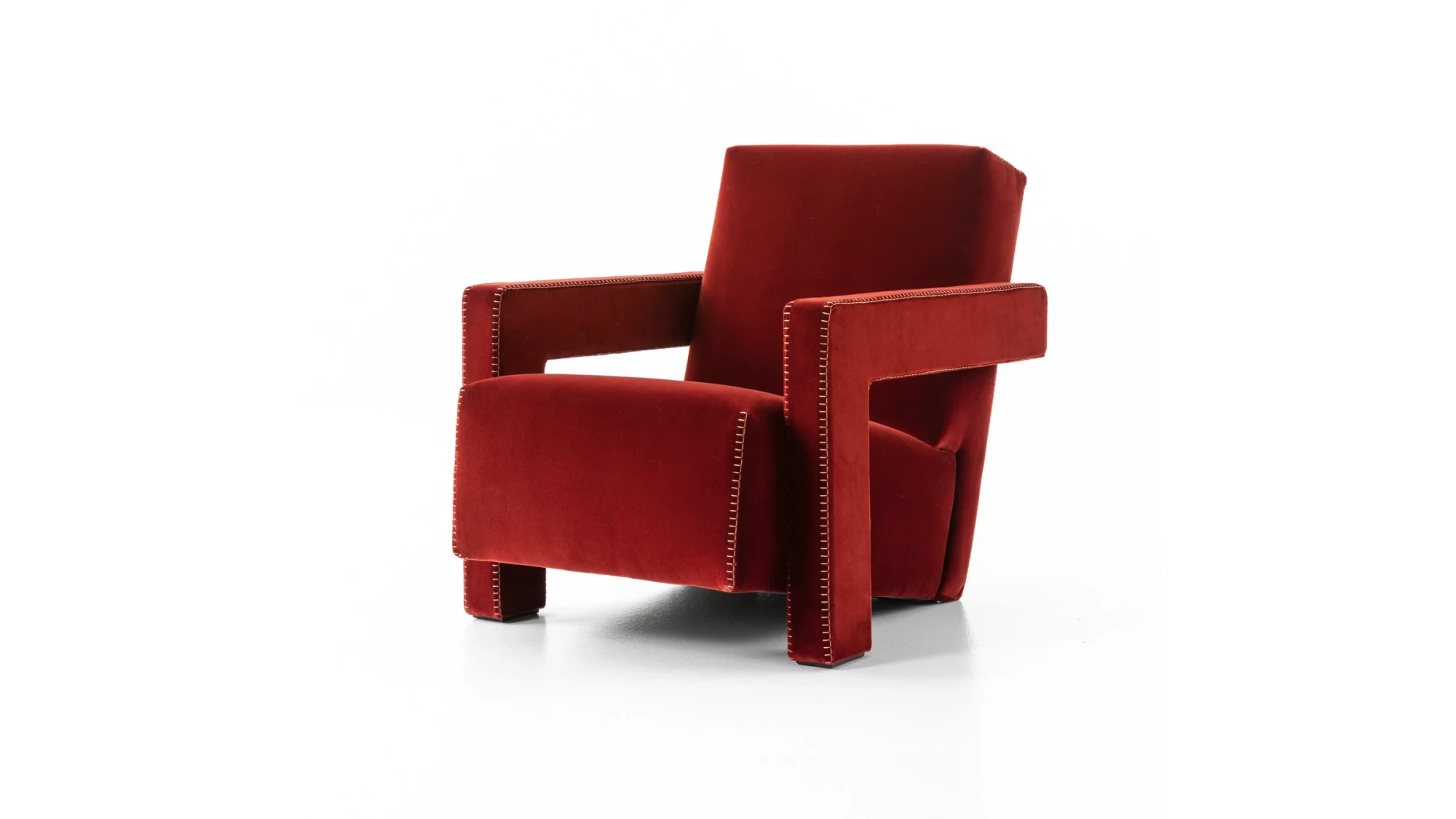
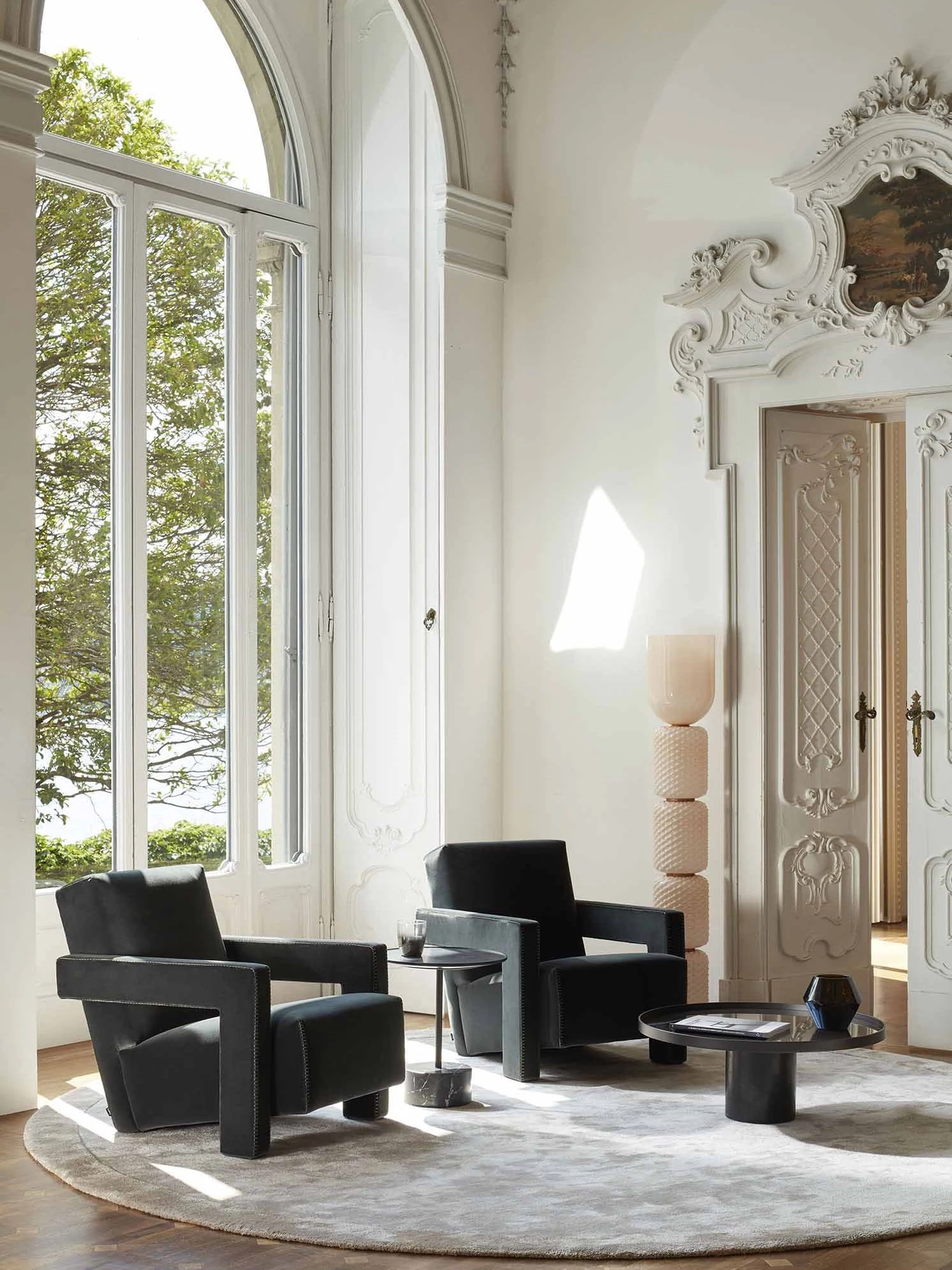
Utrecht Armchair
Rietveld's 1935 Neoplastic armchair of separate planes, made for serial production at Metz & Co


640 × 700 × 850 mm
1935
Official product information
INTEBEE AI PUBLIC LIBRARY is an independent furniture design research and discovery platform. Product specifications, finishes, availability and other details may change. For current and definitive information, please refer to the manufacturer's official website.
Go to the official product pageSpecifying Utrecht Armchair for your design project?
INTEBEE is the FF&E specification platform for interior designers: spec sheets, finishes, floor plans and client-ready PDFs in one place.
Description
Overview
The Utrecht armchair is by Gerrit Thomas Rietveld: Cassina's page says he signed it in 1935 for the Metz & Co department store in Amsterdam, and gives 1988 as the year in its header and as the production year. Cassina calls it a renowned design armchair that combines experimentation and comfort, and an icon of Neoplasticism.
Construction
- Structure: load-bearing seat and backrest frame in tubular steel with elastic webbing
- Padding: polyurethane foam and polyester batting
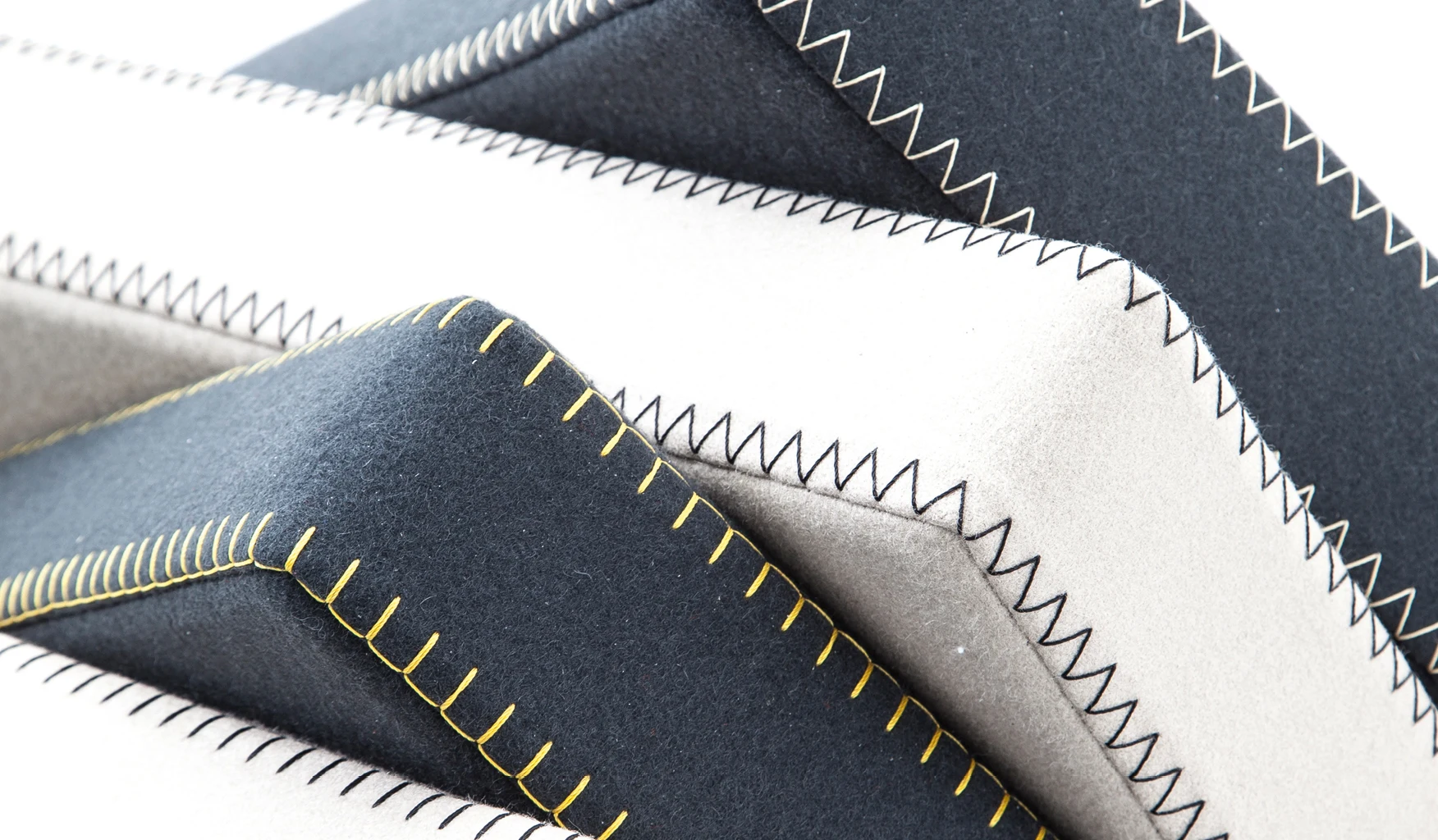
- Stitching: blanket stitch or zig zag, in light blue, black, yellow, red or natural thread
- Covering: fabric (ranges E, F, L, O) or leather (Extra Y, Natural Z, Scozia X)
Specifications
- Armchair 637 01/02: W 64 × D 85 × H 70 cm (25.2 × 33.4 × 27.6 inches)
- Utrecht XL 637 X1/X2: W 66 × D 89 × H 75 cm
- Two-seat sofa 637 12/32: W 120 cm; sofa 637 03/04: W 204 cm
Story
A commission from Metz & Co
Cassina's longer text says the design came in 1935, during Rietveld's work for the Amsterdam store Metz & Co., which wanted a chair that could be made in series. Reading the market while putting ease of sitting first, he broke the chair down into separate units.
Neoplasticism
Cassina concludes that this approach made the chair an icon both of the Neoplastic movement and of Rietveld's experimental vision. It adds that the edition is available in fabric or leather, with blanket or zig-zag top-stitching in either case in five colours.
More by Gerrit Rietveld
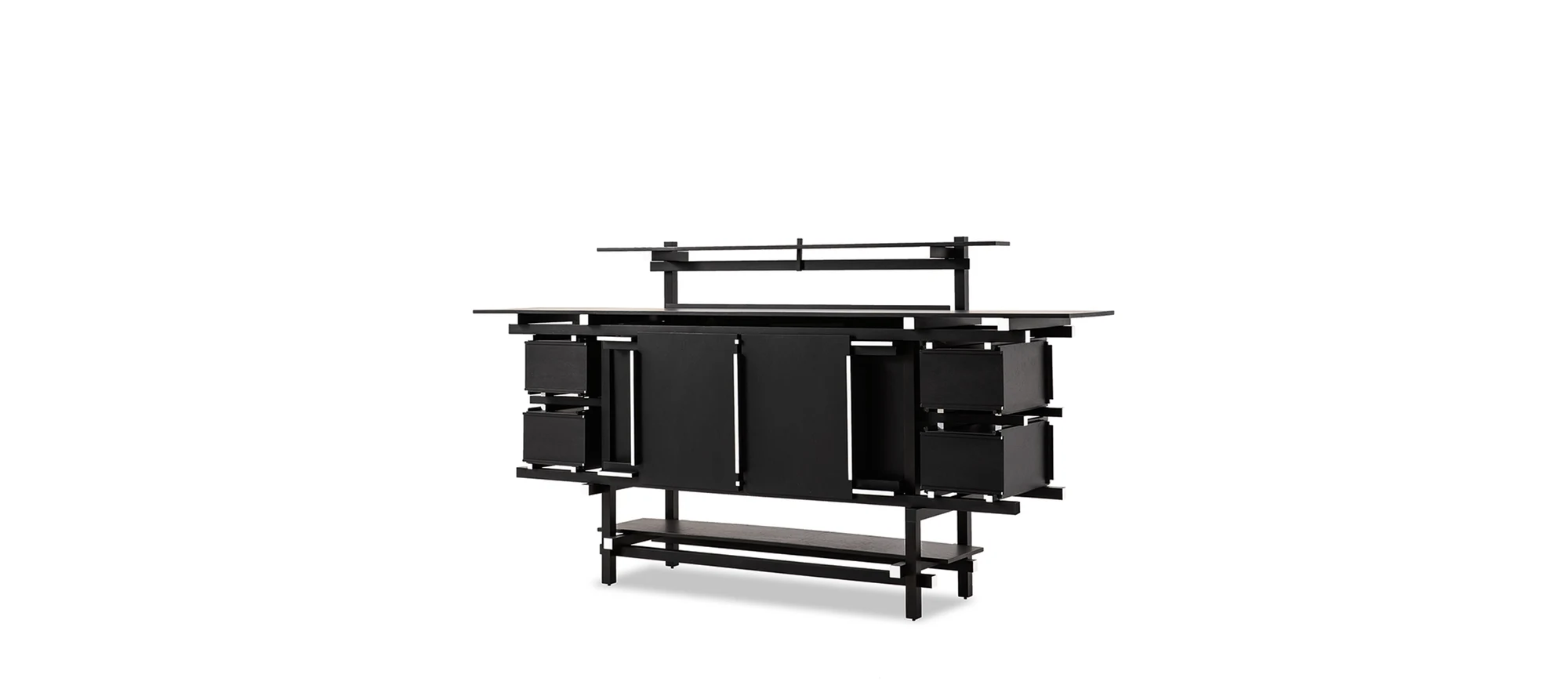
Elling Buffet
Elling Buffet: Gerrit Thomas Rietveld's 1919 neoplastic sideboard, built by Cassina in ash.
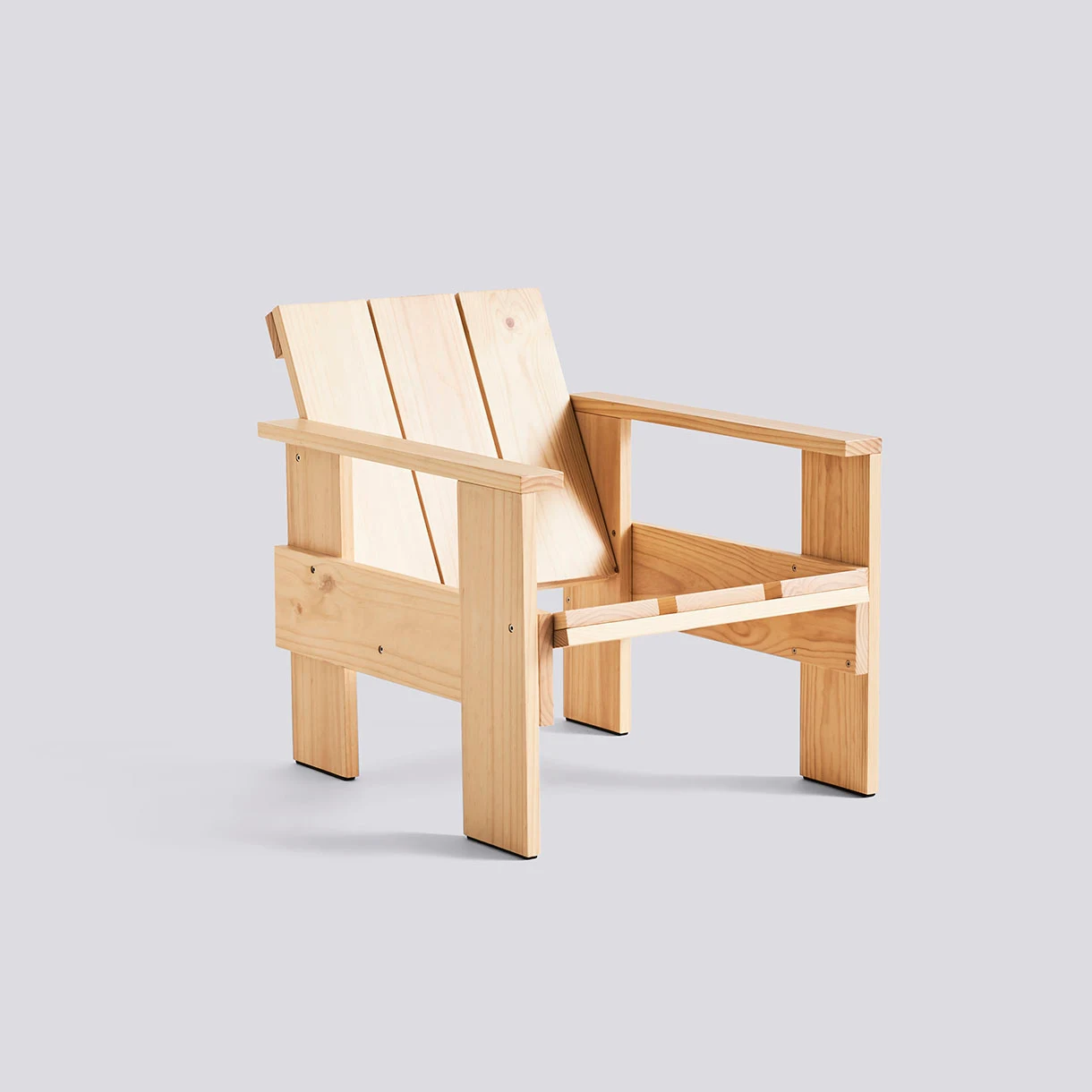
Crate Lounge Chair
Low solid pine outdoor lounge chair from Gerrit Rietveld's Crate series, relaunched with HAY
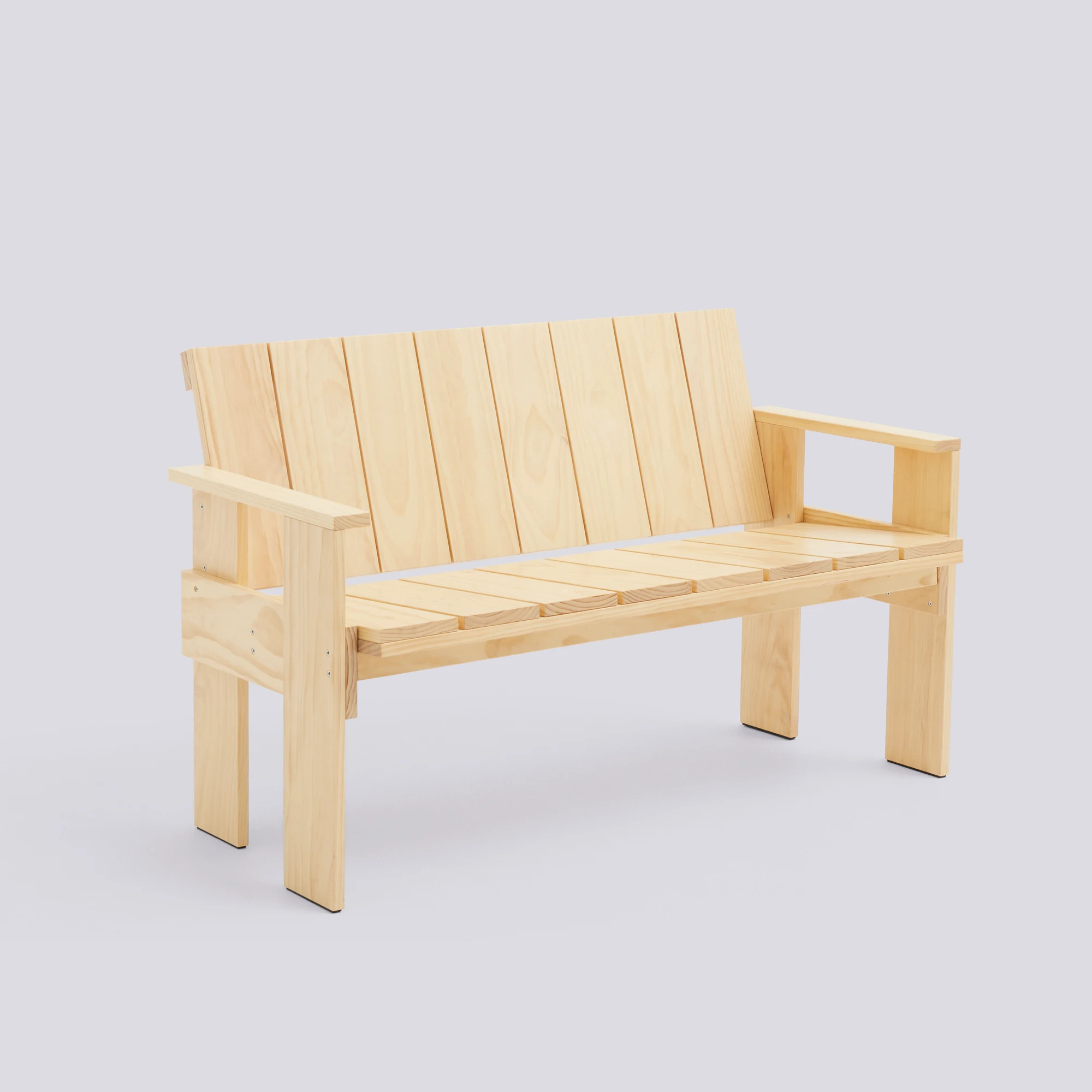
Crate Dining Bench
Solid pine outdoor bench with armrests from Gerrit Rietveld's Crate series, relaunched by HAY
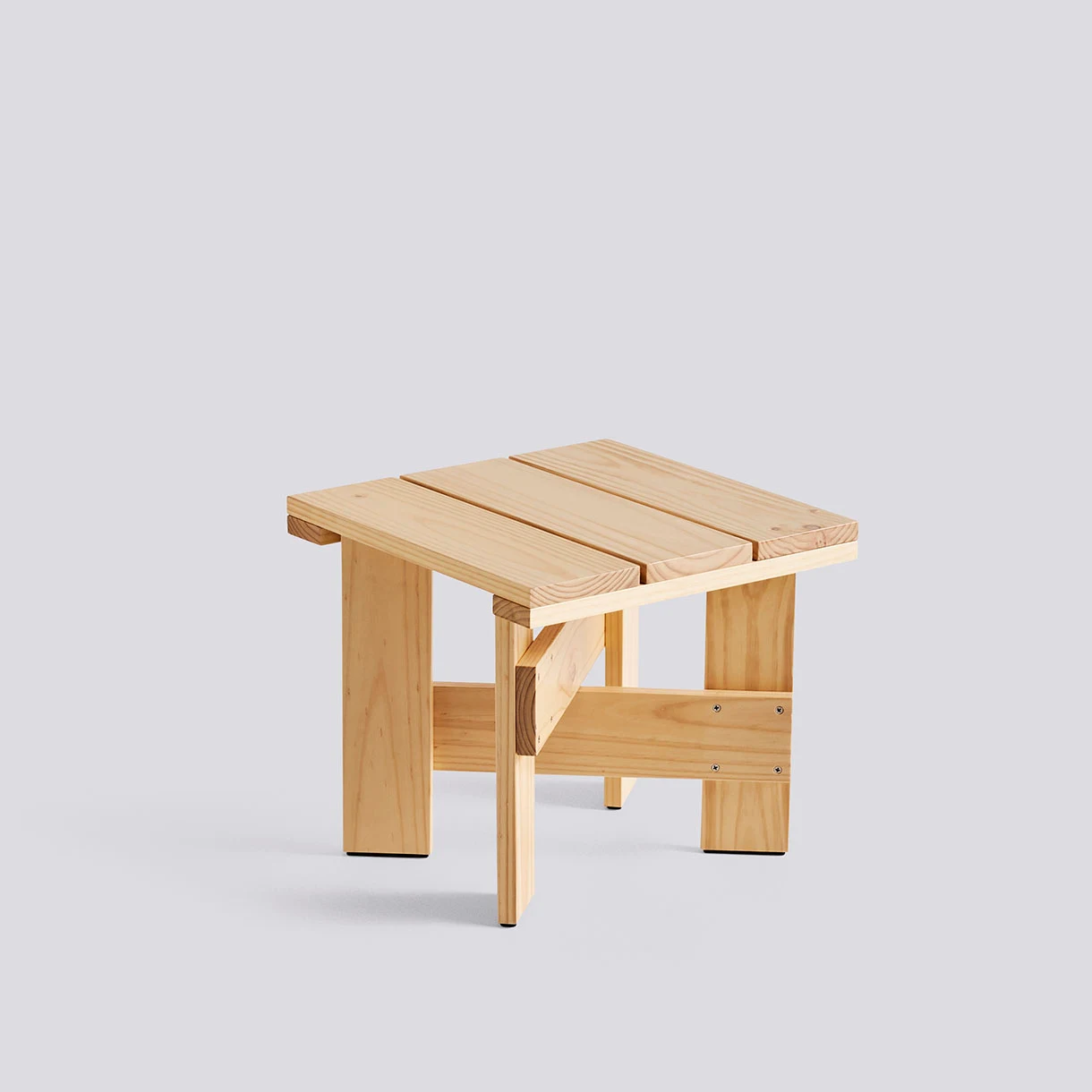
Crate Low Table
Low solid pine outdoor table with a square top and crossbars from Rietveld's Crate series