Image source: Moroso — Tulp
© Moroso and the respective rights holders. Quoted to accompany INTEBEE's independent design commentary and research.
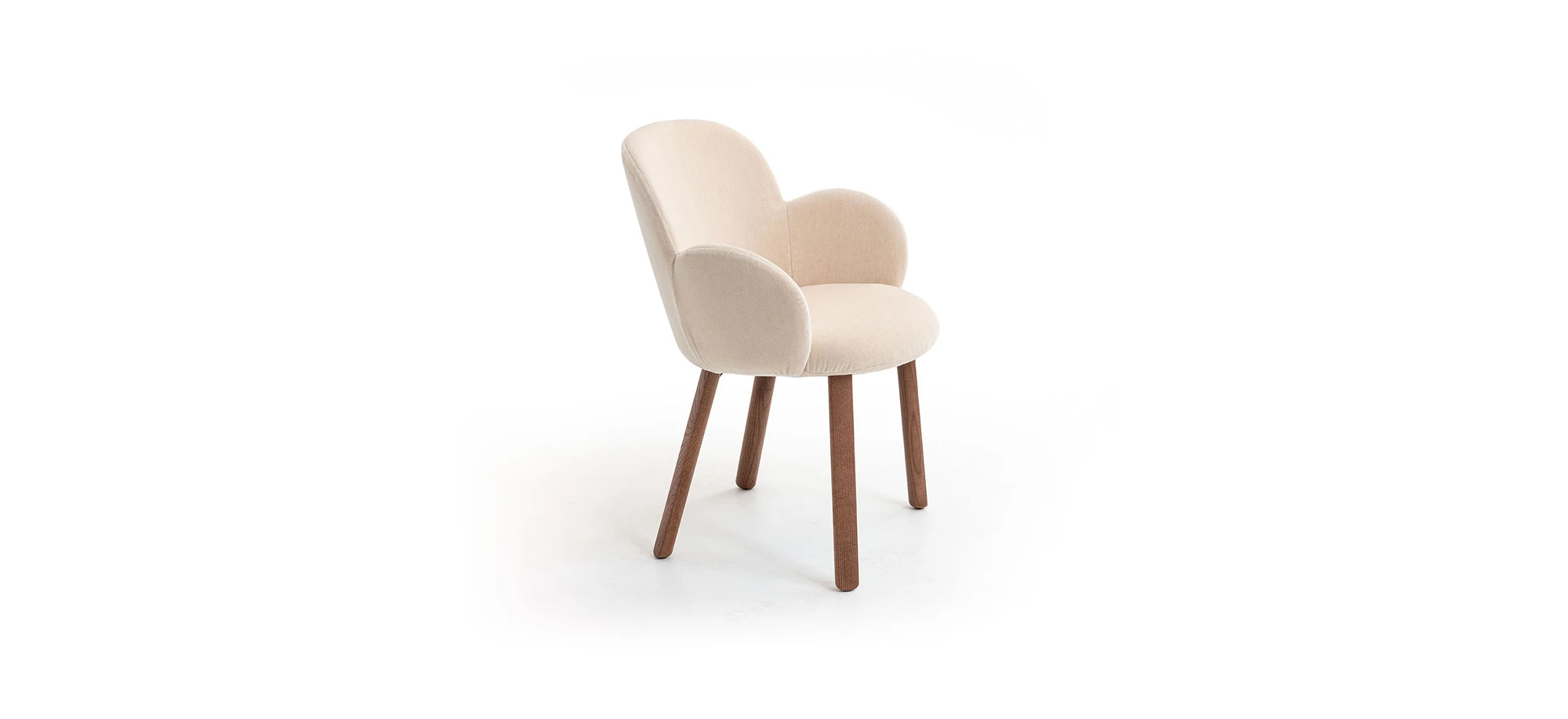
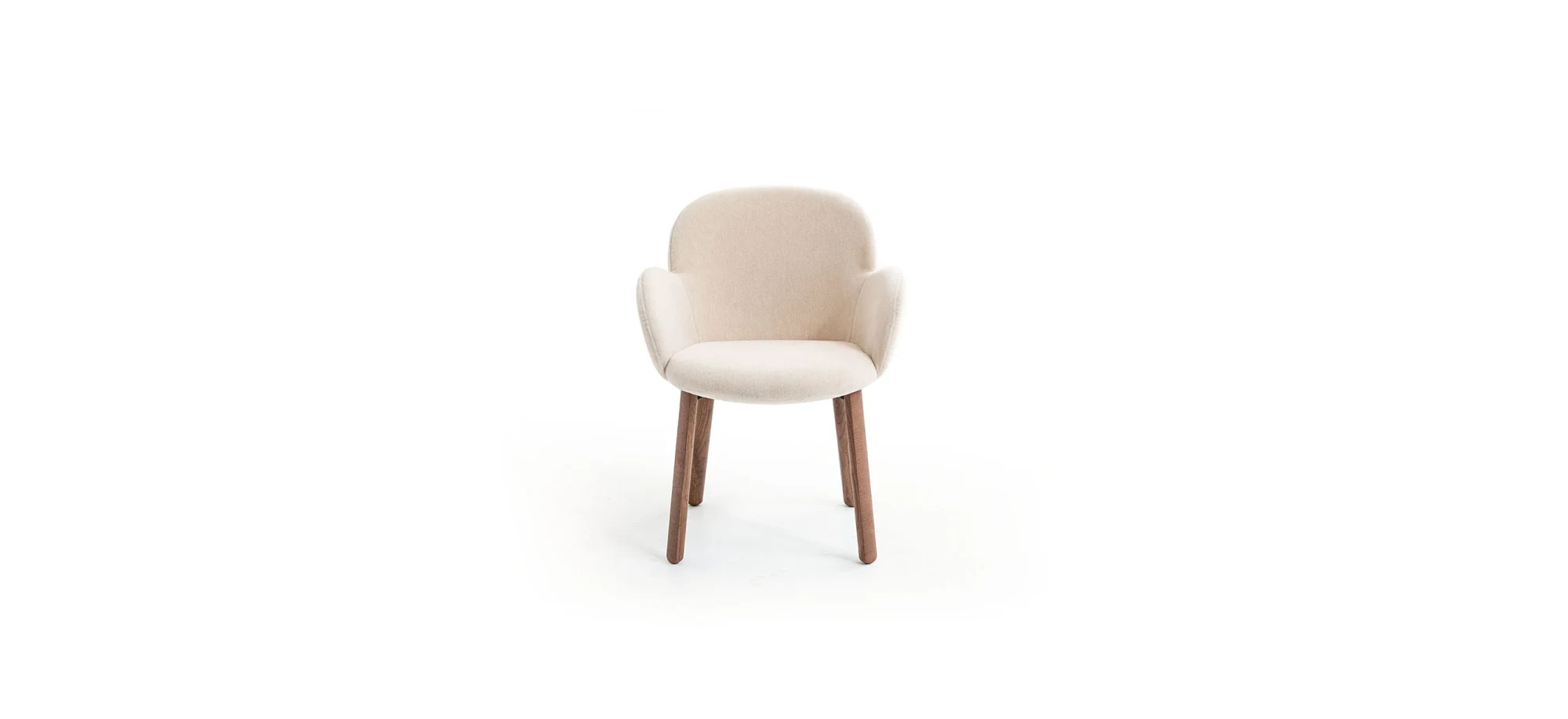
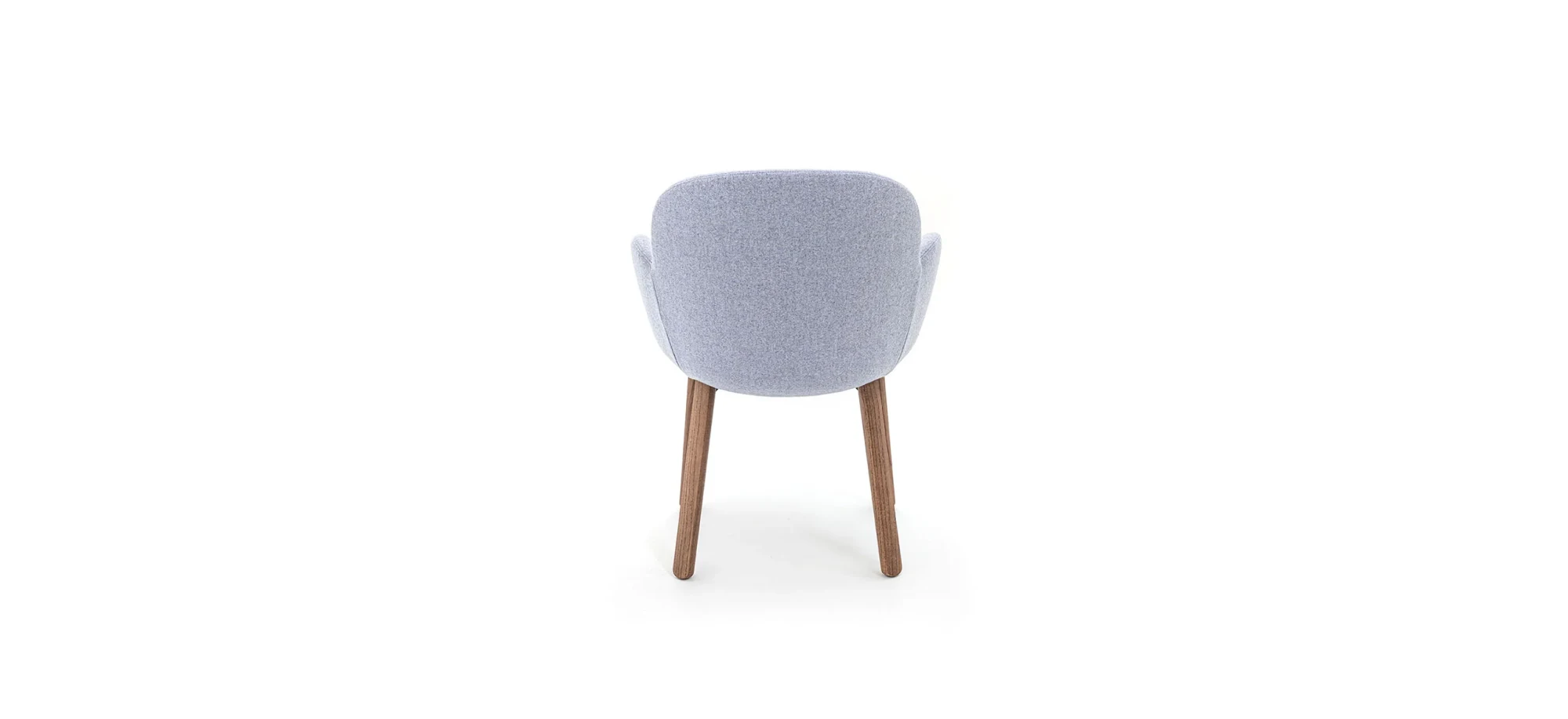
Tulp
Tulp chair by Stefan Scholten for Moroso, polyurethane shell with leaf-like armrests on ash or steel


620 × 820 × 600 mm
2024
Official product information
INTEBEE AI PUBLIC LIBRARY is an independent furniture design research and discovery platform. Product specifications, finishes, availability and other details may change. For current and definitive information, please refer to the manufacturer's official website.
Go to the official product pageSpecifying Tulp for your design project?
INTEBEE is the FF&E specification platform for interior designers: spec sheets, finishes, floor plans and client-ready PDFs in one place.
Description
Overview
Tulp is a chair by Stefan Scholten for Moroso. Its armrests resemble leaves, and it comes in three versions.
Construction
The shell is rigid polyurethane co-moulded with flexible expanded polyurethane padding that wraps around the whole seat. Structural rigid expanded polyurethane carries the load; soft foamed polyurethane forms the padded part.
Bases
The chair is available on four ash wood legs fixed to a steel frame, on four ash wood legs with a swivel plate, or on four legs of painted steel tube.
Specifications
- Overall size: 62 x 60 x 82 cm (W x D x H)
- Shell: polyurethane, no metal parts
- Bases: ash wood, ash wood swivel, painted steel tube
Story
A tulip from a garden party
Scholten traced the form to a trip to Indonesia, where chairs set around round tables at a garden party formed a pattern that resembled a tulip. The armrests of the chair echo the leaves of that flower.
Built to come apart
The production process allows the chair to be disassembled at the end of its life cycle. Because the shell is polyurethane without metal parts, its components can be separated for recovery and recycling.