Image source: Cappellini — Reti-co
© Cappellini and the respective rights holders. Quoted to accompany INTEBEE's independent design commentary and research.
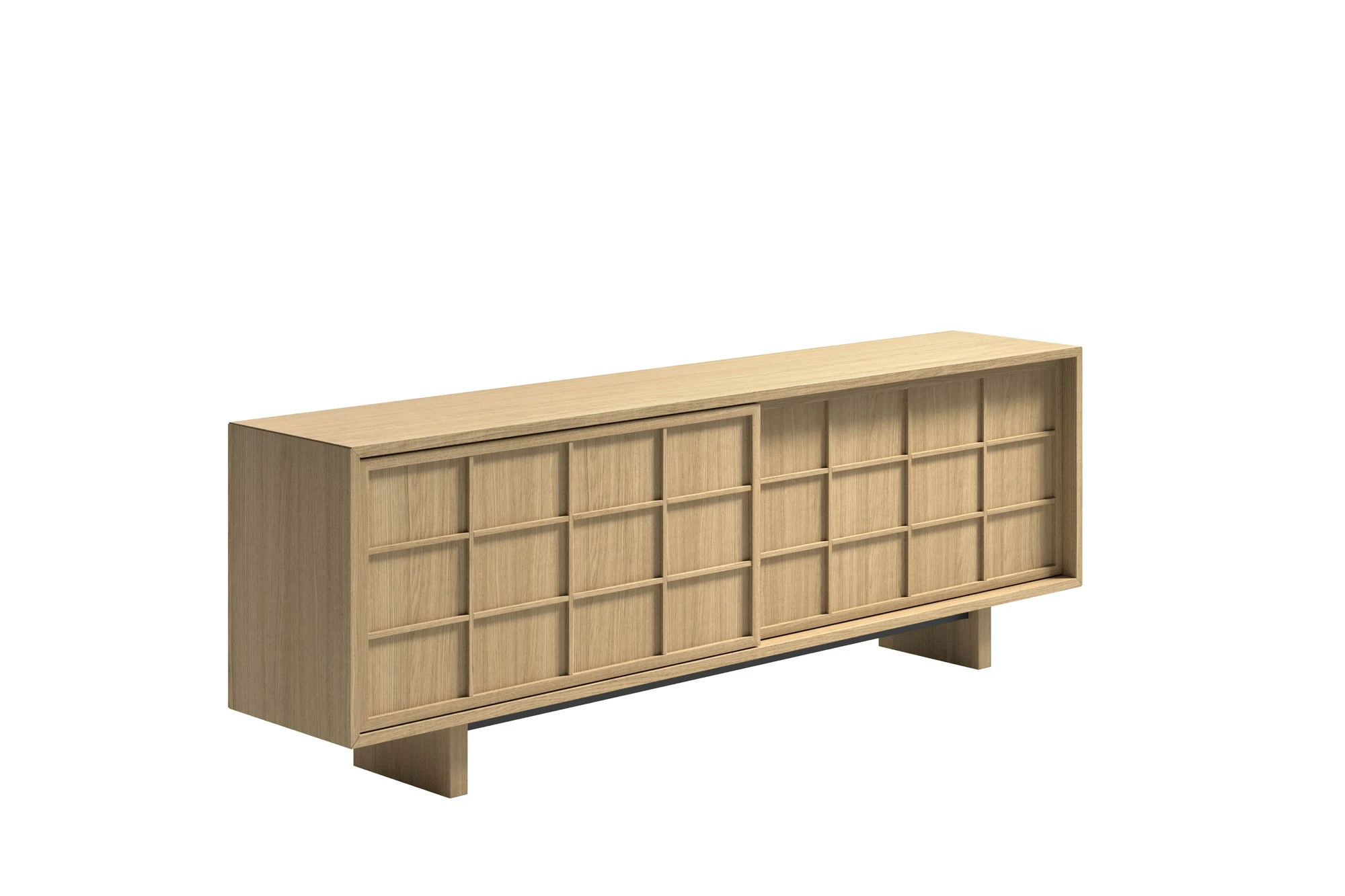
Reti-co
Daisuke Kitagawa's 2025 oak cabinet with a shoji-inspired lattice front that doubles as the handle.


2025
Italy
Official product information
INTEBEE AI PUBLIC LIBRARY is an independent furniture design research and discovery platform. Product specifications, finishes, availability and other details may change. For current and definitive information, please refer to the manufacturer's official website.
Go to the official product pageSpecifying Reti-co for your design project?
INTEBEE is the FF&E specification platform for interior designers: spec sheets, finishes, floor plans and client-ready PDFs in one place.
Description
Overview
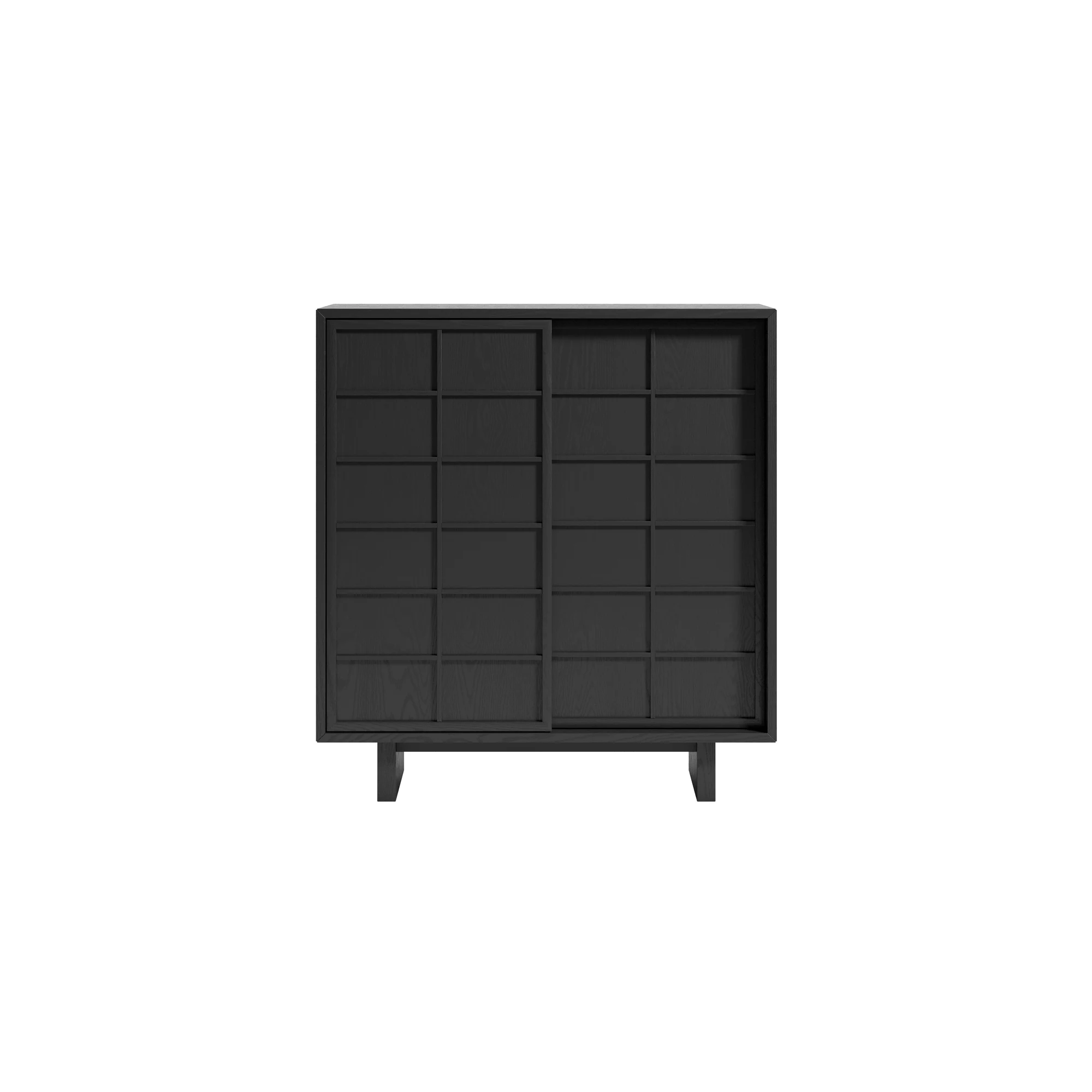
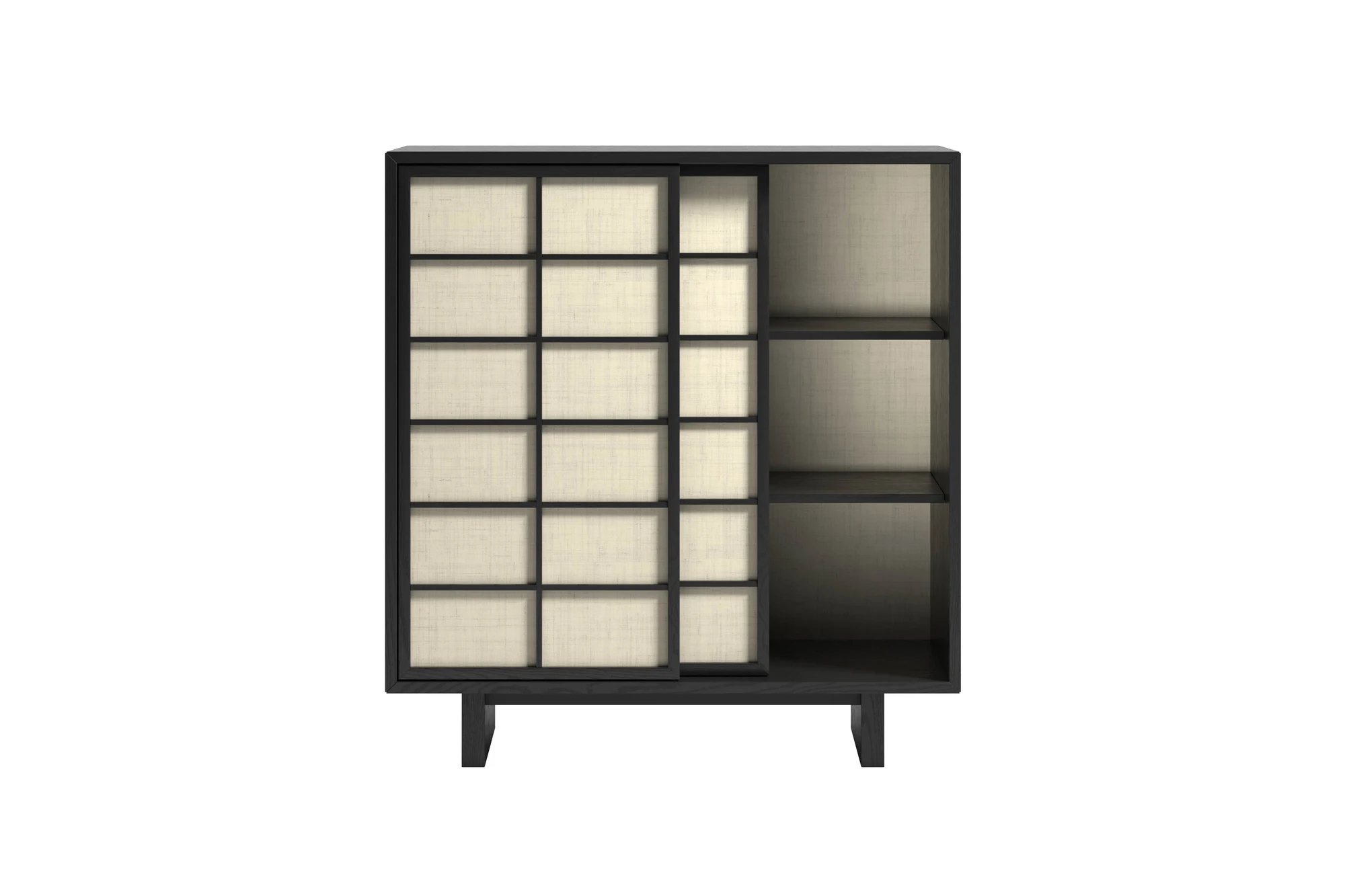
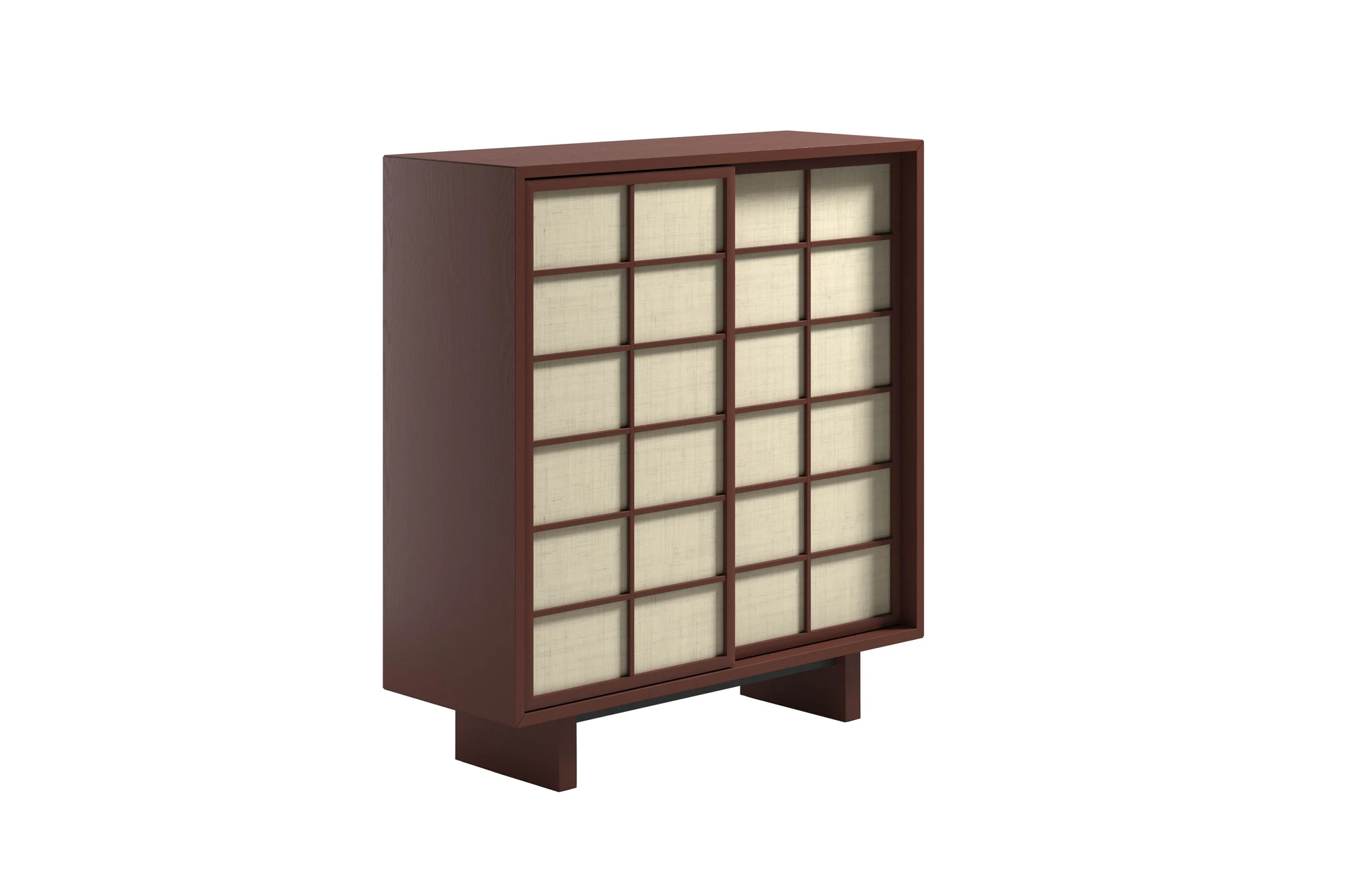
Daisuke Kitagawa designed the Reti-co cabinet for Cappellini in 2025. It takes the traditional Japanese shoji sliding door as its model and removes the handle: the lattice of the front panels serves as both surface and grip.
Construction
The case is oak, and the lattice is solid oak in the same colour as the case. The sliding doors are made in oak, back-painted glass or upholstery, and the base stands on adjustable metal and black plastic feet. The cabinet is made in two sizes.
Specifications
- Made in: Italy
- Finishes: 5 case finishes
- Doors: oak, back-painted glass or upholstery
- Lighting: optional built-in LED lighting
Story
From shoji to cabinet
Reti-co is Daisuke Kitagawa's cabinet collection for Cappellini, drawn from the shoji, the Japanese sliding door of wood and paper. The door itself becomes the structural and visual element of the piece, so no separate handle is needed and the cabinet opens with an intuitive gesture.
A lattice built on the golden ratio
The geometric grid of the doors is based on the golden ratio. It sets out to balance function and visual harmony and to bring out the purity of form and the materials.