
Image source: Herman Miller — Nelson Basic Cabinet Series
© Herman Miller and the respective rights holders. Quoted to accompany INTEBEE's independent design commentary and research.
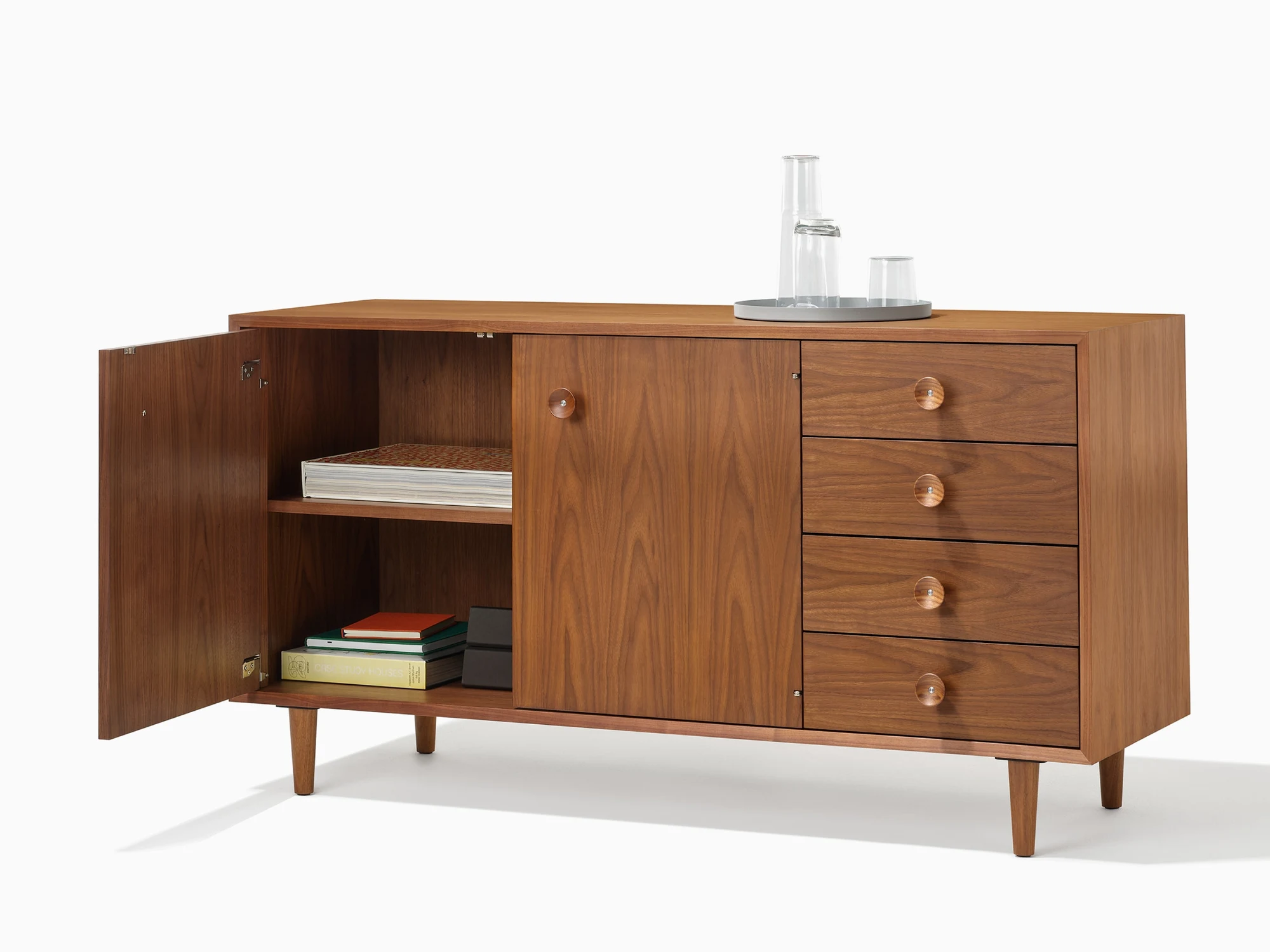
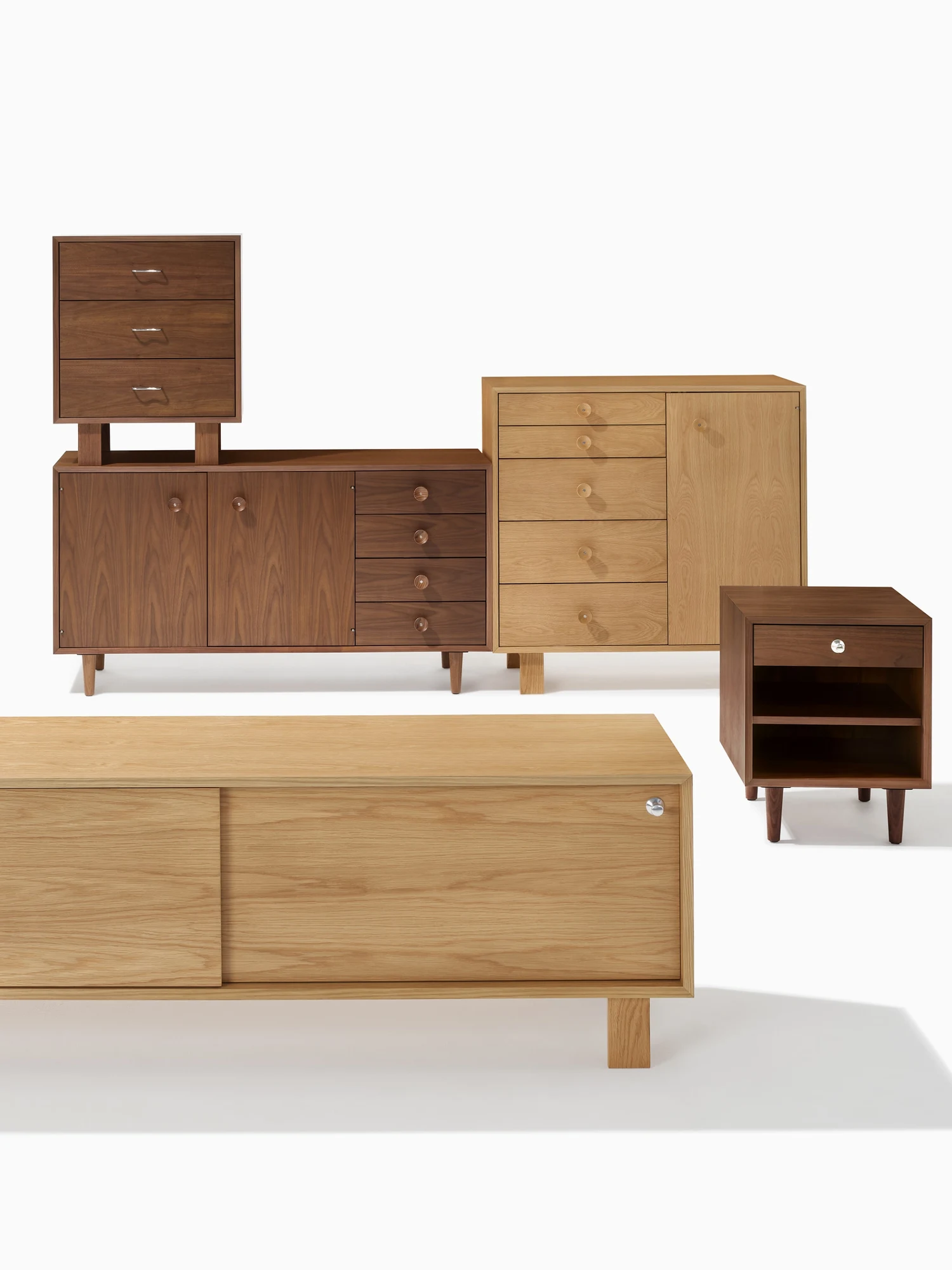
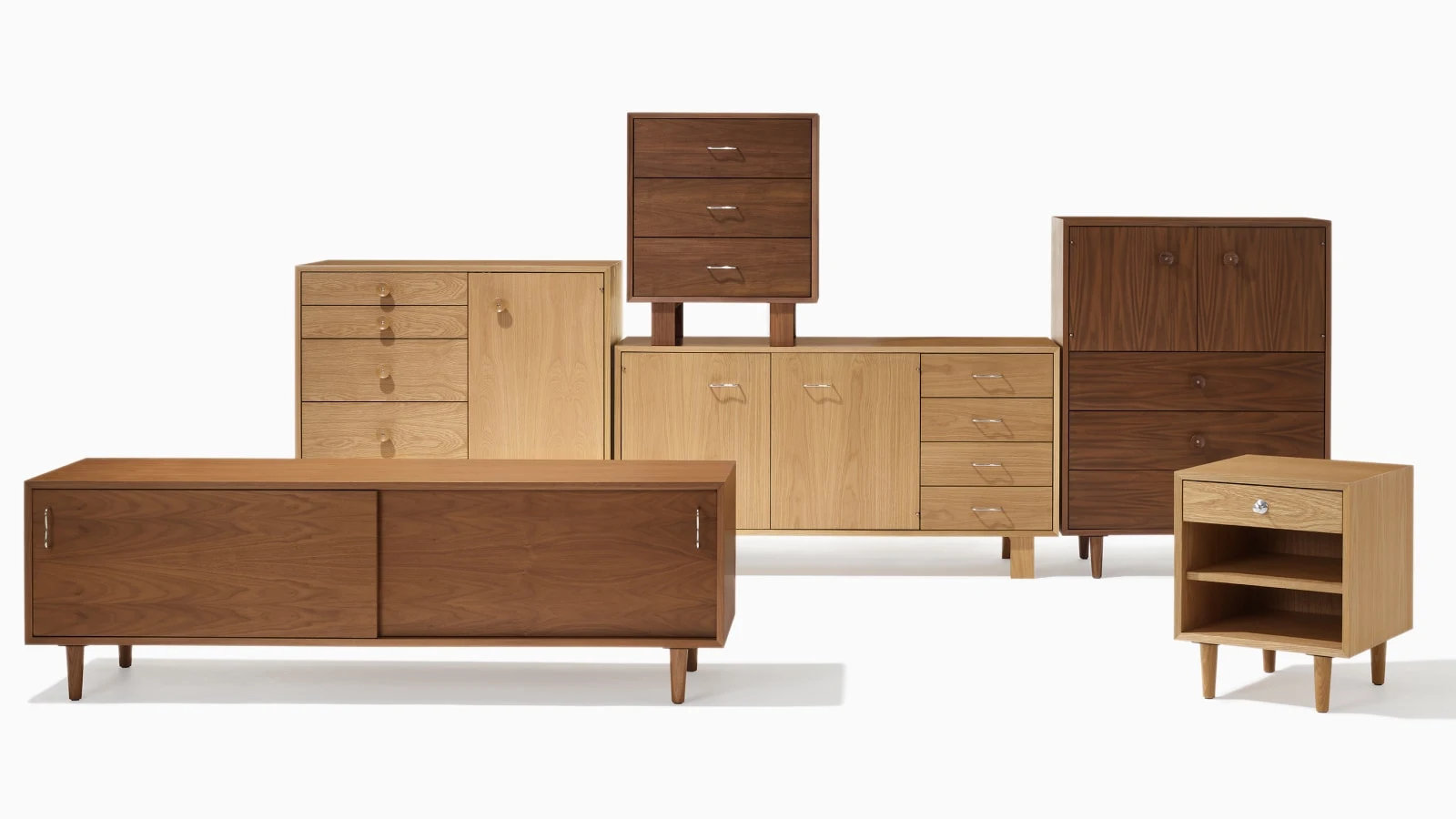
Nelson Basic Cabinet Series
Modular storage with standardized proportions and configurable details


1427 × 610 × 470 mm
1946
Official product information
INTEBEE AI PUBLIC LIBRARY is an independent furniture design research and discovery platform. Product specifications, finishes, availability and other details may change. For current and definitive information, please refer to the manufacturer's official website.
Go to the official product pageDescription
Overview
The Nelson Basic Cabinet Series is a coordinated storage system introduced by Herman Miller in 1946. Six current forms range from a bedside table and compact cabinet to a credenza, console, cabinet with door, and media unit.
Construction and options
The series uses veneer surfaces, clean rectilinear cases, and a limited set of standard dimensions. Herman Miller offers two veneer choices, two leg options, and three pull designs. Drawers organize documents and smaller objects; selected units add shelves, doors, or a platform for electronics.
Representative dimensions
The illustrated credenza is 56.19 inches wide, 18.5 inches deep, and 24 inches high. These values belong to the credenza rather than every member of the series.
Story
A response to changing households
George Nelson developed the series from his earlier work on modular storage. Herman Miller's design story explains that postwar households were accumulating more possessions while becoming more mobile, making fixed room suites less useful.
Standard parts, adaptable arrangements
Introduced in 1946, the cabinets translated that observation into complementary pieces with coordinated dimensions. Owners could begin with one or two units and add compatible storage later. The current range continues that logic through several cabinet formats, leg choices, and pull designs.
More by George Nelson
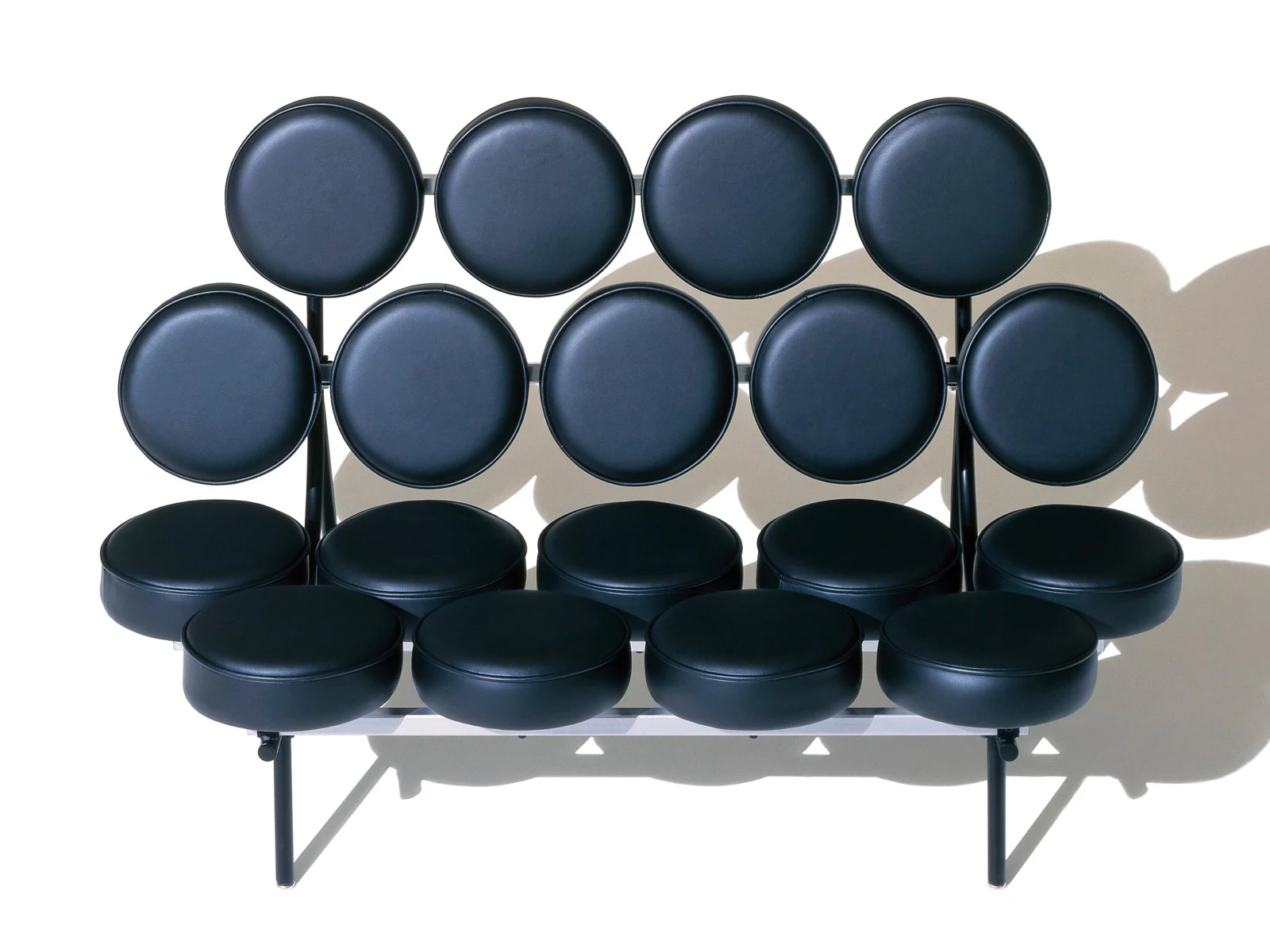
Nelson Marshmallow Sofa
George Nelson's 1956 sofa of 18 round cushions floating on a brushed steel frame.
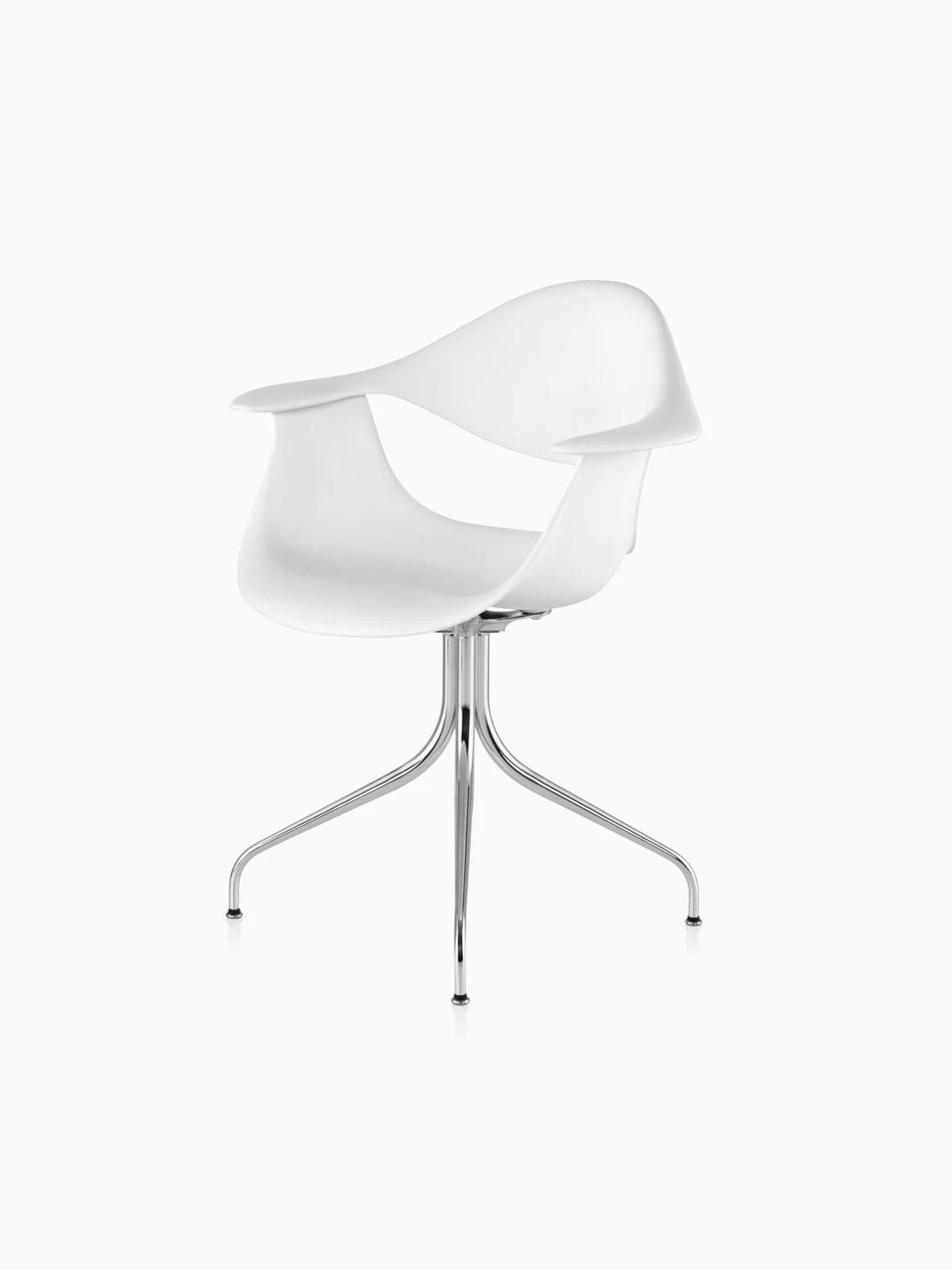
Nelson Swag Leg Armchair
A flexible two-part shell sits on George Nelson's pressure-formed steel legs.
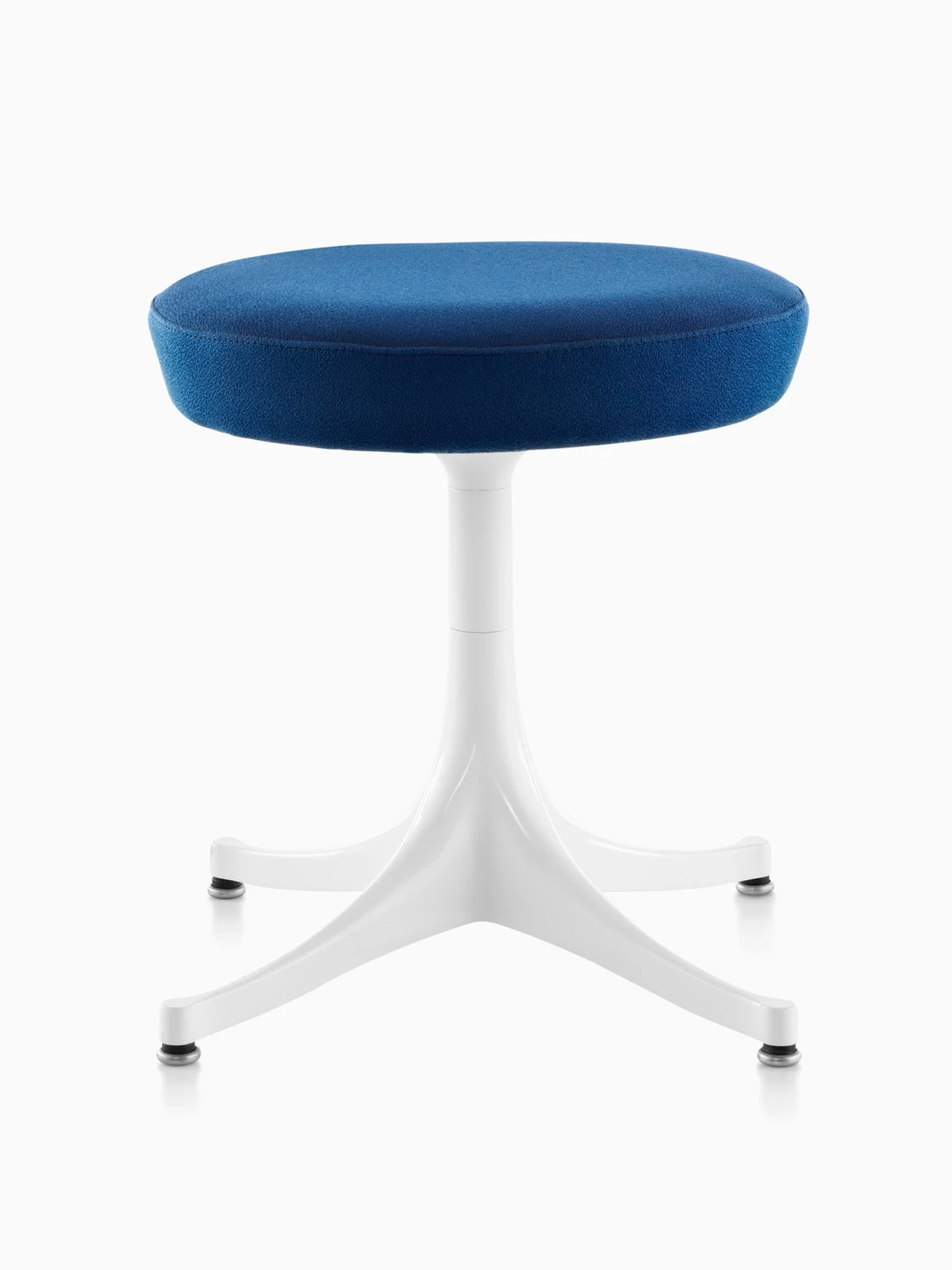
Nelson Pedestal Stool
George Nelson's compact upholstered stool on a sculptural pedestal base.
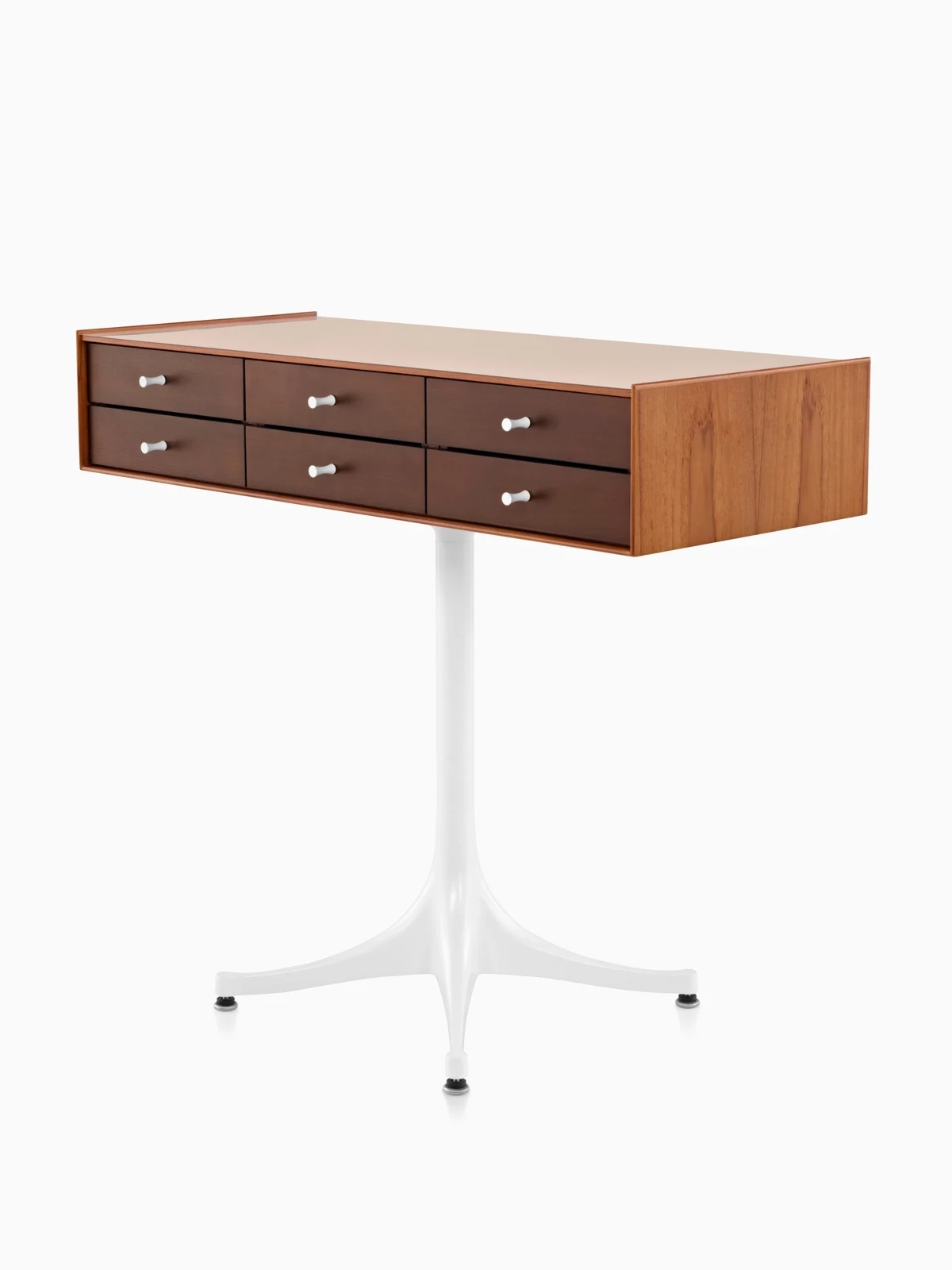
Nelson Miniature Chests
Hand-fitted small-drawer chests shaped by George Nelson's study of Japan