
Image source: Vitra — Living Tower
© Vitra and the respective rights holders. Quoted to accompany INTEBEE's independent design commentary and research.
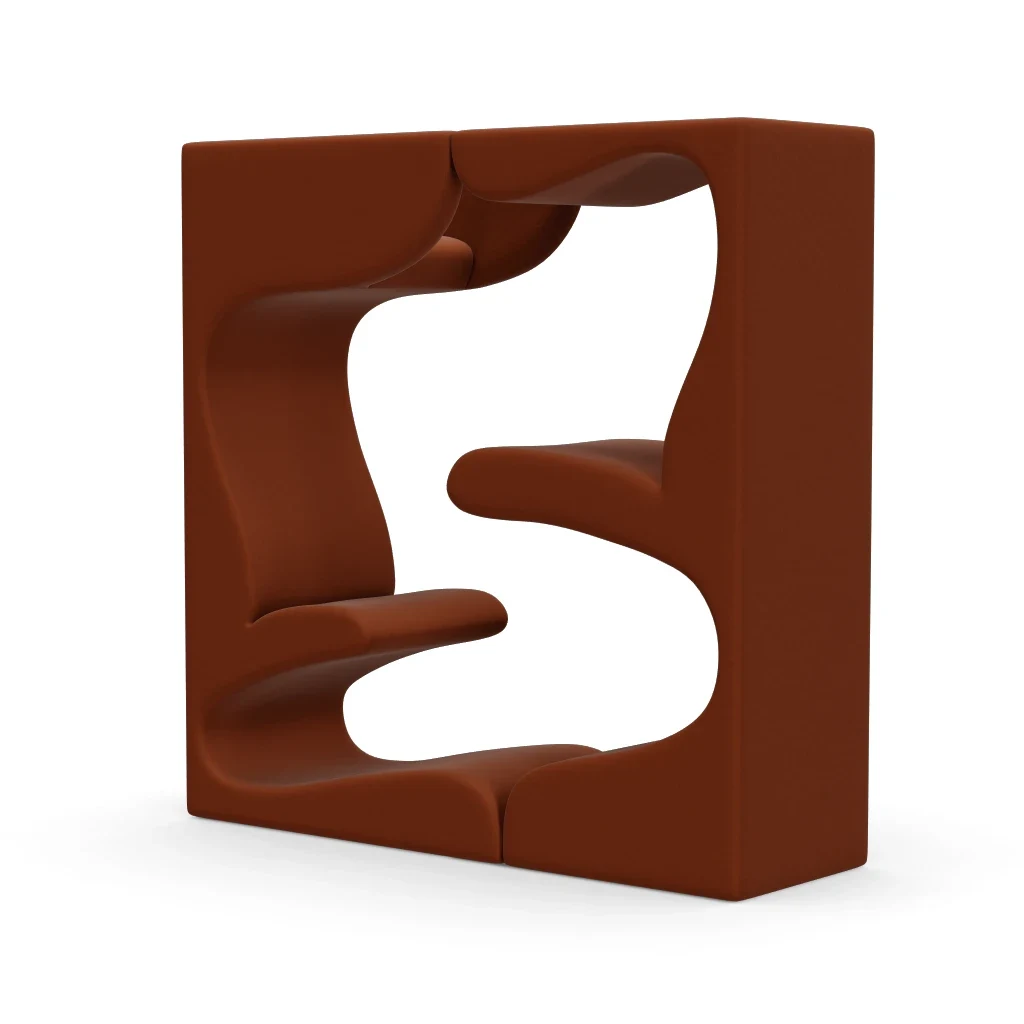
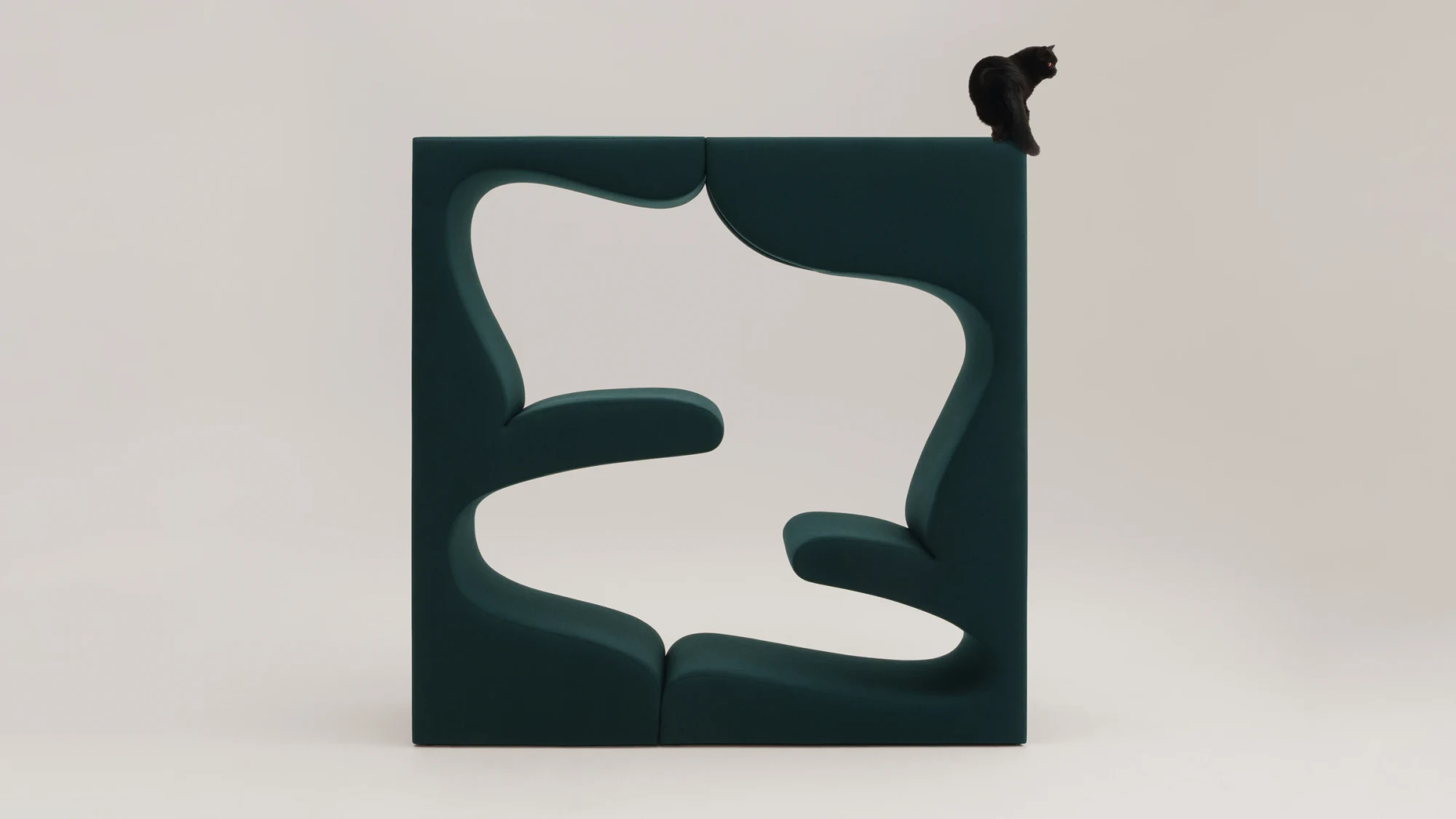
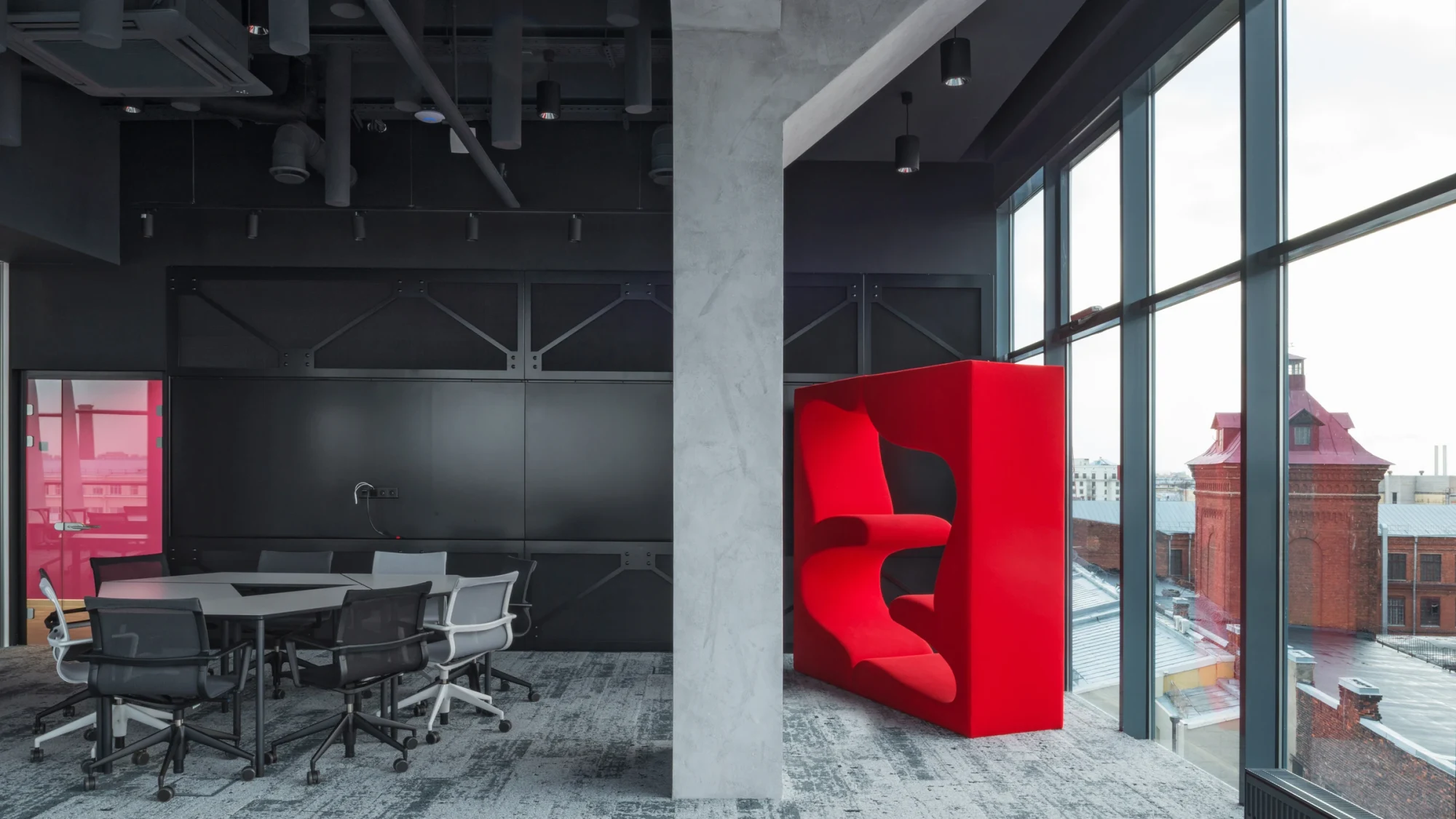
Living Tower
Panton's 1969 seating tower, over two metres high, with niches for sitting and reclining


2070 × 2060 × 630 mm
1969
Approx. $31,000 (reference price; varies by region and retailer)
Official product information
INTEBEE AI PUBLIC LIBRARY is an independent furniture design research and discovery platform. Product specifications, finishes, availability and other details may change. For current and definitive information, please refer to the manufacturer's official website.
Go to the official product pageSpecifying Living Tower for your design project?
INTEBEE is the FF&E specification platform for interior designers: spec sheets, finishes, floor plans and client-ready PDFs in one place.
Description
Overview
The Living Tower is the furniture sculpture that Verner Panton developed in the context of the 1968 Visiona. Vitra's page says it can be used on four different levels, and its interior niches serve sitting and reclined positions.
Construction
- Frame in birch plywood, upholstered with polyurethane foam, a fabric cover and hand stitching
- Felt glides
- Fabrics Tonus (13 colours) and Volo (16 colours)
Specifications
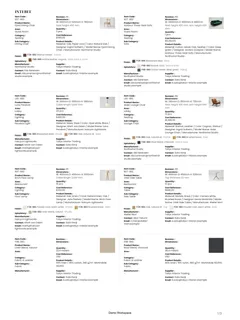
- Fact sheet drawing, axes not named: 2070 mm across the front view, 2060 mm high, 630 mm in the second view
Story
A domestic landscape
Vitra's fact sheet describes the "domestic landscape" as a major theme of 1960s design: Verner Panton's total design installations fused floor, walls, ceiling, furnishings, lighting, textiles and wall panels into one artistic vision.
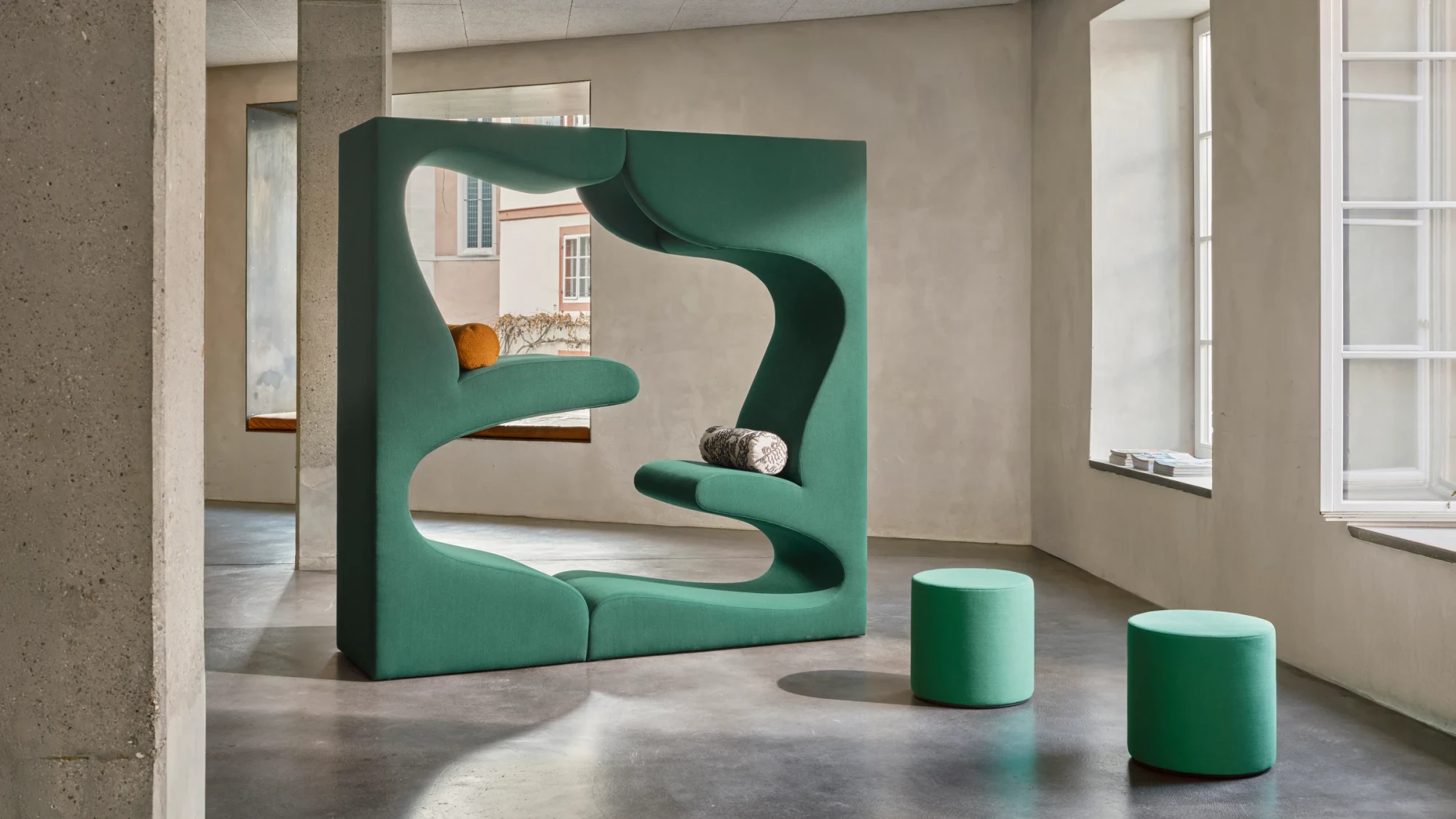 Image source: Vitra — Living Tower · © Vitra and the respective rights holders. Quoted to accompany INTEBEE's independent design commentary and research. · View official product page ↗ · Image use & copyright policy
From the 1968 Visiona
The fact sheet says the Living Tower came out of the 1968 Visiona, the ship installation for the Cologne Furniture Fair, and calls it one of Panton's most unusual designs. Its two-part structure is birch plywood covered with upholstered padding, and the tower is crafted by hand.
More by Verner Panton
Amoebe Highback
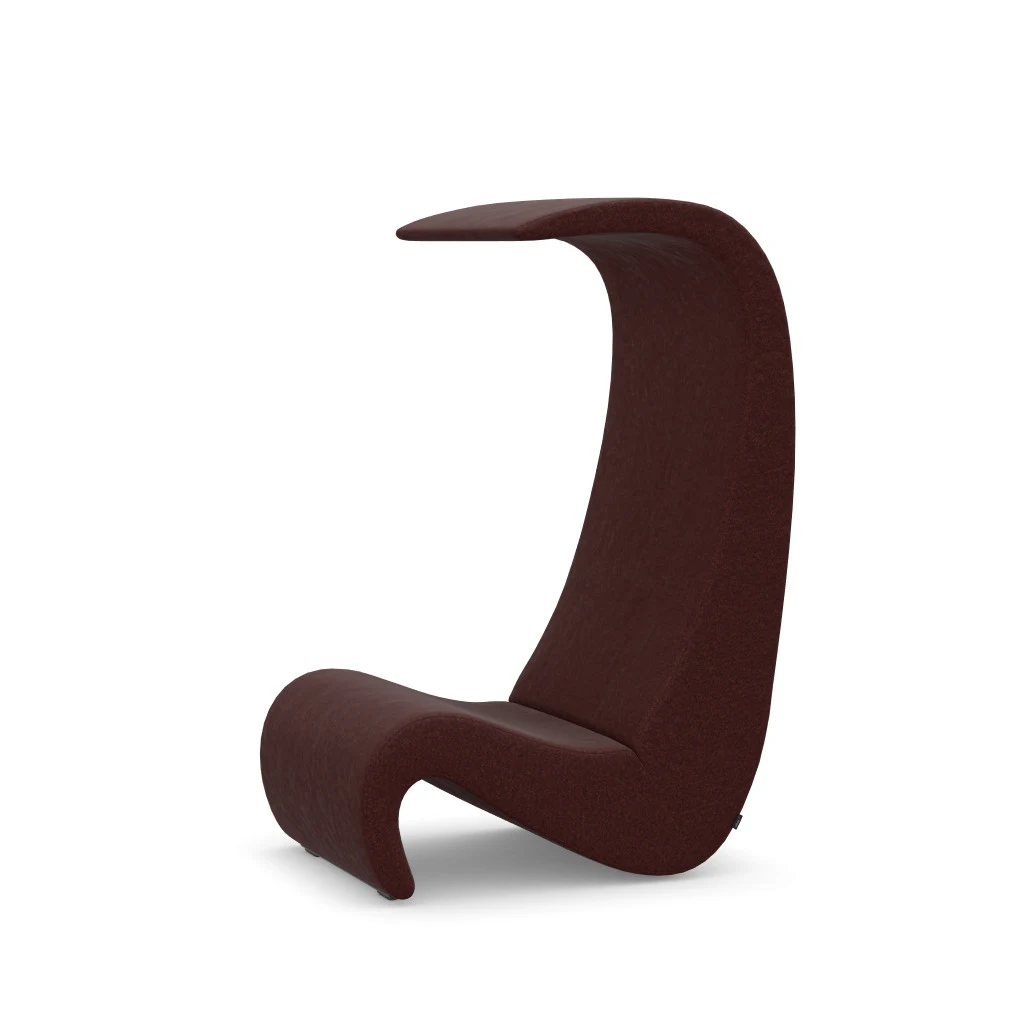
The Amoebe with an extended backrest that curves over the head like a canopy
Panton One Kitchen Chair
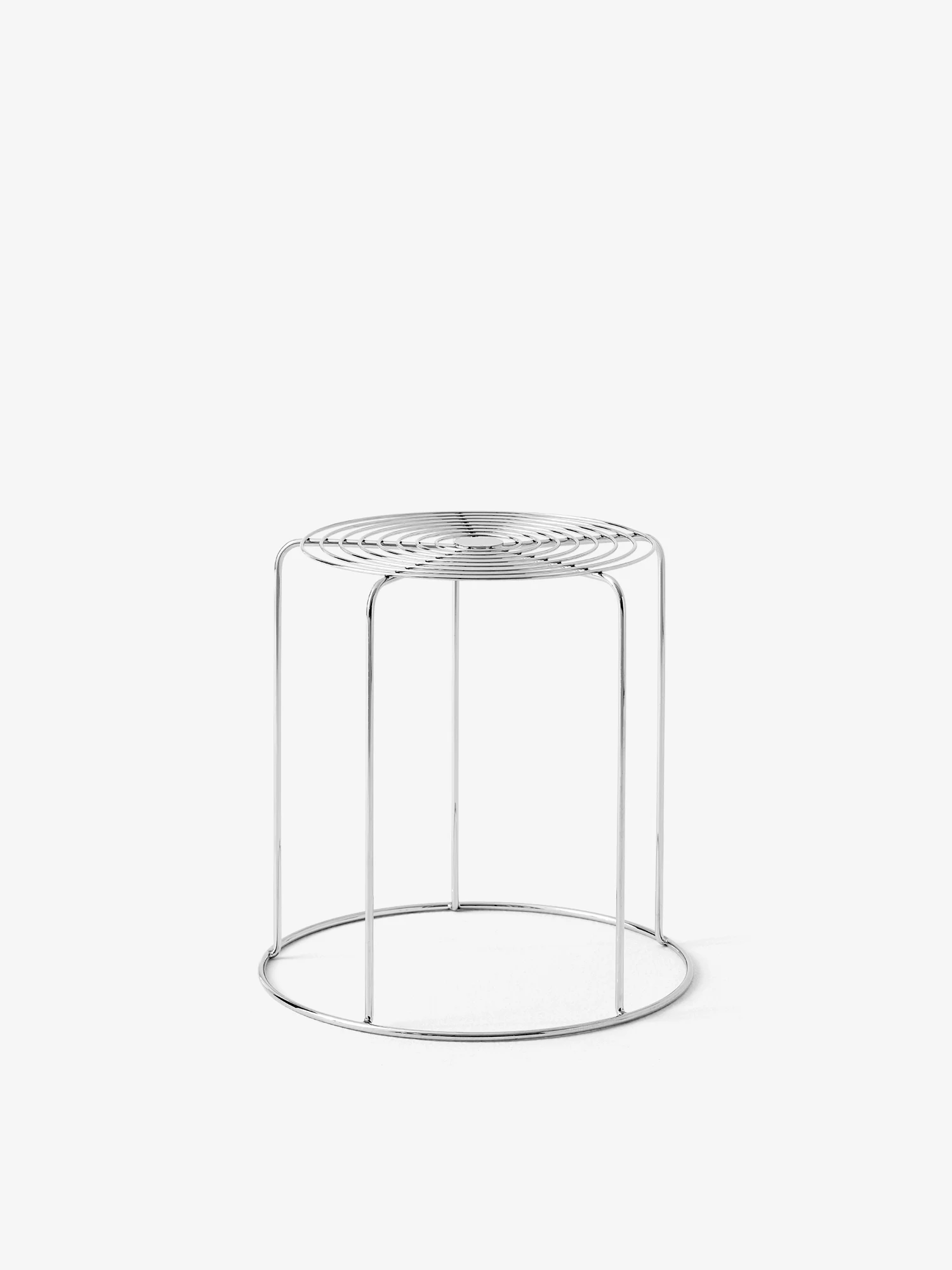
Wire Stool VP11
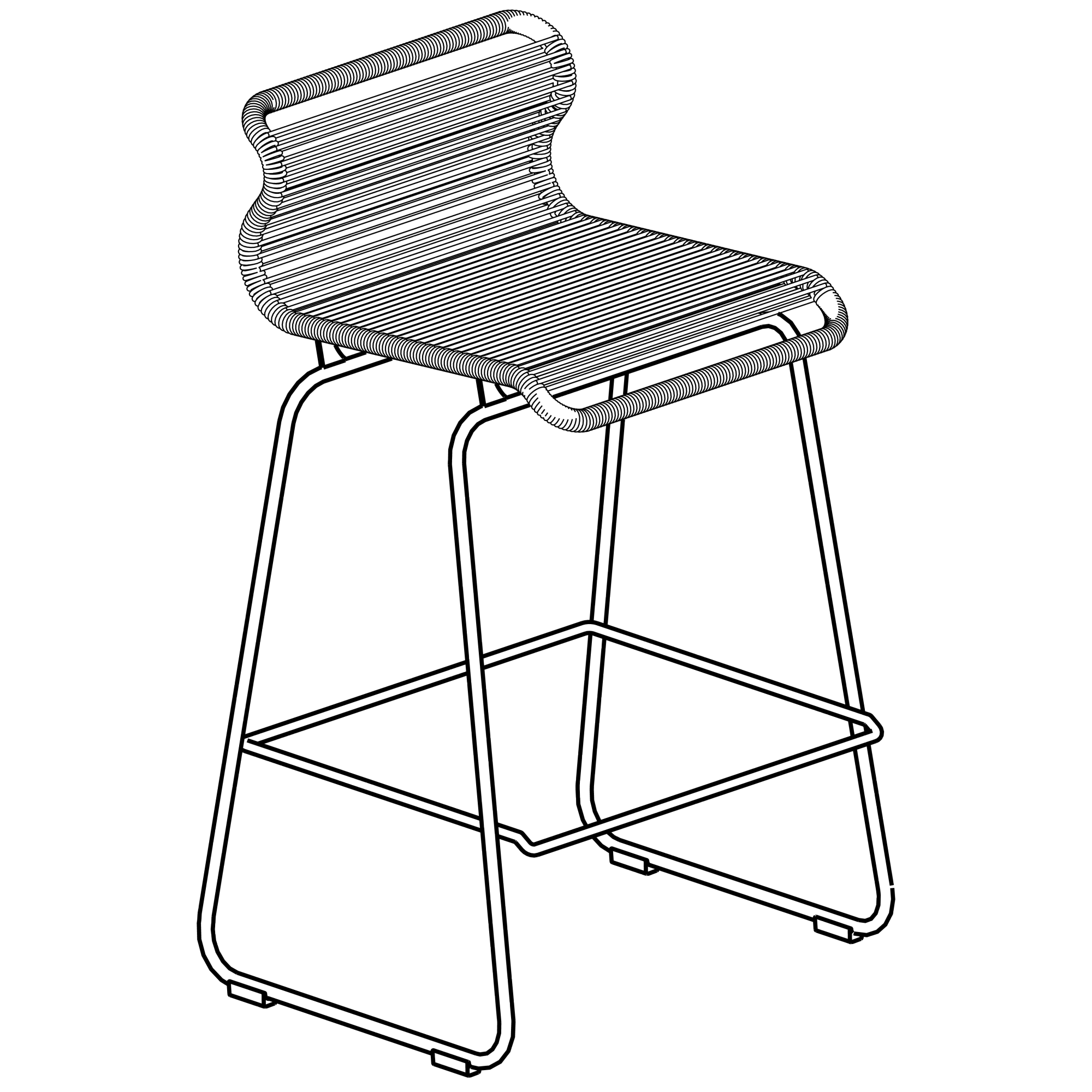
Verner Panton's 1981 stackable stool in bent stainless-steel wire, with optional magnetic seat pads
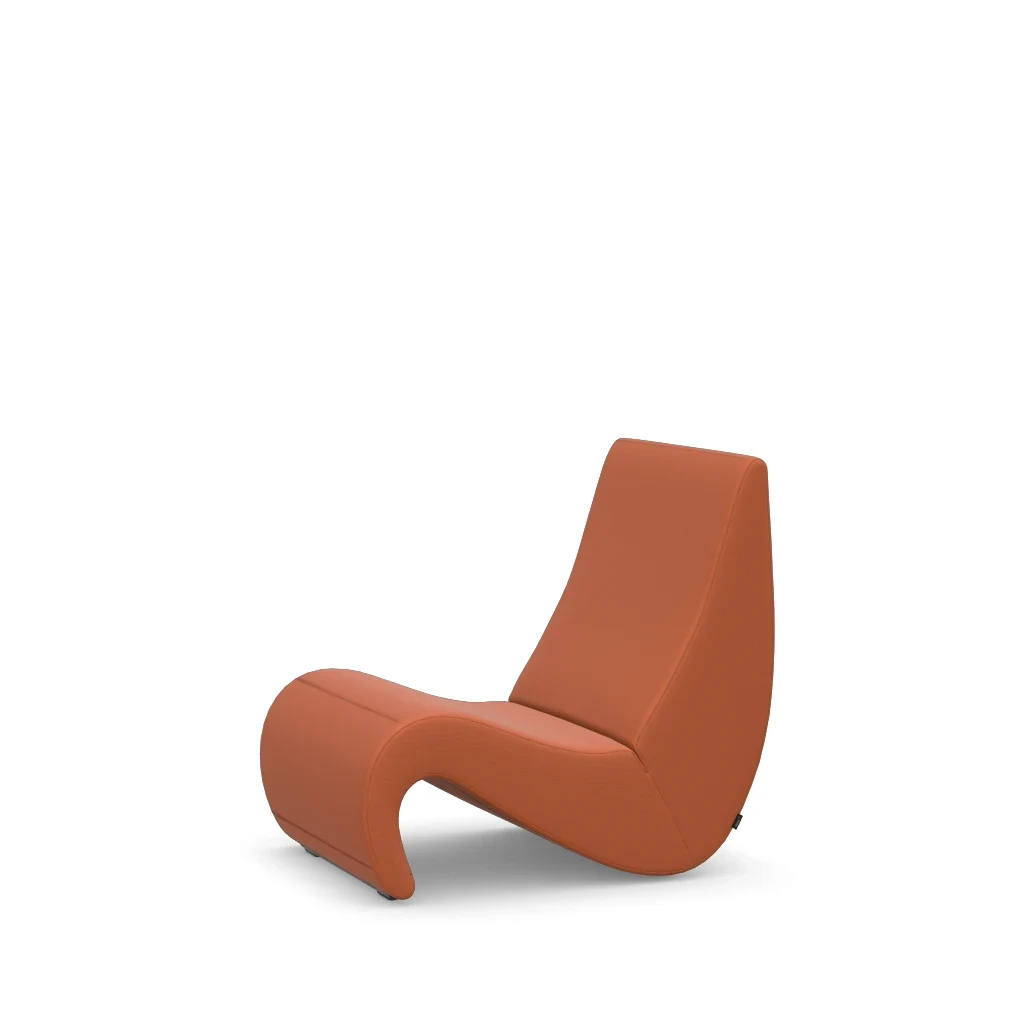
Amoebe
Panton's low lounge chair of 1970, with removable covers in five fabric ranges