
Image source: Normann Copenhagen — Knit Armchair
© Normann Copenhagen and the respective rights holders. Quoted to accompany INTEBEE's independent design commentary and research.
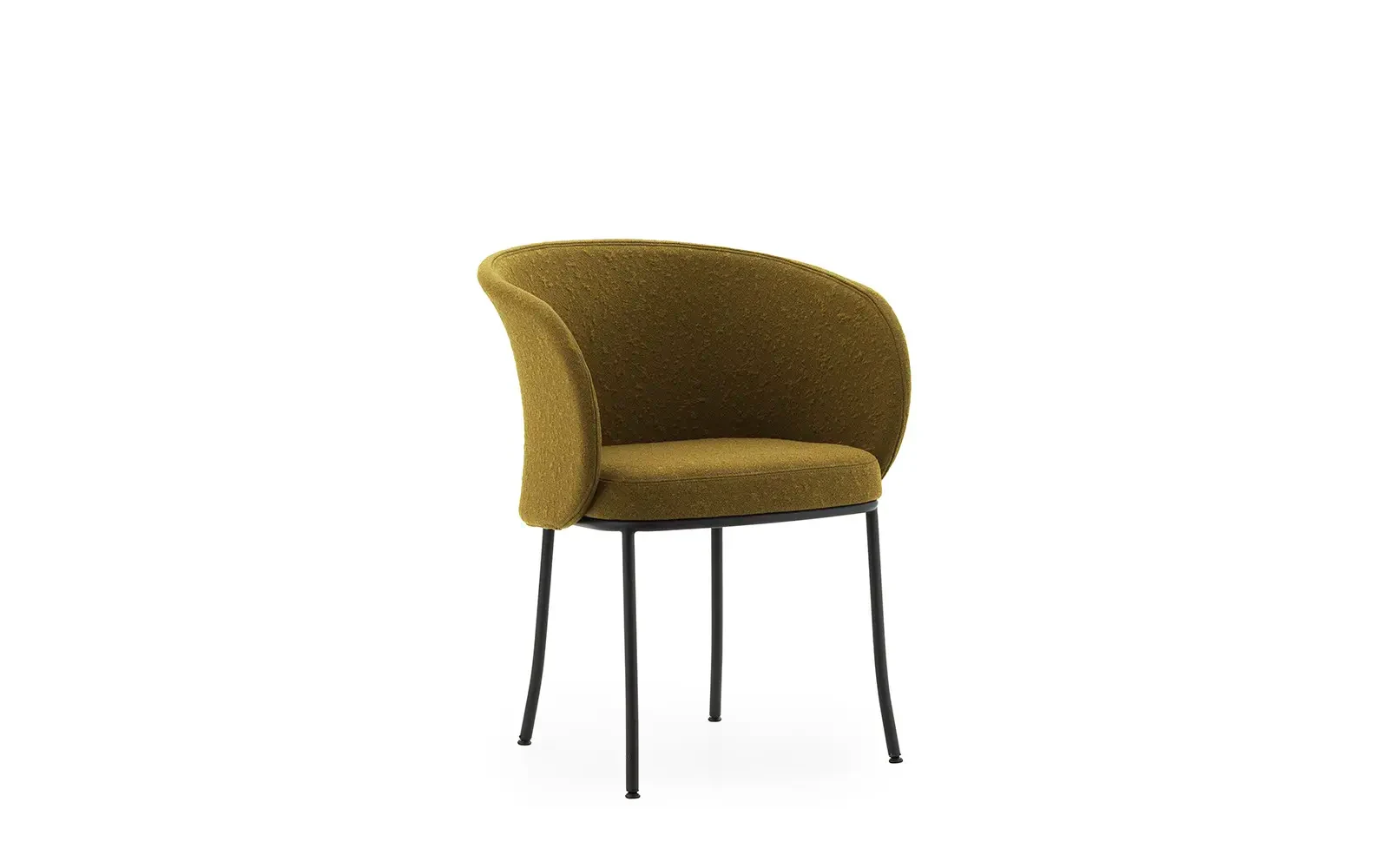
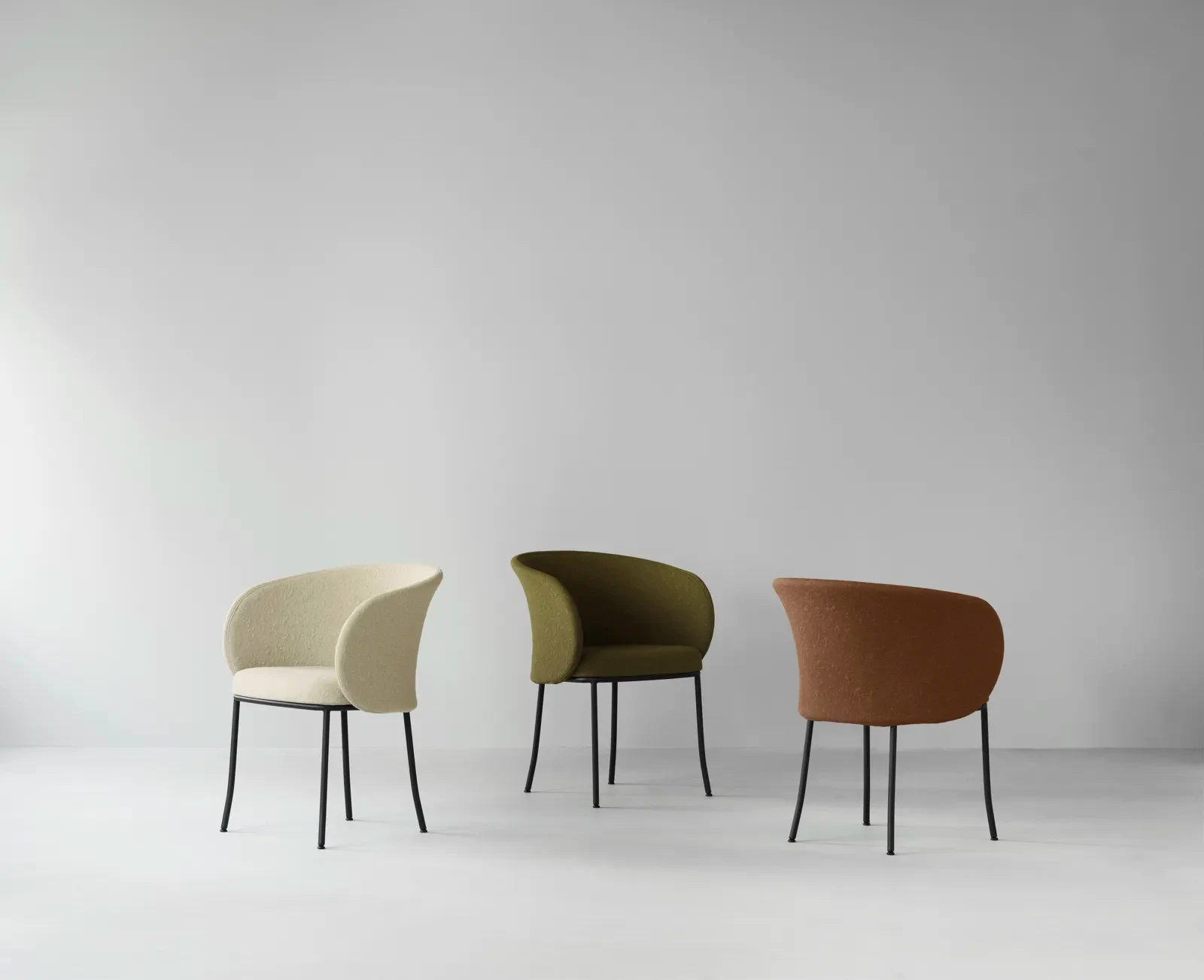
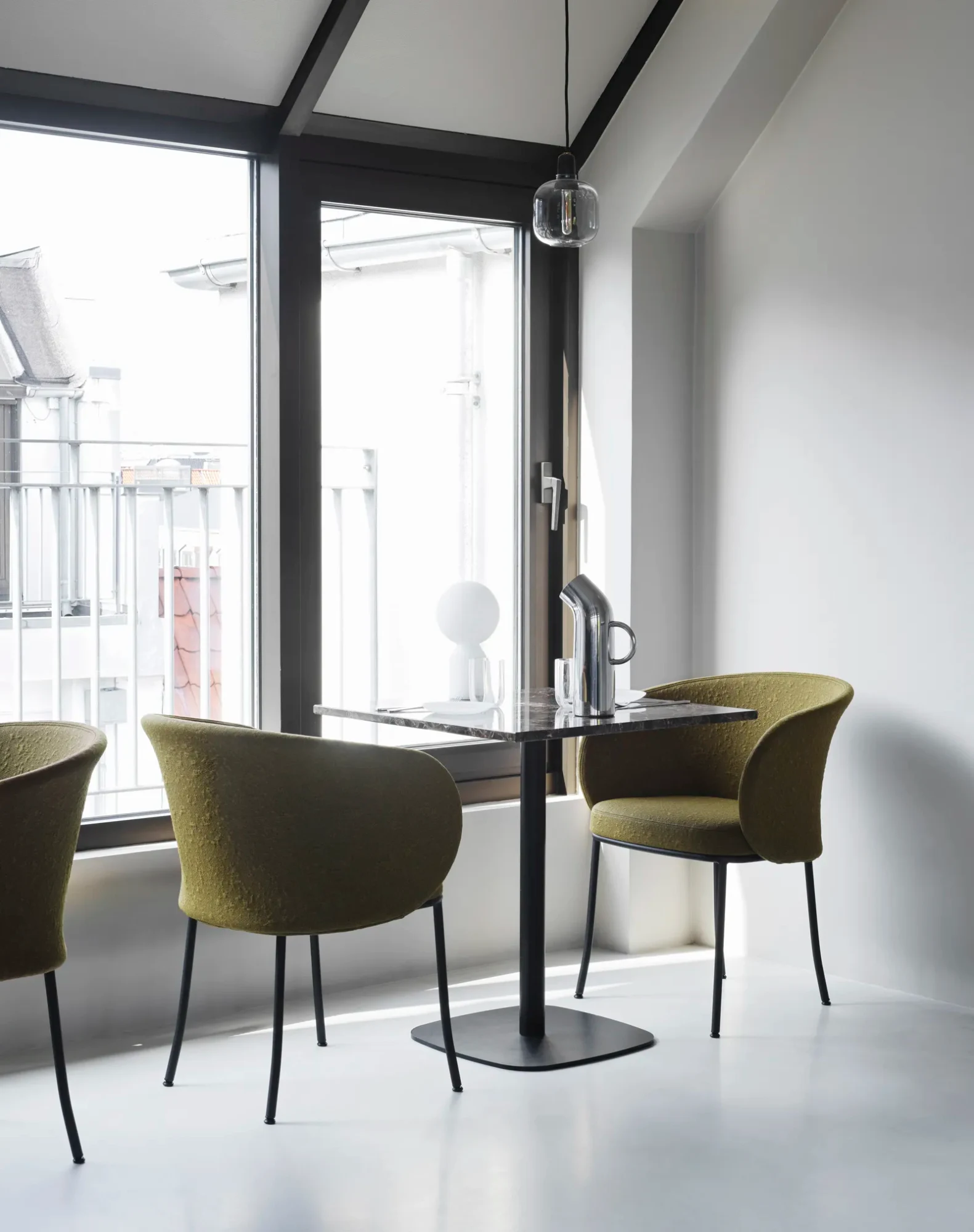
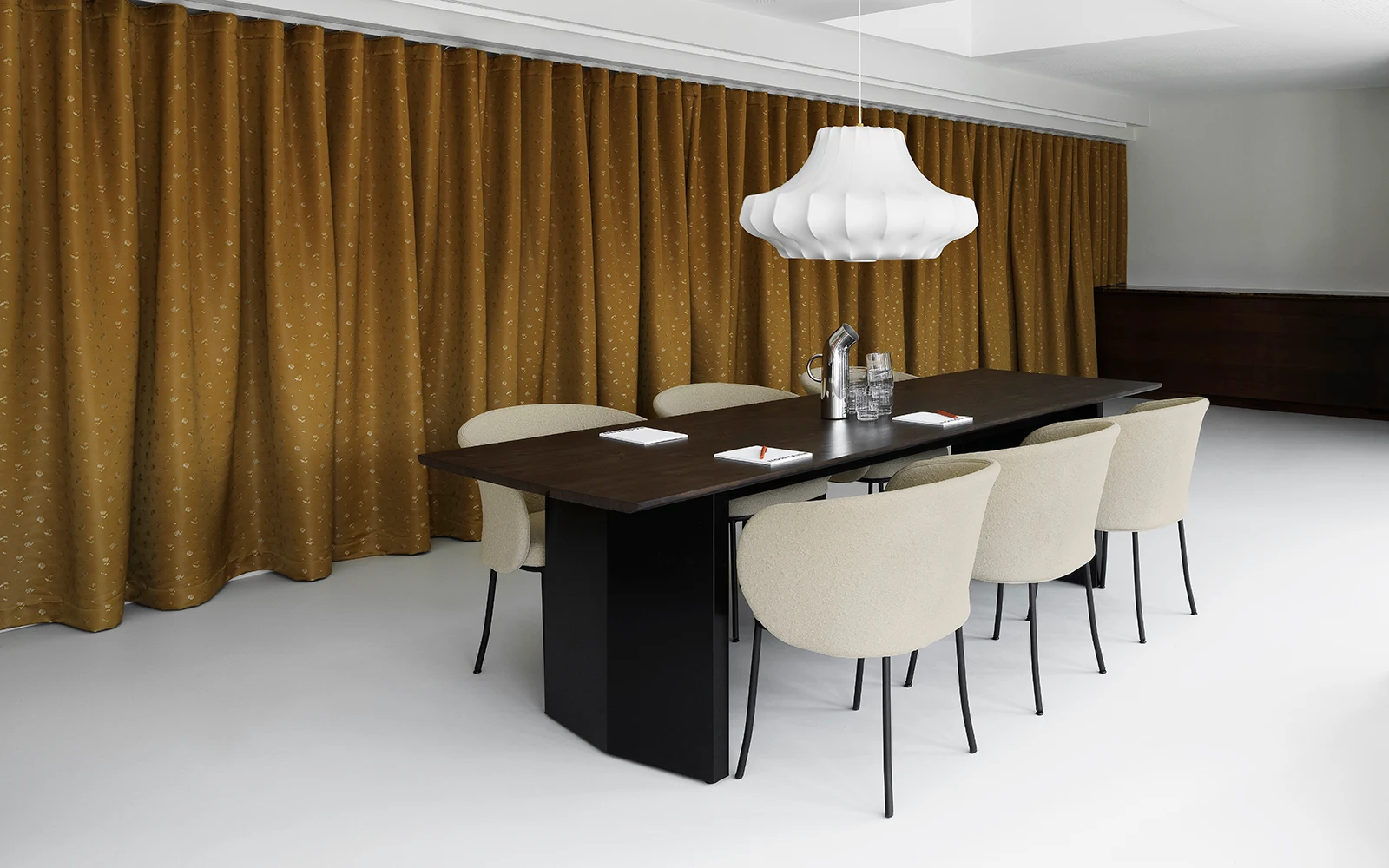
Knit Armchair
A lightweight armchair with a knitted Myr textile cover over a powder-coated steel frame


590 × 785 × 560 mm
2025
Approx. $880 (reference price; varies by region and retailer)
Official product information
INTEBEE AI PUBLIC LIBRARY is an independent furniture design research and discovery platform. Product specifications, finishes, availability and other details may change. For current and definitive information, please refer to the manufacturer's official website.
Go to the official product pageDescription
Overview
Knit Armchair is an armchair from Yuchen Wu for Normann Copenhagen. It takes its name from its knitted textile cover, which the manufacturer says stretches over the frame to give a smooth, wrinkle-free surface.
Construction
The frame is powder-coated steel with angled legs. The seat is wood with foam, and the seat and backrest are covered in Myr, a Kvadrat knitted textile made from 100% recycled polyester. The covers are detachable with a zipper, and the chair is designed for easy disassembly.
Specifications
Knit Armchair Black Steel Olive (714052) measures W 59 x D 56 x H 78.5 cm; its seat height (SH) is 46 cm.
Story
A cover that gives the chair its name
Normann Copenhagen says the Knit Armchair takes its name from its distinctive knitted textile cover. The flexible fabric stretches over the frame to create a smooth, wrinkle-free surface, and a gentle curvature in the backrest follows the natural contours of the body.
Made to be taken apart
The chair was designed with circularity in mind. The manufacturer says textile, foam, wood and steel can each be sorted and repurposed individually after many years of use, in contrast to conventional upholstery where mixed materials often complicate recycling.
More by Yuchen Wu
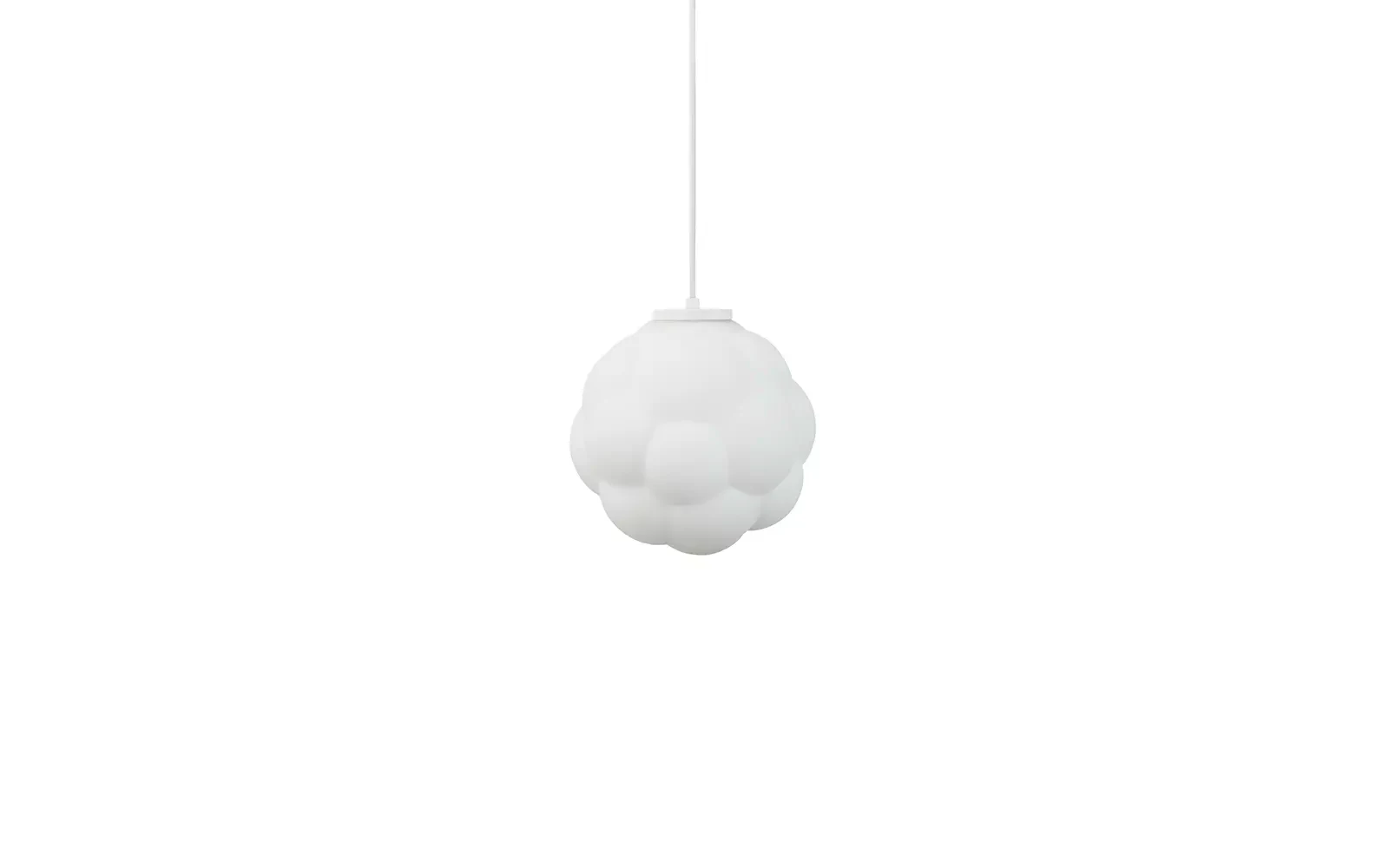
Bubba Lamp
A pendant with a matte etched opal glass shade made of bubbles in varying sizes
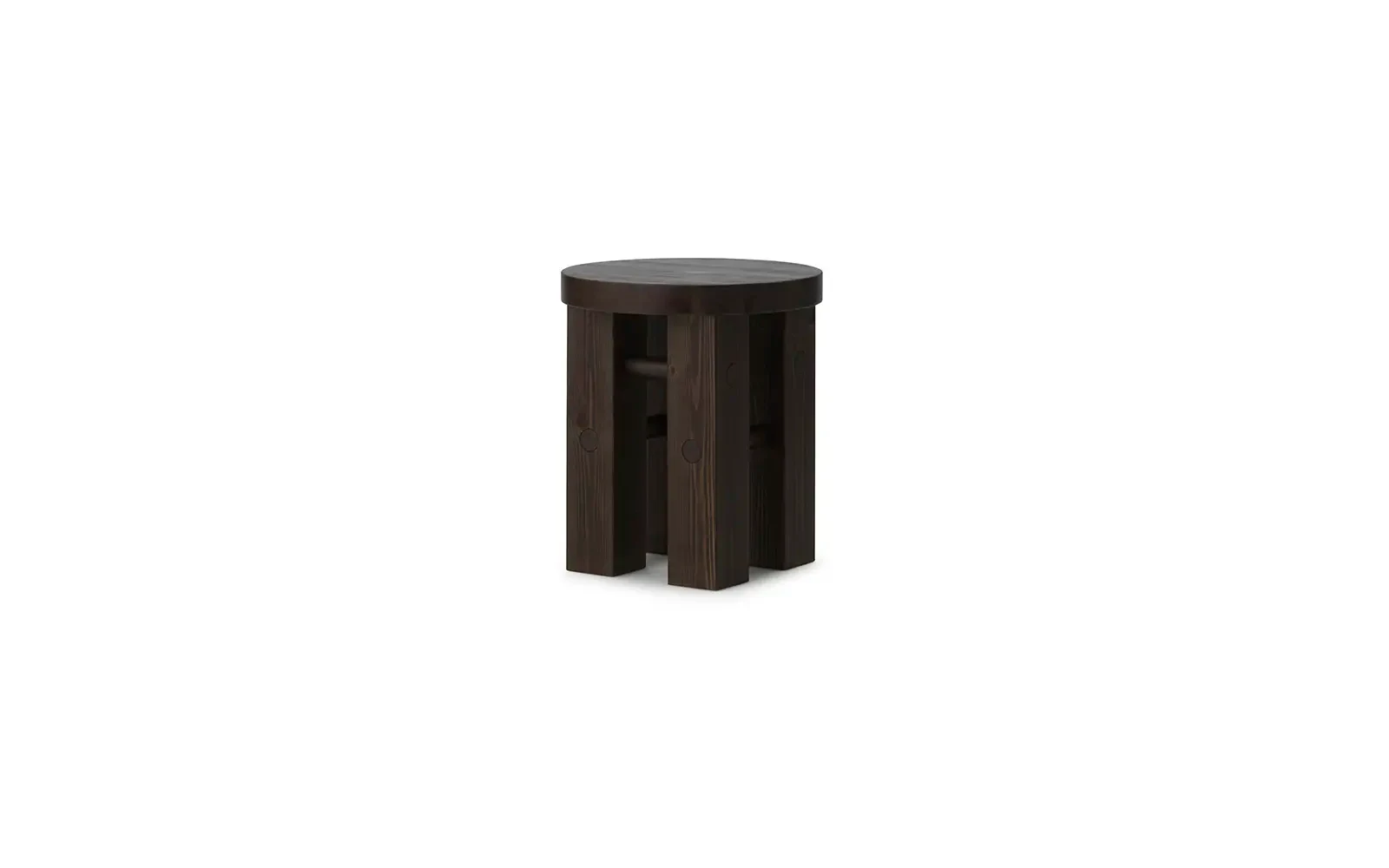
Fyr Stool
A solid pine stool in square and round forms by Yuchen Wu
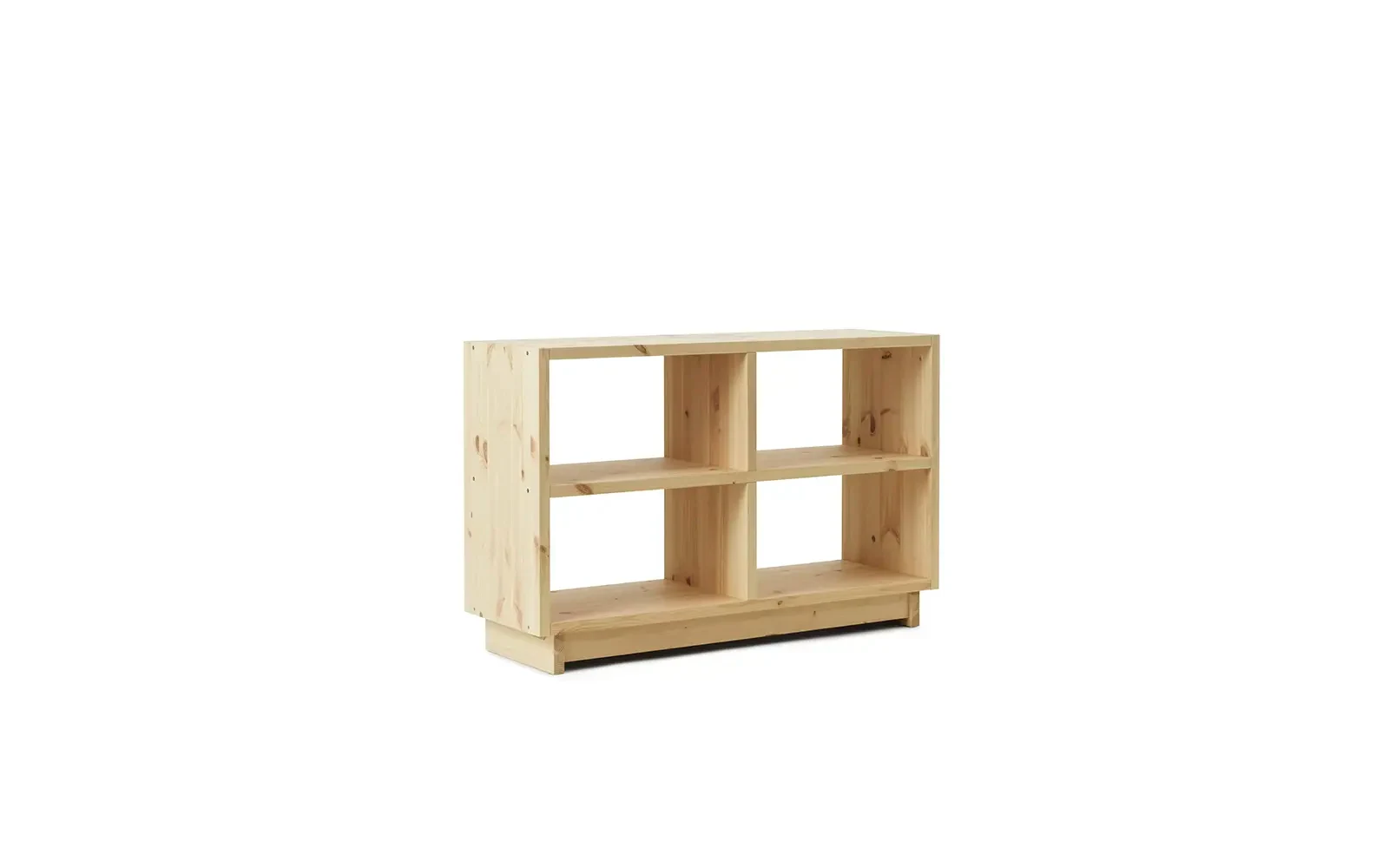
Fyr Bookcase
A plank bookcase with an honest, uncomplicated expression

Bubba Ceiling Lamp
A large ceiling lamp with a matte etched opal glass shade, hardwired or on a power cord