
Image source: Carl Hansen & Søn — KK47000 Safari Chair
© Carl Hansen & Søn and the respective rights holders. Quoted to accompany INTEBEE's independent design commentary and research.
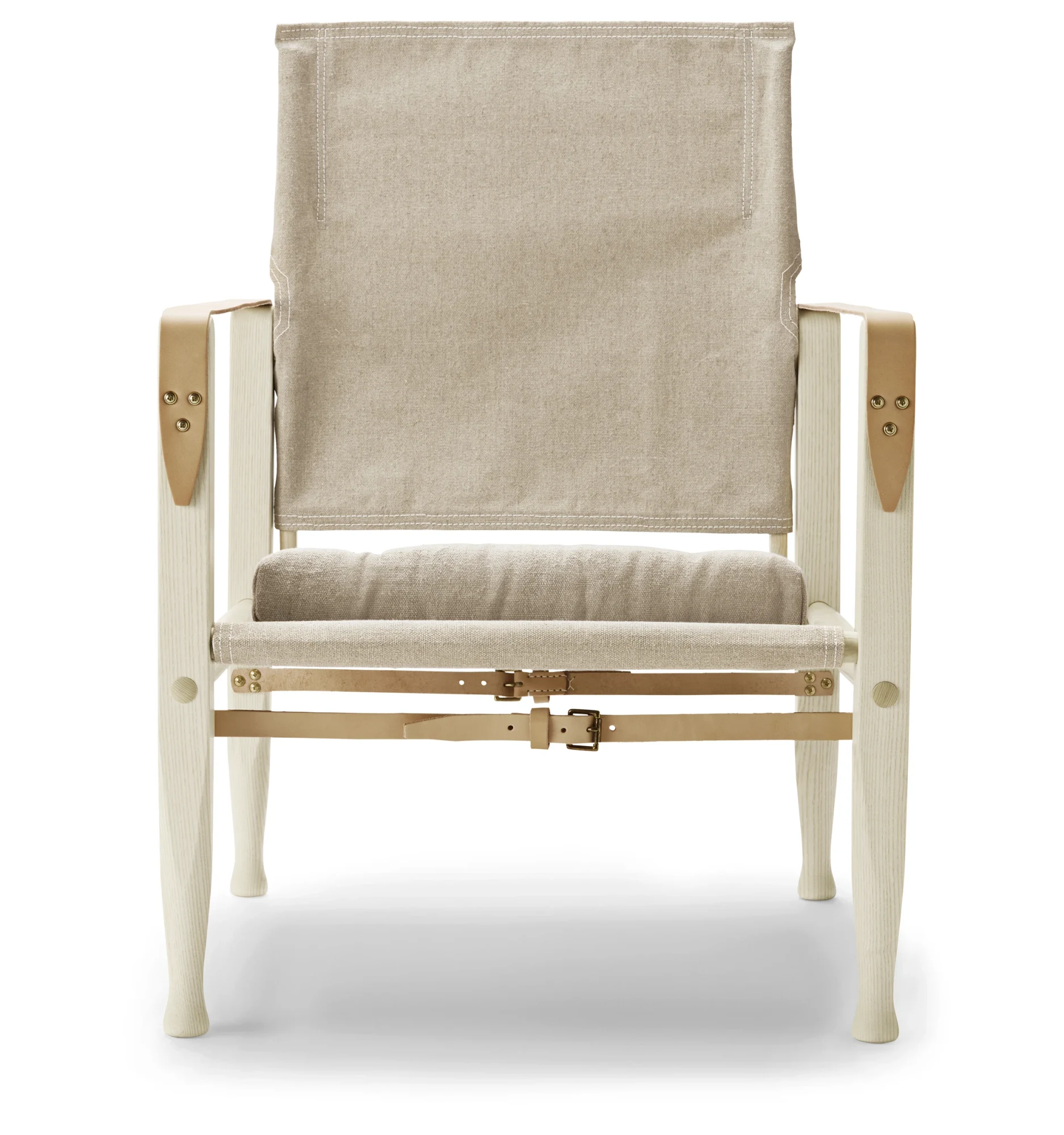
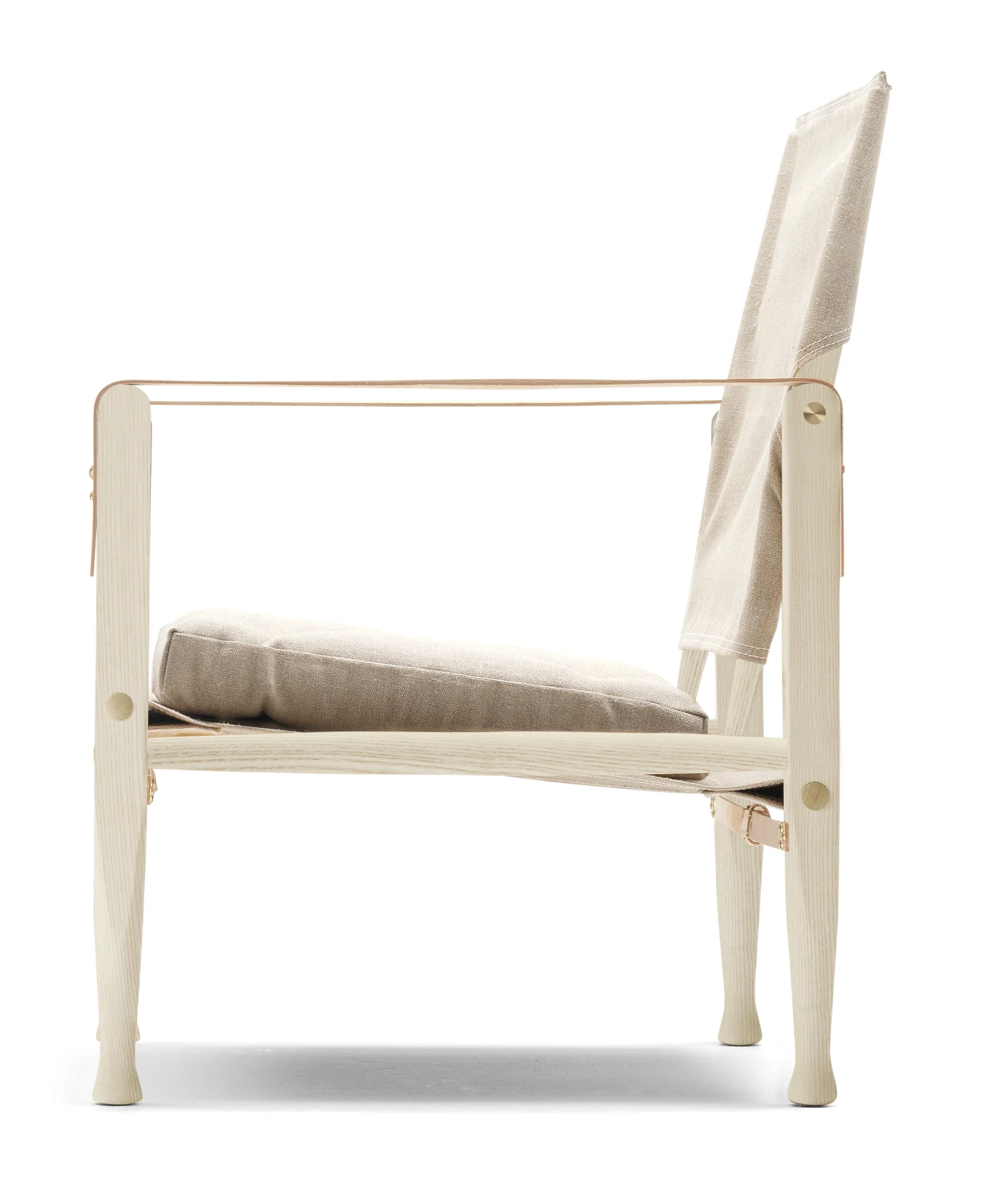
KK47000 Safari Chair
Kaare Klint's collapsible Safari Chair, shown in 1933: ash frame, canvas seat, 57 x 57 x 80 cm


570 × 800 × 570 mm
1933
Approx. $1,600 (reference price; varies by region and retailer)
Official product information
INTEBEE AI PUBLIC LIBRARY is an independent furniture design research and discovery platform. Product specifications, finishes, availability and other details may change. For current and definitive information, please refer to the manufacturer's official website.
Go to the official product pageSpecifying KK47000 Safari Chair for your design project?
INTEBEE is the FF&E specification platform for interior designers: spec sheets, finishes, floor plans and client-ready PDFs in one place.
Description
Overview
The KK47000 Safari Chair is described by the manufacturer as an iconic example of Kaare Klint's design ideology: a historical archetype transformed into a modern, collapsible chair.
Construction
- Frame: FSC Mix-certified ash, white oil
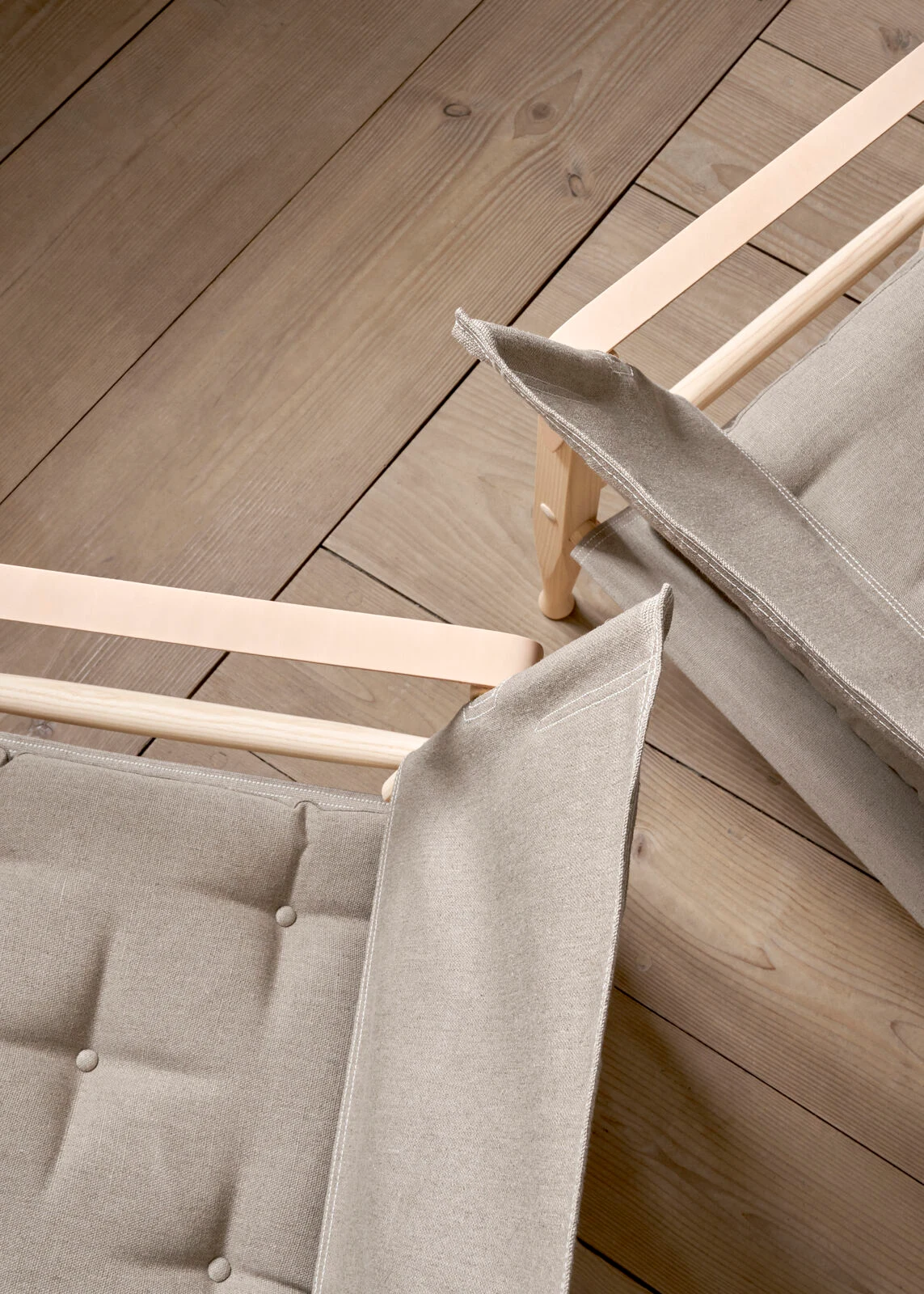
- Upholstery: canvas, natural
- Armrests: saddle leather
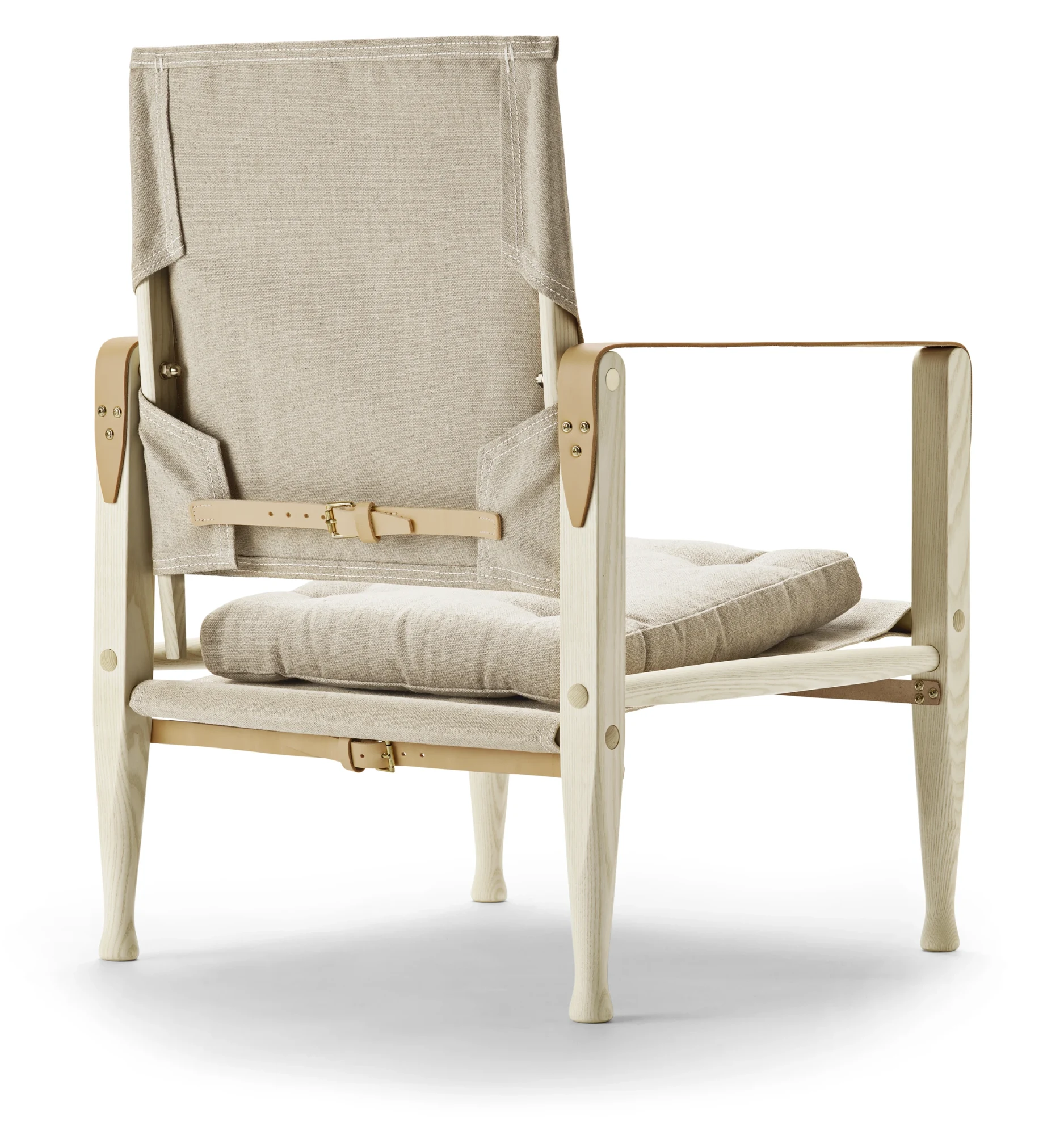 Image source: Carl Hansen & Søn — KK47000 Safari Chair · © Carl Hansen & Søn and the respective rights holders. Quoted to accompany INTEBEE's independent design commentary and research. · View official product page ↗ · Image use & copyright policy
Specifications
- 57 x 57 x 80 cm (width x depth x height)
Story
From an expedition chair
The Safari Chair is a refinement of chairs that an American cinematographer and his wife took on an African safari. Klint noticed them in the couple's photos. The page traces them most probably to Indian Roorkhee Chairs used by the British military, which it suggests may have been the earliest self-assembled furniture.
Simplified and refined
The original had glueless joints and tool-free assembly, with a construction that made the joints tighten when the chair was occupied. Klint focused on simplifying, clarifying and refining the composition, and exhibited his final design in 1933 at the Copenhagen Cabinetmakers' Guild Exhibition.
More by Kaare Klint
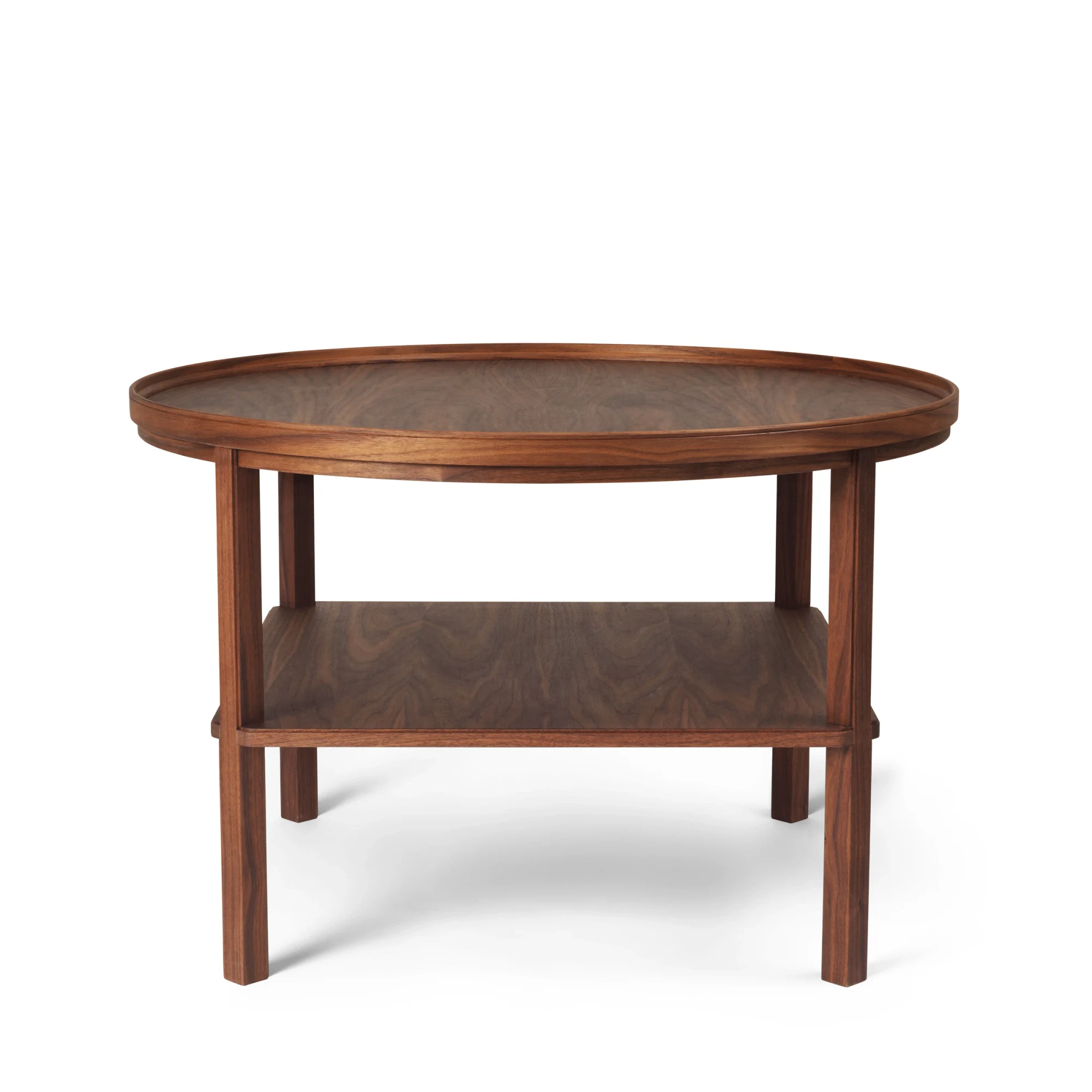
KK66870 Coffee Table
Kaare Klint's round 1930 coffee table with a raised band around the top and a shelf below
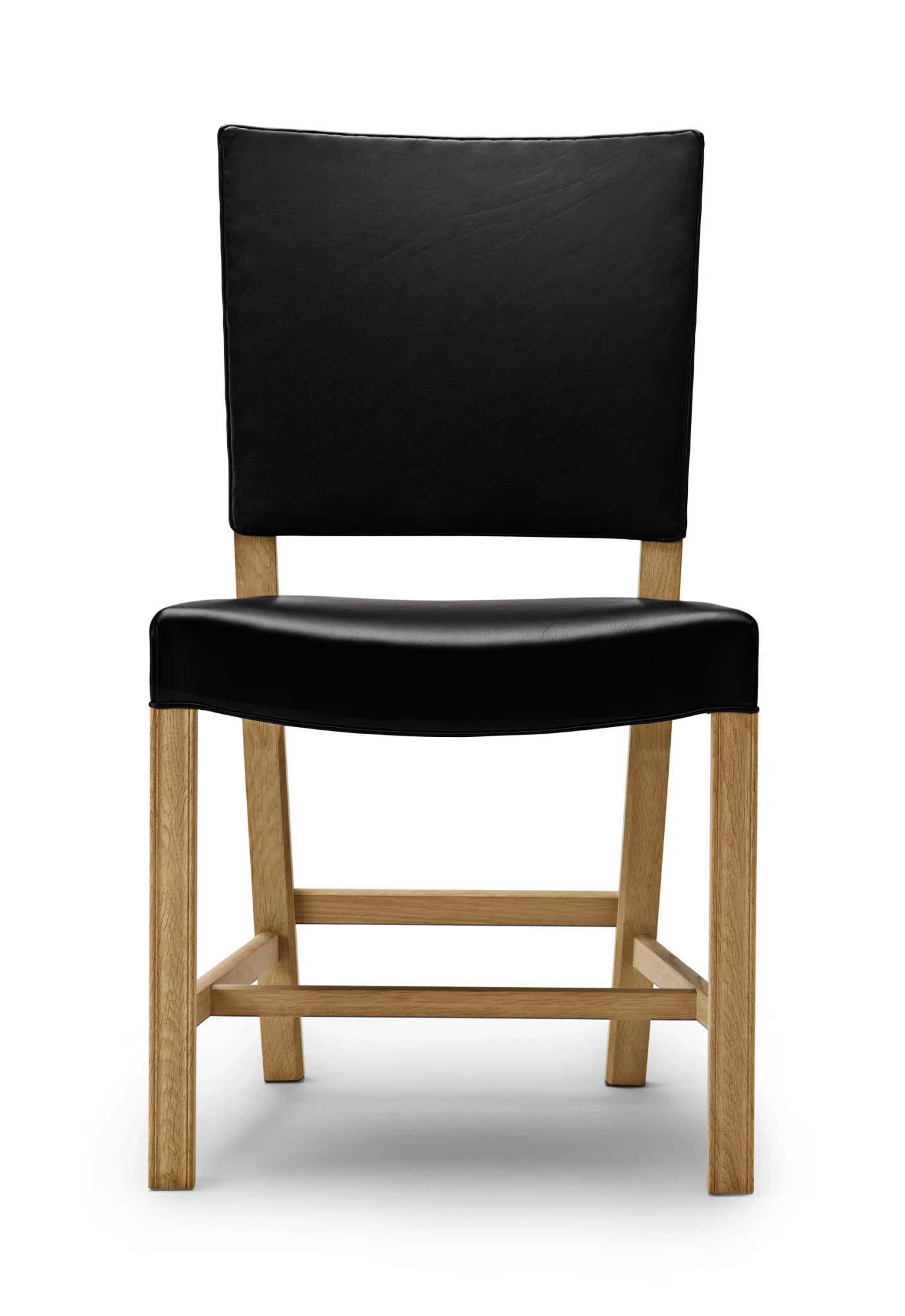
KK39490 Small Red Chair
Klint's 1928 Small Red Chair in FSC Mix oak with Leather Sif 98, sized for dining tables, 48 x 49 cm
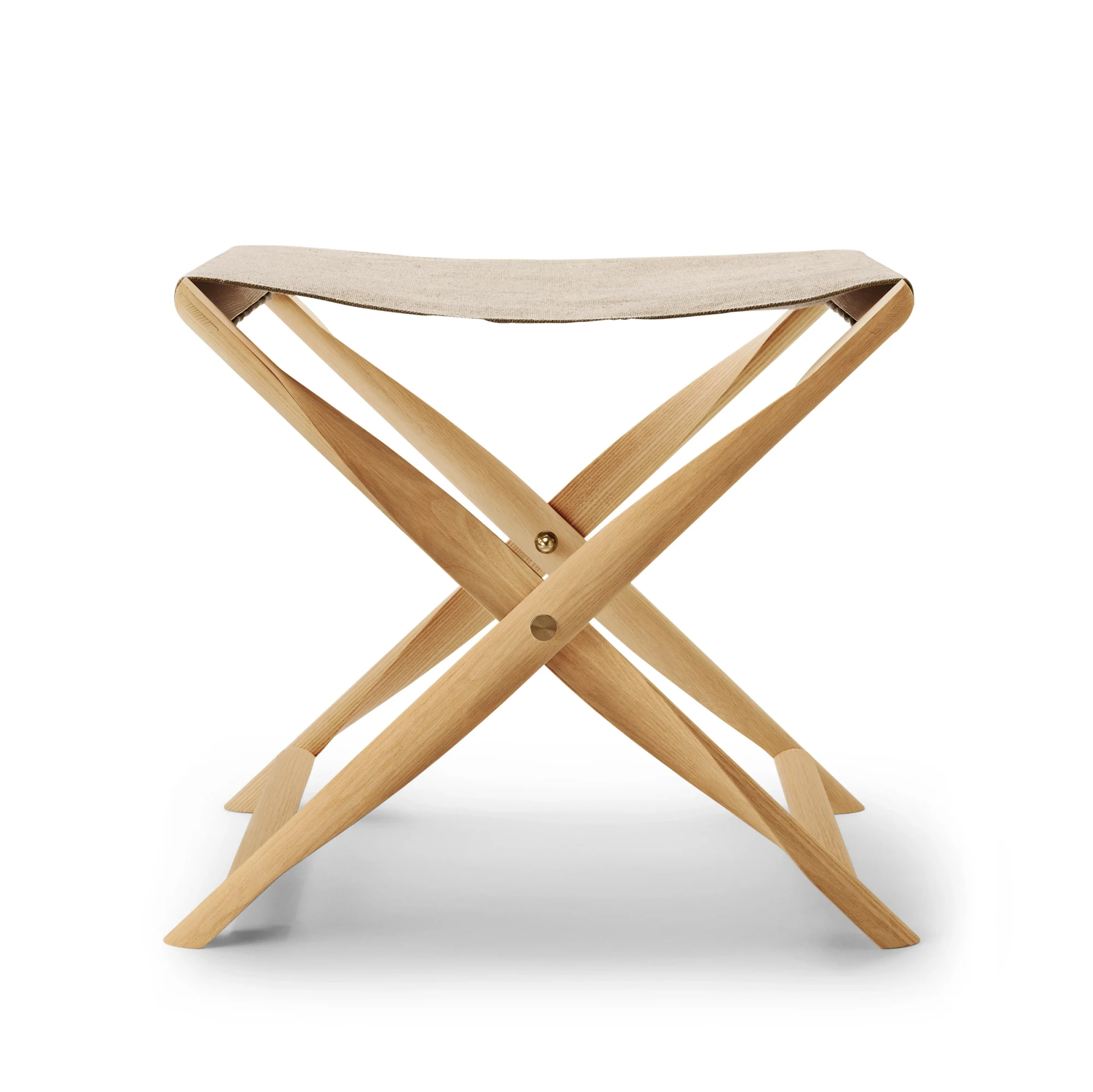
KK87830 Propeller Stool
Kaare Klint's 1930 folding stool: two propeller-shaped legs fold into one round rod
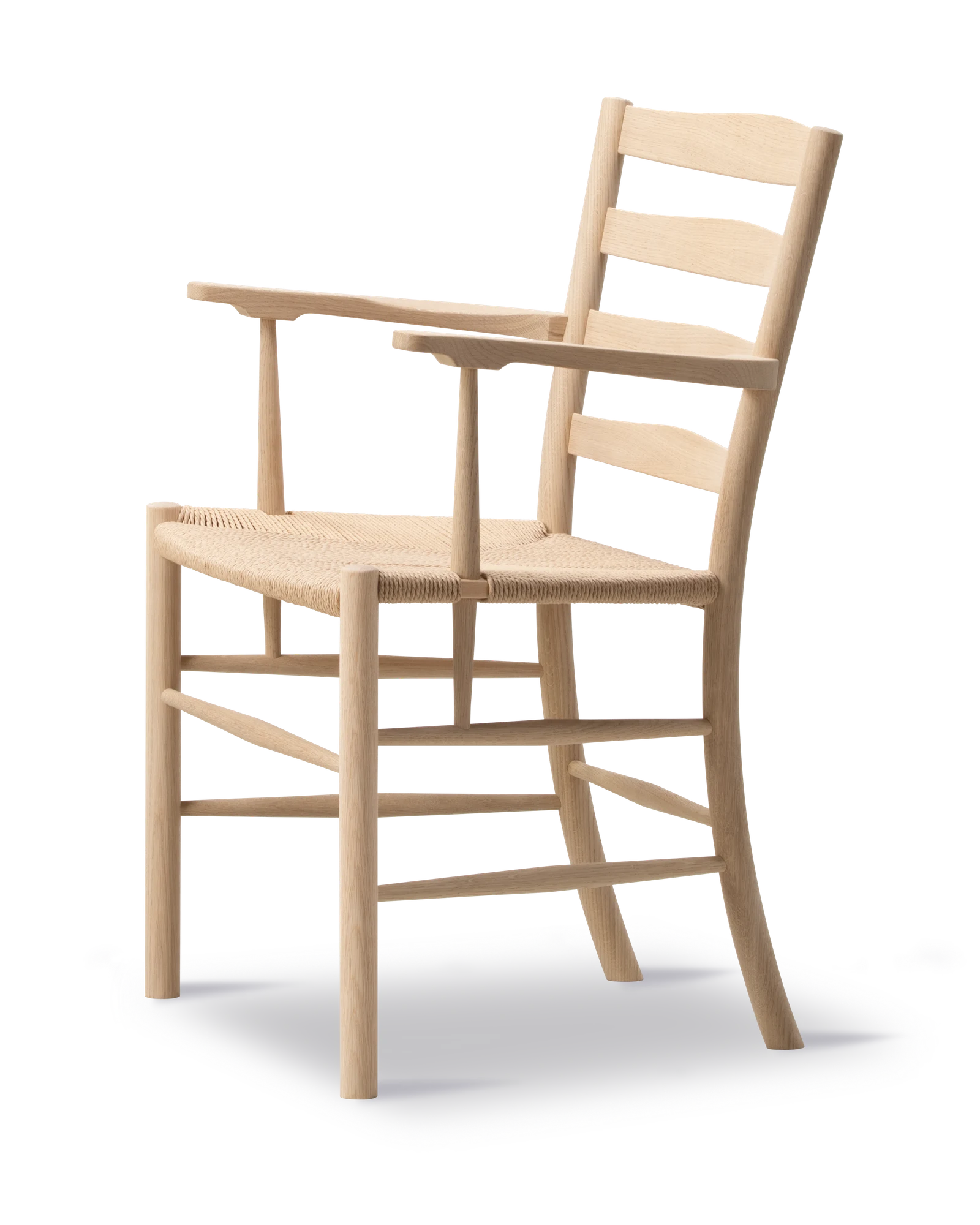
Klint Armchair
The Klint Armchair (3208): Kaare Klint's Klint Chair with armrests, on a solid wood frame.