
Image source: Walter Knoll — Ishino Armchair
© Walter Knoll and the respective rights holders. Quoted to accompany INTEBEE's independent design commentary and research.
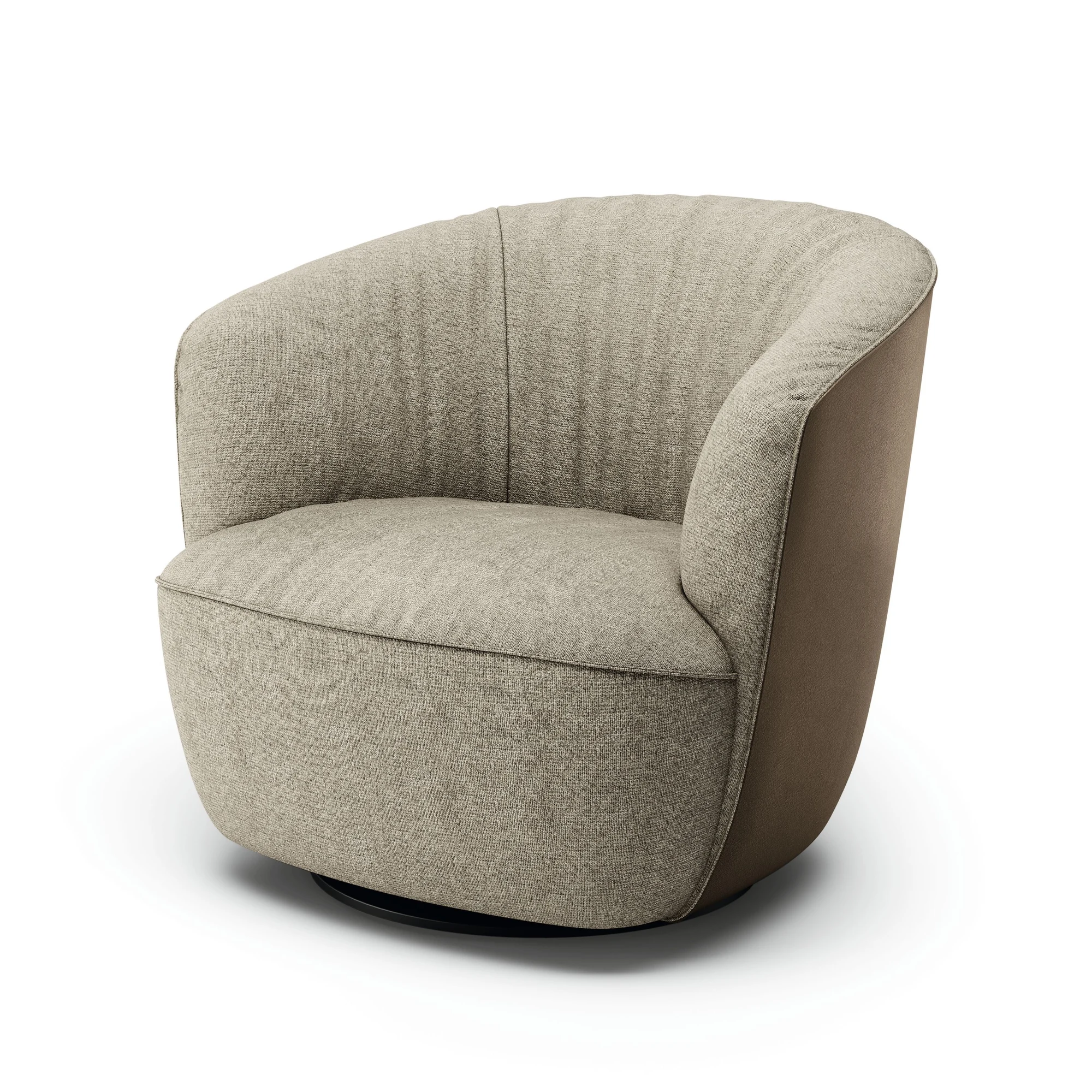
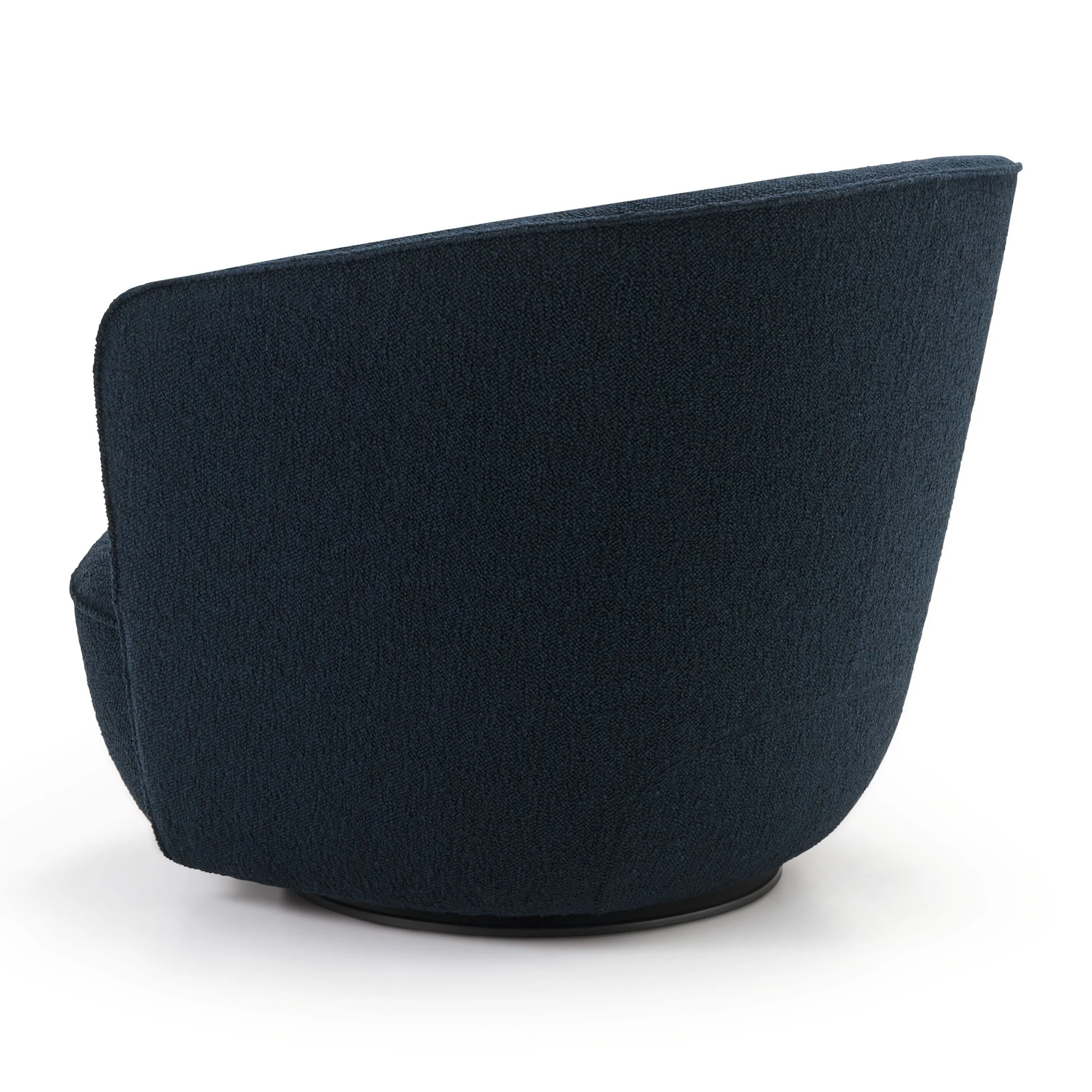
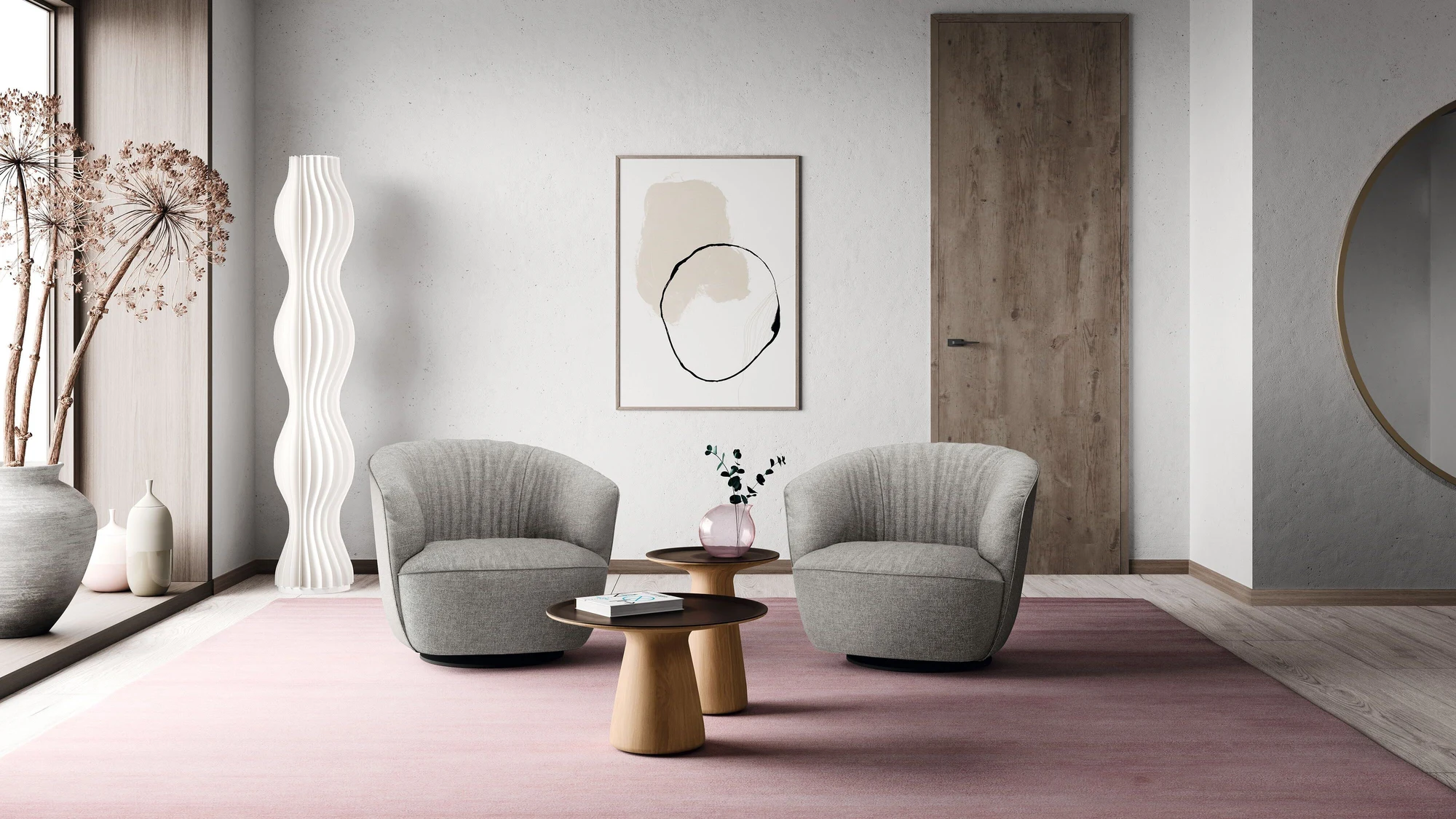
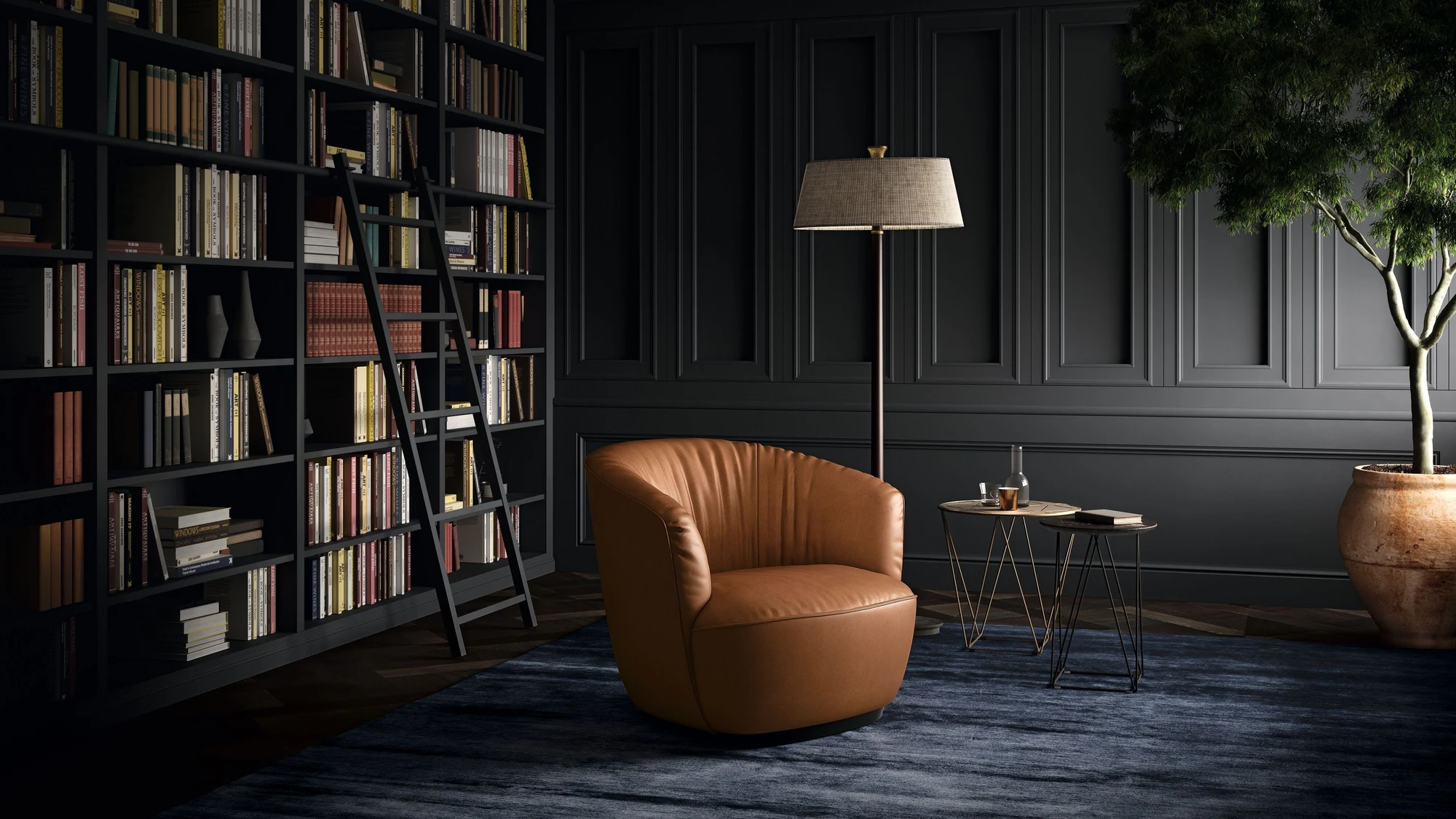
Ishino Armchair
Club-style armchair by Daï Sugasawa with a rounded back, extra-soft upholstery and a swivel option.


820 × 730 × 830 mm
Official product information
INTEBEE AI PUBLIC LIBRARY is an independent furniture design research and discovery platform. Product specifications, finishes, availability and other details may change. For current and definitive information, please refer to the manufacturer's official website.
Go to the official product pageDescription
Overview
The Ishino Armchair is the armchair of the Ishino range, designed by Daï Sugasawa for Walter Knoll. The armchair belongs to the club chair tradition that Walter Knoll says is revived in Ishino.
Construction
The seat is built in wood and the back on a steel frame, both foam-moulded with a polyester fiber wrap, with webbing in the seat. The base is a plinth painted black, and a swivel base in matt powder-coated black is available for a surcharge. Fabric, leather or a mix of both can be used for the cover.
Specifications
- Model 195-10: 82 x 83 x 73 cm
- Base: black painted plinth; optional swivel base
- Covers: one material throughout (195-10) or combined (195-10 C)
Story
Comfort in a finely rounded form
The company founder Walter Knoll and his brother Willy invented the club chair in 1907, and that tradition is revived in Ishino. The brand presents Ishino as a way to give a deep feeling form. The silhouette is clear and balanced, with relaxed yet precise folds, and the back is pleasantly rounded so that the sitter feels hugged by it.
A range to play with
The Ishino sofas, armchairs, stools and tables can be combined freely. Their different levels, volumes and functions create a spatial landscape in which the way people live is expressed through the room.
More by Dai Sugasawa
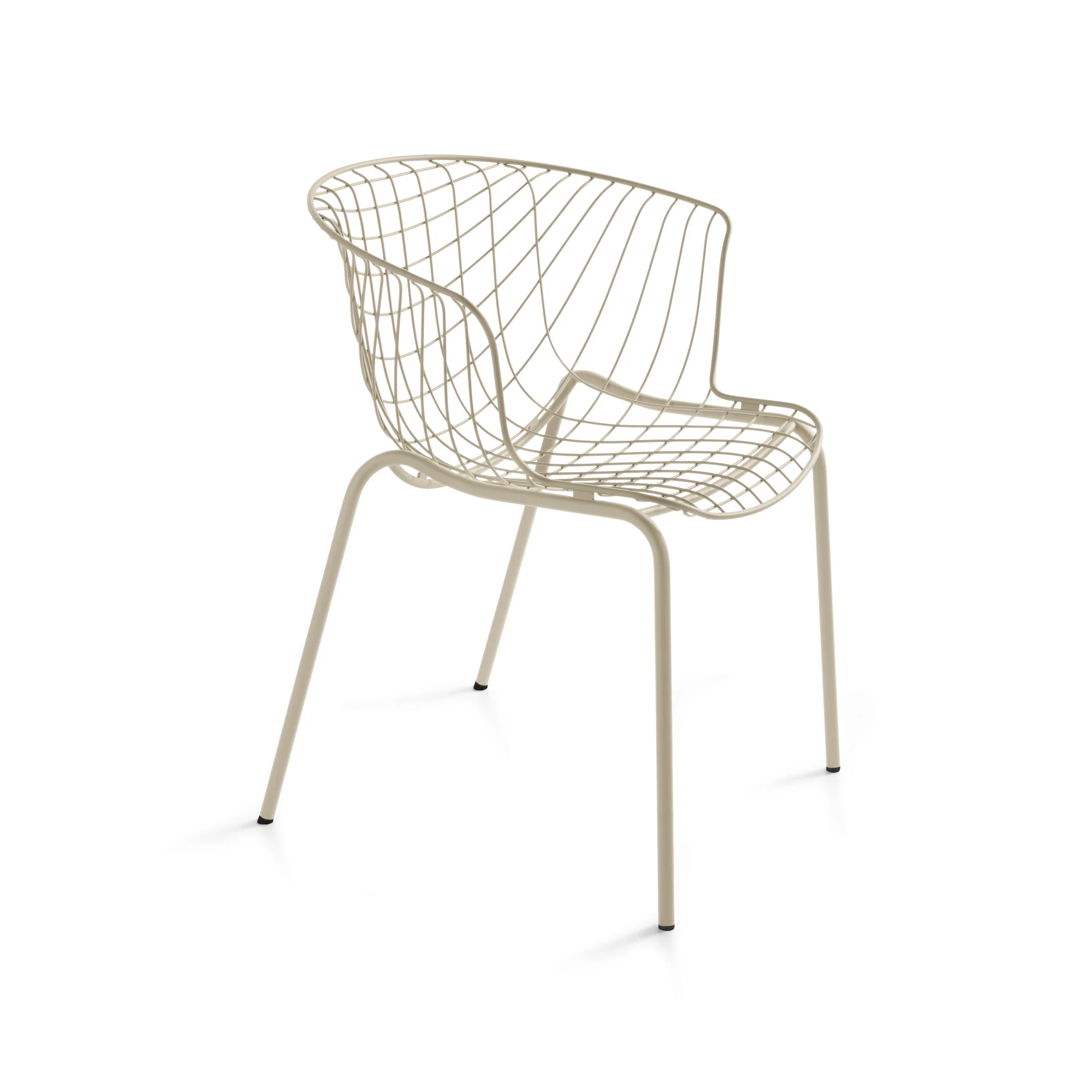
Ayabi Chair
Wire-mesh chair by Dai Sugasawa with saddle leather inlays, for indoor and outdoor use.
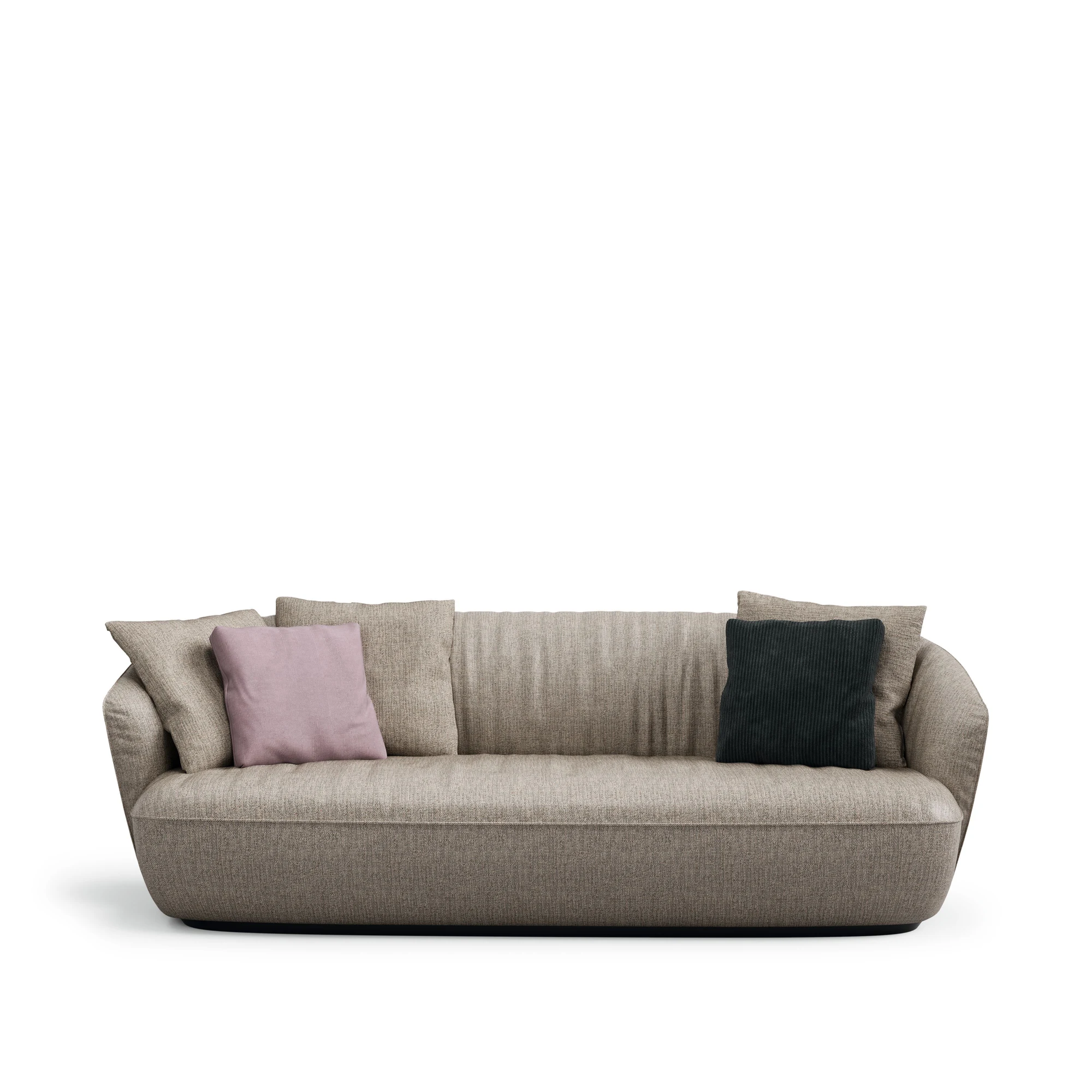
Ishino Sofa
Rounded sofa by Daï Sugasawa with extra-soft upholstery, loose back cushions and a black plinth.
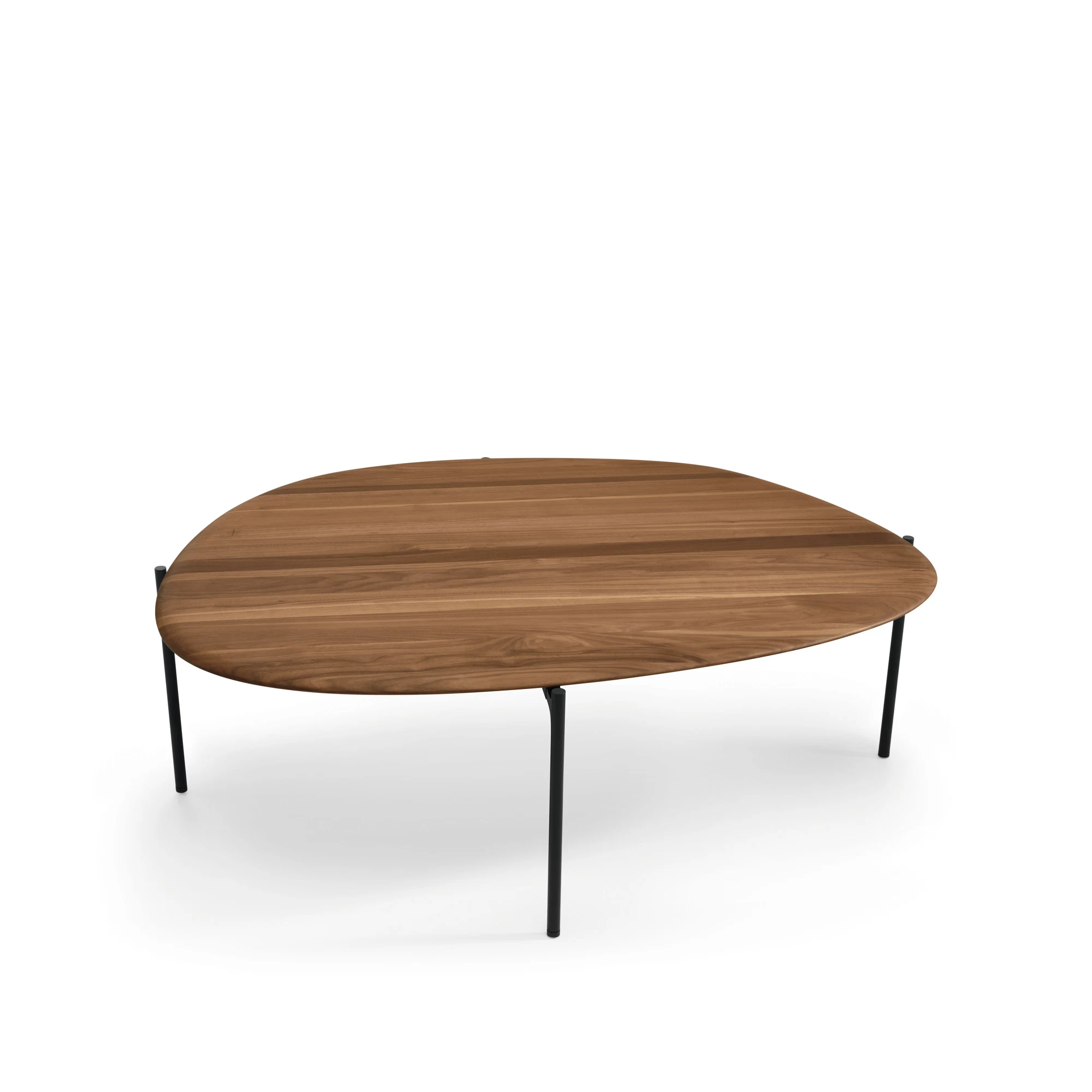
Ishino Wood Table
Pebble-shaped solid wood side table on a steel frame with soft, rounded edges.
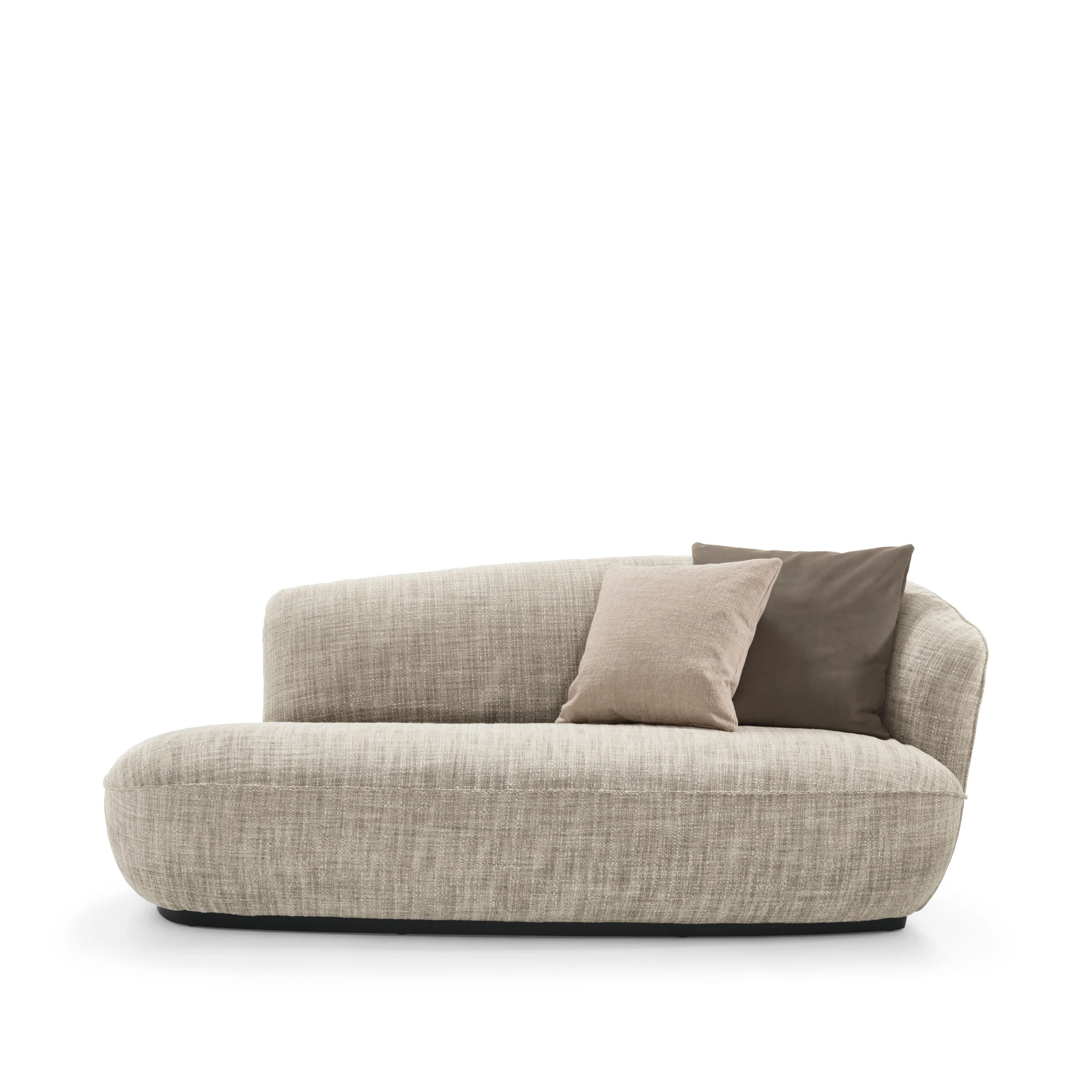
Ishino Récamiere
Chaise-longue-inspired récamiere by Daï Sugasawa with a high rounded back and extra-soft upholstery.