
Image source: Minotti — Halley Outdoor Sun Lounger
© Minotti and the respective rights holders. Quoted to accompany INTEBEE's independent design commentary and research.
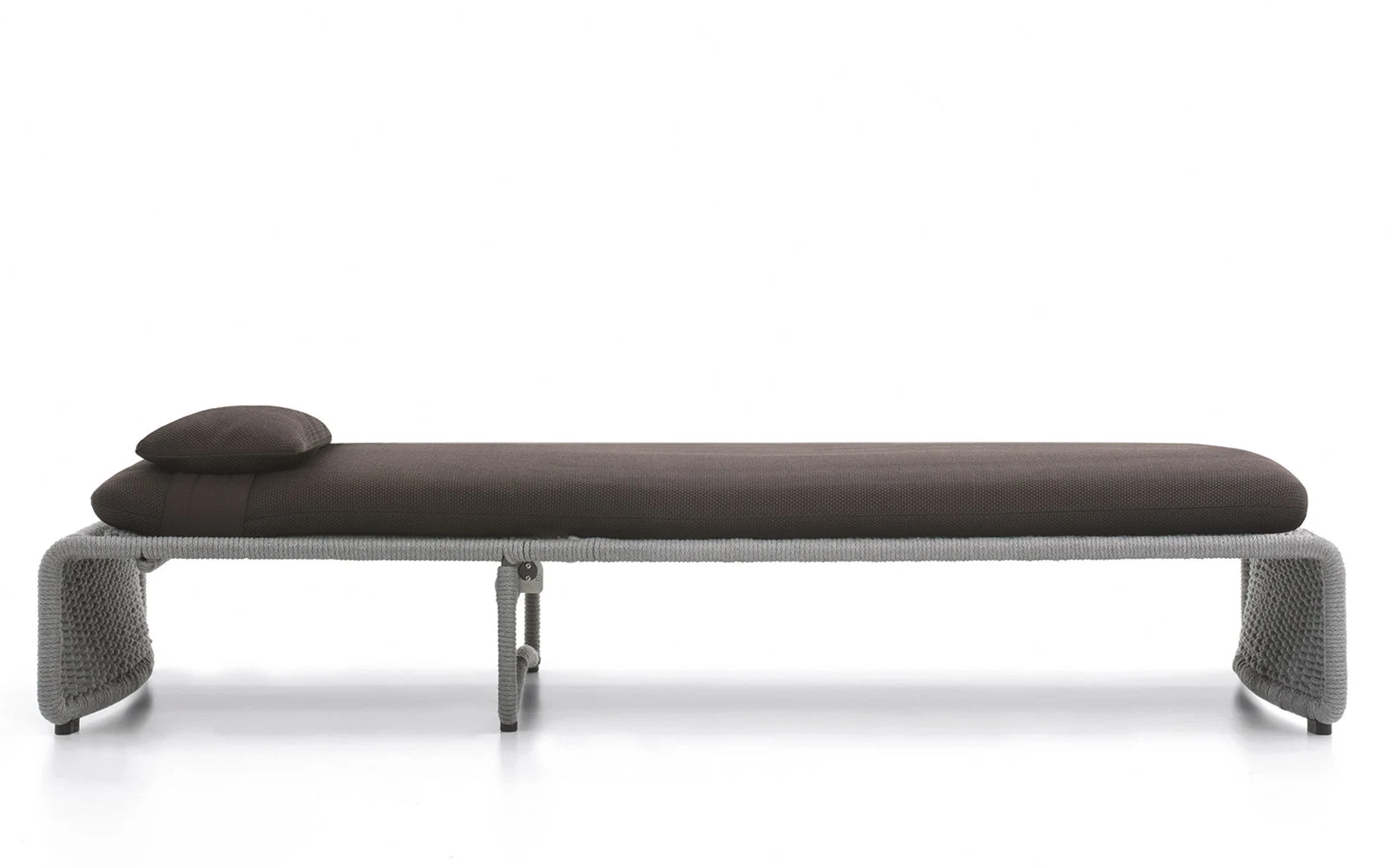
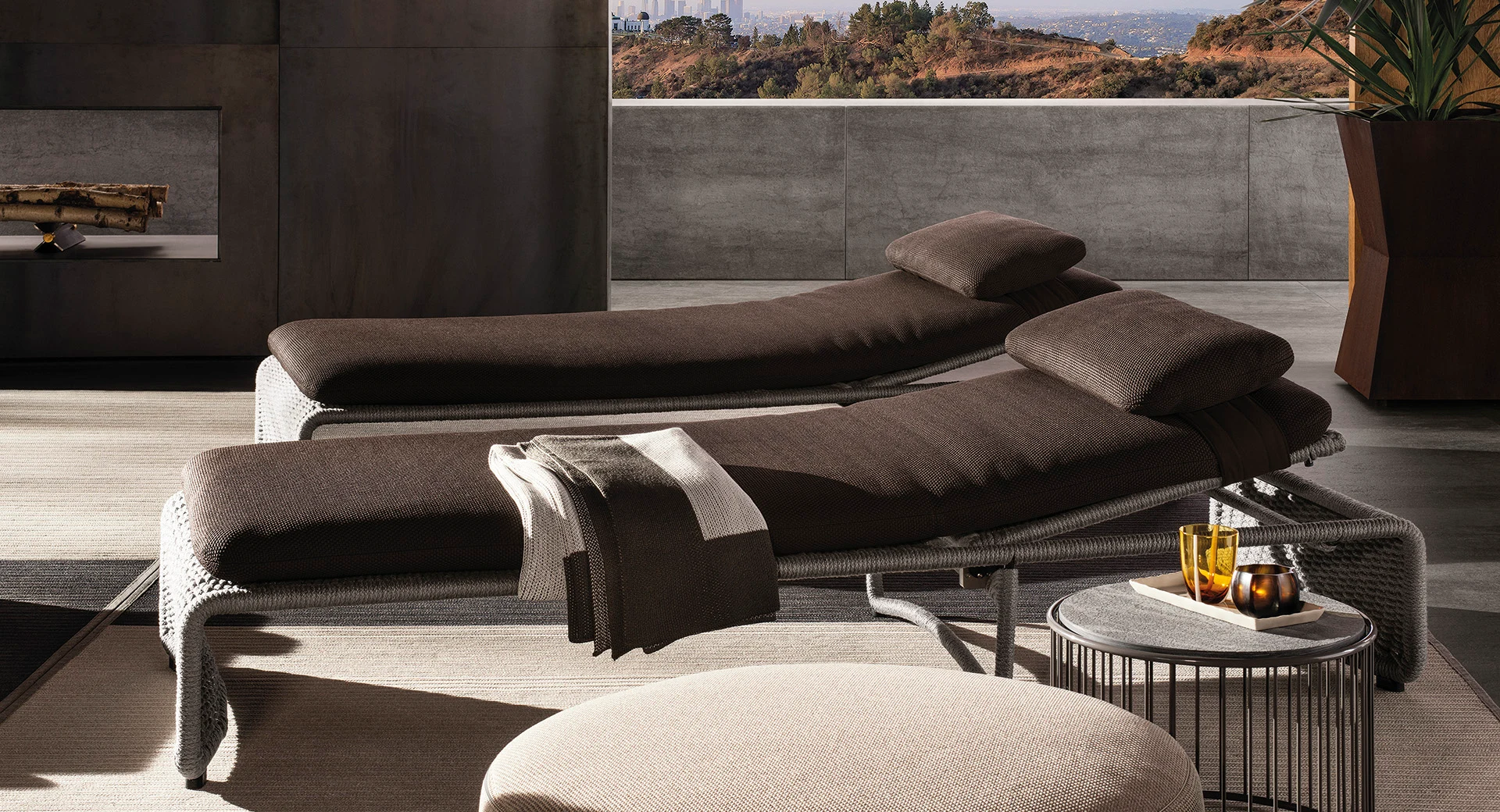
Halley Outdoor Sun Lounger
Rodolfo Dordoni's woven sun lounger with a powder-coated steel frame and four-position backrest.


2050 × 400 × 830 mm
Official product information
INTEBEE AI PUBLIC LIBRARY is an independent furniture design research and discovery platform. Product specifications, finishes, availability and other details may change. For current and definitive information, please refer to the manufacturer's official website.
Go to the official product pageSpecifying Halley Outdoor Sun Lounger for your design project?
INTEBEE is the FF&E specification platform for interior designers: spec sheets, finishes, floor plans and client-ready PDFs in one place.
Description
Overview
Rodolfo Dordoni created the adjustable Halley Outdoor daybed for Minotti. A woven perimeter curves around its long upholstered surface and movable back support.
Construction
The stainless-steel frame receives zinc primer and outdoor polyester powder coating, then is wrapped with 8 mm Taslan braided polypropylene fibre. The removable cushions use high-resilience polyurethane foam and water-resistant fibre for outdoor use.
Specifications
The official single size is 205 x 83 x H40 cm. The Minotti Studio mechanism provides four reclining positions.
Story
A woven perimeter
The braided fibre follows the curved steel ends of the lounger, creating a continuous outdoor frame. Finish pairings coordinate the powder-coated structure with the woven surface.
Adjustable support
A Minotti Studio mechanism sets the backrest in four positions. The official technical drawing identifies 30, 50 and 70-degree raised settings in addition to the flat position.
More by Rodolfo Dordoni
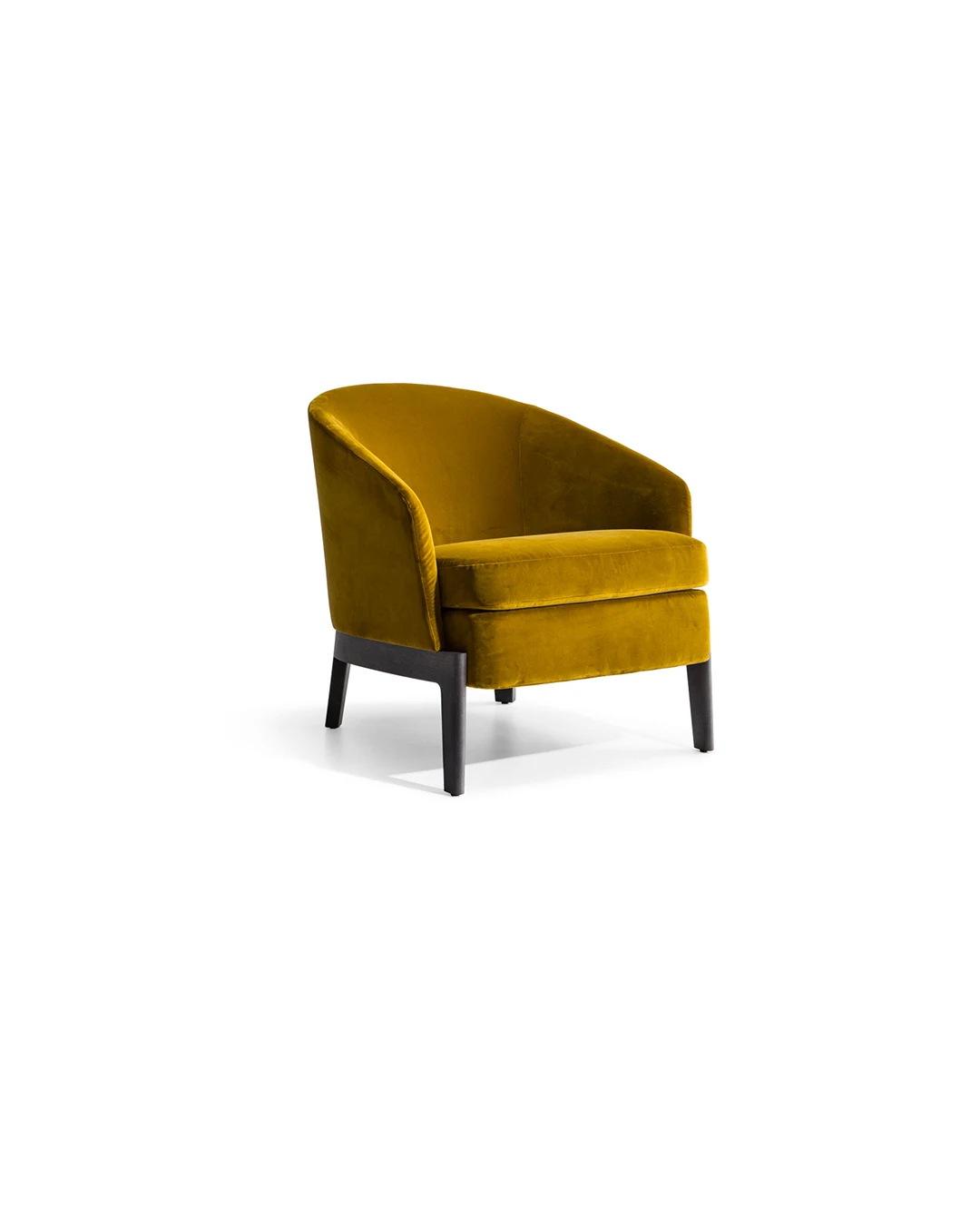
Chelsea Armchair
Rodolfo Dordoni's small armchair with a solid wood frame and a snug, softly curved backrest.
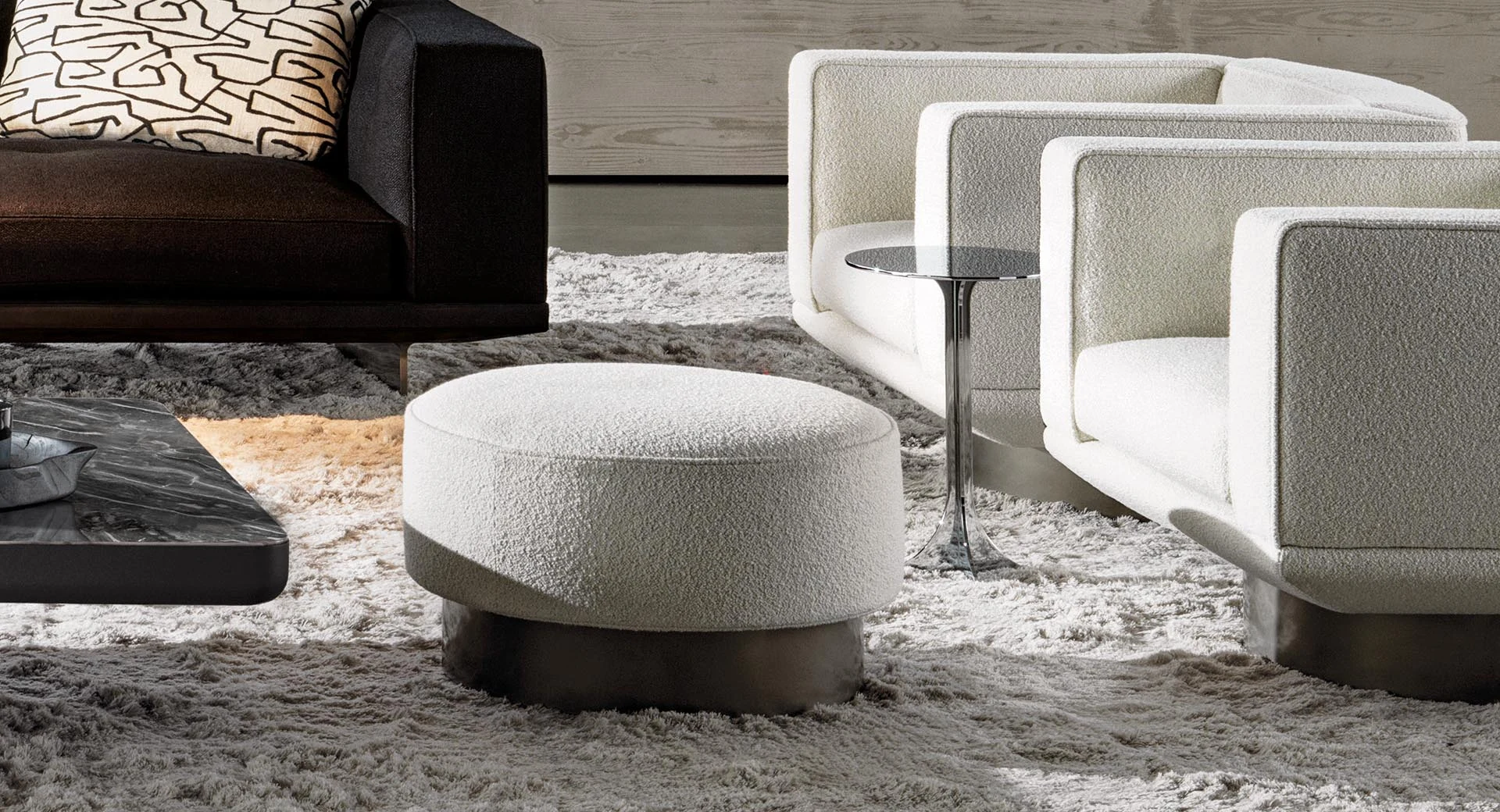
Sally Ottoman
Sally ottoman, a cylindrical seat on a Bronze or Chrome metal base, with or without castors
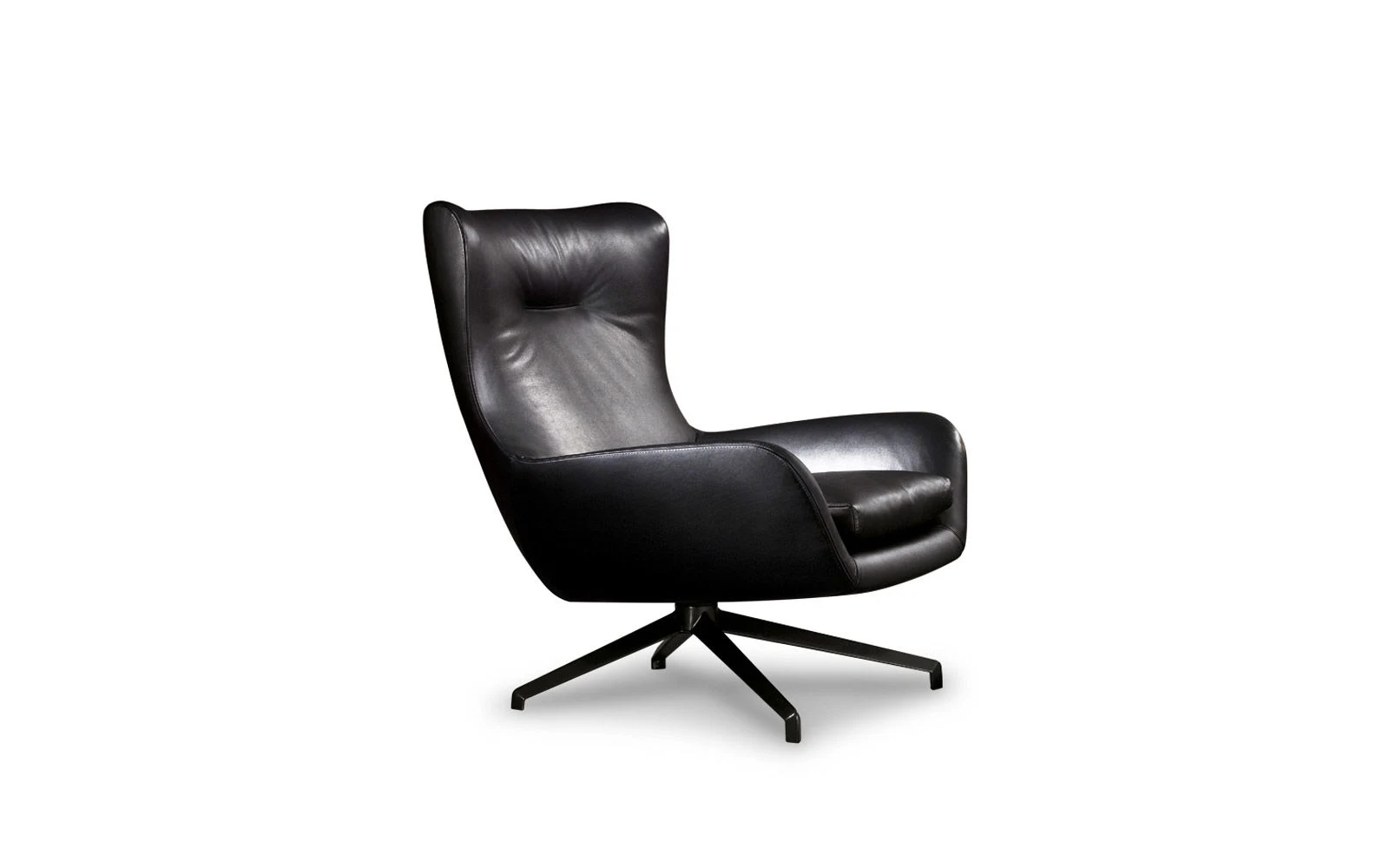
Jensen
Wing-back chair with caneté stitching and a die-cast aluminium base, as bergere or armchair
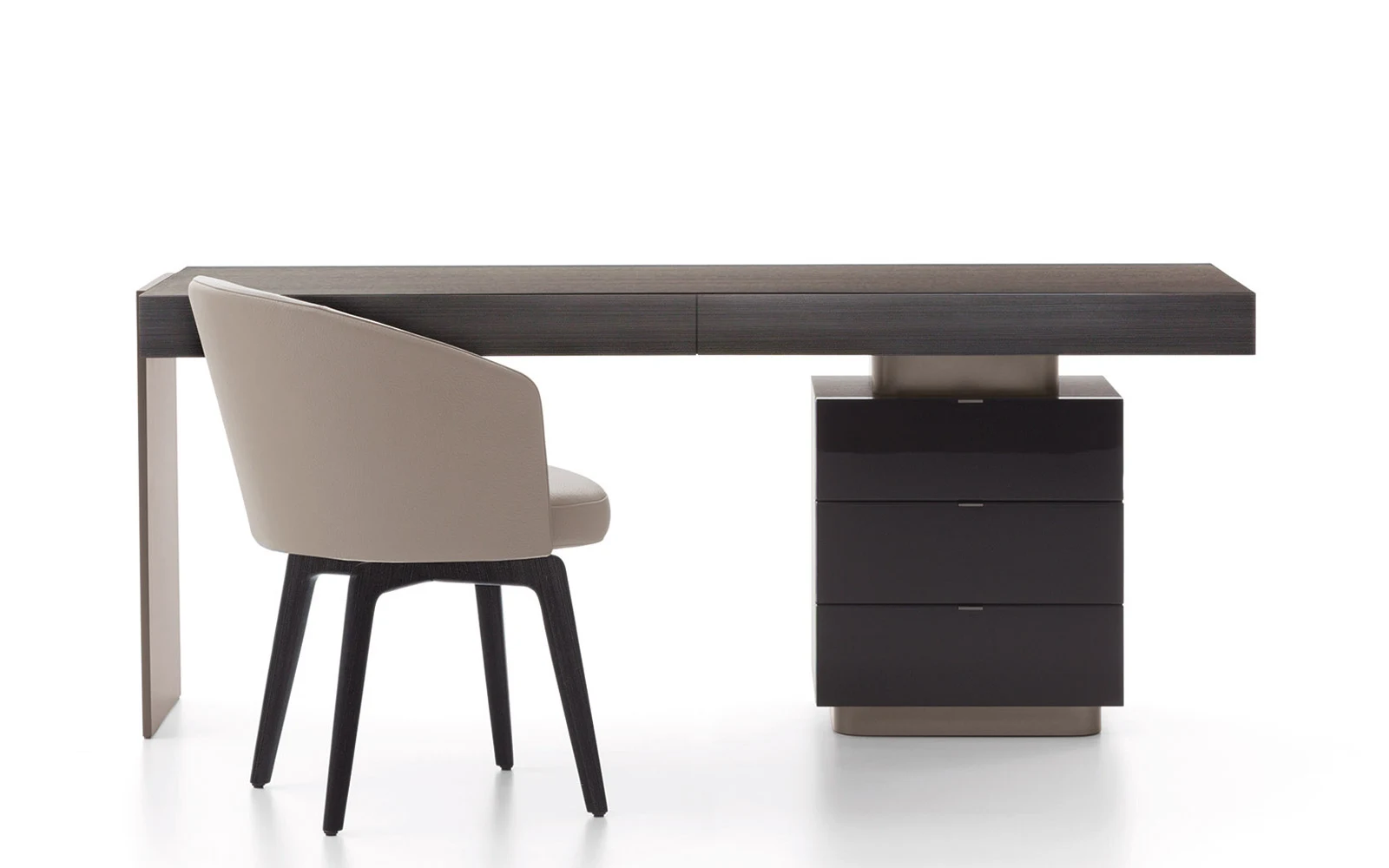
Carson Writing Desk
A practical writing desk with oak-veneered drawers and bronze-finished aluminium sides.