
Image source: Walter Knoll — Foster 620 Bench
© Walter Knoll and the respective rights holders. Quoted to accompany INTEBEE's independent design commentary and research.
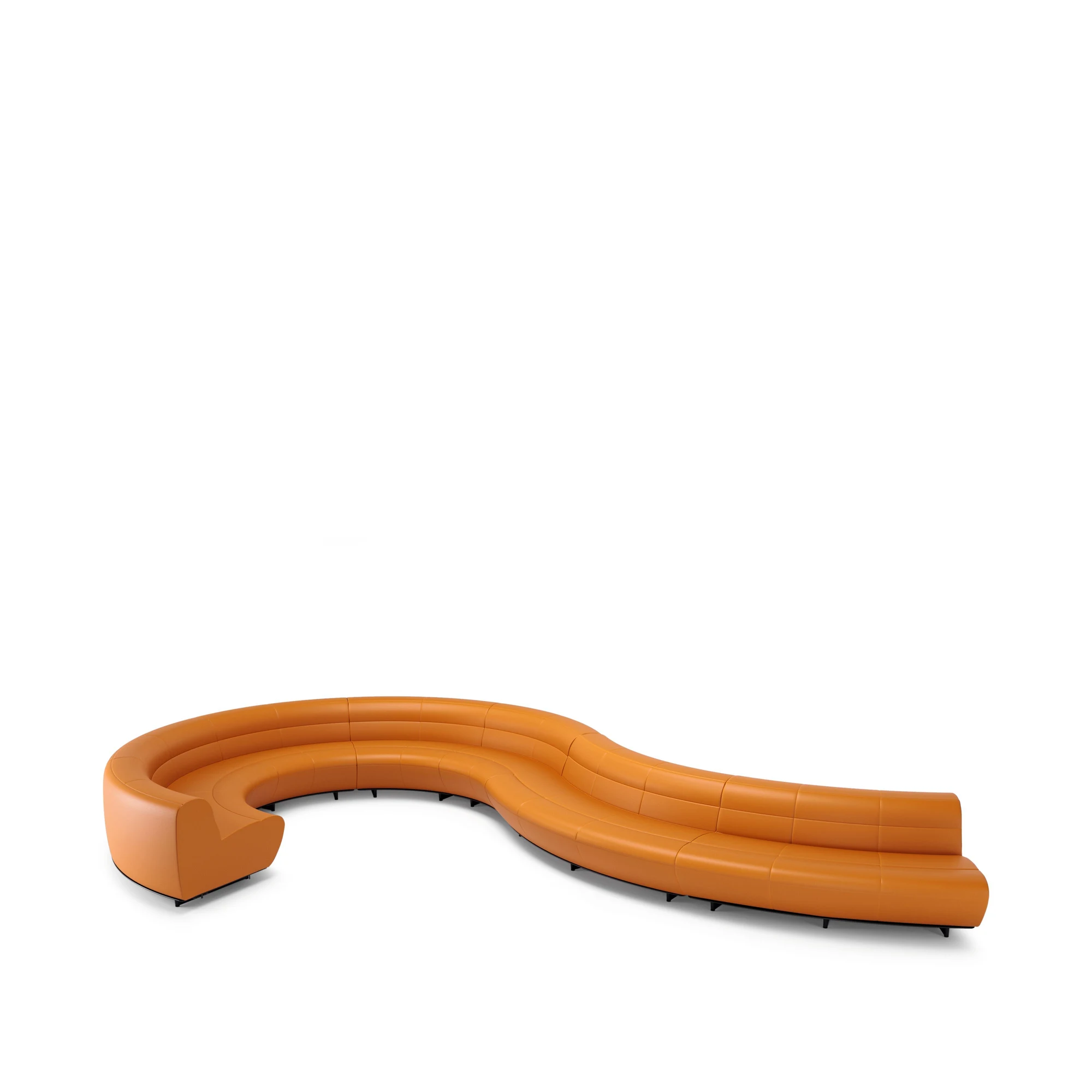
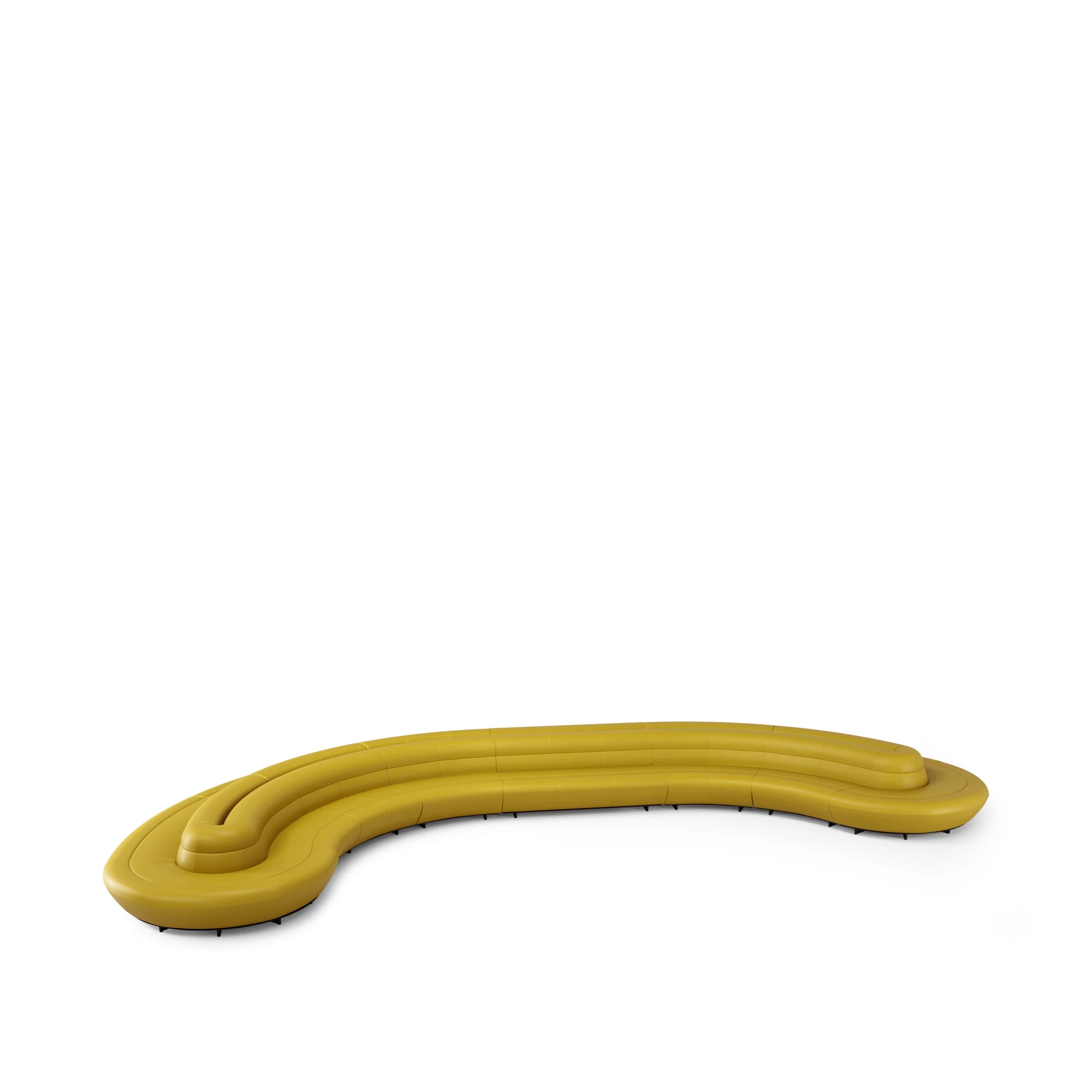
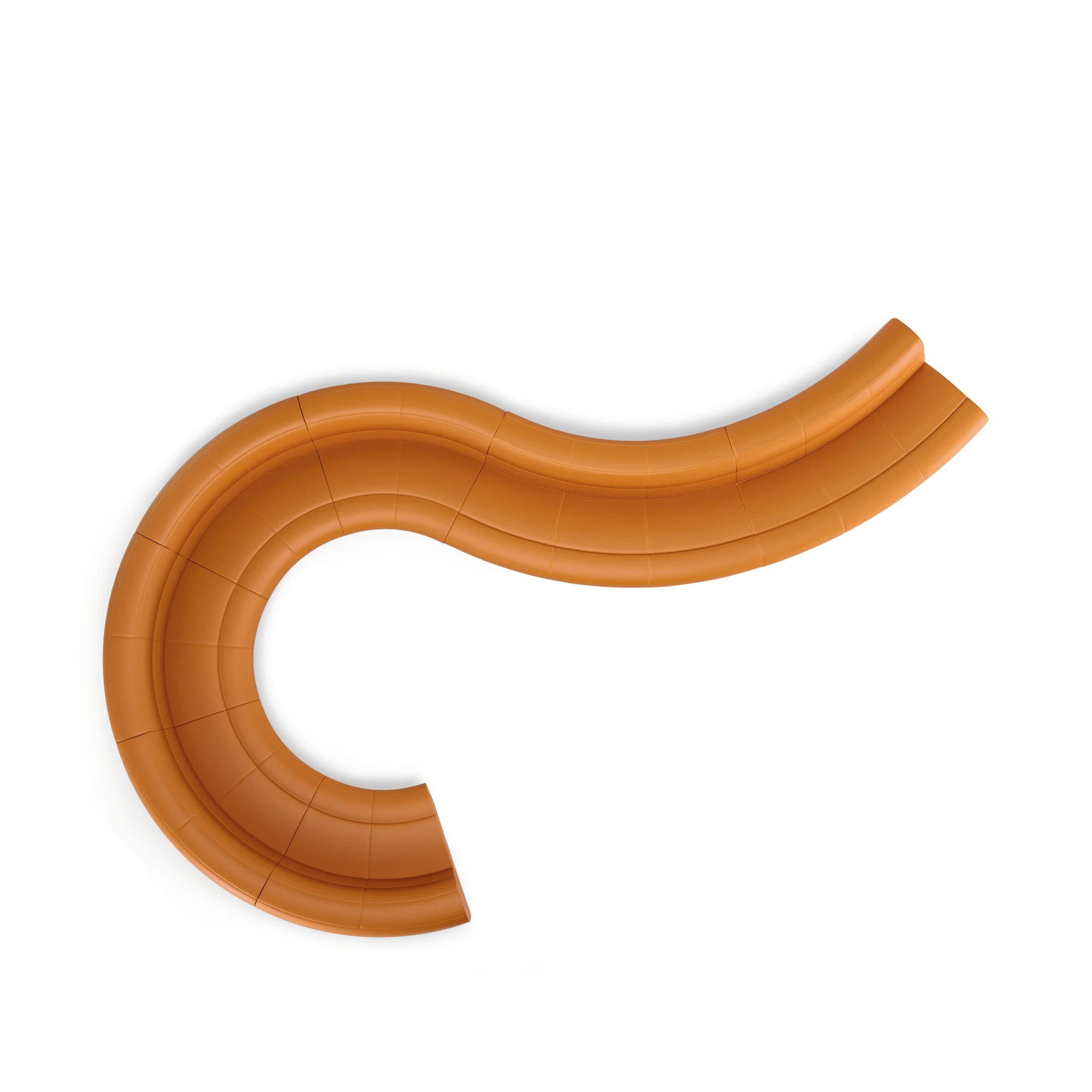
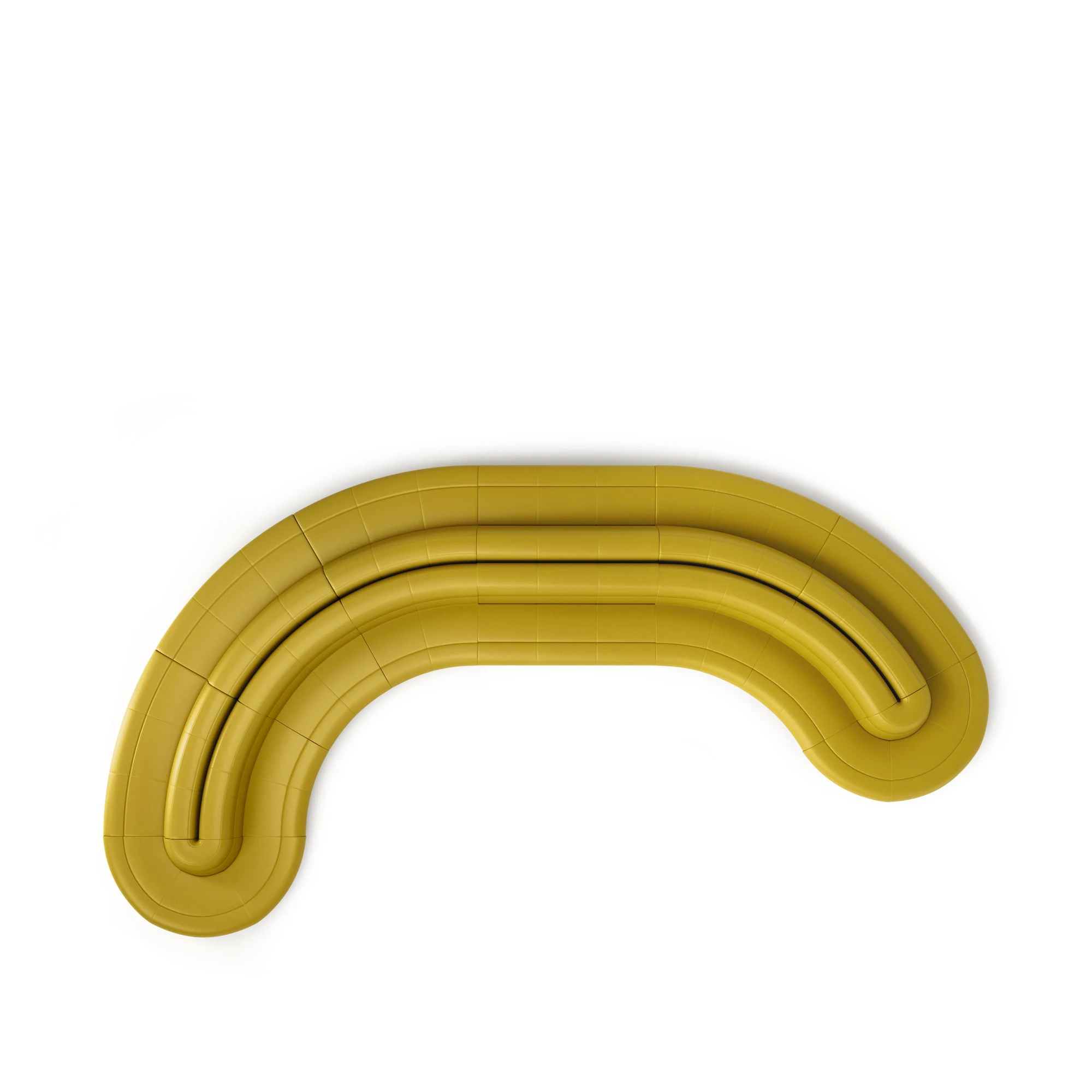
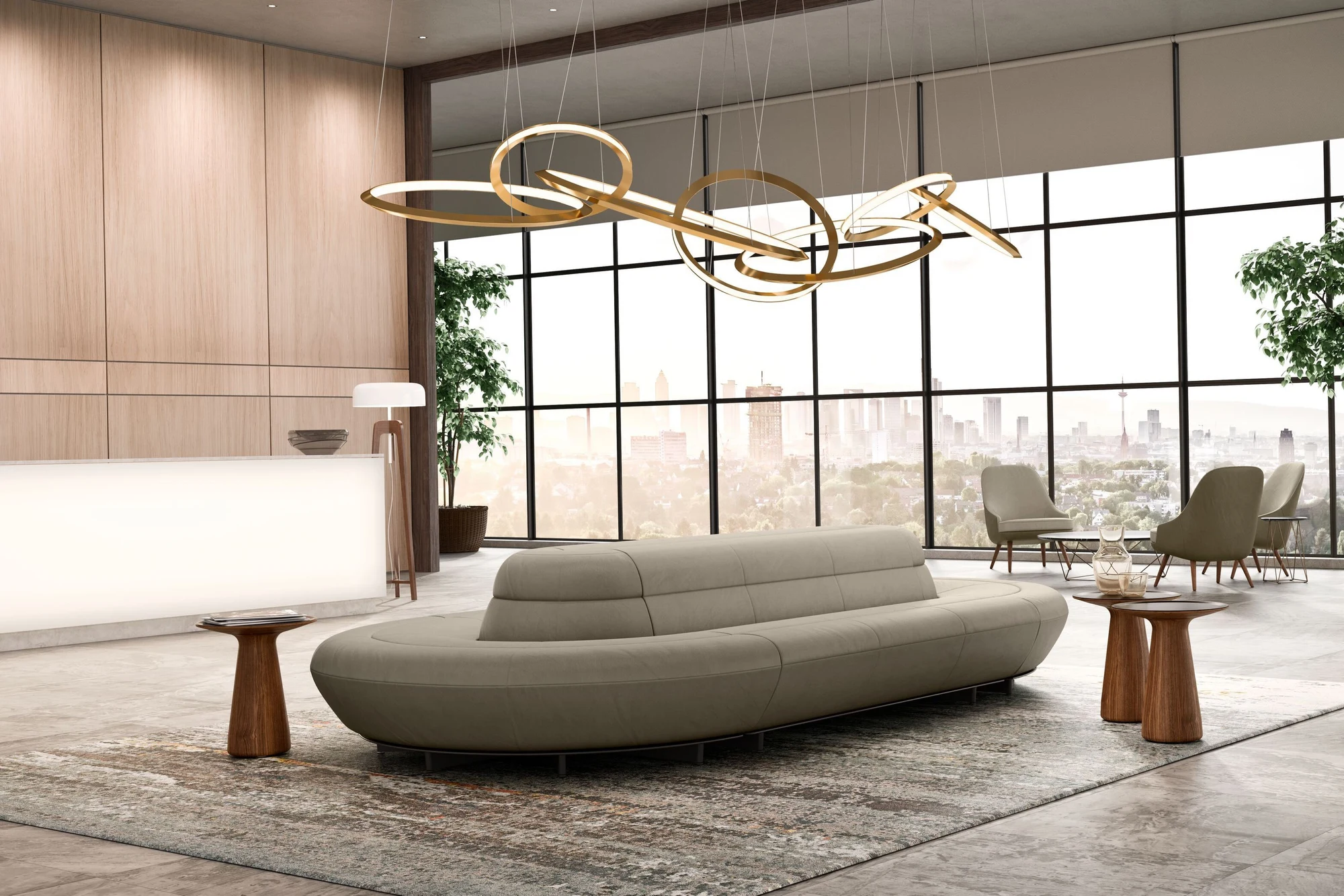
Foster 620 Bench
Modular upholstered bench by Norman Foster; six seating sections form straight or curved layouts.


Official product information
INTEBEE AI PUBLIC LIBRARY is an independent furniture design research and discovery platform. Product specifications, finishes, availability and other details may change. For current and definitive information, please refer to the manufacturer's official website.
Go to the official product pageSpecifying Foster 620 Bench for your design project?
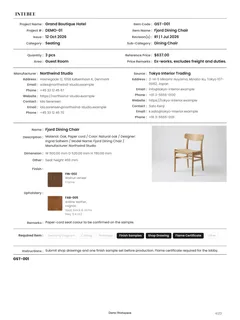
INTEBEE is the FF&E specification platform for interior designers: spec sheets, finishes, floor plans and client-ready PDFs in one place.
Description
Overview
The Foster 620 Bench by Norman Foster is a modular bench system for sculptural seating, built from six upholstered units. The units are arranged as straight, narrow, wide, S-curve or hairpin-curve runs.
Construction
The structure is wood, and the seat and back are upholstered in cold cure foam in a sandwich construction. The base consists of beech blades painted black. An ingenious connection system joins the benches side panel to side panel or back to back.
Specifications
- Frame: wood
- Base: beech blades, painted black
- Upholstery: cold cure foam, sandwich construction
Story
One question: how does furniture steer movement
Norman Foster developed the Foster 620 around two questions: how architecture can be accompanied by furniture, and how a piece of furniture can manage the flow of human movement. The bench is meant to bring people together in conversation and to offer a single place for moments of concentration. Its curved units give two views, one inward and one outward.
Six sections and blade-like legs
Every unit has a compact backrest and a generous seat area, and it rests on blade-like, almost invisible feet. Long decorative seams and gathered upholstery underline the design. The bench was used for the first time in London, in the European headquarters of the Bloomberg media group.
More by Norman Foster
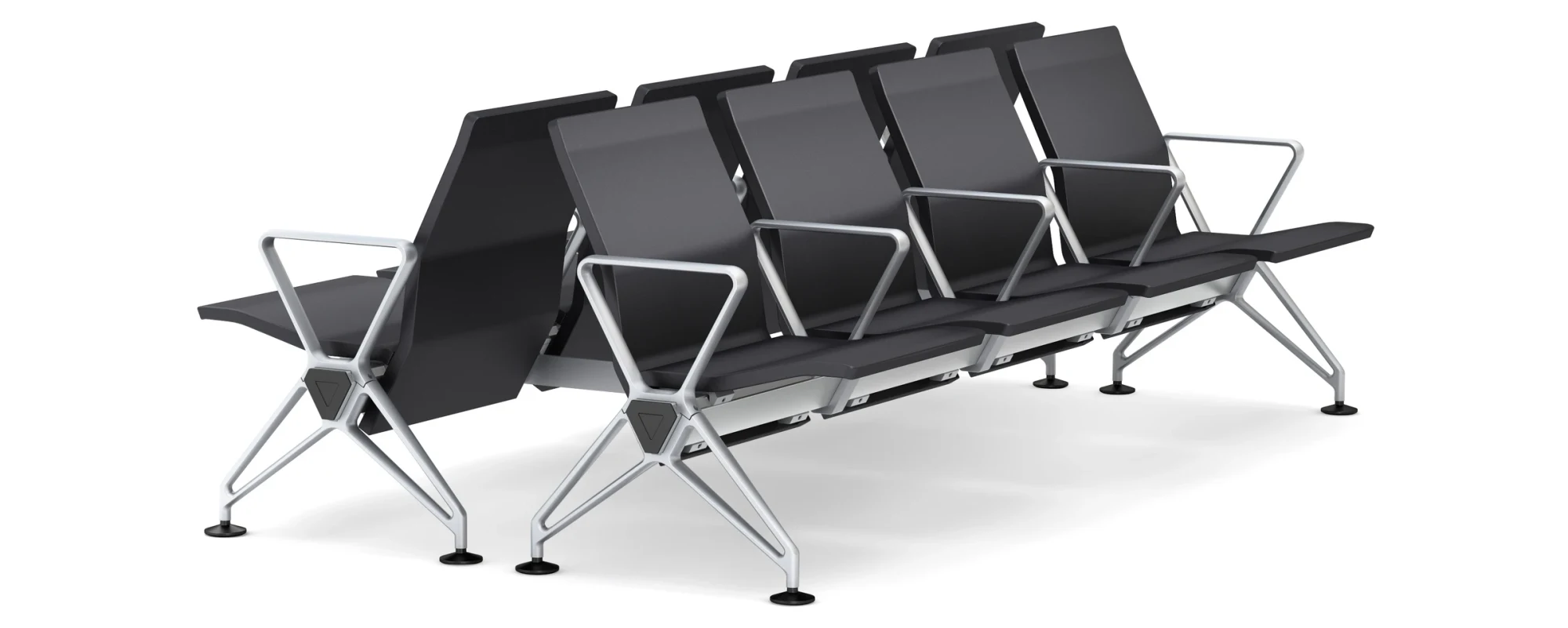
Airline
Norman Foster's 1998 beam-seating system for durable, reconfigurable waiting areas
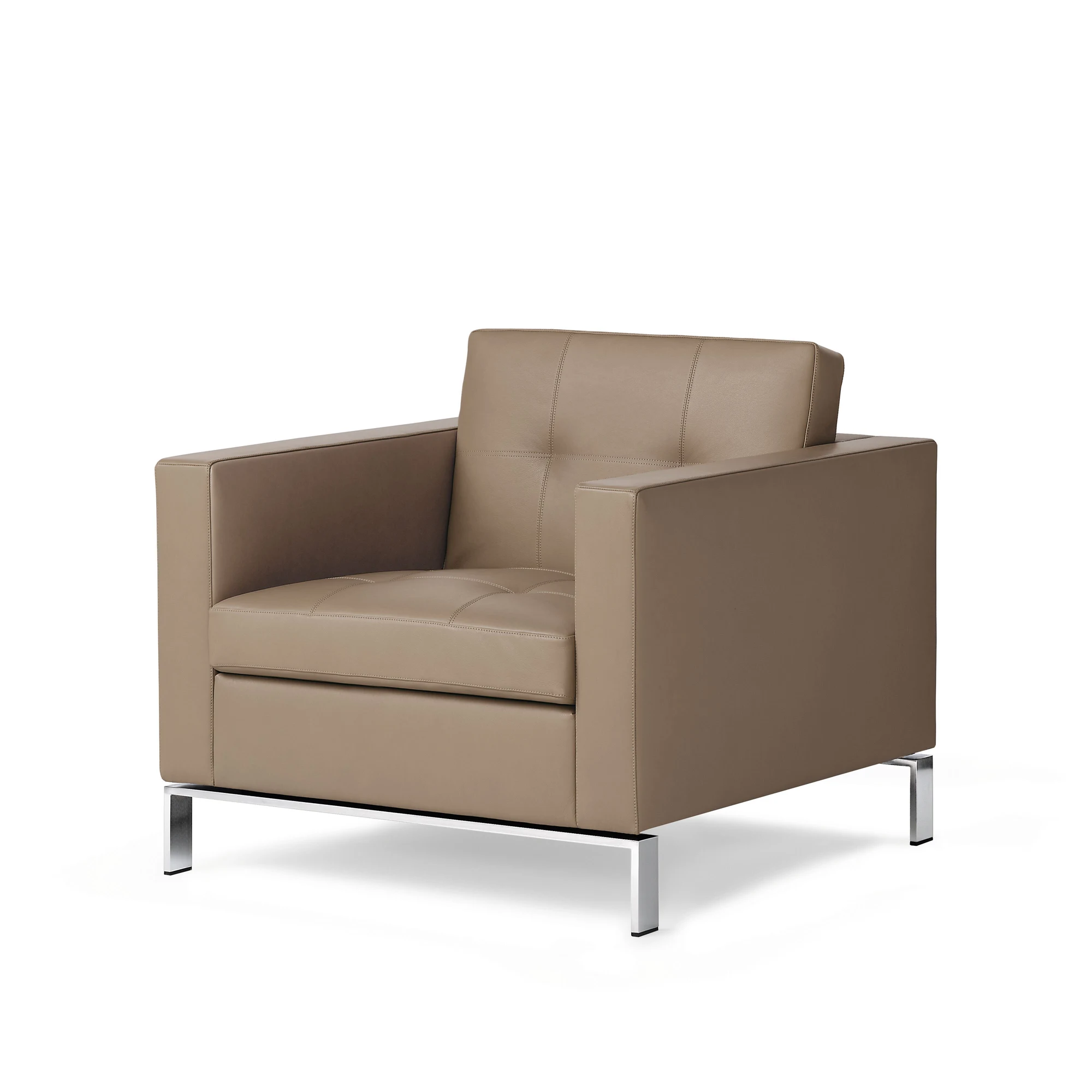
Foster 502 Armchair
Leather armchair with quilted loose cushions and a decorative seam, on a steel base.
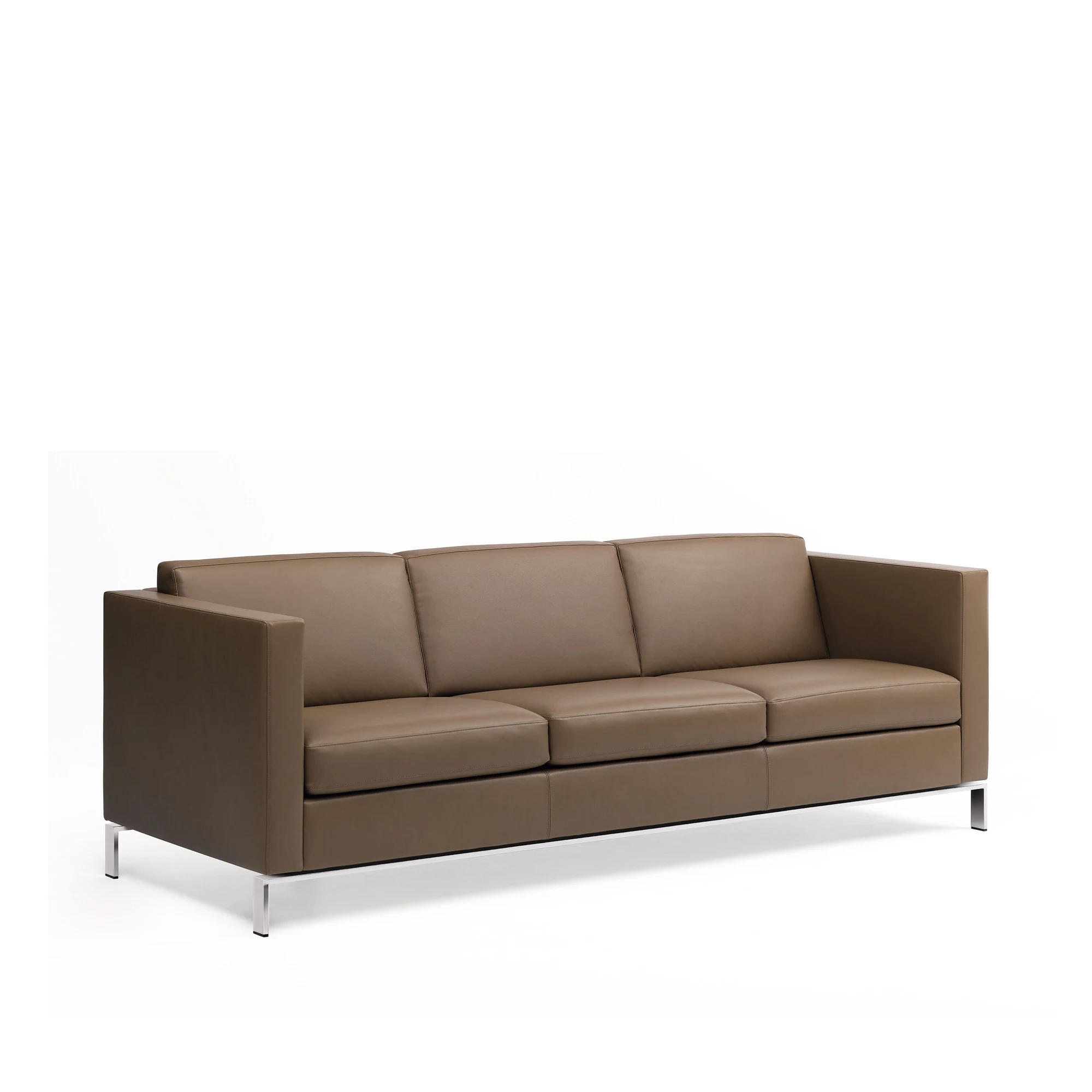
Foster 500 Sofa
Foster 500 Sofa by Norman Foster, with leather surfaces above a rigid chrome frame.
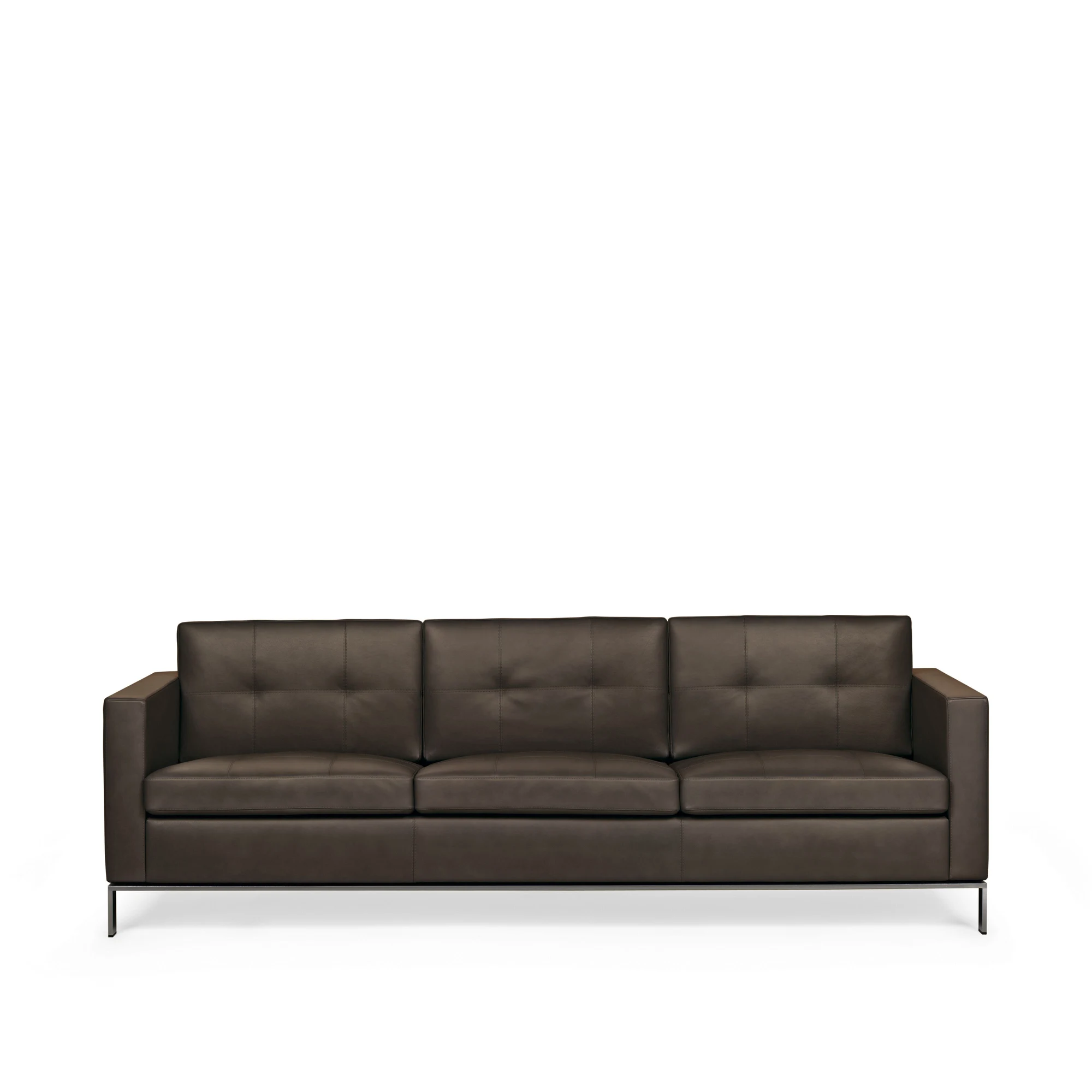
Foster 502 Sofa
Leather sofa by Norman Foster with quilted loose cushions, visible decorative seams and steel legs.