
D4 Folding Armchair
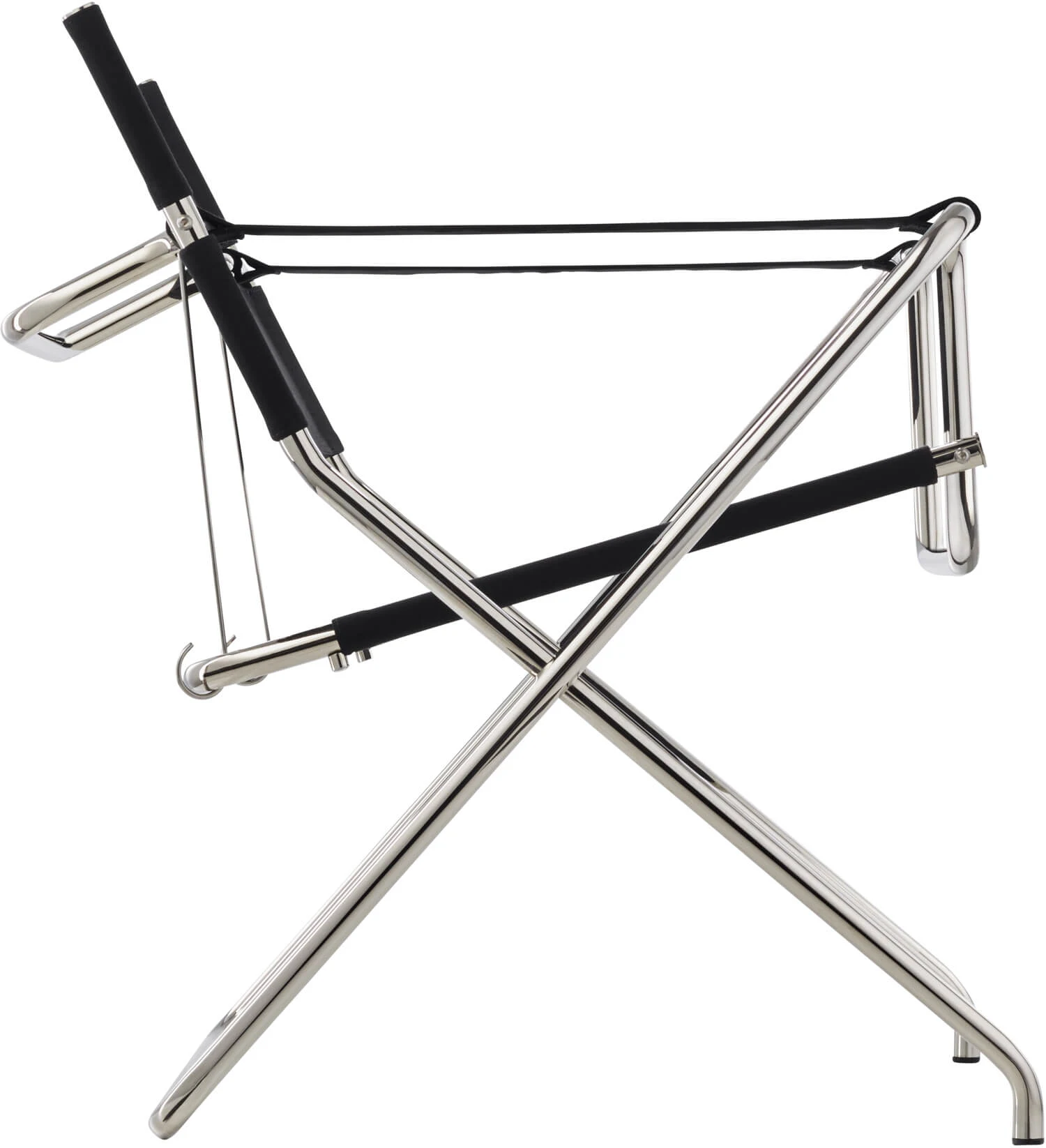
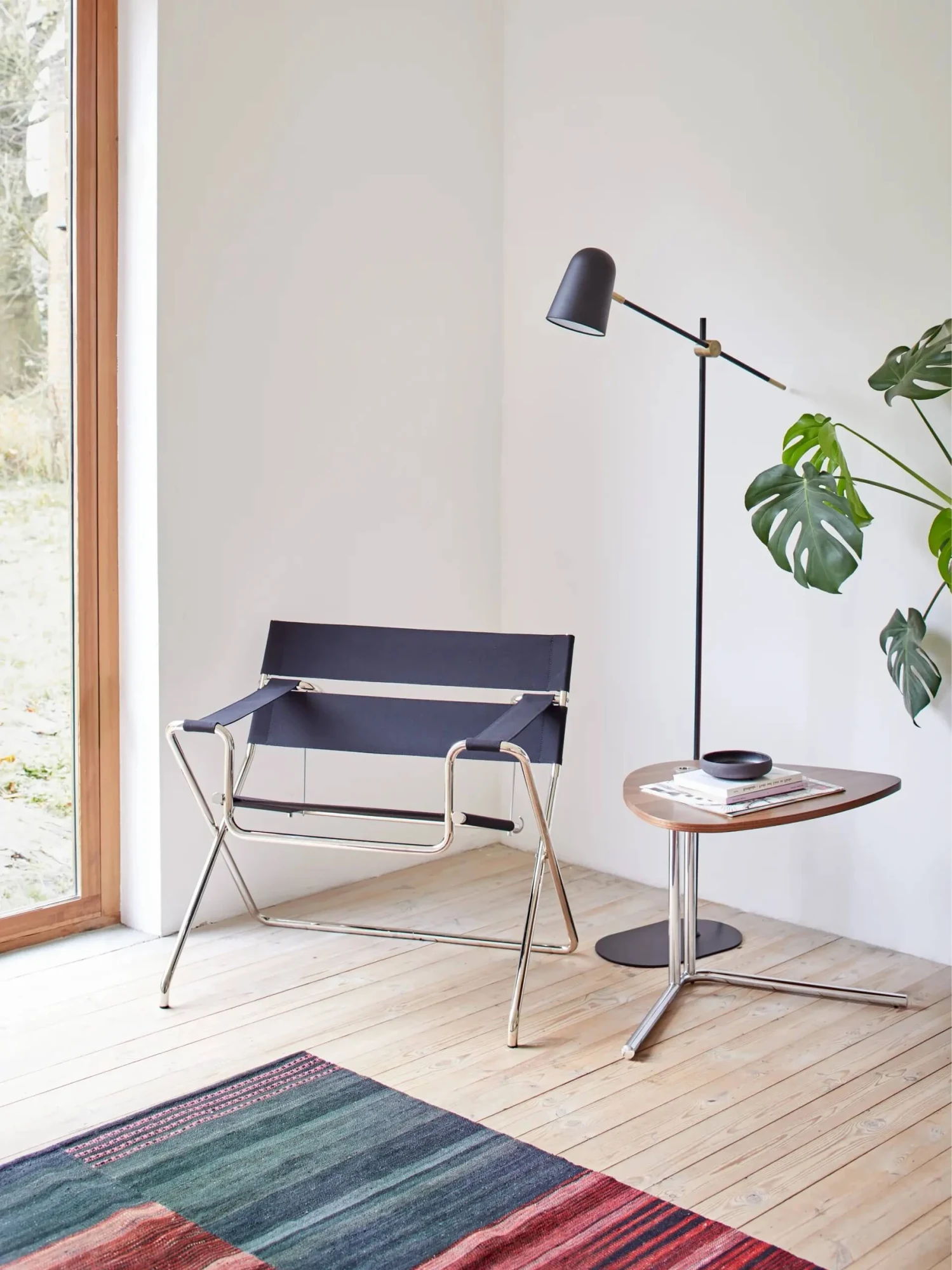
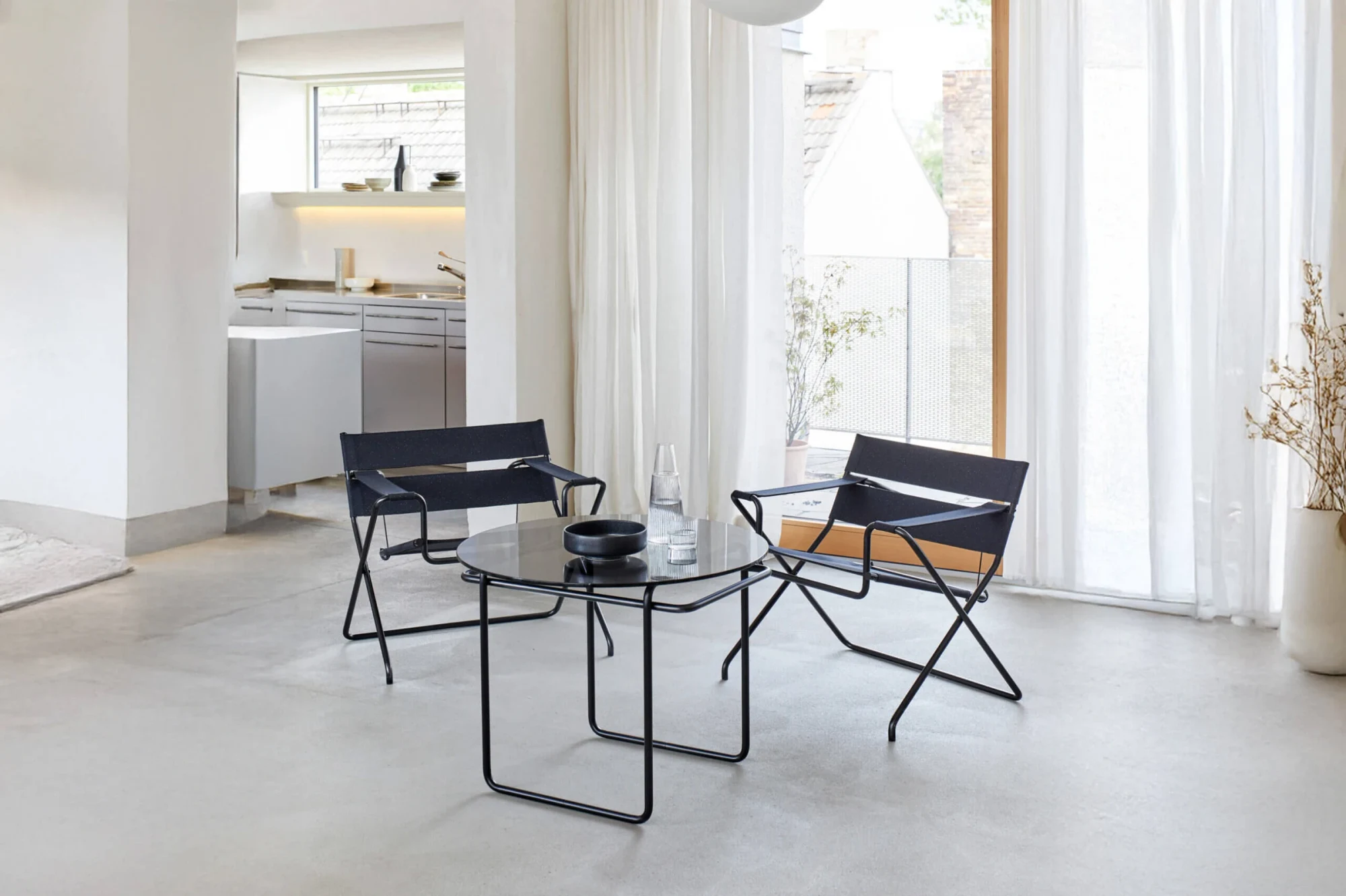
Marcel Breuer's collapsible tubular steel armchair of 1926/27, a Tecta Bauhaus Original.


780 × 710 × 610 mm
Source: technical drawing image — D4 folding armchair (standard) — published as W 78 × D 61 × H 71 cm
1927
EUR 1,890 incl. VAT, D4 folding armchair, nickel-plated tube frame, Bauhaus strap, shop.tecta.de (Germany), 2026-10-13
Description
Overview
The D4 (formerly B4) is Marcel Breuer's collapsible tubular steel lounge chair with straps, created in 1926/27. Breuer's first tubular steel catalogue advertised it as "particularly suitable" for ships and sports grounds as well as for patios, summer houses, gardens and garden cafés, and Tecta's page adds that it can be folded, stowed away and easily transported. Tecta lists the D4 as a Bauhaus Original dated 1927; it says only reeditions licensed through the Bauhaus Archive in Berlin carry Oskar Schlemmer's signet.
Construction
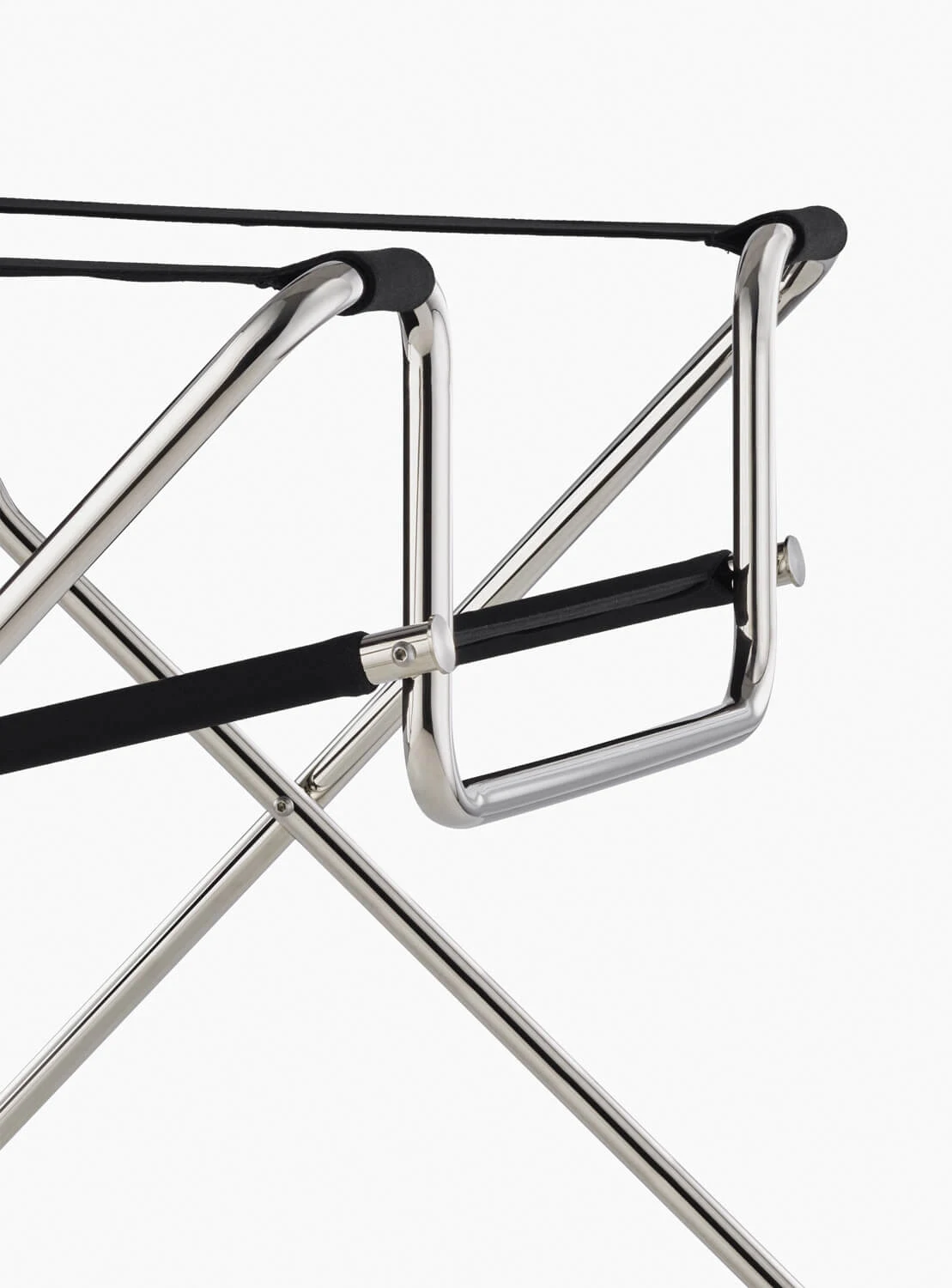
Tecta's page says that, through more economical use of tubular steel and the elimination of the lateral seat straps, the D4 consumed less material while giving the sitter much greater comfort. The shop version has a nickel-plated tubular steel frame (German: Stahlrohr vernickelt) with Bauhaus strap covers in pink, black, red or taupe. The configurator lists Fabric I (Kavallerie-Tuch, Celia, Dama), Fabric II (Hallingdal 65, Divina Melange 3, Vidar 4, ARCO) and Leather I, II and III.
Specifications
- Dimensions: W 78 × D 61 × H 71 cm, seat height 44 cm
- Frame: tubular steel (nickel-plated, shop version)
- Covers: Bauhaus strap; Fabric I and II; Leather I-III
- Folding: the chair can be folded, stowed away and transported
Story
From the Wassily chair to the folding chair
Tecta reports that Breuer regarded the D4 as the end of a "genetic-constructive" line: first the four-legged Wassily chair, then a version with runners from the Junkers Aircraft Factory, and finally the folding chair. In 1980 the D4 was added to the permanent collection of the Museum of Modern Art, New York.
The D4 at Tecta
Tecta's history with the D4 began in the mid-1970s, when Axel Bruchhäuser, researching, found Breuer's initial designs and contacted him; he told Breuer the folding chair was much more beautiful than the version with runners and had to be produced. Breuer replied: "The resurfacing of this chair is like an old forgotten dream." A unique specimen of the first armchair, with Peter Keler's horsehair fabric, is in the Cantilever Chair Museum in Lauenförde.
More by Marcel Breuer
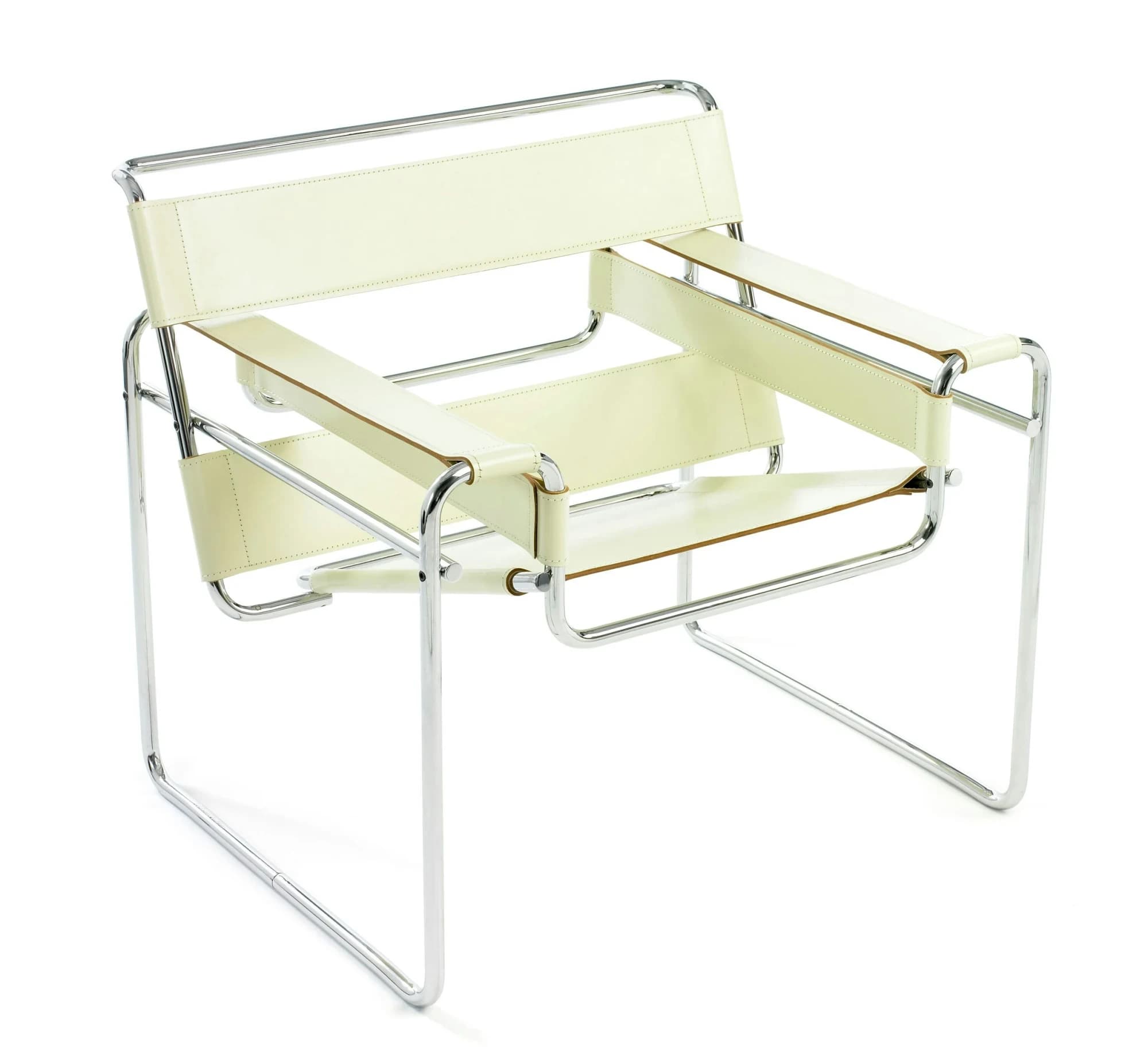
Wassily Chair
Marcel Breuer's 1925 Bauhaus club chair of tubular steel and leather or canvas slings
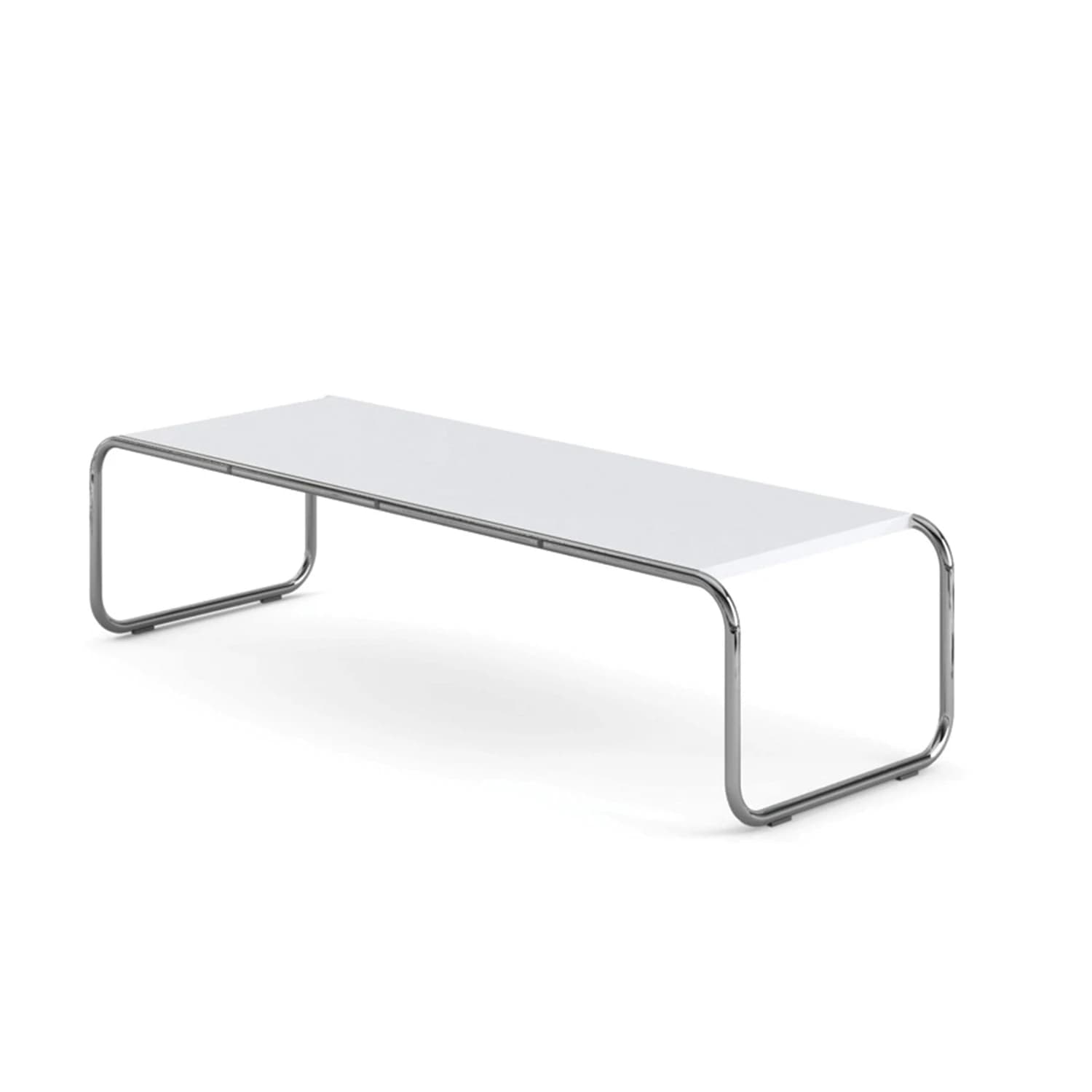
Laccio Coffee Table
Marcel Breuer's nesting coffee table: tubular steel loops under a laminate or marble top
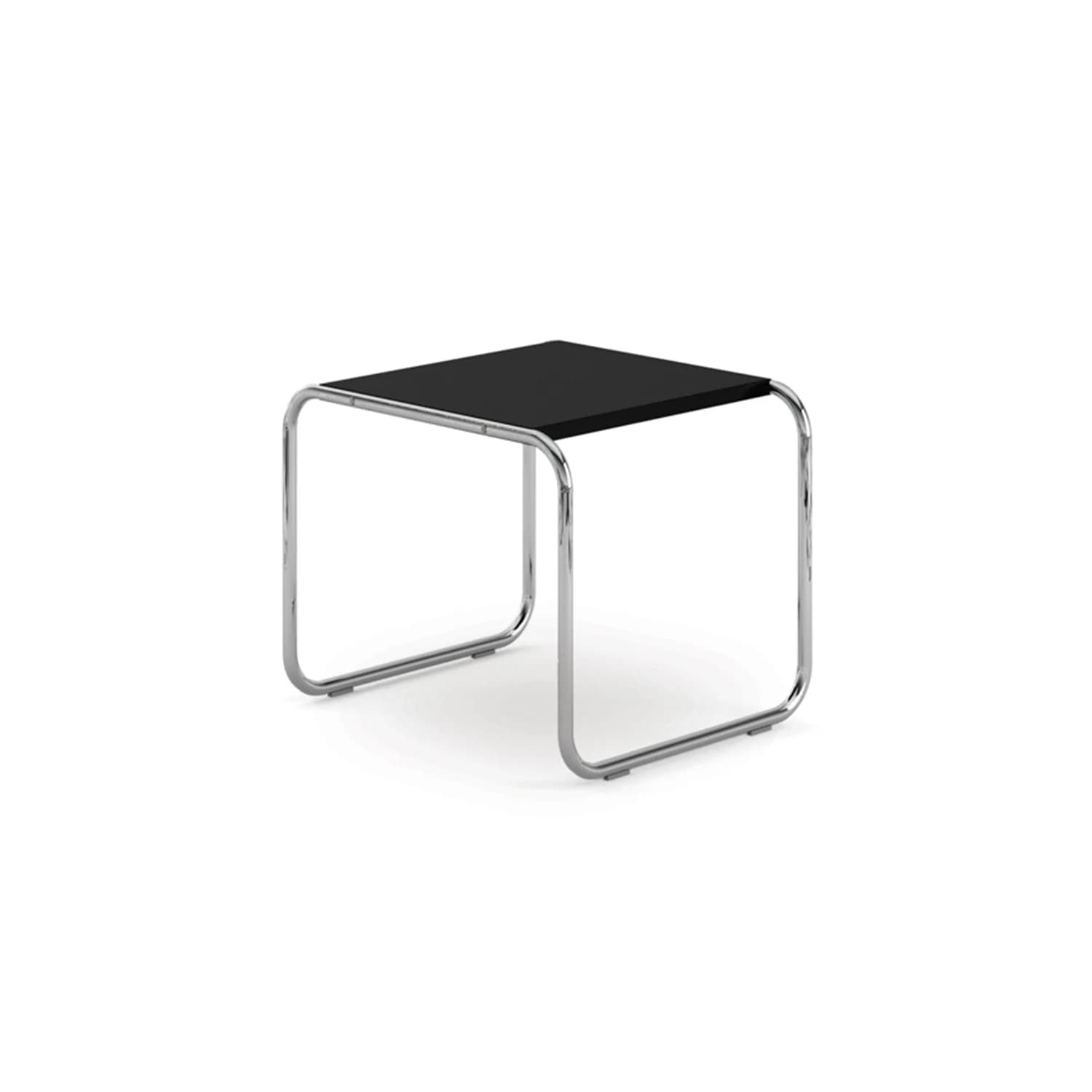
Laccio Side Table
Marcel Breuer's small Laccio table: a tubular steel loop frame that nests over the coffee table
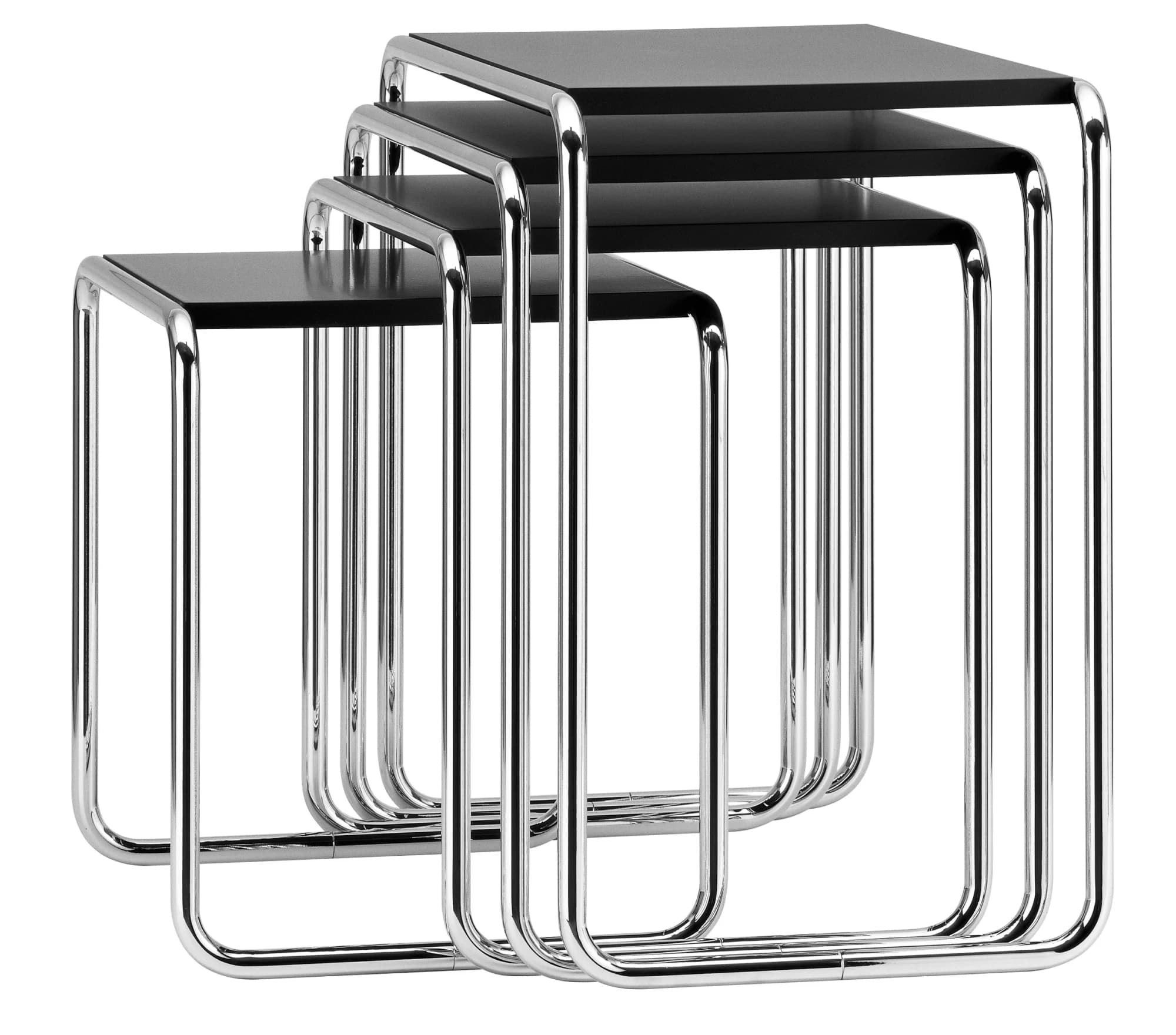
B 9 Set Tables
Marcel Breuer's four-piece nesting tables of 1925/26: chrome-plated tubular steel, flat panels.