
Image source: Cassina — Bramante Storage Unit
© Cassina and the respective rights holders. Quoted to accompany INTEBEE's independent design commentary and research.
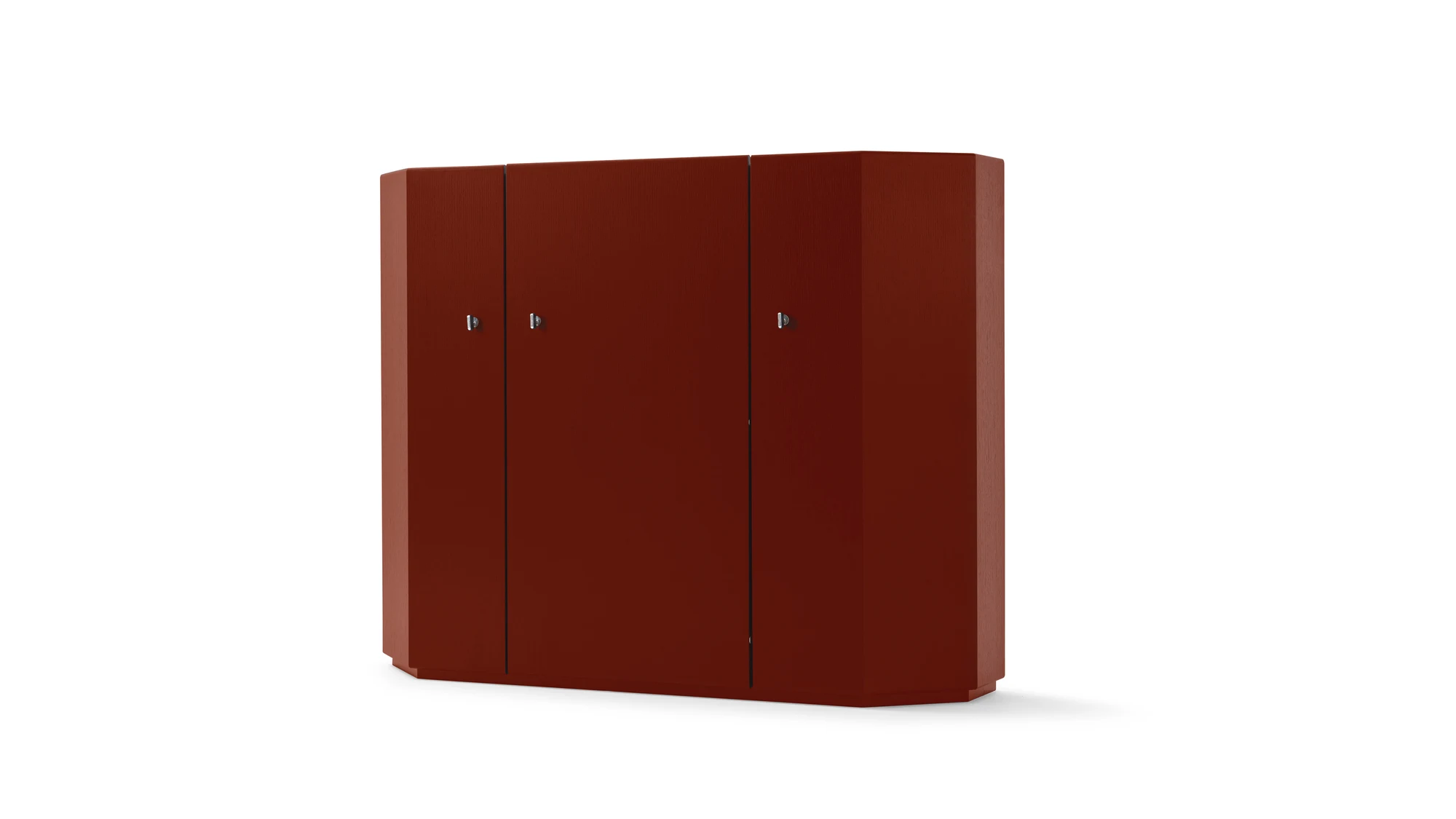
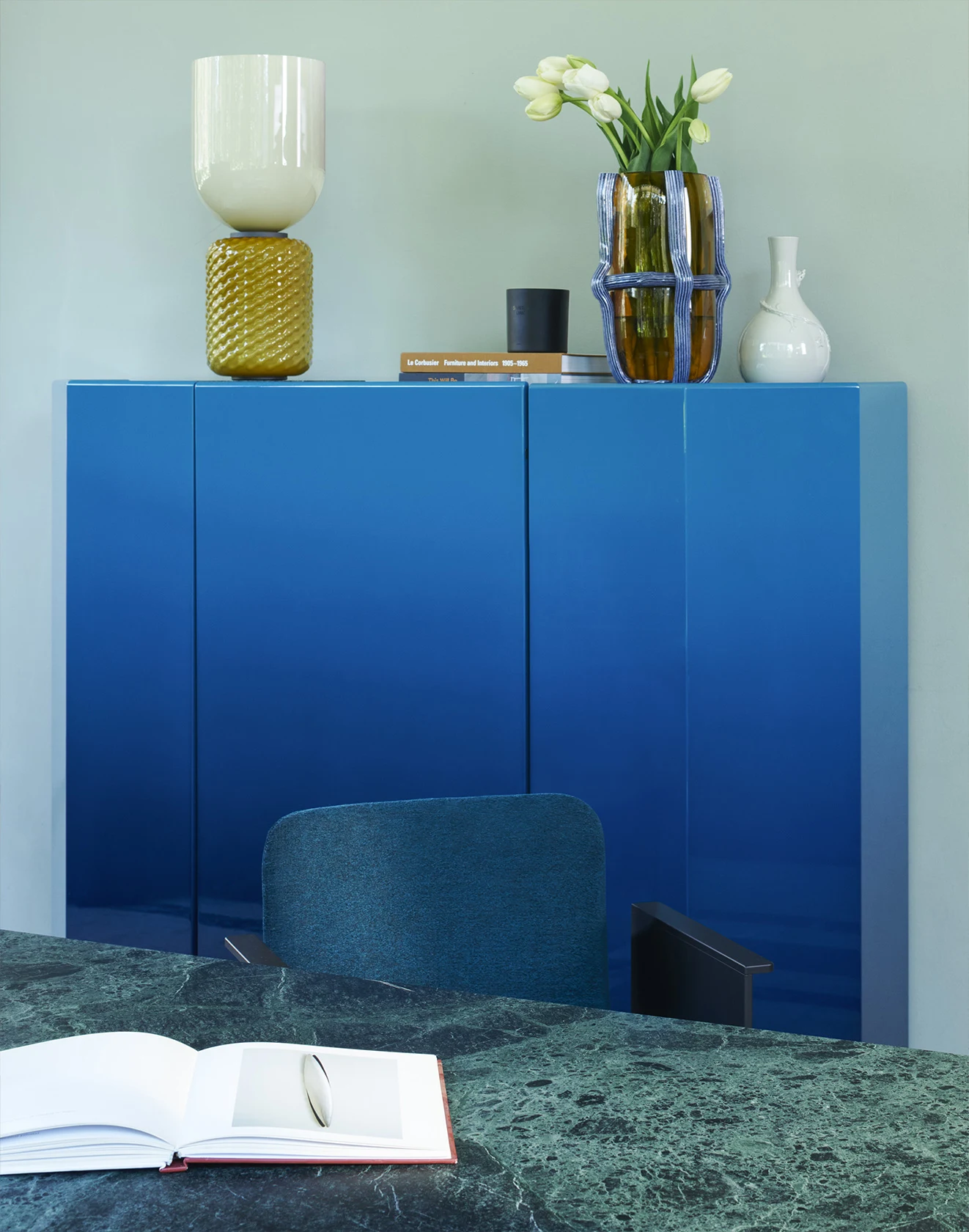
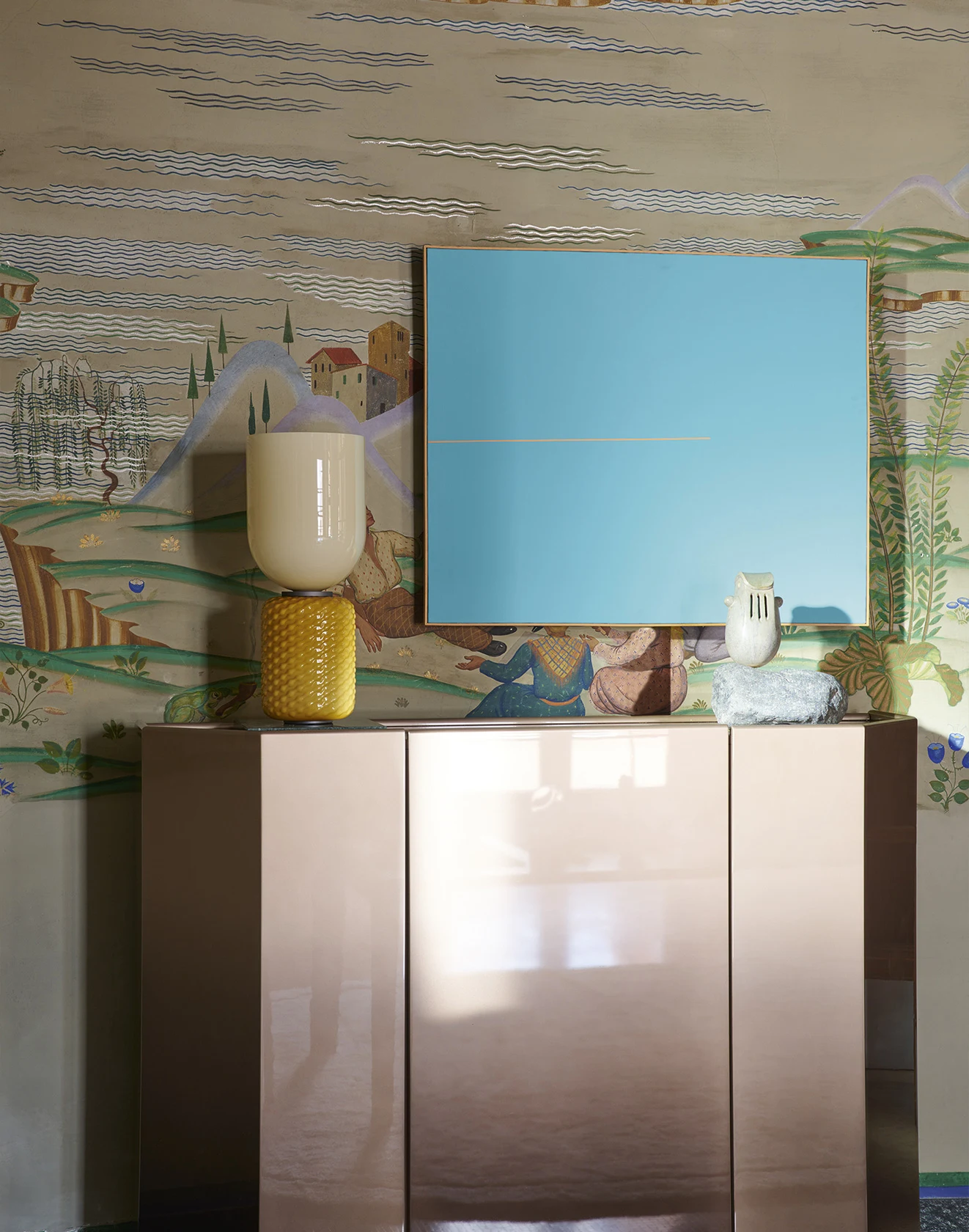
Bramante Storage Unit
Bramante: Kazuhide Takahama's lacquered storage cabinet for Cassina, finished in many coats.


1000 × 1320 × 440 mm
1974
Official product information
INTEBEE AI PUBLIC LIBRARY is an independent furniture design research and discovery platform. Product specifications, finishes, availability and other details may change. For current and definitive information, please refer to the manufacturer's official website.
Go to the official product pageDescription
Overview
Bramante is a lacquered storage cabinet by Kazuhide Takahama, dated 1974 on the Cassina Living sheet. Cassina presents it as the emblem of the Ultrarazionale collection and the iconic symbol of its SimonCollezione.
Construction
- Sides, back, base and shelves: particleboard with ash veneer and edges.
- Doors: medium-density fibreboard (MDF), polyester-based paint and polish finish.
- Drawers: veneered particleboard front.
- Lock and hardware: brass or aluminium lock, chrome-plated steel hinges, turned metal handles.
Specifications
- 1000 x 440 x 1320 mm for Bramante 2, W51 02L (axes not labelled on the drawing).
Story
Lacquer for industrial production
Cassina describes Bramante as a storage unit with modern lines, although of classical inspiration. It calls it the emblem of the Ultrarazionale collection, where an ancient lacquering technique is customized for industrial-level manufacturing.
Takahama and the ancient art of lacquer
On the product page, Takahama projects a deep relationship with the past onto sleek uncluttered lines, recalling the ancient art of lacquer finishes. The sheet dates the design to 1974-75 and gives 2013 as the production year.
More by Kazuhide Takahama
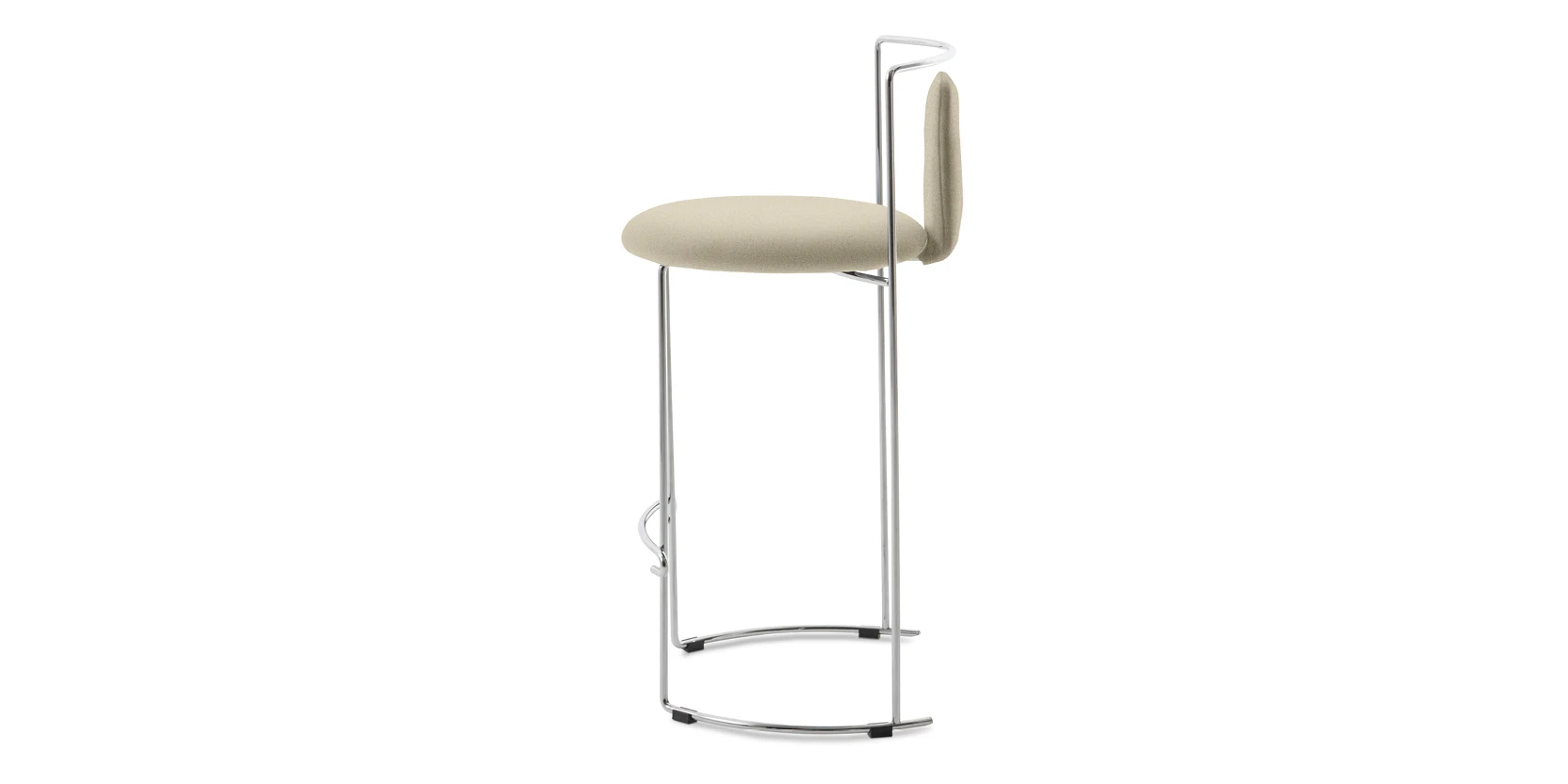
Gaja Bar Stool
Kazuhide Takahama's stackable Gaja Bar Stool with a tubular metal frame and upholstered back option.
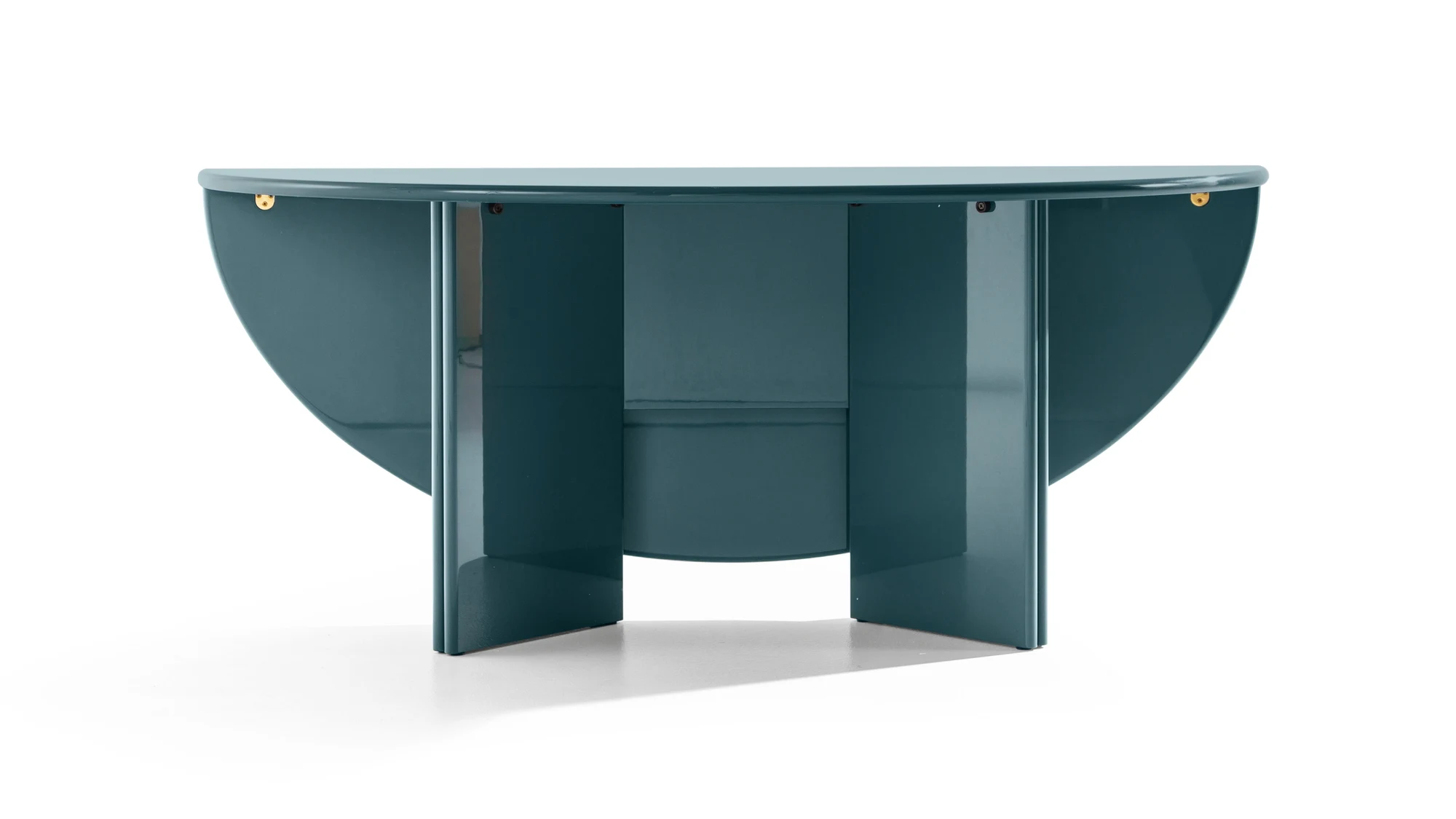
Antella Table
Kazuhide Takahama's 2013 Antella changes from a wall console into an oval table.
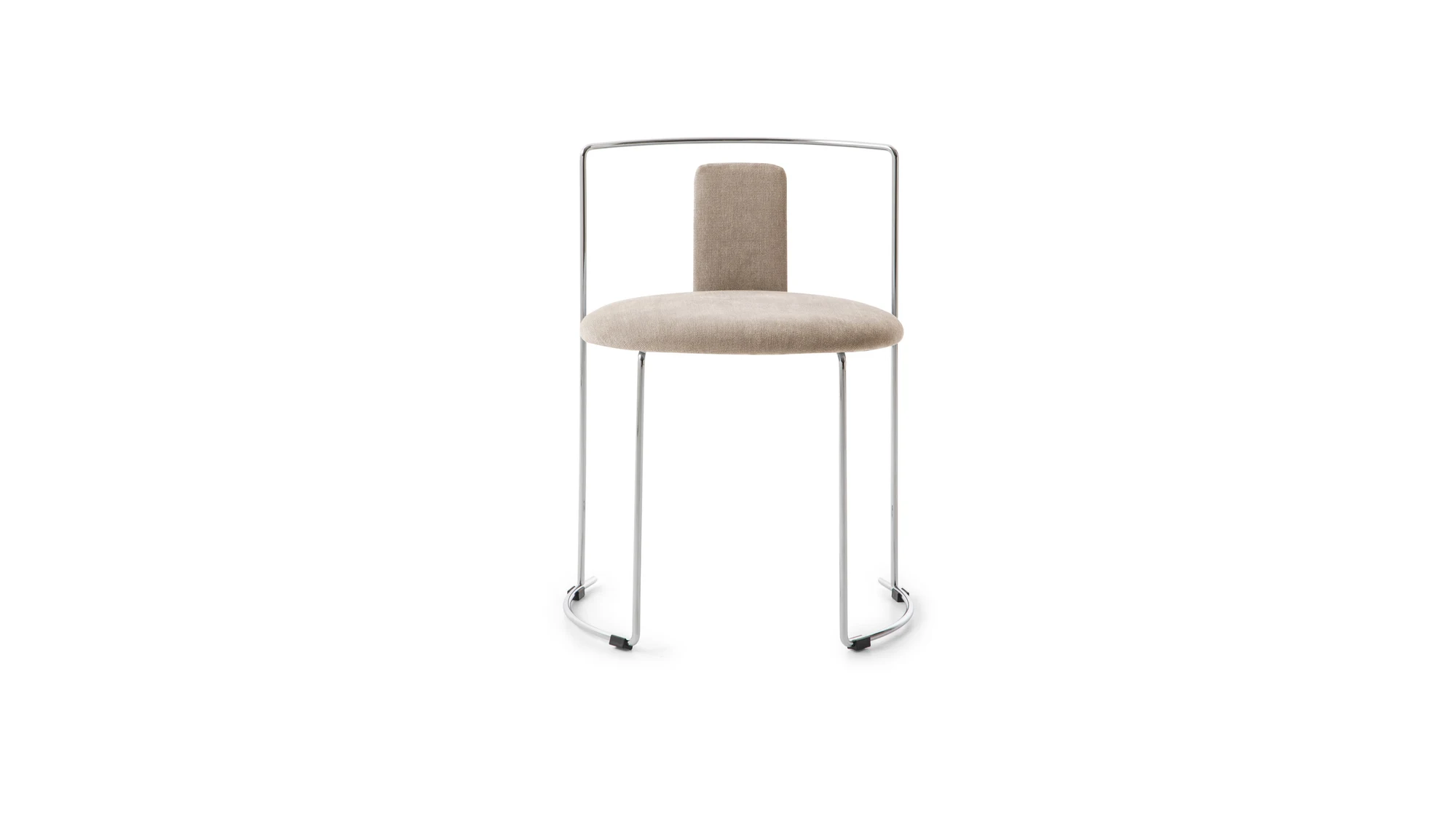
Gaja Chair
Gaja Chair: Kazuhide Takahama's 1974 stackable steel-rod chair, produced by Cassina.
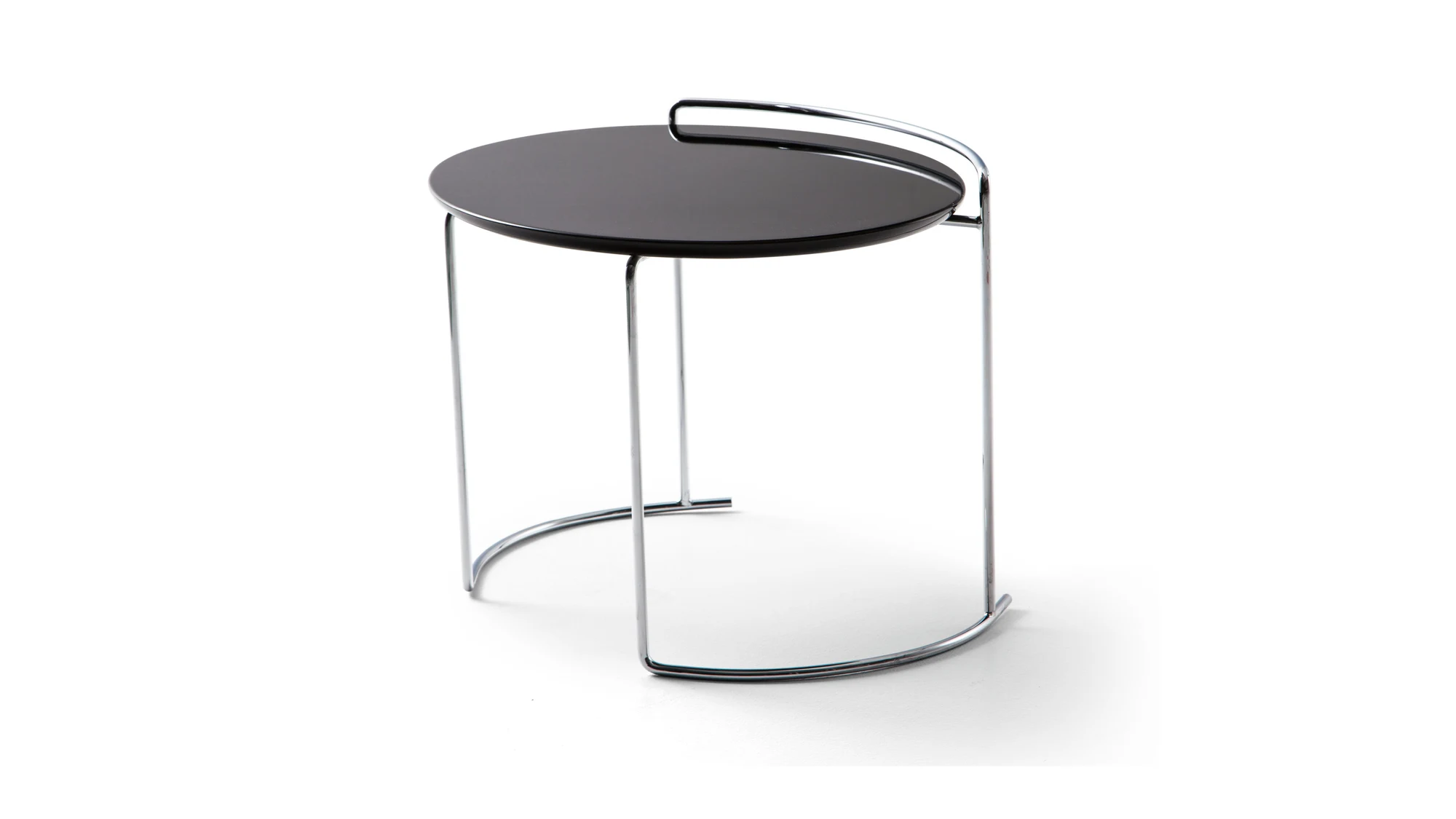
Djuna Low Table
Djuna Low Table: Kazuhide Takahama's 1983 elliptical-top table for Cassina, for Djuna Barnes.