
Image source: Cassina — 684 Armchair
© Cassina and the respective rights holders. Quoted to accompany INTEBEE's independent design commentary and research.
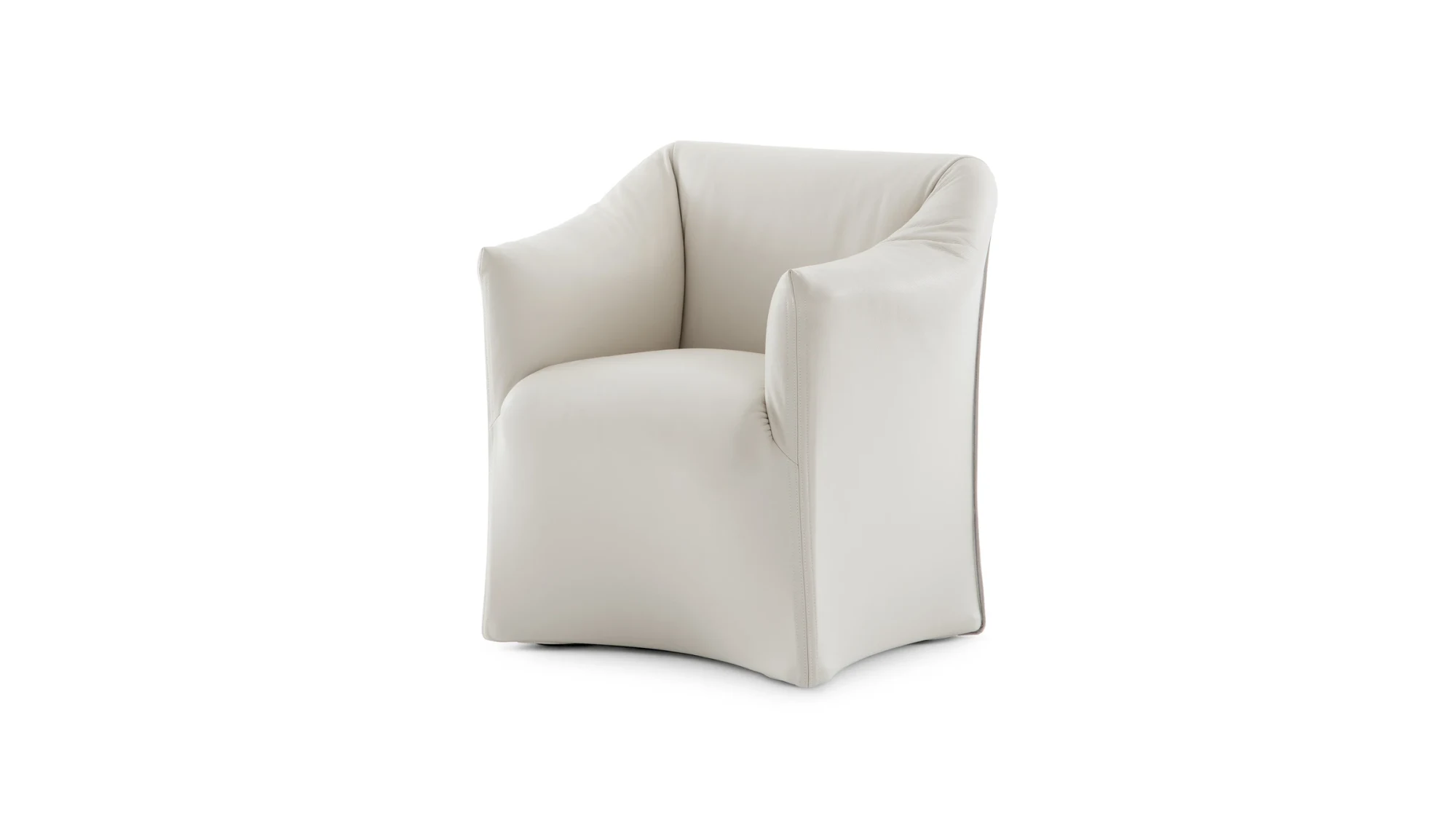
684 Armchair
Soft upholstered armchair by Mario Bellini, 1973, with optional casters; Cassina.


810 × 830 × 660 mm
1973
Official product information
INTEBEE AI PUBLIC LIBRARY is an independent furniture design research and discovery platform. Product specifications, finishes, availability and other details may change. For current and definitive information, please refer to the manufacturer's official website.
Go to the official product pageSpecifying 684 Armchair for your design project?
INTEBEE is the FF&E specification platform for interior designers: spec sheets, finishes, floor plans and client-ready PDFs in one place.
Description
Overview
The 684 is a soft upholstered armchair by Mario Bellini for Cassina, dated 1973 on the page and the product sheet. The page says it has optional casters and an "authentic style", for the dining room or living room.
Construction
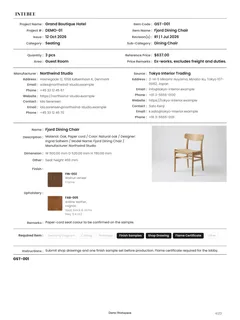
The page gives polyurethane foam and polyester batting padding on a tubular steel structure with elastic webbing. The sheet names a steel rod frame with elastic bands, a black moulded thermoplastic base, polyurethane foam, polyester fibre wadding with light velvet, and quilted fabric or quilted leather.
Specifications
- Overall: 81 cm wide, 66 cm deep, 83 cm high (drawing)
- Fabrics: 13 ranges, 143 colours
- Leathers: 5 ranges, 58 colours
Story
Le Tentazioni
The sheet traces the 684 back to Le Tentazioni, a first design from 1973 that aimed to offer a different answer to the traditional armchair, with its stiff seat and upright lines.
Upholstery and frame
In the original, the sheet explains, the upholstery does more than wrap the frame: the way the fabric drapes reflects how closely the covering and the frame depend on each other. Constructional techniques have since evolved, and the 684 is the latest iteration named on the sheet.
More by Mario Bellini
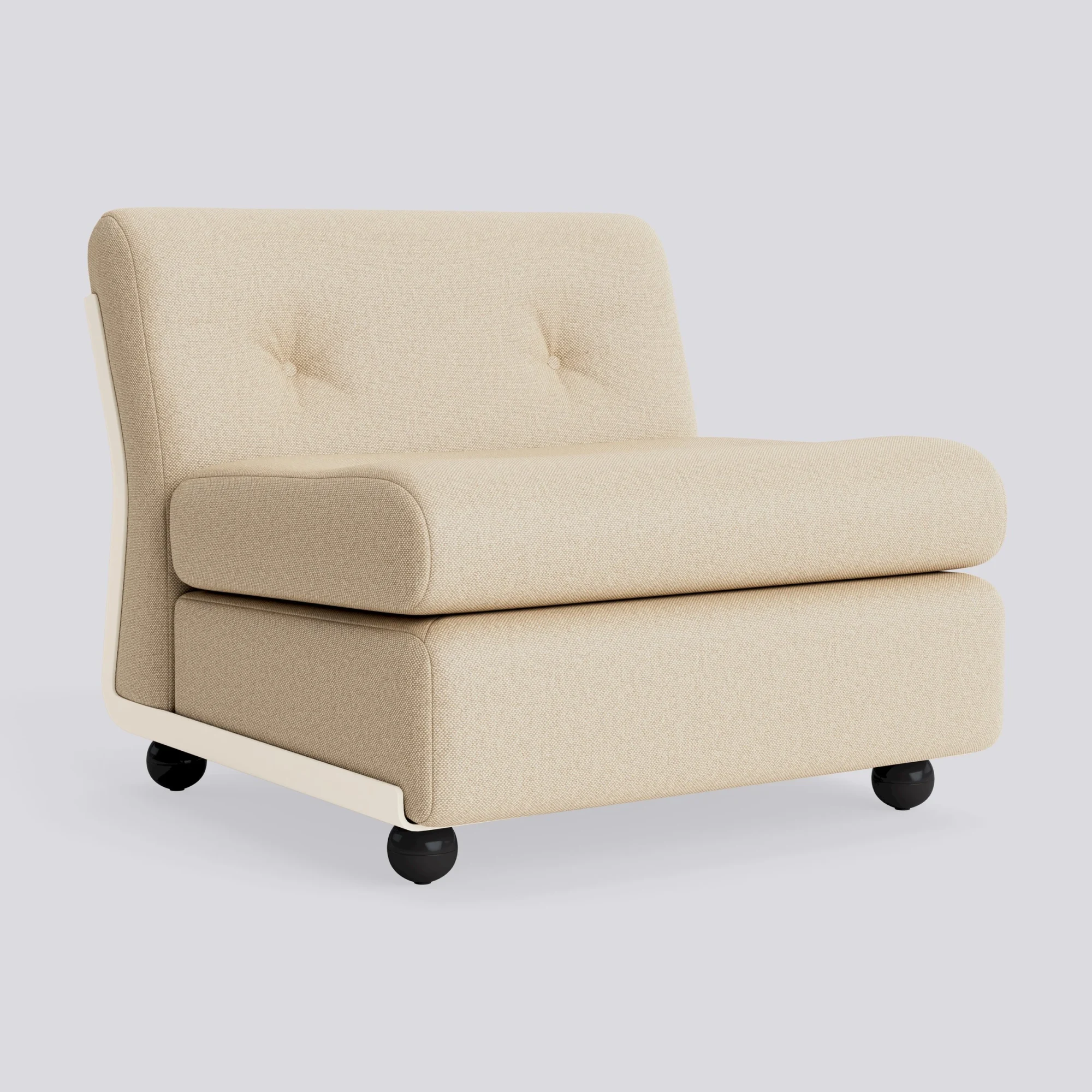
Amanta Armchair
Single-module lounge chair by Mario Bellini, a 1966 design reissued by HAY, in five shell colours
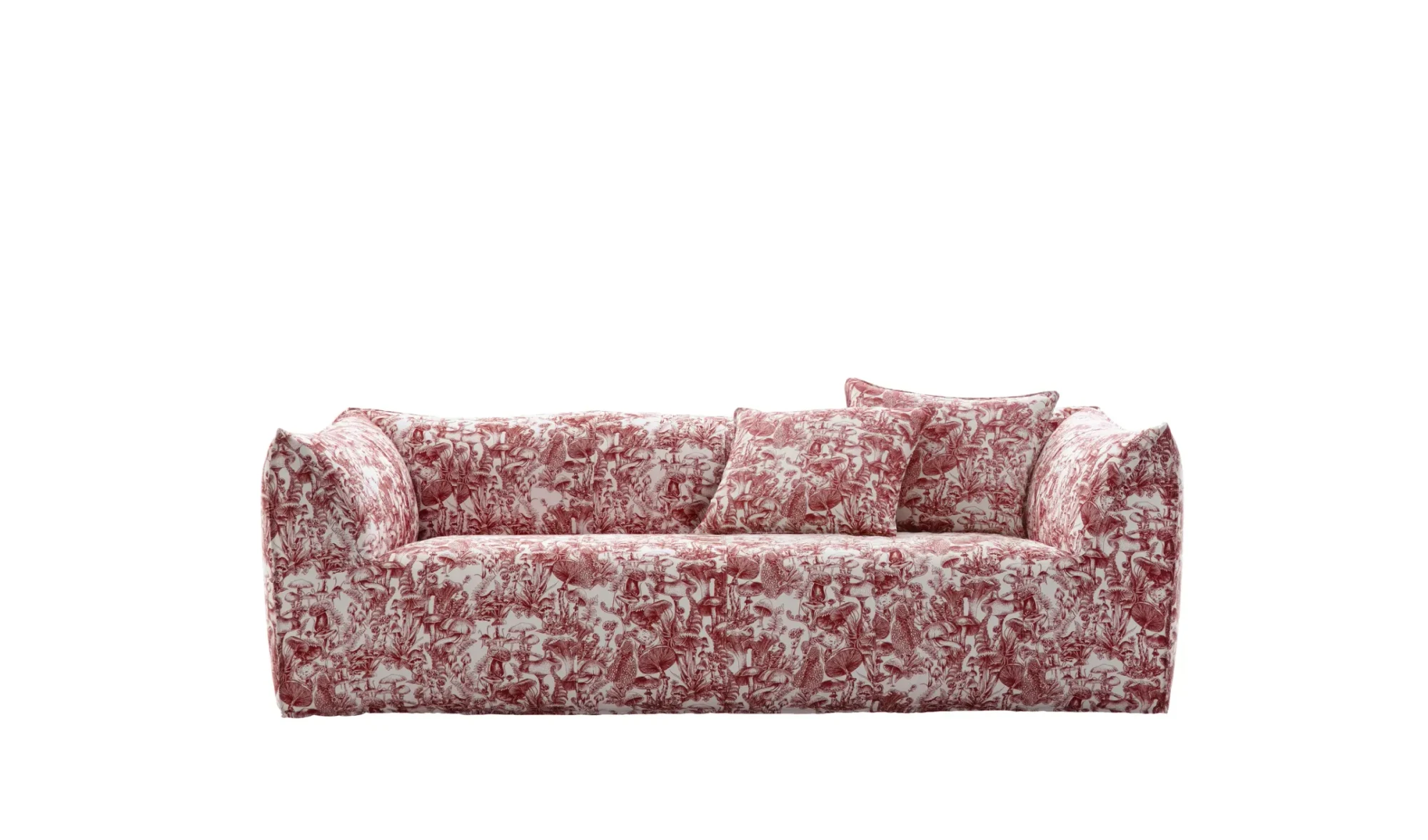
Le Bambole x Stella McCartney
Bellini's Le Bambole sofa in Stella McCartney's Fungi Forest print, built to be disassembled.
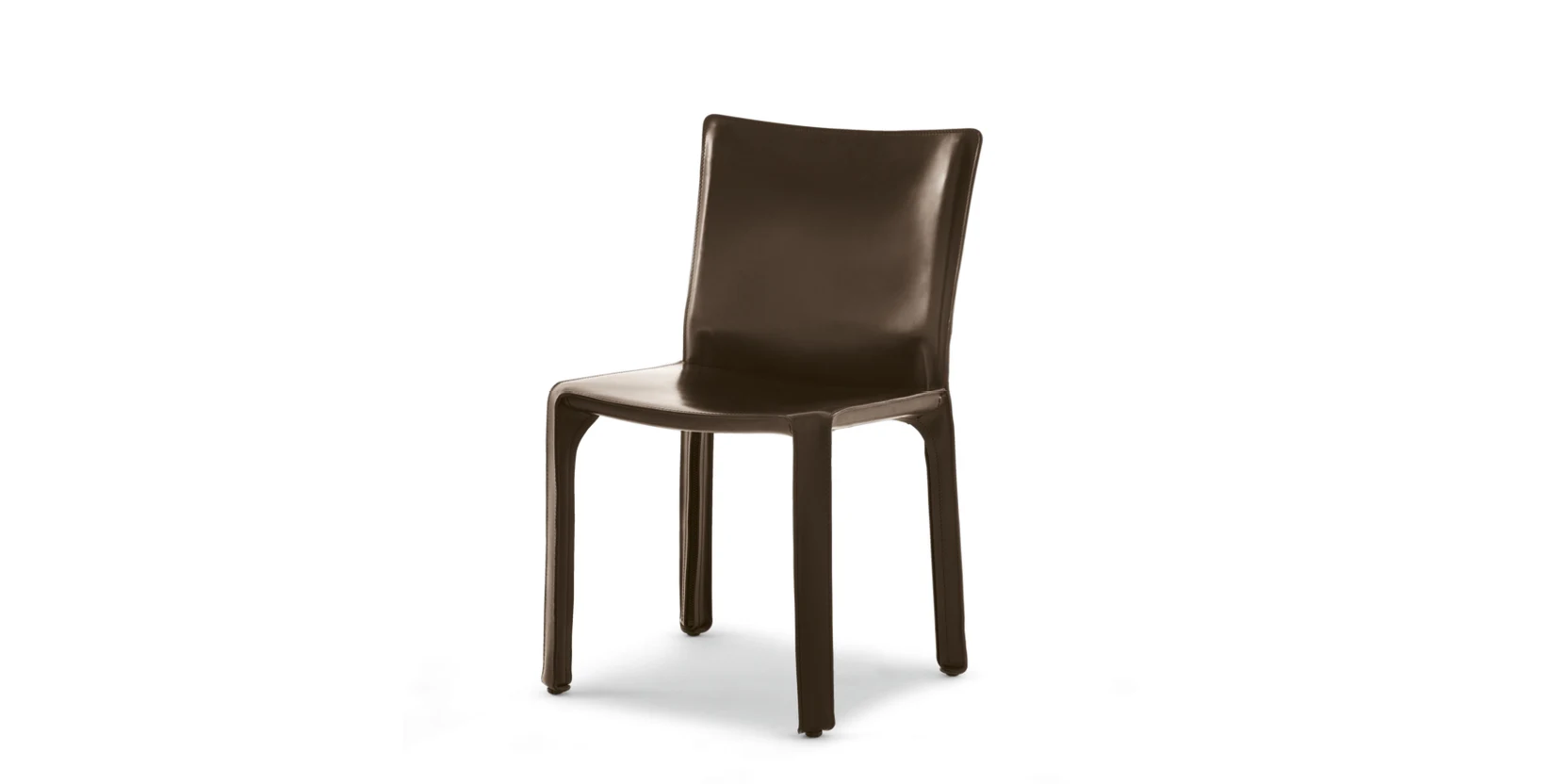
Baby Cab Chair
Small saddle-leather chair, a scale reduction of Mario Bellini's Cab (1977), by Cassina.
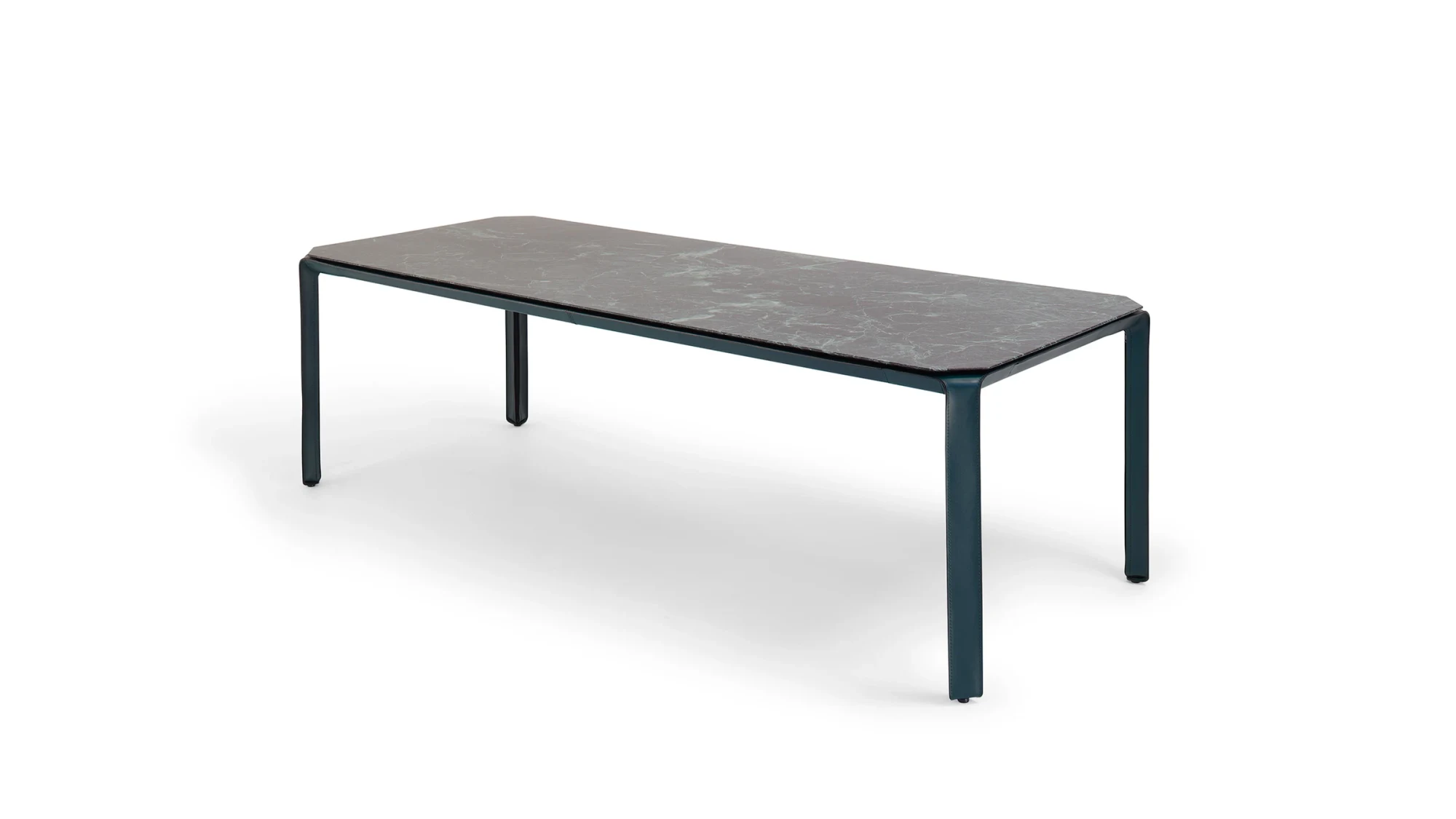
Cab Tab Table
Saddle-leather table by Mario Bellini with a marble or wood top, four sizes; Cassina.