
Workshop Chair
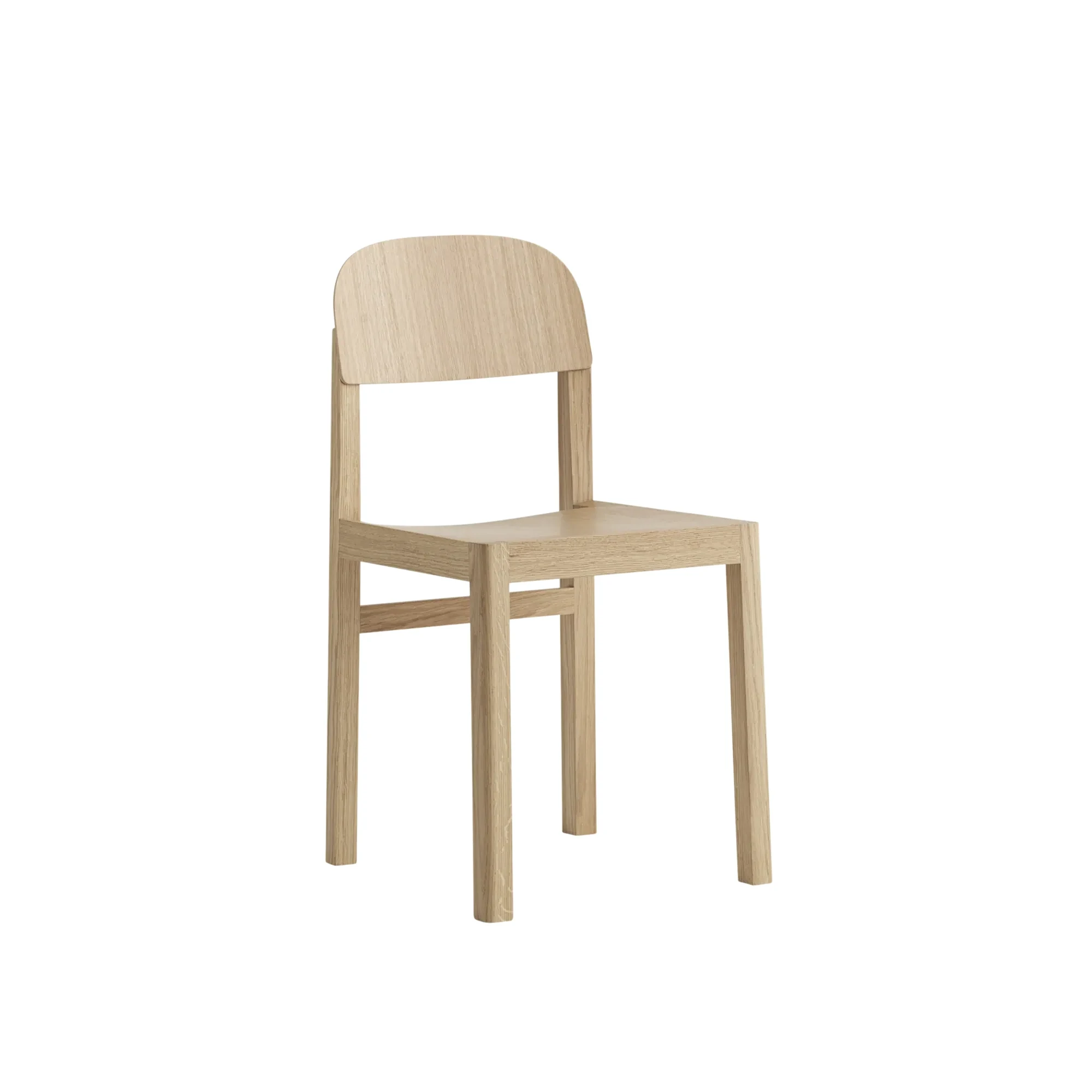
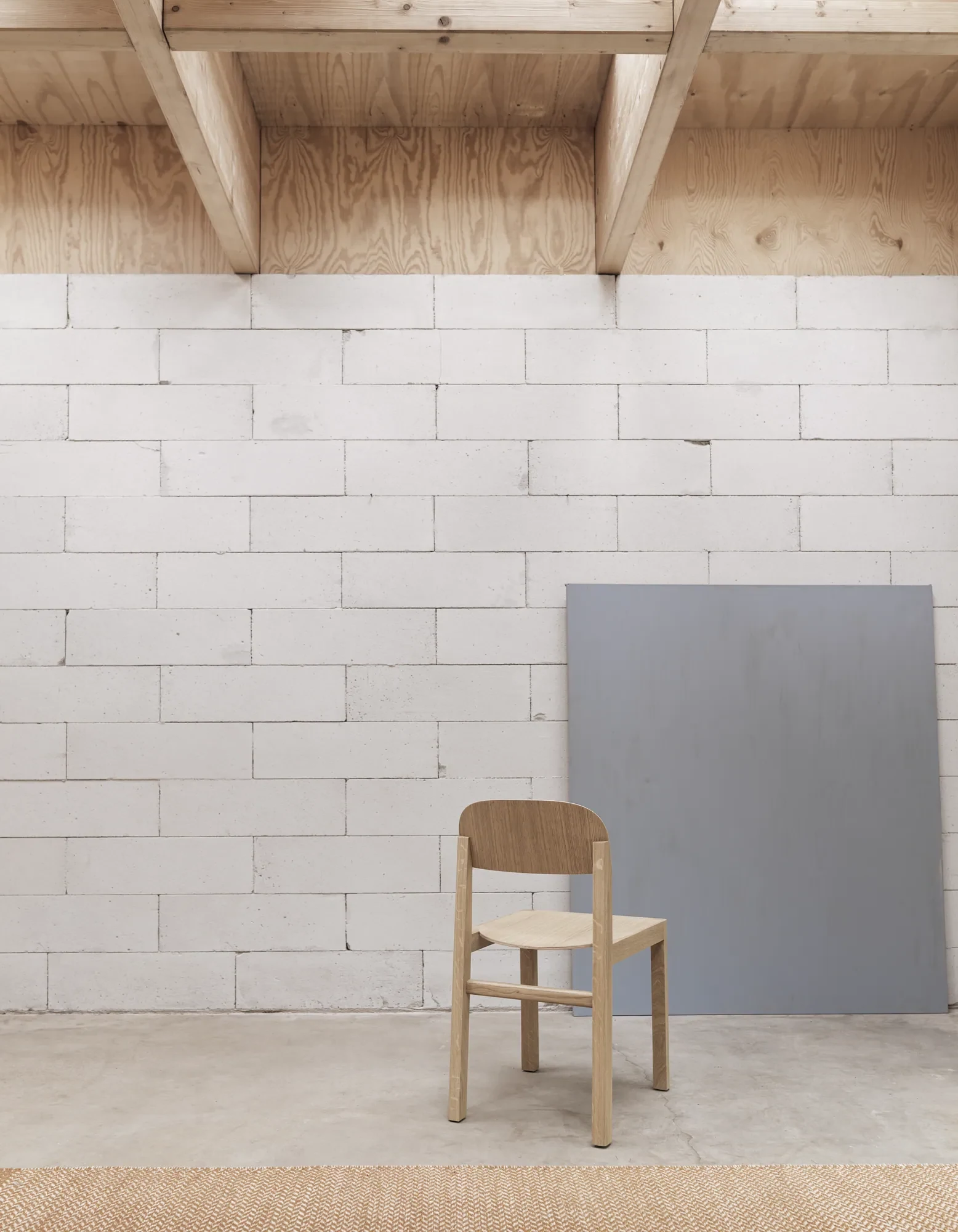
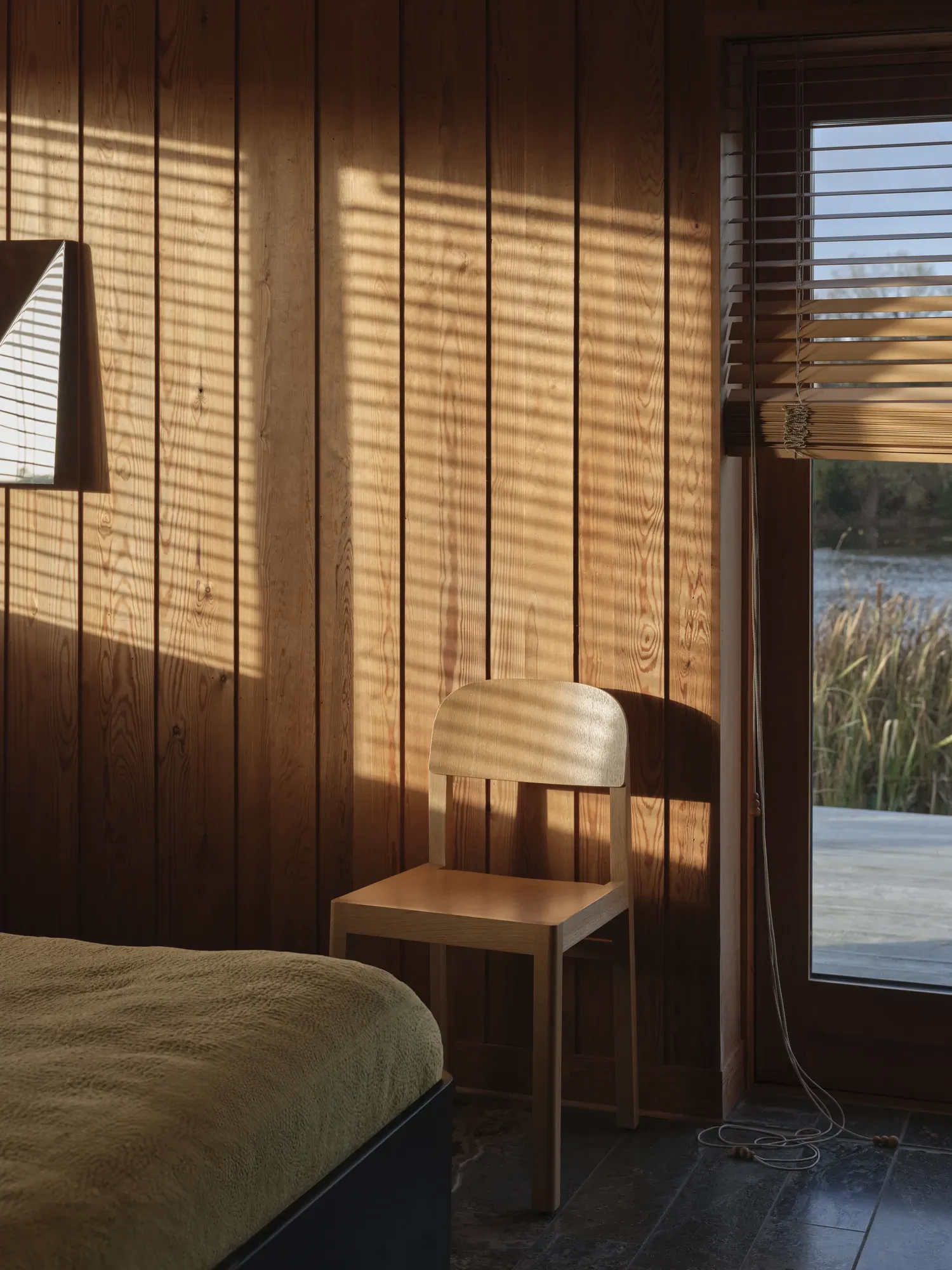
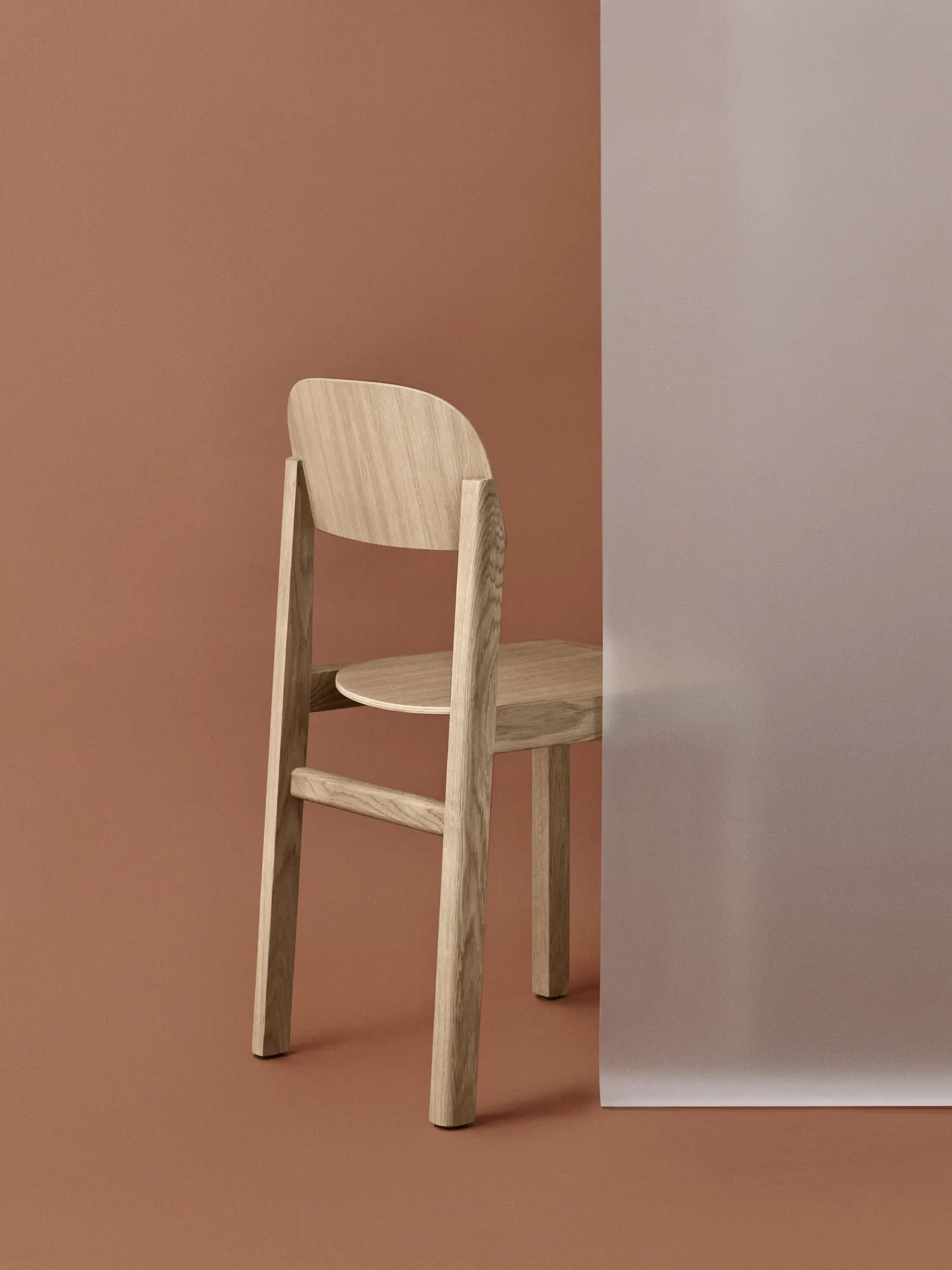
A pared-down wooden chair with a thin back shell, a slightly curved seat and solid oak legs.


398 × 792 × 463 mm
Source: product page text — WORCHR01 Oak / WORCHR02 Black — published as W 39.8 × D 46.3 × H 79.2 cm
USD 635, Workshop Chair, Oak, muuto.com US store (recommended retail price, excl. sales tax), 2026-10-14
Description
Overview
The Workshop Chair by Cecilie Manz takes a playful approach to the wooden chair. Muuto points to its thin back shell and slightly curved seat as the features that give it a distinct look.
Construction
- Solid wood frame and legs
- Seat and back of shape-pressed, layer-glued veneer
- Oak and Black: oak veneer seat and back, solid oak frame, water-based lacquer on all parts
Specifications
- W 39.8 x D 46.3 x H 79.2 cm, seat height 45 cm, seat depth 38.9 cm
- Items WORCHR01 (Oak) and WORCHR02 (Black)
Story
A thin shell and a curved seat
Muuto's page says the Workshop Chair brings a playful approach to the wooden chair and a new perspective on archetypical Scandinavian design, through its thin back shell and slightly curved seat. A banner on the page calls the design pared down to the essence, with seating and legs joined seamlessly and a reference to traditional craftsmanship.
Oak and Black
In both versions the seat and back are oak veneer on a solid oak frame, with all parts in water-based lacquer; Muuto notes that the oak veneer can show slight colour variations.
Origin of the design
Muuto ran a story on Cecilie Manz's exhibition The Needle in the Haystack at the Danish Architecture Center, a show about her design process from sketches and models to the finished object, with the Workshop Chair at its heart. Manz says the chair began with the thought that it is fine to make something quiet rather than something that makes noise. The first version was built in Oregon pine, a favourite material of hers that she finds soft, light and warm, and she ties it to what she calls silent expressionism. She explains that she usually sketches a lot, yet this chair came out of model-making alone in her studio workshop, starting rough and gaining detail step by step. She picked it as one of two highlighted projects because it shows a short, intense sprint from first idea to finished design.
More by Cecilie Manz
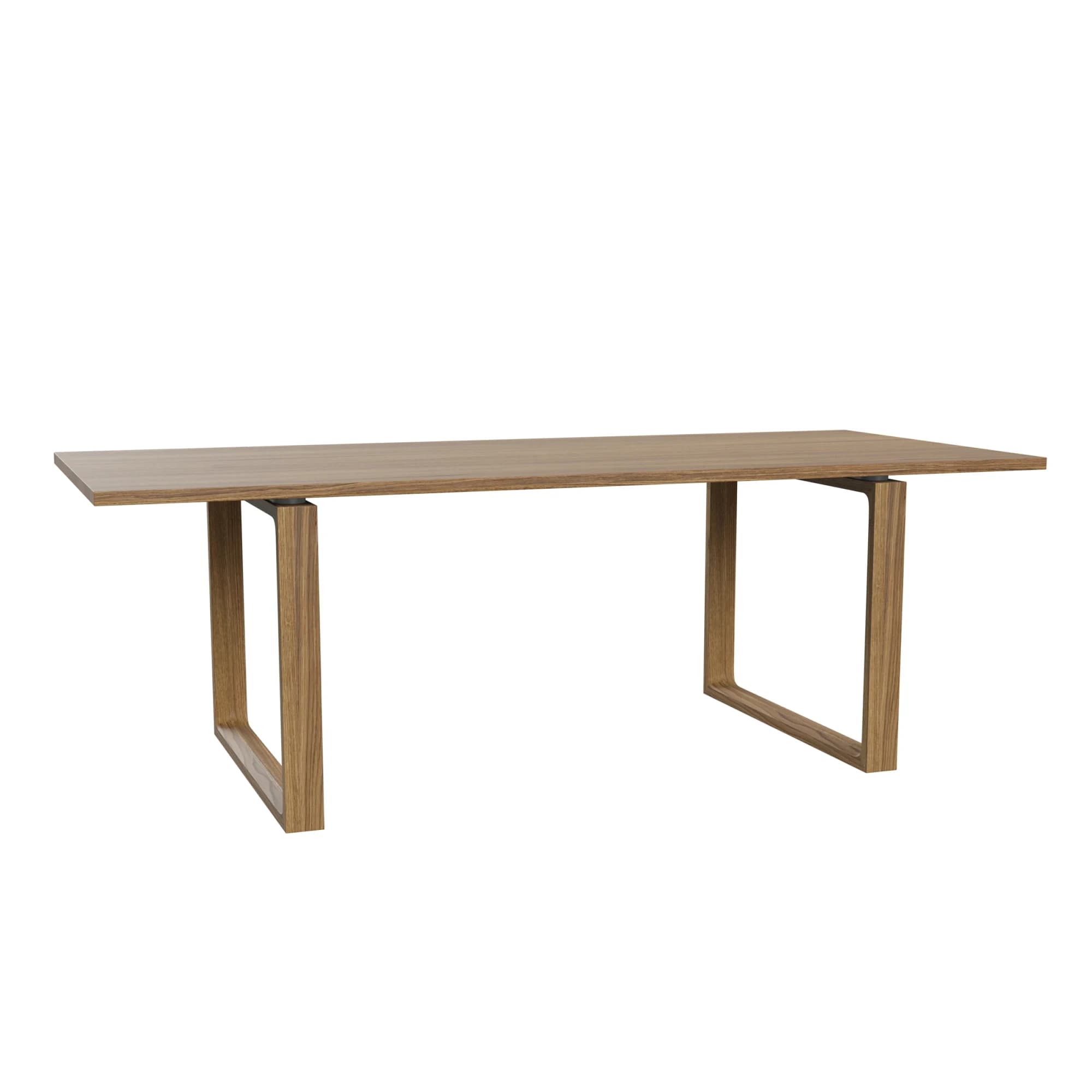
Essay Table
Cecilie Manz's 2009 solid oak table of one top and two bases, extendable from six to ten seats
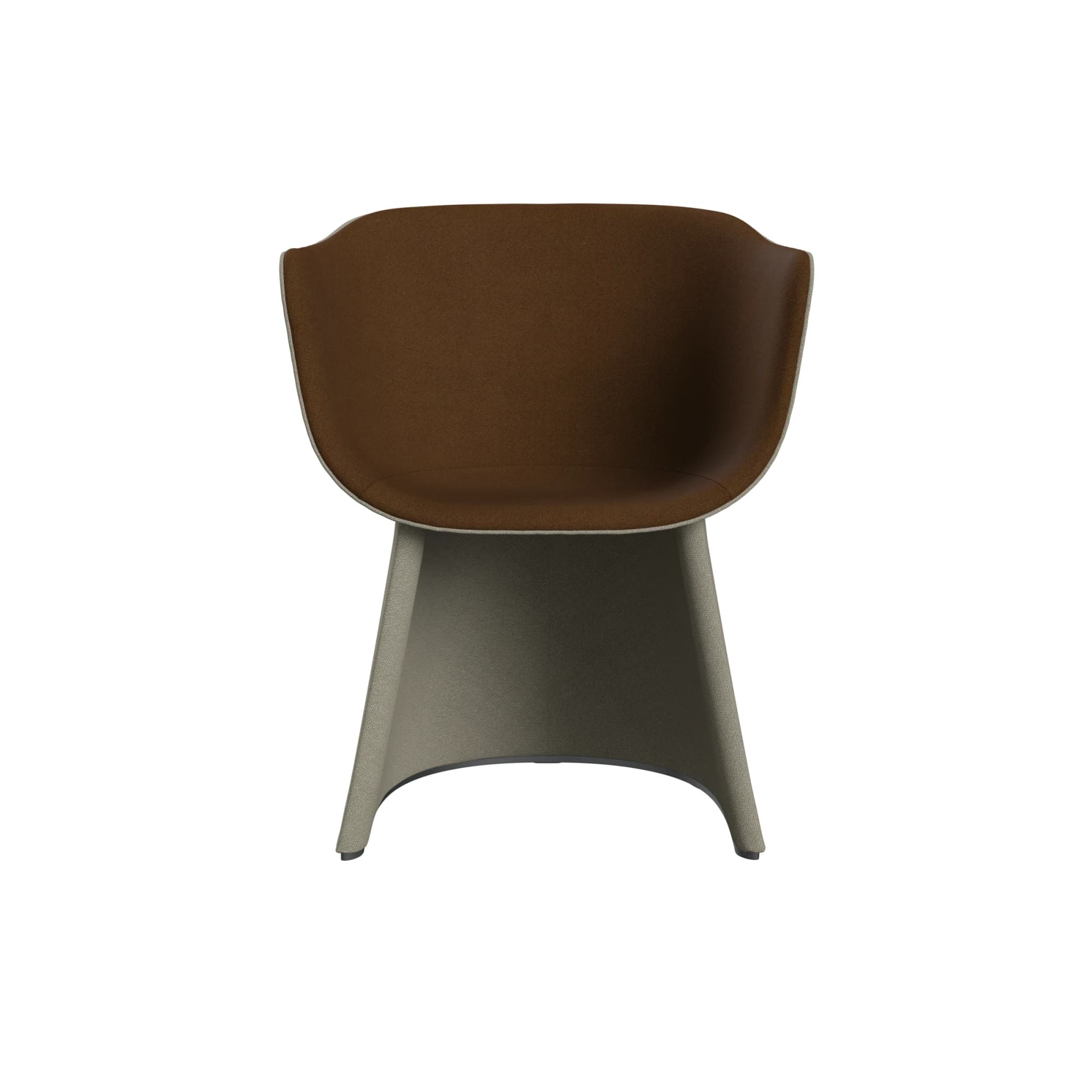
Monolit Chair CM220
Cecilie Manz's 2024 dining armchair for Fritz Hansen, with an enveloping upholstered shell
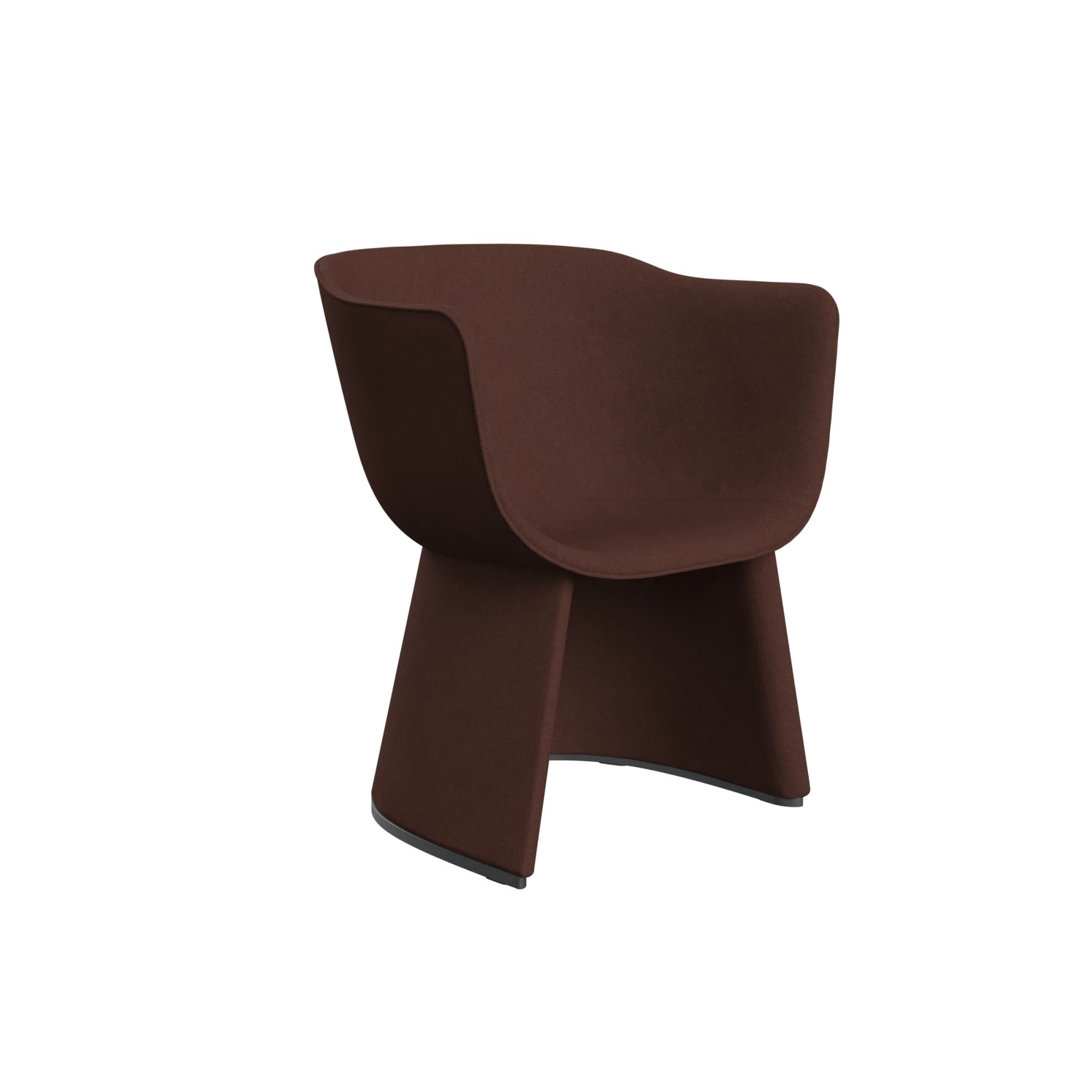
Monolit Lounge Chair CM230
Cecilie Manz's Monolit lounge chair CM230: an upholstered shell on a fully upholstered base
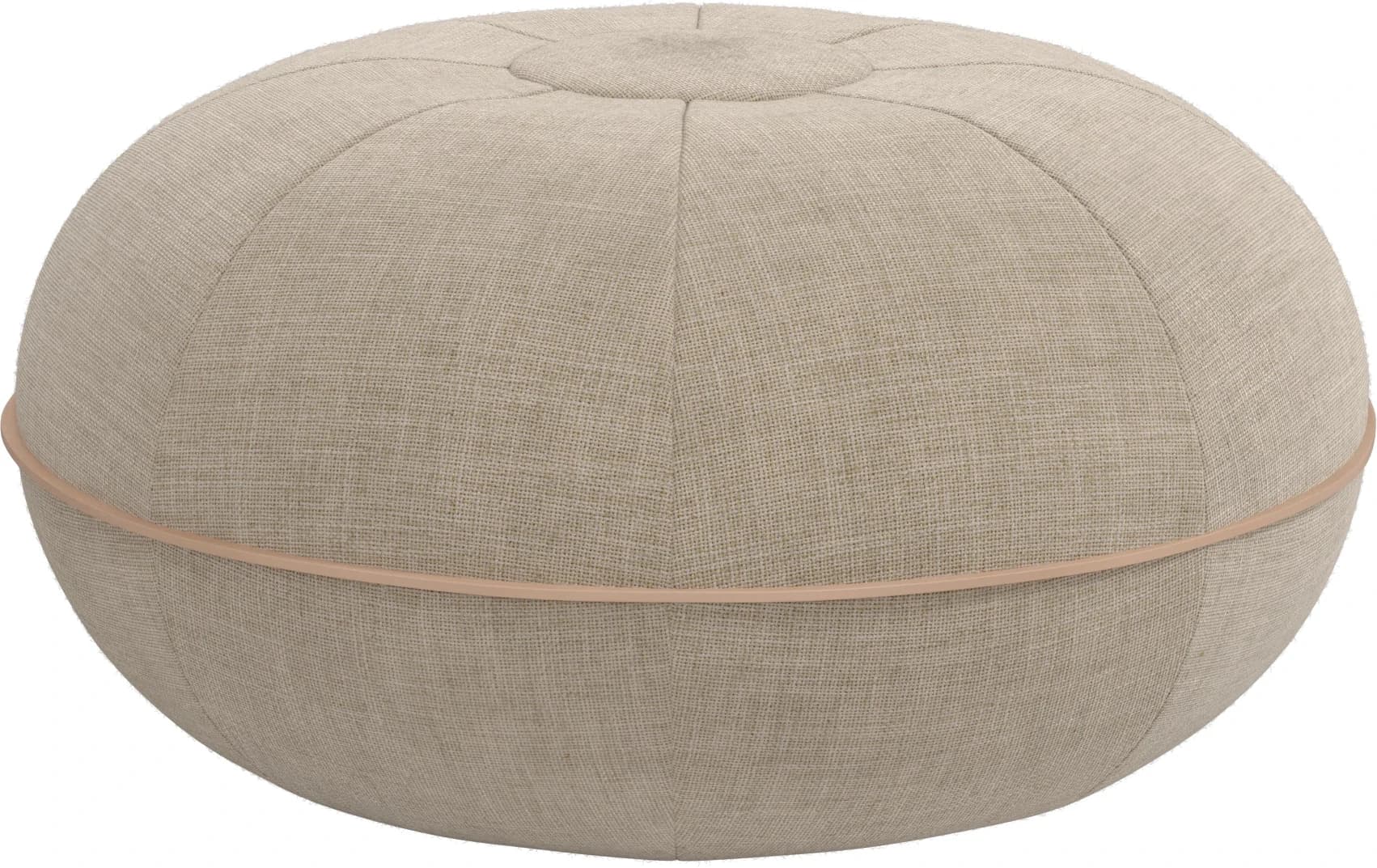
Pouf
Cecilie Manz's round Pouf of 2016 for relaxed extra seating, 60 cm across