
Image source: Ligne Roset — Tonneau Chair
© Ligne Roset and the respective rights holders. Quoted to accompany INTEBEE's independent design commentary and research.
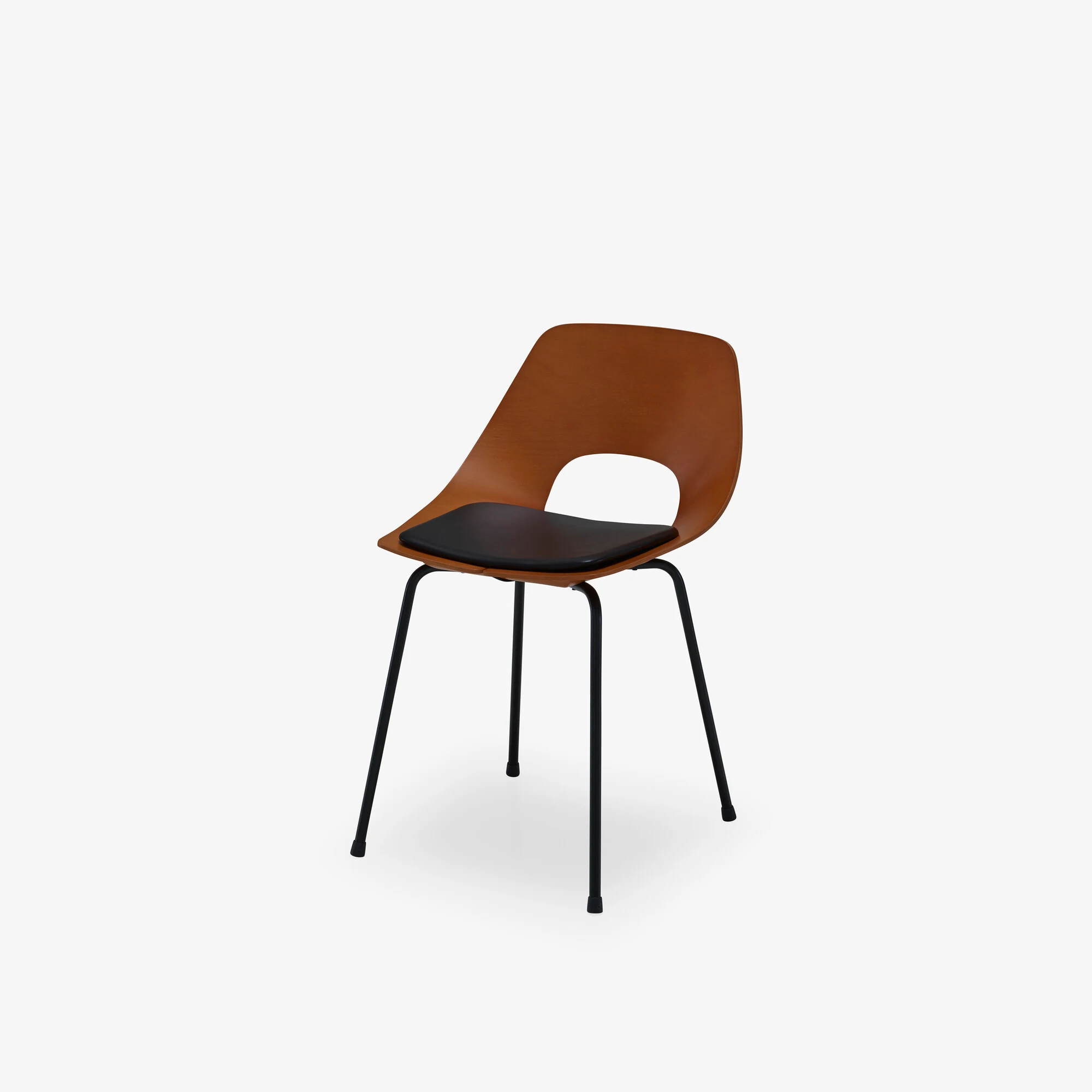
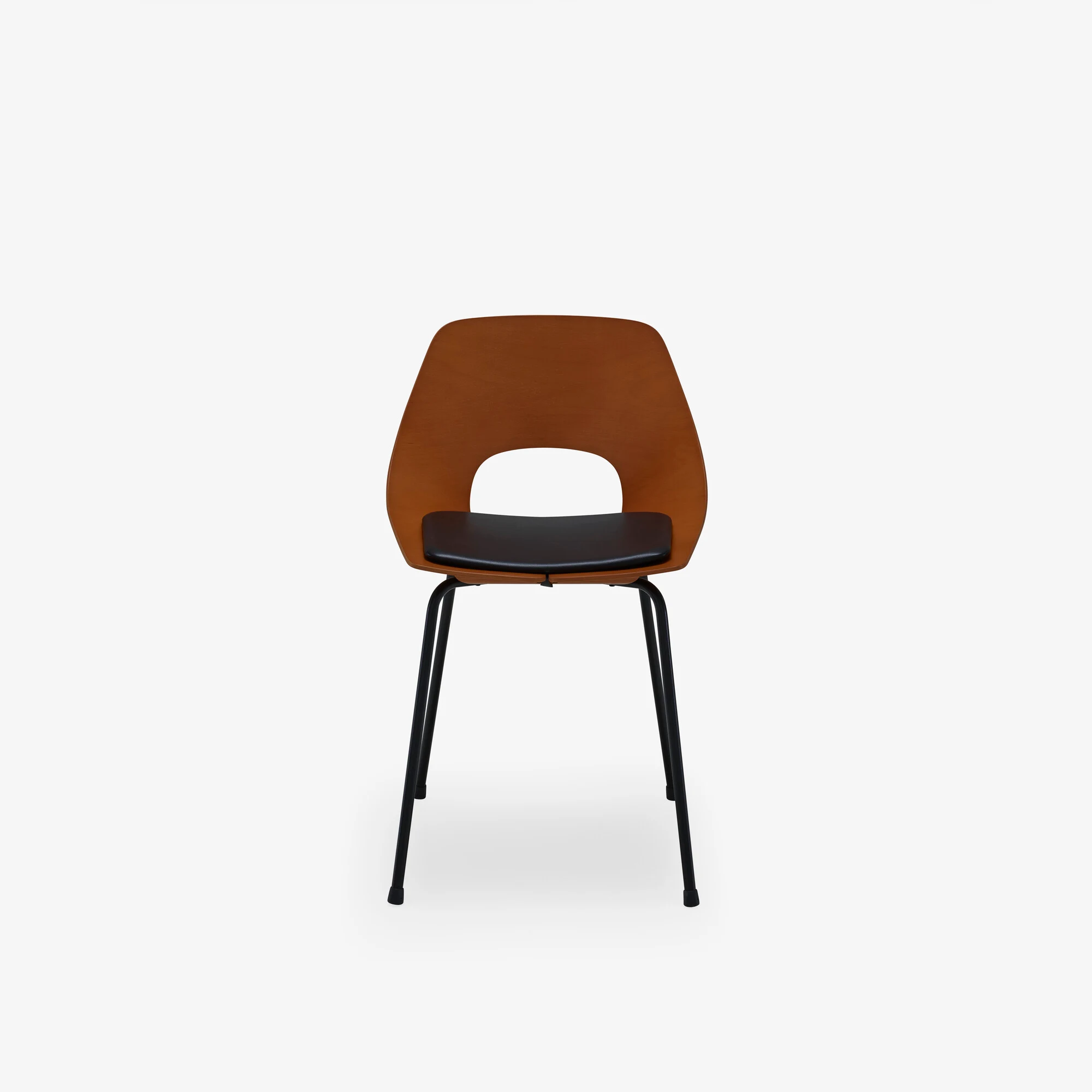
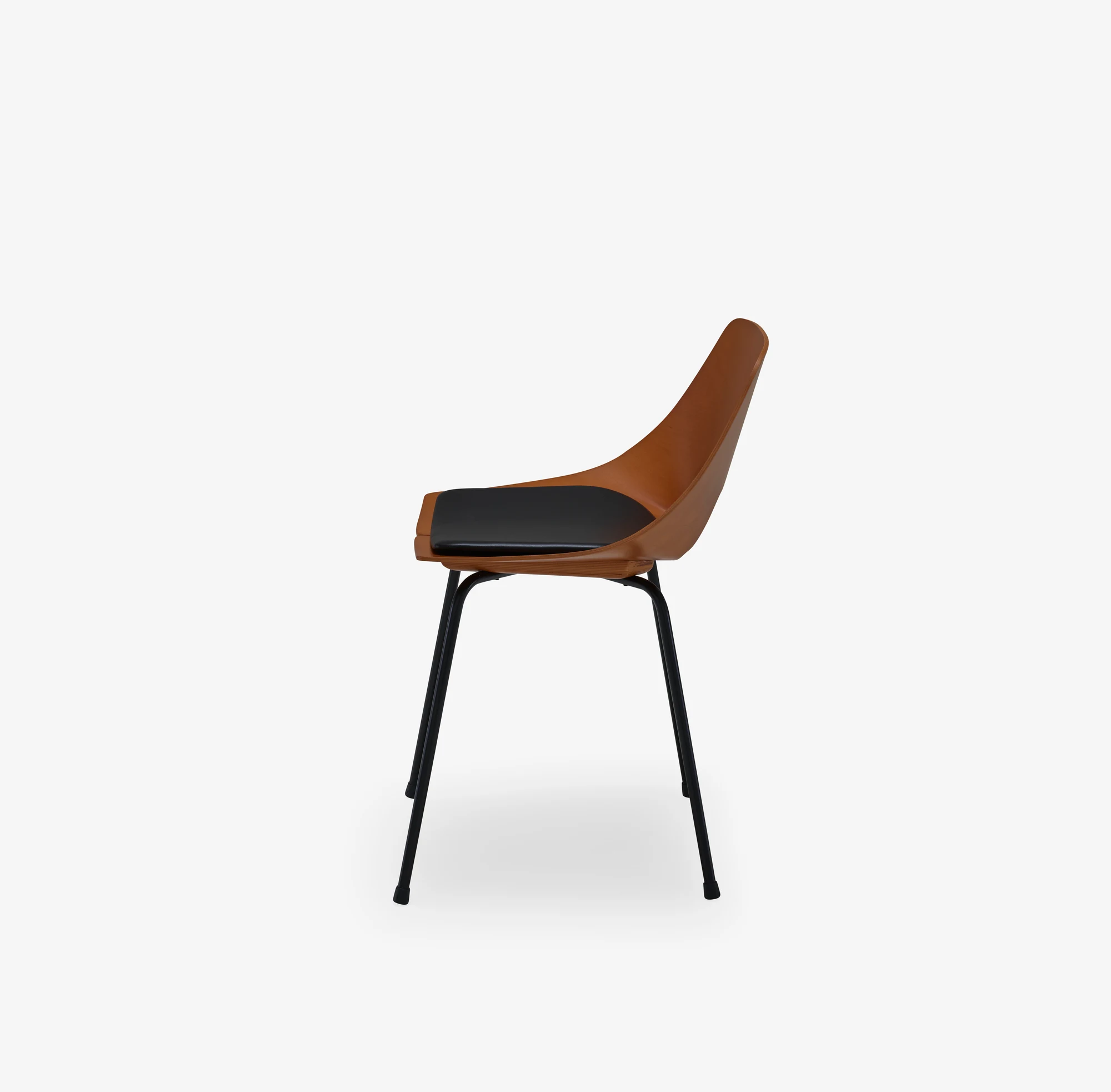
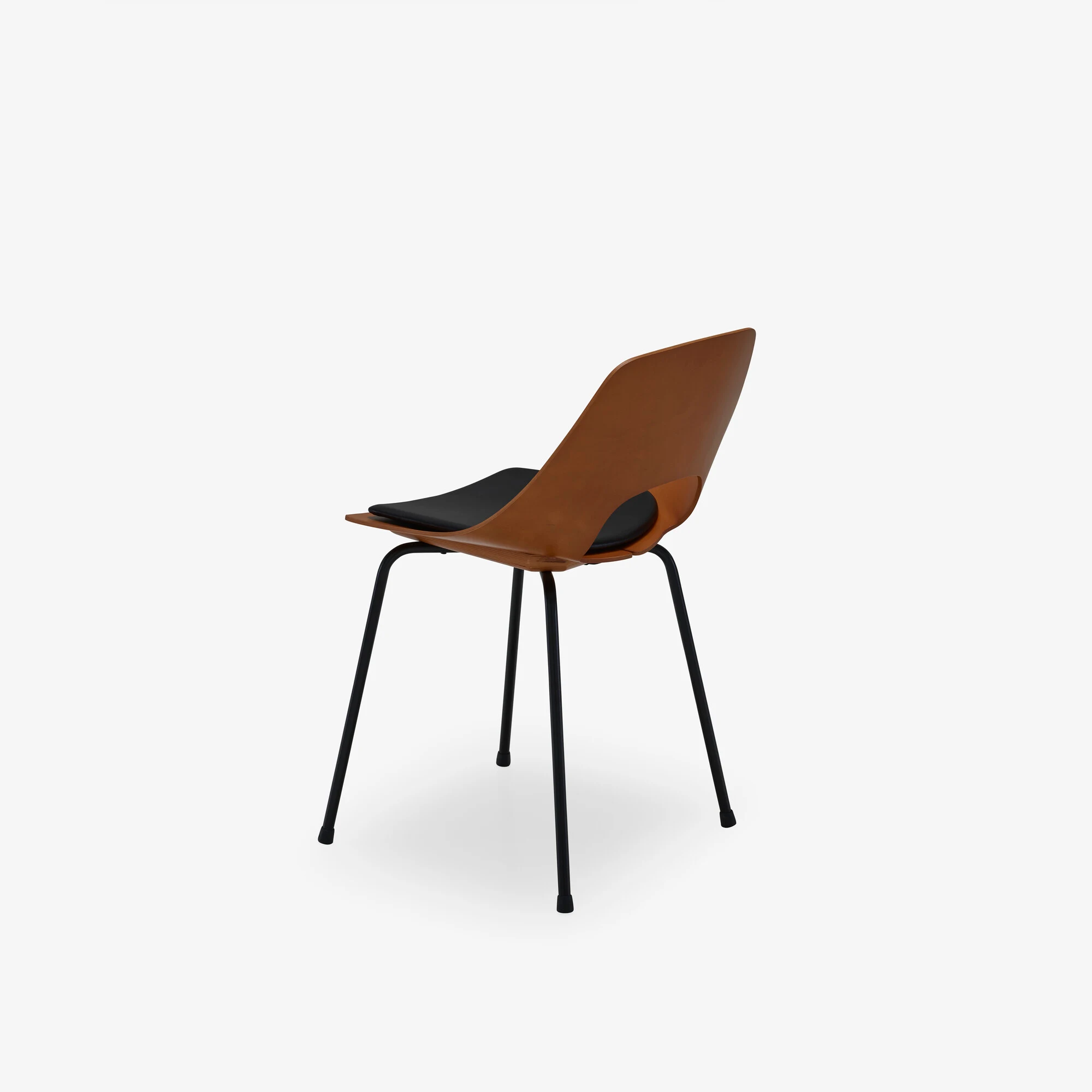
Tonneau Chair
Tonneau Chair by Pierre Guariche, 1954: moulded plywood shell, black leather seat pad


475 × 750 × 490 mm
1954
Approx. $1,400 (reference price; varies by region and retailer)
Official product information
INTEBEE AI PUBLIC LIBRARY is an independent furniture design research and discovery platform. Product specifications, finishes, availability and other details may change. For current and definitive information, please refer to the manufacturer's official website.
Go to the official product pageSpecifying Tonneau Chair for your design project?
INTEBEE is the FF&E specification platform for interior designers: spec sheets, finishes, floor plans and client-ready PDFs in one place.
Description
Overview
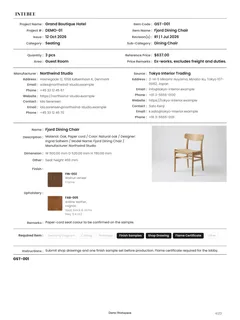
Pierre Guariche designed the Tonneau Chair in 1954. It has a soft, round and sensual moulded plywood shell on a thin black tubular metal base, and a black leather pad rests on the seat.
Construction
The shell is moulded plywood with a stained beech veneer, and the base is black lacquered steel. The seat pad is goat leather, a semi-aniline full-grain goatskin (pigmented), over a CM polyurethane foam interior of 50 kg/m3. The pad is fixed under the seat with 2 Velcro ties.
Specifications
Overall size: 475 x 490 x 750 mm (W x D x H). Seat height: 480 mm. Weight: 8.415 kg.
Story
The first French mass-produced plywood seat
Guariche designed the Tonneau chair in 1954 for Steiner, answering the requirement for post-war designers to design mass-produced furniture at a price accessible to all. It is the first French mass-produced plywood seat.
A one-piece shell with visible screws
The seat results from the bending of a one-piece moulded plywood shell, and the disjointed ends are connected by screws visible on the seat. The seat was raised for the current body shape, and the leather pad, once tied on with strings, is now held by Velcro.
More by Pierre Guariche
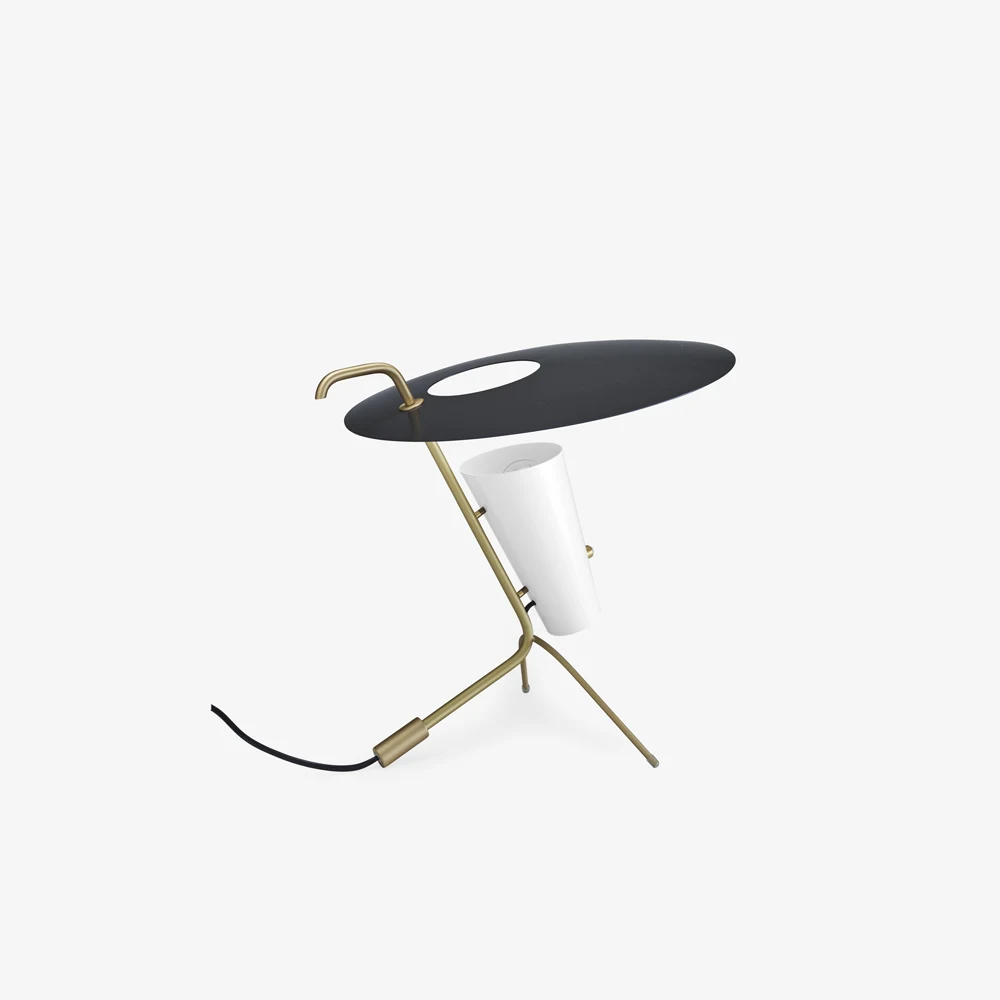
G24 Table lamp
G24 table lamp by Pierre Guariche, 1953, with a black lacquered steel reflector and a brass base
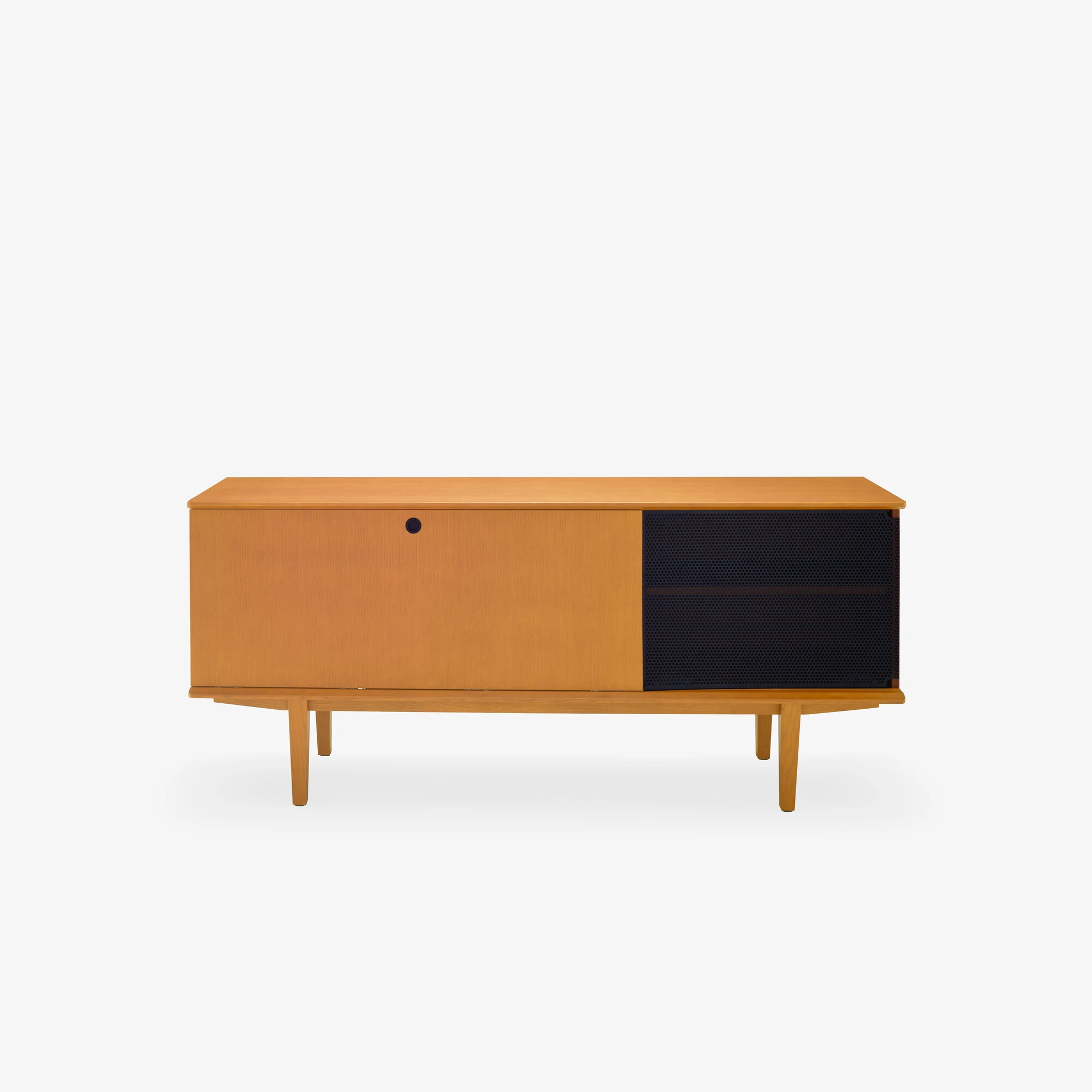
Galerie m.a.i Sideboard
Galerie m.a.i Sideboard by Pierre Guariche: stained ash flap door and perforated metal sliding door
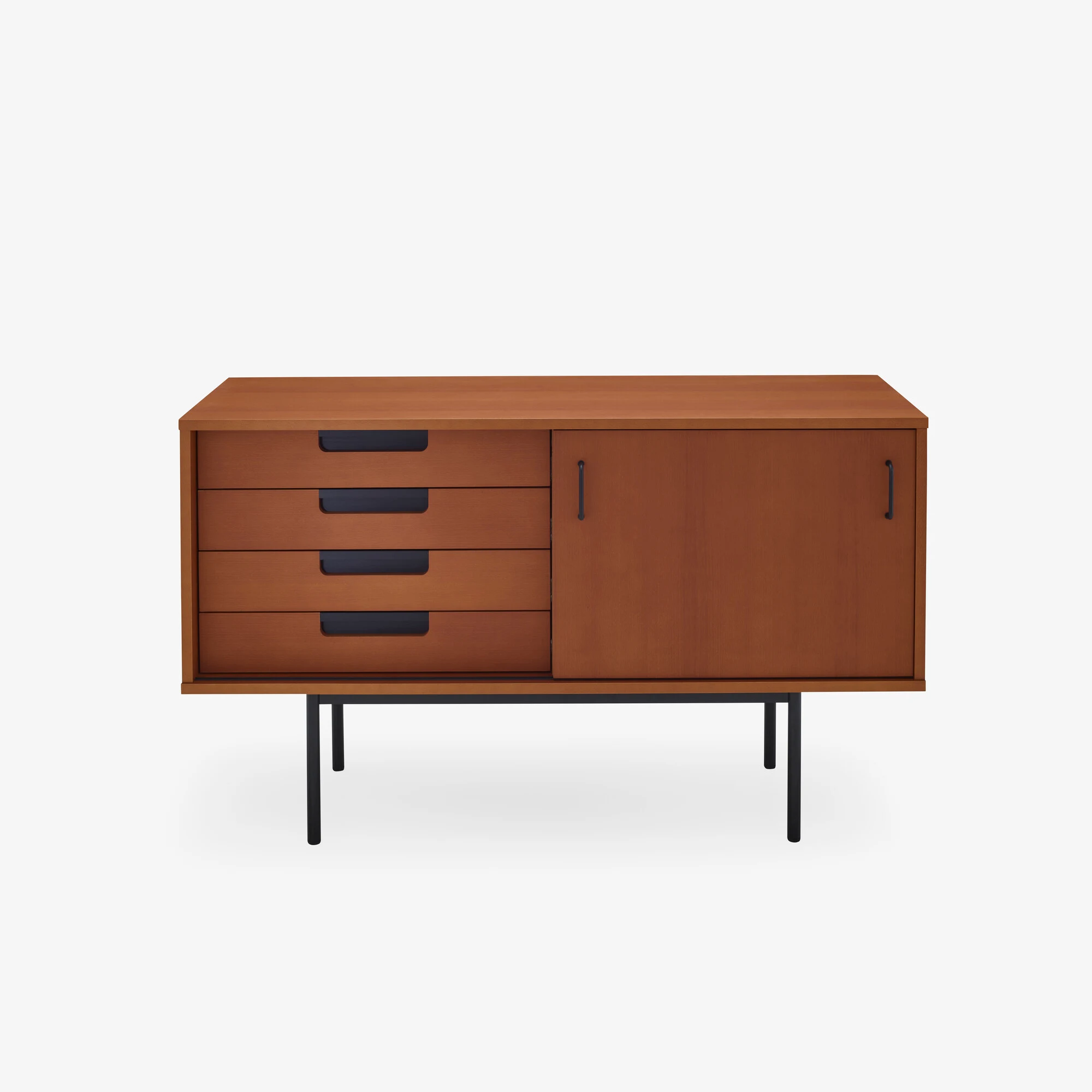
148 Sideboard
148 sideboard by Pierre Guariche: four drawers, a sliding door, stained ash veneer, black metal base
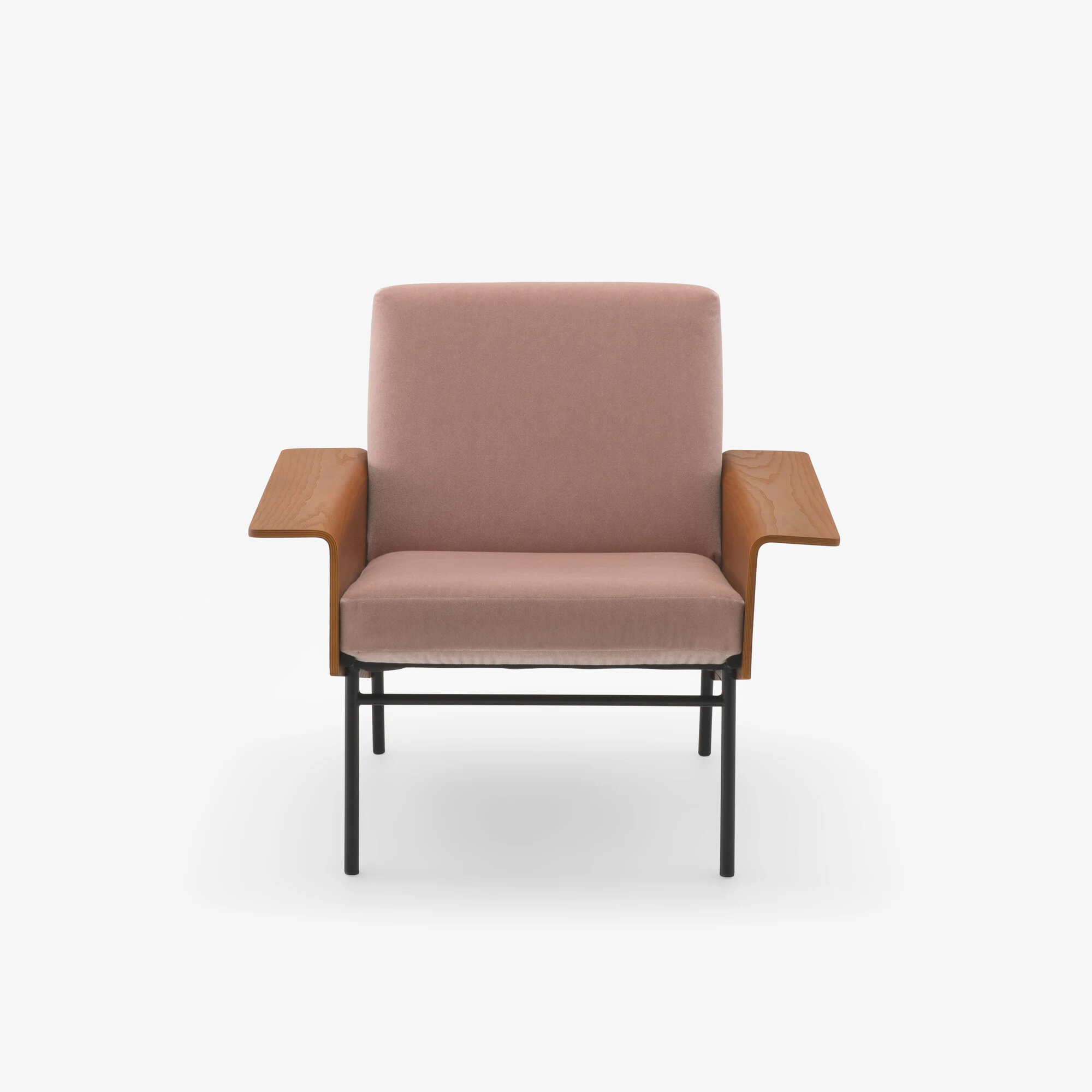
G10 Armchair
G10 armchair by Pierre Guariche with moulded beech plywood arms and a black epoxy-lacquered base