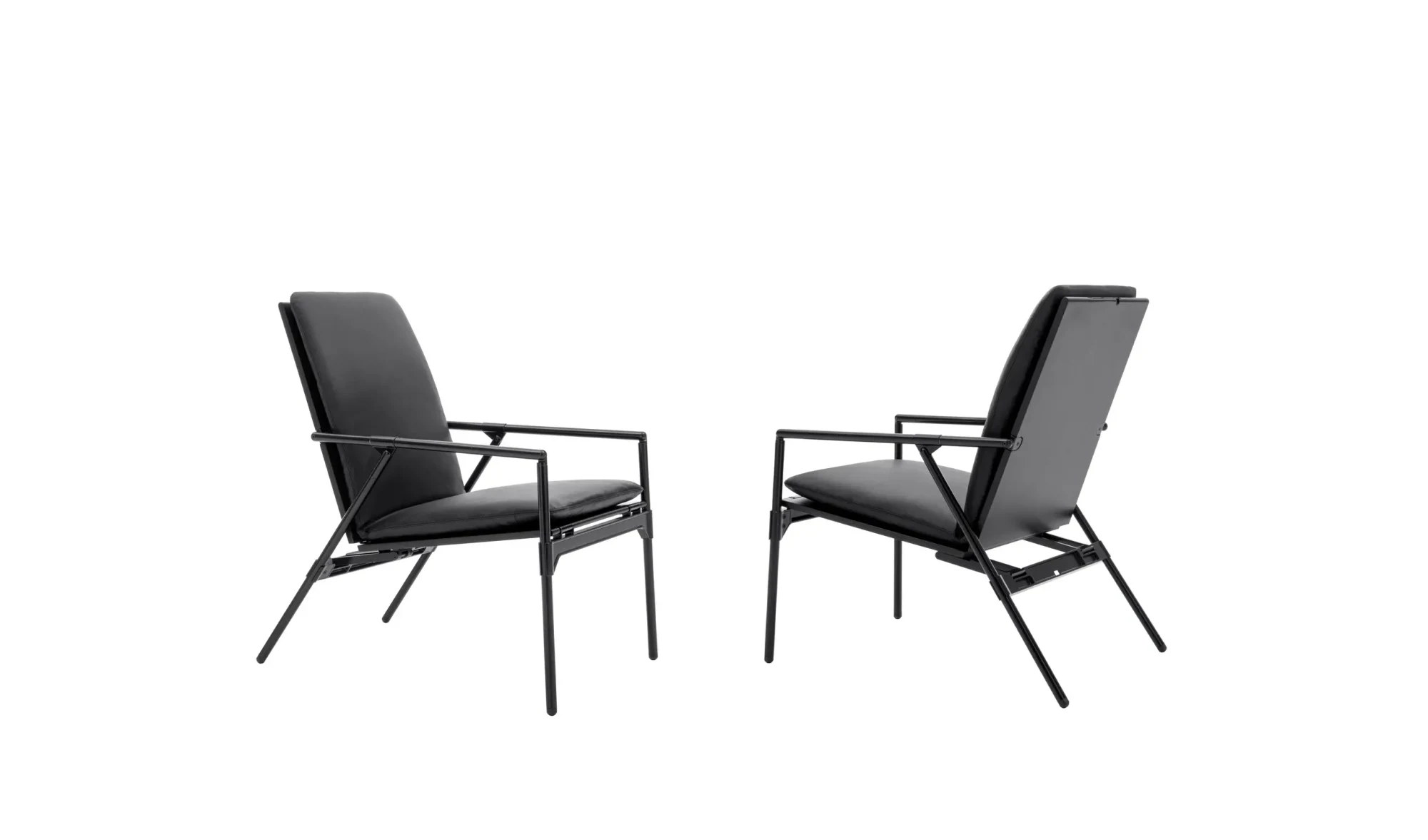
Image source: Artemide — Tizio
© Artemide and the respective rights holders. Quoted to accompany INTEBEE's independent design commentary and research.
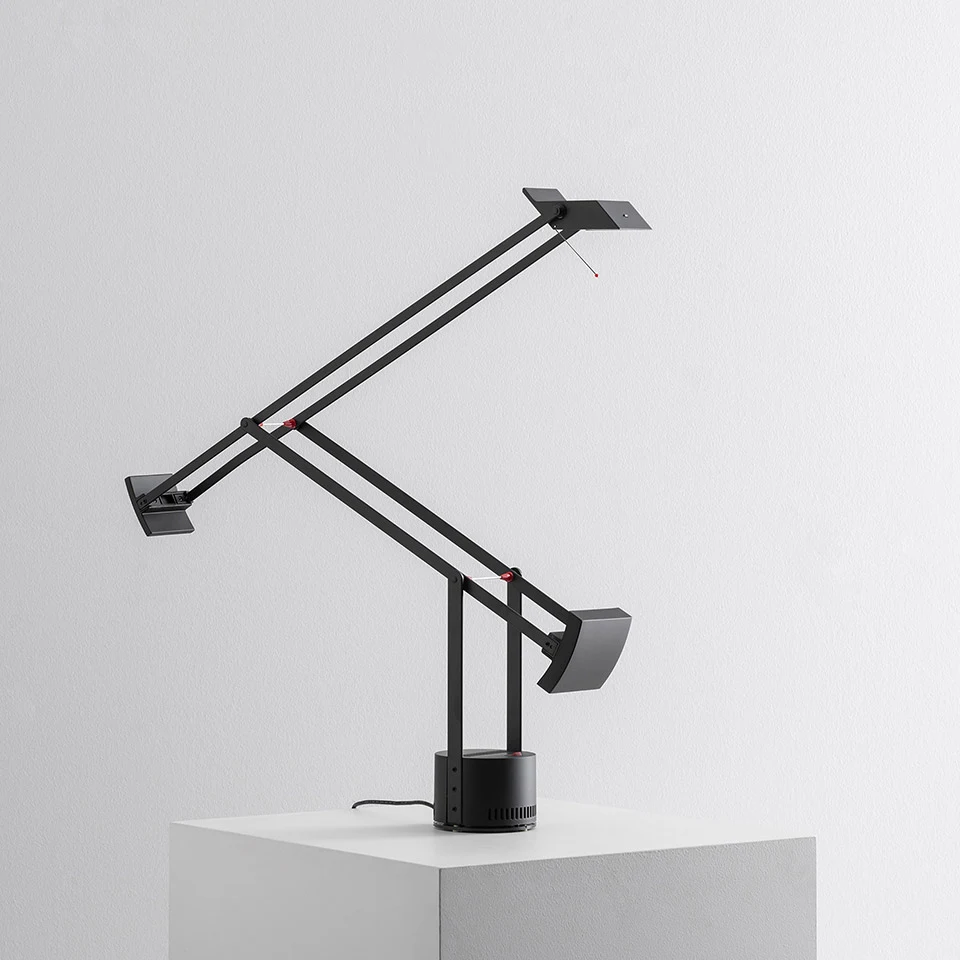
Tizio
Tizio, Richard Sapper's table lamp balanced by counterweights, on a 110 mm base


Official product information
INTEBEE AI PUBLIC LIBRARY is an independent furniture design research and discovery platform. Product specifications, finishes, availability and other details may change. For current and definitive information, please refer to the manufacturer's official website.
Go to the official product pageSpecifying Tizio for your design project?
INTEBEE is the FF&E specification platform for interior designers: spec sheets, finishes, floor plans and client-ready PDFs in one place.

Description
Overview
Tizio is a table lamp designed by Richard Sapper for Artemide. Its articulated system is kept in balance by counterweights, and a structure that supports the head also carries the power to the light source.
Construction
The lamp is made of aluminium and technopolymer, in black (A009010) or white (A009030), for indoor use. The transformer is integrated, and the light is direct and adjustable.
Specifications
Base diameter 110 mm. 3.3 W, 191 lm, CRI 80, 220-240 V, IP20.
Story
A lamp for the work surface
The idea for Tizio grew out of a conversation in 1970 between Artemide founder Ernesto Gismondi and Richard Sapper, who were friends and sailing companions, about a lamp that would light the work surface with a beam always directed over the user's hand. Sapper wanted a table lamp that could be adjusted at the touch of a finger and would not fall onto the table because of worn joints. Tizio then went into production.
Counterweights and low voltage
Sapper designed a lamp with a wide reach and a transformer in the base that gave stability without a clamp, with a light arm structure kept balanced by counterweights. In the first study model the counterweight system used jam jars that Sapper filled and emptied with water to find the right weight. Electricity runs through the arms and joints at a low voltage of 12 V, so no cable runs from the base to the head.