
Image source: Zanotta — Throw-Away
© Zanotta and the respective rights holders. Quoted to accompany INTEBEE's independent design commentary and research.
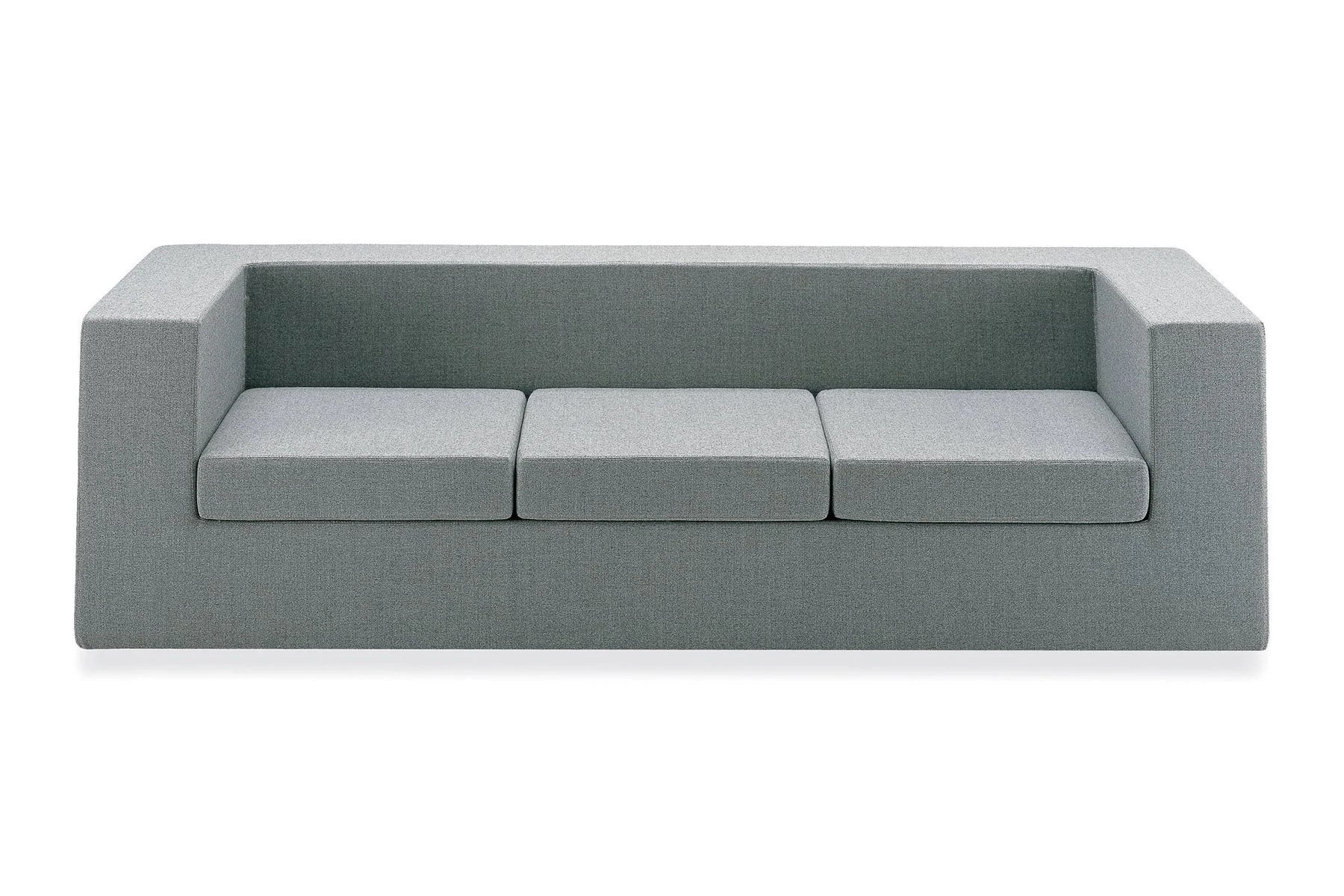
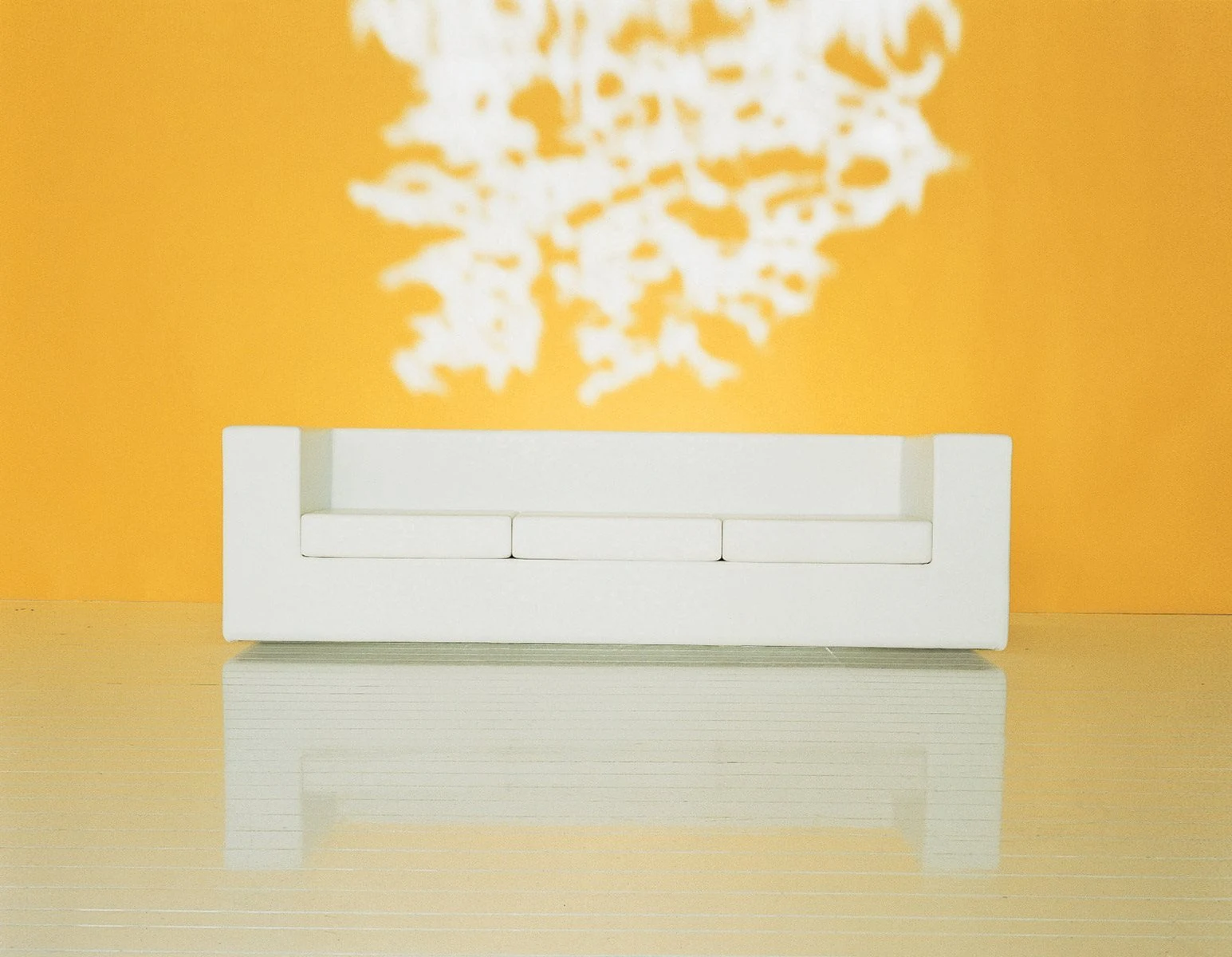
Throw-Away
Willie Landels' 1965 structureless sofa formed entirely from expanded polyurethane


2050 × 610 × 750 mm
1965
Official product information
INTEBEE AI PUBLIC LIBRARY is an independent furniture design research and discovery platform. Product specifications, finishes, availability and other details may change. For current and definitive information, please refer to the manufacturer's official website.
Go to the official product pageSpecifying Throw-Away for your design project?
INTEBEE is the FF&E specification platform for interior designers: spec sheets, finishes, floor plans and client-ready PDFs in one place.
Description
Overview
Throw-Away is the 1965 armchair, sofa and pouf family by Willie Landels. Zanotta describes it as the first sofa made entirely from expanded polyurethane without a wood, metal or other frame, and calls its market introduction a major furniture innovation.
Construction
- Body: expanded polyurethane
- Cover: removable fabric or leather
- Production: structureless and industrially made
Specifications
- Largest drawing values, not labelled with axes: 205, 75 and 61 cm for sofa 1150/302
- Other formats: 1150/102 armchair, 1150/202 sofa and 1150/POUF
Story
A radical 1965 proposal
Zanotta places Throw-Away in the London culture surrounding Mary Quant, the miniskirt, Beatlesmania and student protest. Landels moved between graphic art, advertising, magazine art direction, design and writing.
Innovation without a conventional frame
When introduced, Throw-Away was presented as a major furniture innovation: a sofa produced wholly from polyurethane, with no internal frame in wood, metal or another material. Zanotta dates the design to 1965.