
Image source: Foscarini — Tartan
© Foscarini and the respective rights holders. Quoted to accompany INTEBEE's independent design commentary and research.
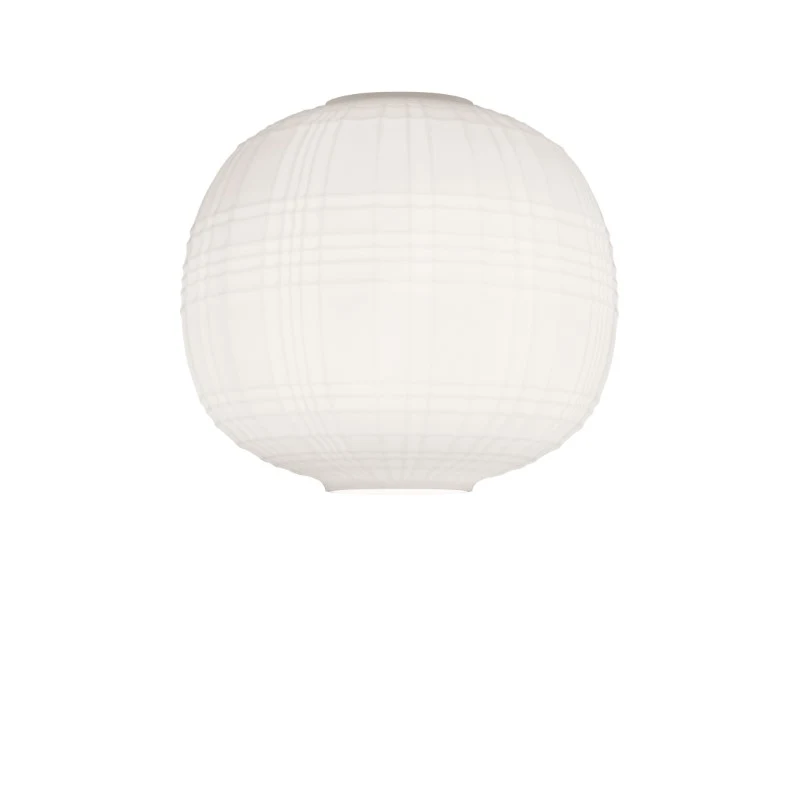
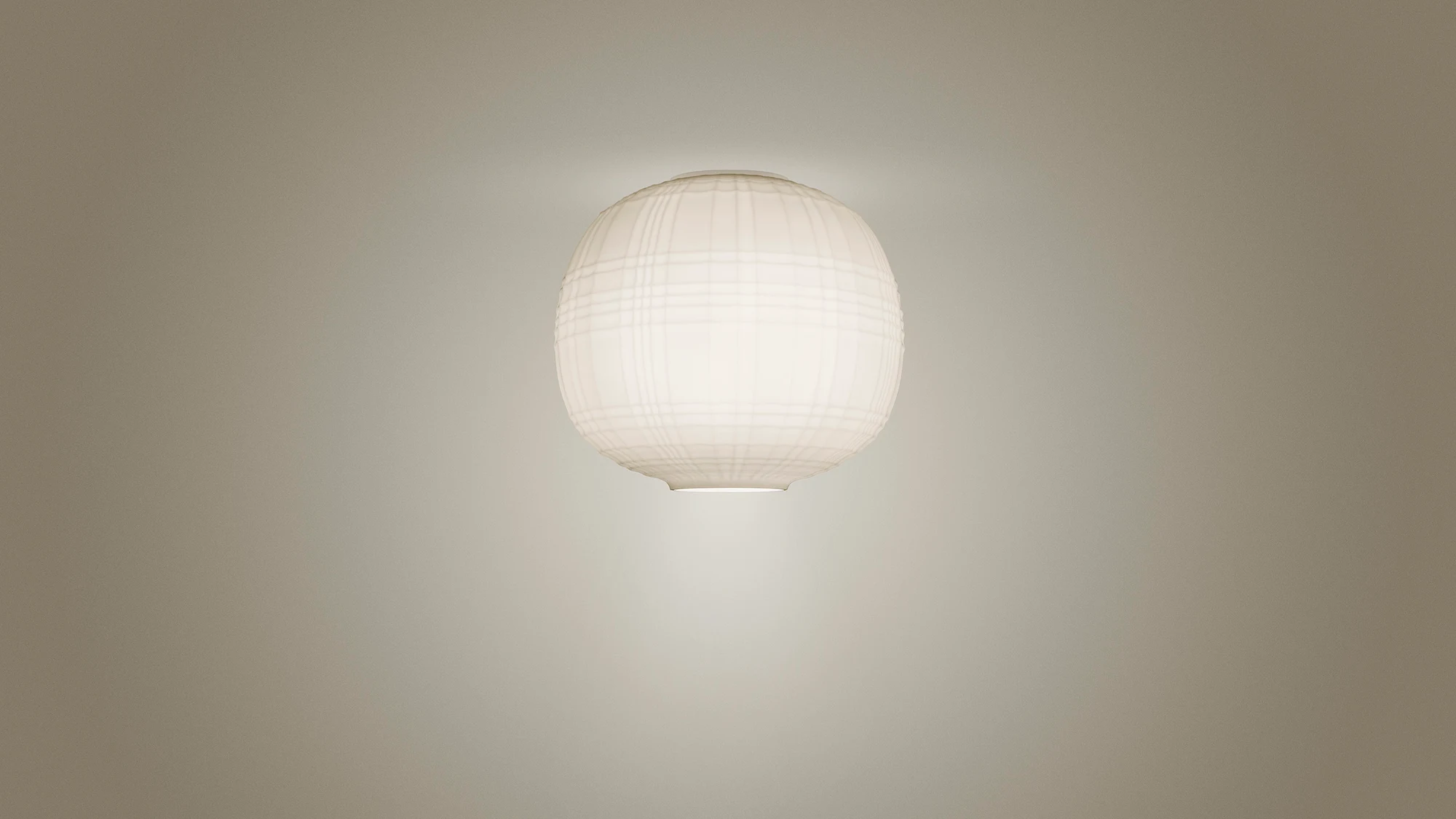
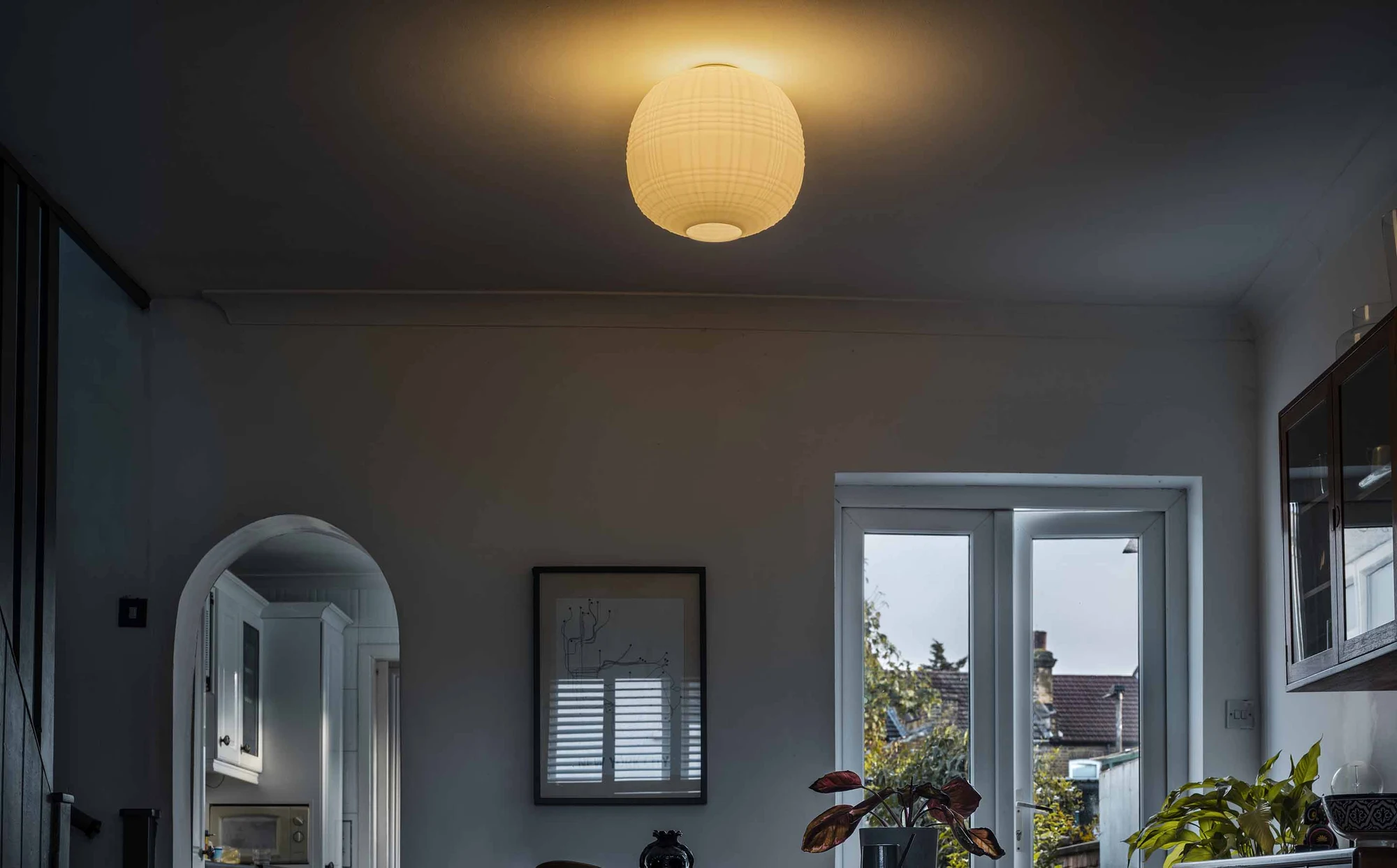
Tartan
Foscarini ceiling lamp designed by Ludovica and Roberto Palomba, with relief glass open at the base


400 × 355 × 400 mm
Official product information
INTEBEE AI PUBLIC LIBRARY is an independent furniture design research and discovery platform. Product specifications, finishes, availability and other details may change. For current and definitive information, please refer to the manufacturer's official website.
Go to the official product pageSpecifying Tartan for your design project?
INTEBEE is the FF&E specification platform for interior designers: spec sheets, finishes, floor plans and client-ready PDFs in one place.
Description
Overview
Tartan Ceiling is a Ludovica and Roberto Palomba design for Foscarini that unites practicality and aesthetics in a single ceiling lamp. Its glass is open at the base, so direct light falls onto the surface below while diffused light comes through the glass.
Construction
The glass is blown and acid-etched, with reliefs. A mould with vertical and horizontal incisions shapes it. Coated metal and ABS form the mount, and its smaller ring nut can be glimpsed discreetly.
Specifications
- Size: 40 x 40 x 35.5 cm (W x D x H)
- Colour: one
- Lamp: 18 W, 2452 lm at 2700 K, CRI over 80, dimmable; LED retrofit bulb (E27 cap) included
- Weight: 4.5 kg
- Ratings: CE marking, electrical class II, protection rating IP20
Story
Practicality and aesthetics in one ceiling lamp
The ceiling Tartan is blown glass with strong character that evokes the famous Scottish fabric. Folds and lines running over the surface create a graphic play of light and shadow.
The mount stays in the background
The mount in coated metal and ABS has a smaller ring nut that can be glimpsed discreetly, making the glass the main feature of the space. The base of the glass is open, and that opening directs light to the surface underneath.
More by Ludovica Serafini & Roberto Palomba
Let It Be Ottoman
Blisscape Deep Sofa
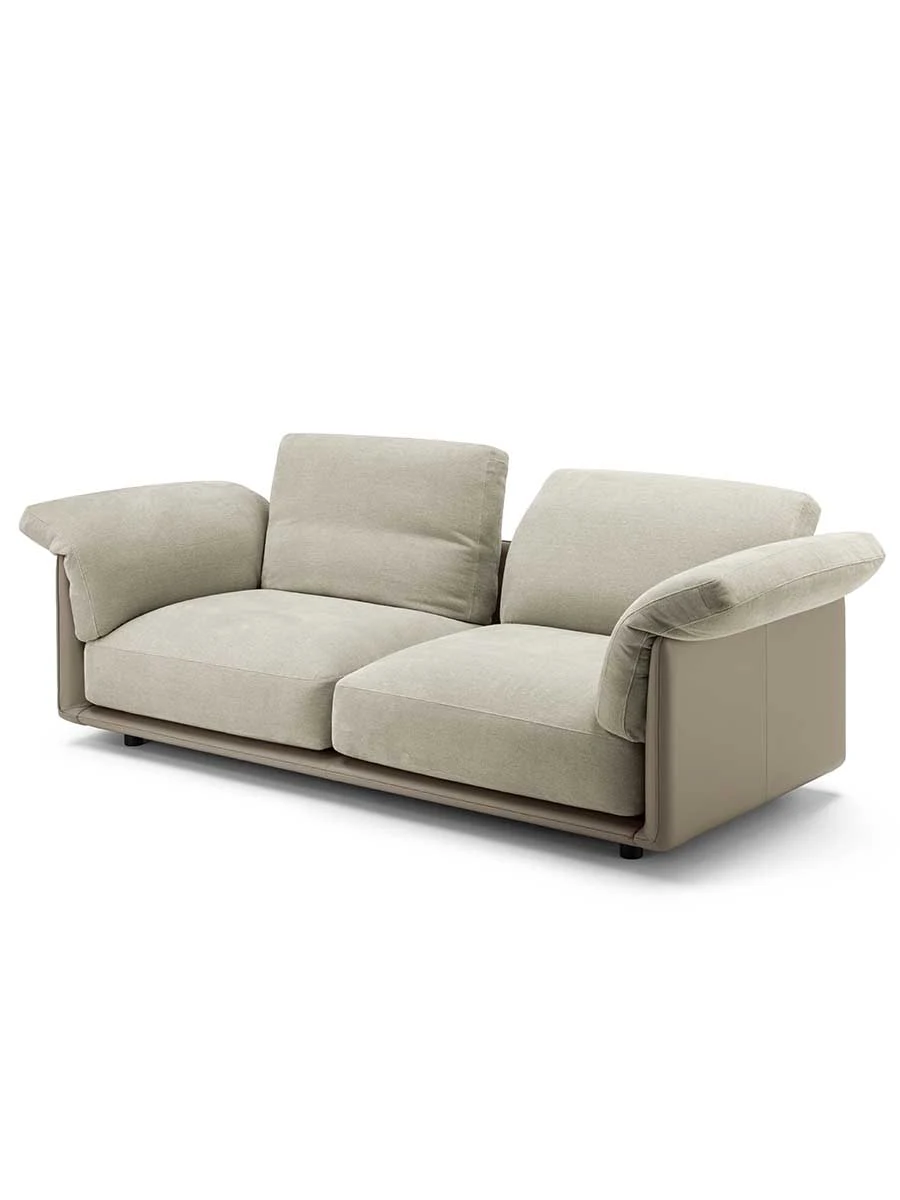
Blisscape Deep: a modular sofa with deeper seats and a 45° curved armchair by Serafini and Palomba.
Get Back Ottoman
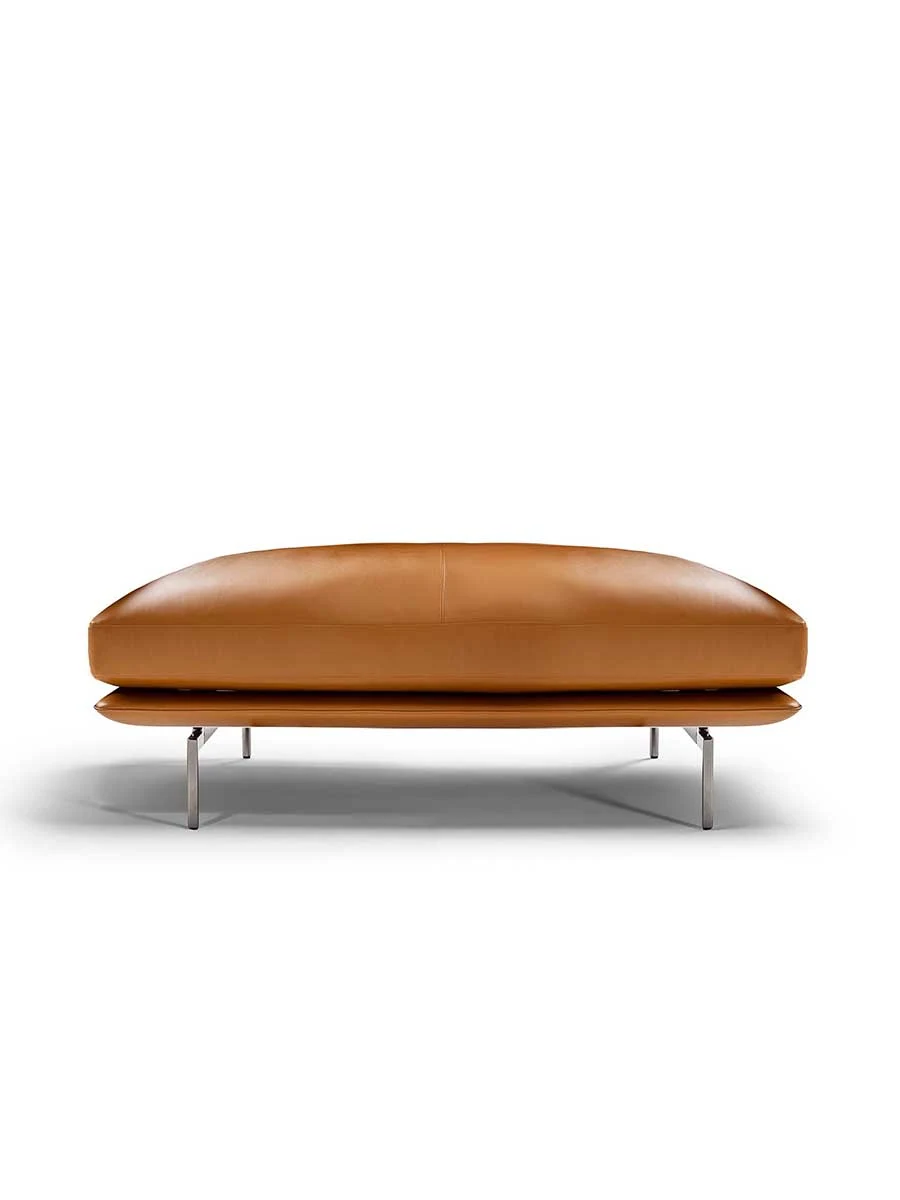
A 101 cm upholstered ottoman with rounded corners and a suspended metal-footed base
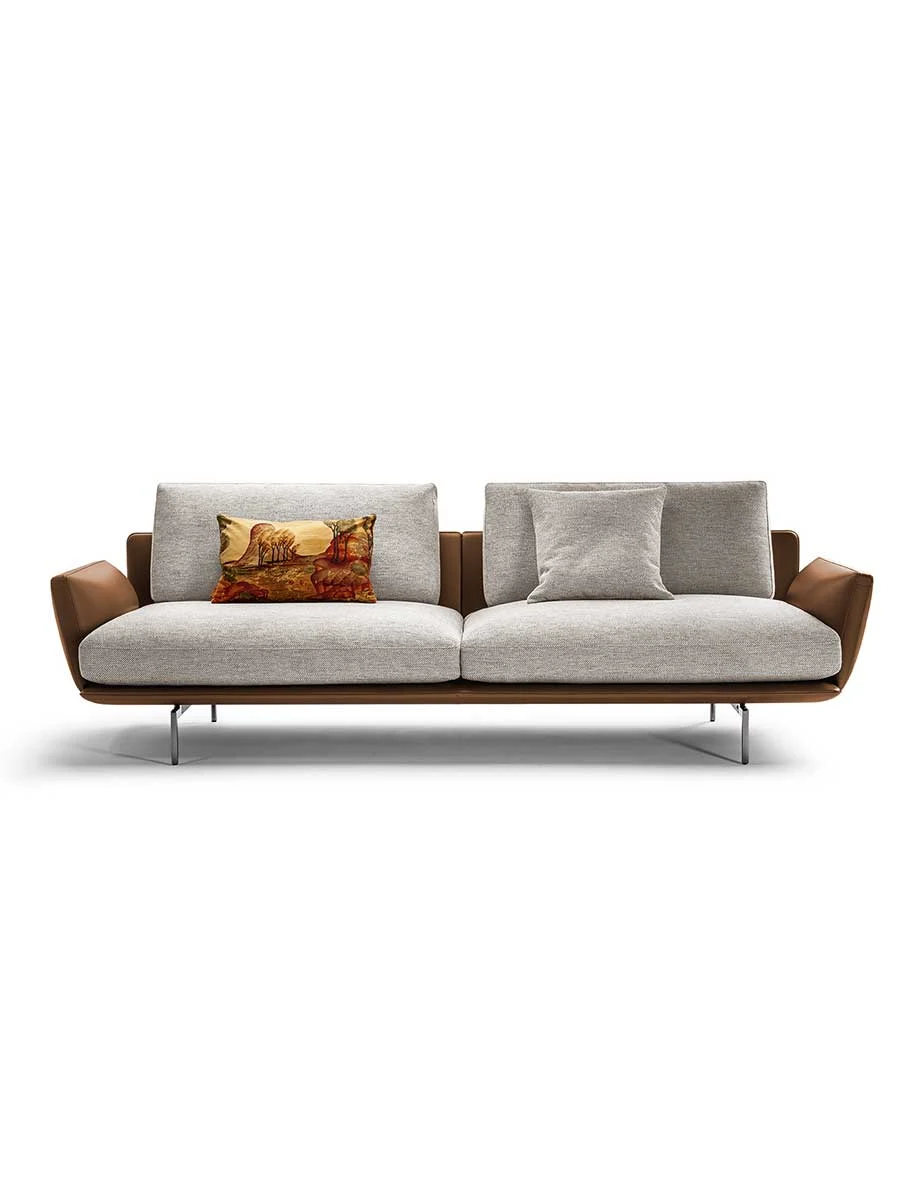
Get Back Sofa
Serafini and Palomba's Get Back: a modular sofa with a suspended frame on aluminium feet.