
Image source: Flos — Seki-Han Floor
© Flos and the respective rights holders. Quoted to accompany INTEBEE's independent design commentary and research.
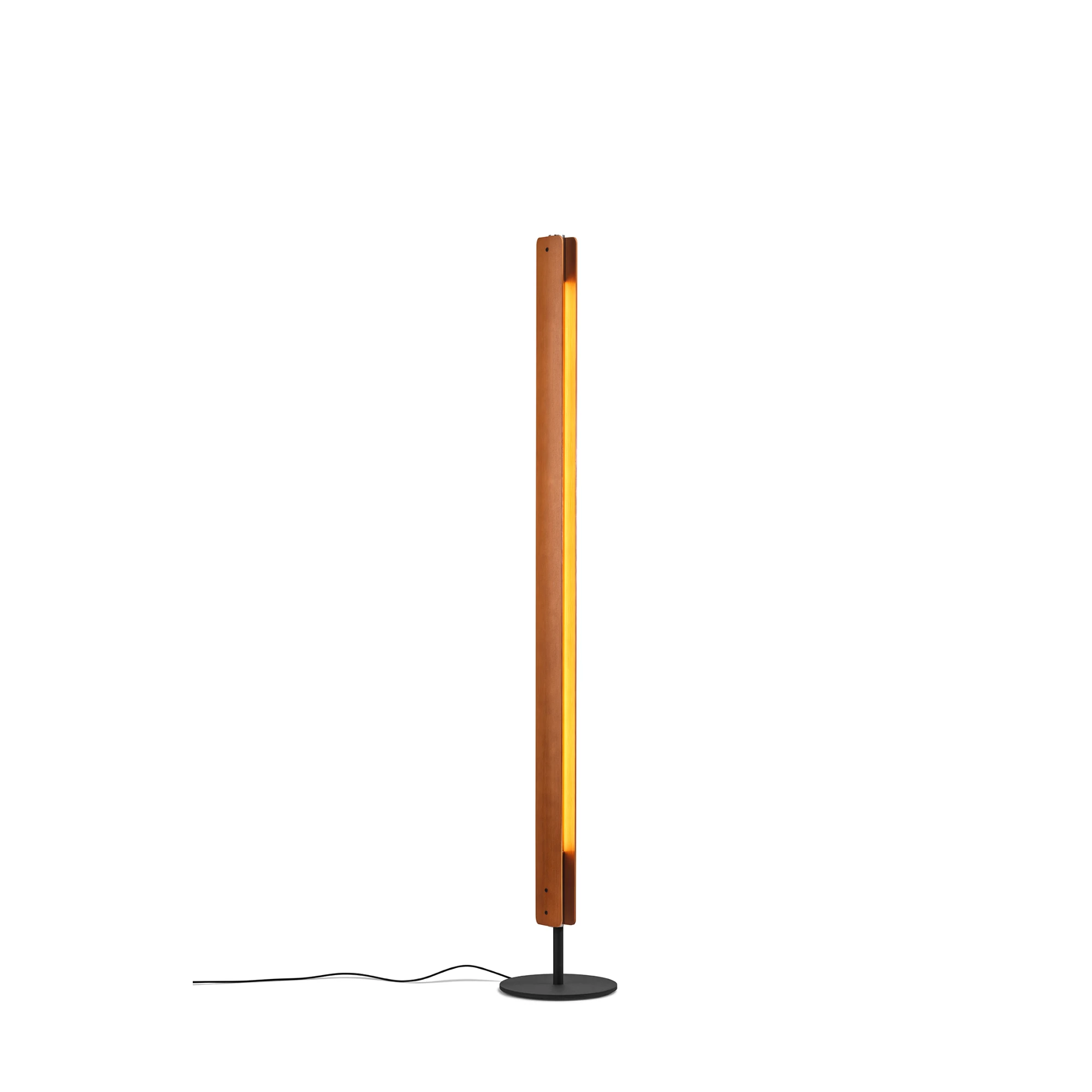
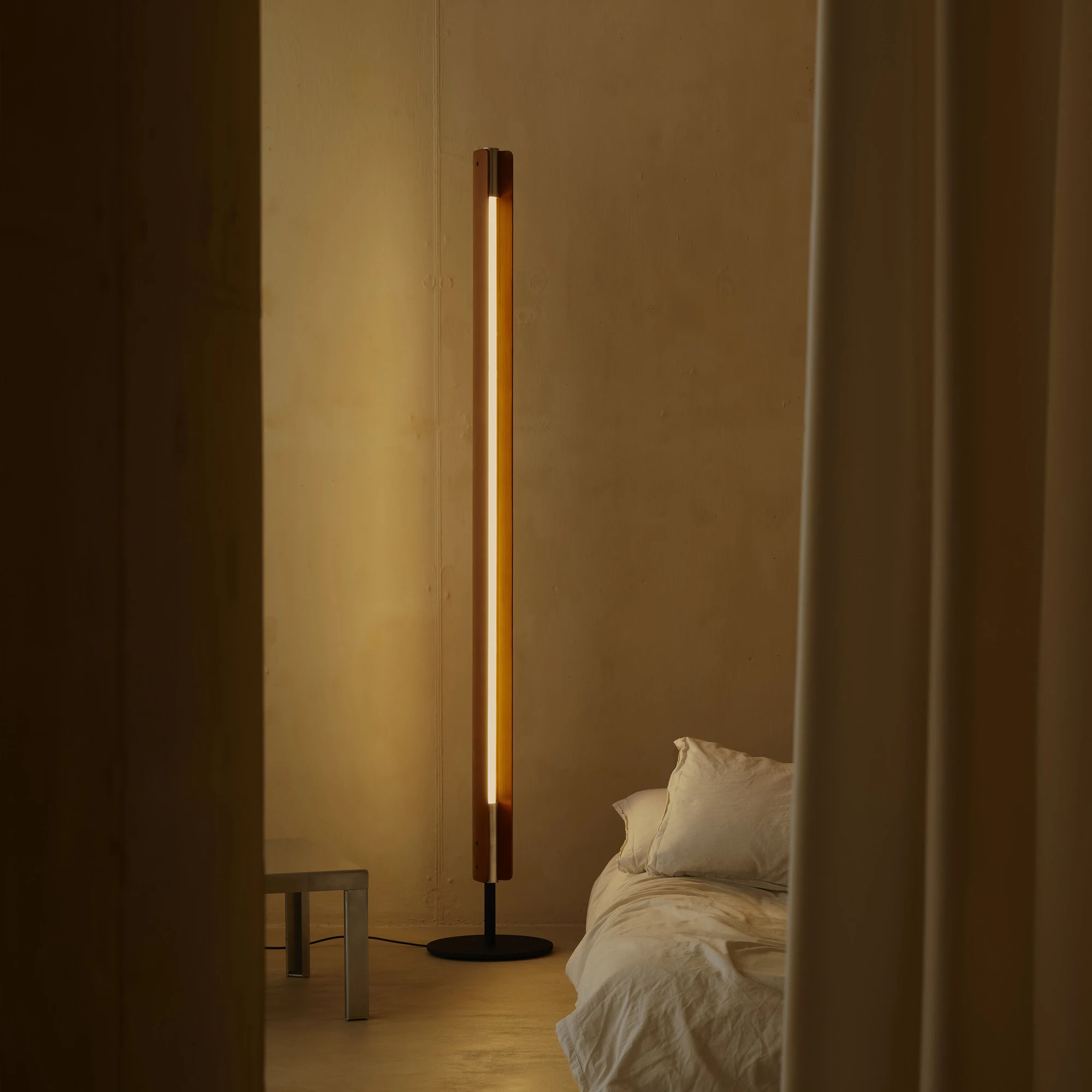
Seki-Han Floor
Tobia Scarpa floor lamp with two rotating ash wood blades around a tubular LED source.


290 × 1850 × 290 mm
Approx. $2,600 (reference price; varies by region and retailer)
Official product information
INTEBEE AI PUBLIC LIBRARY is an independent furniture design research and discovery platform. Product specifications, finishes, availability and other details may change. For current and definitive information, please refer to the manufacturer's official website.
Go to the official product pageSpecifying Seki-Han Floor for your design project?
INTEBEE is the FF&E specification platform for interior designers: spec sheets, finishes, floor plans and client-ready PDFs in one place.
Description
Overview
Seki-Han Floor is a floor lamp by Tobia Scarpa that emits direct and indirect light with symmetrical and asymmetrical distribution. Two vertical ash wood blades enclose a central tubular light source, and it comes in one colour.
Construction
- Blades: two vertical ash wood blades joined by chrome-plated metal fittings
- Movement: the blades rotate around the central tubular light source to give variable light emission
- Base: raw black iron, separated from the blades by a collar
- Light source: custom-developed dimmable linear LED; standard T8 LED tubes also fit
Specifications
- Overall size: base diameter 290 x H 1850 mm
- US version: integrated dimmer, 2700 K, G13 lamp holder, 120 V, IP 20; light source included
Story
Reimagined with mobile blades
Tobia Scarpa first designed Seki-Han in 1963. For the 2025 edition Flos worked in close collaboration with him, preserving the essence of the design while its wooden blades became mobile. They now rotate around the central body to modulate the intensity and direction of the light.
Wood and light
Two sculptural wooden blades enclose a tubular light source, and the intricate construction draws on naval architecture and Scarpa's knowledge of woodworking. Even when the blades are almost closed, a sliver of light stays visible, a highly poetic effect. The name comes from a traditional Japanese rice dish served on special occasions.
More by Tobia Scarpa

Africa
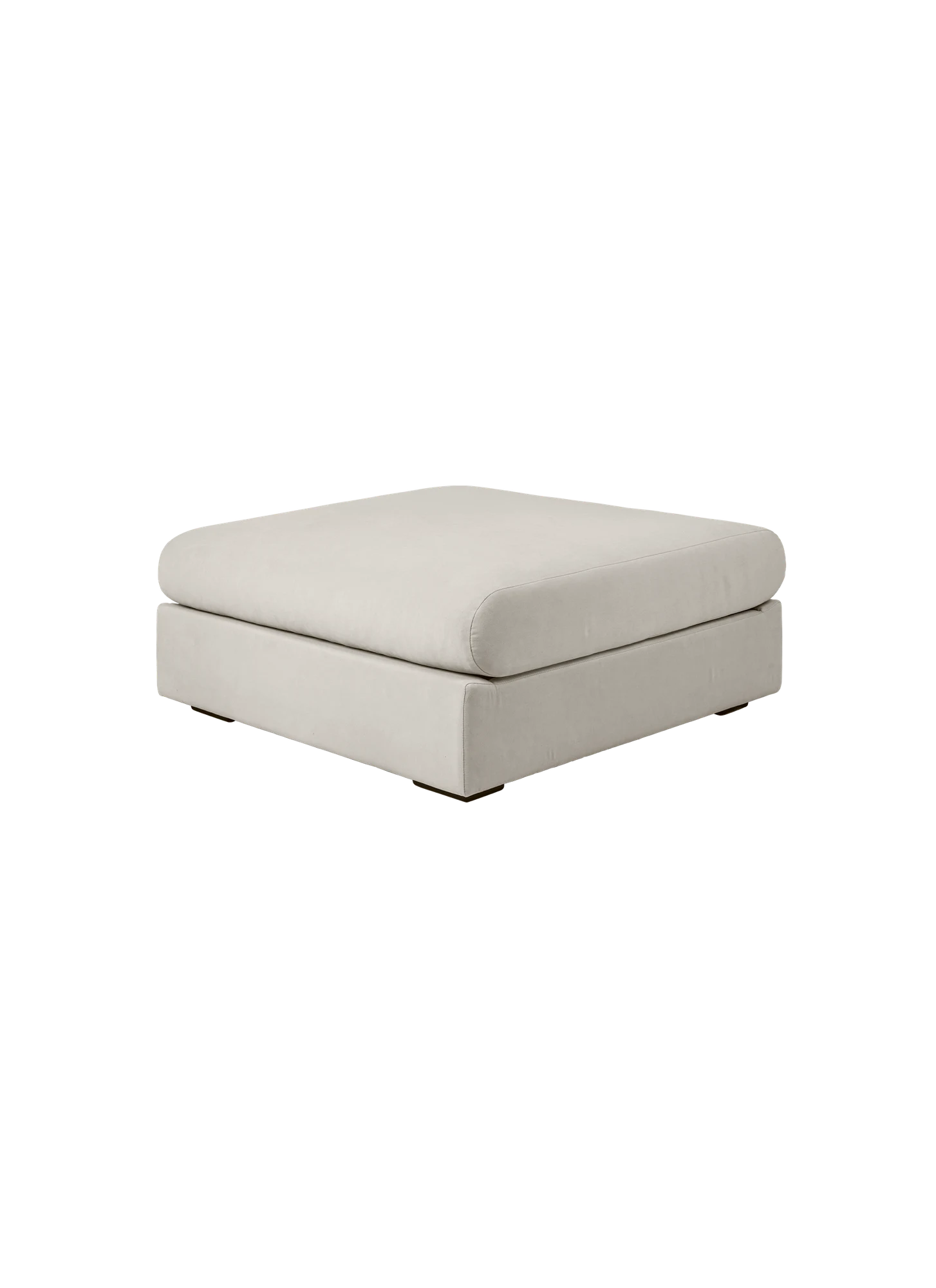
Elogio Ottoman
A soft architectural ottoman that lets Elogio turn, connect and gather beyond a linear sofa.
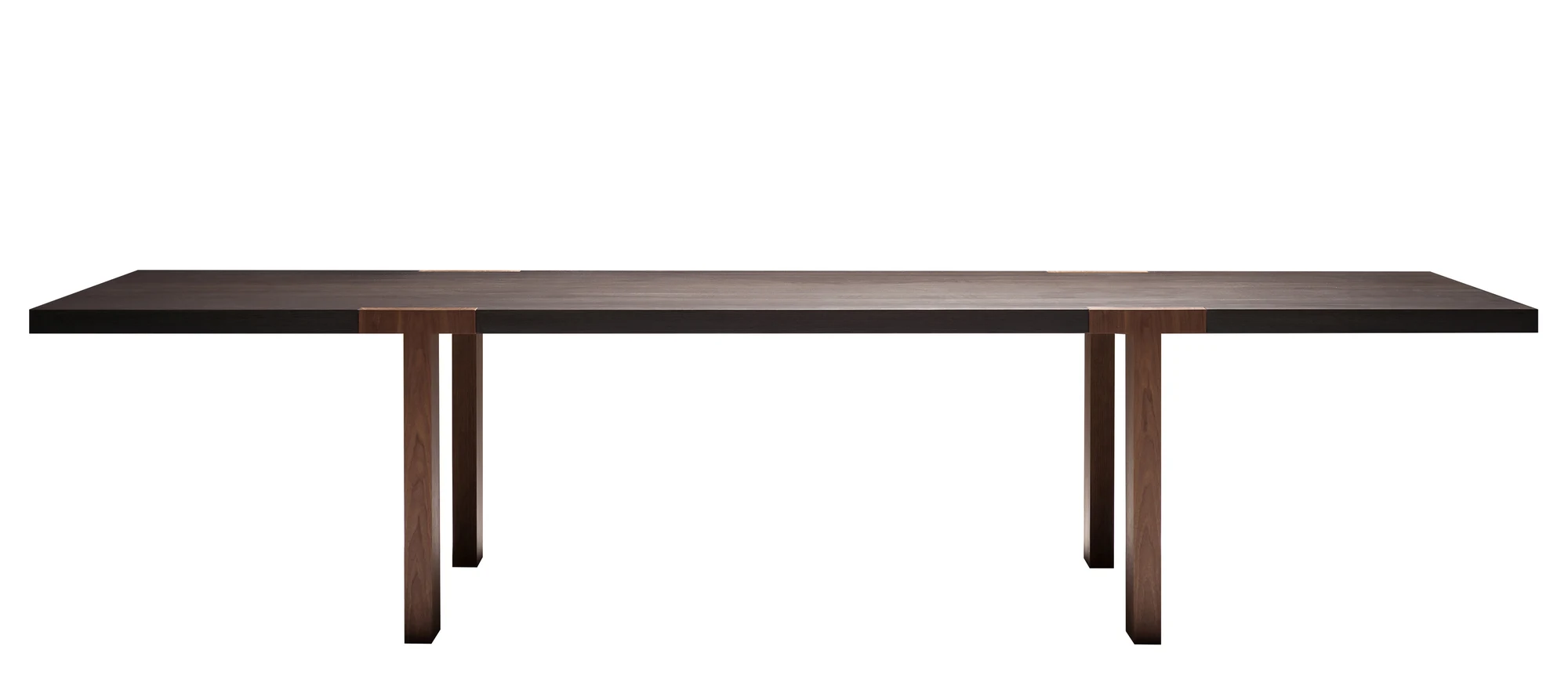
T-Table (Tacchini)
A dining table by Tobia Scarpa in which tabletop and legs slot into one another.
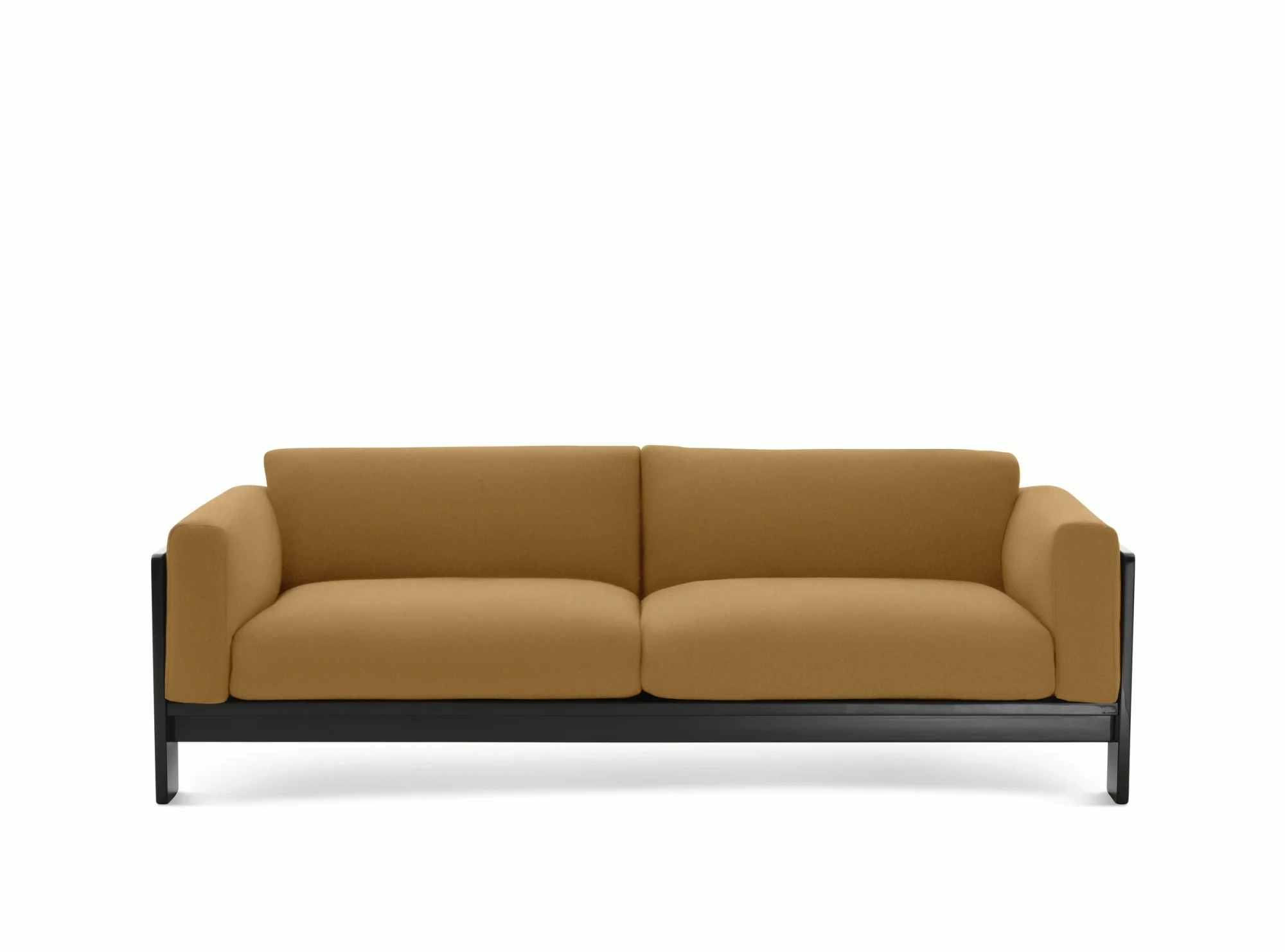
Bastiano Sofa
Tobia Scarpa's 1962 Bastiano Sofa: soft down cushions inside a slender ebonized ash frame