
Image source: Molteni&C — MHC.1
© Molteni&C and the respective rights holders. Quoted to accompany INTEBEE's independent design commentary and research.
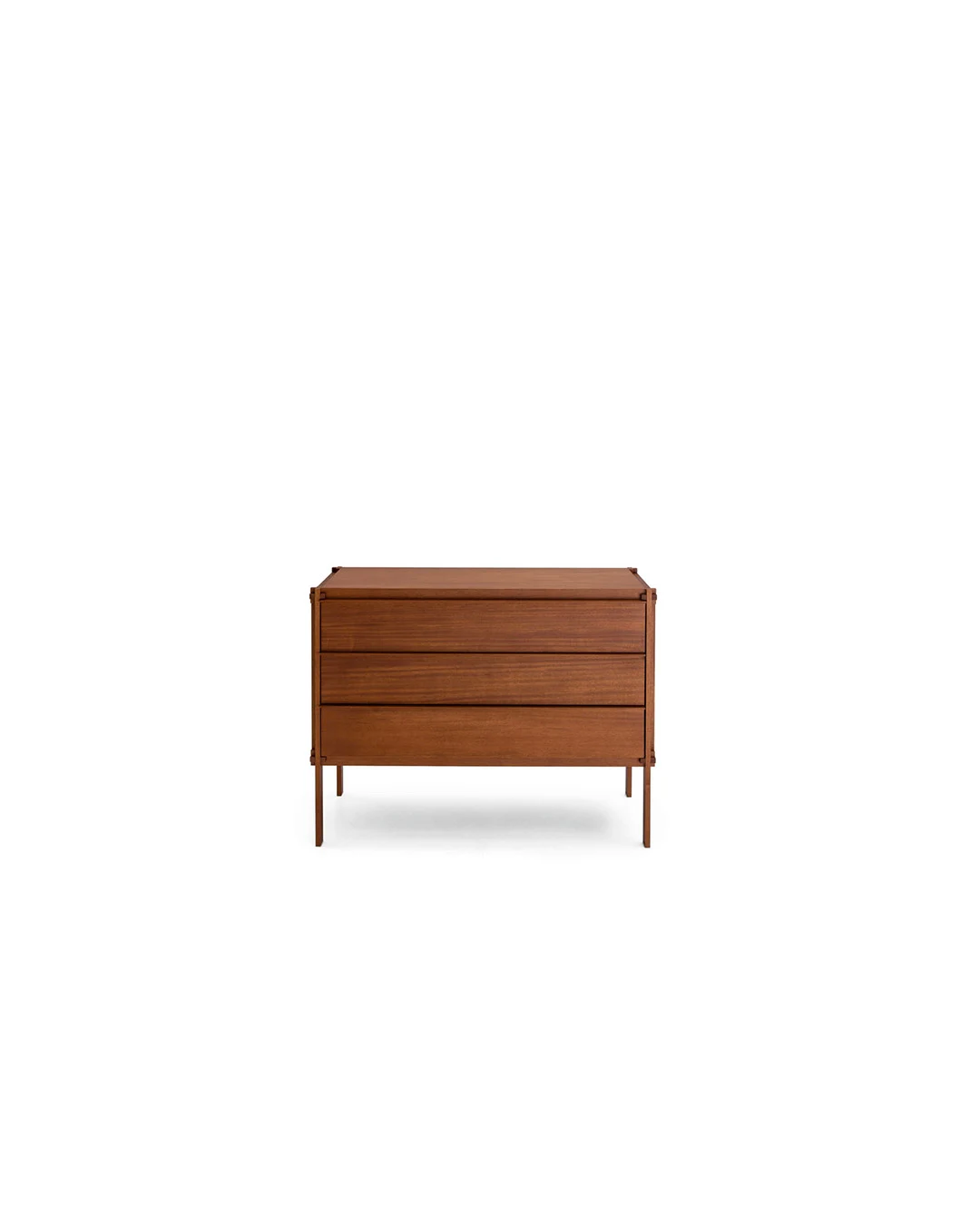
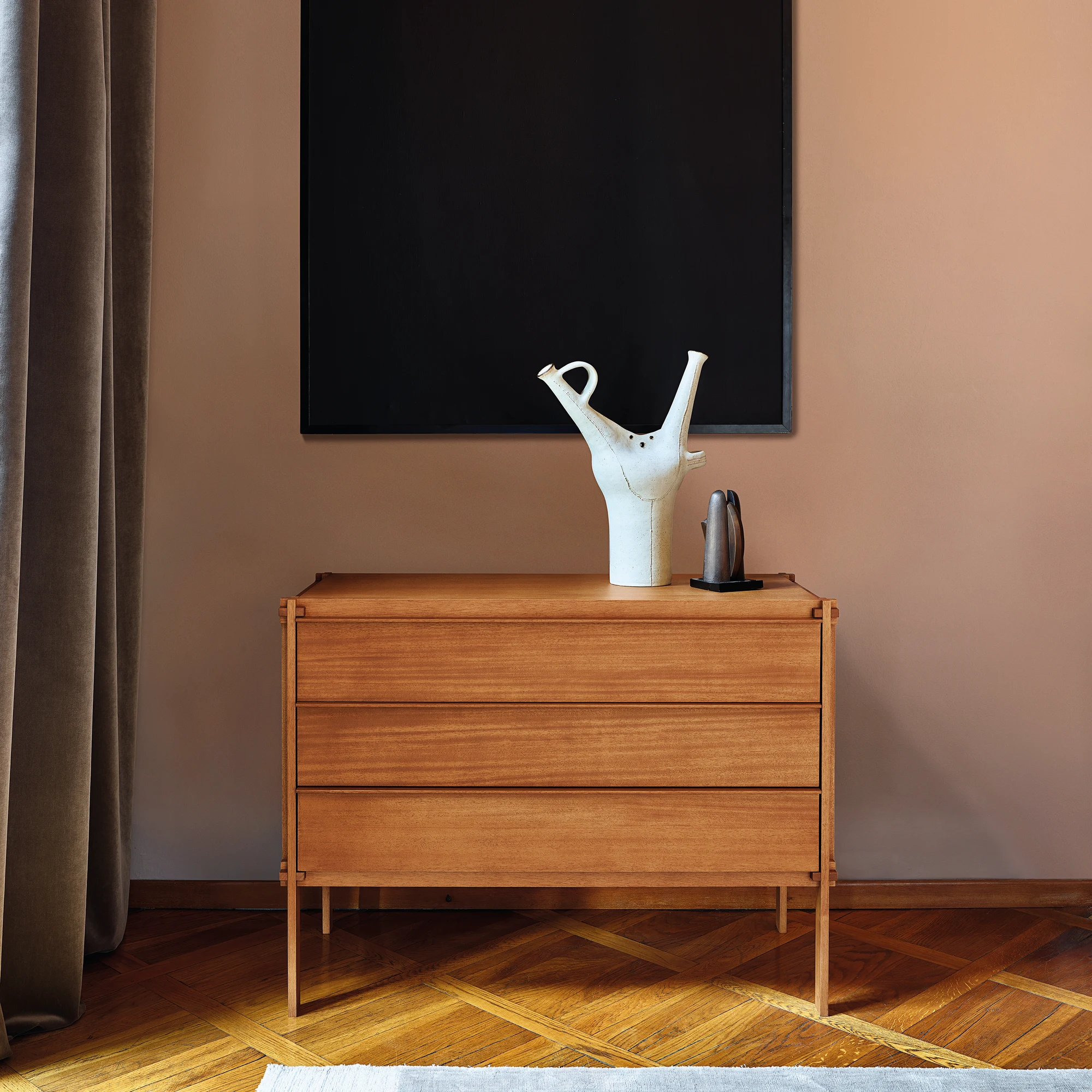
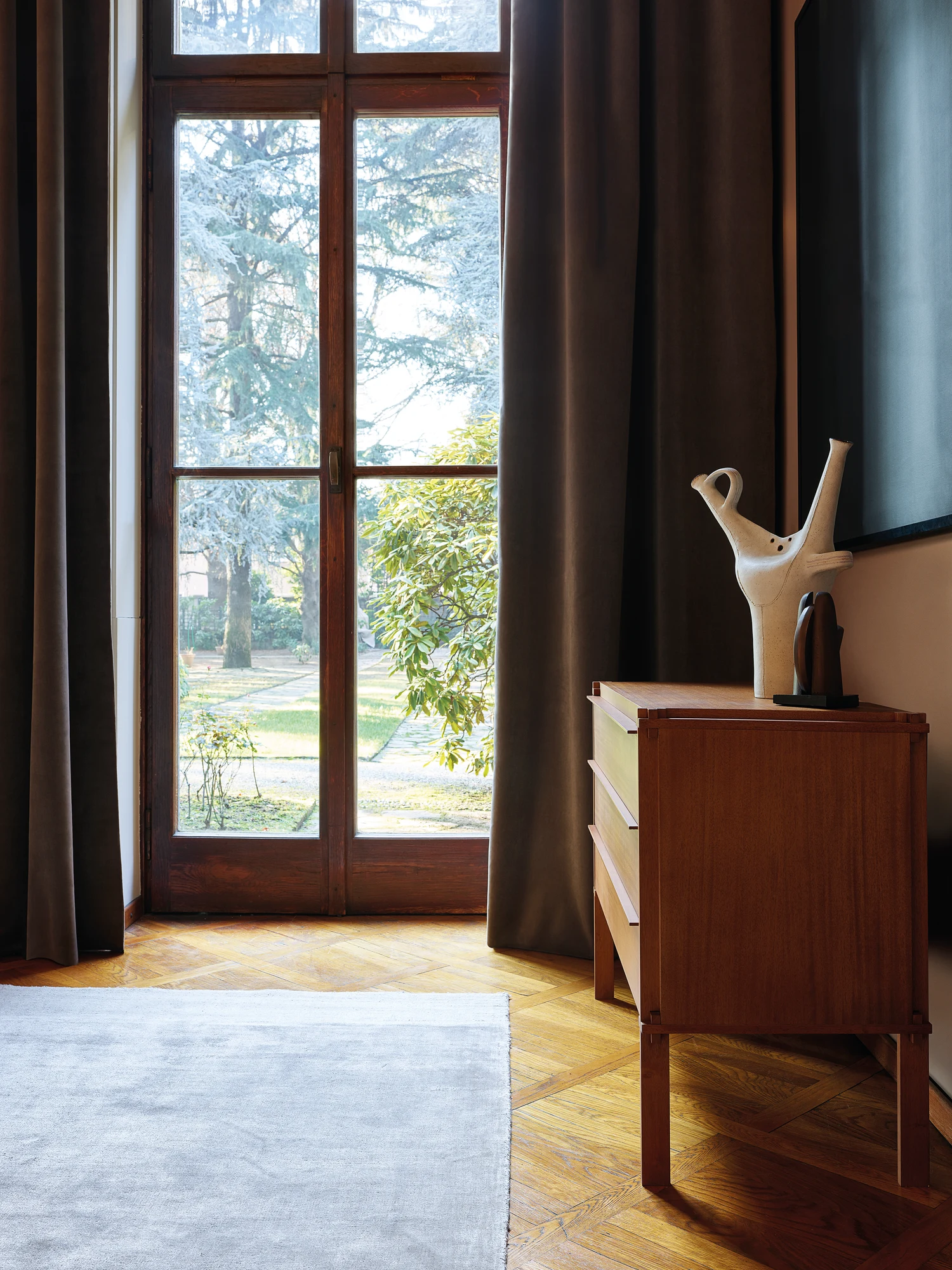
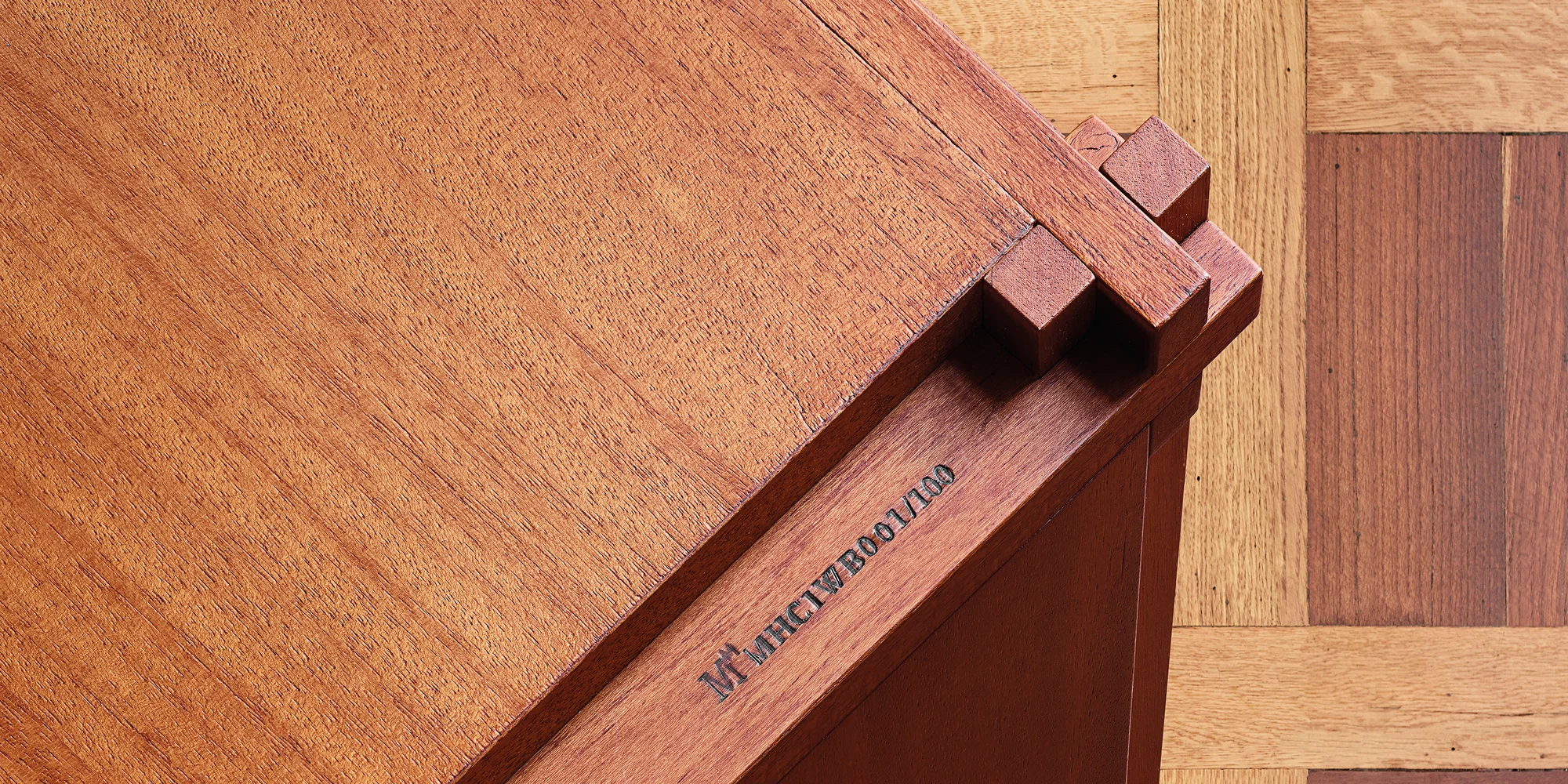
MHC.1
Werner Blaser's 1955 prize-winning chest of drawers, reissued by Molteni&C.


1000 × 750 × 450 mm
1955
Official product information
INTEBEE AI PUBLIC LIBRARY is an independent furniture design research and discovery platform. Product specifications, finishes, availability and other details may change. For current and definitive information, please refer to the manufacturer's official website.
Go to the official product pageDescription
Overview
MHC.1 is a chest of drawers by Werner Blaser for Molteni&C, a new edition of the prototype of the company's first modern piece of furniture. The page presents it as both a practical storage piece and a sculptural object in the home.
Construction
The datasheet describes structure panels and fronts in medium-density fibreboard covered with ash veneer with applied solid wood perimeter borders, solid ash handles and drawer interior sides, and an MDF drawer bottom with ash veneer. Drawers slide on wooden runners, and the joinery features a simple three-fork joint.
Specifications
- Size: 1000 x 450 x 750 mm (axes not labelled on the drawing)
- Finishes: honey stained ash, ash wood stained black
Story
A prototype that won in 1955
Per the datasheet, MHC.1 revives the prototype behind Molteni&C's first modern furniture piece, a chest of drawers by Werner Blaser. It never went into industrial production, yet in 1955 it took first prize at a Cantù competition, the Prima mostra selettiva, which aimed to lift the image of Italian furniture making. Gio Ponti, Alvar Aalto, Romano Barocchi, Carlo de Carli and Finn Juhl sat on the jury.
The reissue
After an initial limited reissue of 100 numbered pieces, the datasheet says it is now available in two unnumbered versions in black stained and honey stained ash. Blaser says that he travelled widely in Japan and that the details reflect the influence of that world; since the competition was anonymous, the jury presumed he was a Japanese designer, while he was from Basel.