
Image source: Tom Dixon — Melt Pendant, Medium
© Tom Dixon and the respective rights holders. Quoted to accompany INTEBEE's independent design commentary and research.
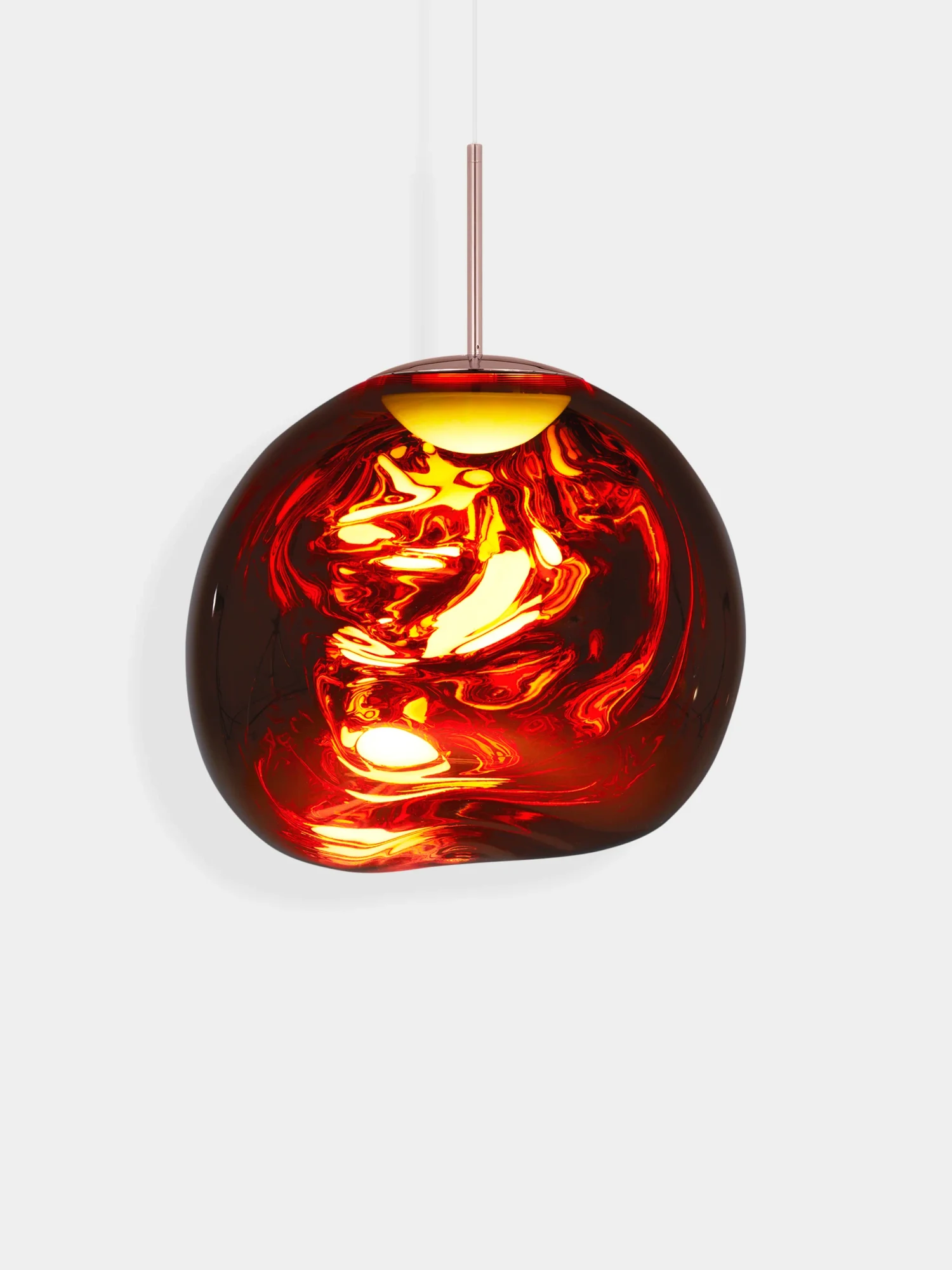
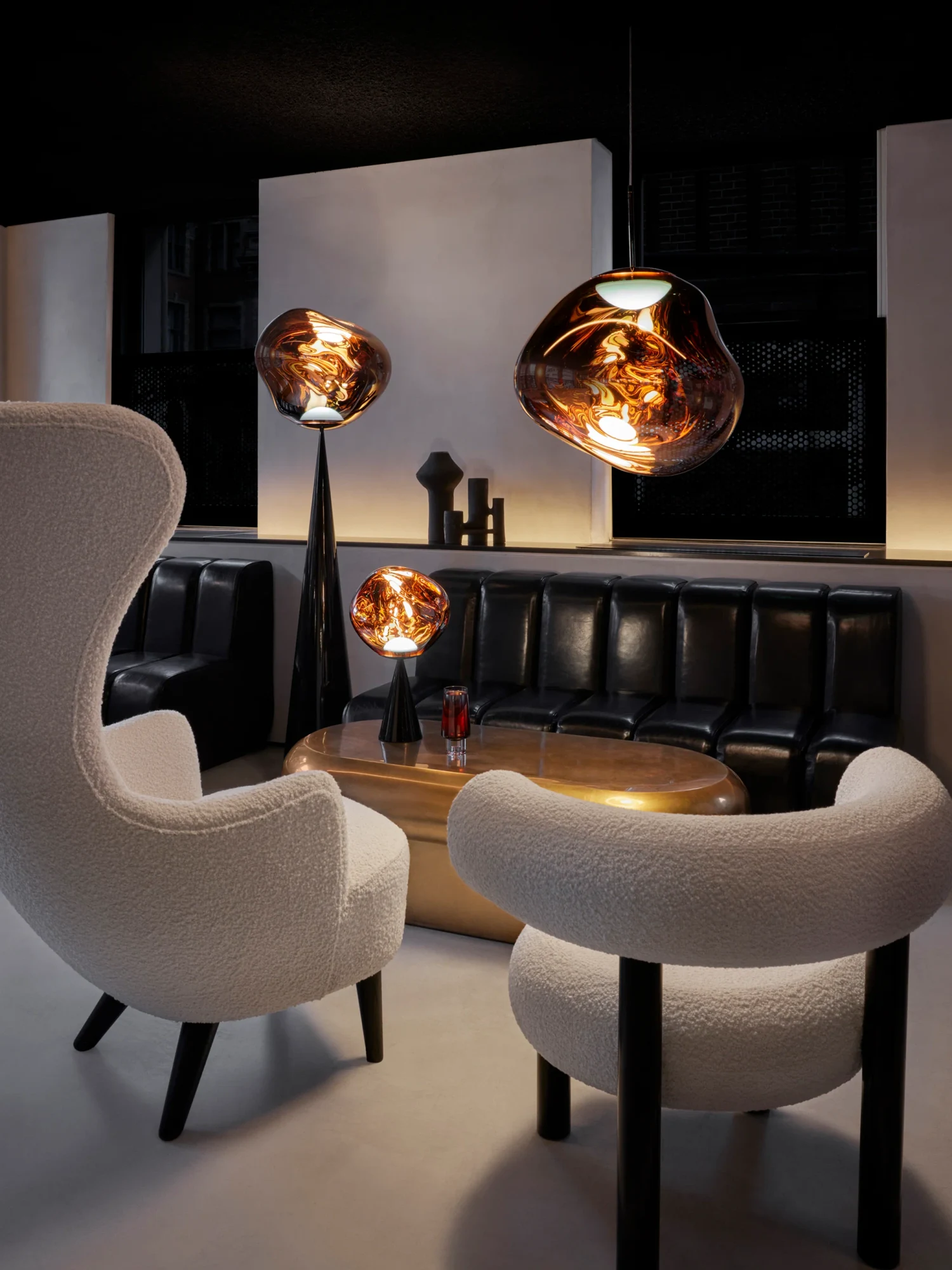
Melt Pendant, Medium
A distorted, mirrored orb that glows like hot-blown glass when lit


500 × 500 × 500 mm
Germany
2.44 kg
Official product information
INTEBEE AI PUBLIC LIBRARY is an independent furniture design research and discovery platform. Product specifications, finishes, availability and other details may change. For current and definitive information, please refer to the manufacturer's official website.
Go to the official product pageSpecifying Melt Pendant, Medium for your design project?
INTEBEE is the FF&E specification platform for interior designers: spec sheets, finishes, floor plans and client-ready PDFs in one place.
Description
Overview
The Melt Medium Pendant is a distorted pendant light with a matching ceiling rose, shown here in Copper (code MES03CO-PEUM2). Tom Dixon describes the Melt shade as changing from a hyper-reflective mirror finish when off to a translucent, hot-blown glass effect with rich depth when lit.
Construction
The shade is blow-moulded polycarbonate with a vacuum-metallised finish (semi-metallised, plated). It hangs from a steel fitting in polished copper on a 250 cm clear cable (H03VV-F 2 × 0.75 mm²), with a dome ceiling rose of 11.5 cm diameter. Tom Dixon states that the Melt series is made in Germany.
Specifications
- Shade: Ø 50 cm × H 50 cm; product weight 2.44 kg
- Light source: integrated 6W LED module, 800 lumens, 3000K, CRI >90; max wattage 9W
- Voltage: 220–240V; mains powered, mains dimmable (leading and trailing edge); indoor use
- Certification: certified for NZ/AUS (technical sheet)
Story
The mirror and the glow
Copper is one of six finishes of the Medium Pendant, and the Copper shade is mirrored when the light is off. Lit, the same shade turns translucent and takes on the look of hot-blown glass, which Tom Dixon's technical sheet describes as an imperfect, organic and naturalistic light.
Design credits and dates
Front's own page describes Melt as a collaboration between the Stockholm studio and Tom Dixon. Tom Dixon's technical sheet dates the design to 2014, while the current official product page says it was designed in 2015 in the London Studio; the two official dates conflict.
More by Tom Dixon
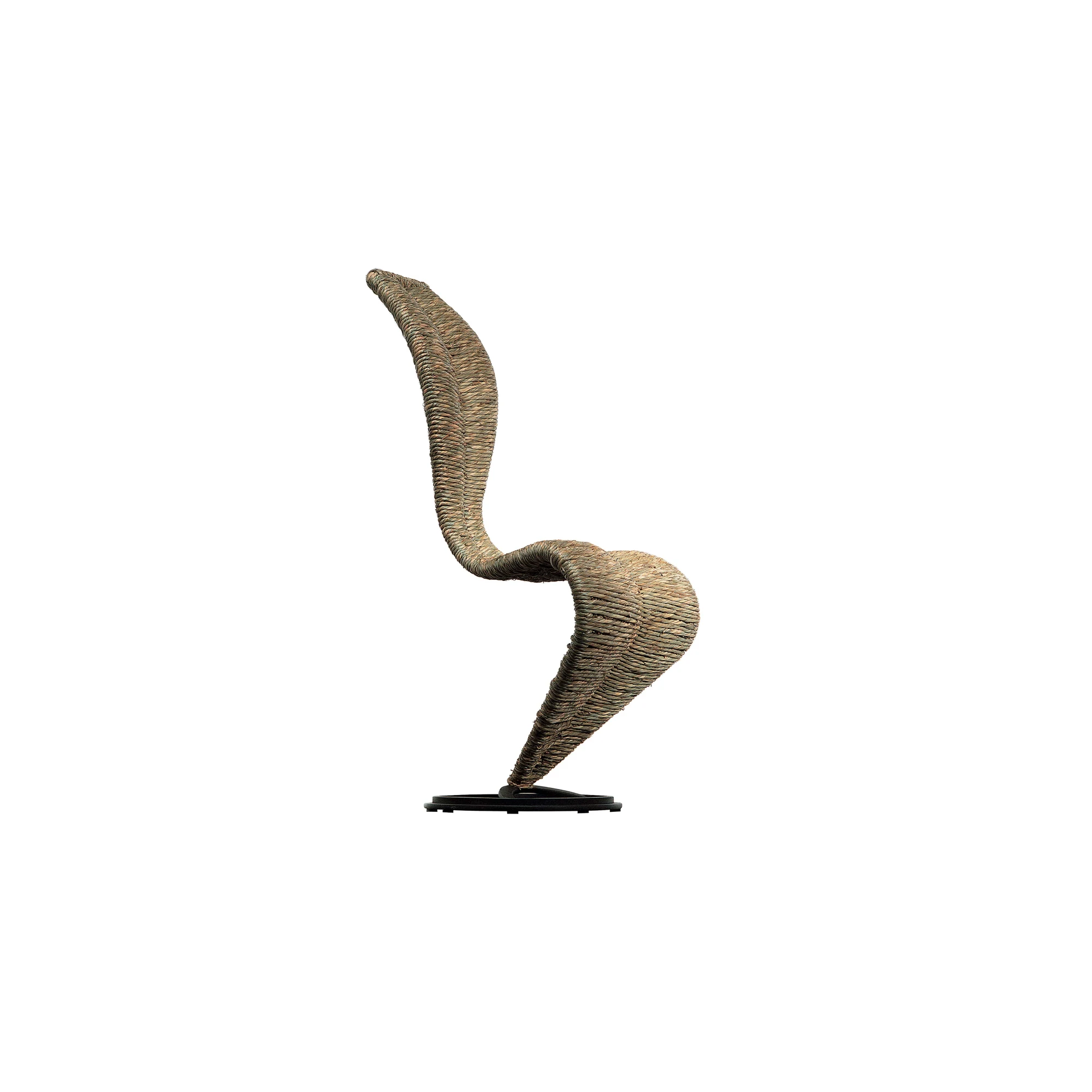
S-Chair
Tom Dixon's 1991 S-Chair on a dark metal structure, covered in straw, wicker, fabric or leather.
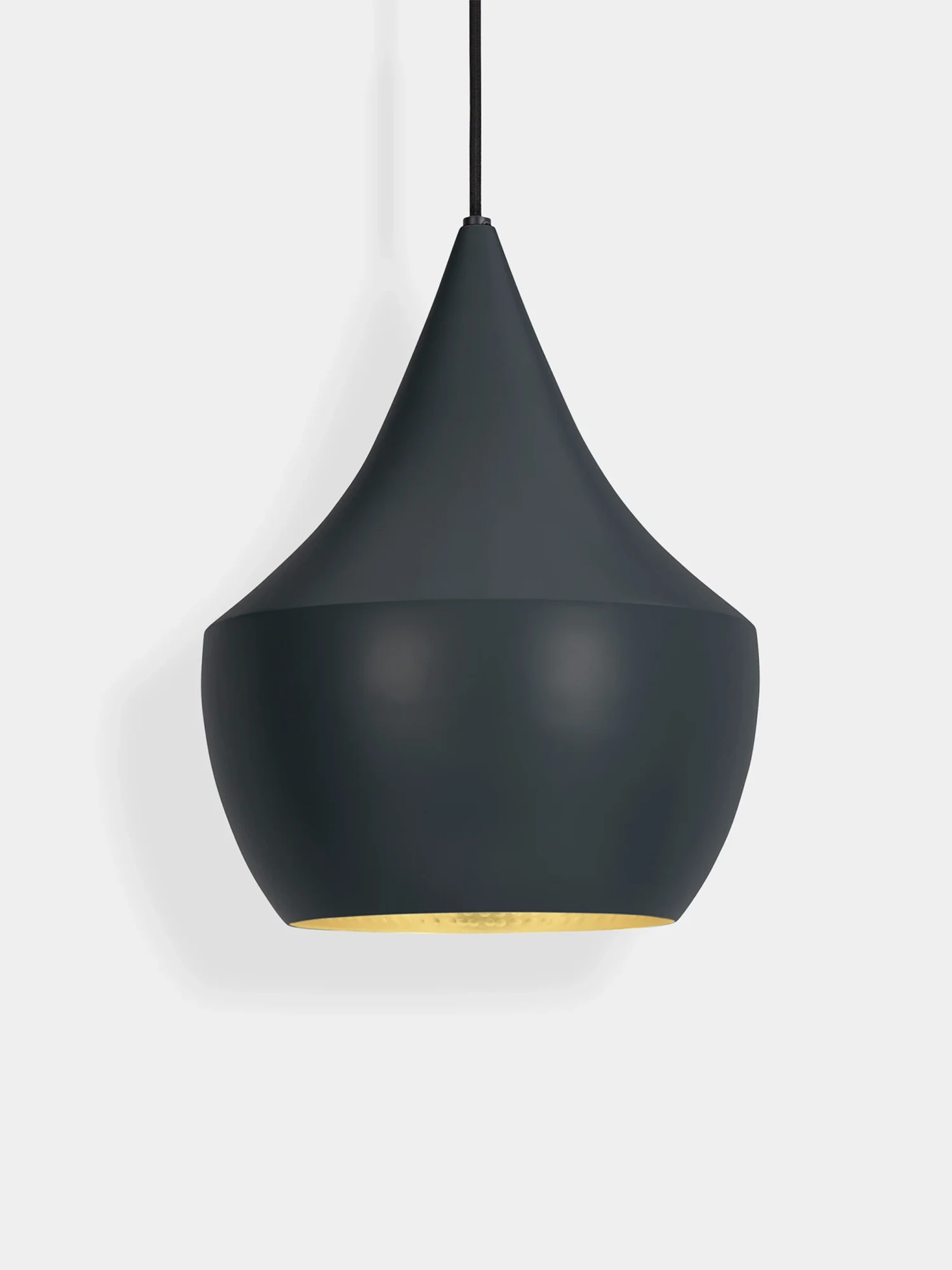
Beat Light Fat
Tom Dixon's Beat Fat pendant: hand-beaten brass shade, crafted by artisans in Northern India.
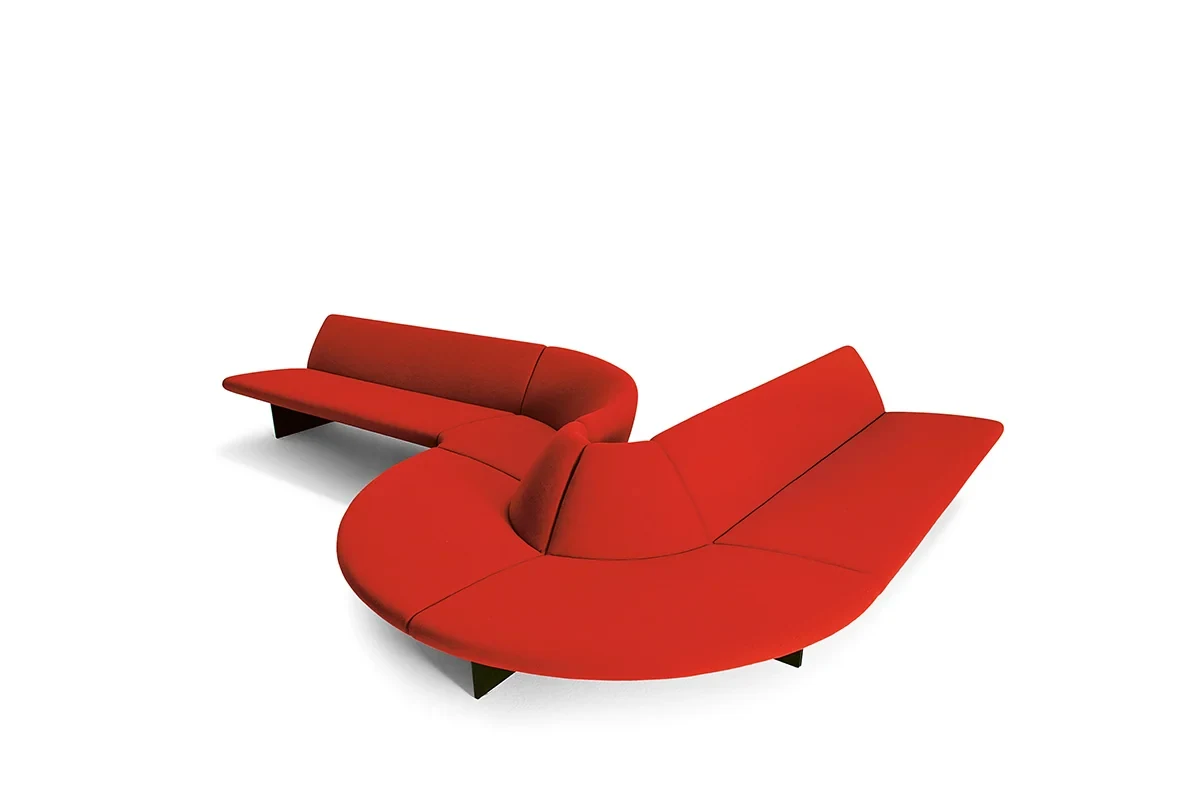
Serpentine
Modular seating system by Tom Dixon for Moroso, built from central elements and corner modules
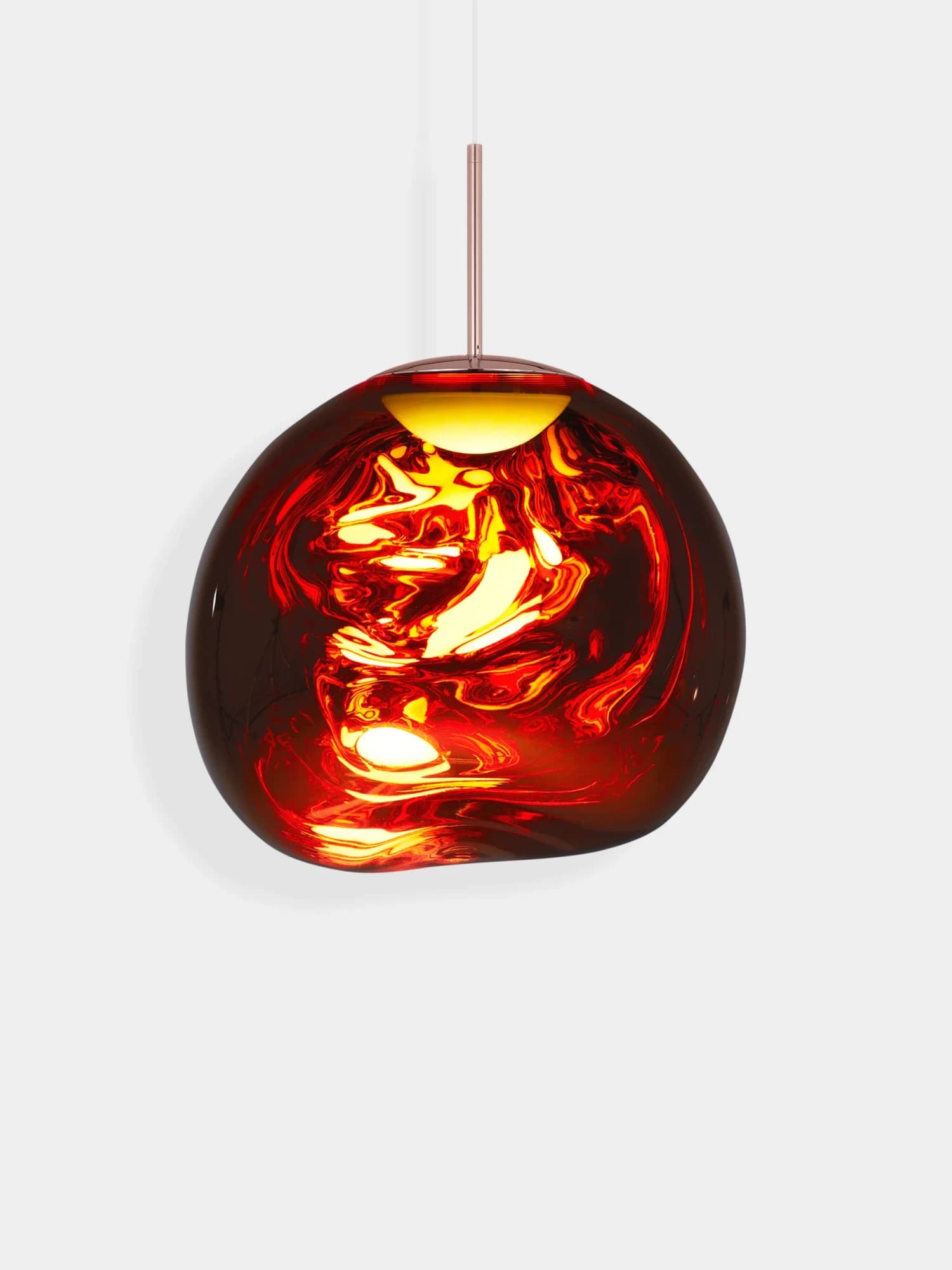
Collection
Melt
Tom Dixon's Melt collection (2014, with Front): vacuum-metallised polycarbonate orbs, mirrored when off, glowing like molten glass when lit. Pendants and lamps.